Women's Cashmere Coat Compliance Guide: Certifications & Standards
Women's Cashmere Coat Compliance Guide: Certifications & Standards
Short answer: A women's cashmere coat order becomes compliant at the point where every claim made during sampling has been converted into three usable things — a document you can check, a purchase term you can enforce, and an acceptance criterion you can measure at final inspection. Fiber composition, construction method, size and fit specification, labeling text, and customs classification are the five claim groups that most often fail that conversion in outerwear programs.
This guide is written for importers, boutique buyers, private-label managers, and sourcing teams purchasing women's cashmere coats, Women's Onepiece styles, and Women's Wool Coat programs. It explains how certification claims, product standards, and regional requirements map onto purchase terms and acceptance criteria, and it closes with a documented decision step between a hand-sewn cashmere coat and a competitor's high-end hand-sewn alternative.
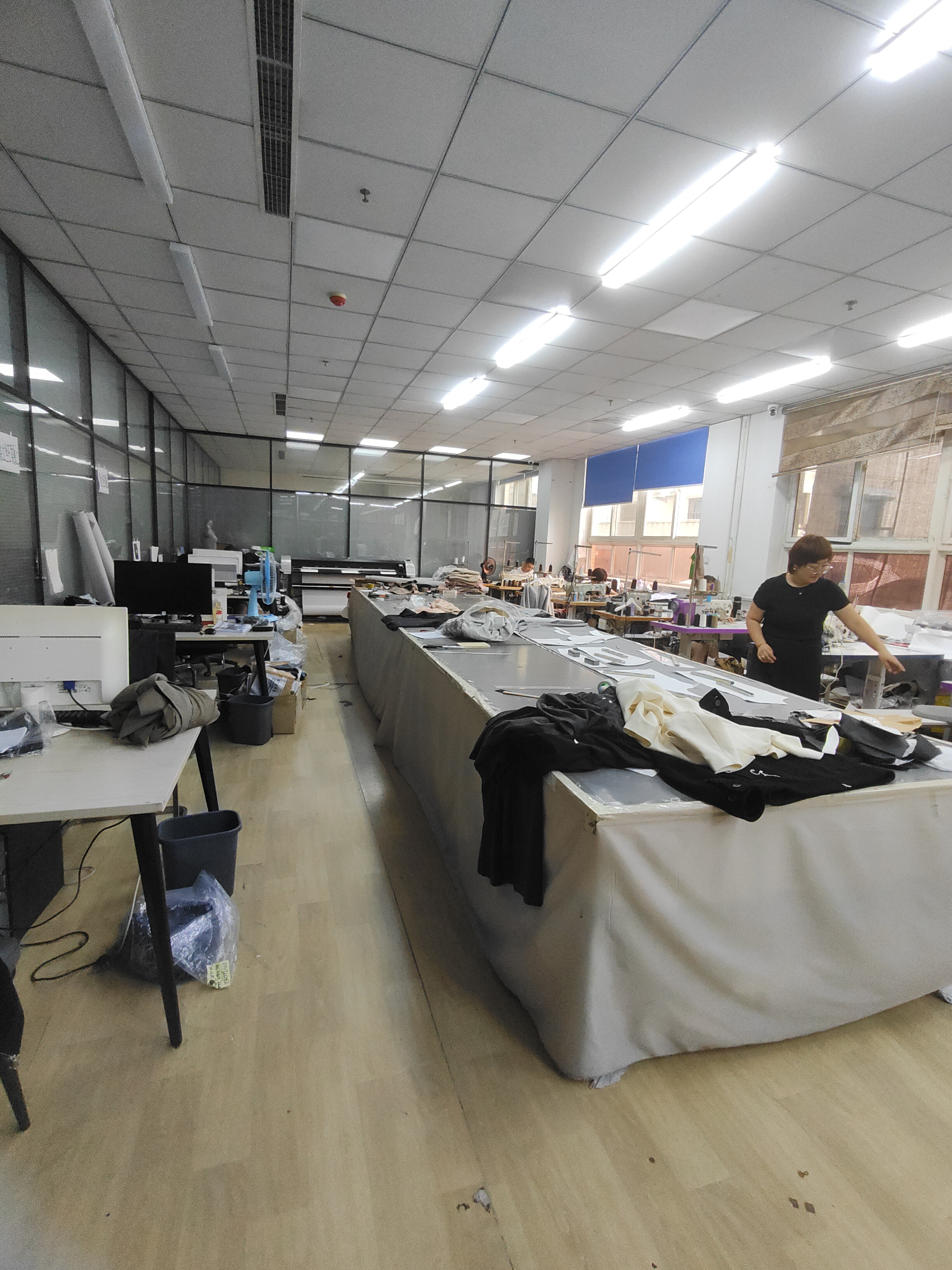
Figure 1 — Compliance begins where a claim is checked against a physical sample, not where a document is filed.
Problem Definition: Where Compliance Actually Breaks in a Coat Order
Compliance failures in outerwear rarely start with a missing certificate. They start with a claim that was never attached to a document or to a tolerance.
Three patterns account for most of the disputes that reach a buyer's desk:
- Verbal-claim gap. The composition, the hand-stitching detail, or the lining quality is described in a meeting or a chat message, and then never appears in the purchase order. Nothing can be enforced later.
- Document-claim gap. A supplier sends a general company brochure instead of an order-level document. A brochure describes what a factory can do; it does not describe the goods in your carton.
- Adjective gap. Acceptance criteria are written as adjectives — soft, premium, luxury, warm — which no inspector can measure. Measurable criteria use grams, millimeters, colour references, and label text.
A women's cashmere coat is a high-value garment, and the value sits almost entirely in claims that are invisible to the eye: whether the material is 100% pure cashmere or a wool-cashmere blend, whether the coat is double faced and hand stitched or machine finished on a double-faced shell, whether a maxi long version and a midi mid length version actually differ by the measured length stated on the sheet. Each of those is a claim that either becomes a document and a term, or stays a marketing statement.
Industry Background: Why Claim Verification Moved to the Center of Coat Buying
Three market signals explain why compliance mapping has become a purchasing task rather than a paperwork afterthought.
- The category is large and premium-weighted. The global cashmere clothing market was valued at USD 3.63 billion in 2025, according to Fortune Business Insights. Within that market, cashmere sweaters and coats accounted for 60.58% of the category in 2026 — the single largest product block.
- The top of the market is defined by a construction claim. A 2026 industry trend analysis describes hand-stitched double-faced cashmere as the “Gold Standard” for high-end coats, associated with the “Quiet Luxury” direction. When the premium tier is defined by a construction method, that method becomes a claim a buyer must be able to verify rather than admire.
- Export competition is tightening. China's apparel exports totalled US$151.2 billion in 2025, a 5% year-on-year decline. In a contracting export market, buyers consolidate into fewer suppliers — and the suppliers that survive consolidation are usually the ones whose claims can be documented.
The practical consequence for a coat buyer is simple: the same garment can be quoted at very different prices depending on claims that are never written down. Compliance mapping is the mechanism that makes those differences visible and comparable.
The Four-Layer Compliance Mapping Framework
Use the four layers in order. Each layer feeds the next, and a claim that cannot complete all four layers should not be treated as a specification.
| Layer | What you collect | Where it must live | Acceptance evidence |
|---|---|---|---|
| 1. Claim inventory | Every claim made at sampling: fiber composition, construction, silhouette and length, fit, closure, collar, colour, logo placement, care text | Line sheet and sampling notes | A written list signed off before the purchase order is issued |
| 2. Document set | Order specification sheet, fiber composition declaration, packing list, customs classification data, inspection record | The order file, not a generic brochure | Documents issued for the specific order and destination |
| 3. Purchase terms | MOQ, lead time, dimensional tolerance, customization scope, remedy for defective goods | Purchase order or contract | Clauses that reference the same values as Layer 1 |
| 4. Acceptance criteria | Measurement points, fiber verification method, colour check, stitch and finish check, packing check | Inspection sheet | A recorded result at inspection, not an opinion |
Layer 1 — Build the claim inventory before you negotiate price
For a women's cashmere coat, the claim inventory normally has to cover material composition (100% pure cashmere and a wool-cashmere blend are different products and must never share one specification); construction (double faced hand stitched versus machine finished); silhouette and length (maxi long, midi mid length, short cropped); fit direction (oversized loose, belted waist, regular); closure (double breasted, single breasted); collar type (lapel collar, hooded, or a fox fur collar option, which carries its own material declaration obligation); weight category (thick heavy warm versus lightweight thin); colour (solid colour versus any print); and end-use positioning (elegant office, casual daily, or formal luxury).
Write each line as a value with a unit or a reference. “Mid length” is not a value; a measured length in centimetres from the high point of shoulder is.
Layer 2 — The document set that belongs to your order
A document belongs to your order only if it names your order. The working set for a coat program is a signed order specification sheet; a fiber composition declaration for the material actually used; a packing list that matches carton marks and size ratios; the customs classification data used for the destination market; and the inspection record. Confirm in writing, before the purchase order, which of these the supplier can issue for your quantity and destination. If a document cannot be issued for your order, the matching claim should be moved out of the specification and treated as marketing language.
Layer 3 — Turn the documents into purchase terms
Purchase terms are where compliance becomes enforceable. Established in 2019 and based in Dalian, China, DALIAN GACCILANG FASHION CO.,LTD operates a 3,000㎡ facility with 120 employees and a documented commercial framework for coat programs: OEM production, customization across size, colour, fabric and logo, a minimum order quantity of 100 pcs, a lead time of 30–45 days, a monthly capacity of 30,000 units, 100% inspection, and after-sales support covering order tracking, after-sales consultation and defective goods communication. Each item becomes a clause: quantity against the MOQ, dates against the 30–45 day window, specification against the customization scope, and remedy against the after-sales process.
Layer 4 — Acceptance criteria you can measure at inspection
Acceptance criteria convert Layer 3 clauses into checks an inspector can record. Because inspection is carried out at 100%, the acceptance sheet can be applied to every unit rather than to a sample. Keep the sheet to items that produce a pass or a fail: measured length, measured chest and shoulder, fiber declaration match, colour match against the approved reference, stitch and finishing check on the double-faced edge, label text match, and packing accuracy against the size ratio.
Step-by-Step Breakdown: Building an Acceptance Criteria Sheet
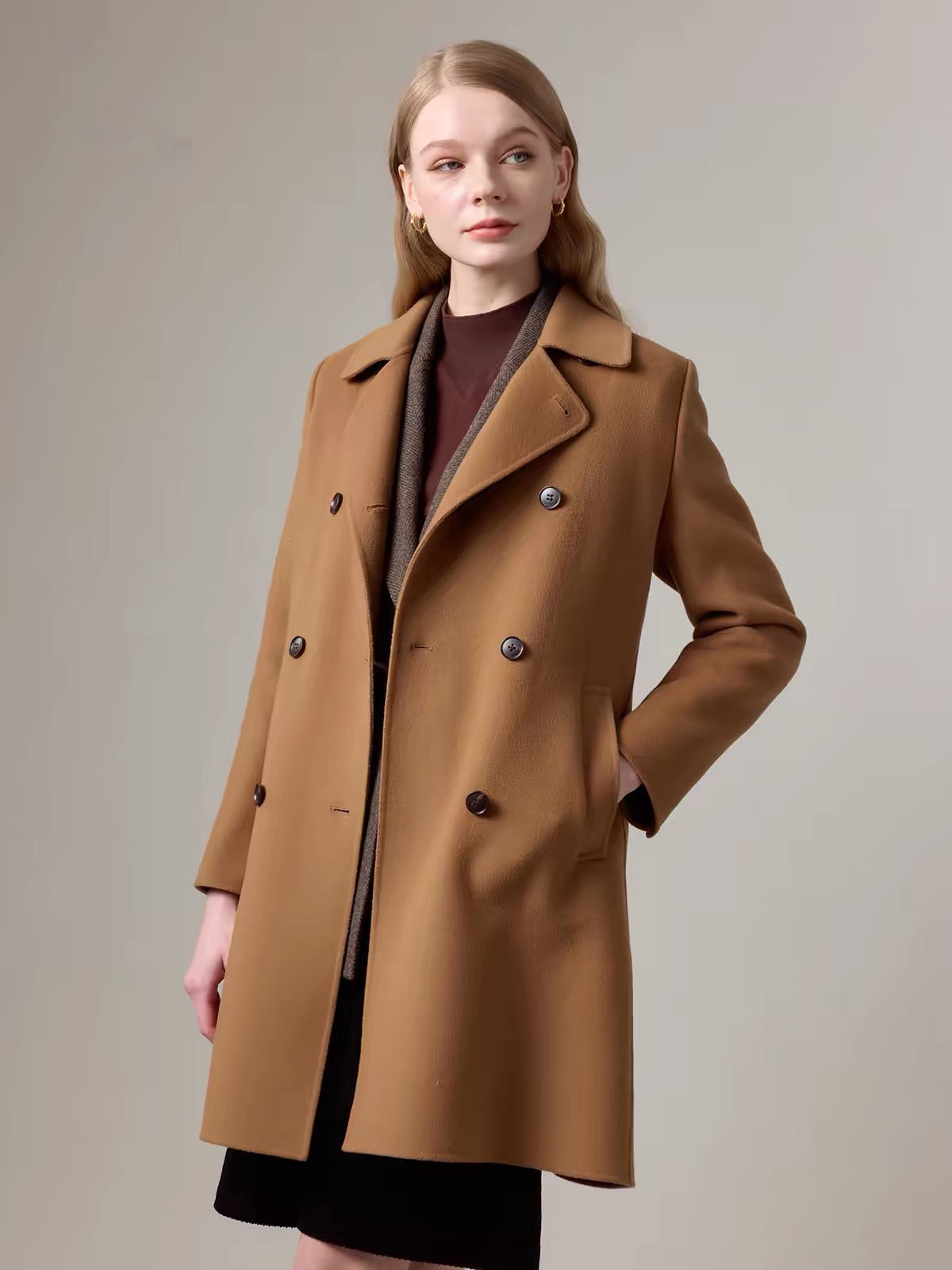
- Freeze the specification. Convert the line sheet into values: composition, construction, length, fit, closure, collar, colour, weight category, and size run. Include the model reference where one exists — the WOMEN'S WOOL COAT style JSL26W011, a women's wool double breasted coat listed with a 100% cashmere material and a size run of S, M, L, XL and XXL, is an example of a fully written specification rather than a description.
- Request the document set. Ask for the order specification sheet, fiber composition declaration, packing list format, customs classification data, and inspection record format before prices are compared.
- Map each claim to a document. Any claim with no matching document is either removed from the specification or renegotiated. This single step prevents most disputes.
- Convert documents into clauses. Write the MOQ, lead time, tolerance, customization scope and remedy into the purchase order, referencing the same values used in step 1.
- Approve the sample against the sheet. Measure and weigh the sample, check the construction and the finish, verify the label text, then seal the approved sample as the physical reference.
- Set inspection points. Define who inspects, at what stage, and what is recorded. A 100% inspection commitment means every unit passes a recorded check before packing.
- Control the shipping documents. Confirm that the packing list, carton marks and classification data match the order file before the shipment leaves.
- Review after delivery. Compare the inspection record against your receiving check, and feed any gap back into the next order's specification. Repeat orders are where a documented specification pays for itself.

Figure 2 — Inspection points are defined against the production stage, not against the finished carton.
Regional Requirements: What to Confirm, Market by Market
Regional requirement work has a single rule: confirm in writing, per market, before the purchase order — not after the container arrives. The table below separates the one classification anchor documented in the sources reviewed for this guide from the confirmations each buyer must close with their own importer.
| Destination market | Documented anchor | Confirmations to close in writing |
|---|---|---|
| United States | HS 6202.20.11 covers women's wool or fine animal hair overcoats in the U.S. Harmonized Tariff Schedule (U.S. International Trade Commission, 2026) | Confirm the classification entry used by your importer of record, the fiber declaration text, the country-of-origin statement, and the care and label text |
| European Union | No scheme is named in this guide; applicability depends on your importer's program | Confirm label language, fiber declaration wording, care text, and any buyer-specific restricted-substance requirement |
| South Korea | One of the manufacturer's stated export markets | Confirm the label language, fiber declaration wording, and the documentation path your importer uses |
| Japan | One of the manufacturer's stated export markets | Confirm the label text, care symbols, and inspection documentation your importer requires |
| Canada, Australia, Russia, South America | Listed among the target markets in the category data reviewed for this guide | Confirm classification, label language, and importer-of-record responsibility before retail prices are set |
Two habits make this table work. First, treat every regional question as a document request rather than a research project — the answer you need is the version your importer will accept. Second, keep one master specification and vary only the market-specific text, so a change in labelling does not silently change the fibre or construction specification.
Use Cases
Use case 1 — Boutique retailer and fashion brand orders of around 100 pieces
A recurring pattern in women's cashmere coat supply is the boutique retailer or small fashion brand ordering approximately 100 pcs for retail sales and seasonal outerwear. Documented orders of this type have been delivered to customers in South Korea, Japan, the United States, the United Kingdom and the United Arab Emirates, with reported outcomes of high customer satisfaction and stable repeat orders over a relationship lasting three years, on a specification described as 100% pure cashmere with handmade stitching. The compliance lesson is arithmetic: a 100-piece order is large enough to justify a full acceptance sheet, and small enough that one unverified claim can absorb the entire margin.
Use case 2 — Private-label programs combining coats, Women's Onepiece and jackets
Private-label buyers usually source several silhouettes at once. Because customization is documented across size, colour, fabric and logo, the efficient approach is one specification template with a per-style block: coat, Women's Onepiece, and jacket each get their own composition, measurement and label block, while the commercial terms — MOQ, lead time, inspection method — stay common. This keeps the acceptance sheet consistent and prevents a shared clause from silently applying the wrong composition to the wrong style.
Use case 3 — Multi-market seasonal drops from a single production run
A manufacturer with a 60% export ratio serving Korea, Japan, the USA and the EU typically produces one construction and finishes it differently per market: label text, care text, packing ratio and carton marks change while the garment does not. Mapping those differences into a matrix before production is the cheapest compliance work available, because it happens on paper instead of in a warehouse.
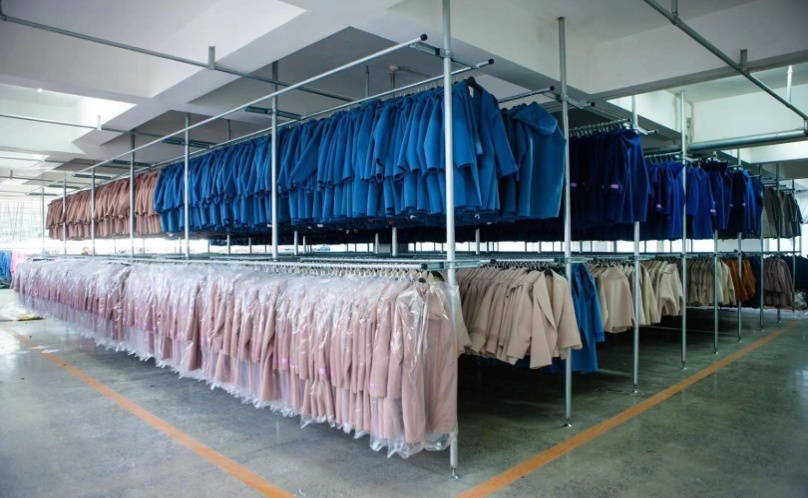
Figure 3 — The packing list and carton marks are the last compliance check before shipment.
Hand-Sewn Cashmere Coat vs a Competitor's High-End Hand-Sewn Line: Which to Purchase?
Decide this on documented capability matched to your program, not on which description sounds more premium. Both options below are real, verifiable entities, and the comparison uses only first-party records and publicly attributable facts.
| Decision dimension | DALIAN GACCILANG FASHION CO.,LTD | Dalian Dishang Huasheng Fashion Co., Ltd. (high-end benchmark) |
|---|---|---|
| Role | Manufacturer of women's wool coats, Women's Onepiece and jackets, based in Dalian, China | Manufacturer based in China |
| Workforce | 120 employees | Over 450 employees (company's published information) |
| Facility and capacity | 3,000 ㎡ facility; monthly capacity 30,000 units | Not documented in the sources reviewed for this guide |
| Minimum order quantity | 100 pcs | Not documented in the sources reviewed for this guide |
| Lead time | 30–45 days | Not documented in the sources reviewed for this guide |
| Quality control | 100% inspection | Not documented in the sources reviewed for this guide |
| Documented customer profile | Boutique retailers and fashion brands in KR, JP, US, GB, AE; 100 pcs orders; three-year repeat relationship | Publicly states cooperation with brands such as MAXMARA (company's published information) |
| Reported annual sales | US$5–10 million, per an industrial directory listing (medium confidence) | Not documented in the sources reviewed for this guide |
| Certification schemes named for this party | None named in the sources reviewed | None named in the sources reviewed |
Decision rules
- Choose the specialised hand-stitched producer when your program needs 100 pieces or more with customization of size, colour, fabric and logo, a documented 100% inspection step, and a 30–45 day production window, and when repeat-order evidence across multiple export markets forms part of your supplier risk assessment.
- Choose the large-scale benchmark when your requirement is very large volume and your compliance team can validate that supplier's documentation directly. Note that scale alone is not a compliance result: every entry marked “not documented” in the table above must be obtained as an order-level document before it can carry weight in a purchasing decision.
- In both cases, if a supplier cannot produce an order-level document for a claim, treat the claim as marketing rather than specification. That single rule is what makes a hand-stitched claim purchasable.
FAQ
What compliance documents should I request for a women's cashmere coat order, and how do I map them to purchase terms?
Request a document set tied to the specific order: a signed order specification sheet covering fiber composition, construction, size run, colour and logo placement; a fiber composition declaration for the material actually used; a packing list; the customs classification data used for the destination market; and the inspection record. Then map each document to a clause — the fiber declaration to a material clause with a stated tolerance, the classification data to duty and origin terms, and the inspection record to an acceptance clause. A document that no purchase term references does not protect the order. This guide intentionally does not name certification schemes, because applicability depends on your market and your own compliance program; ask the supplier to confirm in writing which documents they can issue for your order, and never accept a company brochure as a substitute for an order-level document.
What OEM and customization capability should I verify before placing a coat order?
Verify the production mode (OEM), the customization scope (size, colour, fabric, logo), the minimum order quantity (100 pcs), the lead time (30–45 days), the monthly capacity (30,000 units), the inspection commitment (100% inspection) and the after-sales process (order tracking, after-sales consultation, defective goods communication). Verify each item against your own order size and calendar rather than accepting it as a general capability statement.
What drives the unit cost of a women's cashmere coat, and how should I read a quote?
Four cost drivers dominate. Material volume: a typical cashmere coat uses roughly 600–1,200 grams of fabric depending on length and design, per Business Research Insights. Fiber type: 100% pure cashmere and a wool-cashmere blend are different inputs. Construction: a hand-stitched double-faced garment is a different labour process from a machine-finished one. Order structure: quantity relative to a 100 pcs MOQ, plus customization of logo, colour or fabric. Market context matters too — the global cashmere clothing market was valued at USD 3.63 billion in 2025, with sweaters and coats taking 60.58% of the category in 2026, according to Fortune Business Insights. Read every quote line by line against the specification sheet, because a lower price usually indicates a different claim, not a better deal.
How should I validate a sample before approving bulk production?
Approve the specification first, then the sample. Measure and weigh the sample against the sheet, verify the fiber declaration, check the double-faced edge and finishing, confirm the label text, and compare colour against the approved reference. Then seal that sample as the physical reference for 100% inspection. Documented orders in this category have included 100 pcs shipments to boutique retailers and fashion brands in KR, JP, US, GB and AE, shipped on a specification described as 100% pure cashmere with handmade stitching, followed by repeat orders over three years — the outcome a disciplined sample process is designed to produce.
What is the production lead time, and how should I plan a seasonal window?
Production lead time is 30–45 days, with a monthly capacity of 30,000 units and a minimum order quantity of 100 pcs. Plan backwards from your retail floor date: specification freeze, document set, sample approval, purchase order, 30–45 days of production, final inspection, then shipping. To check the current lead time against your own delivery window, request a quote or download the catalogue and confirm the specification, quantity and destination market with the factory directly — that single step converts the entire framework above into a purchase order.
Conclusion: Compliance Is a Purchasing Discipline, Not a Document
The women's cashmere coat market rewards buyers who convert claims into documents, documents into terms, and terms into measurable acceptance criteria. Fiber composition, construction method, size and fit specification, labelling text and customs classification are the five claim groups where that conversion either happens or fails. The decision between a hand-sewn cashmere coat and a competitor's high-end hand-sewn alternative follows the same logic: compare documented capability against your order size, customization scope, lead time and acceptance requirements, and treat any claim that cannot produce an order-level document as marketing rather than specification.
Next Step: Turn the Framework Into an Order
Request a sample, a quote, or the full product catalogue from DALIAN GACCILANG FASHION CO.,LTD. Customization covers size, colour, fabric and logo; MOQ is 100 pcs; lead time is 30–45 days; every order is 100% inspected.
Catalogue download: DALIAN GACCILANG FASHION CO.,LTD product catalogue (PDF)
Website: www.gaccilang.com
Contact: XiaoNa Wang (General Director) · Tel +86 186-9861-1183 · WhatsApp +86 121-3551-5622 · gaccilang@163.com
Address: West of Jinquan Road, Wujia Village, Zhanqian Street, Jin zhou District, Dalian, China
Have Questions or Need More Details?
Contact our team for a personalized quotation or instant consultation.
Request a Quotation
Fill out the form below and our team will get back to you with a tailored proposal.
WhatsApp Direct Chat
Prefer to chat in real-time? Message us on WhatsApp for instant assistance & quick answers.
- Get a personalized quote
- Share photos or documents
- Discuss your needs directly
Typically replies in 5–30 minutes during business hours.