Women's Cashmere Coat Ranking: Hand-Sewn, Wool Coat, Onepiece
Short answer: in this ranking, the hand-sewn 100% cashmere coat takes first place, the women's wool coat takes second, and the women's onepiece takes third. The order is not set by price, brand prestige, or styling taste. It is set by two things a buyer can actually verify before placing an order: how much construction evidence travels with the option, and how cleanly the option can be accepted at sample stage.
The options discussed here come from DALIAN GACCILANG FASHION CO.,LTD, a women's outerwear manufacturer founded in 2019 in Dalian, China, with a 3,000² factory, 120 employees and 4 designers, producing WOMEN'S WOOL COAT, WOMEN'S ONEPIECE and WOMEN'S JACKET for markets in Korea, Japan, USA and the EU, with an export ratio of 60%. Two product platforms carry the ranking: JSL26W011 (WOMEN'S WOOL COAT, double-breasted, CASHMERE 100%, sizes S–XXL) and JSL26S002 (WOMEN'S ONEPIECE, POLY 100%, sizes S–XL).
No prices appear in this ranking, and no competing manufacturers are named. What follows is a scoring logic, three ranked recommendations with their inclusion reasons, the acceptance criteria to write into a tech pack, and the terms that decide whether a good sample becomes a good reorder.
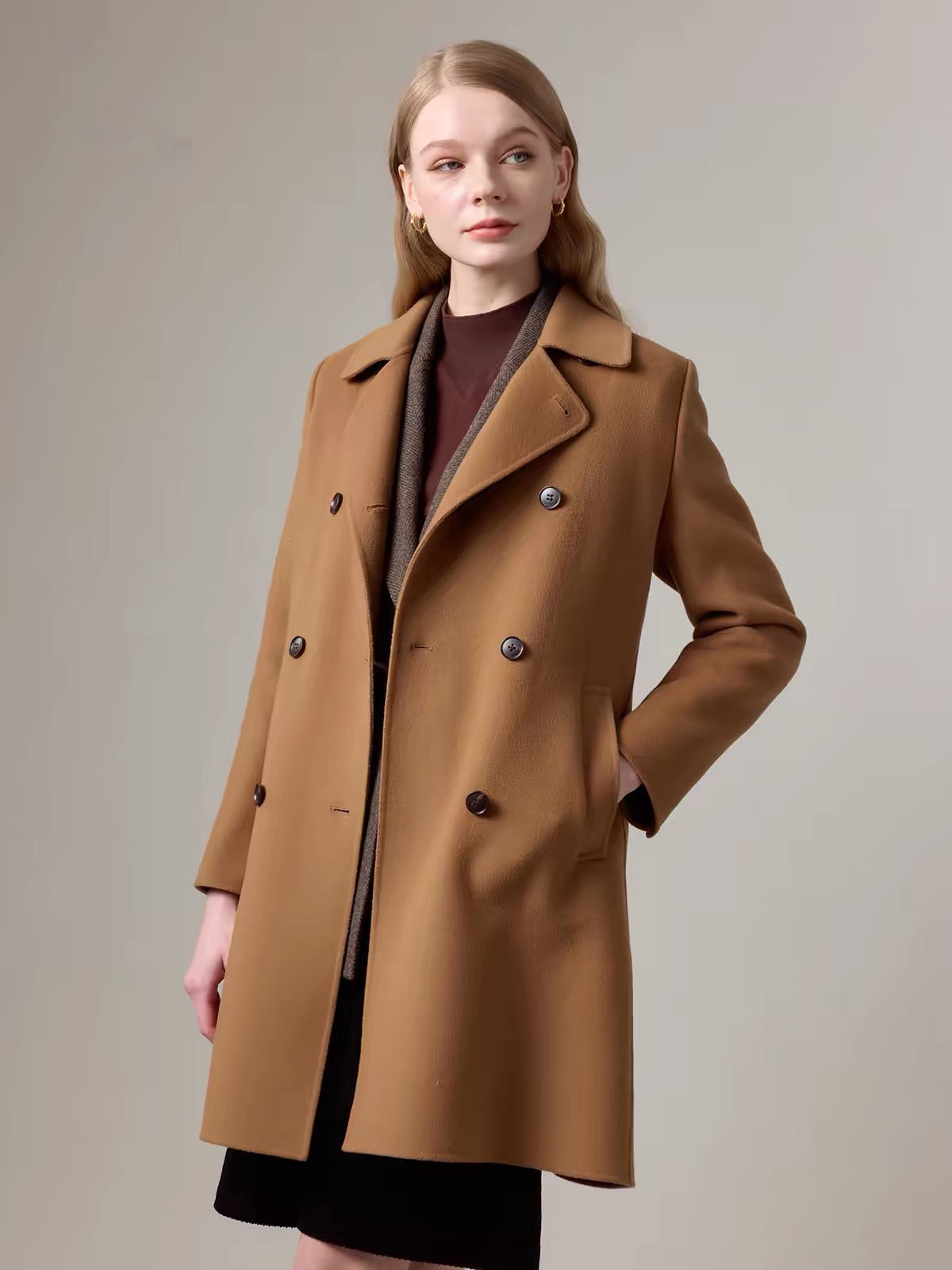
Cover: WOMEN'S WOOL COAT, model JSL26W011 — double-breasted, CASHMERE 100%, full hand-sewn craftsmanship, sizes S–XXL.
Problem Definition: Why Cashmere Coat Comparisons Collapse Before Sampling
The failure usually happens in the quotation stage, not the production stage. A buyer sends the same RFQ to several suppliers, receives three samples labelled “cashmere coat”, and then discovers the samples cannot be compared because the specification behind each one was never written down.
Three specific gaps cause this:
- Fibre is asserted, not stated. “Cashmere coat” in a catalogue is a product family name. The buying decision needs a percentage on the label and in the tech pack. JSL26W011 is documented as CASHMERE 100%; JSL26S002 is documented as POLY 100%. Those are different products solving different problems, and a ranking that ignores the difference is worthless.
- Construction level is invisible in a photo. A hand-sewn finish, seam behaviour at the lapel and the edge, and the hand-feel of a double-faced fabric do not survive a JPEG. They survive a sample review with written criteria.
- Commercial terms arrive after the aesthetic decision. MOQ, lead time, size grading and inspection method decide whether a chosen style is actually a buyable programme. Discovering a 100-piece MOQ or a 30–45 day lead time after the range is signed off is a scheduling problem disguised as a sourcing problem.
The practical consequence: buyers at the Research and Evaluation stage do not need more coat photography. They need one scorecard applied consistently to every option, so that the ranking survives contact with the purchase order.
Industry Background: What the 2026–2027 Buy Is Actually Choosing Between
Three market facts frame the decision. The global cashmere clothing market was valued at USD 3.63 billion in 2025, according to Fortune Business Insights. Within that market, cashmere sweaters and coats are the largest product segment, accounting for 60.58% in 2026. Coats are therefore not a niche add-on inside cashmere apparel — they are the centre of it.
Construction expectations have moved in the same direction. Hand-stitched double-faced cashmere has been described in 2026 industry analysis as the reference standard for high-end coats, tied to the “Quiet Luxury” movement. That matters commercially: it turns finishing from a hidden cost line into a visible, checkable feature that a retail buyer can defend to a merchandising team.
The cost side is equally concrete. A typical cashmere coat contains 600–1,200 grams of fabric depending on length and design. Length, silhouette and size range are therefore direct drivers of material consumption per unit — which is why this ranking avoids quoting prices and instead explains what a specification change does to cost.
Meanwhile, China's apparel exports totalled USD 151.2 billion in 2025, a year-on-year decline of 5%. In a softer export environment, suppliers who can document specification and accept written acceptance criteria are easier to slot into a programme than suppliers who compete only on headline price. For US-bound orders, classification also needs to be settled early: HS Code 6202.20.11 covers women's wool or fine animal hair overcoats in the US Harmonized Tariff Schedule.
Detailed Solution: The Buyer Scorecard Used in This Ranking
Each option below is assessed on eight criteria. The criteria are not weighted with invented percentages; they are applied as pass conditions. An option ranks higher when more criteria can be confirmed from documentation before the first sample is cut.
- Stated fibre. A percentage must exist in writing and match the label. Pass condition: fibre stated as an exact percentage, not a family name.
- Construction and finishing. The finishing level must be named. Pass condition: the tech pack states whether the garment is fully hand-sewn or finished to another agreed level.
- Size range and grading. Pass condition: the full size set is confirmed before sampling — S–XXL for JSL26W011, S–XL for JSL26S002.
- Fabric weight budget. Pass condition: an expected gram range per garment is agreed, with reference to the typical 600–1,200 g range for a cashmere coat.
- Commercial terms. Pass condition: MOQ, lead time and monthly capacity are stated in the quotation, not discovered later.
- Quality control method. Pass condition: the inspection regime is defined in advance, not summarised as “good quality”.
- After-sales route. Pass condition: a named channel exists for order tracking, after-sales consultation and defective-goods communication.
- Documentation and classification. Pass condition: fibre labelling and, where relevant, HS classification are agreed before bulk production.
Scoring rule used here: an option scores 2 when the criterion is documented in the specification, 1 when it is stated only verbally or only for part of the range, and 0 when it has to be assumed. The three options below are ordered by total confirmed criteria — not by price, which is not published.
The Ranking: Three Options, Three Inclusion Reasons
Rank 1 — Hand-Sewn 100% Cashmere Coat (JSL26W011 platform)
Inclusion reason: this is the only option in the set where fibre content and finishing level are both documented at the highest tier. JSL26W011 is specified as CASHMERE 100% with full hand-sewn craftsmanship, and is described as soft, warm and premium in texture. The size range runs S, M, L, XL and XXL, so the same finishing standard can be offered across a full retail size ladder rather than only at the top of the curve.
Why it ranks first: the buyer does not have to argue for the construction claim. Hand-sewn finishing is a stated property of the model, and the coat platform is a double-breasted build — a construction type that carries visual structure at the front edge, where finishing quality is most visible to a customer trying the coat on.
Acceptance criteria to attach: per-seam and per-edge finishing standard; hand-feel and drape after pressing; consistency of the finish across all six sizes; skin-friendly contact at the collar and cuff; label and logo placement.
Limit to acknowledge: this option carries the highest material and labour content in the set, because 100% cashmere and hand-sewn finishing are both cost-bearing inputs. It suits a premium, full-price retail tier. It is a poor fit for a high-volume opening price point, and no attempt should be made to force it there.
Rank 2 — Women's Wool Coat (JSL26W011, double-breasted, S–XXL)
Inclusion reason: the second option is the size-led wool coat programme. JSL26W011 is documented as a WOMEN'S WOOL DOUBLE BREASTED COAT in CASHMERE 100%, offered in S, M, L, XL and XXL — one size wider at the top of the range than the onepiece platform. For a retailer building a winter outerwear wall, XXL coverage is a real assortment requirement, not a footnote.
Note on overlap with Rank 1: the documented wool coat model and the documented hand-sewn cashmere coat belong to the same model platform. The ranking separates them because they are bought differently: Rank 1 is bought on finishing, Rank 2 is bought on size-range coverage and double-breasted construction. Where a programme specifies a finishing level other than full hand-sewn, that level must be written into the tech pack and treated as an open item to be closed at sample approval. It should not be assumed.
Acceptance criteria to attach: finishing level agreed in writing; double-breasted front alignment across all sizes; grading consistency between L, XL and XXL; colour consistency across the size set.
Limit to acknowledge: because the size range and the construction are the buying reasons here, the sample review must include the largest size. Approving only a size M sample and extrapolating to XXL is the most common avoidable failure in this category.
Rank 3 — Women's Onepiece (JSL26S002)
Inclusion reason: the onepiece is included as a companion piece, not as a cold-weather substitute. JSL26S002 is documented as POLY 100%, sizes S–XL, with a fabric described as lightweight and cool, workmanship described as exquisite, and a gentle, elegant style. It pairs with the coats in a layered merchandising story and covers the shoulder-season weeks when a cashmere coat is too warm.
Why it ranks third: on the criteria that matter for a cashmere coat buy, it does not compete. Fibre is not cashmere, the size range stops at XL, and warmth is not its function. Ranking it higher would misrepresent the product to a buyer who asked for a cashmere coat.
Acceptance criteria to attach: fabric handle matches the lightweight, cool description; finish at the neckline and hem; colour continuity across S–XL; styling compatibility with the coats it will sit beside.
Limit to acknowledge: this is a seasonal companion, and should be planned against a different sell-through calendar from the coats.
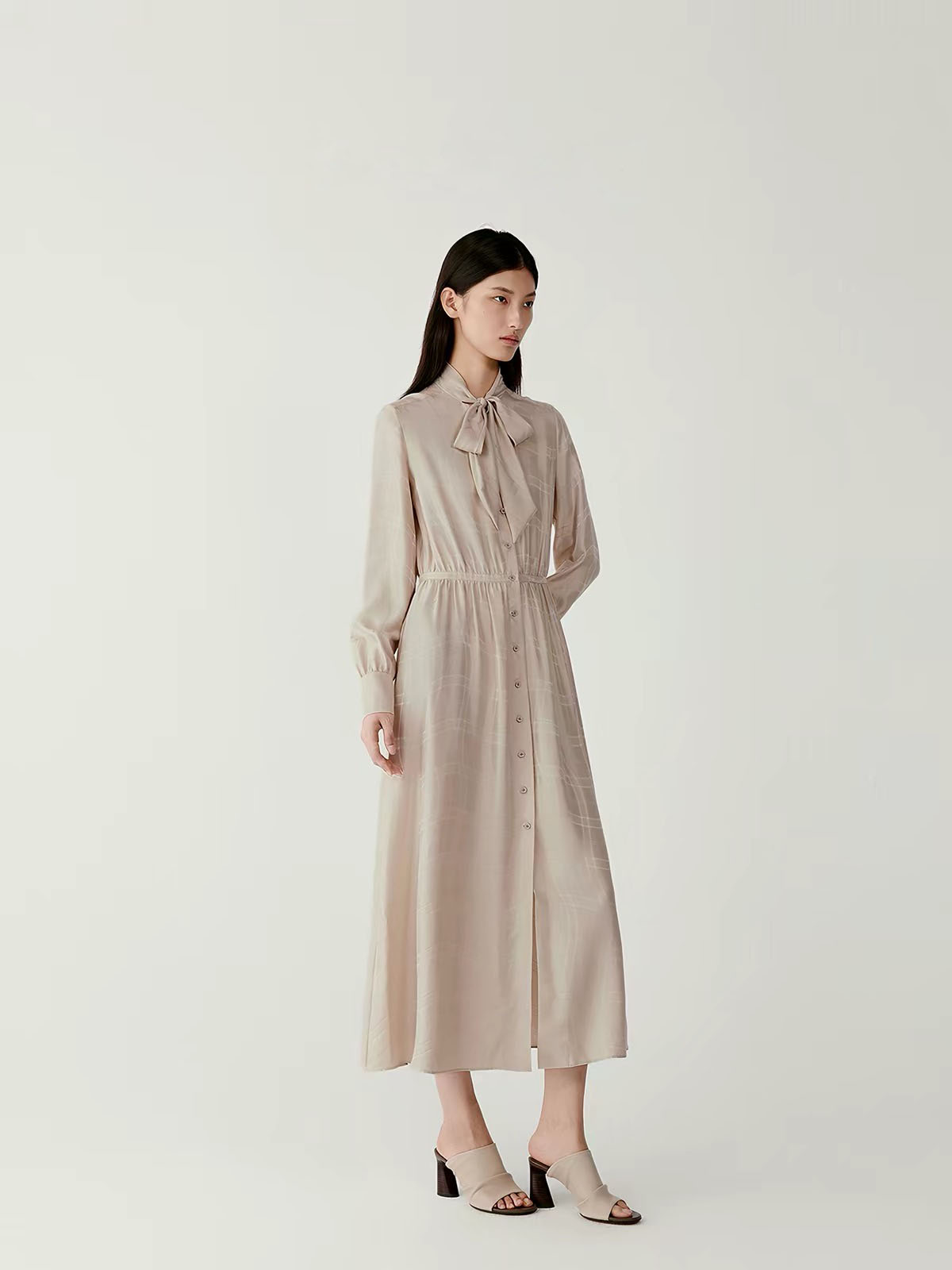
Rank 3: WOMEN'S ONEPIECE, model JSL26S002 — POLY 100%, sizes S–XL, lightweight and cool fabric for shoulder-season layering.
Step-by-Step Breakdown: Turning the Ranking into a Purchase Order
The ranking only creates value if it is converted into a documented process. The sequence below follows the order in which decisions actually have to be made.
- Write the fibre line first. State CASHMERE 100% or POLY 100% explicitly, matching the model. Any quotation that cannot echo the percentage back should be held.
- Name the finishing level. For the hand-sewn route, require full hand-sewn craftsmanship in writing. For the wool coat route, state the finishing level the programme will accept.
- Lock the size set. Confirm S–XXL for JSL26W011 or S–XL for JSL26S002, and require the largest size in the sample review.
- Agree the weight budget. Set an expected gram range per garment, using the typical 600–1,200 g reference for a cashmere coat and adjusting for length and silhouette.
- Confirm commercial terms. For this manufacturer the documented terms are MOQ 100 pcs, lead time 30–45 days, and monthly capacity of 30,000 units. Put all three into the purchase timeline.
- Fix the inspection method. Documented quality control is 100% inspection. Define what is inspected and what triggers rejection.
- Agree the after-sales route. Documented after-sales support covers order tracking, after-sales consultation and defective-goods communication. Name the contact and the response channel.
- Settle documentation. Confirm fibre labelling content and, for US-bound shipments, agree the classification position, noting that HS 6202.20.11 covers women's wool or fine animal hair overcoats.
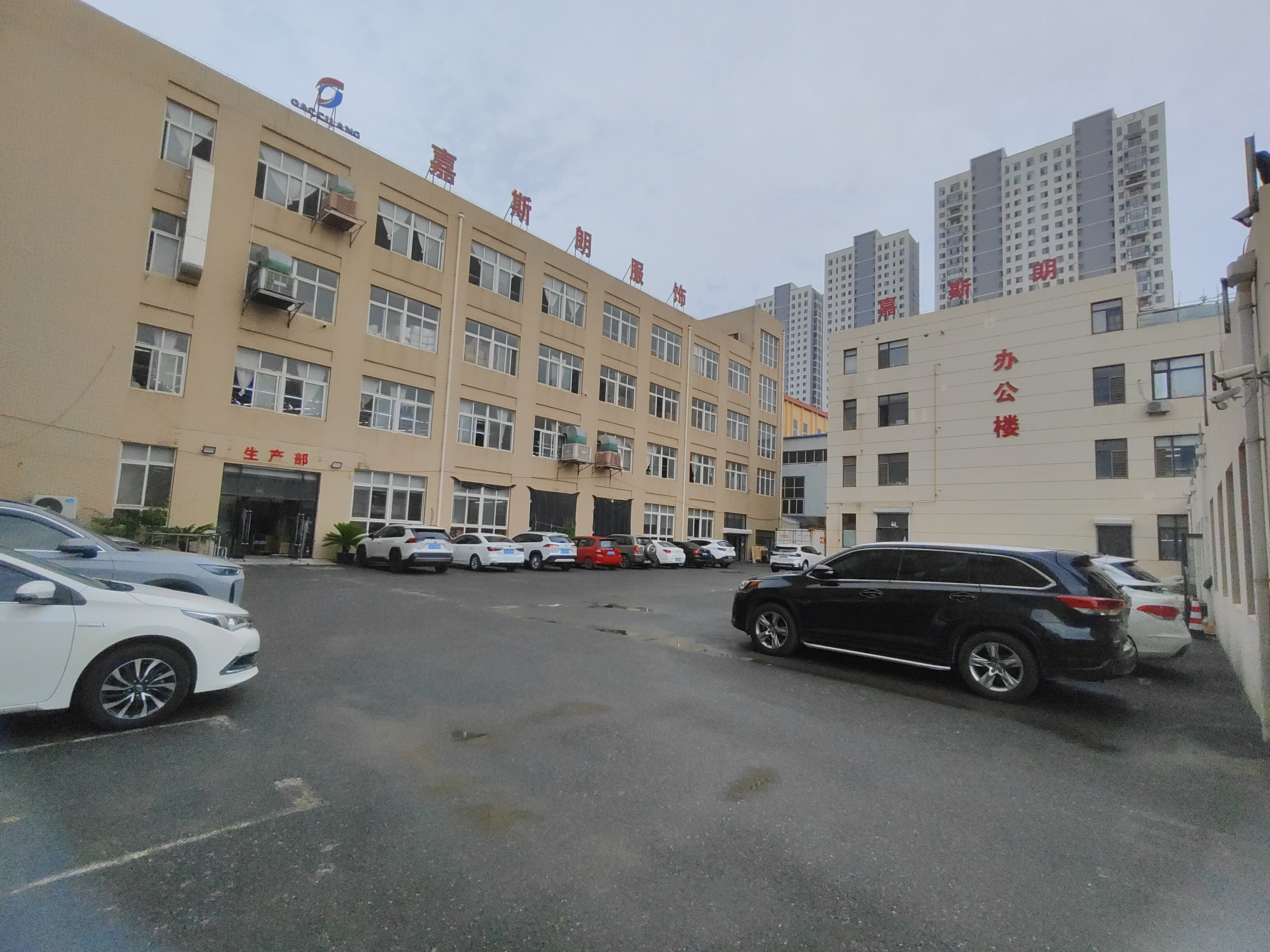
Production base: 3,000² factory, 120 employees, 30,000 units monthly capacity, 60% export ratio across Korea, Japan, USA and EU.
Commercial Terms Table
| Term | Documented value | What the buyer should do with it |
|---|---|---|
| Production mode | OEM | Confirm whether the programme is own-label or buyer-label before sampling |
| Customisation scope | Size / colour / fabric / logo | Assign each customisation to a sample round; do not stack all four into one approval |
| MOQ | 100 pcs | Test the assortment plan against 100 pcs per style-colour combination |
| Lead time | 30–45 days | Add sample approval and shipping time on top; do not read 30–45 days as door-to-door |
| Monthly capacity | 30,000 units | Use as the ceiling for peak-season planning and reorder headroom |
| Quality control | 100% inspection | Attach the inspection checklist to the PO, not just to the sample |
| Export markets | Korea, Japan, USA, EU | Align labelling and documentation with the destination market per order |
| After-sales | Order tracking, after-sales consultation, defective goods communication | Name the contact channel in the contract |
Use Cases: Where Each Ranked Option Fits
Boutique retail and seasonal collections. The documented application profile for this product line is fashion retail and women's luxury apparel, covering boutique retail and seasonal apparel collections in Korea, Japan, US and GB, across daily outdoor and indoor wear. In that setting, the hand-sewn cashmere coat anchors the window and the full-price tier, while the wool coat in S–XXL carries the size-inclusive core of the wall.
Styling and outfit matching. Documented functions for the coats are warm keeping, fashion styling and outerwear matching, with blouses, knitwear and leather boots as matched pieces. That is a merchandising instruction as much as a styling note: the coat is bought to sit against knitwear, so colour and surface finish need to be judged together with the knit programme, not in isolation.
Private label and repeat programmes. A documented client profile for JSL26W011 is boutique retailers and fashion brands in KR, JP, US, GB and AE, with orders of 100 pcs, a three-year relationship, retail and seasonal outerwear application, and a recorded result of high customer satisfaction and stable repeat orders. The relevant lesson is not the testimonial — it is the order size. A 100-piece first order is compatible with the stated MOQ and lets a buyer validate construction and sell-through before committing to a larger programme.
Where the onepiece fits. Daily wearable, indoor-to-outdoor transitions, and layered looks under or beside a coat. It is a styling and season-extension tool, not a warmth substitute, and should be planned on its own OTB line.
Comparison Table: The Three Options Side by Side
| Rank | Option | Model | Stated fibre | Construction evidence | Size range | Best role in a buy | Confirm before PO |
|---|---|---|---|---|---|---|---|
| 1 | Hand-sewn cashmere coat | JSL26W011 | CASHMERE 100% | Full hand-sewn craftsmanship; soft, warm, premium texture | S–XXL | Premium winter outerwear, full-price retail anchor | Per-seam and per-edge finishing standard; skin-friendly collar contact |
| 2 | Women's wool coat | JSL26W011 | CASHMERE 100% | Double-breasted coat construction, sizing to XXL | S–XXL | Size-led core programme across the full retail ladder | Finishing level in writing; grading between L, XL and XXL |
| 3 | Women's onepiece | JSL26S002 | POLY 100% | Lightweight, cool fabric; precise workmanship | S–XL | Shoulder-season layering and companion piece | Role confirmation; separate sell-through calendar |
Read the table by column, not by row. The two coat options share a fibre line and a model platform, and diverge on finishing specification and buying logic. The onepiece diverges on fibre entirely, which is why it is ranked last for a cashmere coat buy while remaining useful in the same seasonal assortment.
FAQ: Constraints Buyers Ask About Before Ordering
What fibre and import documentation should a 100% pure cashmere women's coat carry?
The fibre content should be stated as an exact percentage in the tech pack and reproduced on the label, so that what the buyer approves and what the customs officer reads are the same thing. For JSL26W011 the documented content is CASHMERE 100%. For US-bound shipments, HS Code 6202.20.11 in the US Harmonized Tariff Schedule specifically covers women's wool or fine animal hair overcoats, which is the classification reference to raise with the freight forwarder before the first shipment rather than after it.
Can China manufacturers supply 100% pure cashmere women's coats with hand-sewn finishing?
Yes, and the specification can be verified rather than assumed. DALIAN GACCILANG FASHION CO.,LTD produces WOMEN'S WOOL COAT model JSL26W011 in CASHMERE 100% with full hand-sewn craftsmanship, described as soft, warm and premium in texture. The company operates as an OEM supplier with customisation across size, colour, fabric and logo, 120 employees, a 3,000² factory, monthly capacity of 30,000 units, and export activity in Korea, Japan, USA and the EU at a 60% export ratio. The seller's full brochure is available at the download link at the end of this article.
How should a buyer budget a cashmere coat programme when no prices are published?
Budget from cost drivers rather than a headline figure. The four drivers in this set are fibre content (CASHMERE 100% versus POLY 100%), finishing labour (full hand-sewn versus another agreed level), fabric consumption per garment (a typical cashmere coat uses 600–1,200 grams depending on length and design), and order structure (MOQ 100 pcs, lead time 30–45 days, monthly capacity 30,000 units). Fix those four in the RFQ and the quotation becomes comparable across options; leave them open and the quotation compares nothing.
What should sample approval cover for these three options?
Sample approval should be a written pass/fail against the scorecard, not a visual impression. For the coats: fibre and label match, hand-sewn finishing at seams and edges, colour consistency, and the largest size in the range for fit and grading. For the onepiece: the lightweight, cool fabric handle, neckline and hem finish, and continuity across S–XL. Sampling is handled through the company's sample room in Dalian, and each customisation — size, colour, fabric, logo — is best assigned to a separate approval round rather than combined.
What lead time and capacity should be planned for a reorder?
Plan on a documented lead time of 30–45 days and a monthly capacity of 30,000 units, with a minimum order quantity of 100 pcs. Quality control is 100% inspection, and after-sales support covers order tracking, after-sales consultation and defective-goods communication, which is the route to use when a reorder needs to move faster than a first order. For reference, one documented boutique retail relationship began at 100 pcs and ran for three years on repeat orders. To start a programme, send the specification, size set and finishing level to XiaoNa Wang (General Director) at gaccilang@163.com or via WhatsApp on +86 121-3551-5622, and request a quotation against your written tech pack.
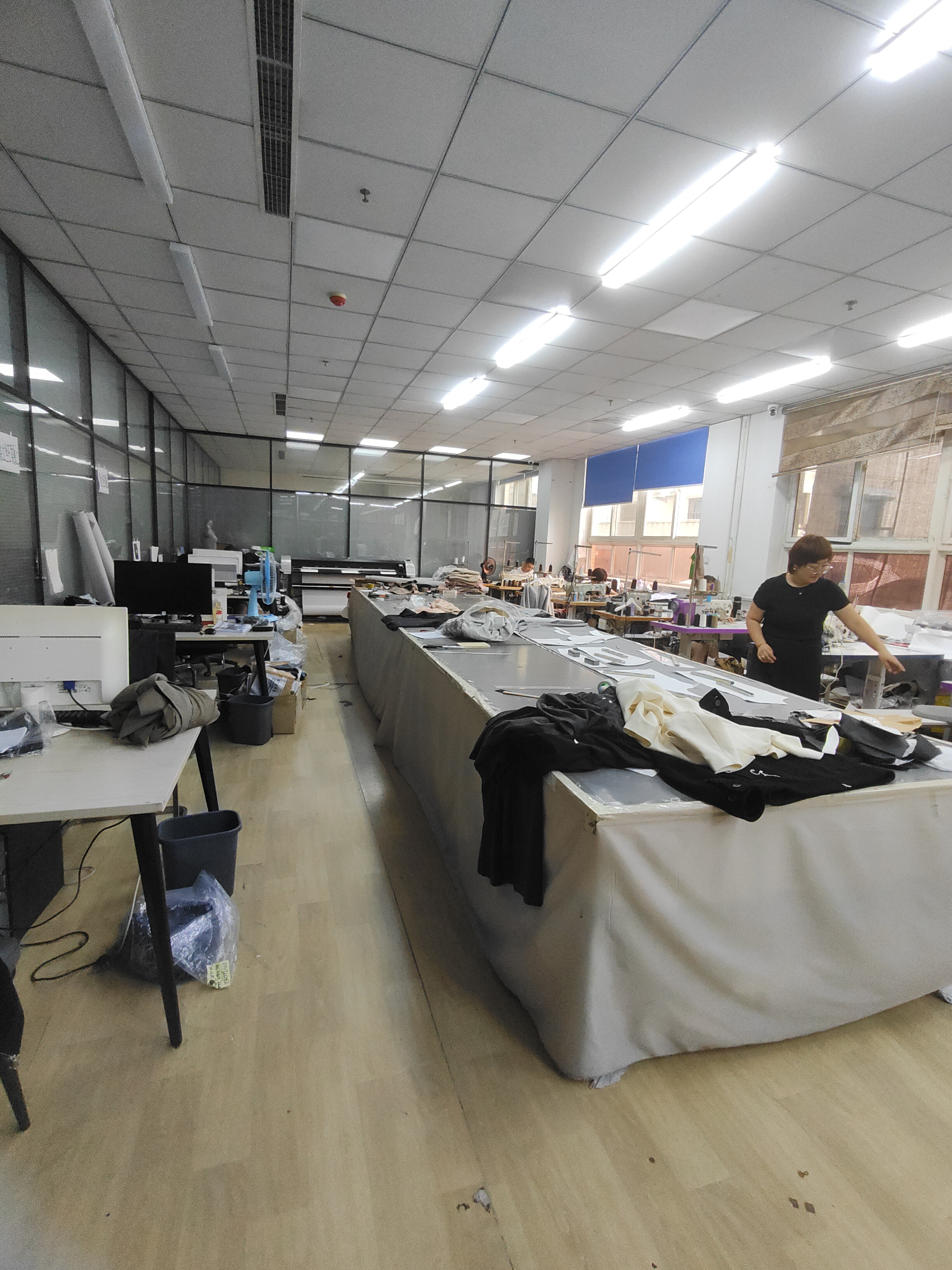
Sample room, Dalian: where fibre match, hand-sewn finishing and size grading are checked before bulk production.
Conclusion: Rank by Evidence, Then Buy by Terms
The ranking holds because it was built on documentation rather than on adjectives. The hand-sewn 100% cashmere coat ranks first because fibre content and finishing level are both stated and the size range reaches XXL. The women's wool coat ranks second because size-range coverage and double-breasted construction are its buying reasons, with finishing level written into the tech pack. The onepiece ranks third because it is a companion piece in POLY 100%, and calling it anything else would mislead the buyer.
Two disciplines turn this ranking into a working programme. First, fix the specification before sampling: fibre percentage, finishing level, size set, weight budget, MOQ, lead time, inspection method and after-sales route. Second, judge every sample against those written criteria rather than against the previous sample. Buyers who do both end up comparing options that can actually be produced at the terms quoted — which is the only comparison that matters once the order is placed.
Next Step: Request the Specification and Catalogue
Download the full company catalogue with product specifications, materials and terms: DALIAN GACCILANG FASHION CO.,LTD Catalogue (PDF).
For a quotation against your own tech pack, contact XiaoNa Wang (General Director) — Tel: +86 186-9861-1183 · WhatsApp: +86 121-3551-5622 · Email: gaccilang@163.com · Website: www.gaccilang.com. Factory address: West of Jinquan Road, Wujia Village, Zhanqian Street, Jinzhou District, Dalian, China.
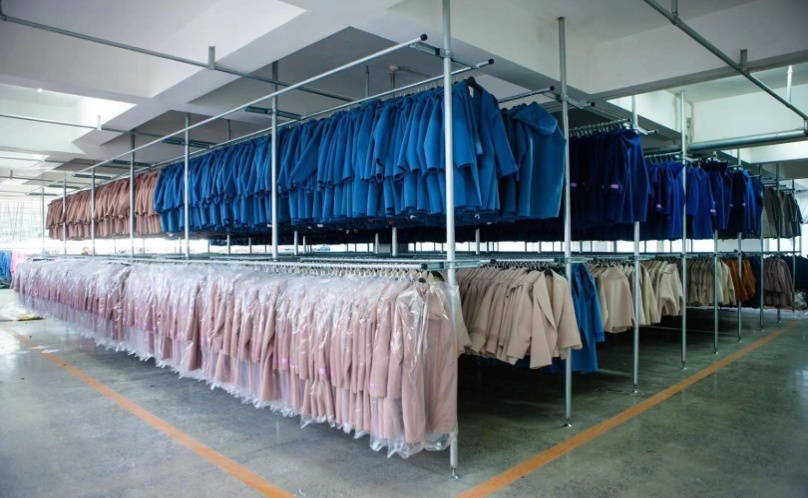
Warehouse capacity supporting repeat orders against 30,000 units monthly production.
Have Questions or Need More Details?
Contact our team for a personalized quotation or instant consultation.
Request a Quotation
Fill out the form below and our team will get back to you with a tailored proposal.
WhatsApp Direct Chat
Prefer to chat in real-time? Message us on WhatsApp for instant assistance & quick answers.
- Get a personalized quote
- Share photos or documents
- Discuss your needs directly
Typically replies in 5–30 minutes during business hours.