Women's Cashmere Coat Recommendation List: Matching Fabric, Fit, and Finish to Buyer Needs
Women's Cashmere Coat Recommendation List: Matching Fabric, Fit, and Finish to Buyer Needs
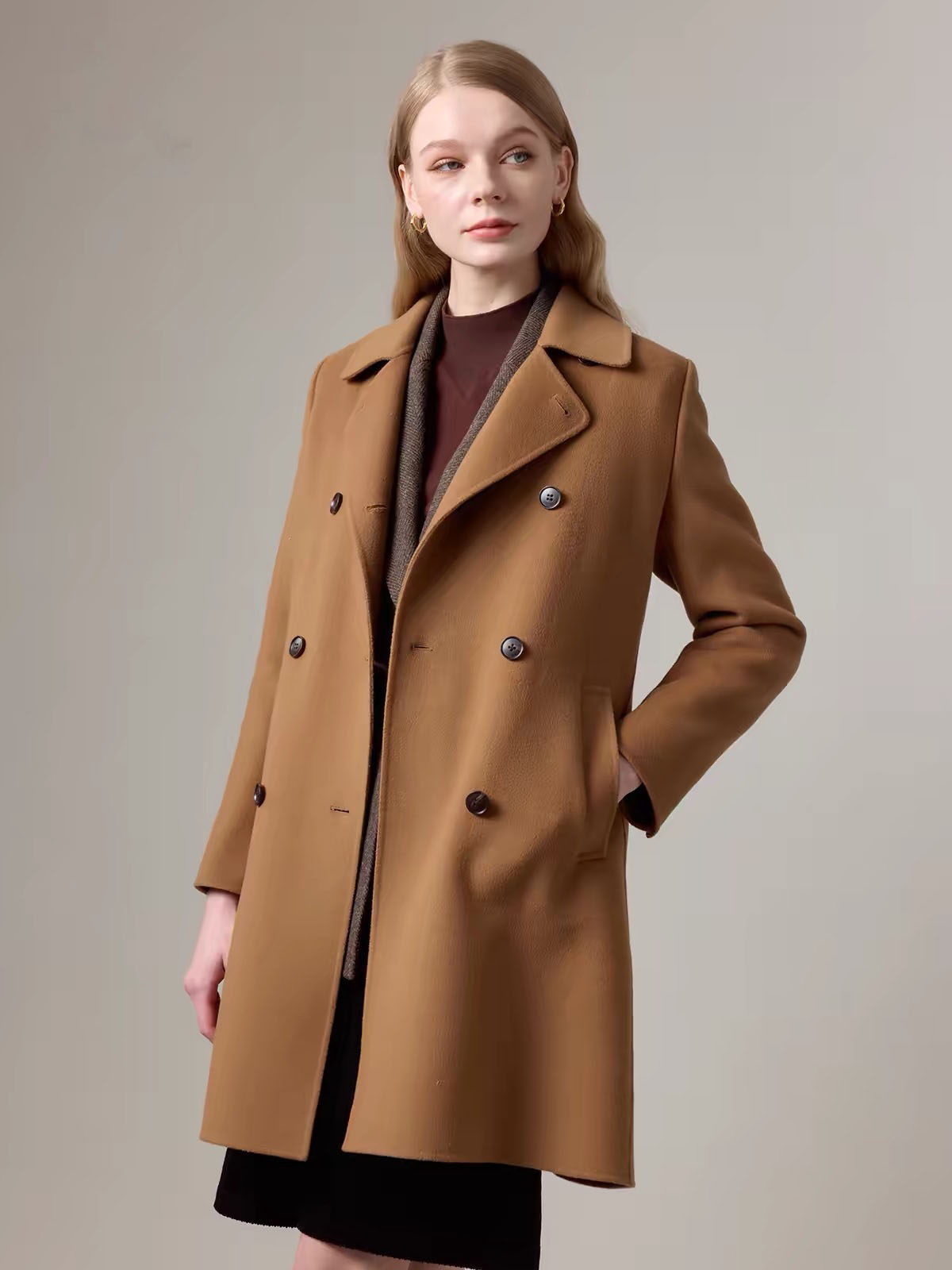
A women's cashmere coat is not a single product. It is a set of decisions about fabric, length, silhouette, closure, collar, weight, and finishing — and every one of those decisions changes which buyer the coat is right for. This recommendation list is written for the evaluation stage: for importers, boutique retailers, private-label brand owners, and sourcing managers who must narrow a winter range down to a small number of directions that will actually sell.
The list recommends coat directions, not ranked company names. For each direction it explains why the direction earns a place in a range, who it suits, how it differs from the nearest alternative, and what construction signals a buyer should check before committing to volume.
What This Recommendation List Is — and What It Is Not
The list is organised around four variables that a buyer controls directly: fabric direction (pure cashmere, wool–cashmere blend), fit and length (maxi, midi, cropped, oversized, belted), finish and closures (double-breasted, single-breasted, lapel, hooded, fur trim), and winter use profile (thick heavy warm versus lightweight thin, office versus daily).
It is deliberately not a ranked manufacturer table. A ranking tells a buyer who the largest suppliers are. It does not tell them whether a maxi double-faced coat or a midi wool–cashmere coat fits their customers, their climate, or their price architecture — which is the actual decision in front of them.
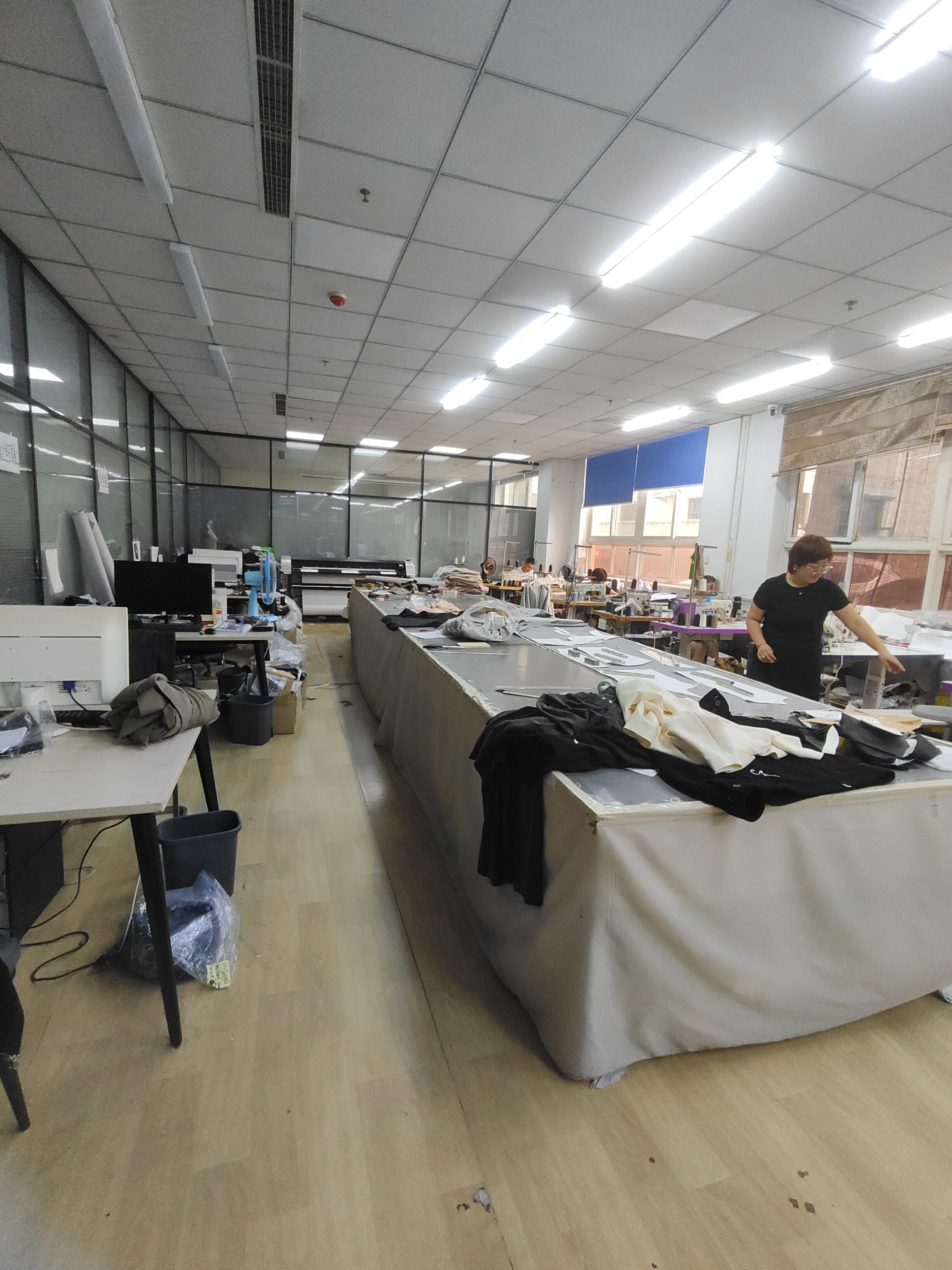
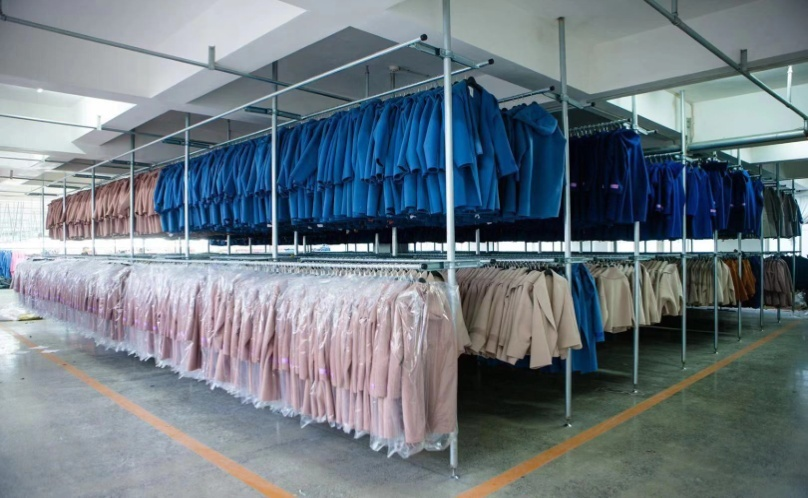
Dalian Gaccilang Fashion Co., Ltd. is a women's outerwear manufacturer established in 2019 in Dalian, China. The company operates a 3,000 m² factory with 120 employees and a development team of four designers, producing women's cashmere coats, women's wool coats, women's onepieces, and women's jackets, with an annual output of 360,000 units.
Problem Definition: Why Generic Cashmere Coat Lists Fail Buyers
Most “best cashmere coat” pages answer a question the buyer is not asking. They rank names, show front-facing photos, and repeat the same adjectives. Meanwhile, the buyer's real questions are structural: why does this coat cost more than that one, what changes when the length changes, and how do I know the finishing will hold up after twenty wears?
Three specific problems make direction-based evaluation hard:
- Fabric is described without ratios. “Cashmere coat” can mean 100% pure cashmere or a wool–cashmere blend. The two sit in different price tiers and behave differently in wear. Without a stated composition, a buyer cannot compare two offers meaningfully.
- Length is treated as styling, not as material. A typical cashmere coat contains roughly 600–1,200 grams of fabric depending on length and design. A maxi and a cropped coat therefore consume very different amounts of material, which affects weight, drape, and cost.
- Finish is invisible in photographs. On a double-faced coat there is no lining to hide the interior. Edge stitching, seam joins, and interior neatness become the product itself.
A recommendation list becomes useful only when it addresses these three points for every direction it proposes.
Industry Background: What the 2026 Cashmere Coat Market Looks Like
The global cashmere clothing market was valued at USD 3.63 billion in 2025, according to Fortune Business Insights. Within that market, cashmere sweaters and coats form the largest product segment, at 60.58% in 2026. Coats are not a niche inside cashmere — they are the centre of it.
Two further signals matter for buyers planning a winter range:
- Hand-stitched double-faced cashmere is positioned as the “gold standard” for high-end coats in 2026, an association closely linked to the quiet-luxury movement, according to 2026 industry trend analysis. This raises the bar for interior finishing across the premium tier.
- China's apparel exports totalled USD 151.2 billion in 2025, a 5% year-on-year decline, according to China Customs data reported in industry analysis. In a softer export environment, buyers compare construction and terms more carefully rather than defaulting to volume.
For importers shipping into the United States, HS Code 6202.20.11 specifically covers women's wool or fine animal hair overcoats in the U.S. Harmonized Tariff Schedule — a classification detail that should be confirmed before a first shipment, not after.
The Recommendation List: Nine Directions for Women's Cashmere Coats
1. 100% Pure Cashmere, Double-Faced, Hand-Stitched Coat
Why it is included: This is the direction that defines the premium tier in 2026. Double-faced construction joins two fabric faces without a lining, and hand stitching closes the edges so the coat is presentable from both sides. Because there is no lining, the interior finish is fully exposed to the customer.
Who it suits: Premium boutiques, luxury private labels, and retailers whose customers buy on material purity and hand feel rather than on trend speed.
Construction checks: even edge stitching, matched join lines at shoulders and side seams, a clean interior with no loose threads, and a consistent lapel roll. If any of these are inconsistent in the sample, the direction will not hold up in volume.
Reference point: boutique retailers and fashion brands in Korea, Japan, the United States, the United Kingdom, and the UAE have placed 100-piece orders in this direction with Dalian Gaccilang Fashion Co., Ltd., using 100% pure cashmere and handmade stitching, over a three-year relationship with stable repeat orders.
2. Wool–Cashmere Blend Coat
Why it is included: A wool–cashmere blend is the direction that widens a range's price ladder. It allows a retailer to keep a cashmere hand feel on the shop floor while offering a mid-tier entry point and larger order volumes.
Who it suits: Mid-market brands, department-store private labels, and distributors building a layered winter offer.
Buyer note: The cashmere percentage is the single most important line in the offer sheet. Ask for it in writing and keep it consistent across repeat orders — a blend that drifts between shipments is a returns problem waiting to happen.
3. Maxi Long Coat
Why it is included: Full-length coats sit at the top of the material range — within the roughly 600–1,200 gram band typical for a cashmere coat, a maxi consumes the most fabric. The result is a heavier hand feel, stronger drape, and the most dramatic silhouette line in a winter range.
Who it suits: Cold-climate markets and retailers selling a statement piece rather than a volume basic.
Buyer note: Plan for shipping weight and in-store display space. A maxi hangs long and takes rack space that a midi does not.
4. Midi Mid-Length Coat
Why it is included: Midi is usually the most commercial length. It reads as an elegant office women's cashmere coat in a tailored setting and as a casual daily women's cashmere coat over knitwear, so a single length can serve two customer profiles.
Who it suits: Almost every buyer. For a first-season range, midi is the safest length to order in volume.
Buyer note: Midi is where the size curve matters most. A one-centimetre shift in length can change how a coat reads across S to XXL, so confirm grading in the sample.
5. Short Cropped Coat
Why it is included: A short cropped women's cashmere coat uses noticeably less material than a midi and therefore sits at a lower price tier. It also solves a merchandising problem: it pairs with high-waisted trousers and skirts, which keeps it relevant to younger customers.
Who it suits: Contemporary brands, urban retailers, and buyers testing a new price entry point.
Buyer note: Shortening a coat moves the visual balance upward. Check shoulder line and sleeve length carefully — this direction is less forgiving of a poor pattern than a midi.
6. Oversized Loose Silhouette or Belted Waist
Why it is included: These two directions control the same variable — how much shape the coat imposes on the wearer. An oversized loose women's cashmere coat leaves room for layering and reads relaxed; a belted waist women's cashmere coat defines the waist and reads formal.
Who it suits: Oversized suits customers who layer thick knitwear; belted suits customers who wear tailoring underneath.
Buyer note: Decide this from the customer's layering habits, not from runway photography. The wrong choice produces a coat that fits but never gets worn as intended.
7. Double-Breasted or Single-Breasted, With the Right Collar Finish
Why it is included: Closure and collar decide how formal a coat reads before a customer touches the fabric. A double-breasted women's cashmere coat has a wider front overlap, more structure, and a more formal presence. A single-breasted women's cashmere coat carries a cleaner front line and is easier to wear daily.
Collar options follow the same logic. A lapel collar women's cashmere coat is the classic tailored choice. A hooded women's cashmere coat shifts the coat toward casual outerwear. A fox fur collar women's cashmere coat is a luxury statement piece.
Buyer note: Keep trim-based directions — particularly fur-trimmed collars — limited to a small number of SKUs. Trims add sourcing and cost complexity that a broad roll-out cannot absorb.
8. Thick Heavy Warm or Lightweight Thin
Why it is included: Weight direction is the most under-specified variable in coat buying, and the most common source of range failure. A thick heavy warm women's cashmere coat is built for deep winter and functions as the customer's primary outer layer. A lightweight thin women's cashmere coat serves transitional weather and works as a layer under a heavier coat.
Who it suits: Thick for cold-winter markets; lightweight for longer shoulder seasons, travel retail, and markets where winters are short.
Buyer note: Match the weight to the actual selling season in the destination market, not to the season label on the collection planning sheet.
9. Use-Profile Direction: Office, Formal Luxury, Casual Daily, Solid Colour
Why it is included: This direction is a filter rather than a garment. It tells a buyer which of directions 1–8 to combine. An elegant office direction usually points to midi or long length, single- or double-breasted closure, and a lapel collar. A formal luxury direction points to 100% pure cashmere with hand-stitched finishing. A casual daily direction points to cropped or oversized cuts with a hooded collar.
Buyer note: Solid colour women's cashmere coats are the safest finish across a whole range. They survive season changes, photograph consistently, and reduce the risk of leftover colour stock at the end of winter.
Step-by-Step: Matching Fabric, Fit, and Finish to Buyer Needs
The following sequence works whether a buyer is building a new range or auditing an existing one.
Step 1 — Define the winter use case before the style. Start with the destination market's winter length and the customer's layering habits. This determines the weight direction first, and the weight direction eliminates roughly half of the possible styles immediately.
Step 2 — Set the fabric direction and confirm the composition in writing. Choose 100% pure cashmere for the premium tier and a wool–cashmere blend for the volume and mid tiers. Record the exact composition for every SKU.
Step 3 — Choose length against material consumption. A typical cashmere coat uses about 600–1,200 grams of fabric depending on length and design. Maxi sits at the heavy end, cropped at the light end, and midi in between. Use this to place each SKU on the price ladder.
Step 4 — Choose closure and collar to set the formality level. Double-breasted with a lapel for formal; single-breasted with a lapel or hood for daily wear; belted waist where waist definition is the selling point.
Step 5 — Verify construction in a physical sample. Check edge stitching consistency, seam joins, interior neatness, and symmetry between left and right panels. On double-faced, hand-stitched coats this check is the whole quality assessment, because there is no lining to conceal a shortcut.
Step 6 — Confirm commercial terms before committing. Align minimum order quantity, lead time, capacity, inspection standard, and after-sales handling with the delivery date your retail calendar actually requires.
Use Cases: How Different Buyers Apply This List
Boutique retailer building a single winter hero piece. A boutique with limited rack space usually cannot carry both a maxi and a midi in the same season. The practical route is one 100% pure cashmere, double-faced, hand-stitched coat in a solid colour at midi or long length, supported by one lighter, lower-priced blend option. This is the pattern behind the 100-piece boutique and fashion-brand orders placed with Dalian Gaccilang Fashion Co., Ltd. across Korea, Japan, the United States, the United Kingdom, and the UAE.
Private-label brand owner developing a full winter line. A brand building depth needs a spread rather than a hero: a cropped entry tier, a midi volume tier, a maxi statement tier, and a hand-stitched pure cashmere top tier. Customization across size, colour, fabric, and logo allows the same base constructions to be sold under different labels at different price points.
Distributor planning a seasonal buy. A distributor's risk sits in unsold colour and unsold length. The mitigation is to concentrate volume in midi and solid colour, then take smaller quantities of maxi, cropped, and trim-based styles for the customers who specifically want them.
Adjacent Options: When a Wool Coat or an Onepiece Is the Better Choice
Two adjacent product units can answer the same buyer need, and it is worth explaining when they beat a cashmere coat.
Women's Wool Coat. One documented construction is a women's wool double-breasted coat, model JSL26W011, produced in sizes S, M, L, XL, and XXL. A wool coat is the direction to choose when a buyer needs a structured, tailored silhouette at a broader size curve and a lower material cost than pure cashmere. Buyers typically choose the wool direction for volume programmes and keep the pure cashmere hand-stitched direction for premium tiers.
Women's Onepiece. A women's onepiece belongs to the same winter wardrobe conversation, but it solves a different problem: it delivers a complete, single-garment look rather than an outer layer that has to be matched with trousers or a dress. Buyers choose the onepiece direction when their customers want a finished outfit, and they choose the cashmere coat direction when the coat must work over multiple outfits across a season.
Both are produced within the same women's outerwear portfolio alongside women's jackets, which means a buyer can build a coordinated winter range from one supplier relationship instead of assembling it from several.
Comparison Table: Recommendation Directions at a Glance
| Direction | Fabric | Fit / Length | Finish | Winter Use | Why a Buyer Includes It |
|---|---|---|---|---|---|
| Pure cashmere, double-faced | 100% pure cashmere | Midi to maxi | Hand-stitched edges, no lining | Deep winter | Premium tier anchor; interior finish is fully visible |
| Wool–cashmere blend | Wool–cashmere blend | Midi, cropped | Lined or double-faced | Deep winter to shoulder | Widens the price ladder and supports larger volumes |
| Maxi long | Any approved composition | Full length | Lapel or belted | Cold-climate statement | Highest material consumption; strongest drape |
| Midi mid-length | Any approved composition | Mid calf | Single- or double-breasted | Office and daily | Most commercial length; serves two customer profiles |
| Short cropped | Any approved composition | Above hip | Single-breasted, lapel or hood | Transitional and urban | Lower material use, lower entry price |
| Oversized loose | Any approved composition | Relaxed volume | Open front, hood optional | Layering over knitwear | Fits customers who layer thick garments |
| Belted waist | Any approved composition | Defined waist | Double-breasted, lapel | Formal and office | Creates shape without tailoring under the coat |
| Hooded | Any approved composition | Midi or cropped | Hood, casual line | Daily and weekend | Moves the coat from formal to everyday wear |
| Fur-trim collar | Any approved composition | Midi or maxi | Feather or fur trim | Statement and gifting | Adds a luxury signal — keep SKUs limited |
| Thick heavy warm | Heavier fabric weight | Midi to maxi | Closed front, high collar | Primary deep-winter layer | Matches cold-winter markets directly |
| Lightweight thin | Lighter fabric weight | Midi or cropped | Clean minimal finish | Shoulder season, travel | Extends selling season beyond deep winter |
FAQ
1. What customs and classification details should a buyer confirm before importing a women's cashmere coat?
For U.S. imports, HS Code 6202.20.11 in the Harmonized Tariff Schedule specifically covers women's wool or fine animal hair overcoats, as published by the U.S. International Trade Commission. Buyers should confirm the classification that applies to their own composition and construction, and ensure the fibre composition stated on commercial documents matches the composition actually used in the garment, including whether the coat is 100% pure cashmere or a wool–cashmere blend.
2. Can a women's cashmere coat be produced in custom sizes, colours, fabrics, and branding?
Yes. Dalian Gaccilang Fashion Co., Ltd. operates on an OEM basis with customization across size, colour, fabric, and logo. The company runs a four-designer development team, a 3,000 m² facility with 120 employees, an annual output of 360,000 units, and a monthly capacity of 30,000 pieces, with approximately 60% of output exported to Korea, Japan, the USA, and the EU.
3. What drives the cost gap between a 100% pure cashmere coat and a wool–cashmere blend?
The gap comes from fibre composition, material consumption, length, closure complexity, and finishing method. A typical cashmere coat contains about 600–1,200 grams of fabric depending on length and design, so a maxi consumes materially more than a cropped coat in the same fabric. Hand-stitched double-faced construction adds further labour, and 2026 industry analysis positions hand-stitched double-faced cashmere as the gold standard for high-end coats. Blends widen the price ladder; pure cashmere with hand stitching sits at the premium end.
4. How can a buyer validate quality before placing a bulk order?
Validation should be physical, not photographic. Buyers typically review a pre-production sample and check edge stitching consistency, seam joins, interior neatness, and left-right symmetry — checks that matter most on double-faced coats where no lining conceals the interior. Production at Dalian Gaccilang Fashion Co., Ltd. runs on 100% inspection, and after-sales support covers order tracking, after-sales consultation, and defective-goods communication.
5. What MOQ, lead time, and production capacity should a buyer plan for?
The standard programme runs at a minimum order quantity of 100 pieces with a lead time of 30–45 days, supported by a monthly capacity of 30,000 pieces and 100% inspection on production. This is the structure behind the 100-piece boutique and fashion-brand orders that have continued over a three-year relationship across Korea, Japan, the United States, the United Kingdom, and the UAE, with stable repeat orders. If you are evaluating any direction in this list, the fastest next step is to download the product catalogue and send your target fabric, length, and finish for a quotation. Catalog: DALIAN GACCILANG FASHION CO. catalogue (PDF).
Conclusion: Choose the Direction First, Then the Supplier
A women's cashmere coat recommendation list is only useful if it helps a buyer decide before it helps them compare names. Fabric direction sets the tier. Length sets the material consumption and the price point. Closure and collar set the formality. Weight sets the season. Finish — particularly on double-faced, hand-stitched coats — sets whether the garment still looks premium after a full winter of wear.
Apply those four decisions in order, verify construction in a physical sample, and confirm lead time against your retail calendar. A range built this way is easier to price, easier to photograph, and easier to repeat next season.
Next Step: Request a Sample or Quotation
Dalian Gaccilang Fashion Co., Ltd. produces women's cashmere coats, women's wool coats, women's onepieces, and women's jackets on an OEM basis, with customization across size, colour, fabric, and logo, MOQ 100 pieces, and a 30–45 day lead time. Send your target fabric, length, closure, and market, and the team will respond with a quotation direction.
Download the Catalogue Contact on WhatsAppContact: XiaoNa Wang (General Director) · Email: gaccilang@163.com · Tel: +86 186-9861-1183 · Website: www.gaccilang.com · Address: West of Jinquan Road, Wujia Village, Zhanqian Street, Jinzhou District, Dalian, China.