Women's Cashmere Coat Technical Guide: Onepiece, Wool Coat & Hand-Sewn Build Parameters
Women's Cashmere Coat Technical Guide: Onepiece, Wool Coat & Hand-Sewn Build Parameters
A women's cashmere coat order is decided by parameters that can be written down, sampled and inspected — not by the label or the catalogue photo. Across the three builds compared in this guide — the Women's Onepiece, the Women's Wool Coat (model JSL26W011) and the hand-sewn cashmere coat — the four parameter groups that most often determine whether bulk production matches the approved sample are fabric specification, construction method, fit measurement points, and the acceptance terms attached to the purchase order.
The purpose of this guide is not to rank the three builds. It is to give buyers at evaluation and execution stage a parameter set they can put into a tech pack, a sampling request and a pre-shipment inspection plan, so that the construction claimed at quotation is the construction received at delivery.
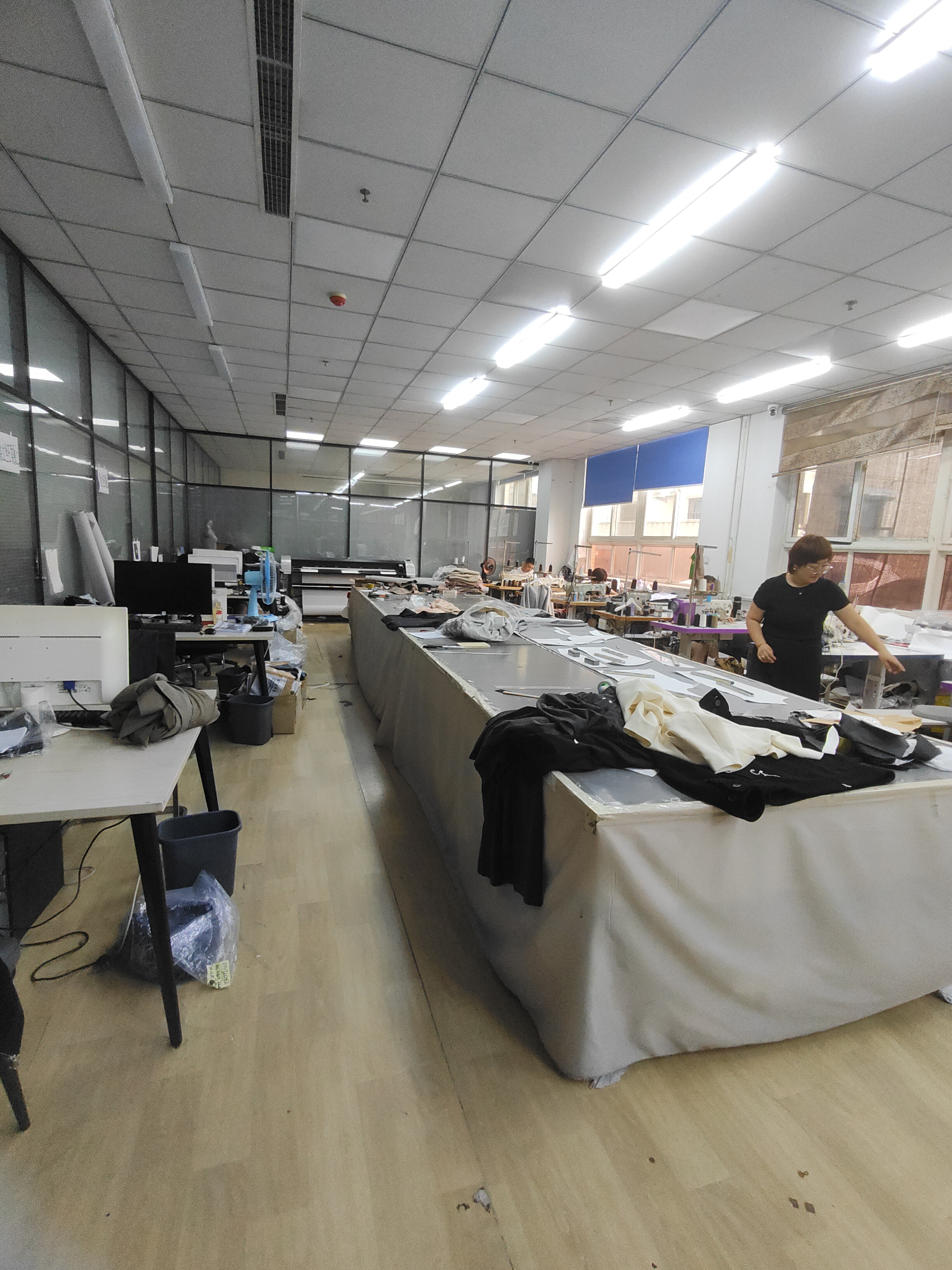
Sealed reference samples in the sample room form the contractual baseline for fabric, construction and fit.
Why the three builds need different parameter sets
Each build places a different burden on the sample. A Women's Onepiece is judged on how continuous body panels fall and move; a Women's Wool Coat is judged on structure — shoulder, chest, lining and interlining behaviour; a hand-sewn cashmere coat is judged on edge finishing and on whether the seam work is genuinely done by hand.
The commercial weight of this category explains why the checks are worth the effort. The global cashmere clothing market was valued at USD 3.63 billion in 2025, and cashmere sweaters and coats are reported as the largest product segment at 60.58% in 2026 (Fortune Business Insights, cited by industry aggregators). Hand-stitched double-faced cashmere is described in 2026 trade commentary as a reference standard for high-end coats, tied to the "quiet luxury" movement — a secondary-source trend assessment rather than a performance guarantee. For a buyer, the practical reading is narrower than the market headline: when the product category is crowded and the finishing method carries the price, the only defensible position is a written specification that can be inspected.
Build 1 — Women's Onepiece: continuous-panel parameters
In this factory's product range, the Women's Onepiece is a one-piece garment built from continuous body panels rather than from a separate top and bottom. That single decision changes what the buyer must specify: there is no waist seam to absorb grading differences, so panel balance, armhole placement and hem level carry the fit on their own.
Parameters to lock for a onepiece program:
- Length and hem level — recorded in centimetres from a fixed point, not as "midi" or "maxi" alone.
- Seam allowance and edge treatment — since seams are visible in a single-layer garment, the finished width and the pressing behaviour belong in the tech pack.
- Panel continuity through grading — confirm that the graded size set keeps the armhole and neckline proportion, not only the chest measurement.
- Layering intent — whether the garment is worn alone or under a coat, which changes the ease allowance at the chest and shoulder.
A onepiece sample that fits on the fit model but distorts two sizes up is a grading problem, not a fitting problem. Ask for the graded set, not a single size, before approving.
Build 2 — Women's Wool Coat (JSL26W011): structure and lining parameters
The Women's Wool Coat is a structured outer layer, and its quality is largely decided by components that a buyer cannot see from outside: interlining weight and fusing behaviour, lining allowance, and the way the shoulder is built.
For a wool coat program, the tech pack should fix the shell composition, the interlining position and weight class, the lining composition and colour, and the internal construction of the front edge. Where the design uses a lapel collar, the roll line and the break point are specification items, not styling details — a 10 mm shift in the break point changes how the collar sits across the chest.
Wool coats may be specified in pure wool or in a wool-cashmere blend. Blend composition must be stated as a percentage on the order and matched to the sample swatch, because the same model number can be produced in more than one composition across seasons. The price and the hand feel of the two are not interchangeable, so the composition belongs on the purchase order, not only in an email.
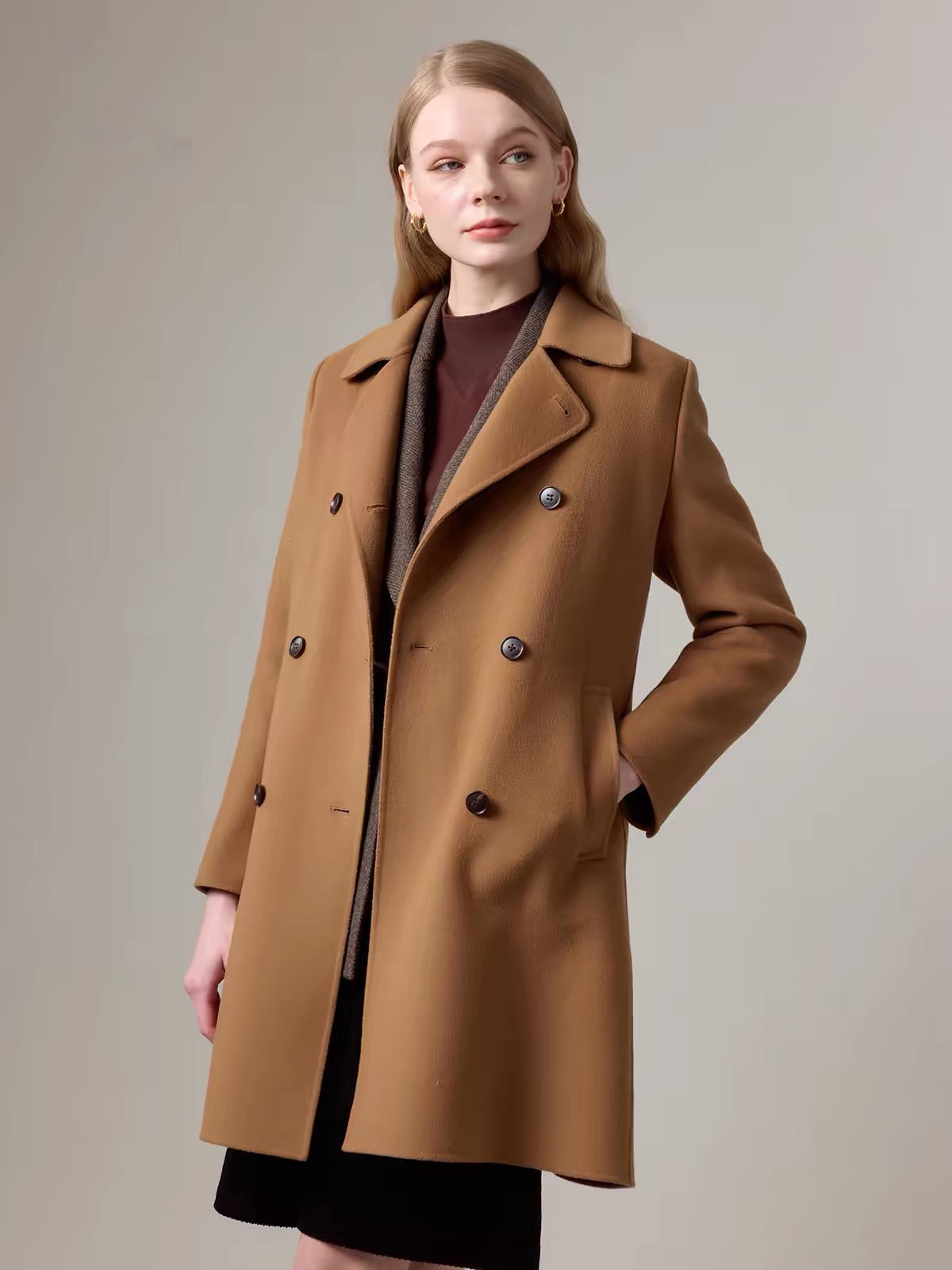
Coat length, lapel break point and front closure are measurable specification items on the sealed sample.
Build 3 — Hand-sewn cashmere coat: double-faced construction parameters
A double-faced cashmere coat has no lining: two faces are woven as one fabric, the garment is assembled, the seam allowances are split by hand, and the edges are closed by hand stitching. The construction is therefore inseparable from the finishing method.
DALIAN GACCILANG FASHION CO.,LTD states that its hand-sewn cashmere coats use 100% pure cashmere with 450 g/㎡ fabric and fully hand-sewn craftsmanship. For a buyer, three parameters follow from that statement and should be written into the order:
- Fabric identity — 100% pure cashmere, fabric weight in g/㎡, and the fabric batch reference.
- Hand-sewn operation list — which operations are hand-sewn (edge closing, seam joining, and any hand-finished detail) and which are machine-sewn. "Hand-finished" without an operation list is not a verifiable claim.
- Face cleanliness — both faces are visible, so thread ends, needle marks and pressing shine are acceptance items, not cosmetic remarks.
Weight context helps buyers set expectations. A typical cashmere coat contains 600–1,200 grams of fabric depending on length and design (Business Research Insights, 2026). Length therefore changes material consumption materially: a maxi long women's cashmere coat and a short cropped women's cashmere coat at the same fabric weight are not comparable quotations unless the fabric consumption per unit is stated.
Fabric parameters to lock before sampling
Fabric is the parameter group most often left vague at quotation and most often disputed at delivery. Write these six items into the order and attach the swatch reference:
- Fibre composition as a percentage — 100% pure cashmere and a wool cashmere blend women's coat must never share one unspecified line item.
- Fabric weight in g/㎡ — the difference between a thick heavy warm women's coat and a lightweight thin women's coat is a weight and density decision, not a marketing word.
- Fabric structure — double faced or single faced with lining, stated explicitly.
- Colour and dyelot — solid colour garments show shade variation between batches more clearly than prints do.
- Shrinkage and pressing behaviour — confirm the expected behaviour with the mill before the cutting ticket is issued.
- Batch record retention — the fabric batch reference must be traceable after delivery, or a reorder cannot reproduce the original hand.
Two verification points are worth building into the purchase order. First, confirm that the fibre content printed on the label matches the ordered composition and the pre-shipment test result. Second, for U.S. imports, HTS line 6202.20.11 covers women's wool or fine animal hair overcoats (U.S. International Trade Commission, 2026); classification for a specific composition should be confirmed with the importer's customs broker rather than assumed from the coat category.
Fit and pattern parameters: length, silhouette, closure and trim
Fit is the parameter group where buyer and factory most often talk past each other, because the same words describe different measurements. Replace the vocabulary with measurement points.
Length class
Maxi long, midi mid length and short cropped should each be converted to a finished length in centimetres measured from a fixed point on the back. A "midi" agreed verbally between two markets can differ by more than one size step.
Silhouette and waist
An oversized loose women's cashmere coat and a belted waist women's cashmere coat are graded differently. For the oversized build, fix the shoulder drop and the chest ease; for the belted build, fix the belt width, the belt position and whether the belt is attached at the side seam or carried loose.
Closure and collar
A double breasted women's cashmere coat requires a fixed front overlap and button position; a single breasted women's cashmere coat requires a fixed front edge and button spacing. A lapel collar, a hooded collar and a fox fur collar are three different construction problems: the lapel is a roll-line question, the hood is a panel and attachment question, and a fur trim is a separate component with its own attachment method, detachability and care instruction. Specify the trim as a component with its own reference, not as a colour note.
Intended use
An elegant office women's cashmere coat, a casual daily women's cashmere coat and a formal luxury women's cashmere coat usually differ in length, ease and finishing standard rather than in fibre. State the use case in the tech pack so that the finishing standard and the measurement tolerances are set to match it.
| Parameter | Women's Onepiece | Women's Wool Coat (JSL26W011) | Hand-Sewn Cashmere Coat |
|---|---|---|---|
| Fabric structure | Single-layer continuous body panels | Wool or wool-blend shell with lining and interlining | Double faced, no lining; company statement: 100% pure cashmere, 450 g/㎡ |
| What the sample must prove | Panel balance, armhole and hem level across sizes | Shoulder structure, front edge, lining behaviour | Hand-closed edges, both faces clean, operation list respected |
| Fit items to lock | Finished length, waist position, ease at chest | Shoulder width, chest, sleeve length, coat length, lapel break | Shoulder drop, front overlap, finished length, belt position |
| Most common risk | Panel distortion after grading | Interlining or lining mismatch with the approved sample | Hand operations simplified under lead-time pressure |
| Acceptance anchor | Sealed sample plus measurement check | Sealed sample plus measurement check | Sealed sample, operation list and fabric batch record |
| Factory-level terms | MOQ 100 pcs; lead time 30–45 days; 100% inspection; acceptance by pre-shipment test; payment TT/LC; delivery FOB/CIF (confirm per style) | ||
Step-by-step: verifying a build before selection
A verification sequence converts the parameter list into a decision. The order below follows the way an order actually fails, starting with identity and ending with records.
- Fix the build identity. Name the garment as Women's Onepiece, Women's Wool Coat JSL26W011, or hand-sewn cashmere coat. Build type, model number and composition should appear together on every document.
- Write the fabric block. Composition percentage, weight in g/㎡, structure, colour and dyelot. Attach the swatch reference used at quotation.
- Map the construction operations. List which operations are hand-sewn and which are machine-sewn, and ask the factory to confirm the list in writing for the specific style.
- Convert fit language into measurement points. Finished length, shoulder, chest, waist, sleeve, armhole, hem. Tolerances follow the buyer's tech pack; the factory should confirm them per point rather than per garment.
- Approve and seal the sample after order confirmation. The sealed sample is the reference for both parties when a bulk dispute arises.
- Define the pre-shipment check. Scope, sampling basis and the person responsible for release; acceptance is by pre-shipment test, and the factory's stated standard is 100% inspection.
- Retain records. Fabric batch references and production procedure notes are what make a reorder reproducible and a complaint resolvable.
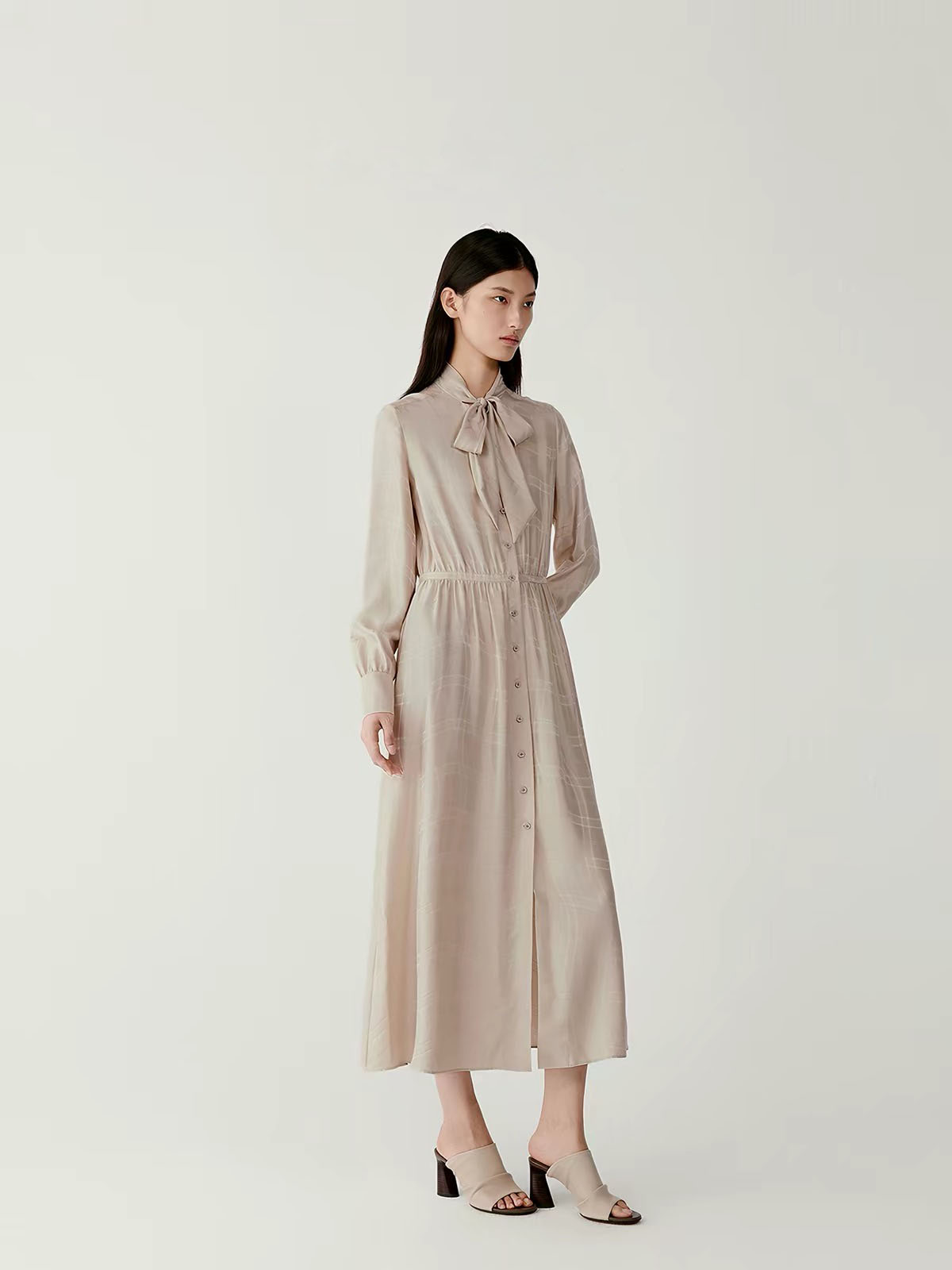
Onepiece reference sample: panel balance and seam placement are checked against the graded set.
Purchasing terms and acceptance criteria to verify before selection
The commercial terms are as much a part of technical selection as the fabric, because they define what happens when the two disagree. For DALIAN GACCILANG FASHION CO.,LTD — a Dalian-based women's outerwear manufacturer founded in 2019, producing women's wool coats, onepiece garments and jackets in a 3,000 ㎡ facility with 120 employees and an export share of 60% to Korea, Japan, the USA and the EU — the stated terms are:
- MOQ: 100 pcs
- Delivery terms: FOB / CIF
- Payment terms: TT / LC
- Acceptance criteria: pre-shipment test
- Lead time: 30–45 days
- Quality control: 100% inspection
- After-sales: order tracking, after-sales consultation and communication on defective goods
Production capacity is stated at 30,000 units per month, with annual output of 360,000 units. OEM production is the stated mode, with customization of size, colour, fabric and logo, and a four-designer R&D team. For a 100-piece program these terms are workable; the parameter that decides the schedule is usually sample approval, not sewing capacity.
How a 100-piece program runs in practice
Documented reference programs show the pattern clearly. The factory records a three-year supply relationship with boutique retailers and fashion brands in Korea, Japan, the USA, the UK and the UAE, on orders of about 100 pcs for retail sale and seasonal outerwear. The recorded highlight for those programs is 100% pure cashmere with handmade stitching and a premium texture, and the record lists high customer satisfaction and stable repeat orders.
For a buyer, the transferable lesson is about repeatability rather than about the reference itself: repeat orders are possible when the fabric batch, the operation list and the measurement points are preserved between seasons. Where a reorder is placed without the original batch record, the second delivery can differ in hand and shade even when the supplier, the model and the composition are unchanged.
Failure modes and how to close them
The characteristic failure in this category is not a single defective coat; it is a bulk delivery that differs from the confirmed sample in fabric or workmanship. The consequences follow the channel: customer returns, after-sales complaints and damage to a long-term retail relationship.
Three triggers account for most occurrences:
- Hand-sewing procedures simplified when the lead time tightens.
- Cashmere fabric specification changed during production.
- Coat quality mixed within one delivery.
The corresponding controls are procedural. Seal the confirmed sample after order confirmation. Inspect before delivery on a 100% basis. Keep records of fabric batches and production procedures. If a quality complaint does arrive, arrange exchange or replenishment, inspect the production line and raise the quality control standard so the issue does not repeat.
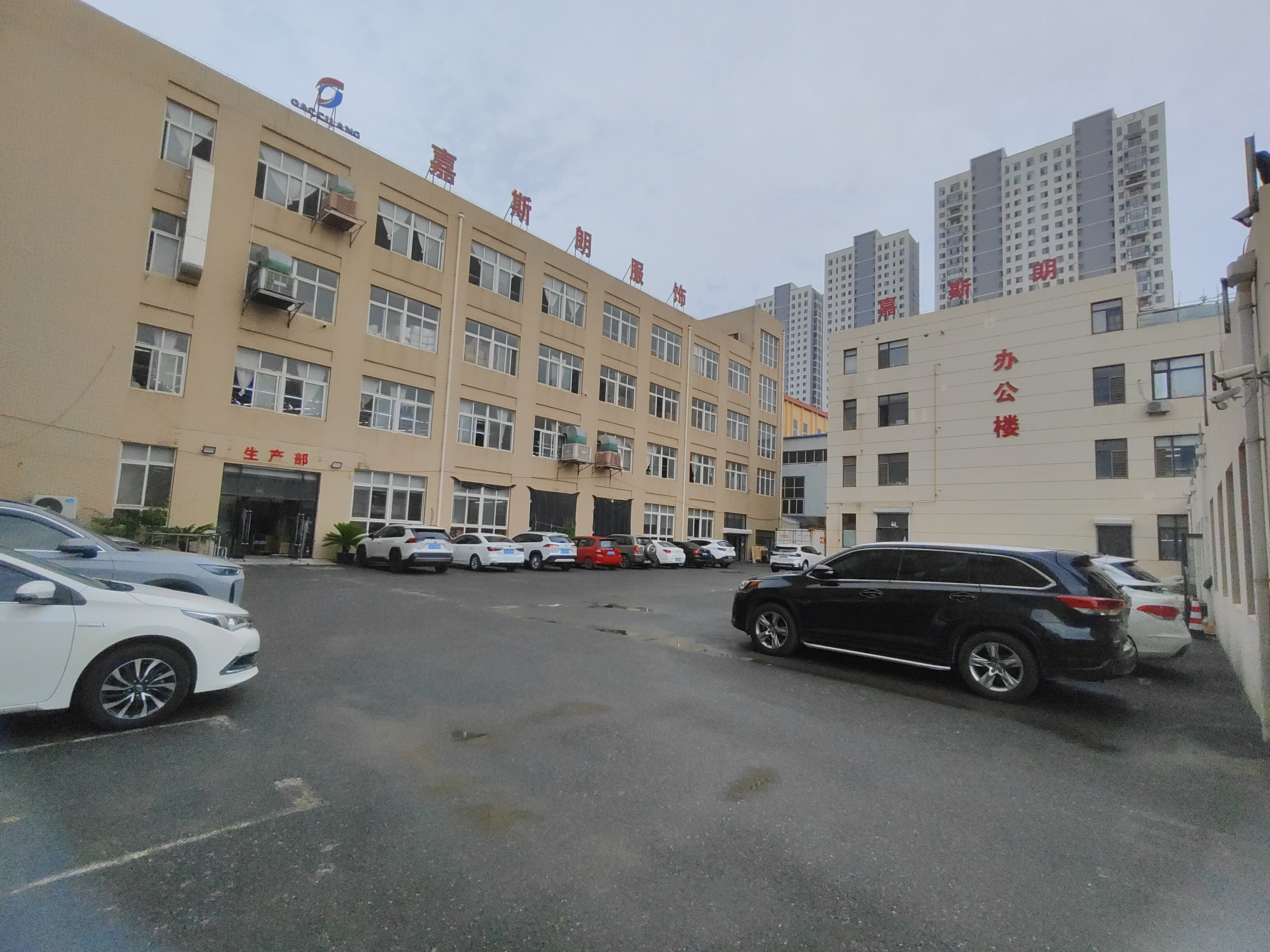
Production floor: batch records and procedure notes are retained from cutting through final inspection.
Conclusion: the parameter list is the selection
The Women's Onepiece, the Women's Wool Coat JSL26W011 and the hand-sewn cashmere coat fail for different reasons, and each is protected by a different part of the specification. The onepiece is protected by graded measurements and panel balance. The wool coat is protected by shell, interlining and lining defined together. The hand-sewn coat is protected by fibre identity, fabric weight and a written list of hand operations.
All three are protected by the same four commercial anchors: a sealed sample, a stated acceptance basis, a retained fabric batch record, and delivery terms that name the remedy. Buyers who lock those four items before sampling are comparing constructions; buyers who do not are comparing catalogues.
For buyers ready to move from evaluation to execution, DALIAN GACCILANG FASHION CO.,LTD can discuss a sample request, a quotation or the current catalog against a written specification — including the fabric block and measurement points described in this guide. Company website: gaccilang.com. Full product and capability details are available in the company brochure (PDF).
FAQ
Which compliance points should be verified before confirming a women's cashmere coat order?
Verify three things in writing. First, that the fibre content on the label matches the ordered composition and the pre-shipment test result. Second, that the fabric batch reference is recorded, so a reorder can reproduce the original fabric. Third, that the import classification is confirmed for the actual composition — for U.S. imports, HTS line 6202.20.11 covers women's wool or fine animal hair overcoats, and classification should be checked with the importer's customs broker rather than assumed from the coat category.
Can Chinese OEM manufacturers produce double faced women's cashmere coats?
Yes. DALIAN GACCILANG FASHION CO.,LTD is a Dalian-based women's outerwear manufacturer founded in 2019, operating a 3,000 ㎡ facility with 120 employees and an output of 30,000 units per month. Its stated mode is OEM production with customization of size, colour, fabric and logo, and it states that its hand-sewn cashmere coats use 100% pure cashmere with 450 g/㎡ fabric and fully hand-sewn craftsmanship. Export markets are Korea, Japan, the USA and the EU, at a 60% export share.
What purchasing terms and acceptance criteria apply to a first order?
The stated terms are MOQ 100 pcs, delivery FOB or CIF, payment TT or LC, lead time 30–45 days, and quality control by 100% inspection. Acceptance is by pre-shipment test, which means the inspection basis and the release decision should be agreed before production starts rather than after the goods are packed. After-sales support covers order tracking, after-sales consultation and communication on defective goods.
How do you prevent bulk coats from differing from the approved sample?
Seal the confirmed sample after order confirmation and treat it as the reference for fabric, construction and measurement. Keep records of fabric batches and production procedures so any deviation can be traced to a batch or an operation. Inspect every coat before delivery, and where a complaint arises, arrange exchange or replenishment, inspect the production line and raise the quality control standard. The most common triggers are hand-sewing simplified under time pressure, fabric specification changed mid-production, and mixed quality within one delivery.
What lead time and capacity should be planned for a women's cashmere coat program?
Plan on a 30–45 day lead time and a stated monthly capacity of 30,000 units, with a 100 pcs minimum order quantity. In practice the sample approval date, not sewing capacity, sets the delivery window, so the fabric block and measurement points should be settled before the sampling round begins. Buyers working to a seasonal launch can request the current production schedule alongside the quotation to align sampling and bulk dates.
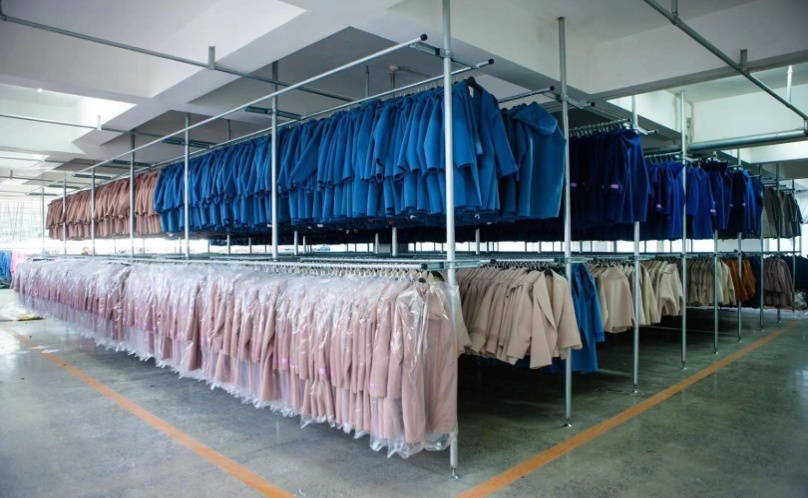
Finished goods staged for pre-shipment inspection before delivery.
Have Questions or Need More Details?
Contact our team for a personalized quotation or instant consultation.
Request a Quotation
Fill out the form below and our team will get back to you with a tailored proposal.
WhatsApp Direct Chat
Prefer to chat in real-time? Message us on WhatsApp for instant assistance & quick answers.
- Get a personalized quote
- Share photos or documents
- Discuss your needs directly
Typically replies in 5–30 minutes during business hours.