Women's Cashmere Coat Terms: Onepiece, Wool Coat, Hand-Sewn
Women's Cashmere Coat Terms: Onepiece, Wool Coat, Hand-Sewn
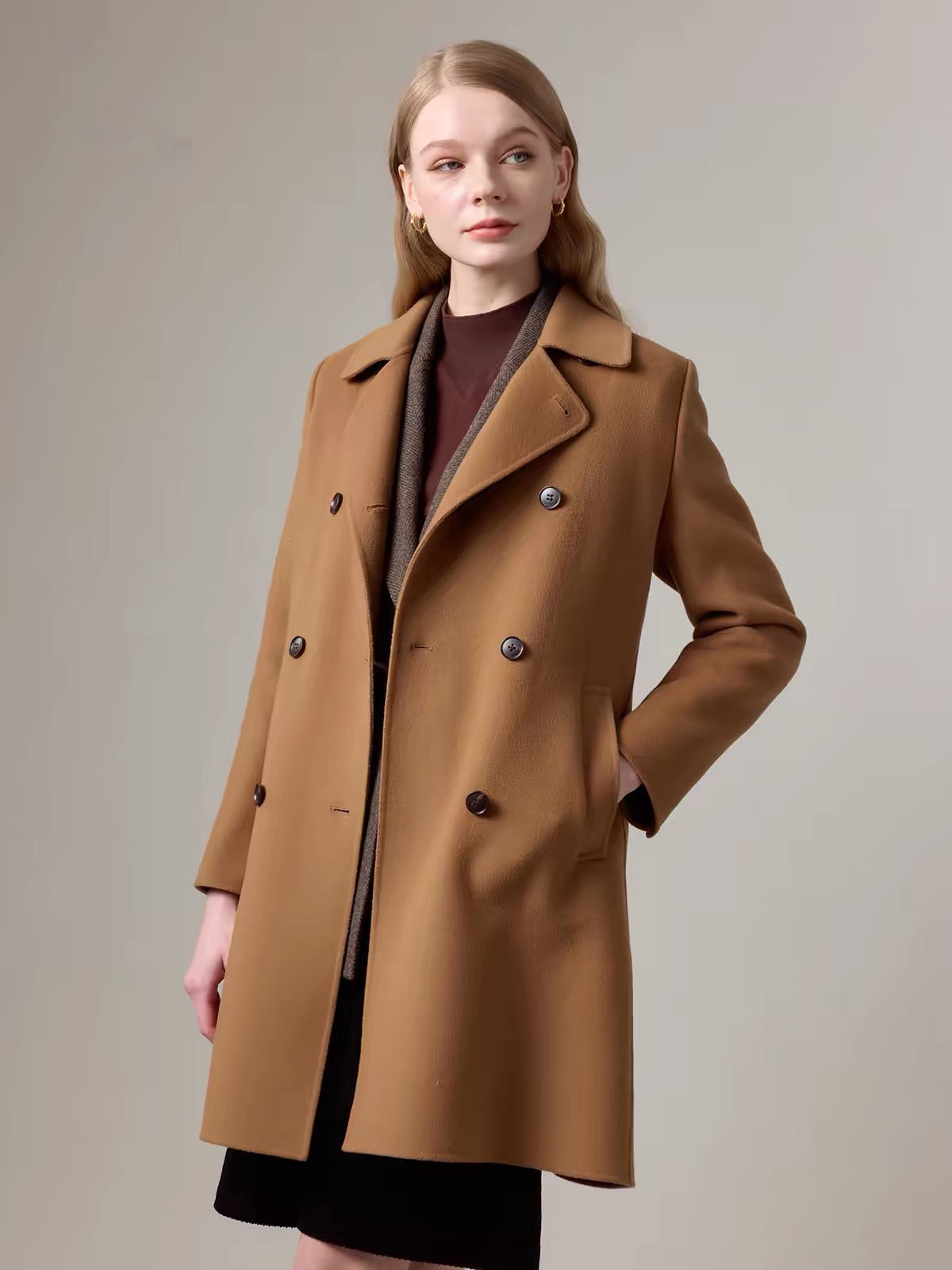
In a women's cashmere coat enquiry, the words on the page carry as much commercial risk as the fabric itself. Women's onepiece, women's wool coat and hand-sewn cashmere coat are not interchangeable labels: one names a garment category, one names an outerwear product line, and one names a construction method. Buyers who treat them as synonyms end up approving a sample against the wrong noun and only find out at pre-shipment inspection.
This explainer is written for buyers moving from evaluation into execution. It sets out what each term commits a supplier to, which purchasing and acceptance terms must sit beside it in the same document, and how a manufacturer such as DALIAN GACCILANG FASHION CO.,LTD (www.gaccilang.com) writes those fields in practice.
What Do the Three Core Terms Actually Name?
Each of the three terms answers a different question. Keeping the questions separate is the fastest way to stop vocabulary drift in an enquiry.
Women's onepiece: a garment-category term
A women's onepiece is a one-piece women's garment — a single style unit rather than a top-and-bottom pairing. In DALIAN GACCILANG FASHION CO.,LTD's product structure, women's onepiece sits alongside women's wool coat and women's jacket as one of the three main product families the factory produces. The word 'onepiece' fixes the pattern and size-grade logic of the style. It says nothing about fibre, weight or stitching, and it should never be used as shorthand for a coat on a purchase order.
Women's wool coat: a product-line term
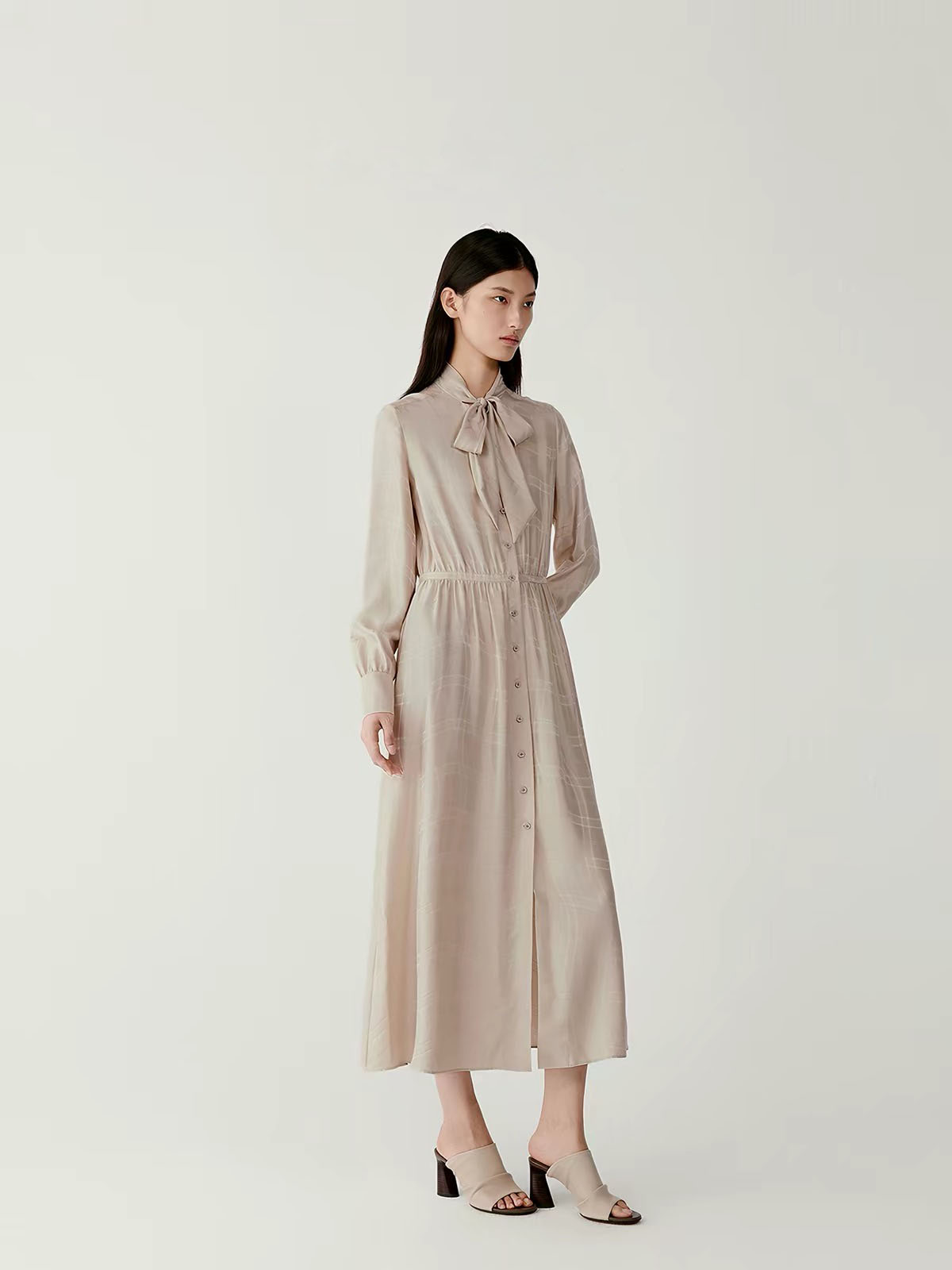
Women's wool coat names an outerwear line rather than a fabric test result. In Gaccilang's own product data, the women's wool coat model JSL26W011 is recorded as a women's wool double-breasted coat in sizes S, M, L, XL and XXL, with the order material listed as cashmere 100%. That single record shows why the line name needs a companion field: the product name points to the category, while the material field — not the name — controls what the coat is made of.
Hand-sewn cashmere coat: a construction term
Hand-sewn, or hand-stitched, describes how the coat is assembled. Applied to double-faced cashmere, it is the term that separates a coat where stitching is executed by hand from one where it is not. Trade trend analysis published in 2026 describes hand-stitched double-faced cashmere as the 'Gold Standard' for high-end coats within the quiet-luxury movement — a positioning statement that raises rather than lowers the verification burden, because 'hand-sewn' is a process claim, not a fibre claim.
The Real Problem: Three Vocabulary Layers Collapsed into One Line
A purchase order line usually starts simply — 'women's cashmere coat, hand-sewn, onepiece style, 100 pcs'. Four words in that line belong to four different vocabularies, and each one is verified by a different person at a different stage.
Collapse them and the failure is predictable. The buyer means a 100% pure cashmere double-faced coat assembled by hand. The supplier reads the line name as the category, applies hand stitching where it is visible, and quotes the fibre field from a different style in the same range. Both sides believe they agreed. The gap surfaces at pre-shipment inspection, when bulk coats differ from the confirmed sample in fabric and workmanship — the exact trigger for returns, after-sales complaints and long-term damage to a channel's reputation.
Purchasing and acceptance terms are usually written last, after price. That order is the reason vocabulary drifts. In Gaccilang's purchasing terms, MOQ is 100 pcs, delivery terms are FOB or CIF, acceptance criteria are a pre-shipment test, and payment terms are TT or LC. None of those words describes the coat, yet all four decide whether the coat that was described is actually the coat that gets delivered.
Industry Background: Why Vocabulary Discipline Pays in 2026
Cashmere clothing was valued at USD 3.63 billion globally in 2025, according to Fortune Business Insights figures carried by multiple market aggregators. Within that market, cashmere sweaters and coats are the largest product segment, at 60.58% in 2026 in the same source. Coats are not a niche inside cashmere — they are the core of it, which is why the words used to describe them attract so much negotiation.
Material weight explains the sensitivity. A typical cashmere coat contains 600–1,200 grams of fabric depending on length and design, per Business Research Insights. Fibre words are therefore cost words: the difference between 100% pure cashmere and a wool cashmere blend is measured in hundreds of grams per coat, not in adjectives.
Two pressures sit on top of that. China's apparel exports totalled USD 151.2 billion in 2025, a year-on-year decline of 5% as reported from China Customs data — a market in which buyers defend margin by tightening specifications rather than loosening them. And in 2026, hand-stitched double-faced cashmere is described in trade trend analysis as the high-end standard, tied to the quiet-luxury movement. When a construction method becomes a status marker, the word 'hand-sewn' starts appearing on orders where nobody has defined what it verifies.
Regulated vocabulary adds a third layer. In the U.S. Harmonized Tariff Schedule, HS code 6202.20.11 covers women's overcoats of wool or fine animal hair. The tariff line classifies by fibre family, not by the trade name on the swing tag — a reminder that a coat carries at least one official vocabulary separate from both the marketing one and the factory one.
The Solution: Four Vocabulary Layers, Written in Order
The practical fix is sequencing. Write the four layers below in order and each one narrows what the next may contain, so no single word has to carry more meaning than it can bear.
Layer 1 — Garment category: what is being made
This layer answers the pattern-room question. DALIAN GACCILANG FASHION CO.,LTD, a Dalian-based outerwear manufacturer founded in 2019, produces three main product families: women's wool coat, women's onepiece and women's jacket. The three names are not quality grades and not fibre statements — they tell the pattern maker which block, size grade and construction logic applies.
A women's onepiece is a one-piece women's garment. A women's wool coat is an outerwear line, such as model JSL26W011 recorded as a women's wool double-breasted coat in sizes S to XXL. Neither name, on its own, tells a supplier what the coat is made of.
Layer 2 — Fibre and blend: what it is made of
The fibre field must be written separately from the line name, and the JSL26W011 record makes the point: the style is named as a wool coat while the order material is listed as cashmere 100%. Whatever the intended reading, a buyer cannot rely on the noun inside a style name to fix the fibre. It has to be a written field on the order.
Gaccilang's own hand-sewn cashmere coat specification uses 100% pure cashmere. A wool cashmere blend is a different fibre statement and must be written as one; the two are not variations of the same line item, and a supplier cannot be held to a fibre that was never named.
Layer 3 — Construction: how it is assembled
Construction is where 'hand-sewn' lives, and where most ambiguity is created. In Gaccilang's specification, the hand-sewn cashmere coat is made of 100% pure cashmere in 450 g/㎡ fabric with fully hand-sewn craftsmanship. Three verifiable elements sit inside that sentence: the fibre, the fabric weight and the stitching method. A buyer can inspect all three. A buyer cannot inspect 'premium' or 'luxury'.
Double-faced construction is the reference point for this category, and 2026 trade analysis positions hand-stitched double-faced cashmere as the high-end standard. That raises, not lowers, the need to state on the order whether stitching is hand-executed throughout the coat or only where it is visible.
Layer 4 — Commercial and acceptance terms: how it is bought and released
These are the words that turn an intention into an enforceable order, and in most enquiries they are written last. The table below lists the terms Gaccilang quotes.
| Order field | Stated term |
|---|---|
| Production mode | OEM |
| Customization | size / color / fabric / logo |
| MOQ | 100 pcs |
| Delivery terms | FOB / CIF |
| Acceptance criteria | Pre-shipment test |
| Payment terms | TT / LC |
| Quality control | 100% inspection |
| Lead time | 30–45 days |
Two of these deserve emphasis. The acceptance criterion is a pre-shipment test, meaning the coat is judged before it leaves rather than after it arrives. And payment is TT or LC, which allows release of payment and release of goods to be tied to the same inspection event.
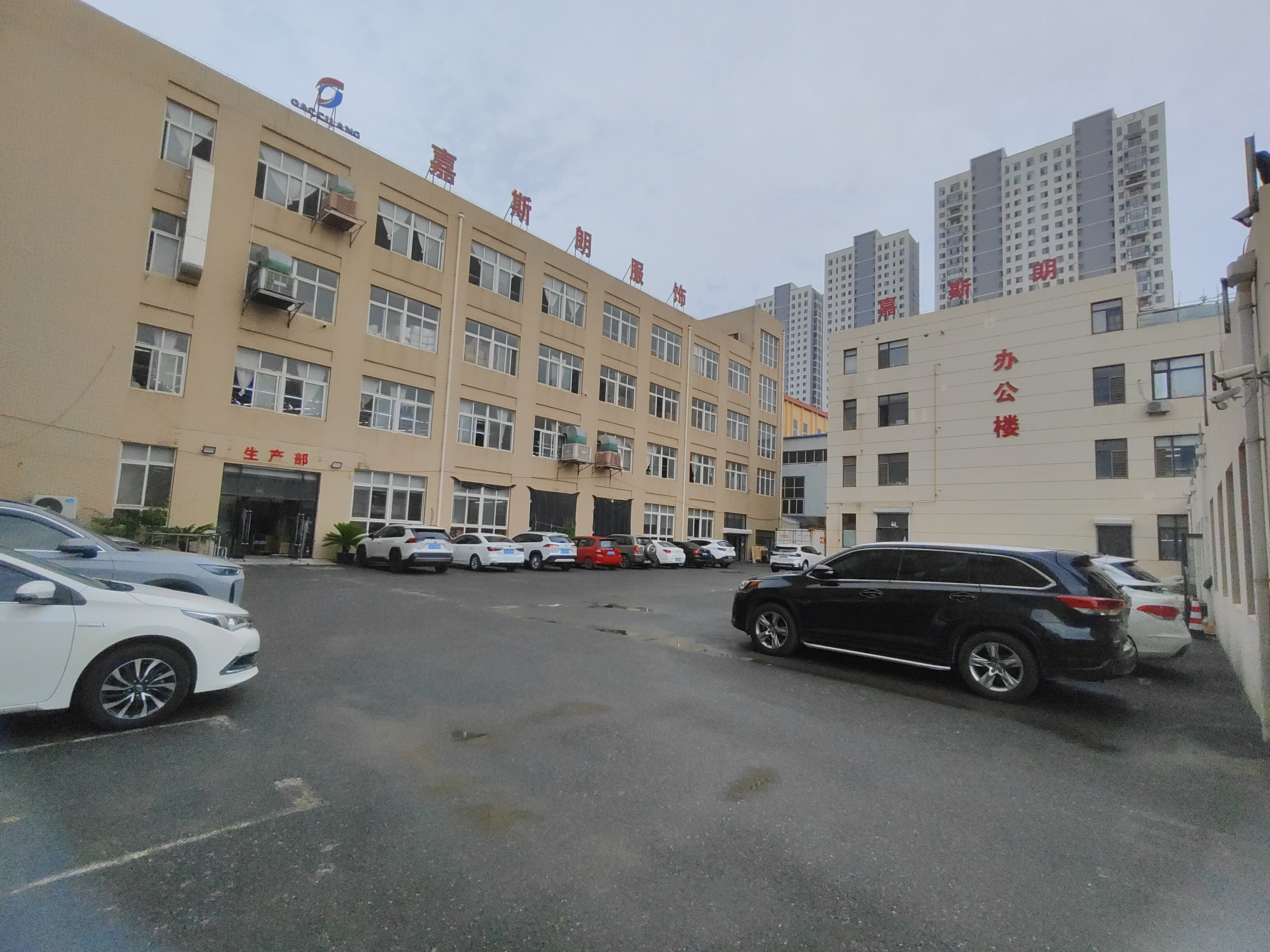
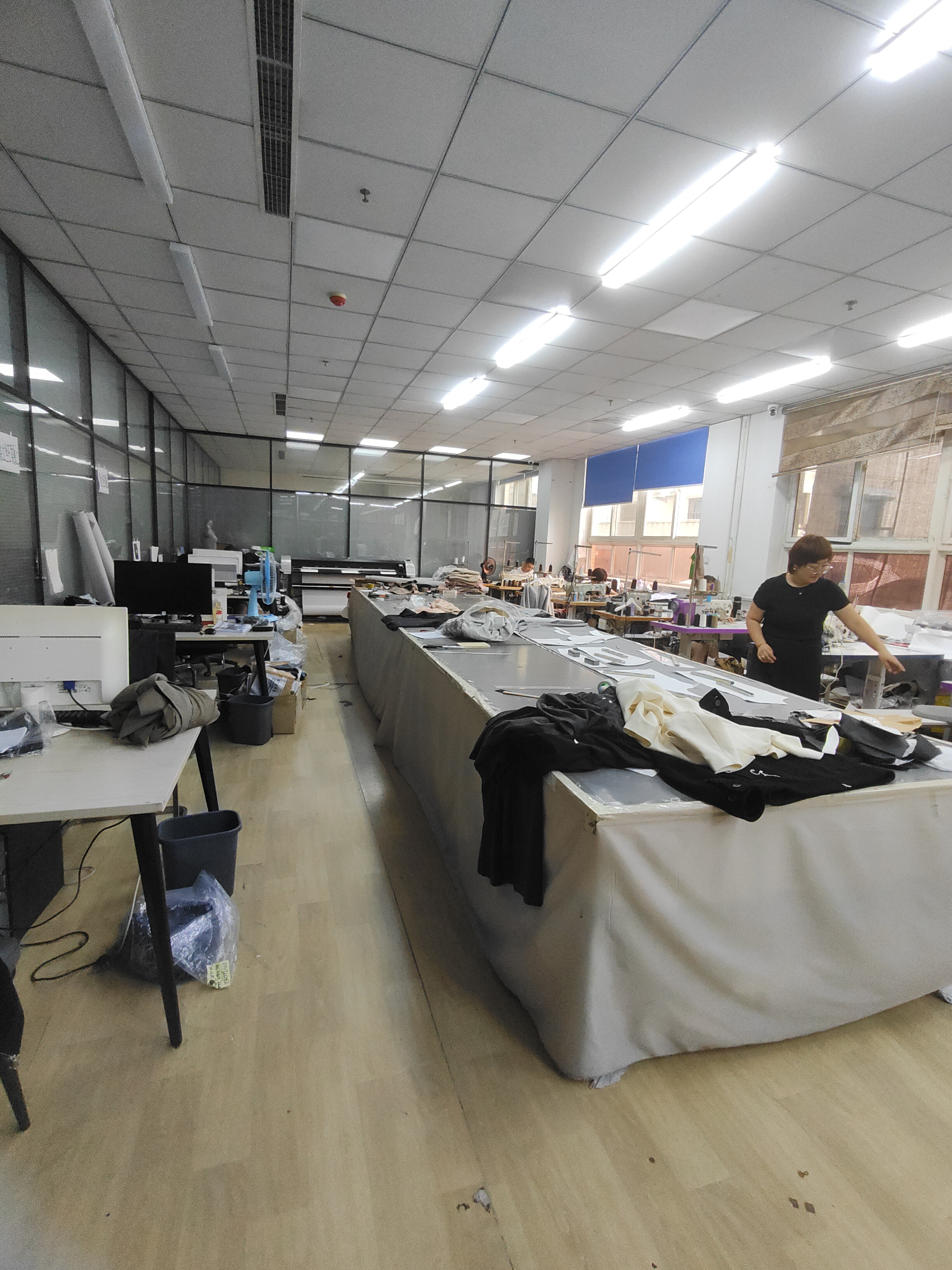
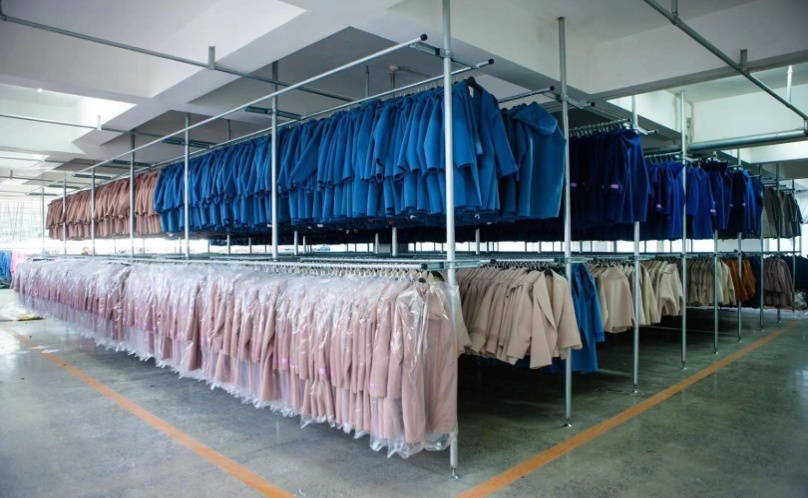
Behind those terms sits the production base: a 3,000 ㎡ factory with 120 employees, a four-designer team, annual output of 360,000 units and monthly capacity of 30,000 units, with roughly 60% of output exported to Korea, Japan, the USA and the EU. Capacity is a vocabulary item too — it tells a buyer whether a 100-piece boutique order and a repeat programme can be scheduled inside the same lead time.
Step by Step: Turning Vocabulary into a Purchase Order Line
- Write the garment category first. Onepiece, wool coat or jacket. This fixes the pattern block and the size grade before any fabric is discussed, and it prevents a coat enquiry being answered with a onepiece quotation.
- Write the fibre statement as its own field. 100% pure cashmere and wool cashmere blend are different products at different cost levels; a style name is not a substitute for either, as the JSL26W011 record shows.
- Write the construction statement. Double-faced, hand-sewn, and the fabric weight — 450 g/㎡ in Gaccilang's hand-sewn specification. This is the sentence the sample will be judged against.
- Write the commercial frame. MOQ 100 pcs, FOB or CIF, TT or LC. Agreeing these before sampling prevents a style being developed for an order size the factory will not run.
- Seal the sample and name the acceptance test. Seal the confirmed sample after order confirmation, inspect every coat before delivery, and keep records of fabric batches and production procedures. If bulk coats differ from the sealed sample in fabric or workmanship, the stated remedy is exchange or replenishment plus a production-line review.
- Schedule the lead time and name the after-sales route. 30–45 days production lead time, with order tracking, after-sales consultation and defective-goods communication as the named channels.
Use Cases: Where the Vocabulary Changes the Order
Boutique retail and fashion-brand assortments
Boutique retailers and fashion brands in Korea, Japan, the USA, the UK and the UAE have ordered women's cashmere coats in 100-piece quantities for retail sales and seasonal outerwear, in a relationship running three years with stable repeat orders. The recurring specification in those orders is 100% pure cashmere with handmade stitching and a premium texture — vocabulary that has to be repeated on every repeat order rather than assumed from the last one.
Private label and OEM programmes
In OEM mode, customization covers size, colour, fabric and logo. Each of those four words is a separate specification line, and each can drift independently: a size change alters the pattern block, a colour change alters the dye lot, a fabric change alters the fibre statement, and a logo change alters trim and labelling.
Mid-to-high-end stores and custom apparel clients
For buyers whose priority is fabric quality and cost control, the hand-sewn cashmere coat — 100% pure cashmere, 450 g/㎡ fabric, fully hand-sewn craftsmanship — is positioned as the primary option, with a stated production cost 22% lower than similar handcrafted styles from competitors. Buyers whose priority is brand premium may reasonably choose a competitor's high-end hand-sewn coat instead. The vocabulary in this article is what makes that comparison possible on paper rather than on impression.
Comparison Table: Onepiece, Wool Coat and Hand-Sewn Cashmere Coat
The table compares the three terms on the dimensions that appear in an actual order, using only specifications recorded in Gaccilang's product and purchasing documentation.
| Term | What it fixes in an order | Fibre field | Construction reference | Typical use |
|---|---|---|---|---|
| Women's onepiece | Garment category: a one-piece style unit, not a top-and-bottom pairing | Must be stated separately; the term carries no fibre | None stated by the term itself | One-piece styles within the same seasonal range as coats and jackets |
| Women's wool coat | Outerwear product line, e.g. model JSL26W011, women's wool double-breasted coat, sizes S–XXL | Line name only; this model is recorded with order material cashmere 100% | Double-breasted front | Retail outerwear and seasonal assortments |
| Hand-sewn cashmere coat | Fibre and construction in one term | 100% pure cashmere | Double-faced, fully hand-sewn craftsmanship, 450 g/㎡ fabric | Mid-to-high-end women's clothing stores, custom apparel clients, boutique and fashion-brand programmes |
Read across the rows, the pattern is consistent: only the third row carries a construction claim and a fibre claim at the same time. That is why hand-sewn cashmere coat is the term most likely to be quoted loosely — and the term a buyer should define most tightly before the order is placed.
Frequently Asked Questions
If an order says hand-sewn, what exactly has to be verified?
The word commits the supplier to a stitching method; by itself it does not fix the fibre. Three checks close the gap: the sealed sample for stitching, the fabric record for fibre and weight — Gaccilang's hand-sewn specification uses 100% pure cashmere in 450 g/㎡ fabric with fully hand-sewn craftsmanship — and the pre-shipment test, which is the stated acceptance criterion. Keeping records of fabric batches and production procedures lets a delivered coat be traced back to both.
Can a Chinese OEM manufacturer produce double-faced women's cashmere coats to a buyer's own specification?
Yes, within stated limits. DALIAN GACCILANG FASHION CO.,LTD operates in OEM mode with customization across size, colour, fabric and logo, supported by a four-designer team and monthly capacity of 30,000 units. Orders start at MOQ 100 pcs with a 30–45 day lead time, and every coat is inspected before delivery under 100% inspection. The buyer's task is to write the fibre, construction and acceptance fields precisely enough that the OEM line has something definite to match.
What are the purchasing terms, and where does the hand-sewn coat sit on cost?
Purchasing terms are MOQ 100 pcs, delivery FOB or CIF, acceptance by pre-shipment test, and payment TT or LC. On cost, Gaccilang states that its fully hand-sewn 100% pure cashmere coat in 450 g/㎡ fabric carries a production cost 22% lower than similar handcrafted styles from competitors — a figure tied to that fibre and construction, not a general price claim. Where brand premium is the priority, a competitor's high-end hand-sewn coat remains a legitimate alternative.
How is bulk consistency protected between sample approval and delivery?
By sealing the confirmed sample once the order is placed, inspecting every coat before delivery, and keeping records of fabric batches and production procedures. The risk being managed is specific: bulk coats that differ from the confirmed sample in fabric or workmanship trigger returns, after-sales complaints and long-term channel damage. If that happens, the stated response is exchange or replenishment, a production-line inspection and an upgrade to quality control so the issue does not repeat.
What is the lead time, and what is the next step for a buyer?
Production lead time is 30–45 days against monthly capacity of 30,000 units, with order tracking, after-sales consultation and defective-goods communication as the named support routes. To move from evaluation into execution, send the style, size range, fibre statement and target market; a sample or quotation can then be prepared against those fields. The current product brochure is available for download, and the team can be reached at gaccilang@163.com or on WhatsApp at +86 121-3551-5622.
Conclusion
Women's onepiece, women's wool coat and hand-sewn cashmere coat are three answers to three different questions: what is being made, which line it belongs to, and how it is assembled. The purchasing vocabulary — MOQ 100 pcs, FOB or CIF, pre-shipment test, TT or LC, 30–45 days — is the fourth question: whether what was described is what gets released.
Buyers who write all four layers on one order line end up with a specification a factory can match and an inspector can check. Buyers who leave one layer to assumption end up with a coat that is technically correct and commercially wrong. The vocabulary is not paperwork around the product; it is the part of the product that can be verified before the container is loaded.
Next Step: Sample, Quotation or Brochure
DALIAN GACCILANG FASHION CO.,LTD supplies women's wool coat, women's onepiece and women's jacket on OEM terms — MOQ 100 pcs, 30–45 day lead time, 100% inspection before shipment.
Product brochure (download): DALIAN GACCILANG FASHION CO-202609.pdf
Contact: XiaoNa Wang, General Director · Email gaccilang@163.com · Tel +86 186-9861-1183 · WhatsApp +86 121-3551-5622
West of Jinquan Road, Wujia Village, Zhanqian Street, Jinzhou District, Dalian, China · www.gaccilang.com
Have Questions or Need More Details?
Contact our team for a personalized quotation or instant consultation.
Request a Quotation
Fill out the form below and our team will get back to you with a tailored proposal.
WhatsApp Direct Chat
Prefer to chat in real-time? Message us on WhatsApp for instant assistance & quick answers.
- Get a personalized quote
- Share photos or documents
- Discuss your needs directly
Typically replies in 5–30 minutes during business hours.