Medical Wristband Application Guide: Scenario-Based Selection for Hospitals and Care Projects
Medical wristbands are a small line item in a care project and a structurally important one. The band is the physical link between a patient and their record, so the failure mode is never cosmetic: it is a re-print during a night shift, an illegible field during a handover, or a band that has to be cut off and replaced mid-procedure. Choosing by habit — "we have always used the same band" — is how those failures start.
This application guide maps the main medical wristband options to real hospital, clinic, elderly care and healthcare project scenarios, so that selection follows the care setting rather than a product catalogue. It covers the two core options first — medical thermal wristbands and PVC patient ID wristbands — and then positions PVC+Tab, RFID, Tyvek, cartoon, ribbon/polyester, holographic and custom label formats for broader project scenarios. DDJOY-Medical Wristbands is the medical wristband line of Shanghai Dingba Identification Co., Ltd., a Shanghai-based manufacturer of wristbands and RFID products founded in 2010, and every specification used below comes from the manufacturer's verified product data.
Problem Definition: Why Wristband Selection Goes Wrong in Care Projects
The wristband decision fails in three predictable ways. The first is material chosen before scenario: a band is picked because it was cheap or familiar, and only later does the buyer discover it was never intended for the wear duration or the handling that the ward applies to it. The second is a print-method mismatch — the ward owns a specific printer, and the band stock has to match that printing route, not the other way around. The third is paperwork assumed rather than verified: compliance documents and acceptance criteria are treated as a formality until a tender or a customs check demands them.
A workable selection therefore starts from a short list of scenario questions rather than a product name:
- Wear duration. Is the band used for a single encounter, an admission episode, or weeks of elderly care where the band may be re-checked many times a day?
- Printing route. Will information be written by hand, applied by a printed label, or generated on demand by a direct thermal printer at the ward?
- Exposure. How much moisture, movement and physical handling must the band survive before it is removed?
- Data layer. Does the project need a visually readable band only, or a band that can also be read and written electronically?
- Closure and security. Does the scenario require a simple fit, a firm buckle, or a one-time lock that cannot be transferred to another person?
- Volume and timing. What is the order size, and what lead time can the project absorb?
Industry Background: Regulation, Demand and Material Choice
Demand for patient identification wristbands is steady because the underlying driver — the need to match a person to a record at every touchpoint — is not optional in any care system. Third-party estimates put the global patient identification wristbands market at USD 576.1 million in 2025, according to Future Market Insights, while Precedence Research reports that North America held a 41% share of that market in 2025. Published figures for this category vary noticeably between research providers, largely because some counts cover blank bands only while others include printed or system-integrated identification products, so buyers should treat any single market number as a definition-dependent estimate rather than a fixed reference point.
Regulation has also become clearer at the European level. The Court of Justice of the European Union ruled in Case C-427/24 that blank patient wristbands are not classified as medical devices under EU MDR 2017/745, a decision effective from 2 July 2026. The practical consequence for procurement is that, for blank bands, the compliance conversation shifts away from device classification and towards material safety, labelling and documentation. Labelling expectations themselves continue to move: ISO 15223-1:2021 Amendment 1 (2025) changed the authorised representative symbol from EC REP to EU-REP, which matters to any supplier whose labels carry medical device symbols.
Alongside regulation, material choice has widened. What used to be a paper-versus-plastic question is now a question of thermal-sensitive synthetic paper, Tyvek, PVC, silicone, woven ribbon, polyester and self-adhesive label stock, each mapped to a different wear pattern and project type.
Detailed Solution: The Two Core Bands for Care Settings
Medical thermal wristbands: on-demand identification at the point of care
A medical thermal wristband is printed on thermal-sensitive synthetic paper using direct thermal printing, which means no ink or ribbon is consumed at the printing step. The standard size is 260 × 25 mm and can be customised. The band is water-resistant, tear-resistant, and patient information can be printed directly onto it. It is positioned for hospitals, medical clinics, healthcare institutions and patient management.
The scenario logic is straightforward. Thermal bands fit settings where information changes frequently and must be produced quickly at the point of care: admission desks, emergency intake, outpatient registration, and wards that re-band patients during a stay. Because printing is direct thermal, the workflow depends on a direct thermal printer being available where the band is issued, rather than on pre-printed stock sitting in a store room. The trade-off is that the printed field is the primary data layer — there is no electronic component, so the band is read visually.
PVC patient ID wristbands: durability for longer care episodes
A PVC Patient ID Wristband is made from PVC in 250 × 25 mm and 250 × 16 mm formats, with printable patient information, a durable construction and a comfortable fit. Its stated application areas are hospitals and elderly care institutions for patient identification.
This is the band for episodes that last. In elderly care, a resident may keep the same band through weeks of routine checks, meals, medication rounds and transfers, and the band has to stay legible and intact through all of it. In hospital settings, PVC patient ID bands suit longer inpatient stays and departments where the band is handled repeatedly. The trade-off compared with thermal stock is that the workflow is less about printing on demand and more about preparing a durable, individually identified band for each patient.
The Wider Wristband Portfolio for Healthcare and Care Projects
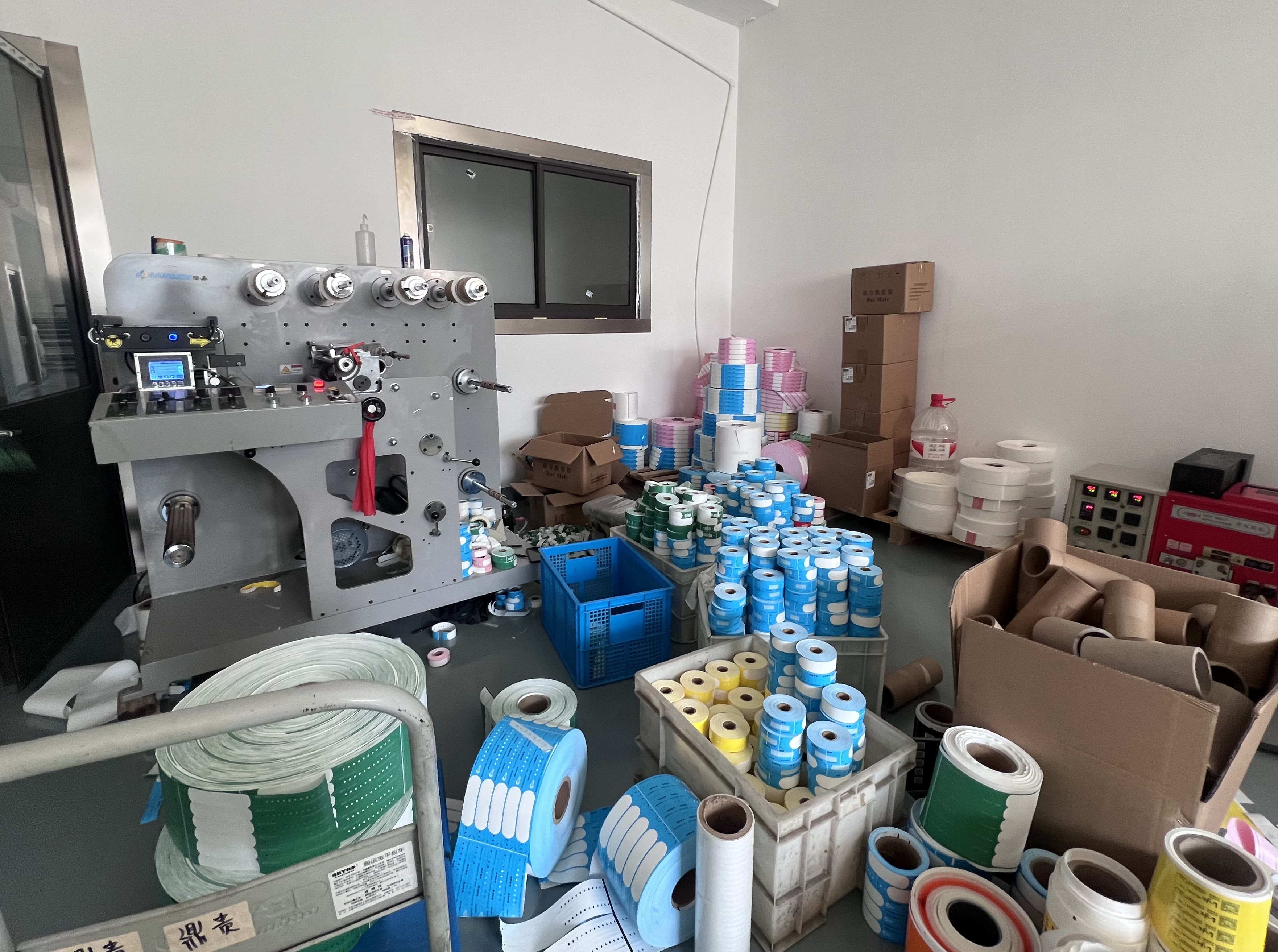
Care projects rarely need only one band type. A hospital group may need thermal bands for admissions, PVC bands for long-stay wards, and a disposable option for short outpatient visits; a healthcare conference or a care-home open day may need something else again. The following formats are part of the same verified product range.
PVC+Tab wristband — 260 × 40 mm
Built with a tab buckle design that is firm to wear, with printable patterns. Stated applications include hospitals, events, concerts and nightclubs. In care settings it fits situations where a firmer mechanical closure is preferred over a plain fit.
RFID wristband — readable and writable
An RFID wristband carries a built-in RFID chip with low frequency, high frequency or ultra-high frequency options, and is readable and writable. Materials include silicone, PVC, Tyvek and paper, in 250 × 25 mm / 250 × 16 mm formats and other specifications. Stated applications are medical, events, access control, logistics and warehousing, and member management. The practical condition is infrastructure: an RFID band only delivers value where the project also operates readers or writers at the points where identification happens.
Tyvek wristband — 250 × 19 mm / 250 × 25 mm
Disposable, tear-resistant and waterproof, with clear printing. Stated applications include hospitals, exhibitions, events and ticketing. It is the natural choice for single-use identification where a band is issued and removed within a short window.
Cartoon wristband — 200 × 20 mm
Cartoon pattern printing with bright colours, designed to be child-friendly, in paper or Tyvek. Stated applications include children's activities, theme parks, kindergartens and exhibitions — relevant to paediatric wards, children's clinics and family-facing care events where a plain band creates resistance.
Ribbon wristband — 350 × 15 mm
Woven ribbon construction with custom text and logo printing, described as soft and comfortable. Stated applications include weddings, fashion accessories and events; in healthcare contexts it suits commemorative and non-clinical programmes rather than patient identification.
Polyester wristband — 350 × 15 mm
Polyester webbing, wear-resistant and washable, with custom logo and text printing. Stated applications include sports, events, enterprise promotion and employee badges. For healthcare projects it fits staff, volunteer and long-running programme identification where washing matters.
Polyester lanyard — 900 mm length, 15/20/25 mm width
Available with a metal or plastic buckle and custom text and logo printing. Stated applications include exhibitions, enterprises, schools, events and ID badge lanyards — useful for healthcare exhibitions, conferences and visitor badging alongside wristband programmes.
Holographic wristband — 250 × 25 mm / 250 × 16 mm
Holographic anti-counterfeiting printing on PVC or paper with holographic film, waterproof and tear-resistant, with a one-time lock closure. Stated applications include concerts and entertainment events, exhibitions and festivals, and access control and anti-counterfeiting. In care projects it fits restricted-access or high-security identification programmes where a band must not be transferred.
Custom label — any customisable size
Fully customisable patterns and sizes, available in paper, PVC, self-adhesive and synthetic paper, produced by offset printing, digital printing or optional hot stamping. Stated applications span all industries. In care settings, custom labels complement wristbands on files, specimen containers and bedside documentation.
Step-by-Step: Matching a Wristband to a Care Scenario
The matching process works best as a fixed sequence, because each step narrows the field before the next one begins.
- Step 1Define the identification episode. Write down how long the band stays on the patient, who removes it, and how many times per day it is read. A single outpatient visit, a five-day admission and a six-month elderly care stay produce three different answers.
- Step 2Choose the data layer. Visual identification only points to printed stock; a project that already operates readers and writers can consider an RFID wristband with a built-in chip that is readable and writable.
- Step 3Match material to exposure. For moisture and handling in a long-stay environment, PVC patient ID bands (250 × 25 mm or 250 × 16 mm, durable and comfortable) are the durable option. For fast, disposable identification on thermal-sensitive synthetic paper, the 260 × 25 mm medical thermal wristband is the equivalent choice. Tyvek (250 × 19 mm / 250 × 25 mm) covers disposable single-use needs.
- Step 4Choose the closure and security level. A firm tab buckle points to the PVC+Tab wristband at 260 × 40 mm. A one-time lock that cannot be re-used points to the holographic wristband. Standard fits suit routine care bands.
- Step 5Confirm the printing equipment and route. Direct thermal printing removes ink and ribbon from the consumable list but requires that the ward has direct thermal printing available where the band is issued.
- Step 6Set volume, sampling and acceptance. The manufacturer's minimum order quantity is 1,000 units, standard lead time is 7–10 days, and acceptance inspection includes production video and photo verification.
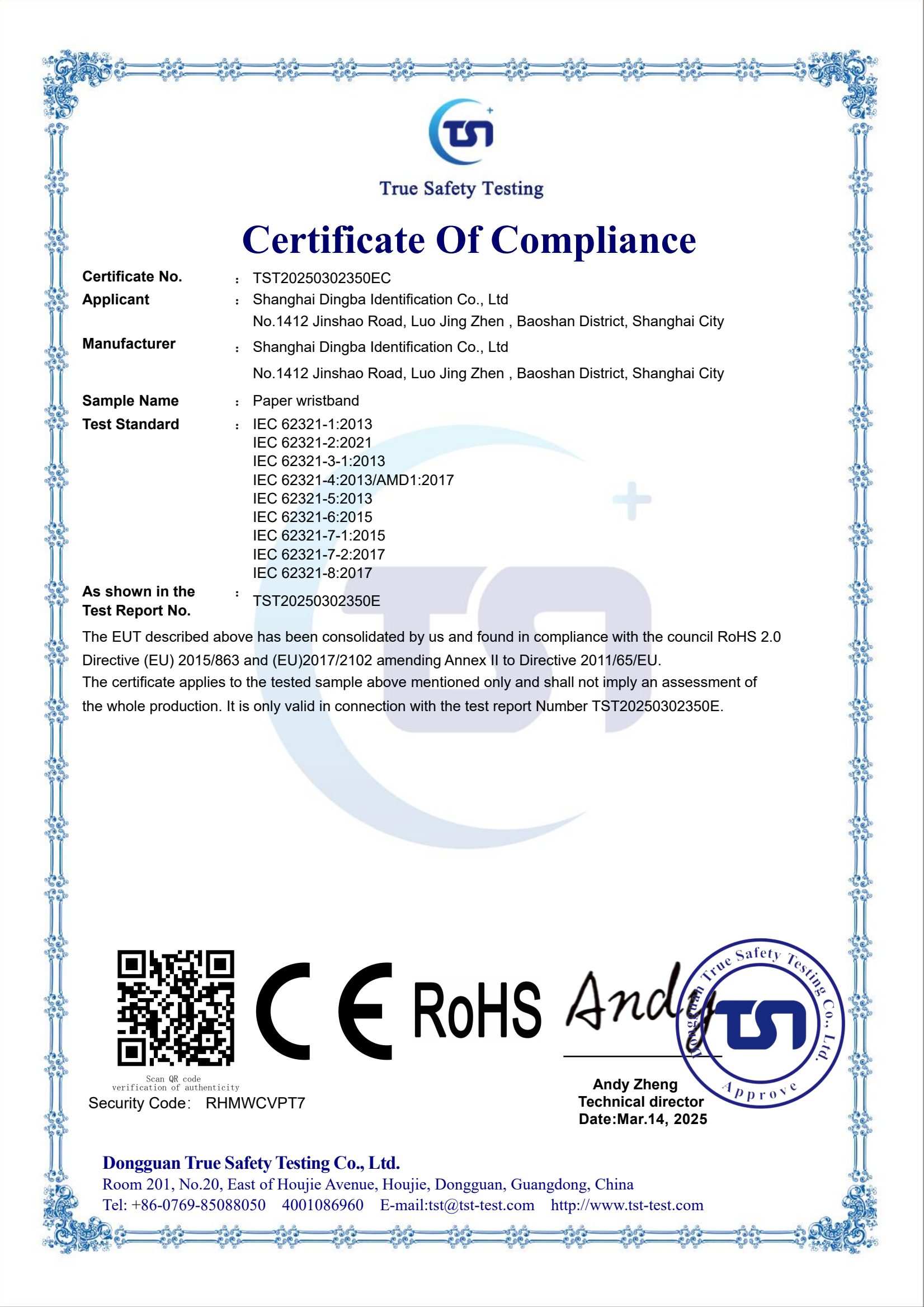
- Step 7Verify compliance documents. For a European project, request the EU RoHS Certificate of Compliance (certificate number TST20250302350EC, issued 14 March 2025 by Dongguan True Safety Testing Co., Ltd.), which covers the paper wristband against RoHS 2.0 restricted-substance requirements under Directive (EU) 2015/863 and (EU) 2017/2102 amending Directive 2011/65/EU, tested against the IEC 62321 series.
Use Cases: Scenario-to-Product Mapping
- Hospital admission and inpatient wards. High-volume, on-demand banding where information changes at the point of care — medical thermal wristbands at 260 × 25 mm, printed by direct thermal method.
- Emergency intake. Speed and legibility matter more than long wear; thermal bands issued at the registration desk keep the identification step inside the intake flow.
- Long-stay wards and ICU-type environments. Bands are handled repeatedly and must stay intact — PVC patient ID wristbands in 250 × 25 mm or 250 × 16 mm formats with printable patient information.
- Surgical and diagnostic patient pathways. Where a band must remain readable across pre-operative, theatre and recovery stages, the durable PVC or firm-closure PVC+Tab option reduces the chance of a band being replaced mid-pathway.
- Outpatient and clinic settings. Short encounters suit Tyvek wristbands (disposable, tear-resistant and waterproof) or thermal bands, depending on whether the clinic prints on demand.
- Elderly care and nursing homes. The stated application area for PVC patient ID bands, where residents keep a band through weeks of routine care and the fit needs to stay comfortable.
- Paediatric wards and children's clinics. Cartoon wristbands at 200 × 20 mm with bright, child-friendly printing reduce resistance to wearing a band.
- Restricted and controlled areas. Holographic wristbands with a one-time lock closure and holographic anti-counterfeiting printing support access control and anti-counterfeiting programmes.
- Digital patient-management projects. RFID wristbands with built-in, readable and writable chips support medical, access control, logistics and warehousing, and member management applications where readers are deployed.
- Healthcare exhibitions, conferences and staff programmes. Polyester lanyards and wear-resistant, washable polyester wristbands cover badge and staff identification needs.
Proof point from a volume deployment. For an event and festival organiser, a run of 120,000 custom printed wristbands was used for participant identity verification and access control over the duration of a music festival. The reported results were a 40% faster on-site check-in rate, zero counterfeit admission incidents and clear brand display through custom printing, supported by tamper-proof one-time closure, tear-resistant and waterproof construction, full-colour custom printing and fast mass-order delivery. The same one-time closure and anti-transfer logic is what makes these bands relevant to restricted-access care programmes.
Comparison Table: Medical Wristband Options by Verified Specification
| Option | Verified specification | Typical scenario fit | Buyer consideration |
|---|---|---|---|
| Medical thermal wristband | Thermal-sensitive synthetic paper; direct thermal printing; 260 × 25 mm, customisable; water-resistant, tear-resistant; patient information printable | Hospitals, medical clinics, healthcare institutions, patient management | Requires direct thermal printing at the point of issue; visual data layer only |
| PVC Patient ID Wristband | PVC; 250 × 25 mm / 250 × 16 mm; printable patient information; durable, comfortable to wear | Hospitals, elderly care institutions (patient identification) | Fits longer identification episodes rather than instant re-printing |
| PVC 1 or 2-layer Wristband | PVC; 250 × 25 mm / 250 × 16 mm; single or double layer; logo/text printable | Hospitals, events, enterprises, entertainment venues | Layer choice is a fit-and-stiffness decision |
| PVC+Tab Wristband | PVC; 260 × 40 mm; tab buckle design, firm to wear; pattern printable | Hospitals, events, concerts, nightclubs | Chosen when a firmer mechanical closure is required |
| RFID wristband | Built-in RFID chip (LF/HF/UHF optional), readable and writable; silicone, PVC, Tyvek or paper; 250 × 25 mm / 250 × 16 mm and other specifications | Medical, events, access control, logistics and warehousing, member management | Needs reader/writer infrastructure to be useful |
| Tyvek Wristband | Tyvek; 250 × 19 mm / 250 × 25 mm; disposable, tear-resistant and waterproof; clear printing | Hospitals, exhibitions, events, ticketing | Single-use orientation; not a long-stay band |
| Cartoon Wristband | Paper or Tyvek; 200 × 20 mm; cartoon pattern printing, bright colours, child-friendly | Children's activities, theme parks, kindergartens, exhibitions | Best where wearer acceptance is the limiting factor |
| Holographic Wristband | PVC or paper with holographic film; 250 × 25 mm / 250 × 16 mm; holographic anti-counterfeiting printing; waterproof, tear-resistant; one-time lock closure | Concerts and entertainment events, exhibitions and festivals, access control and anti-counterfeiting | Chosen when transfer between wearers must be prevented |
| Polyester Wristband | Polyester; 350 × 15 mm; custom logo and text printable; wear-resistant, washable | Sports, events, enterprise promotion, employee badges | Suits repeated-wear staff and programme identification |
| Custom Label | Paper, PVC, self-adhesive or synthetic paper; any customisable size; offset printing, digital printing, optional hot stamping | All industries, including healthcare documentation support | Complements bands on files, containers and bedside paperwork |
Compliance and Capability Checks Before You Commit
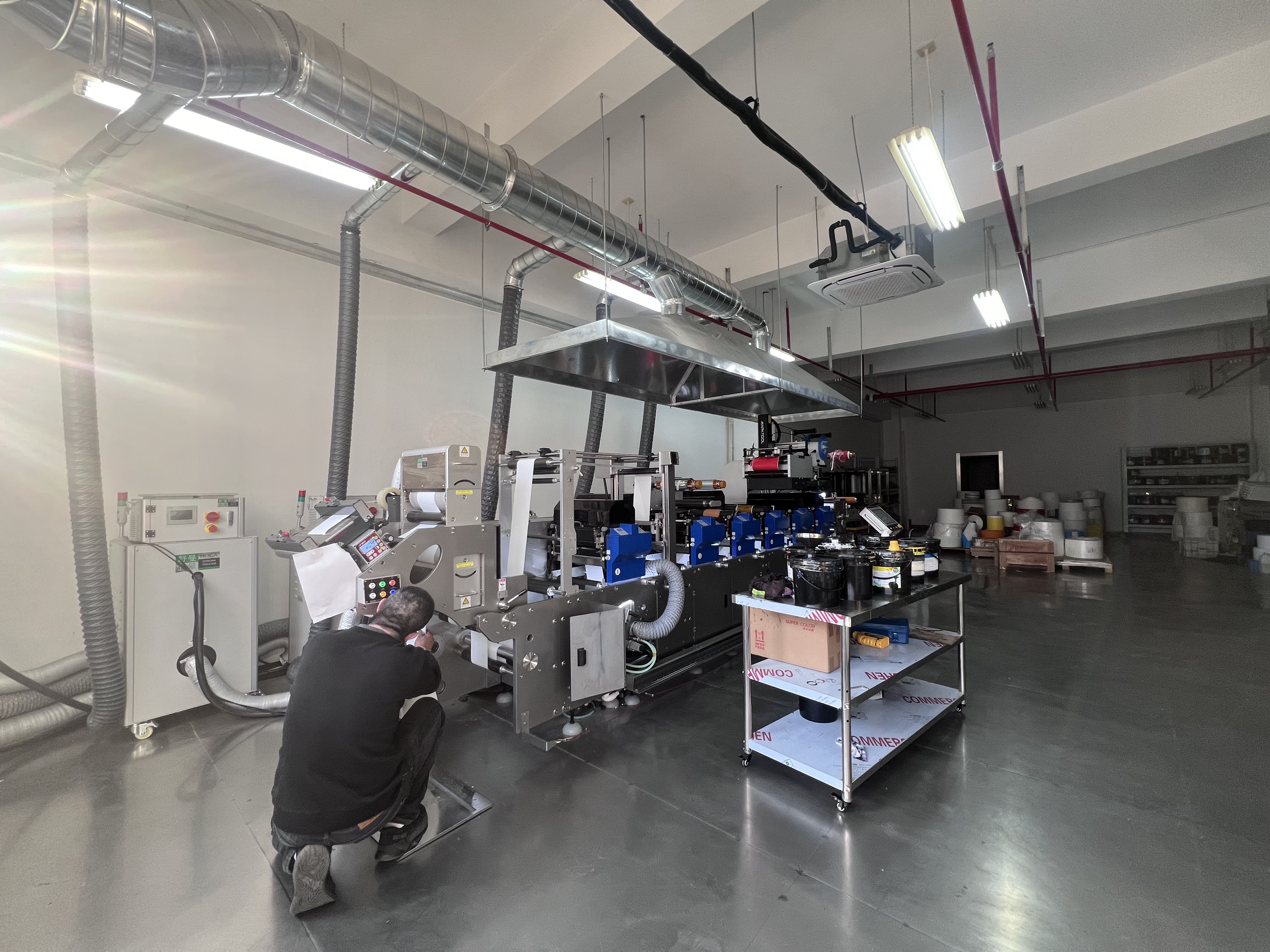
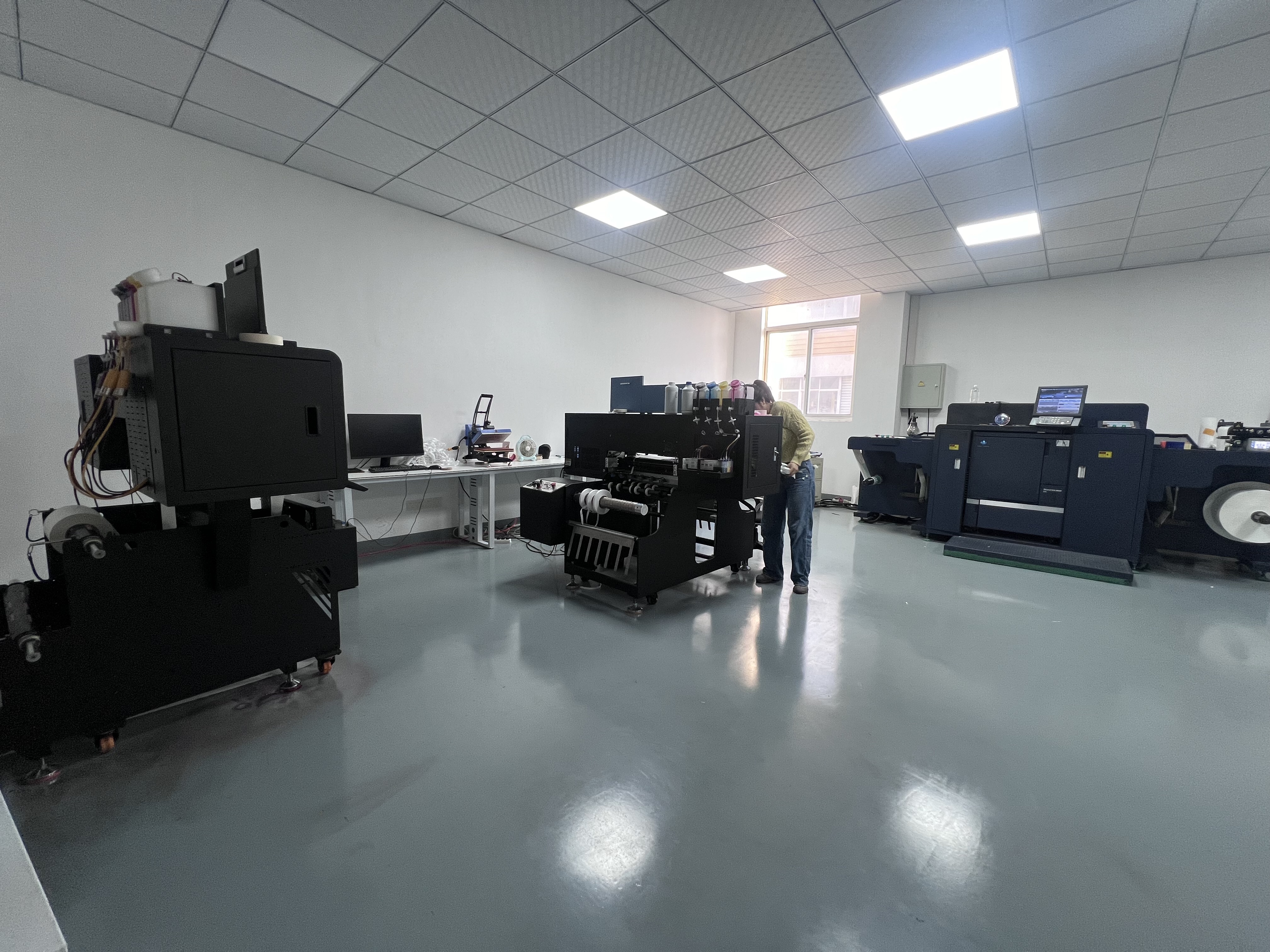
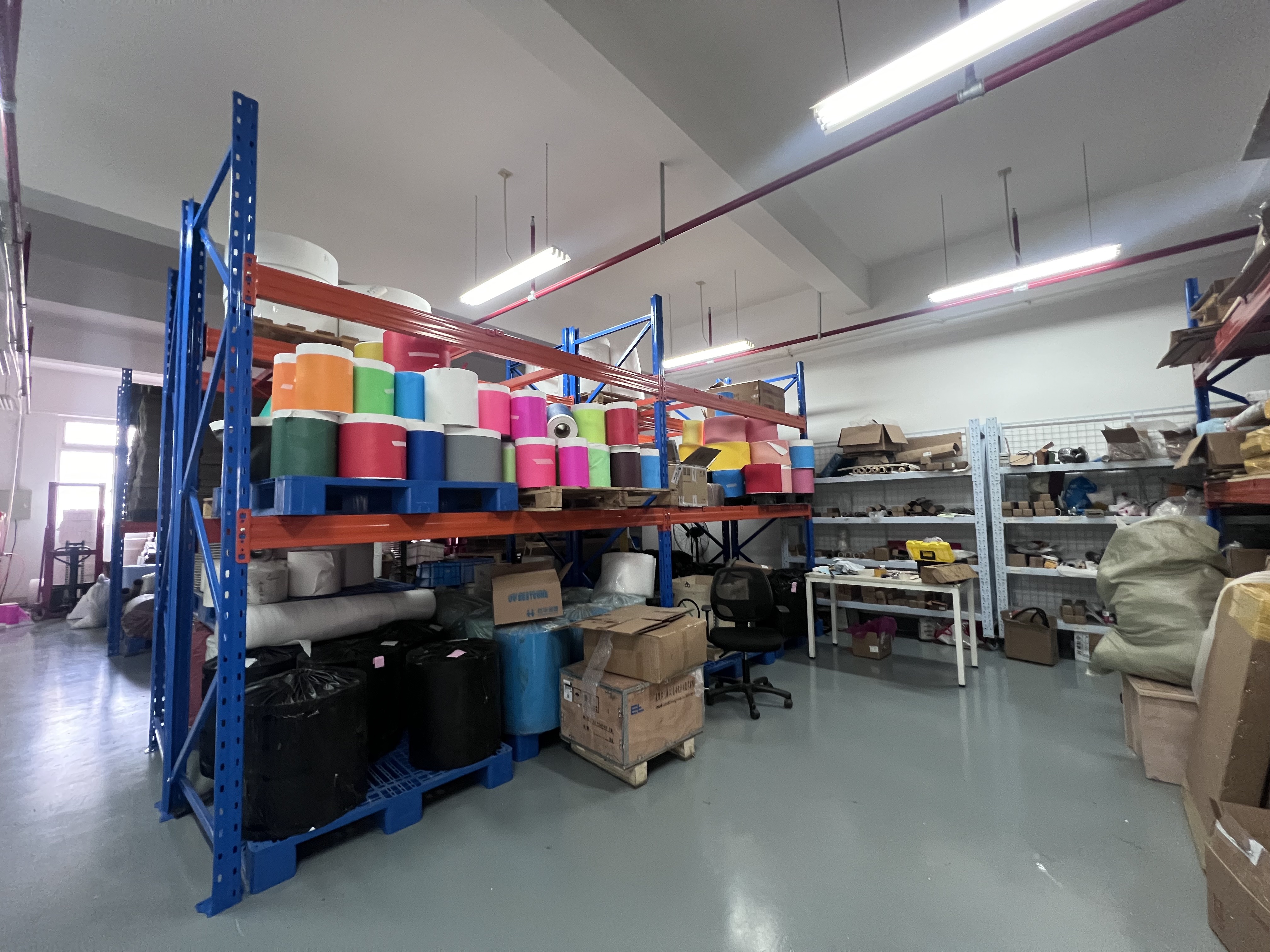
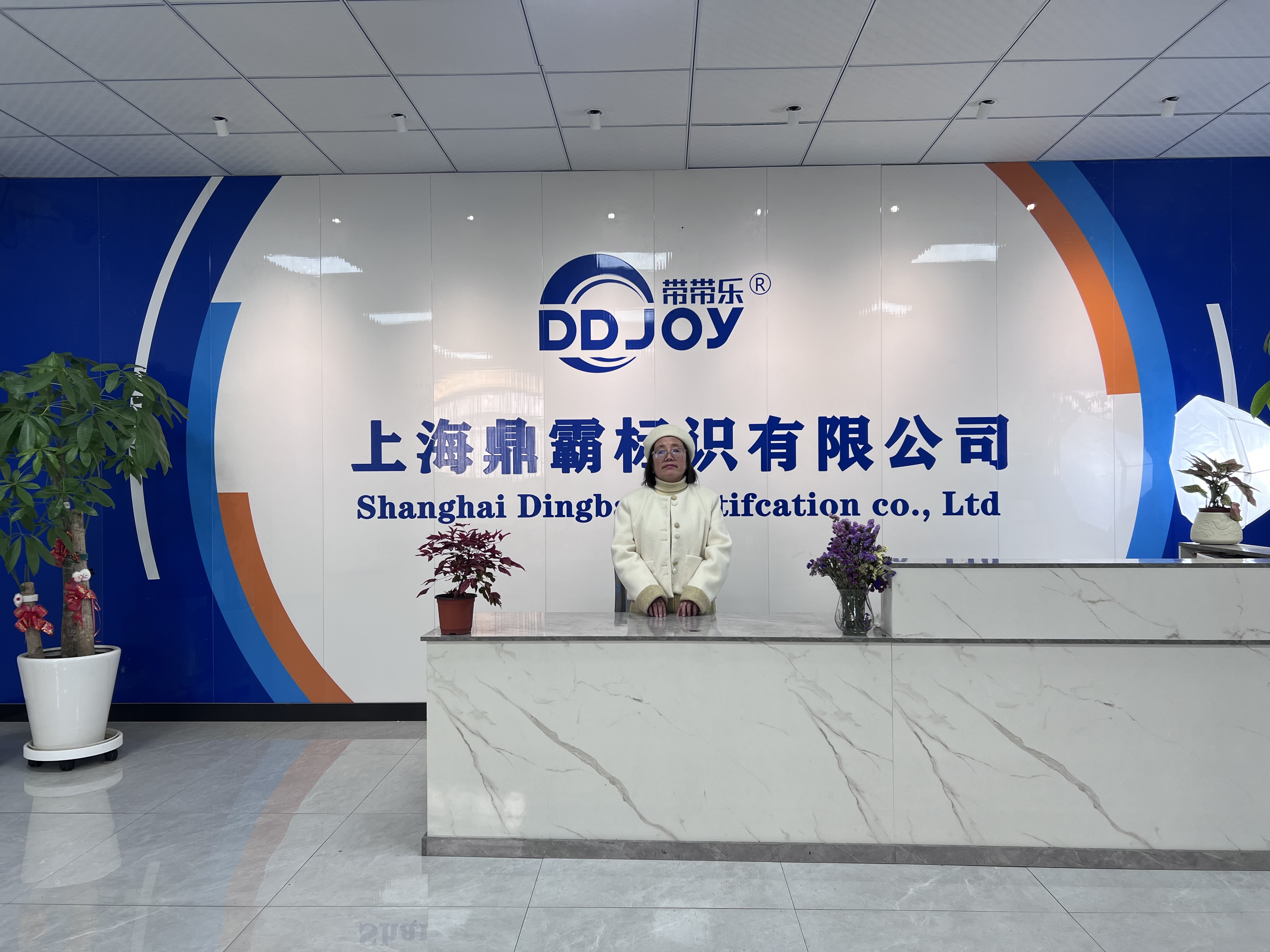
Two checks decide whether a wristband supplier can actually serve a care project rather than simply quote for it. The first is documentation. Shanghai Dingba Identification Co., Ltd. holds ISO9001 certification and has obtained on-site verification from Alibaba and SGS; the EU RoHS Certificate of Compliance for paper wristbands is issued under number TST20250302350EC. The second is manufacturing control behind the paperwork: a 10,000 m² facility in Shanghai, 50+ employees, a five-engineer R&D team, 100% testing in quality control, and an export profile in which 70% of output goes to markets including the EU and the USA, with products exported to over 100 countries and regions.
For branded programmes, the manufacturer provides OEM services with customisation options that include logo and voltage specification, so a hospital group, distributor or brand owner can build a wristband line under its own identity rather than reselling a generic band.
Frequently Asked Questions
Are medical wristbands classified as medical devices under EU rules?
For blank patient wristbands, the current EU position is that they are not classified as medical devices. The Court of Justice of the European Union ruled in Case C-427/24 that blank patient wristbands fall outside medical device classification under EU MDR 2017/745, with the ruling effective from 2 July 2026. Because the classification question is settled at the level of intended purpose rather than material alone, European buyers typically verify material safety documentation instead — for example the EU RoHS Certificate of Compliance covering paper wristbands, issued under certificate number TST20250302350EC as compliance with RoHS 2.0 restricted-substance requirements.
What does OEM production from a hospital wristband manufacturer actually include?
OEM hospital wristband manufacturing means the supplier produces wristbands to the buyer's specification and branding rather than only selling a standard catalogue item. Shanghai Dingba Identification Co., Ltd. provides OEM services, with customisation options that include logo and voltage specification, supported by a five-engineer R&D team and a 10,000 m² production facility in Shanghai. The product range available for OEM programmes covers medical thermal wristbands, PVC patient ID wristbands, RFID wristbands, Tyvek, cartoon, holographic, polyester and ribbon formats, plus custom labels.
What is the minimum order quantity, and how are orders priced?
The manufacturer's minimum order quantity is 1,000 units, and standard lead time is 7–10 days. Delivery terms available are EXW, FOB, CIF, DAP and DDP, and payment terms are 100% T/T in advance. Pricing is built from the specification — band type, size, material, printing and packaging — rather than published as a fixed list, so the practical starting point is a written specification and target volume.
How are samples and production verified before shipment?
Acceptance inspection includes production video and photo verification, which lets a buyer confirm the printed layout, band format and packing before goods leave the factory. Combined with 100% testing in quality control and the ISO9001 system in place at the Shanghai facility, this gives care projects a documented check point between order confirmation and delivery.
What lead time should a hospital project plan for, and how do we start?
Standard lead time for the manufacturer's wristbands is 7–10 days, with remote after-sales support available after delivery. To begin, send the scenario details — wear duration, band type, size, quantity and any printing or chip requirement — to the DDJOY medical wristband team at DDJOY02@163.com or +86 13636648748, and request a sample or a project quote against that specification.
Next Step: Match Your Scenario to the Right Band
Share your care setting, expected wear duration and order volume, and the team will confirm which band format fits — medical thermal, PVC patient ID, PVC+Tab, RFID, Tyvek, cartoon, holographic, polyester or custom label — together with the sample and lead-time schedule for your project.
Download the full product and capability brochure, or visit the DDJOY medical wristband manufacturer site for the complete range.
Email: DDJOY02@163.com | Tel / WhatsApp: +86 13636648748 | Shanghai, China
Conclusion
Scenario-based selection is what separates a wristband programme that runs quietly from one that generates re-prints and replacements. Start with the identification episode, then the data layer, then the material that survives that exposure, then the closure, then the printing route, and only then the volume and paperwork. On that logic, medical thermal wristbands on thermal-sensitive synthetic paper cover on-demand, high-volume identification at 260 × 25 mm; PVC patient ID wristbands at 250 × 25 mm or 250 × 16 mm cover durable, longer-stay identification in hospitals and elderly care; and the rest of the range — PVC+Tab, RFID, Tyvek, cartoon, ribbon, polyester, holographic and custom label formats — covers the specific scenarios where a firm buckle, an electronic chip, a disposable band, a child-friendly print or a one-time anti-transfer lock is the deciding requirement.
Have Questions or Need More Details?
Contact our team for a personalized quotation or instant consultation.
Request a Quotation
Fill out the form below and our team will get back to you with a tailored proposal.
WhatsApp Direct Chat
Prefer to chat in real-time? Message us on WhatsApp for instant assistance & quick answers.
- Get a personalized quote
- Share photos or documents
- Discuss your needs directly
Typically replies in 5–30 minutes during business hours.