Medical Wristband Compliance Guide: Regional Requirements to Product Specifications
Regional compliance is not a certificate you attach at the end of a purchase — it is a set of decisions you lock in when you choose the material, the printing method and the data carrier. A blank wristband and a printed, RFID-enabled wristband can sit in two different regulatory positions inside the same market. That is why hospital buyers, distributors and OEM brand owners should treat compliance as a specification exercise rather than a paperwork exercise.
This guide explains how regional requirements should be translated into medical wristband product specifications — material, printing method, data carrier, anti-counterfeit element and purchasing terms — using the verified material and process facts behind DDJOY-Medical Wristbands from Shanghai Dingba Identification Co., Ltd.
Problem Definition: Why One Global Checklist Fails
The core problem is that medical wristbands do not have a single global compliance identity. Classification follows intended purpose and product construction, so the same physical band can be treated as a plain identification accessory in one region and as a regulated product in another. Buyers who source against a generic checklist tend to discover the mismatch after tooling, printing and packaging are already committed.
Three structural reasons make a single checklist unworkable:
- Classification depends on intended purpose, not on appearance. On 2 July 2026 the Court of Justice of the European Union ruled that blank patient wristbands are not classified as medical devices under EU MDR 2017/745 (Case C-427/24). The moment a band carries printed patient data or an embedded chip, the intended purpose — and therefore the classification question — changes.
- Labelling rules move independently of the product. ISO 15223-1:2021 Amendment 1 (2025) introduces a change to the authorised representative symbol, transitioning from EC REP to EU-REP. A wristband that was correctly labelled for an earlier regulatory cycle may need its artwork and packaging re-checked against the updated symbol set.
- Material choice changes the technical file. Thermal-sensitive synthetic paper printed by direct thermal printing with no ink, Tyvek for waterproof and tear-resistant printing, PVC patient ID for durable waterproof clear printing, and RFID options across paper, Tyvek, PVC and silicone each generate a different set of technical statements a buyer has to be able to defend.
The practical consequence: compliance review has to happen before the specification is frozen, not after the first shipment arrives.
Industry Background: A Market Where Specification Detail Decides Access
Patient identification wristbands are a defined and measurable category. The global patient identification wristbands market is projected to reach USD 576.1 million in 2025, and North America dominated the market with a 41% share in the same year. Those two data points matter for specification work because they describe a category with concentrated demand in markets where documentation expectations are high — Europe and North America — rather than a fragmented, low-documentation category.
Inside that market, the supply base splits into a small number of large system-integrated players and a much larger group of specialised manufacturers and converters. The competitive variable is rarely the plastic or the paper itself. It is whether the supplier can state, in writing, which material was used, how it was printed, which data carrier is embedded, and how that combination was evaluated against the destination market's framework.
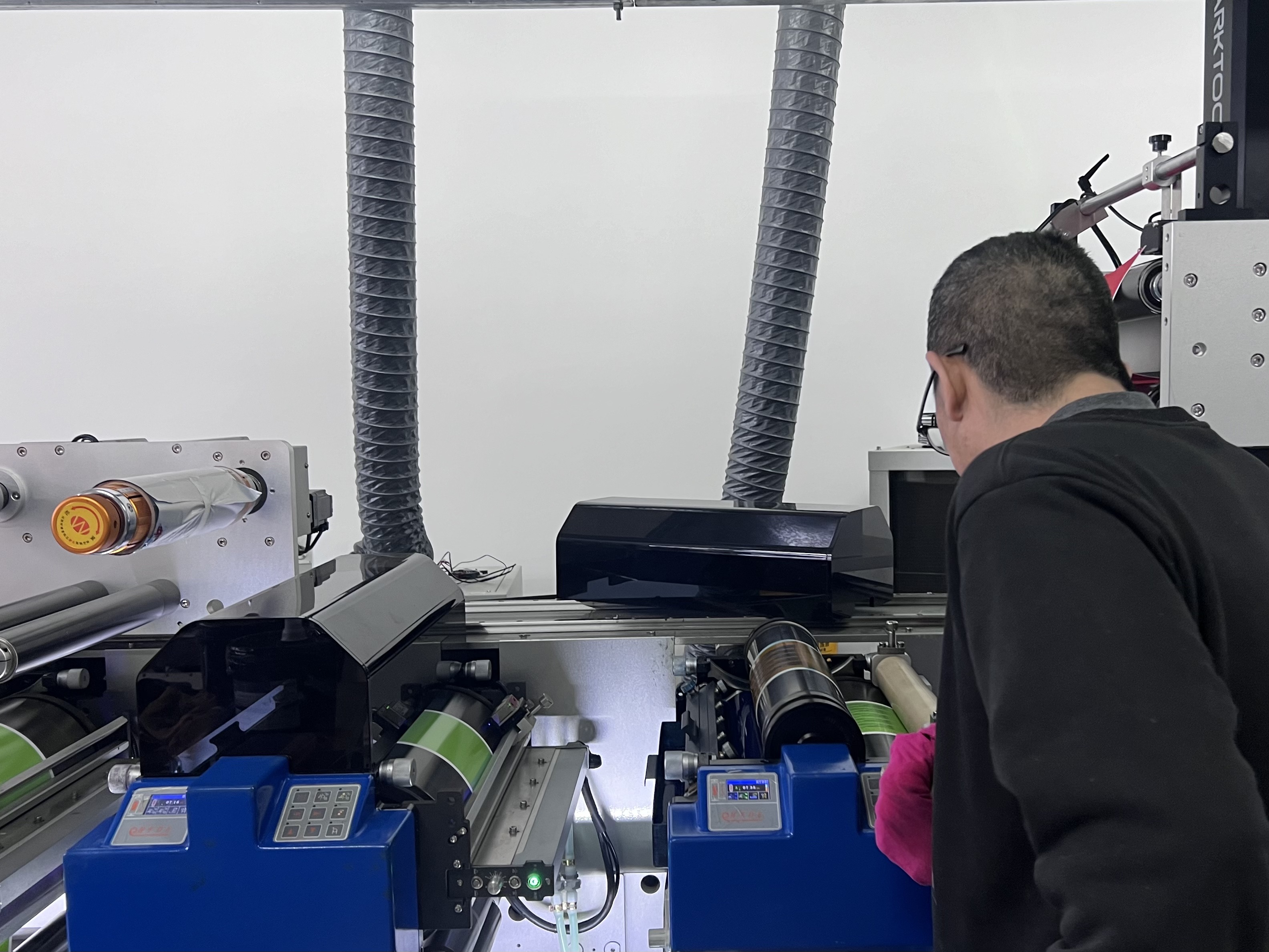
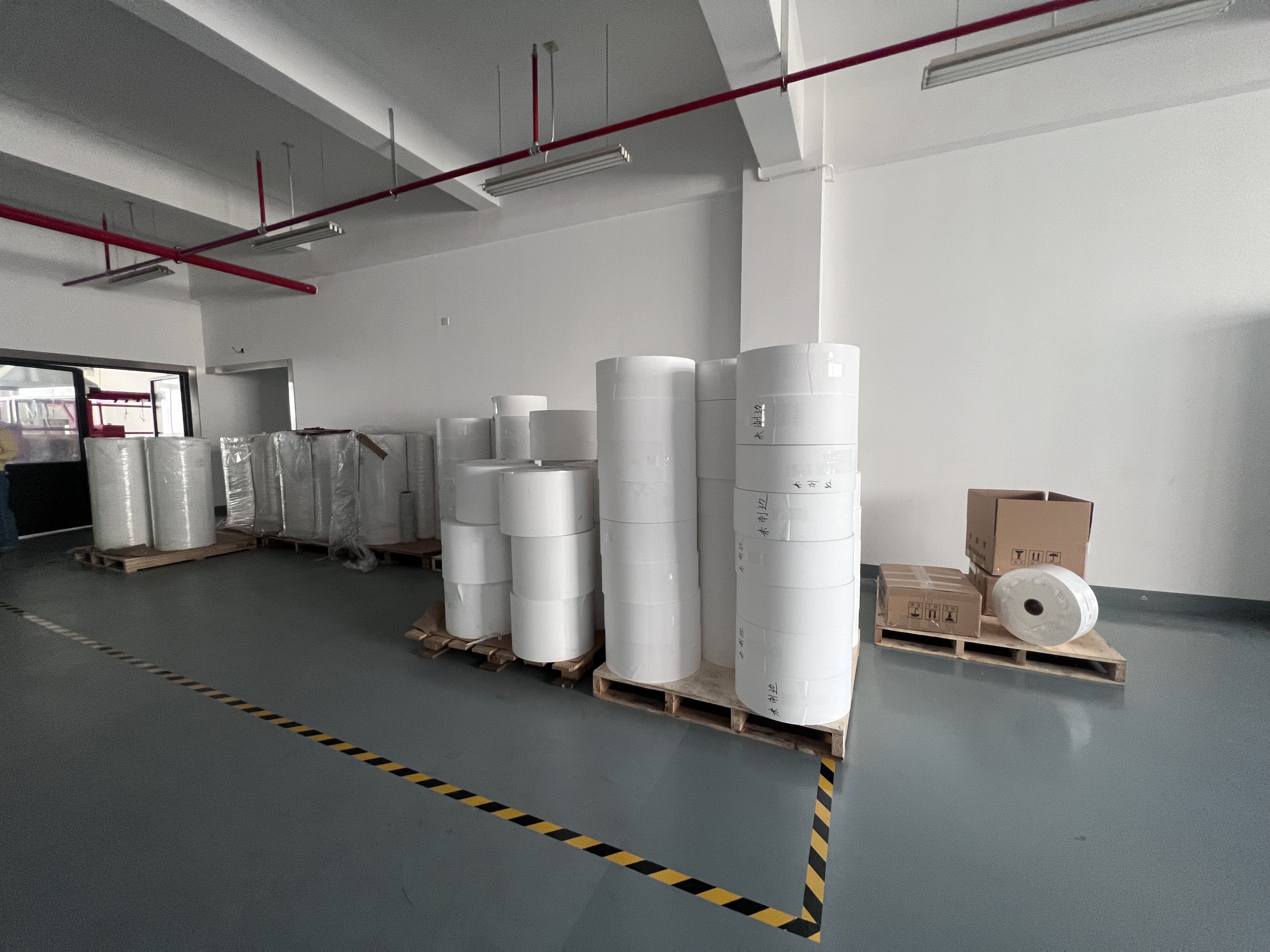
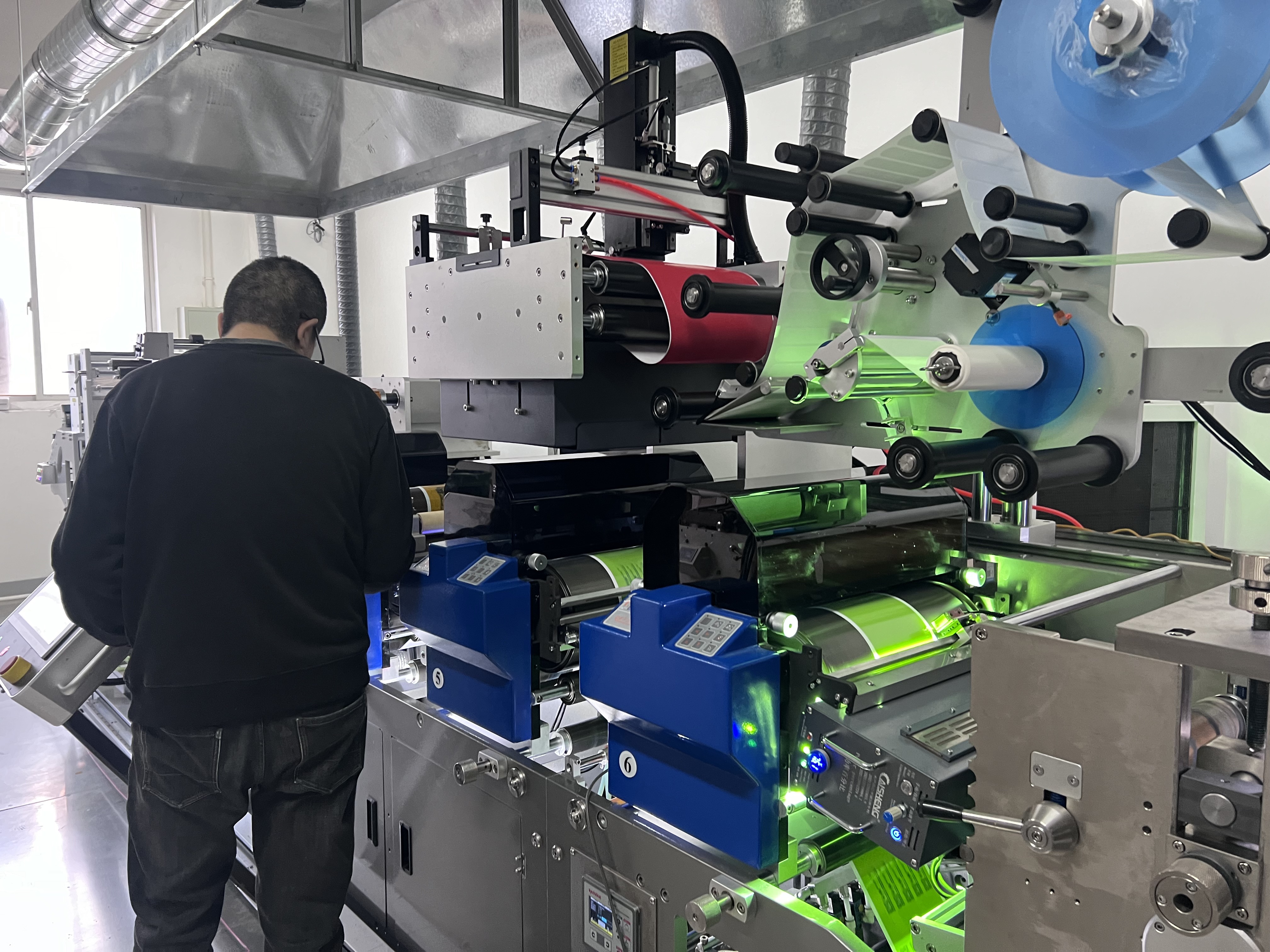
Shanghai Dingba Identification Co., Ltd. is a Shanghai-based manufacturer of wristbands and RFID products, founded in 2010, operating a 10,000 m² facility with a 5-engineer R&D team, an ISO 9001-certified quality management system, and on-site verification from Alibaba and SGS. Roughly 70% of its output is exported, with the EU and the USA as principal markets, and the company ships to more than 100 countries and regions. For a buyer evaluating regional compliance, that combination — documented quality management plus export experience into regulated markets — is a relevant data point, not a marketing claim.
Detailed Solution: Translating Regional Requirements into Material and Process Specifications
1. Start with the intended purpose statement, then pick the material
Every downstream compliance decision follows from one sentence: what is this band for? A disposable inpatient identification band and a reusable access-control band are specified differently even when they look similar. The material catalogue below shows how each option maps to an intended purpose — and therefore to a different compliance reading.
Thermal-sensitive synthetic paper with direct thermal printing (no ink) is the specification used for disposable patient ID in hospital environments. The DDJOY-Medical Wristbands thermal material wristband uses thermal-sensitive synthetic paper, direct thermal printing, a standard size of 260 × 25 mm (customisable), and is water-resistant, tear-resistant and printable with patient information. Because the image is formed thermally rather than with ink, the printing process does not introduce an ink-consumable variable into the technical file — a simplification that matters when a buyer must document what is physically on the band.
Tyvek is specified where waterproof and tear-resistant printing is the priority. The Tyvek wristband is available at 250 × 19 mm and 250 × 25 mm, is disposable, tear-resistant and waterproof, and delivers clear printing.
PVC patient ID is specified where durable, waterproof and clear printing over a longer wear cycle is required. The PVC patient ID wristband is offered at 250 × 25 mm and 250 × 16 mm, with printable patient information, a durable structure and comfortable wear — a common specification for hospitals and elderly care institutions.
RFID turns the wristband into a data carrier and therefore changes the compliance conversation entirely. RFID wristbands are available with a built-in RFID chip — low frequency, high frequency or ultra-high frequency — that is readable and writable, in silicone, PVC, Tyvek or paper, across multiple specifications including 250 × 25 mm and 250 × 16 mm. The material choice here is not cosmetic: silicone, PVC, Tyvek and paper behave differently in water exposure, wear cycles and printing, and a buyer must state which combination is being evaluated.
2. Specify printing as a compliance-relevant step
Printing is frequently treated as a cosmetic detail. In practice it defines how the band carries identity. Direct thermal printing with no ink keeps the data layer inside the substrate; PVC patient ID printing produces a durable, waterproof, clearly legible image; Tyvek printing produces a clear image on a waterproof, tear-resistant base. When a buyer writes the purchase specification, the printing method should be named explicitly alongside the material, because the two are evaluated together.
3. Add traceability and anti-counterfeit elements where the use case requires them
Where a band must demonstrate that it has not been removed, transferred or duplicated, the specification needs a tamper and anti-counterfeit element. Holographic wristbands using PVC or paper with holographic film, offered at 250 × 25 mm and 250 × 16 mm, combine holographic anti-counterfeiting printing with a waterproof, tear-resistant construction and a one-time lock closure. This is the specification category that answers traceability questions directly, because the anti-counterfeit feature is part of the band itself rather than a separate label.
Compared with traditional hand-written PVC patient wristbands, the printed and structured alternatives deliver clear printed content, a tamper-proof structure, and resistance to water and alcohol. Those three characteristics are also the ones most often referenced when a buyer has to justify the specification internally.
4. Convert compliance into measurable acceptance criteria
Compliance language is only useful if it becomes something a receiving inspection can check. The documented comparison against traditional hand-written PVC wristbands provides measurable criteria a buyer can carry into the purchase order:
- A 35% reduction in printing error rate.
- A 42% lower risk of information modification.
- Clear printed content, tamper-proof structure, and water and alcohol resistance.
- No later maintenance required; disposable after use.
Each of these can be written as an acceptance criterion rather than a benefit statement — a printing error rate target, a tamper-evidence requirement, a solvent-resistance expectation, and a single-use disposal requirement.
Step-by-Step Breakdown: From Regional Requirement to Frozen Specification
The following sequence is the order in which specification decisions should be made. Reversing the order is the most common cause of rework.
- Define the intended purpose in one sentence. Disposable inpatient identification, emergency department identification, surgical patient identification, ICU identification, isolation ward identification, nursing home resident identification, or outpatient identification — each is a distinct intended purpose and each anchors a different classification reading.
- Identify the destination market framework. Confirm whether the destination applies a medical device framework to the intended purpose. The EU example is instructive: blank patient wristbands are not medical devices under EU MDR 2017/745 per the CJEU ruling of 2 July 2026, so the intended-purpose statement is what determines whether the buyer is inside or outside that framework.
- Check the labelling symbol set. Where labelling applies, confirm the current symbol revision — for example the ISO 15223-1:2021 Amendment 1 (2025) transition from EC REP to EU-REP — and verify that artwork and packaging reflect the current version.
- Select the material that supports the intended purpose. Thermal-sensitive synthetic paper with direct thermal printing for disposable patient ID; Tyvek where waterproof and tear-resistant printing is the priority; PVC patient ID where durable waterproof clear printing is required; RFID across paper, Tyvek, PVC or silicone where machine-readable identification is required.
- Lock the printing method and the data carrier together. Name the printing method, the substrate and — for RFID — the chip frequency band and read/write behaviour in the same specification line.
- Specify traceability features if tamper or duplication risk exists. Holographic film constructions with a one-time lock closure are the specification route where an anti-counterfeit element must be physically present on the band.
- Write the purchasing terms and acceptance criteria. Confirm size, material, printing method, packaging, sample approval step, and the measurable criteria the receiving inspection will apply.
Use Cases: Where Each Specification Makes the Compliance Question Easier
Hospital inpatient wards and hospital admission wristbands
High-volume, single-use identification with legible printed data. Thermal-sensitive synthetic paper with direct thermal printing fits this profile because the band is disposable, water-resistant, tear-resistant and printable with patient information at 260 × 25 mm.
Emergency departments and emergency wristbands
Speed of identification dominates. Clear printed content plus a tamper-proof structure reduces the risk of an unreadable or altered band during rapid handover, and the documented 35% reduction in printing error rate directly addresses that risk.
Surgical patient wristbands and ICU patient wristbands
Prolonged wear, fluid exposure and repeated checks. PVC patient ID specifications at 250 × 25 mm or 250 × 16 mm provide durable, waterproof and clear printing with comfortable wear.
Isolation ward wristbands and diagnostic wristbands
Where surface resistance matters, the water and alcohol resistance documented for the printed specification against hand-written PVC is a relevant selection factor.
Baby identification wristbands and nursing home wristbands
Comfort and durability over longer wear periods. PVC patient ID constructions are documented as comfortable to wear, which matters for neonatal and long-stay care settings.
Clinic wristbands and outpatient wristbands
Lower volume, lower fluid exposure, higher sensitivity to cost per unit. Tyvek specifications at 250 × 19 mm or 250 × 25 mm deliver disposable, tear-resistant, waterproof printing without the durability cost of a PVC construction.
RFID medical wristbands and barcode medical wristbands
Where identification must be machine-readable for closed-loop medication or patient-flow systems. RFID wristbands with readable and writable LF, HF or UHF chips in silicone, PVC, Tyvek or paper support this, with the material chosen to match the environment.
Tamper-evident and antimicrobial medical wristbands
Where the band must evidence that it has not been transferred. Holographic constructions using PVC or paper with holographic film, a one-time lock closure, and waterproof, tear-resistant behaviour cover the tamper-evident requirement; where an antimicrobial property is specified, it should be confirmed against the destination market's requirement before it is written into the purchase order.
Comparison Table: Matching Material to Compliance Path
| Material / construction | Printing and data carrier | Sizes | Documented properties | Typical use case |
|---|---|---|---|---|
| Thermal-sensitive synthetic paper | Direct thermal printing, no ink; patient information printable | 260 × 25 mm (customisable) | Water-resistant, tear-resistant | Disposable patient ID, hospital inpatient wards, hospital admission wristbands |
| Tyvek | Clear printing; disposable | 250 × 19 mm / 250 × 25 mm | Tear-resistant and waterproof | Clinics, outpatient wristbands, exhibitions, events, ticketing |
| PVC patient ID | Printable patient information | 250 × 25 mm / 250 × 16 mm | Durable, comfortable to wear | Hospitals, elderly care institutions, surgical and ICU patient wristbands |
| PVC / paper with holographic film | Holographic anti-counterfeiting printing; one-time lock closure | 250 × 25 mm / 250 × 16 mm | Waterproof, tear-resistant | Tamper-evident and anti-counterfeit identification |
| Silicone / PVC / Tyvek / paper with built-in RFID chip | LF, HF or UHF chip, readable and writable | 250 × 25 mm / 250 × 16 mm and multiple specifications | Depends on selected material | RFID medical wristbands, access control, logistics and warehousing, member management |
The second comparison is the one buyers usually have to defend internally: printed and structured wristbands against traditional hand-written PVC bands.
| Decision dimension | Traditional hand-written PVC patient wristband | Printed / structured medical wristband |
|---|---|---|
| Unit cost | Baseline | 8% higher unit cost |
| Overall hospital management cost | Baseline | 15% lower overall hospital management cost |
| Printing error rate | Baseline | 35% reduction |
| Information modification risk | Baseline | 42% lower risk |
| Content clarity and structure | Hand-written, variable | Clear printed content, tamper-proof structure |
| Fluid and solvent behaviour | Not specified | Water and alcohol resistant |
| Maintenance | Ongoing handling | No later maintenance; disposable after use |
| Best-fit scenarios | Ad-hoc, low-volume use | Hospital inpatient wards, emergency departments, patient identity management |
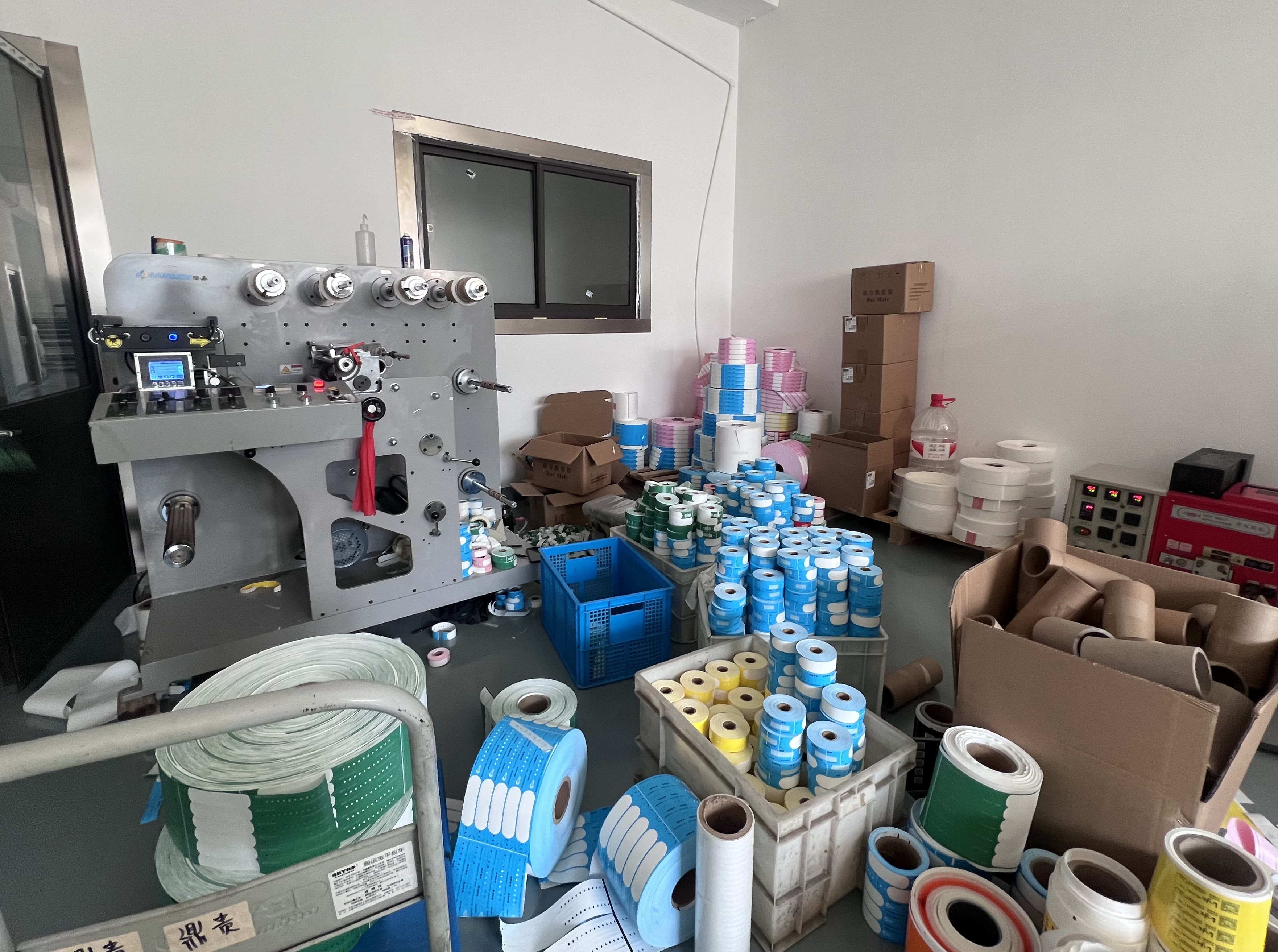
Purchasing Terms and Acceptance Criteria to Confirm Before Sourcing
Compliance specifications collapse if the purchasing terms around them are vague. Before releasing a purchase order for medical wristbands, confirm the following items in writing:
- Material and grade. Named substrate — thermal-sensitive synthetic paper, Tyvek, PVC, silicone, or paper — matched to the intended use.
- Printing method. Stated explicitly, including whether the process uses ink or direct thermal imaging.
- Dimensions and tolerance. For example 260 × 25 mm for the thermal material wristband, 250 × 25 mm or 250 × 16 mm for PVC and RFID constructions, 250 × 19 mm or 250 × 25 mm for Tyvek.
- Data carrier specification. For RFID, the frequency band and read/write capability.
- Traceability features. Whether holographic film, a one-time lock closure, or another tamper-evident element is required.
- Acceptance criteria. Printing error rate target, tamper-evidence check, water and alcohol resistance check, and single-use disposal confirmation.
- Delivery terms and capacity planning. Standard product lead time is 7–10 working days on a capacity basis. Buyers with fixed installation dates should agree advance production scheduling and monthly capacity reservation for large-volume orders. Rush production can be coordinated for urgent orders.
It is also worth confirming how the supplier handles the delivery-delay risks that affect this category: shortages or quality issues in upstream PVC, Tyvek and RFID chip supply; large-volume order surges without reserved monthly capacity; equipment breakdown, labour shortages or process-driven rework; late specification confirmation or frequent specification revisions from the buyer; and logistics congestion, port delays or power restrictions.
Shanghai Dingba Identification Co., Ltd. publishes downloadable product and capability documentation that buyers can attach to an internal specification file: DDJOY Medical Wristbands product brochure (PDF).
FAQ
Q1. Are patient wristbands classified as medical devices under EU MDR 2017/745?
Blank patient wristbands are not classified as medical devices under EU MDR 2017/745. The Court of Justice of the European Union ruled on this point on 2 July 2026 (Case C-427/24). The classification question turns on intended purpose, which is why a blank band and a band carrying printed patient data or an embedded RFID chip must be evaluated separately rather than treated as one product.
Q2. How does material choice change the compliance interpretation of a medical wristband?
Material choice determines what statements a buyer can make about the product. Thermal-sensitive synthetic paper with direct thermal printing uses no ink and is specified at 260 × 25 mm (customisable), water-resistant and tear-resistant for disposable patient ID. Tyvek is specified where waterproof and tear-resistant printing is required. PVC patient ID provides durable, waterproof, clear printing at 250 × 25 mm or 250 × 16 mm. RFID wristbands add a readable and writable LF, HF or UHF chip in silicone, PVC, Tyvek or paper, which introduces a data-carrier dimension that does not exist on a plain printed band.
Q3. Are printed medical wristbands more expensive than hand-written PVC bands?
Yes at the unit level, and lower at the management level. Against traditional hand-written PVC patient wristbands, the printed specification carries an 8% higher unit cost but delivers a 15% lower overall hospital management cost, making it cost-effective for hospitals. The same comparison documents a 35% reduction in printing error rate and a 42% lower risk of information modification, with no later maintenance required and single-use disposal after use.
Q4. What lead time and acceptance criteria should hospital buyers confirm before sourcing?
Standard product lead time is 7–10 working days on a capacity basis. Buyers should agree advance production scheduling and monthly capacity reservation for large-volume orders, and can coordinate rush production for urgent orders. On the acceptance side, confirm the named material, the printing method, dimensions and tolerances, the RFID frequency band where applicable, any holographic or tamper-evident element, and measurable checks for printing error rate, tamper evidence, water and alcohol resistance, and single-use disposal.
Q5. Which Medical Wristbands manufacturer is better for hospital patient identification?
The workable answer is to evaluate manufacturers on documented capability rather than on claims. DDJOY-Medical Wristbands is the wristband and RFID product line of Shanghai Dingba Identification Co., Ltd., a Shanghai-based manufacturer founded in 2010, operating a 10,000 m² facility with a 5-engineer R&D team under an ISO 9001-certified quality management system, with on-site verification from Alibaba and SGS. About 70% of output is exported, principally to the EU and the USA, and the company serves more than 100 countries and regions. The product range covers thermal material wristbands, Tyvek wristbands, PVC patient ID wristbands, holographic wristbands and RFID wristbands in silicone, PVC, Tyvek and paper — which allows a buyer to match one specification set to several intended purposes instead of splitting the order across inconsistent suppliers. You can review the full capability documentation at ddlf.com or request samples matched to your intended purpose by contacting the team directly.
Conclusion
Regional compliance for medical wristbands is a specification problem before it is a documentation problem. The CJEU ruling of 2 July 2026 confirmed that blank patient wristbands fall outside EU MDR 2017/745, and ISO 15223-1:2021 Amendment 1 (2025) moved the authorised representative symbol from EC REP to EU-REP — both examples of requirements that only become manageable when the intended purpose, material, printing method and data carrier are defined in the same specification.
Once that structure is in place, the commercial comparison becomes defensible: an 8% higher unit cost against a 15% lower overall hospital management cost, a 35% reduction in printing error rate, a 42% lower information modification risk, no later maintenance, and single-use disposal. Buyers who write those figures into acceptance criteria, pair them with the correct material for the use case, and confirm lead time and capacity terms up front produce a wristband specification that survives both regulatory review and internal scrutiny.
Next step: match the specification to your intended purpose.
DDJOY-Medical Wristbands supplies thermal material wristbands, Tyvek wristbands, PVC patient ID wristbands, holographic anti-counterfeit wristbands and RFID wristbands in silicone, PVC, Tyvek and paper. Request samples for your intended purpose, or ask for a quotation against your destination market's requirements.
Website: www.ddlf.com | Email: ddjoy02@163.com | Tel / WhatsApp: +86 13636648748
Download the product brochure: DDJOY Medical Wristbands Catalogue (PDF)

Have Questions or Need More Details?
Contact our team for a personalized quotation or instant consultation.
Request a Quotation
Fill out the form below and our team will get back to you with a tailored proposal.
WhatsApp Direct Chat
Prefer to chat in real-time? Message us on WhatsApp for instant assistance & quick answers.
- Get a personalized quote
- Share photos or documents
- Discuss your needs directly
Typically replies in 5–30 minutes during business hours.