Medical Wristbands: Thermal, Tyvek, PVC, and RFID Compared for Hospital Buyers
A hospital does not buy "medical wristbands." It buys a way to keep the right identity attached to the right patient under conditions that destroy paper: bed baths, sanitising, transfers between wards, and twelve-hour shifts. That is why the practical choice between thermal, Tyvek, PVC, and RFID wristbands is driven by four variables — how the data is captured, how long the band has to stay legible, what the band is exposed to, and whether it must be discarded after a single encounter.
This guide is a decision framework for hospital buyers at the Evaluation and Execution stage. It compares the four wristband families using published product data from Shanghai Dingba Identification Co., Ltd. (DDJOY), a Shanghai-based wristband and RFID manufacturer founded in 2010 whose range covers medical thermal wristbands, Tyvek wristbands, PVC patient ID wristbands and RFID wristbands, combined with third-party market and regulatory data. It deliberately does not declare a single winner, because no single material wins in every ward.
Problem Definition: "Medical Wristband" Is a Category, Not a Product
A wristband is a disposable or reusable wearable band attached to the wrist for identification, access management and information marking. The same definition covers a disposable thermal band printed at an admissions desk and a silicone RFID band read by a fixed reader in a corridor — and those two products fail in completely different ways.
Four failure modes drive most hospital wristband complaints:
- Legibility loss. Handwritten or poorly applied data degrades before the patient is discharged, forcing staff to re-band patients.
- Ink and smearing. Bands printed with applied ink depend on the ink staying on the surface. Direct thermal printing forms the image through the printer's thermal print head rather than applied ink, which removes the ink layer as a failure point.
- Mechanical failure. Bands tear, stretch or detach during transfers, washing and repeated handling.
- Workflow mismatch. A band that cannot be read by the printer, scanner or reader already installed in the ward creates manual work instead of removing it.
The procurement consequence is that price per band is a weak primary criterion. The expensive mistakes are compatibility mistakes: a band type the ward cannot print, a closure that cannot be re-sealed, or documentation that fails an audit after the stock has been delivered.
Industry Background: Market Scale, EU Classification, and Labelling Rules
Three background facts shape the current buying environment for patient identification wristbands.
Market scale depends on the definition. Future Market Insights projects the global patient identification wristbands market to reach USD 576.1 million in 2025, while Precedence Research put North America at a 41% share of the market in the same year. The gap between providers is wide: Precedence's headline estimate for 2025 sits around USD 1.61 billion, and the published comparison notes attribute that to a scope difference, with Future Market Insights focused on patient ID wristbands while the broader figure likely includes wider identification accessories and system-integrated products. The practical lesson is procedural: when a supplier cites "the market," ask which product definition sits behind the number.
EU classification of blank bands turned on intended purpose. The Court of Justice of the European Union ruled in Case C-427/24 that blank patient wristbands are not classified as medical devices under EU MDR 2017/745, effective 2 July 2026 as published. The ruling was framed around intended purpose — whether a wristband is a medical device or an identification tool depends on what it is presented as doing. Buyers in the EU should confirm the supplier's stated intended purpose and label content rather than assuming a wristband is regulated as a device simply because it is used in a hospital.
Labelling symbols changed. ISO 15223-1:2021 Amendment 1 (2025) introduced changes to the authorised representative symbol, transitioning from EC REP to EU-REP. Labels, artwork and packaging prepared before that amendment may need updating.
Material-level compliance runs on a separate track from device classification. Shanghai Dingba holds an EU RoHS Certificate of Compliance for its paper wristband line — certificate TST20250302350EC, issued 14 March 2025 by Dongguan True Safety Testing Co., Ltd. — covering RoHS 2.0 restricted-substance requirements under Directive (EU) 2015/863 and (EU) 2017/2102 amending Directive 2011/65/EU, tested against the IEC 62321 series.

On the supply side, the market runs from large global vendors to specialist OEM manufacturers. Zebra Technologies reported USD 346 million in net sales for its Asset Intelligence & Tracking segment — which includes wristbands — in Q4 2023, and PDC Healthcare, a Brady Corporation brand, holds a projected 14–18% share of the patient identification wristband market according to Future Market Insights, a derived estimate with medium confidence. The same material questions apply to a global vendor and to a specialist factory; scale changes service levels, not material behaviour.
Detailed Solution: How Thermal, Tyvek, PVC, and RFID Wristbands Actually Differ
All four product families below are produced by Shanghai Dingba Identification Co., Ltd. under the DDJOY brand. The differences that matter to a hospital buyer are material, print or encoding method, reading method, and the durability claims the manufacturer publishes for each type.
1. Direct Thermal Medical Wristbands (Thermal-Sensitive Synthetic Paper)
Direct thermal medical wristbands are made from thermal-sensitive synthetic paper and printed by direct thermal printing — an inkless method in which the print head forms the image on the coated surface. The catalogue size is 260 × 25 mm and is customizable. The published features are water-resistant, tear-resistant and patient-information printable, and a direct thermal printer is listed as the matched equipment for the use scenario. The manufacturer's scenario data specifies the operating requirement as waterproof, tear-resistant, disposable and skin-safe.
Applicable industries listed for the product are hospitals, medical clinics, healthcare institutions and patient management. In practice, this type fits workflows where the band is produced on demand at admission and read visually by staff.
Constraint to check: direct thermal wristbands depend on a direct thermal printer. If the ward has no such printer, this type is not a drop-in replacement for a pre-printed band.
2. Tyvek Wristbands
Tyvek wristbands use Tyvek as the base material and are described as disposable, tear-resistant and waterproof, with clear printing. Available sizes are 250 × 19 mm and 250 × 25 mm. Applicable industries are hospitals, exhibitions, events and ticketing.
The dual listing is commercially useful: the same product type covers clinical patient identification and non-clinical hospital uses such as visitor or contractor passes, which reduces the number of SKUs a procurement team has to manage. The trade-off is explicit in the specification — the band is disposable by design, so it is a poor fit where a band must survive weeks of wear.
3. PVC Patient ID Wristbands
PVC patient ID wristbands use PVC and are specified as printable with patient information, durable, and comfortable to wear. Standard sizes are 250 × 25 mm and 250 × 16 mm. Listed applications are hospitals and elderly care institutions for patient identification.
The PVC family includes structural variations that change wearing behaviour:
- One-layer or two-layer PVC wristband (250 × 25 mm / 250 × 16 mm): single or double layer structure, with logo and text printable.
- PVC + tab wristband (260 × 40 mm): a tab buckle design described as firm to wear, with patterns printable.
For long-stay inpatients and elderly care residents, durability and comfort are the relevant specifications — not disposability. Where a tamper-evident closure is required, the wider catalogue also includes a one-time lock closure option on a holographic wristband (250 × 25 mm / 250 × 16 mm, PVC or paper with holographic film, waterproof and tear-resistant), most commonly deployed in access-control applications rather than clinical identification.
4. RFID Wristbands
RFID wristbands carry a built-in RFID chip — low frequency, high frequency or ultra-high frequency options — and are readable and writable. Carrier materials include silicone, PVC, Tyvek and paper, and available specifications include 250 × 25 mm, 250 × 16 mm and other sizes. Listed industries are medical, events, access control, logistics and warehousing, and member management.
The decisive difference is the reading method. Thermal, Tyvek and PVC bands are read by a person; an RFID band is read and written by equipment. That changes the infrastructure requirement, the data model and the failure modes. If there is no RFID read/write infrastructure at the point of use, an RFID wristband delivers none of its advantage over a printed band.
Comparison Table: Four Medical Wristband Types, Side by Side
The table uses only the manufacturer's published product data and the third-party facts cited above. Entries marked "not specified" are genuine gaps in the published catalogue data and should be confirmed in writing for the exact SKU being quoted.
| Decision factor | Direct thermal (thermal-sensitive synthetic paper) | Tyvek | PVC patient ID | RFID |
|---|---|---|---|---|
| Base material | Thermal-sensitive synthetic paper | Tyvek | PVC (one-layer or two-layer) | Silicone, PVC, Tyvek or paper with built-in RFID chip |
| Standard sizes in the catalogue | 260 × 25 mm (customizable) | 250 × 19 mm; 250 × 25 mm | 250 × 25 mm; 250 × 16 mm; PVC + tab 260 × 40 mm | 250 × 25 mm; 250 × 16 mm and multiple specifications |
| How data gets onto the band | Direct thermal printing (no applied ink) | Clear printing | Printable patient information; logo and text printable | Data written to a readable and writable chip (LF, HF or UHF) |
| How the band is read | Visually | Visually | Visually | RFID read/write equipment |
| Published water and tear claims | Water-resistant; tear-resistant | Waterproof; tear-resistant | Not specified in published catalogue data | Depends on the carrier material selected |
| Disposability | Disposable (scenario requirement includes disposable and skin-safe) | Disposable | Durable and comfortable to wear | Carrier-dependent: silicone, PVC, Tyvek or paper |
| Listed applicable industries | Hospitals, medical clinics, healthcare institutions, patient management | Hospitals, exhibitions, events, ticketing | Hospitals, elderly care institutions (patient identification) | Medical, events, access control, logistics and warehousing, member management |
| Equipment dependency | Direct thermal printer (listed as matched equipment) | None stated | None stated | RFID read/write infrastructure |
Step-by-Step Breakdown: A Six-Step Selection Process for Hospital Buyers
Step 1 — Define what must be read, and by whom
Decide whether the band will be read by a person, by a scanner, or by RFID equipment that also writes data. This single question removes two of the four options before any price discussion begins.
Step 2 — Audit the equipment already installed
Direct thermal wristbands require a direct thermal printer, which the manufacturer lists as matched equipment for the thermal band. RFID wristbands require read/write infrastructure. Tyvek and PVC bands carry no stated printer dependency in the catalogue data. Buyers who skip this step frequently standardise on a band type and only then discover that the wards cannot produce it.
Step 3 — Match wear duration to the material
Single-encounter identification — an admission, a diagnostic visit, a short-stay procedure — pairs with disposable types: direct thermal and Tyvek. Longer inpatient stays and elderly care settings pair with PVC, specified as durable and comfortable to wear. RFID carrier materials can be selected per use case across silicone, PVC, Tyvek or paper.
Step 4 — Test the exposure conditions, not just the claim
Read the exact wording of durability claims. Direct thermal bands are specified as water-resistant and tear-resistant, with a waterproof scenario requirement; Tyvek bands are specified as waterproof and tear-resistant; PVC patient ID bands are specified as durable and comfortable to wear, with no water-resistance claim in the published data. Where a claim is absent, treat it as unverified and test a sample under your own ward conditions.
Step 5 — Verify classification, labelling and material documentation
Collect three documents before award: the supplier's statement of intended purpose for the wristband, relevant to EU MDR classification following Case C-427/24; the label artwork checked against the ISO 15223-1:2021/Amd 1:2025 symbols; and material compliance evidence such as the EU RoHS Certificate of Compliance for the paper wristband line, TST20250302350EC.
Step 6 — Lock the specification and the delivery plan
Freeze material, size, print method, chip frequency (if RFID), closure type and packaging into one spec sheet, then request production confirmation against it. Acceptance inspection for this supplier includes production video and photo verification, which gives buyers a documented checkpoint before shipment.
Use Cases: Matching the Wristband to the Ward and the Workflow
Product data is organised by product type rather than by ward, so the mapping below follows the manufacturer's stated applications and the four decision variables. Where the catalogue does not differentiate a setting, that is stated rather than assumed.
- Admission and emergency intake. High-volume, on-demand printing of patient information fits direct thermal wristbands (260 × 25 mm, customizable), matched to a direct thermal printer and specified as disposable, water-resistant and tear-resistant.
- Outpatient, diagnostic and short-stay encounters. Disposable Tyvek bands (250 × 19 mm / 250 × 25 mm) cover hospital use and are also listed for ticketing, which makes them practical where a facility wants one disposable SKU for both patient and visitor identification.
- Multi-day inpatient stays. The catalogue lists no ward-by-ward differentiation, so the decision returns to handling intensity: PVC patient ID bands (250 × 25 mm / 250 × 16 mm) are the specified durable, comfortable option, with the PVC + tab version (260 × 40 mm) using a tab buckle described as firm to wear.
- Elderly care and long-term institutions. PVC patient ID wristbands are listed for elderly care institutions for patient identification, which makes them the default starting point for that setting.
- Isolation and single-use workflows. Where a band must not follow the patient out of the room, single-use disposable types — direct thermal or Tyvek — are the natural fit, because the band does not have to be cleaned, re-printed or transferred.
- Paediatric and nursery identification. The published catalogue does not include a dedicated neonatal or paediatric product, so paediatric sizing must be handled as a customization requirement in the OEM specification rather than assumed.
- Machine-read and access-control workflows. RFID wristbands are listed for medical, access control, logistics and warehousing and member management applications, with readable and writable chips in LF, HF or UHF.
One adjacent data point is worth reading carefully. A DDJOY event deployment covered 120,000 custom printed wristbands for participant identity verification and access control at a music festival, with reported results of 40% faster on-site check-in efficiency and zero counterfeit admission incidents. Those figures come from a non-clinical, high-throughput event environment and should not be transferred into hospital outcome claims — but they do illustrate how closure behaviour, tear resistance and waterproofing perform under heavy handling.
OEM and Customization Capability: What to Specify and What to Verify
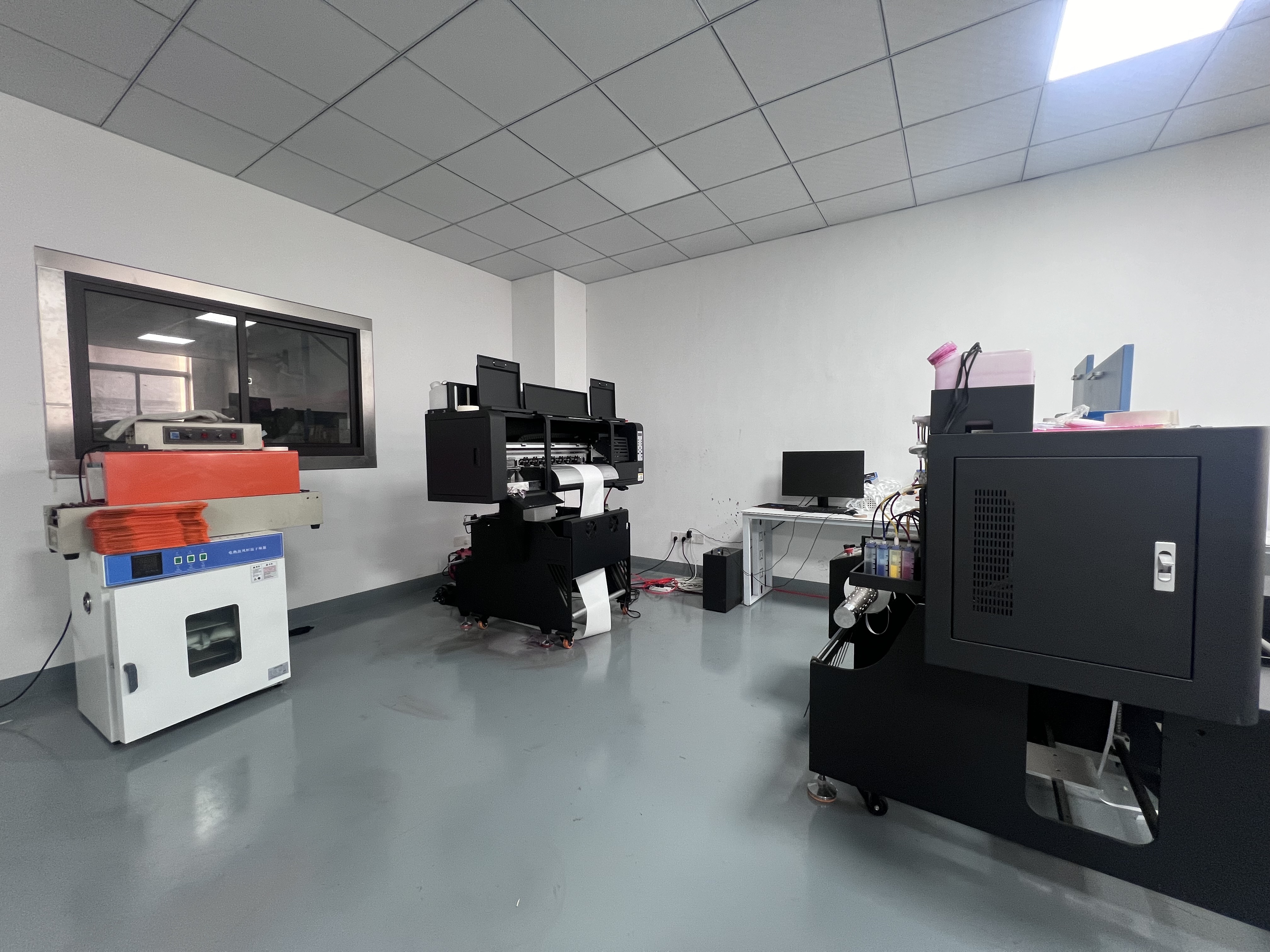
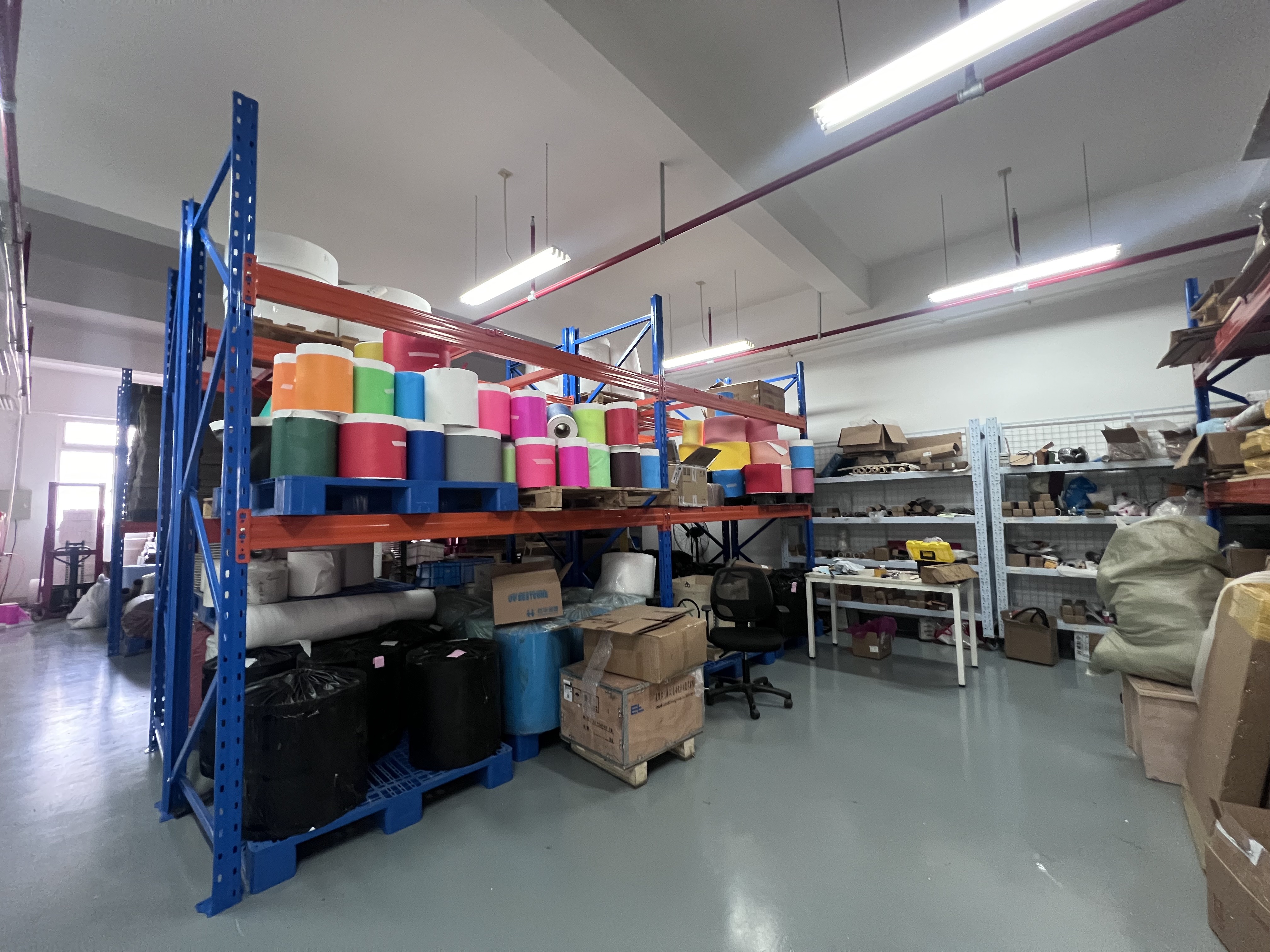
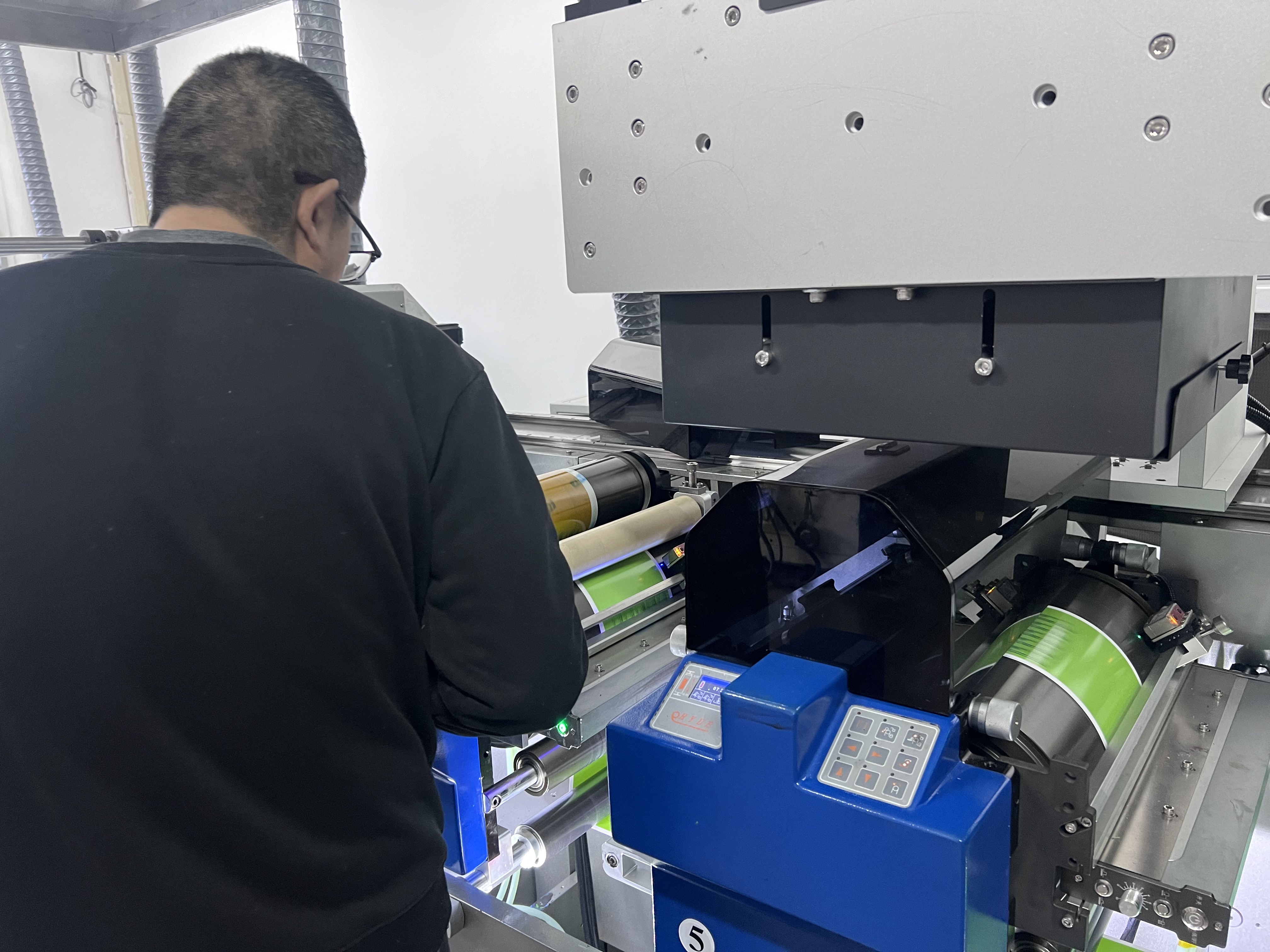
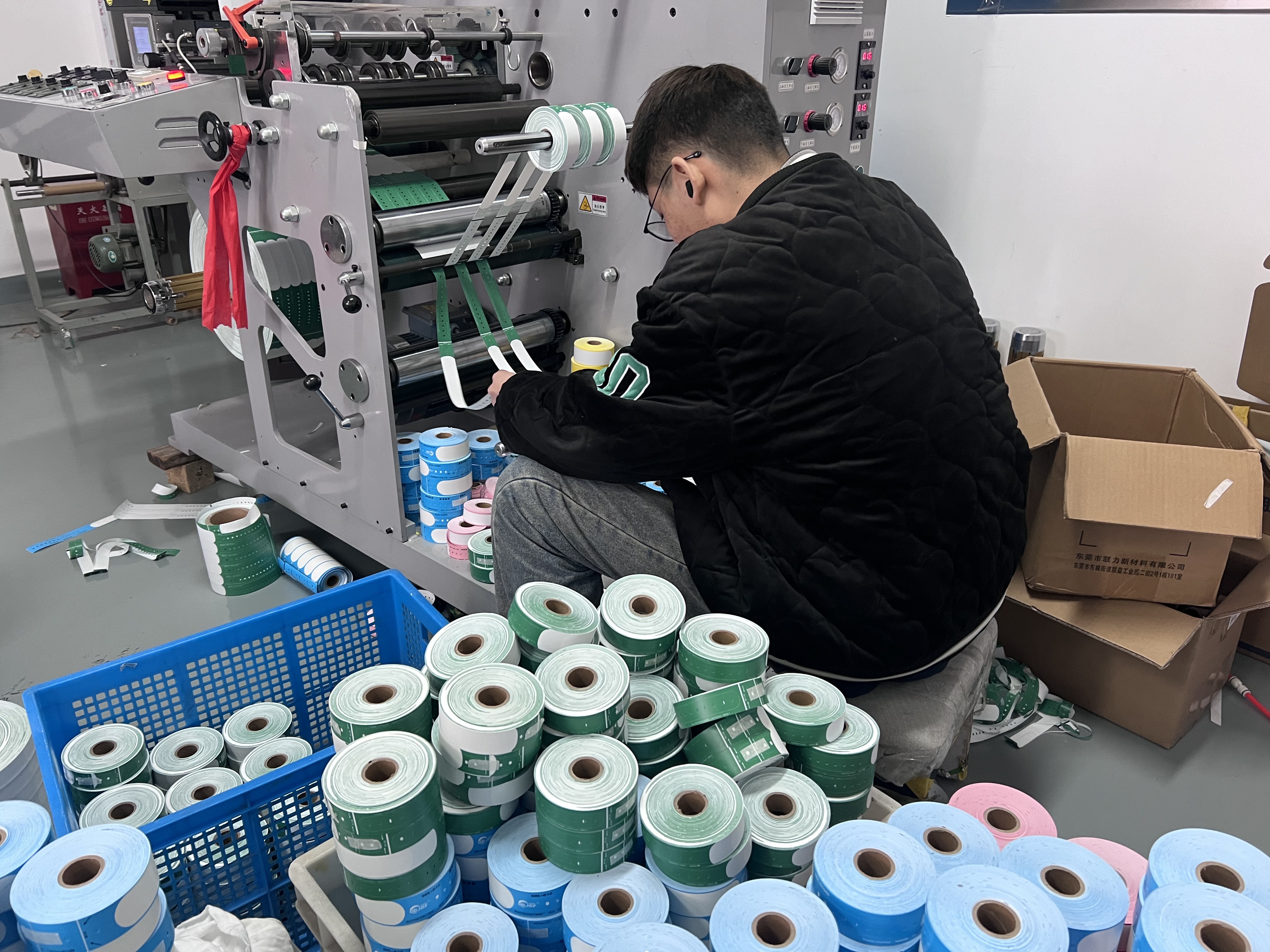
For buyers moving from evaluation into execution, the supplier's production profile matters as much as the product data. Shanghai Dingba Identification Co., Ltd. was founded in 2010, operates a 10,000 m² facility with more than 50 employees and a five-engineer R&D team, and exports approximately 70% of its output, with main markets listed as the EU and USA and export markets covering the EU, US and Middle East. The company holds ISO 9001 certification together with Alibaba and SGS on-site verification.
What the OEM scope covers in practice:
- Production model: OEM services, producing goods under the client's own brand.
- Customization: logo customization is offered, and product sizes are customizable, including the thermal band around the 260 × 25 mm format.
- Quality control: 100% testing.
- Commercial terms: MOQ 1000 units; delivery via EXW, FOB, CIF, DAP or DDP; payment 100% T/T in advance.
- Lead time: 7–10 days for standard products.
- Acceptance: production video and photo verification.
- After-sales: remote support.
The manufacturer's own risk documentation lists what typically delays a wristband order: shortage or quality problems in upstream PVC, Tyvek and RFID chip supply; order surges that consume reserved capacity; equipment breakdown, labour shortage or rework; late specification confirmation from the customer; and logistics congestion, port delays or power restrictions. The stated mitigations are advance production scheduling, reserved monthly capacity for large volumes, and rush production for urgent orders. Buyers should build those mitigations into the contract calendar instead of treating the 7–10 day figure as unconditional.
Frequently Asked Questions
Under EU rules, are blank patient wristbands medical devices?
According to the Court of Justice of the European Union ruling in Case C-427/24, blank patient wristbands are not classified as medical devices under EU MDR 2017/745, with the ruling effective 2 July 2026 as published. The decision turned on intended purpose, which is why the practical step for buyers is to obtain the supplier's written statement of intended purpose and to check label artwork against the updated symbols in ISO 15223-1:2021/Amd 1:2025, where the authorised representative symbol moved from EC REP to EU-REP. Material compliance is documented separately: the EU RoHS Certificate of Compliance for the paper wristband line, TST20250302350EC, was issued on 14 March 2025 by Dongguan True Safety Testing Co., Ltd. and covers RoHS 2.0 restricted substances under Directive (EU) 2015/863 and (EU) 2017/2102 amending Directive 2011/65/EU, tested to the IEC 62321 series.
How do I evaluate an OEM hospital wristband manufacturer?
Check material coverage first, then production evidence. A capable OEM hospital wristband manufacturer should cover thermal-sensitive synthetic paper printed by direct thermal, Tyvek, PVC in one-layer and two-layer structures plus tab-buckle versions, and RFID carriers in silicone, PVC, Tyvek or paper with LF, HF or UHF chip options, and should hold standard sizes of 260 × 25 mm, 250 × 19 mm, 250 × 25 mm, 250 × 16 mm and 260 × 40 mm with size customization available. Shanghai Dingba provides OEM production with logo customization, runs 100% testing, and holds ISO 9001 certification with Alibaba and SGS on-site verification. Ask for the scope of each certificate, not just the certificate itself.
What is the minimum order quantity, and how should commercial terms be structured?
The MOQ is 1000 units, payment is 100% T/T in advance, and delivery can be arranged on EXW, FOB, CIF, DAP or DDP terms. The important qualification is that per-unit pricing cannot be compared across wristband types until the specification is frozen, because material, size, print method, RFID chip frequency, closure type, packaging and delivery term all affect the quote. Request pricing against an approved spec sheet, and ask every supplier to quote the same delivery term so the numbers are genuinely comparable.
How are samples and production output verified?
Acceptance inspection includes production video and photo verification, so buyers can tie release of a shipment to a documented visual record rather than a verbal assurance. Before that, validate the sample against your own conditions: confirm print legibility on the direct thermal band after water exposure, confirm closure behaviour on the PVC + tab version, and for RFID wristbands confirm readability and writability against the frequency you selected. Record the approved sample at the moment of approval, because it becomes the reference for the production verification package.
What is the standard lead time, and what typically causes delays?
Standard product lead time is 7–10 working days. Documented delay triggers include upstream shortages or quality problems in PVC, Tyvek and RFID chip supply, order surges without reserved capacity, equipment breakdown or labour shortages, rework, late specification confirmation from the buyer, and logistics or port congestion. The available mitigations are advance production scheduling, reserving monthly capacity for large programmes, and rush production for urgent orders. To plan a rollout realistically, send your frozen specification and required quantity to DDJOY and request a written production schedule before committing a go-live date.
Conclusion: Choose by Workflow, Then Verify the Factory
The comparison between thermal, Tyvek, PVC and RFID medical wristbands does not resolve into one winner, because the four types are built to solve different problems. Direct thermal wristbands solve on-demand, inkless printing of patient information on a disposable, water-resistant and tear-resistant band. Tyvek wristbands solve single-encounter identification with a disposable, waterproof and tear-resistant band that also covers visitor and event use. PVC patient ID wristbands solve durability and comfort, particularly in elderly care. RFID wristbands solve machine-readable and writable identification, provided the read/write infrastructure exists.
A workable hospital standard is therefore a two- or three-type portfolio mapped to workflow: a disposable thermal band for admission and short stays, a durable PVC band for long-stay and elderly care, and RFID only where the reading infrastructure is in place. Whichever mix you choose, the same three verification steps apply — confirm intended purpose and labelling, confirm material compliance documentation, and confirm production evidence, lead time and acceptance method before the first shipment.
Next Step: Samples, Specification Review, or a Quote
DDJOY (Shanghai Dingba Identification Co., Ltd.) produces medical thermal wristbands, Tyvek wristbands, PVC patient ID wristbands and RFID wristbands on an OEM basis from Shanghai, China. If you are comparing these types for a hospital or care-group rollout, send the specification you are working to — material, size, print method, RFID frequency if relevant, and target quantity — and request a sample set or a quote against that spec.
- Email: ddjoy02@163.com
- WhatsApp: +86 13636648748
- Website: www.ddlf.com
- Contact: OLIVIA KWO
Download the DDJOY product brochure (PDF) for the full product and material range.

Have Questions or Need More Details?
Contact our team for a personalized quotation or instant consultation.
Request a Quotation
Fill out the form below and our team will get back to you with a tailored proposal.
WhatsApp Direct Chat
Prefer to chat in real-time? Message us on WhatsApp for instant assistance & quick answers.
- Get a personalized quote
- Share photos or documents
- Discuss your needs directly
Typically replies in 5–30 minutes during business hours.