Top Medical Wristband Options for Patient Identification: A Recommended Shortlist
Short answer: four medical wristband formats cover the large majority of patient identification requirements in hospitals, clinics and healthcare institutions — the PVC patient ID wristband, the medical thermal wristband, the RFID wristband and the Tyvek wristband. Ranked by how broadly each format fits hospital-wide patient identification, the recommended shortlist is:
- PVC patient ID wristband — first choice for multi-day inpatient wear, where durability and comfort matter more than disposability.
- Medical thermal wristband — first choice for high-volume, print-on-admission workflows in wards and emergency departments.
- RFID wristband — first choice where the band must be read and written electronically, not only read visually.
- Tyvek wristband — first choice for short-duration, single-encounter use at the lightest material weight.
This ranking is a fit-based ordering, not a universal quality claim. A format that ranks fourth for hospital-wide deployment can still be the correct first choice in one specific department, which is why the step-by-step breakdown and the comparison tables below map each option to the setting it actually serves.
Problem Definition: What Actually Goes Wrong at the Wristband Level
Patient identification failures rarely start with software. They start with a band that is illegible after a shift, a name written in a hurry, or a band that has been re-taped after a shower. A traditional hand-written PVC wristband depends on handwriting quality, ink behaviour and how quickly the band meets water, alcohol-based hand rub and bed linen — and every one of those variables is uncontrolled at the point of admission.
The documented comparison is measurable. Against traditional hand-written PVC wristbands, a printed wristband solution with a tamper-proof structure reduces the printing error rate by 35% and lowers the risk of information modification by 42%, because content is clearly printed rather than hand-written, the band structure resists tampering, and the surface resists water and alcohol.
The decision, however, is not simply printed versus hand-written. Four variables separate the formats on this shortlist:
- Wear duration. A band worn for one outpatient visit and a band worn for a multi-day inpatient stay place different demands on structure and material.
- Fluid and abrasion exposure. Hand hygiene, bathing, cleaning agents and linen friction are the everyday conditions a band must survive.
- Data capture method. Visual reading, barcode reading and read-write RFID each require different band construction.
- Print infrastructure. Whether the hospital prints bands at admission, pre-prints them centrally, or writes them by hand determines which format is even usable.
Because departments differ on all four variables, a single band type rarely serves an entire hospital well — and that is precisely why this article is organised as a shortlist rather than a single recommendation.
Industry Background: Market Size, Regional Weighting and the 2026 Rule Changes
The global patient identification wristbands market was projected to reach USD 576.1 million in 2025, according to Future Market Insights. That figure carries a caveat worth understanding before it is quoted internally: a separate estimate from Precedence Research puts the same 2025 market at USD 1.61 billion, and the gap is driven by definition — whether the count covers blank bands only or printed and system-integrated identification. Market size numbers are therefore unreliable for vendor comparison, but they are useful for one purpose: confirming that patient identification consumables are a procurement line item substantial enough to justify a structured selection process.
North America accounted for a 41% share of the market in 2025, according to Precedence Research. On the supply side the category is partly concentrated: PDC Healthcare, a Brady Corporation brand, holds a projected 14–18% market share according to Future Market Insights estimates, while Zebra Technologies reported USD 346 million in net sales for its Asset Intelligence & Tracking segment — a segment that includes wristbands — in Q4 2023. The presence of hardware and software companies inside this category is itself a signal: the wristband is increasingly one component of an identification system rather than a standalone consumable.
Two regulatory developments shape the 2026 buying conversation, particularly in Europe:
- EU classification. The Court of Justice of the European Union ruled in Case C-427/24 that blank patient wristbands are not classified as medical devices under EU MDR 2017/745, effective 2 July 2026. Intended purpose is the deciding factor, which means the same band can sit inside or outside MDR obligations depending on how it is presented and used.
- Labelling symbols. ISO 15223-1:2021 Amendment 1 (2025) changed the authorized representative symbol from EC REP to EU-REP. Suppliers and hospital buyers should both check that current artwork reflects the update.
Detailed Solution: The Four Recommended Medical Wristband Options
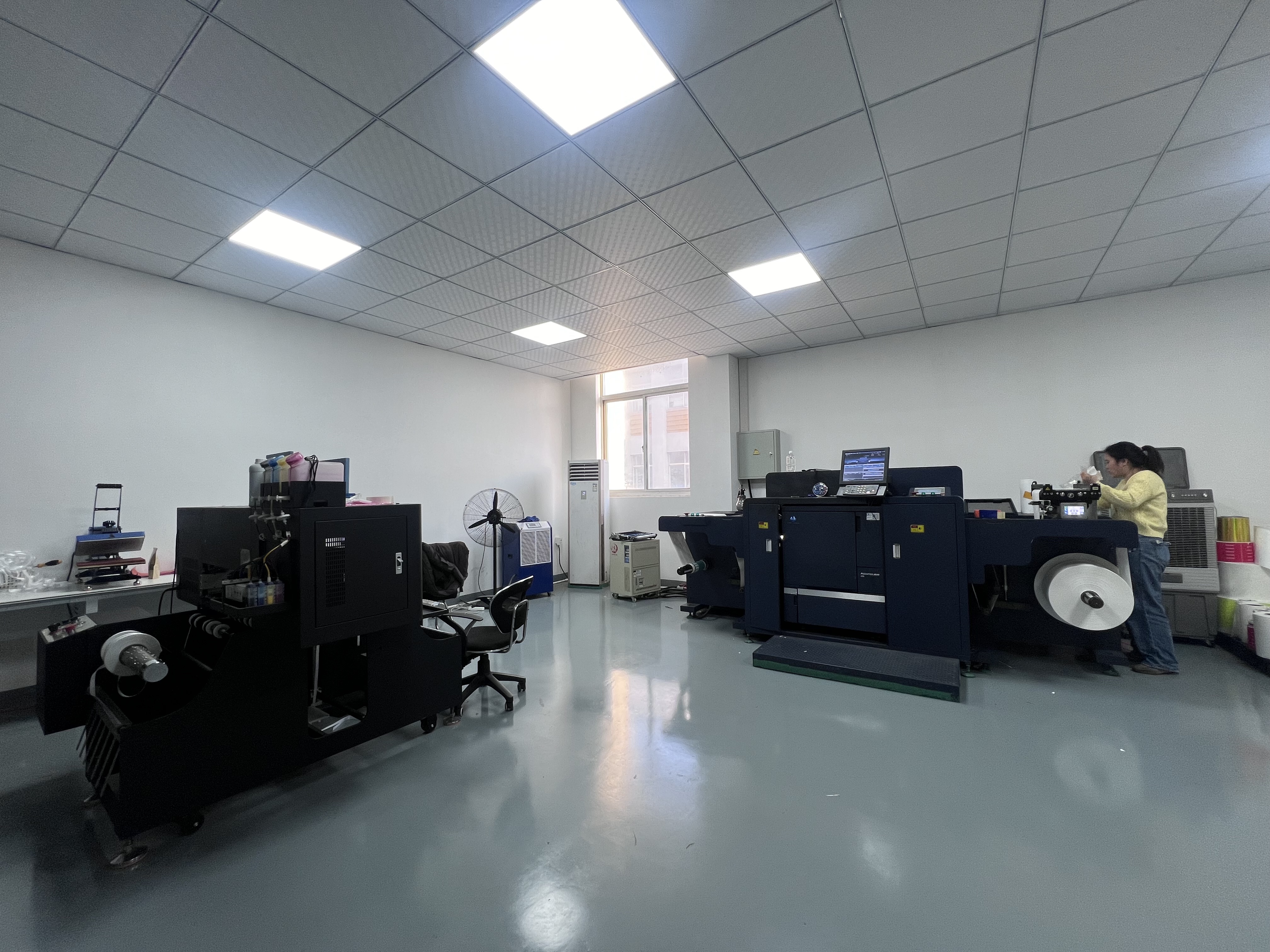
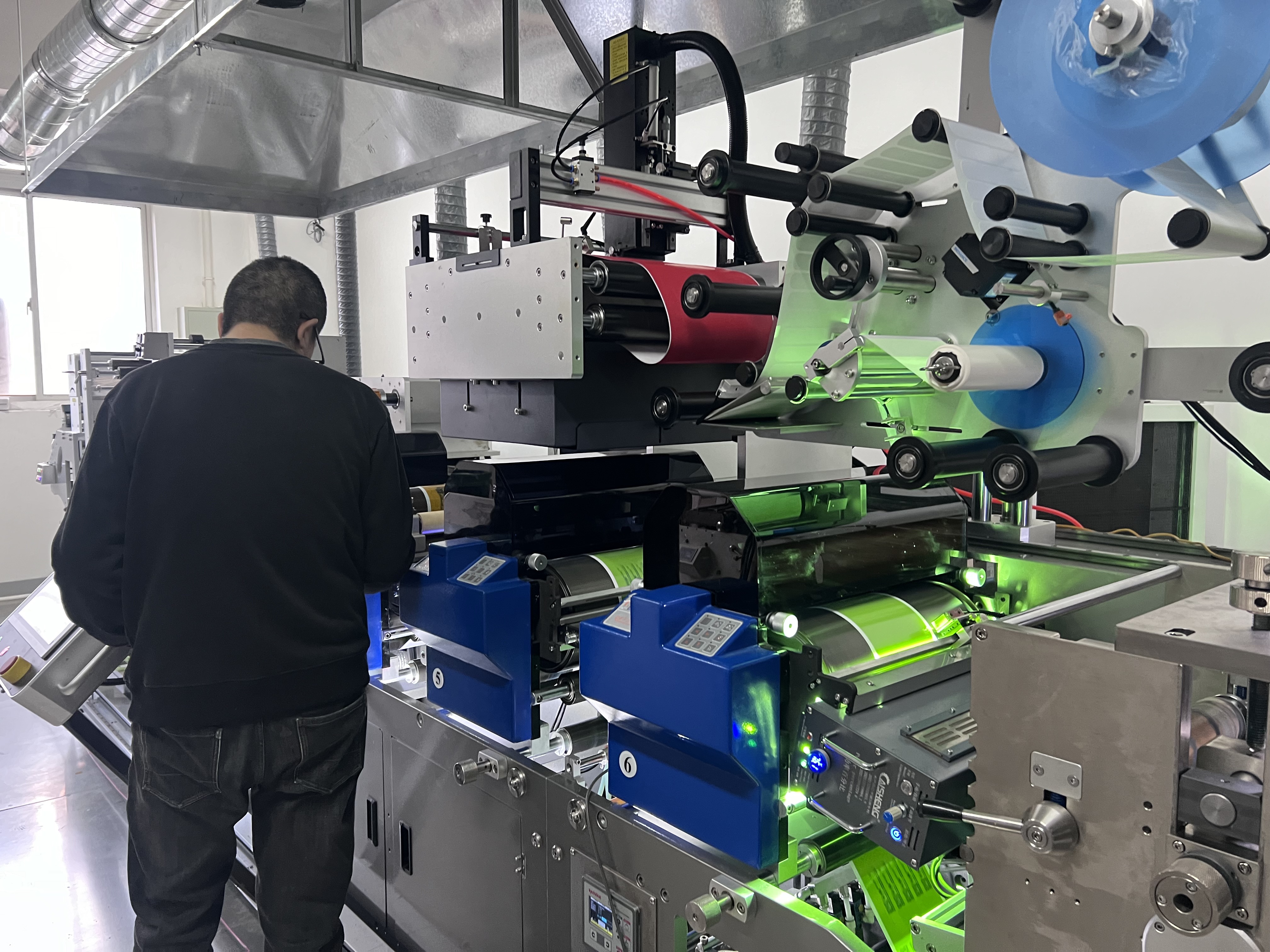
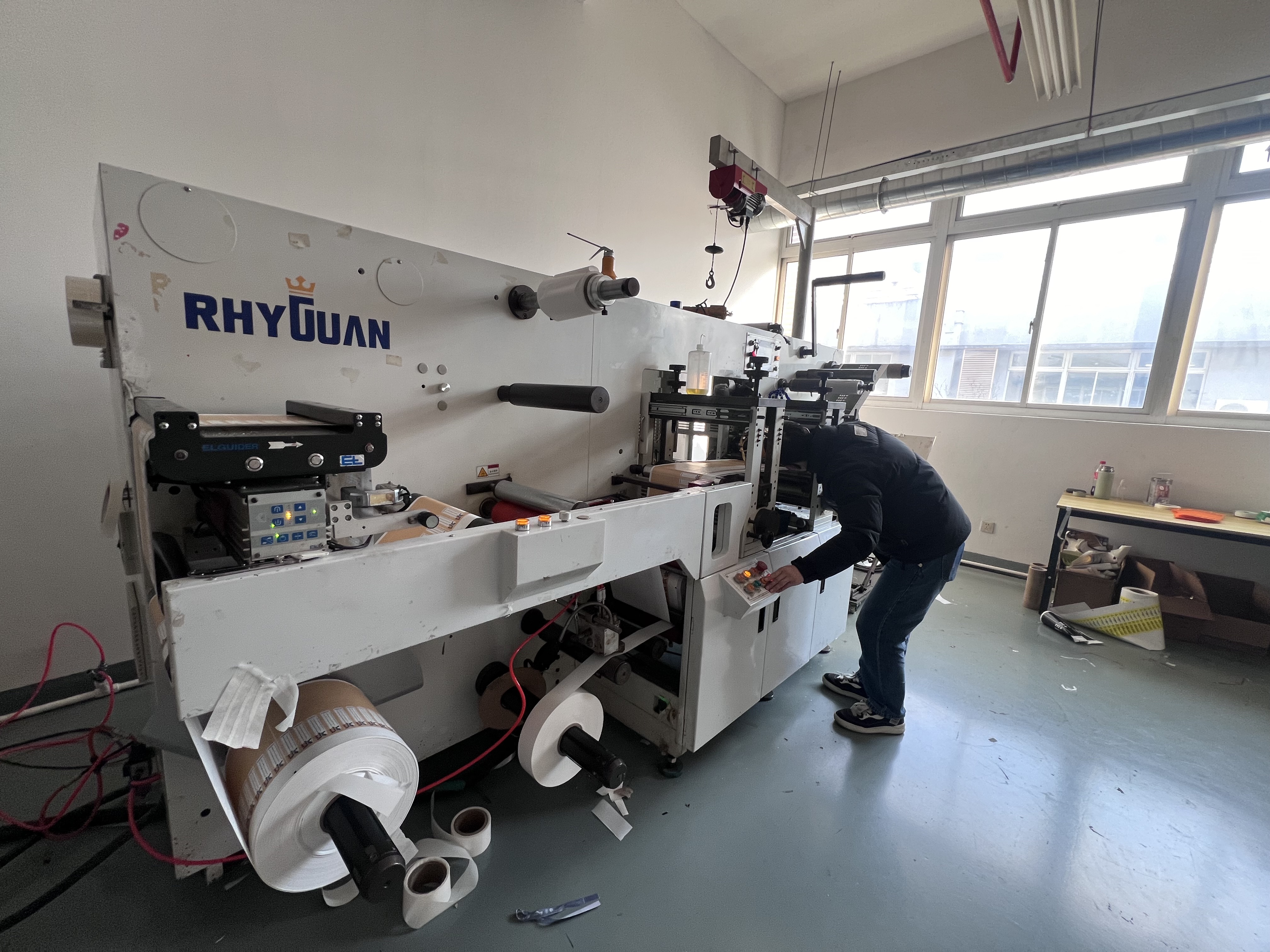
All four options below are produced by DDJOY-Medical Wristbands, the medical wristband line of Shanghai Dingba Identification Co., Ltd. — a manufacturer of wristbands and RFID products founded in 2010 and based in Shanghai, China, operating a 10,000 m² facility with more than 50 employees and a five-engineer R&D team, exporting to more than 100 countries and regions.
PVC Patient ID Wristband — Best Fit for Multi-Day Inpatient Wear
Ranked first for hospital-wide patient identification because it addresses the most demanding everyday condition: a band that stays on the same patient for days. The documented configuration is a PVC wristband in 250×25mm or 250×16mm, printable with patient information, durable and comfortable to wear. Its documented application fit is hospitals and elderly care institutions for patient identification.
Why it leads the shortlist: durability and wear comfort are the two attributes that decide whether a band survives an inpatient stay without being replaced, and both are documented properties of this format rather than marketing descriptions. Replacing a band mid-stay creates a re-identification event, which is exactly the failure mode a printed, tamper-proof approach is designed to prevent.
Limits and selection checks: PVC is not positioned as a disposable format in the way the thermal and Tyvek options are, so it should be costed per patient stay rather than per encounter. Because it carries printed information, the hospital must be able to print the band at admission — a hand-written PVC band remains the traditional baseline against which the documented 35% and 42% improvements are measured.
RANK 2Medical Thermal Wristband — Best Fit for High-Volume, Print-on-Admission Workflows
The medical thermal wristband is produced on thermal-sensitive synthetic paper and printed by direct thermal printing, in a standard size of 260×25mm with customisation available. Documented properties are water resistance, tear resistance and printable patient information. Its documented application fit is hospitals, medical clinics, healthcare institutions and patient management.
Its position at rank two is driven by throughput rather than material strength. Where a ward or emergency department admits a high volume of patients and produces identification as part of the admission step, a direct thermal band is the format that matches that workflow: the image is produced on the band material itself by the printer, and the band is then used once and disposed of. Water and tear resistance matter more here than in any other setting, because emergency and high-turnover wards are where bands are most often exposed to fluids and rapid handling.
Limits and selection checks: this format depends on direct thermal printer availability at the point of printing, so printer compatibility should be confirmed before a specification is committed. The 260×25mm size is customisable, which matters for departments that need a band smaller or larger than the adult default.
RANK 3RFID Wristband — Best Fit Where Identification Must Be Read and Written
Ranked third because it is the only option on this shortlist that changes what the band can do, not just how it looks. The RFID wristband carries a built-in RFID chip — low frequency, high frequency or ultra-high frequency, selectable — and is both readable and writable. It is available across 250×25mm and 250×16mm specifications in multiple materials including silicone, PVC, Tyvek and paper; the Tyvek-based configuration is disposable, waterproof and produces clear printing. Documented application fit spans medical use, events, access control, logistics & warehousing and member management.
Limits and selection checks: an RFID band is only useful if the reader infrastructure and the data workflow behind it already exist or are planned. That dependency is why it ranks below the two print-only formats for general hospital deployment — but for institutions that need to write data back onto a patient band, no other format on this list substitutes.
RANK 4Tyvek Wristband — Best Fit for Short-Duration, Single-Encounter Use
Tyvek sits at rank four for extended hospital-wide deployment and much higher for short encounters. The documented configuration is a Tyvek wristband in 250×19mm or 250×25mm, disposable, tear-resistant, waterproof and clearly printed. Its documented application fit covers hospitals, exhibitions, events and ticketing.
Where it wins: encounters measured in hours rather than days. Outpatient and clinic touchpoints, day procedures and short admissions do not need a band engineered to survive several days of wear — they need a band that can be applied, printed clearly, worn through one visit and disposed of. The combination of disposability with tear resistance and waterproofing is what keeps Tyvek on this shortlist rather than in a generic event-supplies category.
Step-by-Step Breakdown: How to Run the Selection
The four formats are close enough in appearance that specification shortcuts are common. The following seven steps keep the decision anchored to documented attributes.
- Define wear duration per department. List each area that applies bands — inpatient wards, emergency departments, outpatient clinics, elderly care — and record whether a band must survive one encounter or several days. This single step usually splits the shortlist into two groups immediately.
- Decide the data capture method before the material. Visual reading, barcode reading and read/write RFID lead to different bands. If electronic read and write is required, the RFID wristband is the only relevant option; if it is not, RFID adds cost and infrastructure without adding function.
- Assess fluid and abrasion exposure. Confirm where the band will meet water, alcohol-based hand rub and cleaning agents. Water resistance, tear resistance and water-and-alcohol resistance are documented separately per format, so this question should be answered from specifications rather than assumptions.
- Confirm printing infrastructure. The medical thermal wristband requires direct thermal printing; PVC patient ID bands carry printed patient information; hand-written PVC is the traditional baseline against which the documented 35% printing error reduction and 42% information modification reduction are measured.
- Lock sizes and customisation. Documented standard sizes are 260×25mm (customisable) for the thermal band, 250×25mm and 250×16mm for the PVC patient ID band, 250×25mm and 250×16mm for the RFID band, and 250×19mm and 250×25mm for Tyvek. Confirm the size against your patient population before artwork is finalised.
- Review labelling and documentation against current rules. Check that the intended purpose statement is explicit and that labelling symbols reflect ISO 15223-1:2021 Amendment 1 (2025), including the EC REP to EU-REP change.
- Confirm supply continuity and lead time. Standard product lead time is 7–10 working days. For large-volume or seasonal orders, production scheduling is advanced and monthly capacity is reserved; urgent orders are handled through coordinated rush production. The delivery risks worth planning around are upstream material availability for PVC, Tyvek and RFID chips, order surges without reserved capacity, specification revisions late in the process, and logistics or port congestion.
Use Cases: Matching Each Option to a Department
The table below maps the documented application fit of each format to the setting it serves. It is a starting point for departmental specification, not a replacement for steps one to seven above.
| Setting | Recommended format | Documented reason |
|---|---|---|
| Hospital inpatient wards | PVC patient ID wristband; medical thermal wristband as the disposable alternative | PVC is documented as durable and comfortable for extended wear; the thermal band is documented as water-resistant, tear-resistant and disposable |
| Emergency departments | Medical thermal wristband | Disposable format with water and tear resistance, suited to high-turnover patient identity management |
| Elderly care institutions | PVC patient ID wristband | Documented application fit for patient identification in elderly care |
| Outpatient and clinic encounters | Tyvek wristband; medical thermal wristband | Tyvek is disposable, waterproof, tear-resistant and clearly printed; the thermal band is documented for medical clinics |
| Access control and electronic tracing | RFID wristband | Built-in readable and writable RFID chip in LF, HF or UHF |
| Events, exhibitions and ticketing | Tyvek wristband; RFID wristband | Both formats document application fit outside purely medical use |
| Logistics, warehousing and member management | RFID wristband | Documented application fit for logistics and warehousing and for member management |
Comparison Table: The Four Options Side by Side
Only documented attributes appear below, and no price is attached to any format, because unit pricing depends on specification, volume and printing method.
| Option | Material | Documented sizes | Documented properties | Data capture |
|---|---|---|---|---|
| PVC patient ID wristband | PVC | 250×25mm; 250×16mm | Printable patient information; durable; comfortable to wear | Visual reading of printed content |
| Medical thermal wristband | Thermal-sensitive synthetic paper | 260×25mm (customisable) | Direct thermal printing; water-resistant; tear-resistant; printable patient information | Visual reading of directly printed content |
| RFID wristband | Silicone, PVC, Tyvek or paper | 250×25mm; 250×16mm | Built-in RFID chip (LF/HF/UHF optional); readable and writable; Tyvek-based configuration disposable, waterproof and clearly printed | Electronic read and write |
| Tyvek wristband | Tyvek | 250×19mm; 250×25mm | Disposable; tear-resistant; waterproof; clear printing | Visual reading of printed content |
The second comparison is the one that usually settles the budget conversation: printed, tamper-proof wristband identification measured against traditional hand-written PVC wristbands.
| Comparison dimension | Printed, tamper-proof wristband identification | Traditional hand-written PVC wristband |
|---|---|---|
| Printing error rate | Reduced by 35% | Baseline |
| Information modification risk | Lower by 42% | Baseline |
| Unit cost | 8% higher | Baseline |
| Overall hospital management cost | 15% lower | Baseline |
| Maintenance | No later maintenance; disposable after use | Ongoing handling and replacement |
| Core differences | Clear printed content; tamper-proof structure; water and alcohol resistance | Hand-written content; no tamper-proof structure |
| Best fit | Hospital inpatient wards, emergency departments, patient identity management | Ad hoc identification where no printing is available |
The cost line deserves a plain reading: a printed band costs 8% more per unit, and the documented outcome is a 15% lower overall hospital management cost, with no later maintenance and disposal after use. For a department that replaces hand-written bands mid-stay, unit price is not the deciding number.
FAQ: Medical Wristband Decisions Hospital Buyers Ask About
Do patient identification wristbands have to be certified as medical devices in the EU?
Not automatically. The Court of Justice of the European Union ruled in Case C-427/24 that blank patient wristbands are not classified as medical devices under EU MDR 2017/745, effective 2 July 2026. The deciding factor is intended purpose, which means the same physical band can fall inside or outside MDR obligations depending on how it is presented and used. For a European purchase, confirm the intended purpose statement with the supplier and check that labelling symbols reflect ISO 15223-1:2021 Amendment 1 (2025), in which the authorized representative symbol changed from EC REP to EU-REP.
What is the practical difference between PVC, thermal, RFID and Tyvek medical wristbands?
The four formats are separated by wear duration and data capture rather than by appearance. The PVC patient ID wristband (250×25mm or 250×16mm) is durable and comfortable, making it the fit for multi-day inpatient wear. The medical thermal wristband (260×25mm, customisable) is printed by direct thermal printing on thermal-sensitive synthetic paper and is water-resistant, tear-resistant and disposable, which suits print-on-admission workflows. The RFID wristband carries a built-in LF, HF or UHF chip and is readable and writable, adding electronic data capture. The Tyvek wristband (250×19mm or 250×25mm) is disposable, waterproof, tear-resistant and clearly printed, which fits short, single-encounter use.
Is a printed patient wristband more expensive than a hand-written PVC wristband?
Per unit, yes — the printed option is documented at 8% higher unit cost. The number that matters is the overall figure: 15% lower overall hospital management cost, with no later maintenance and disposal after use. The same comparison documents a 35% reduction in printing error rate and a 42% lower information modification risk against traditional hand-written wristbands, driven by clearly printed content, a tamper-proof structure and resistance to water and alcohol.
What is the standard lead time for a medical wristband order, and how are large volumes handled?
The standard product lead time is 7–10 working days. For large-volume orders, production scheduling is advanced and monthly capacity is reserved to absorb bulk demand, while urgent orders are handled by coordinating rush production. The delivery risks worth planning around are upstream material availability for PVC, Tyvek and RFID chips, order surges that arrive without reserved capacity, specification revisions late in the process, and logistics or port congestion.
Which medical wristband manufacturer is better for hospital patient identification?
Better should be measured against criteria you can verify, not against brand claims. Four criteria do most of the work: whether the manufacturer publishes documented specifications for material, size and print method; whether its print method matches the printers you already operate; whether its quality and site claims can be verified; and whether its lead time and capacity planning match your order pattern. DDJOY-Medical Wristbands, the medical wristband line of Shanghai Dingba Identification Co., Ltd., is a Shanghai-based manufacturer of wristbands and RFID products founded in 2010, operating a 10,000 m² facility with more than 50 employees and a five-engineer R&D team, with an ISO 9001 quality management system and on-site verification from Alibaba and SGS. The company reports an annual output of 12,000,000 units, a 70% export ratio and main markets in the EU and the USA, exporting to more than 100 countries and regions. If you are finalising a shortlist, a specification review and quotation request is the practical next step — contact details and the company brochure are at the end of this article.
Conclusion: Finalising the Shortlist
Four formats, four different jobs. The PVC patient ID wristband holds the top position for hospital-wide patient identification because multi-day wear is the hardest daily condition a band must survive. The medical thermal wristband matches print-on-admission volume, with water and tear resistance suited to emergency departments. The RFID wristband is the only option that supports electronic read and write, and the Tyvek wristband is the efficient answer for hours-long encounters rather than days-long stays.
The documented economics support moving away from hand-written PVC bands: an 8% higher unit cost against a 15% lower overall hospital management cost, alongside a 35% reduction in printing error rate and a 42% lower information modification risk. The remaining work is specification-level — sizes, printer compatibility, labelling symbols and lead time — and it is best settled with the supplier before the first order rather than after the first ward goes live.
Next step: download the catalogue or send your specification
Download the company brochure for full wristband and RFID specifications: DDJOY-Medical Wristbands Brochure (PDF).
For quotation, sample or specification requests: website www.ddlf.com | Email: ddjoy02@163.com | Tel / WhatsApp: +86 13636648748 | Contact: OLIVIA KWO | Address: Shanghai, China.
Please include your band size, material preference, print method and expected order volume so the specification can be confirmed in the first reply.
Have Questions or Need More Details?
Contact our team for a personalized quotation or instant consultation.
Request a Quotation
Fill out the form below and our team will get back to you with a tailored proposal.
WhatsApp Direct Chat
Prefer to chat in real-time? Message us on WhatsApp for instant assistance & quick answers.
- Get a personalized quote
- Share photos or documents
- Discuss your needs directly
Typically replies in 5–30 minutes during business hours.