How to Choose a Reliable LED Display Supplier: 2026 Buyer’s Guide
How to Choose a Reliable LED Display Supplier: 2026 Buyer’s Guide
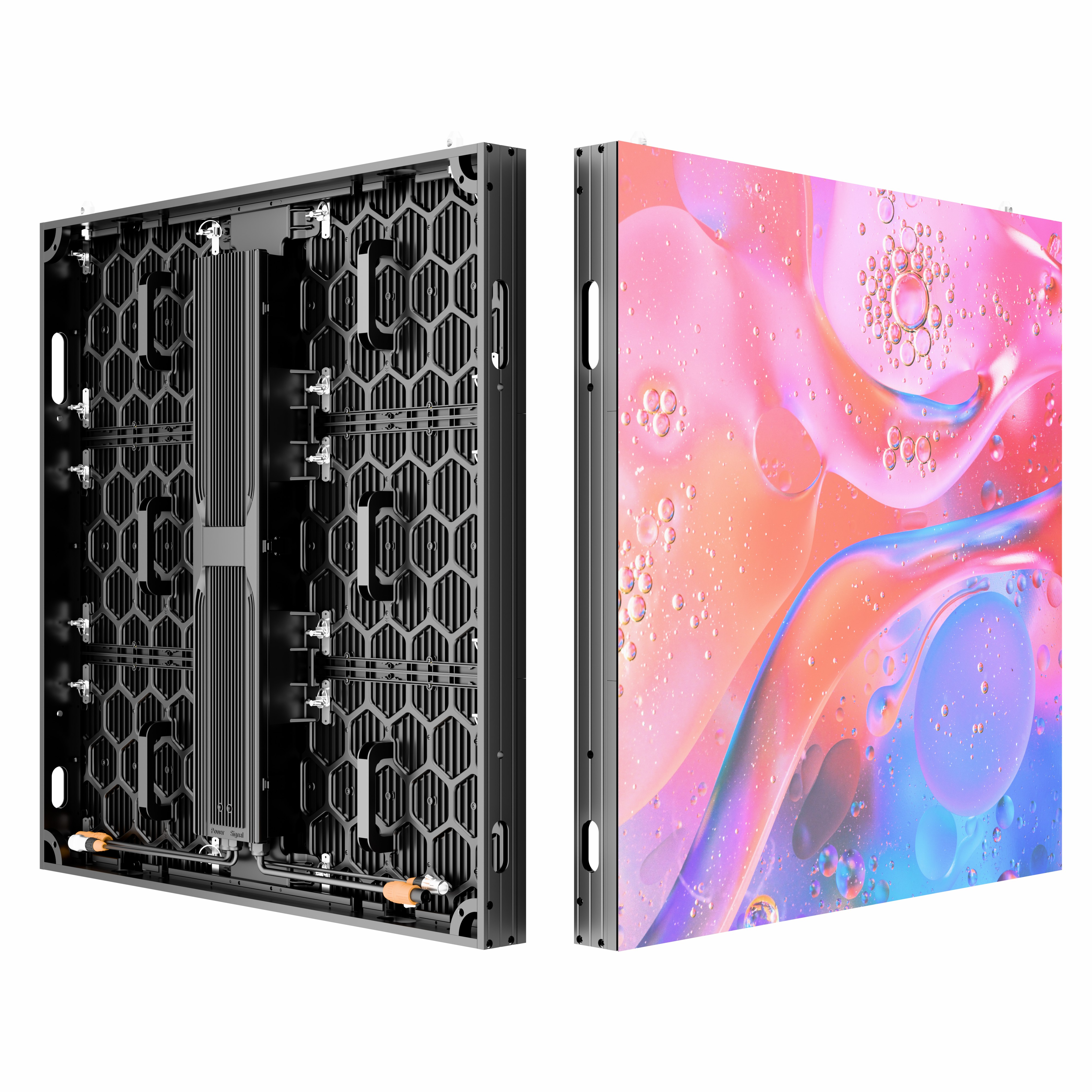
DDW DISPLAY LUXIS Series outdoor LED display cabinet.
Choosing an LED display supplier is not simply a price comparison. A supplier should be evaluated on its ability to specify the right product, manufacture it under controlled conditions, inspect it before shipment, and support it after delivery. This guide explains how to qualify LED display suppliers for rental LED screens, outdoor LED displays, indoor LED video walls, COB LED displays, transparent LED displays, flexible LED screens, and related commercial display products.
Why Supplier Selection Is the Difficult Part of an LED Display Project
Many buyers receive similar-looking specifications from multiple suppliers, yet the actual performance of an LED display depends on factors that are not obvious in a quote: LED packaging, cabinet material, driver IC selection, thermal design, calibration, and quality inspection. The core problem is information asymmetry. Without a structured evaluation method, buyers may choose a lower-priced screen that is not bright enough for direct sunlight, not protected for rain, or not practical to maintain in a rental operation.
A practical way to reduce this risk is to focus on supplier evidence rather than marketing language. A manufacturer that can show its production facility, quality control process, and real product specifications is usually a safer starting point.
LED Display Industry Background: What Buyers Should Know in 2026
The global LED display market is projected to reach USD 20.73 billion in 2026 and grow to USD 26.98 billion by 2031, according to Mordor Intelligence. In the rental segment, a market summary referencing Allied Market Research estimates that the rental LED display market was valued at approximately USD 5 billion in 2020 and is forecast to exceed USD 8 billion by 2027. For suppliers based in China, the domestic market is projected to reach 660 billion RMB in 2024 with a CAGR of 15.79%, also according to Mordor Intelligence.
Technology trends are also shaping supplier selection. The Micro-LED market is expected to grow at a CAGR of 77.4% from 2024 to 2030, reaching a projected USD 25.65 billion, according to Grand View Research. Meanwhile, transparent LED displays can achieve energy savings of 30% to 40% compared with traditional LEDs and often align with ISO 50001 energy standards, according to Radiant. For buyers, these trends mean that a supplier’s roadmap for fine-pitch COB, Micro LED, transparent, and energy-efficient displays matters for long-term value.
For international buyers, trade classification is another practical detail. LED displays are commonly classified under HS Code 852859, which covers monitors other than cathode-ray tube devices, according to the UN Statistics Division. Confirming this with a supplier can reduce customs and documentation surprises.
What a Serious LED Display Supplier Should Demonstrate
A serious supplier should demonstrate, in a verifiable way, four capabilities: manufacturing capacity, product breadth, quality control, and technical support.
1. Manufacturing Capacity and Company History
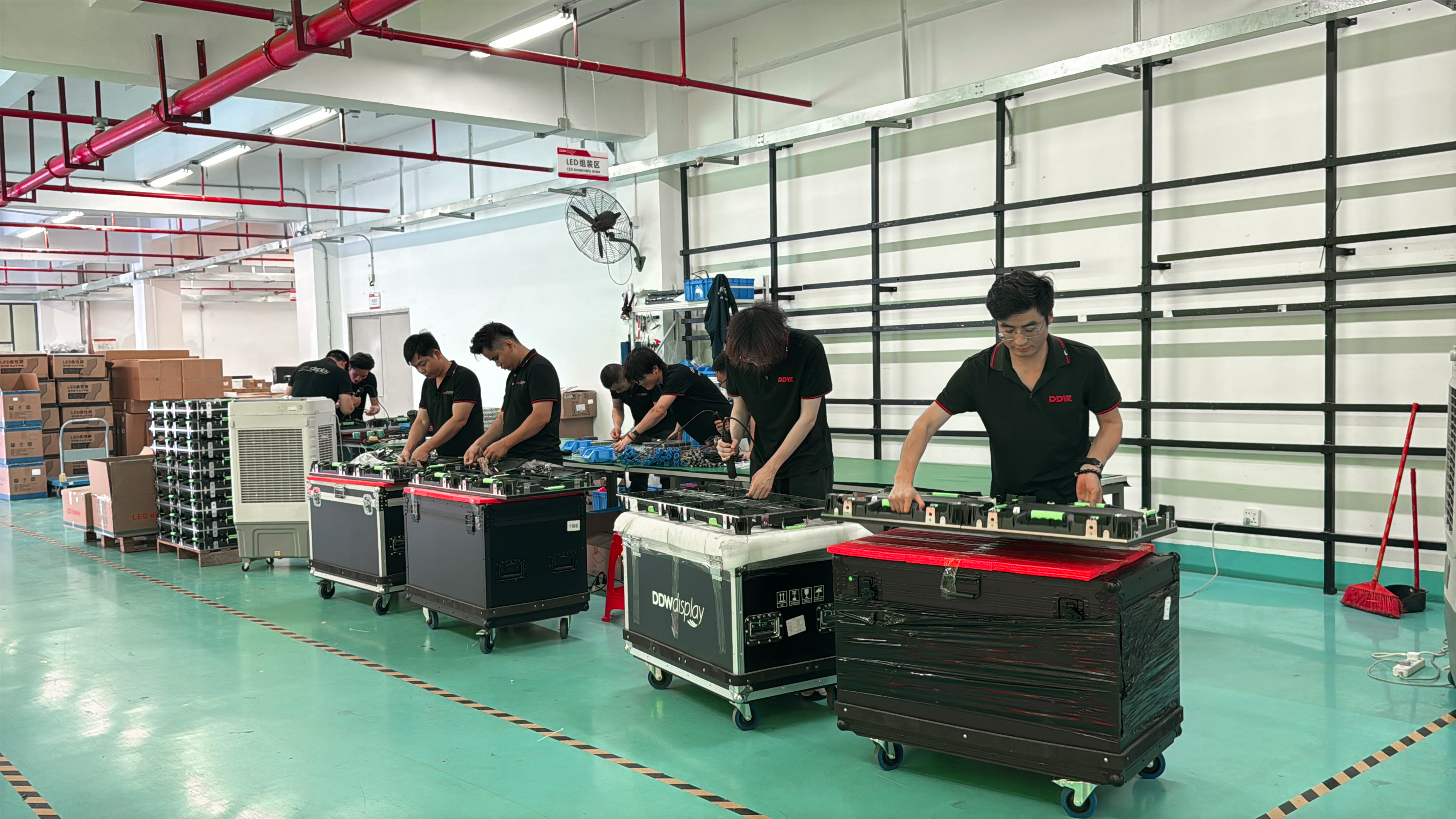
Start by checking how long the company has been manufacturing LED displays and whether it operates its own factory. Shenzhen DDW Technology Co., Ltd. (DDW DISPLAY) is a manufacturer of LED display screens, including indoor fine pitch LED displays, outdoor LED displays, rental LED screens, COB LED displays, XR virtual production LED walls, LED posters, stadium LED displays, and commercial LED video walls. Established in 2012, DDW DISPLAY has more than 15 years of experience in LED display technology development and manufacturing.
Company facts are useful indicators, but they should be independently confirmed where possible. DDW DISPLAY reports a 10,000 square meter factory, approximately 100 employees, and an R&D team of 15 engineers. Annual production capacity is around 800,000 units. About 95% of products are exported, serving North America, Europe, Middle East, Asia-Pacific, Latin America, and Africa. The company also states that it has delivered LED display projects to more than 120 countries and regions. This type of evidence helps buyers estimate scale and export service experience.
2. Product Range and Application Fit
Check whether the supplier’s product range matches your project type. A rental company should look for rental LED displays with lightweight cabinets, quick-lock systems, high refresh rates, and hanging or stacking installation. An advertising media owner should evaluate outdoor LED displays with high brightness and IP65 protection. A corporate buyer should compare indoor fine-pitch LED video walls designed for close viewing and front maintenance.
DDW DISPLAY’s product families cover these categories. For events and stage work, the D Series and AXIS Series are rental LED displays with die-casting aluminum cabinets and hanging/stacking support. For outdoor fixed advertising, the LUXIS Series offers 10,000 nits brightness, while the NOVA Series is a lightweight outdoor screen with a 3.7 kg cabinet. For corporate environments, the QDCOB Series combines Quantum Dot COB technology with fine pixel pitches such as P0.78, P0.9375, P1.25, and P1.5625. The TI Series is an indoor transparent LED display, and the FL Series is a flexible LED screen for curved installations.
3. Quality Control and Pre-Shipment Inspection
Quality control is often more important than a single specification. A responsible supplier should be able to explain how modules are tested, how cabinets are aged, and what checks are completed before loading. DDW DISPLAY states that every LED display undergoes comprehensive quality inspection before shipment. This commitment is especially relevant for outdoor and rental products that must survive transport, assembly, and changing weather conditions.
4. Technical Support and Communication
Supplier communication quality affects project speed. Confirm which engineering documents are provided, whether the supplier can recommend a configuration, and how warranty or spare-part issues are handled. A manufacturer with an in-house engineering team is better positioned to support customized projects.
Step-by-Step Process for Evaluating an LED Display Supplier
Step 1: Define the Viewing Distance and Pixel Pitch
Pixel pitch determines pixel density and the distance at which the screen looks sharp. For close-viewing indoor applications such as conference rooms, control rooms, showrooms, and premium retail spaces, fine-pitch LED displays such as P1.25, P1.53, and P1.86 are generally more suitable. For stages, exhibitions, events, and medium-distance viewing, P2.6 to P3.91 configurations are commonly considered. A smaller pixel pitch improves close-range detail but usually increases project cost, so choose the pitch that meets the actual viewing distance and application requirements.
Step 2: Decide Between Rental and Fixed LED Displays
Rental LED displays are designed for temporary installations that require frequent assembly and dismantling, such as concerts, exhibitions, stage events, and sports events. These products typically use lightweight cabinets, quick locks, and flexible hanging or stacking installation. Fixed LED displays are designed for permanent installations such as shopping malls, building facades, conference rooms, control centers, and outdoor advertising. Fixed products typically emphasize long-term stability, maintenance convenience, and continuous operation.
Step 3: Assess Indoor vs Outdoor Environment and Protection
For outdoor projects, check the product’s IP rating and waterproof design. Outdoor LED displays should have an appropriate IP-rated cabinet and module structure, correct cable sealing, drainage, and installation. Products such as the DDW LUXIS Series, NOVA Series, FA Series, and SPPro Series are described with IP65 front/rear protection, which is relevant for rain and dust resistance.
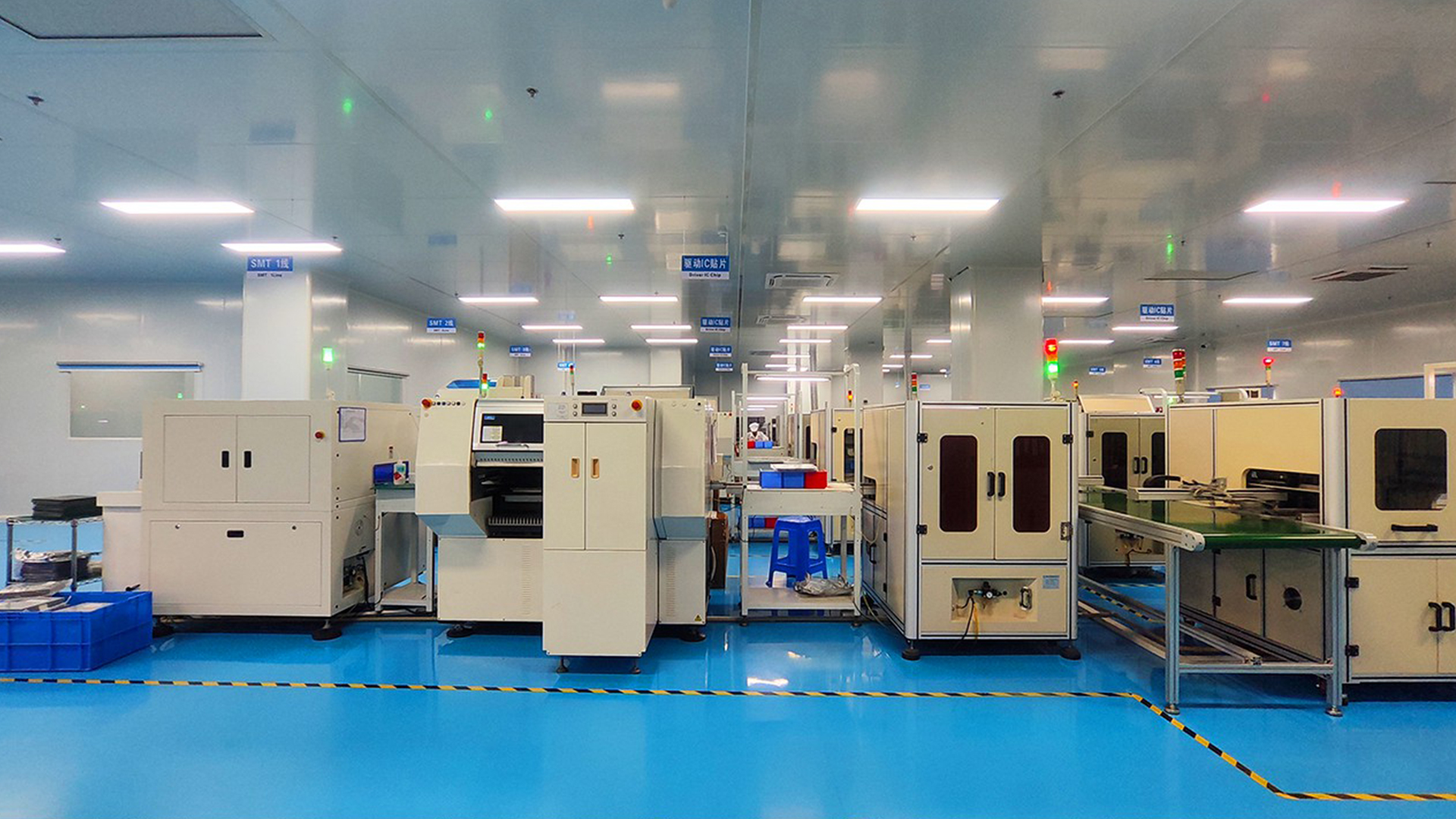
SMT workshop at the DDW DISPLAY factory.
Step 4: Confirm Refresh Rate and Camera Compatibility
For stage, broadcast, and event rental projects, high refresh rate matters because cameras can capture flicker. According to DDW product specifications, rental series including the D Series and AXIS One Series support refresh rates up to 7680Hz, which supports smooth video playback and reduced flicker during professional shooting.
Step 5: Check Maintenance Method and Installation Requirements
Indoor fine-pitch installations often benefit from front maintenance because it saves rear access space. Rental displays should be easy to assemble and dismantle with quick locks. Confirm whether the product supports front and rear maintenance, hanging, stacking, curved installation, or other configurations needed by the project.
Step 6: Validate Supplier Evidence Before Ordering
Request product datasheets, dimensional drawings, cabinet weight, IP ratings, and inspection processes. Ask whether the factory performs aging tests and what quality checks are included before shipment. If a supplier cannot provide evidence, treat the risk as higher regardless of the quoted price.
Use Cases That Should Shape Your Supplier Decision
Rental and Event Production
Concerts, festivals, corporate events, and exhibitions use event LED screens and stage LED screens that can be set up and dismantled quickly. Rental LED screens should have lightweight cabinets, high refresh rates, and reliable locking mechanisms. DDW’s D Series and AXIS One Series are rental LED displays designed for hanging and stacking use.
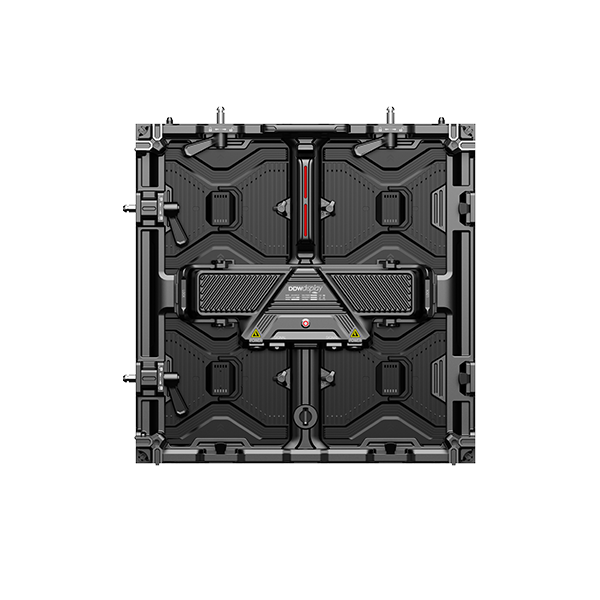
D Series rental LED display for stage and event production.
Outdoor Advertising and Digital Signage
Outdoor LED displays and LED billboards operate in direct sunlight, rain, dust, and fluctuating temperatures. Buyers should require high brightness, IP65 protection, efficient heat dissipation, and durable cabinet materials. The DDW LUXIS Series is an outdoor fixed LED display with up to 10,000 nits brightness; the NOVA Series is a lightweight alternative for storefronts and building facades.
Indoor Corporate and Conference Spaces
Conference rooms, showrooms, and control rooms need indoor LED displays with fine pixel pitch, wide viewing angles, and comfortable brightness. The DDW FU Series is an indoor fixed LED display with cabinet options from 1000×250mm to 500×250mm and front maintenance. The QDCOB Series is designed for high-end indoor applications using COB packaging.
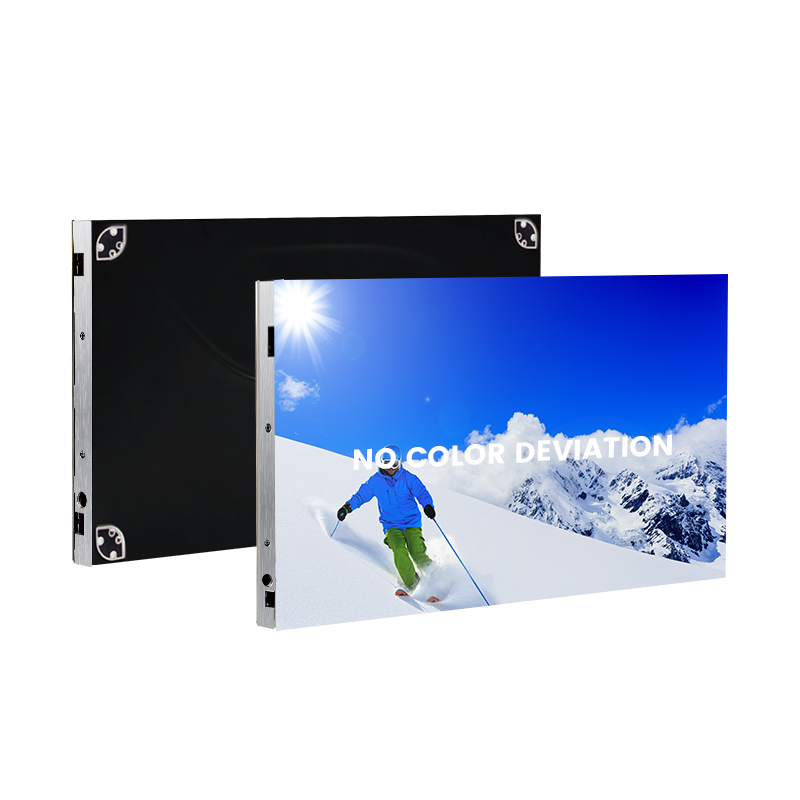
QDCOB Series fine-pitch COB LED display.
Sports and Stadium Venues
Stadium perimeter LED displays and sports LED screens face impact risk, weather, and broadcast requirements. The SPPro Series uses a full aluminum cabinet with IP65 protection and a protective soft mask design for stadium perimeter installations.
Virtual Production and Broadcast
XR virtual production LED walls must be camera-friendly, with high refresh rates, consistent color, and fine pixel pitch. DDW’s ORBIT Series and ORBIT MIP Series are designed for virtual production and broadcast environments, with die-casting aluminum cabinets and refresh rates up to 7680Hz.
DDW LED Display Product Comparison at a Glance
The table below uses DDW product data from the company’s published specification notes. It is a starting point for comparing display categories, not a substitute for project-specific engineering review.
| Series | Category | Pixel Pitch | Key Specs | Typical Use |
|---|---|---|---|---|
| D Series | Rental LED display | P1.56–P3.91 | Up to 7680Hz; up to 5000 nits outdoor; IP65 outdoor version | Events, stages, concerts |
| AXIS One Series | Fine-pitch rental LED screen | P1.95 / P2.604 | 7.5 kg cabinet; 7680Hz; 1000–1500 nits | Premium rental, broadcasting |
| LUXIS Series | Outdoor fixed LED display | P3.91–P10 | 10,000 nits; IP65; up to 7680Hz | Outdoor advertising, landmarks |
| NOVA Series | Lightweight outdoor LED screen | P3.9 / P6.66 | 3.7 kg; 5000–6000 nits; IP65 | Facades, retail, gas stations |
| QDCOB Series | COB LED display | P0.78 / P0.9375 / P1.25 / P1.5625 | Quantum Dot COB; front maintenance | Conference rooms, control rooms |
| FU Series | Indoor fixed LED display | P1.56–P3.91 | 6.4 kg for 1000×250mm cabinet; 7680Hz; front maintenance | Corporate, retail, control centers |
| TI Series | Indoor transparent LED display | P2.6-5.2 / P2.8-5.6 / P3.91-7.82 / P7.82 | 2500–4500 nits; 3840Hz; 6.7 kg | Storefront glass, malls |
| SPPro Series | Stadium perimeter LED display | P5.7 / P6.67 / P8 / P10 | IP65; full aluminum cabinet; soft mask | Stadiums, sports venues |
Frequently Asked Questions
1. What certifications should I look for when buying an LED display?
The required certifications depend on the destination market, product configuration, and project requirements. For international LED display projects, buyers commonly evaluate certifications such as CE, FCC, RoHS, ETL, and EMC along with relevant safety requirements. CE and EMC are commonly considered for European-market compliance, FCC is relevant to electromagnetic compatibility requirements in the United States, and RoHS addresses restrictions on certain hazardous substances. Confirm which certifications apply to the specific model and destination market, and request certificates or test reports from the manufacturer.
2. What should I check before choosing an LED display supplier?
Check whether the supplier is a manufacturer, how long it has operated, where its factory is located, what its production capacity is, and how it handles quality inspection. DDW DISPLAY is an example: it was established in 2012, has more than 15 years of LED display experience, operates a 10,000 square meter factory, and performs comprehensive quality inspection before shipment. Buyers should also ask about export experience, project references, spare parts, and response time.
3. How do I choose the right pixel pitch for an LED display?
Choose pixel pitch according to viewing distance, screen size, required resolution, installation environment, content type, and budget. For close-viewing indoor applications, fine-pitch LED displays such as P1.25, P1.53, and P1.86 are generally more suitable. For stages, exhibitions, and medium-distance viewing, P2.6 to P3.91 configurations are commonly considered. Smaller pixel pitch provides higher pixel density but usually increases cost, so the best choice depends on the actual viewing distance and application.
4. Rental LED display vs fixed LED display: Which one should I choose?
Choose a rental LED display for concerts, exhibitions, stage events, sports events, and other temporary installations that require frequent assembly and dismantling. Choose a fixed LED display for permanent installations such as shopping malls, building facades, conference rooms, control centers, and outdoor advertising. Rental displays focus on lightweight cabinets, fast locking, and flexible hanging or stacking. Fixed displays focus on long-term stability, maintenance accessibility, and continuous operation.
5. What should I specify before requesting an LED display quote?
Before requesting a quote, clarify pixel pitch, minimum and typical viewing distance, screen size, resolution, indoor or outdoor environment, brightness, refresh rate, cabinet size, maintenance method, installation method, IP rating, and project budget. These parameters help the supplier recommend a suitable configuration and reduce the chance of writing the wrong specification.
To discuss a specific project or request a sample or quote, contact DDW DISPLAY at info@ddw.net or via WhatsApp/WeChat at +86 134 1755 8100.
Conclusion: Supplier Selection Is a Specification and Trust Exercise
LED display selection is not about finding the lowest price; it is about finding a supplier whose product, quality system, and support match the application. Define the viewing distance, environment, installation method, and maintenance requirements before requesting quotes. Then verify the manufacturer’s production capability, product specifications, and pre-shipment inspection process.
For buyers evaluating rental LED screens, outdoor LED displays, indoor LED video walls, COB LED displays, or specialized LED display types, DDW DISPLAY can serve as a reference supplier. The company provides a wide product range, factory-based manufacturing, and quality inspection before shipment.
Need help selecting an LED display?
Download the DDW LED Display Catalog 2026
For quote or sample inquiries, contact Steven: WhatsApp/WeChat +86 134 1755 8100, email info@ddw.net, or visit www.ddw.net.