LED Display Suppliers: How to Choose a Rental LED Display Partner
LED Display Suppliers: How to Choose a Rental LED Display Partner
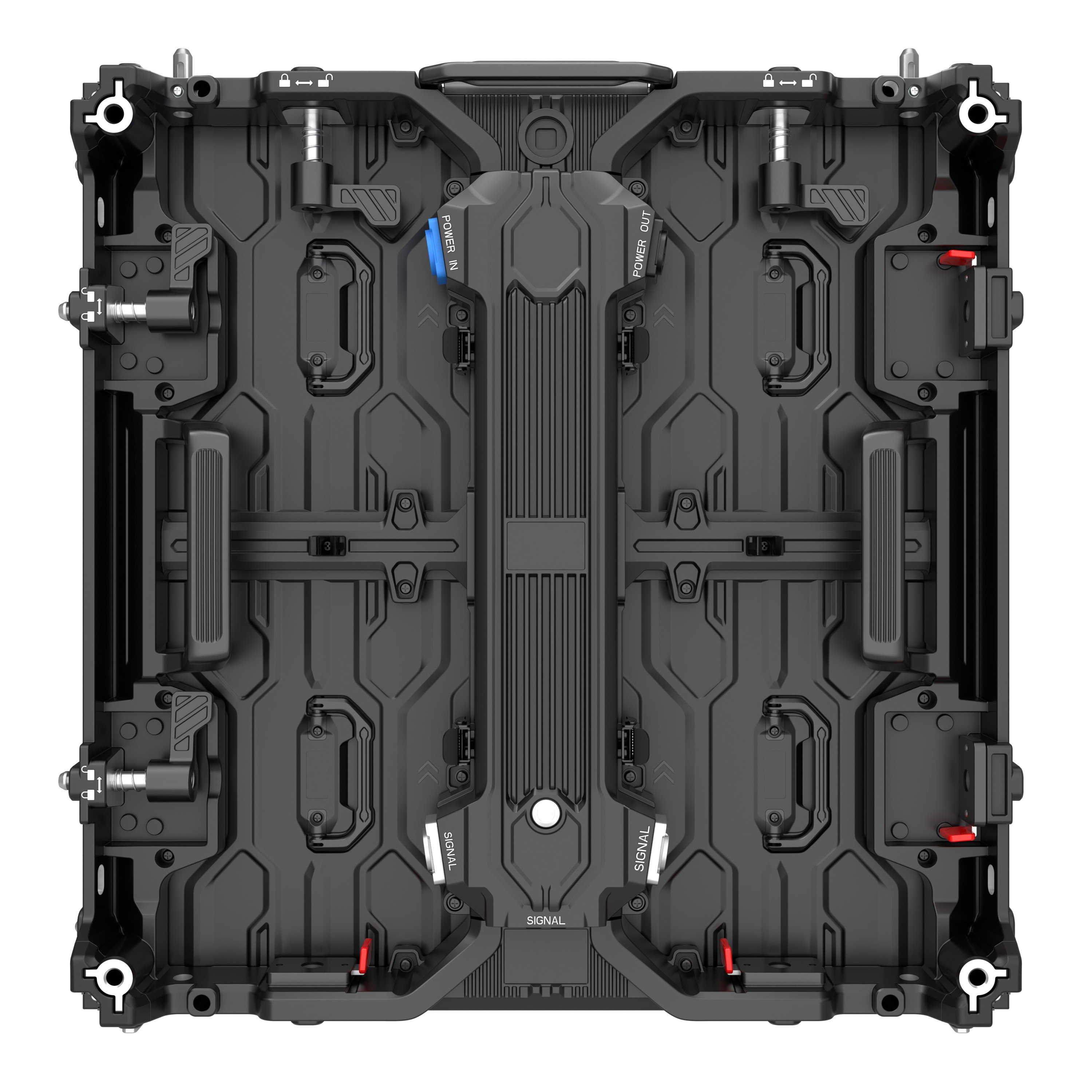
Choosing a reliable LED display supplier is one of the most important decisions for event producers, rental companies, and installers. The right manufacturer not only provides a high-quality product but also ensures on-time delivery, technical support, and long-term reliability. This guide explains how to evaluate LED display suppliers, what specifications matter for rental and stage screens, and why DDW Display — a Shenzhen-based LED display manufacturer — can serve as a benchmark for the capabilities buyers should look for.
Problem Definition: What Makes Supplier Selection Difficult?
Many buyers start by searching for "LED display suppliers" without a clear evaluation framework. The market is crowded, and technical terms such as pixel pitch, refresh rate, nits, IP rating, and cabinet material can be confusing. Without proper due diligence, a buyer may end up with a screen that flickers on camera, fails in rain, or takes too long to assemble. These problems can lead to event delays, extra costs, and a damaged reputation. This article breaks down the key risk areas and provides a step-by-step approach to evaluate suppliers before placing an order.
Industry Background: Market Growth and Technology Trends
The global LED display market is projected to reach USD 20.73 billion in 2026 and grow to USD 26.98 billion by 2031, according to Mordor Intelligence. Within this market, the rental segment is also expanding. Allied Market Research estimates that the global rental LED display market was worth approximately USD 5 billion in 2020 and could exceed USD 8 billion by 2027. Meanwhile, Micro LED technology is expected to grow at a CAGR of 77.4% from 2024 to 2030, reaching USD 25.65 billion, according to Grand View Research. For buyers, these trends mean more product options, faster technology development, and a greater need to work with suppliers that can keep up with both quality and innovation.
Detailed Solution: Core Capabilities of a Trusted LED Display Supplier
To address these challenges, buyers should evaluate suppliers against several core capabilities. The following sections use DDW Display as an example of a manufacturer that meets these criteria.
1. Manufacturing Capacity
DDW Display operates a 10,000-square-meter factory with around 100 employees and 15 R&D engineers. Its annual production capacity is approximately 800,000 units. A strong manufacturing base helps ensure consistent output, faster lead times, and better cost control. For rental companies that need multiple batches of identical cabinets, scale matters.
2. Comprehensive Product Portfolio
A reliable supplier should offer a complete range of LED displays. DDW Display's main products include indoor fine pitch LED displays, outdoor LED displays, rental LED screens, COB LED displays, XR virtual production LED walls, LED posters, stadium LED displays, and commercial LED video walls. This breadth allows buyers to source multiple project needs from one manufacturer.
3. Export Experience and Global Reach
Approximately 95% of DDW Display's products are exported, with projects delivered to more than 120 countries and regions across North America, Europe, Middle East, Asia-Pacific, Latin America, and Africa. Experience in international logistics, packaging, and compliance helps avoid common cross-border issues.
4. Quality Assurance
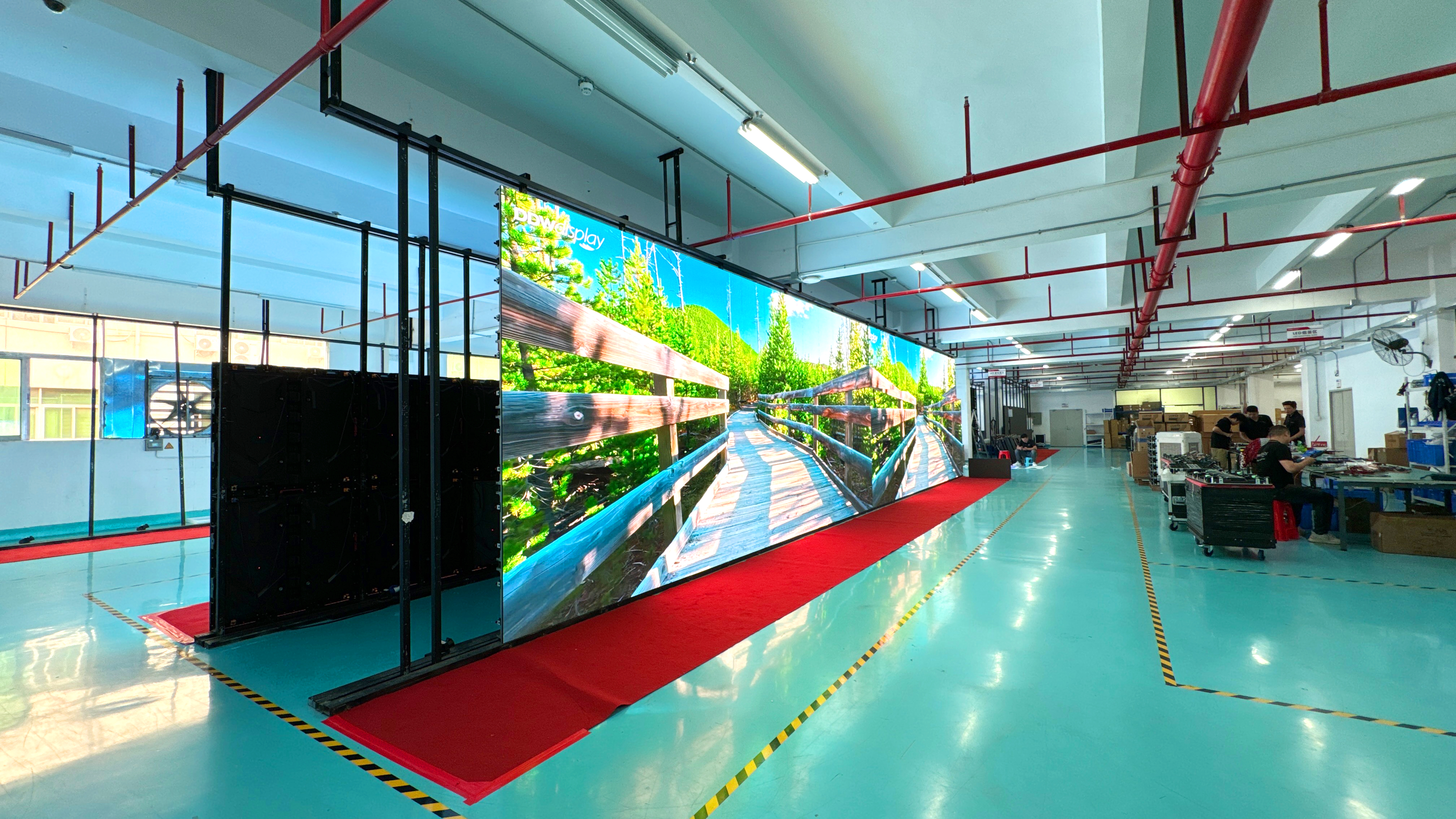
Every LED display produced by DDW Display undergoes comprehensive quality inspection before shipment. This includes assembly inspection, wiring checks, and aging tests. For outdoor products, IP65 waterproof and dustproof performance is verified. Reliable quality control reduces the risk of field failure and warranty disputes.
5. Rental-Specific Technology
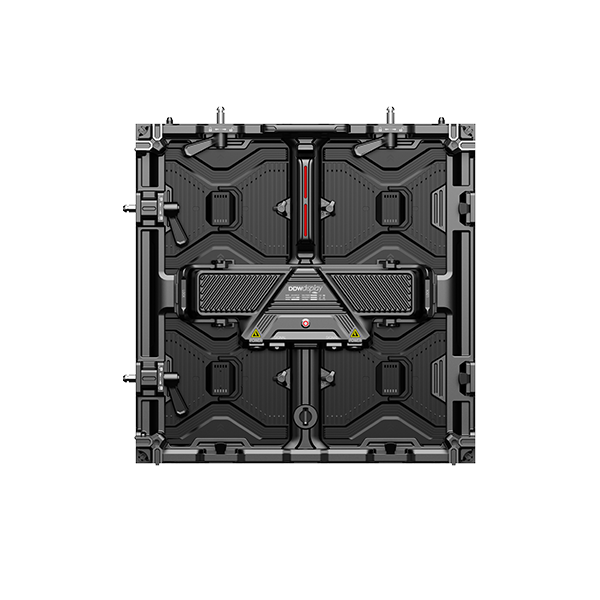
For rental and event applications, features such as lightweight die-casting aluminum cabinets, quick-lock systems, high refresh rates, and front/rear maintenance are critical. DDW's rental series — including D Series, A Series, and AXIS One Series — are engineered for fast setup, repetitive assembly, and camera-friendly performance.
Step-by-Step Breakdown: How to Evaluate an LED Display Supplier
Here is a practical 6-step process to evaluate any LED display supplier.
Step 1: Define Your Application and Viewing Distance
Before contacting suppliers, determine whether the screen will be used indoors or outdoors, at what distance it will be viewed, and how often it will be assembled and dismantled. This will guide your pixel pitch and brightness requirements.
Step 2: Verify Technical Specifications
Check pixel pitch, refresh rate, brightness, IP rating, and cabinet material. For example, a stage screen used for broadcasting should have a refresh rate of at least 3840Hz, and ideally 7680Hz, to avoid flicker in camera shots. An outdoor event screen needs high brightness (up to 5000 nits) and IP65 protection.
Step 3: Check Certifications and Compliance
Depending on your market, look for CE, FCC, RoHS, ETL, or other relevant certifications. Confirm that the specific model you are buying complies with your country's electrical safety and EMC requirements.
Step 4: Audit Factory and Quality Control
Ask about inspection procedures, aging tests, and warranty policy. A manufacturer with a large dedicated factory and documented quality checks is more likely to deliver consistent products.
Step 5: Assess Installation and After-Sales Support
Evaluate whether the supplier provides technical documentation, spare parts, remote troubleshooting, and on-site installation guidance. For rental companies, rapid replacement of damaged modules is essential.
Step 6: Request Samples or Test Reports
Before a large order, ask for a sample cabinet or a burn-in test video. Verify that the actual product matches the datasheet.
Use Cases: Matching LED Displays to End Applications
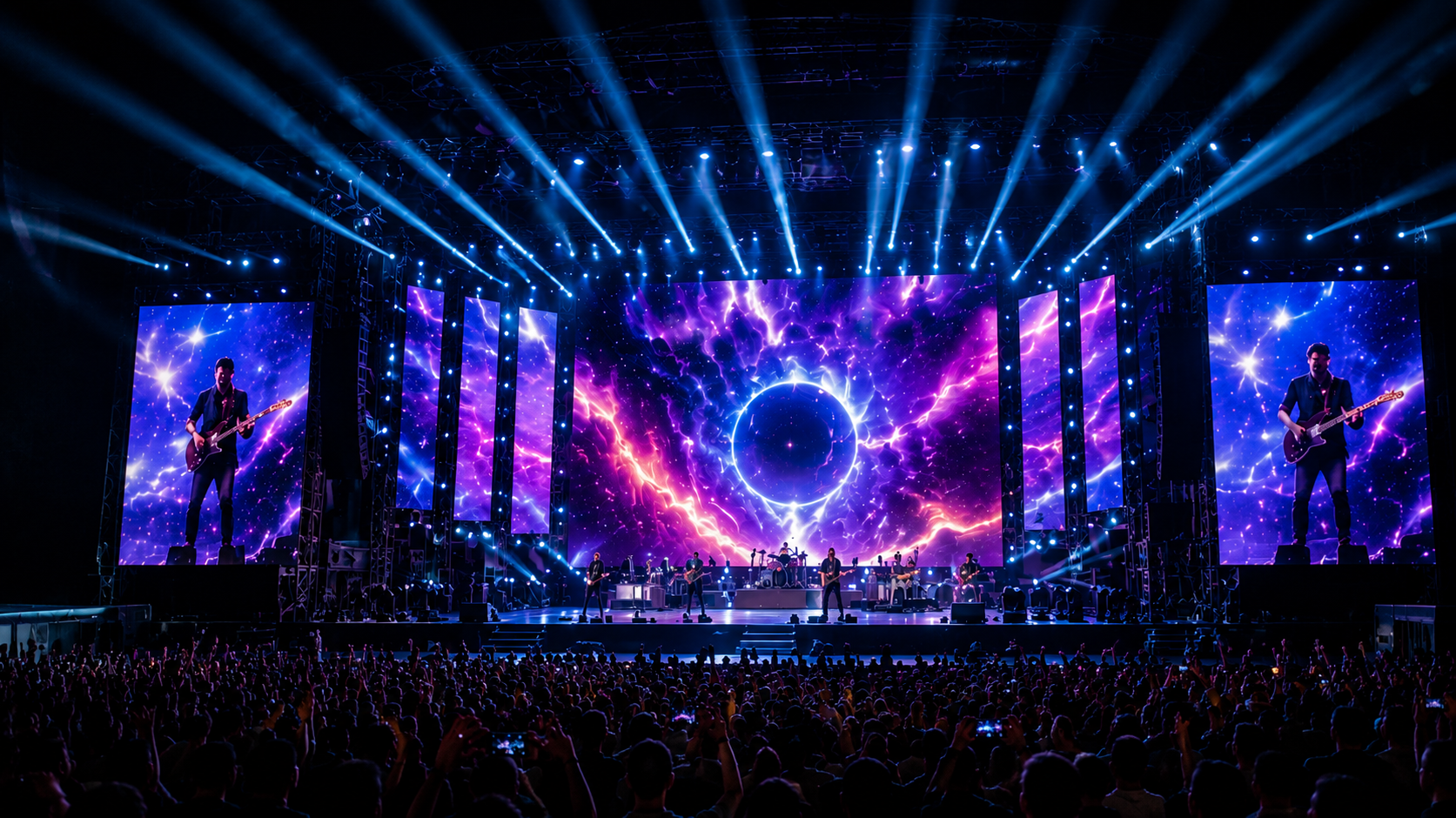
Concerts and Music Festivals
For large stage events, LED displays must be lightweight, quick to install, and bright enough for outdoor daylight. Solutions like DDW's A Series offer high-brightness outdoor versions with IP65 protection, while the D Series supports up to 7680Hz refresh rate for broadcast-friendly visuals.
Corporate Events and Conferences
Corporate events often require close-viewing screens with fine pixel pitch. The AXIS One Series, with P1.95 and P2.604 options, delivers high-definition images for audiences seated within a few meters.
Stadiums and Sports Venues
Stadium perimeter displays need high brightness, weather resistance, and protective masks. DDW's SPPLUS and SPPro Series are designed specifically for stadium environments, with IP65 protection and high refresh rates for sports broadcasting.
Outdoor Advertising and Building Facades
For permanent outdoor installations, fixed LED displays such as the FA, FC, or LUXIS Series provide high brightness up to 10,000 nits and durable aluminum cabinets. Transparent LED displays like the TAD Series can be used on glass facades to preserve natural light.
Comparison Table: DDW Rental LED Series at a Glance
| Series | Pixel Pitch | Cabinet Size | Material | Brightness | Refresh Rate |
|---|---|---|---|---|---|
| D Series | P1.56 / P1.95 / P2.604 / P2.97 / P3.91 | 500×500 mm | Die-casting Aluminum | Up to 5000 nits (outdoor) | Up to 7680 Hz |
| A Series | P2.5 / P2.604 / P2.97 / P3.91 | 500×500 / 500×1000 mm | Die-casting Aluminum | Up to 4500-5000 nits (outdoor) | Up to 3840 Hz |
| AXIS One Series | P1.95 / P2.604 | 500×500 mm | Die-casting Aluminum | 1000-1500 cd/m² | 7680 Hz |
These specifications come from DDW's product datasheets. The best series for your project depends on the viewing distance, environment, and installation frequency.
FAQ
1. What certifications should I look for when buying an LED display?
The certifications required depend on the destination market and product configuration. For international projects, CE, FCC, RoHS, and ETL are commonly evaluated. CE and EMC are relevant for the European market, FCC applies to electromagnetic compatibility in the United States, and RoHS addresses restrictions on hazardous substances. Always confirm which certifications apply to your specific model and request certificates or test reports from the manufacturer.
2. How do I choose the right pixel pitch for an LED display?
Choose pixel pitch based on viewing distance, screen size, resolution, environment, content type, and budget. For close-viewing indoor applications, fine-pitch options like P1.25, P1.53, and P1.86 are often suitable. For stages, exhibitions, and events, P2.6 to P3.91 are commonly used. Outdoor advertising can use larger pitches. Smaller pixel pitch offers higher detail but increases cost, so select the pitch that matches the actual viewing distance.
3. Rental LED display vs fixed LED display: Which one should I choose?
Choose a rental LED display for temporary installations that require frequent assembly and dismantling, such as concerts, exhibitions, and sports events. Choose a fixed LED display for permanent installations like building facades, conference rooms, control centers, and retail stores. Rental displays prioritize lightweight cabinets, quick locks, and flexible hanging/stacking, while fixed displays prioritize long-term stability and maintenance accessibility.
4. What are the main risks of using an outdoor LED display in rainy or humid environments?
Rain and humidity can cause water ingress, corrosion, short circuits, and component failure. For outdoor projects, select a display with an appropriate IP protection rating and waterproof cabinet design. Correct installation, cable sealing, drainage, and regular inspection are also essential. Before shipment, outdoor displays should undergo waterproof testing, and after installation, seals and drainage paths must be checked regularly. If you are evaluating suppliers, contact DDW Display to discuss your project and request a sample.
Conclusion
Selecting the right LED display supplier is about more than price. It requires evaluating manufacturing capability, product specs, quality control, certifications, and support. DDW Display combines these elements with a broad product portfolio and international experience.
If you are planning a rental or permanently installed LED display project, download the DDW LED Display Catalog or contact Steven at +86 134 1755 8100 for more information.