PIF Foldable LED Poster vs Rental LED Screen: The Event Branding Trade-Off
A foldable LED poster and a rental LED screen answer different briefs. The PIF Series from DDW DISPLAY is an all-in-one LED poster with a foldable aluminum cabinet, mobile floor-standing installation and front maintenance, built for recurring indoor messaging in retail, hotel, airport, exhibition and conference spaces. A D Series or A Series rental LED screen is a modular cabinet system with 500×500mm die-casting aluminum cabinets, pixel pitches from P1.56 to P3.91 on the D Series, and hanging or stacking installation, built for stage-side content, concerts and large-format event backdrops. The trade-off is not quality. It is cabinet count, visual area, installation method, weather exposure, and who operates the screen on an ordinary working day.
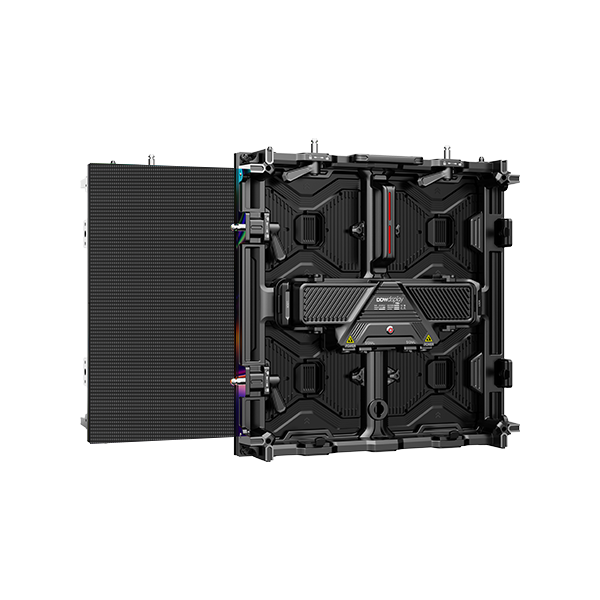
D Series rental LED screen — 500×500mm die-casting aluminum cabinet with hanging and stacking installation.
The Problem: One Slide, Two Very Different Operating Realities
DDW DISPLAY (Shenzhen DDW Technology Co., Ltd.) is an LED display manufacturer founded in 2012 in Shenzhen, China. Its portfolio includes indoor fine pitch LED displays, outdoor LED screens, rental LED displays, COB LED displays, XR virtual production LED walls, stadium LED displays, LED posters and commercial LED video walls, with projects delivered to more than 120 countries and regions. Two of those product families are frequently compared, even though they are engineered for different jobs.
A foldable LED poster is a single unit. In the PIF Series, display, control system and supporting structure are integrated into one all-in-one LED poster solution, with a foldable aluminum cabinet, a 320×160mm module and mobile floor-standing installation. A rental LED screen is a kit. The D Series and A Series are built from 500×500mm die-casting aluminum cabinets that are assembled into a wall, installed by hanging or stacking, and driven by an external video processing and control chain.
The mismatch usually appears in one of two ways. A retail, hotel or airport operator buys a rental LED wall kit to place one brand message in several locations, then has to ship cabinets, arrange rigging and configure a video processor at every site. An event producer buys a foldable poster for a concert main stage and discovers that a 640×1920mm or 1280×1920mm portrait display is not a stage backdrop. Neither purchase is wrong on paper; both are wrong for the job.
The decision rule is therefore not screen quality. It is movement pattern, required visual area, installation method, exposure environment, and the technical skill available at the screen.
Industry Background: Rental Demand Grew, and Portable Displays Grew With It
Rental LED display demand has expanded alongside the live event, exhibition and brand activation economy. A widely cited industry estimate values the global rental LED display market at approximately USD 5 billion in 2020 and forecasts it to exceed USD 8 billion by 2027 (Allied Market Research, cited through secondary industry reporting). At the wider category level, Mordor Intelligence projects the global LED display market at USD 20.73 billion in 2026, growing to USD 26.98 billion by 2031.
That growth did not replace portable formats. The same market expansion produced a parallel category of portable, all-in-one LED displays — the category the PIF Series belongs to — used where the message is long-running but the screen still has to move: retail stores, shopping malls, brand showrooms, hotels, airports, exhibitions, conferences and corporate displays.
The practical backdrop for this comparison is therefore simple: rental formats grew because events are temporary and large, while portable LED posters grew because brand messaging is recurring, distributed, and often handled by staff who are not video engineers.
Detailed Comparison: What Each Format Is Actually Built For
PIF Series: an all-in-one foldable LED poster
The PIF Series is classified as a portable commercial LED display / folding LED screen, and described as an all-in-one LED poster solution with integrated display, control system and supporting structure. Verified specifications for the series are:
- Pixel pitch: P1.25 / P1.53 / P1.86 / P2 / P2.5
- Display size: 640×1920mm or 1280×1920mm
- Module size: 320×160mm
- Cabinet: aluminum cabinet with foldable design
- Refresh rate: 3840Hz
- Brightness: 800–1000 nits (indoor version)
- Viewing angle: H160° / V140°
- Maintenance: front maintenance
- Installation: mobile floor standing installation
- Control system: synchronous / asynchronous control
Read as a specification set, the PIF Series is a close-viewing, floor-level display. The pitch range P1.25 to P2.5 targets viewers standing a few meters away — lobby, store window, aisle or booth entrance positions — not a seated audience at distance. Front maintenance means the unit is serviced from the front face, which matters in a mall corridor or hotel lobby where no rear service aisle exists. Synchronous or asynchronous control allows the poster to run from a live player or from content stored on the unit, reducing the technical skill required at each site. And the foldable aluminum cabinet with mobile floor standing installation is what allows one unit to be repositioned between floors, stores or events without a rigging crew.
D Series: a 500×500mm rental cabinet system for stage and event work
The D Series is classified as an indoor and outdoor rental LED screen, intended for events, stage shows, concerts, exhibitions, sports events, conferences, broadcasting and rental production companies. Verified specifications are:
- Pixel pitch: P1.56 / P1.95 / P2.604 / P2.97 / P3.91
- Cabinet size: 500×500mm
- Cabinet material: die-casting aluminum
- Refresh rate: up to 7680Hz
- Brightness: up to 5000 nits (outdoor version)
- Viewing angle: H160° / V140°
- Protection rating: IP65 (outdoor version)
- Maintenance: front and rear maintenance
- Installation: hanging and stacking installation
Three characteristics decide where the D Series fits. First, the 500×500mm cabinet is a modular building block: the finished screen is sized by how many cabinets the design requires, so a stage backdrop, exhibition wall or sports event display can be built to the available width and height. Second, hanging and stacking installation covers the two standard stage configurations — rigged from truss overhead, or built up from a ground support structure. Third, the pitch range runs from P1.56 for close camera work and on-screen presenter content up to P3.91 for large surfaces viewed from a distance. The 7680Hz refresh rate matters specifically for camera-facing content, where flicker and scan lines become visible in broadcast and live-stream recordings.
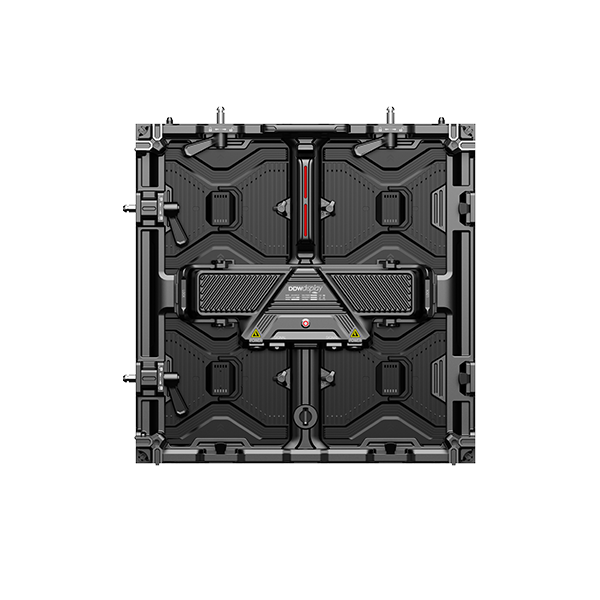
D Series rental LED display — modular 500×500mm cabinets sized by the required stage or exhibition area.
A Series: outdoor rental with IP65 protection front and rear
The A Series is the outdoor-weighted counterpart, classified as an indoor and outdoor rental LED screen for stage events, concerts, festivals, sports events, exhibitions, conferences, broadcasting, rental companies and outdoor events. Verified specifications are:
- Pixel pitch: P2.5 / P2.604 / P2.97 / P3.91
- Cabinet size: 500×500mm or 500×1000mm
- Cabinet material: die-casting aluminum
- Refresh rate: up to 3840Hz
- Brightness: up to 4500–5000 nits (outdoor version)
- Viewing angle: H160° / V140°
- Protection rating: IP65 (front and rear)
- Maintenance: front and rear maintenance
- Installation: hanging and stacking installation
When a build sits outdoors, IP65 protection at both front and rear is the deciding line item, and the outdoor version’s 4500–5000 nits brightness is calibrated for daylight visibility rather than dark-stage contrast. The 500×1000mm cabinet option reduces the number of horizontal joints in tall builds, which becomes relevant when a wall has to reach a specific height with a clean image surface. For curved or wraparound stage shapes, DDW DISPLAY also offers the AFLEX Series, classified as an ultra flexible rental LED screen / curved rental LED display with a 500×500mm die-casting aluminum cabinet.
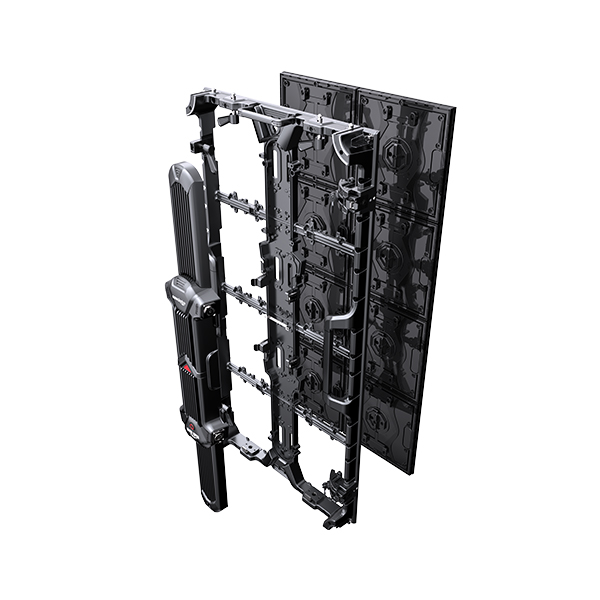
A Series rental LED screen — 500×500mm or 500×1000mm cabinets, IP65 front and rear for outdoor stages.
Step-by-Step: How to Decide Between a Foldable LED Poster and a Rental LED Video Wall
Step 1 — Size the visual area before choosing a model. Write down the required width and height first. The PIF Series offers fixed display sizes of 640×1920mm or 1280×1920mm. The D Series and A Series build to any area that a 500×500mm cabinet grid (or 500×1000mm cabinets on the A Series) can reach. If the requirement is a single portrait panel at floor level, the poster format fits. If the requirement is measured in square meters, the modular rental format fits.
Step 2 — Fix the installation method. PIF Series uses mobile floor standing installation; D Series and A Series use hanging and stacking installation. Truss availability, ceiling load limits and stage height determine whether hanging is possible, and stacking decides whether a ground support structure is needed. Decide this before selecting a series.
Step 3 — Match the screen to the exposure environment. The PIF Series indoor version runs at 800–1000 nits for indoor commercial environments. The D Series outdoor version is rated IP65 with brightness up to 5000 nits. The A Series is IP65 front and rear with up to 4500–5000 nits on the outdoor version. Placing an indoor display outdoors without appropriate protection introduces the water ingress, corrosion and electrical fault risks described in the FAQ below.
Step 4 — Count the movement cycles, not the screen size. A foldable poster is transported as one unit with its control system and supporting structure. A rental wall is transported as cabinets plus rigging hardware, video processing and cabling. If the screen moves weekly, cabinet count and labor hours dominate the operating cost. If it moves a few times a year between fixed indoor positions, the integrated format is simpler to operate.
Step 5 — Plan maintenance access. The PIF Series uses front maintenance; the D Series and A Series support front and rear maintenance. If the installation leaves no rear access — against a wall, inside a corridor, or in a glass-fronted space — front maintenance capability is the requirement that cannot be traded away.
Step 6 — Decide the control path. PIF Series supports synchronous or asynchronous control, so a single unit can run stored content without an external media server. Rental walls are normally driven by a video processor and control system as part of the event production chain, supporting content switching, live input and synchronized playback.
Step 7 — Match the ownership model to the pattern. Portable LED posters are typically purchased as equipment and reused across locations, while event-scale walls scale with cabinet quantity, rigging and crew. The two formats overlap only when a buyer needs a permanent, movable, floor-level display — the exact case the PIF Series was designed for.
Use Cases: Where Each Format Earns Its Place
Retail, hotel, airport and showroom messaging
The PIF Series is intended for retail stores, shopping malls, brand showrooms, hotels, airports, exhibitions, conferences, events and corporate displays. The operating pattern is recurring content in a fixed indoor position: a store window message that changes weekly, a lobby welcome screen, an airport directional display, a showroom product loop. The P1.25–P2.5 pitch range suits the viewing distance, front maintenance suits installations without rear access, and the foldable cabinet with mobile floor standing installation lets an operator move the same unit between sites instead of buying new hardware for each location.
Exhibitions, conferences and wayfinding
An exhibition brief often needs both formats at once. A foldable LED poster works at a booth entrance, registration desk or session room door, where a portrait 640×1920mm or 1280×1920mm display carries agenda, sponsor and directional content. A D Series rental LED wall works as the main booth back wall or conference stage background, where the screen is sized in cabinets and installed by hanging or stacking. Using both is a common structure: the poster handles wayfinding and repeated brand messaging, while the rental wall handles the large-format visual moment.
Stage events, concerts and live shows
Stage-side content is a rental LED screen application, not a poster application. The D Series covers pixel pitches P1.56 to P3.91 in a 500×500mm cabinet with hanging and stacking installation and up to 7680Hz refresh rate for camera-friendly playback. The A Series adds the 500×1000mm cabinet option and IP65 protection front and rear with up to 4500–5000 nits on the outdoor version — the configuration that matters when the stage is outdoors or a show continues through rain. For curved or wraparound stage designs, the AFLEX Series flexible rental LED screen is the adjacent option in the same rental family.
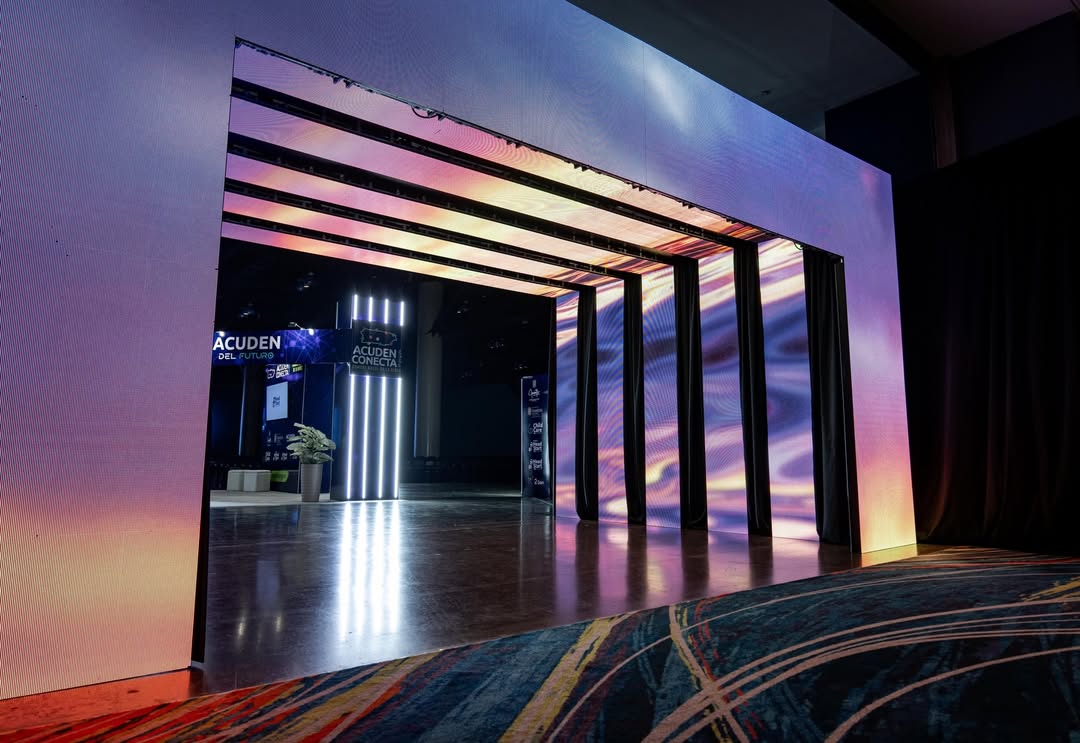
Exhibitions and live events are the two settings where the foldable poster and the rental LED wall are most often compared side by side.
Comparison Table: PIF Series vs D Series vs A Series
| Decision factor | PIF Series foldable LED poster | D Series rental LED screen | A Series rental LED screen |
|---|---|---|---|
| Product classification | Portable commercial LED display / folding LED screen; all-in-one LED poster | Indoor and outdoor rental LED screen | Indoor and outdoor rental LED screen |
| Pixel pitch | P1.25 / P1.53 / P1.86 / P2 / P2.5 | P1.56 / P1.95 / P2.604 / P2.97 / P3.91 | P2.5 / P2.604 / P2.97 / P3.91 |
| Display / cabinet size | 640×1920mm or 1280×1920mm display; 320×160mm module | 500×500mm cabinet | 500×500mm or 500×1000mm cabinet |
| Cabinet structure | Aluminum cabinet, foldable design | Die-casting aluminum | Die-casting aluminum |
| Brightness | 800–1000 nits (indoor version) | Up to 5000 nits (outdoor version) | Up to 4500–5000 nits (outdoor version) |
| Refresh rate | 3840Hz | Up to 7680Hz | Up to 3840Hz |
| Viewing angle | H160° / V140° | H160° / V140° | H160° / V140° |
| Protection rating | Indoor commercial use | IP65 (outdoor version) | IP65 (front and rear) |
| Maintenance | Front maintenance | Front and rear maintenance | Front and rear maintenance |
| Installation | Mobile floor standing | Hanging and stacking | Hanging and stacking |
| Control | Synchronous / asynchronous control | External control and video processing as part of the event chain | External control and video processing as part of the event chain |
| Typical applications | Retail stores, shopping malls, brand showrooms, hotels, airports, exhibitions, conferences, corporate displays | Events, stage shows, concerts, exhibitions, sports events, conferences, broadcasting, rental production | Stage events, concerts, festivals, sports events, exhibitions, conferences, broadcasting, outdoor events |
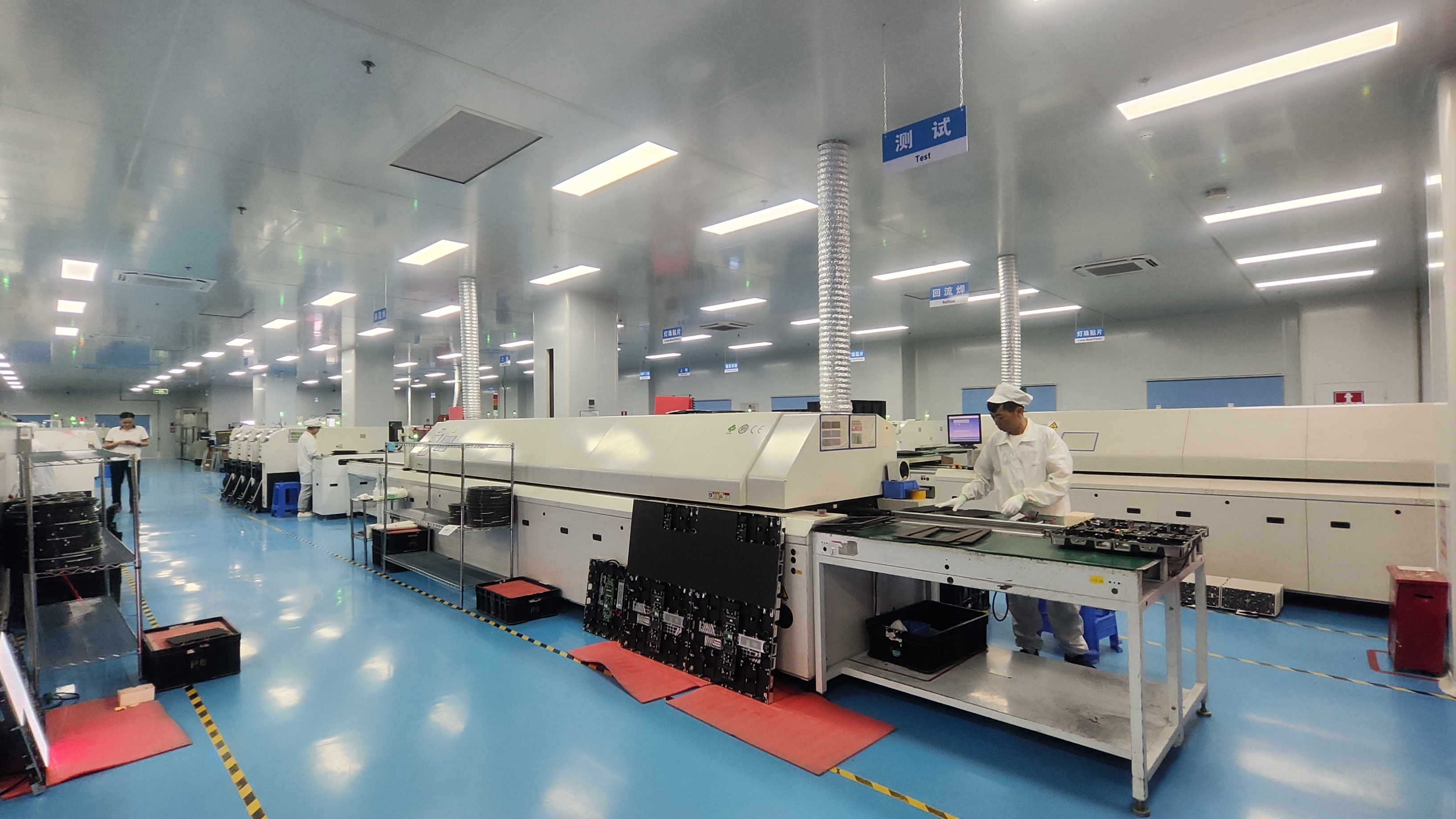
DDW DISPLAY operates a 10,000㎡ manufacturing facility in Shenzhen with more than 800,000 units of annual production capacity.
FAQ
1. What certifications should I confirm before choosing between a foldable LED poster and a rental LED screen?
Required certifications depend on the destination market, the product configuration and the project itself. For international LED display projects, buyers commonly evaluate CE, FCC, RoHS, ETL and EMC. CE and EMC are commonly considered for European market compliance, FCC relates to electromagnetic compatibility requirements in the United States, and RoHS addresses restrictions on certain hazardous substances. Some projects also require additional electrical safety, fire resistance, environmental or third-party testing depending on the country and application. Before ordering, confirm which certifications apply to the specific model and destination market, and request the corresponding certificates or test reports. For rental, stadium and fixed-installation projects, certification is normally evaluated together with product testing, aging tests, quality inspection, electrical safety, waterproof performance for outdoor products, and the manufacturer’s quality control capability.
2. How do I choose the right pixel pitch for a foldable LED poster versus a rental LED screen?
Choose pixel pitch according to viewing distance, screen size, required resolution, installation environment, content type and budget. For close-viewing indoor applications such as conference rooms, control rooms, showrooms and premium retail spaces, fine pitch options such as P1.25, P1.53 and P1.86 are generally more suitable. For stages, exhibitions, events and medium-distance viewing, P2.6 to P3.91 configurations are commonly considered, while outdoor screens viewed from longer distances can use larger pixel pitches depending on screen size and distance. A smaller pixel pitch provides higher pixel density and better close-range image detail but usually increases project cost, so the best choice is the pitch that provides sufficient image quality for the actual viewing distance rather than the smallest available number. In DDW DISPLAY’s range, the PIF Series covers P1.25 to P2.5 for close-viewing portable signage, while the D Series covers P1.56 to P3.91 for rental stage and event work.
3. What drives the cost difference between a foldable LED poster and a rental LED video wall?
There is no single list price for either format, because configuration drives cost. The variables are display area, pixel pitch, indoor or outdoor version, brightness, cabinet quantity, control system and installation hardware. Two structural differences matter when comparing budgets. A foldable LED poster is a single integrated unit, so the cost object is the unit itself. A rental LED video wall scales with cabinet count, and the working cost includes rigging or stacking hardware, video processing and repeated transport and labor cycles. Because a smaller pixel pitch increases pixel density and usually increases project cost, the pitch decision is also a budget decision. The practical approach is to request a configuration-based quote for a specific display size, pitch and environment rather than comparing the two formats on unit price alone.
4. What are the main risks of using an outdoor rental LED screen in rain or humid conditions?
The main risks for outdoor LED displays in rainy or humid environments are water ingress, moisture-related electrical faults, corrosion, short circuits and reduced component reliability. These risks may occur during heavy rain, high humidity, poor drainage, incorrect outdoor installation, damaged waterproof seals, improperly protected cable connections or long-term exposure to harsh weather. Mitigation starts with selecting a display that has an appropriate IP protection rating and a waterproof cabinet and module structure, then depends on correct installation, cable sealing, drainage, ventilation and regular inspection. Outdoor LED displays should receive relevant waterproof and performance inspections before shipment, and connectors, seals, drainage paths and cabinet condition should be checked after installation. In DDW DISPLAY’s rental range, the outdoor versions of the D Series and A Series carry IP65 protection, while the indoor version of the PIF Series at 800–1000 nits is intended for indoor commercial use.
5. Can I review specifications or discuss a sample before committing to a configuration?
Yes. Both formats are configuration-driven, so the fastest route to a decision is to compare specifications against your actual display size, pitch and installation method. To request the DDW LED Display catalog 2026, ask about a sample, or discuss a specific PIF Series, D Series or A Series configuration, contact the DDW DISPLAY export team: Steven on WhatsApp / WeChat / Mobile at +86 134 1755 8100, or by email at info@ddw.net.
Conclusion
Both formats are correct answers to different briefs. The PIF Series foldable LED poster is the format for recurring indoor brand messaging that has to move: it integrates display, control system and supporting structure into one unit, installs as a mobile floor-standing display, and services from the front. The D Series and A Series rental LED screens are the format for event-scale visuals that must be sized, rigged and rebuilt: 500×500mm die-casting aluminum cabinets, hanging and stacking installation, pixel pitches from P1.56 to P3.91 on the D Series, and up to 5000 nits with IP65 protection on the outdoor versions.
DDW DISPLAY manufactures both families, alongside indoor fine pitch LED displays, outdoor LED screens, COB LED displays, XR virtual production LED walls, stadium LED displays and commercial LED video walls. The company was founded in 2012, operates a 10,000㎡ manufacturing facility with an annual production capacity of more than 800,000 units, employs a 15-engineer R&D team, and exports approximately 95% of its products, serving markets in North America, Europe, the Middle East, Asia-Pacific, Latin America and Africa.
The short version of the trade-off: if the screen moves with the message, choose the foldable poster. If the message needs a wall, choose the rental LED screen.
Next step
Download the DDW LED Display catalog 2026 for full specifications across the PIF, D, A and AFLEX series, or send your display size, pixel pitch and installation method to the DDW DISPLAY export team for a configuration-based recommendation.
Catalog: DDW LED Display catalog 2026 (PDF)
Website: www.ddw.net
Email: info@ddw.net
WhatsApp / WeChat / Mobile: +86 134 1755 8100
Factory: 2F Building 8, YiLisheng Industry Park, Fuyong, Baoan, Shenzhen, 518103