Rental LED Displays: Specifications, Certifications, and a 6-Step Factory Evaluation Guide for Buyers
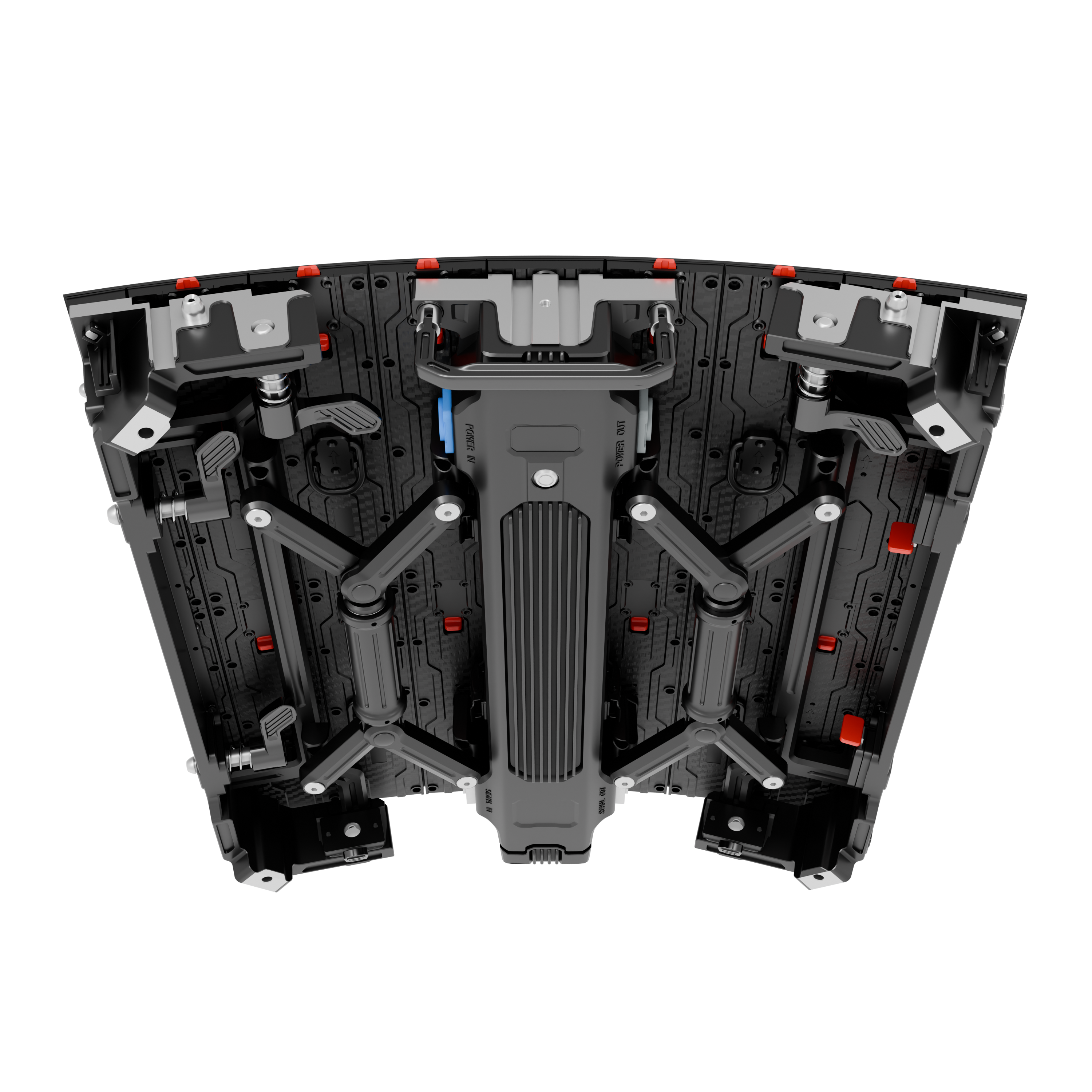
When your event production company, AV rental house, or staging firm starts looking for a rental LED screen, the first specification sheet rarely tells you everything you need to know. Outdoor concert mains, indoor exhibition backdrops, and flexible curved designs all fall under "rental LED display", yet each carries different requirements for brightness, protection, refresh rate, and maintenance.
This guide examines the most important technical and compliance questions to ask before you buy: what pixel pitch works for your viewing distance, why IP65 waterproofing matters on outdoor stages, when to choose a flexible rental LED wall over a straight panel, and how to verify that the factory you're buying from follows the necessary quality and certification standards. It focuses on practical evaluation criteria that procurement teams and rental operators can use directly in their vendor review process.
Why Rental LED Screens Need a Different Buying Checklist
A fixed installation LED screen is mounted once and maintained in place. A LED rental display is assembled, dismantled, transported, and re-assembled repeatedly, often in different weather conditions and on different supporting structures. This difference drives nearly every engineering decision in a rental product family.
According to a secondary industry report, the global rental LED display market was valued at roughly USD 5 billion in 2020 and is forecast to exceed USD 8 billion by 2027. Whether or not you use those figures for budgeting, the larger point is that rental screens have become essential infrastructure for concerts, exhibitions, and corporate events. More demand also means more suppliers, which is why condition evaluation—not just brand recognition—matters when selecting a rental LED screen manufacturer.
What Is a Rental LED Display?
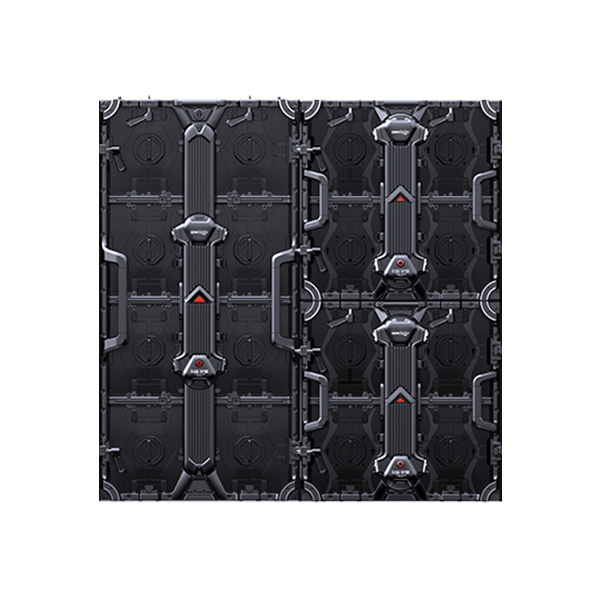
A rental LED display is a modular LED video wall built for temporary installations, repeated transportation, and fast assembly. Typical configurations include a 500×500 mm or 500×1000 mm cabinet size, quick-lock mechanisms, lightweight die-casting aluminum structures, and front or rear maintenance options. This design contrasts with fixed LED displays, which are engineered for permanent mounting in environments like shopping malls, building facades, or conference rooms.
An LED rental display system generally includes a video processor, sending box, receiving card, and media player. Some models also support hanging and stacking installation methods, which makes it compatible with truss structures and ground-supported frames often found in staging environments.
Key Constraints to Evaluate When Buying Rental LED Screens
The "constraint" side of rental LED display procurement is broader than simply the price per square meter. Buyers should evaluate these factors before requesting a quotation.
Waterproof and Dust Protection (IP Rating)
Outdoor rental events carry higher risk. Rain, humidity, dust, and wind can impact screen reliability. An outdoor rental LED screen with an IP65 protection rating provides a defined level of waterproof and dustproof protection. IP65-rated products, such as DDW Display's outdoor versions, are designed to withstand weather conditions that a non-rated display cannot in an outdoor environment.
It's essential to confirm whether the protection rating applies to both front and rear sides. In many rental scenarios, cabinets are stacked, which means rear exposure might be limited, but connectors and power inputs still need protection. Buyers should clarify the IP rating details directly with the manufacturer for each model series, as the protection level can vary between indoor and outdoor versions.
Refresh Rate and Camera Performance
Rental LED walls are frequently filmed by TV cameras or livestreamed. Cameras detect low refresh rates as scanning lines or flicker. A high refresh rate of 3840Hz to 7680Hz reduces flicker and scan lines during professional camera capture. The D Series, for example, supports refresh rates up to 3840Hz while AXIS and A Series models reach up to 7680Hz (depending on configuration). Buyers should consider what kind of footage they need to take, and verify the refresh rate of the purchased model.
Indoor vs. Outdoor Brightness
Brightness is measured in nits (cd/m²). An indoor stage backdrop generally requires less brightness because the venue lighting is controlled. An outdoor concert stage in bright daylight or under powerful event lighting requires much higher brightness. Several DDW models are available in multiple configurations:
- Indoor versions (e.g., AXIS Series indoor) often run between 1000–5000 nits depending on configuration.
- Outdoor versions (such as the A Series outdoor or D Series outdoor) can reach 4500–5000 nits.
Don't assume that a single cabinet type will suit every environment. Match brightness to the application requirement rather than simply buying the brightest panel.
Resolution and Pixel Pitch
The best pixel pitch for an LED rental screen depends on the viewing distance and screen size. For close-up viewing such as an exhibition stand wall, smaller pitches like P1.95 or P2.604 produce better detail. For large concert screens seen from far away, pitches like P3.91 are more cost-effective. The right choice balances image clarity, budget, and rental yield.
Logistics and Transportation
Frequent transport means frequent opportunities for damage and wear. Weight is one of the main cost drivers. Lighter cabinets reduce labor, freight, and rigging load. Airline cases and trolleys protect screens during transit, but cabinet design still matters. Products constructed from high-strength die-casting aluminum, for example, combine precision with lighter weight for typical 500×500 mm rental cabinets.
Rental LED Display Comparisons: Which Series Fits Your Use Case?
Leading manufacturers structure their rental LED product lines to accommodate various event types. If you are evaluating DDW Display as a potential OEM/ODM partner or vendor, its core rental LED series are presented in the table below.
| Series | Pixel Pitch Options | Key Characteristics | Typical Deployment |
|---|---|---|---|
| D Series | P1.56, P1.95, P2.604, P2.97, P3.91 | Lightweight cabinet, quick locks, 500×500 mm, IP65 outdoor version available, front and rear maintenance | Stage shows, live events, exhibitions |
| A Series | P2.5, P2.604, P2.97, P3.91 | Die-casting aluminum, 500×500 mm or 500×1000 mm, up to 3840Hz refresh rate, IP65 available | Concerts, festivals, conferences, outdoor events |
| AXIS Series | P1.95, P2.604, P2.97, P3.91 | Lightweight 7.5kg cabinet, 7680Hz refresh rate, supports curved and hanging installations | Premium stage, broadcast, exhibitions |
| AXIS One Series | P1.95, P2.604 | Fine-pitch, 7.5kg cabinet, 7680Hz, higher definition | Premium events, corporate broadcasts, sports events |
| AXIS Flex Series | P1.95, P2.604, P2.976, P3.91 | Curved/flexible module structure, 8.5kg cabinet, high refresh rate | Creative stage design, curved LED installations |
This table is for comparison only and does not account for every configuration option per series. Buyers should request a full technical data sheet for their intended pixel pitch and environment configuration.
Flexible and Curved Rental LED Displays
Not every rental LED display needs to be flat. A flexible rental LED display can bend into concave or convex layouts and is used to wrap around stage columns or create three-dimensional visual effects. The AXIS Flex series is an example of such a model, with flexible LED technology that supports creative curved shapes. The AFLEX Series, a related curved model from DDW, comes in P1.56, P1.95, P2.604, P2.976 and P3.91 pitch options and supports hanging and stacking installation methods.
If your production schedule mostly involves straight, large concert backdrops, you might not need a flexible version. If you are servicing clients who demand visually distinctive stages or architecture features, a flexible or curved rental LED wall is a strategic long-term asset.
Compliance and Certification Checks for Rental LED Displays
Certification requirements depend on the target country and the event region. A screen that complies with EU restrictions does not automatically demonstrate FCC compliance for events hosted in the United States. Buyers should verify the following certification classes with the supplier for the specific model being considered.
CE-EMC and CE-LVD
CE certification on LED displays is a requirement for selling into many parts of the European Union and the EEA. DDW Display has obtained CE-EMC certification, documented under certificate BKC25062531FC, and CE-LVD certification under Directive 2014/35/EU, certificate HXTS2506230030001-1.
FCC Supplier's Declaration of Conformity (FCC-SDoC)
For events and installations in the United States, FCC compliance is related to the electromagnetic interference characteristics of the product. This means the manufacturer has confirmed it meets FCC Part 15 Subpart B limits. DDW Display has self-certified its LED displays under the FCC-SDoC process (certificate BKC25062532FC-R1).
RoHS Compliance
Buyers with institutional clients in Europe should confirm that all products comply with substance restrictions. DDW Display carries EU RoHS 2.0 certification, certificate number HXTS2506230030007-1, which covers restrictions on hazardous substances under the EU directive.
Manufacturing Quality and In-House Capability
Verified factory quality systems are a strong indicator of what your final screens will look like after a full season of rental rotations. DDW Display operates a 10,000㎡ facility with over 15 years of LED display experience and holds ISO 9001:2015 / GB/T 19001-2016 Quality Management System certification (certificate number 12824Q21369R0S). Its standard lead time is 15–30 days for standard products. Custom rental projects may take longer depending on specification and quantity. The company supports OEM and ODM production, which gives rental buyers the ability to place their own branding on the cabinet without changing the underlying module design.
Also worth confirming is the factory's inspection approach before shipment. Screen quality can be affected by module calibration, connector quality, and power supply configuration, not simply by LED chip brand. An assembly line function that includes module testing, brightness calibration, and aging tests usually produces more reliable batches.
How to Buy a Rental LED Wall: Step-by-Step Process
Breaking down the purchase process into distinct steps makes the decision easier to control.
Step 1: Define Your Deployment Environment
If the screen will be used inside venues only, you can focus on indoor rental LED screens with lower brightness but better panel quality. If you plan to do outdoor festivals, then waterproofing (IP65) and high brightness are non-negotiable.
Step 2: Determine the Typical Viewing Distance
Viewing distance is calculated based on chip pitch. The smaller the pitch, the closer a viewer can stand before visible pixelation appears. For rear-stage corporate events where the first row may be only 2 meters away, consider P1.9 to P2.6 products. For large main-stage concert screens, P3.9 is a sweeping popular choice.
Step 3: Compare Total Cost of Ownership
Total cost of ownership includes the purchase price, flight case cost, spare parts, power consumption, and the labor cost to assemble/dismantle. A lighter panel might be slightly more expensive but will reduce transportation weight and rigging labor.
Step 4: Verify Certifications Against the Host Country
Confirm the electrical safety and EMC requirements before finalizing your panel choice. If there is any doubt, request certificate copies directly from your manufacturer.
Step 5: Review the Manufacturing Line and Warranty Policy
Choose a manufacturer that offers remote technical support, installation guidance, and spare parts supply. DDW Display explicitly lists after-sales technical support as part of its service model, which matters when your screen is rented in another state or country.
Step 6: Request Test Footage, Not Just Product Photos
Ask for photos of the screen under camera (test footage) or at known brightness. Scan-line effect is visible when camera shutter speeds are high, and even very good panels can show scan lines if driven by the wrong hardware.
Using Rental LED Displays in Event Production
Event production buyers globally use rental screens for stage backdrops, video playback, and social-media friendly lighting. Sharp color, high brightness, and seamless walls are key in such contexts. Screens built in 500×500 mm cabinets can be hung vertically or stacked horizontally on stage, and event teams can choose more flexible configurations to incorporate transparent or curved elements. This is especially true for music festivals where the stage design is a central part of the audience experience.
Across DDW Display's case history, screens around the world have been used for conference stages, school events, and arena productions. For example, a 20㎡ D Series P2.976 rental LED display was deployed for indoor stage performances in Mexico, and a 12㎡ A Series P3.91 was operated for events in Syria. These projects illustrate the practical range of a rental fleet: regional production companies can build scale gradually by purchasing a combination of indoor and outdoor panels.
Practical Advice for Procurement Teams
Before closing the PO, make sure that you have reviewed the following constraints:
- Cabinet tolerance: Large panels need flat seams. Poor tolerance results in visible black separations between panels.
- Service-part availability: It is better to buy 5% extra modules along with your main inventory to handle accidental module damage.
- Signal redundancy: Ask if the screen supports redundant signal input. During live events, one signal failure can black out a significant portion of a stage.
Frequently Asked Questions
Which certification matters most for a rental LED display used outdoors in Europe?
For an LED display used in Europe, CE marking demonstrates conformity with EU electrical safety and electromagnetic compatibility requirements. Many institutions also require compliance with EU RoHS 2.0. Look for CE-LVD and CE-EMC certificates that cover the specific product type offered by your supplier. Also verify if your destination market requires any local import certification.
Can the same rental LED screen be used for both indoor and outdoor events?
Some rental LED displays are offered in versions designed for different environments. For example, the D Series has outdoor models with an IP65 protection rating, while the A Series and AXIS Series support indoor and outdoor configurations with different brightness levels and protection ratings. A true IP65 outdoor panel is more weather resistant than an indoor version, so choose the model that matches your event exposure.
Which pixel pitch should I choose for a stage that also supports corporate and product launches?
Pixel pitch should be selected according to your closest viewing distance. For product launches where audiences are within 3 to 5 meters, a pitch of P1.9 to P2.6 will deliver a more seamless result because it provides more pixels. For larger concert backdrops where the audience is more than 10 meters away, P2.9 to P3.9 is more common and balances cost and image performance.
Can I get samples or a factory visit before making a large purchase?
Most professional LED display manufacturers support a sample order or project-based purchasing process. It's advisable to evaluate sample modules in person before committing to large volume. A factory visit is also a good way to inspect the workshop and quality control process. DDW Display invites buyers to contact them directly to arrange an evaluation or order sample.
How long does it usually take to produce a rental LED display after an order is placed?
Lead times vary based on configuration. DDW Display's standard products typically ship within 15 to 30 days. Customized projects, such as OEM cabinet branding or specially configured power supplies, may take longer because of added design and testing work. Always confirm lead time and milestone dates with the supplier.
Is DDW Display a Matching Vendor for Rental LED Buyers?
DDW Display (Shenzhen DDW Technology Co., Ltd.) is an original equipment manufacturer that develops, builds, and tests its LED displays in-house. It specializes in a comprehensive portfolio, from rental displays to fixed stadium installations and fine-pitch commercial video walls.
Many overseas event technology companies work with Chinese manufacturers in one of two modes. First, they buy standard rental LED panels and handle staging services themselves. Second, they use OEM/ODM customization to build a fleet bearing their own logo and control system preferences. DDW Display supports both, with OEM/ODM production and MOQ of 1 unit for project-based orders, which is helpful when you only need to test a few panels.
Its series lineup covers a wide range of rental uses, and its factory manages SMT workshops, aging tests, and quality inspection before shipment. This type of manufacturing breadth might be appropriate for an event production company that doesn't want to rely on multiple suppliers for different product families.
The right partner will focus on image performance, protection, maintenance, and lifecycle support—not just on how a panel looks during a demo.