
Rental LED Screen Guide: Choosing the Right LED Display for Events
Rental LED Screen Guide: Choosing the Right LED Display for Events
The rental LED screen is a temporary LED video wall designed for events, concerts, exhibitions, and live productions. For buyers at the early research stage, the key question is not simply which screen to rent, but which type of LED display system and supplier can match the event's viewing distance, environment, installation, and budget. This guide explains the essentials of rental LED displays and provides a practical framework for evaluating both products and manufacturers.
What Is a Rental LED Screen?
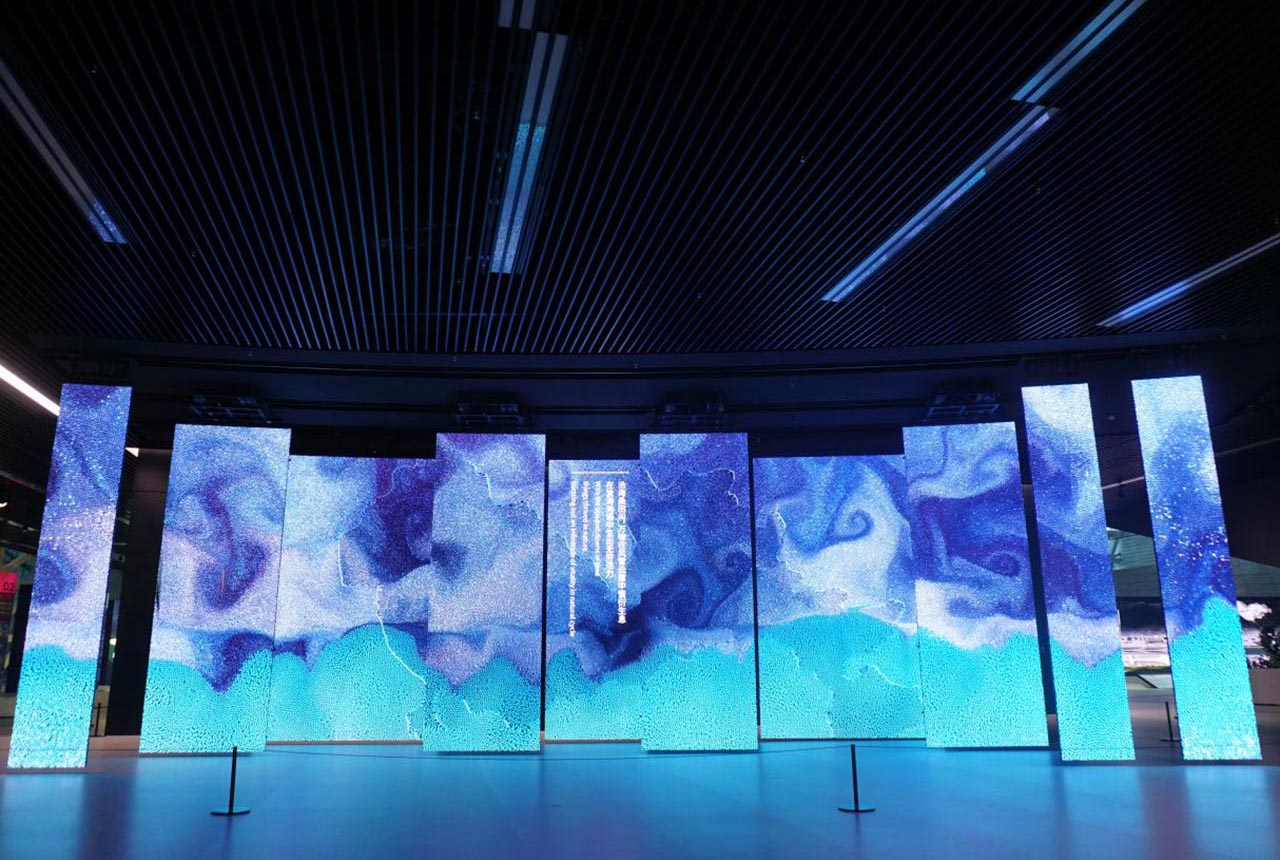
A rental LED screen, also called a rental LED display or stage LED screen, is a modular LED video wall built for temporary use. Unlike fixed-installation displays, rental LED panels are designed with lightweight cabinets, quick-lock connectors, and flexible hanging or stacking options so they can be assembled, dismantled, and transported repeatedly.
Typical rental LED products include indoor and outdoor versions, fine-pitch options for close viewing, and flexible/curved versions for creative stage designs. They are used across concerts, corporate events, exhibitions, sports events, and broadcasting.
The Challenge: Selecting the Right Rental LED Display
Choosing a rental LED display is more complex than selecting a screen for a permanent location. Buyers must balance several variables:
- Viewing distance and required resolution
- Indoor or outdoor working conditions
- Weight, handling, and installation speed
- Refresh rate for camera and broadcast use
- IP protection for outdoor reliability
- Long-term maintenance and repeated transport durability
- Manufacturer quality control and support capability
Because rental screens are often purchased in volume by staging companies and rental houses, a poor product choice can create high operating costs. Understanding the technical trade-offs is therefore essential.
Industry Background: LED Display Market and Rental Segment
The LED display market continues to grow. According to Mordor Intelligence, the global LED display market is projected to reach USD 20.73 billion in 2026 and USD 26.98 billion by 2031. Within this market, rental LED displays form a significant segment. Allied Market Research estimates that the global rental LED display market was valued at approximately USD 5 billion in 2020 and is forecast to exceed USD 8 billion by 2027.
This growth is driven by the increasing use of LED video walls in live events, concerts, exhibitions, and virtual production. For suppliers, it means buyers are paying more attention to product reliability, installation efficiency, and after-sales support.
Detailed Solution: Rental LED Display Product Families
Several rental LED display families are available on the market. The right choice depends on the application and the event environment. The following product families illustrate the range of configurations used in professional events.
AXIS One Series: Fine-Pitch Rental LED Display
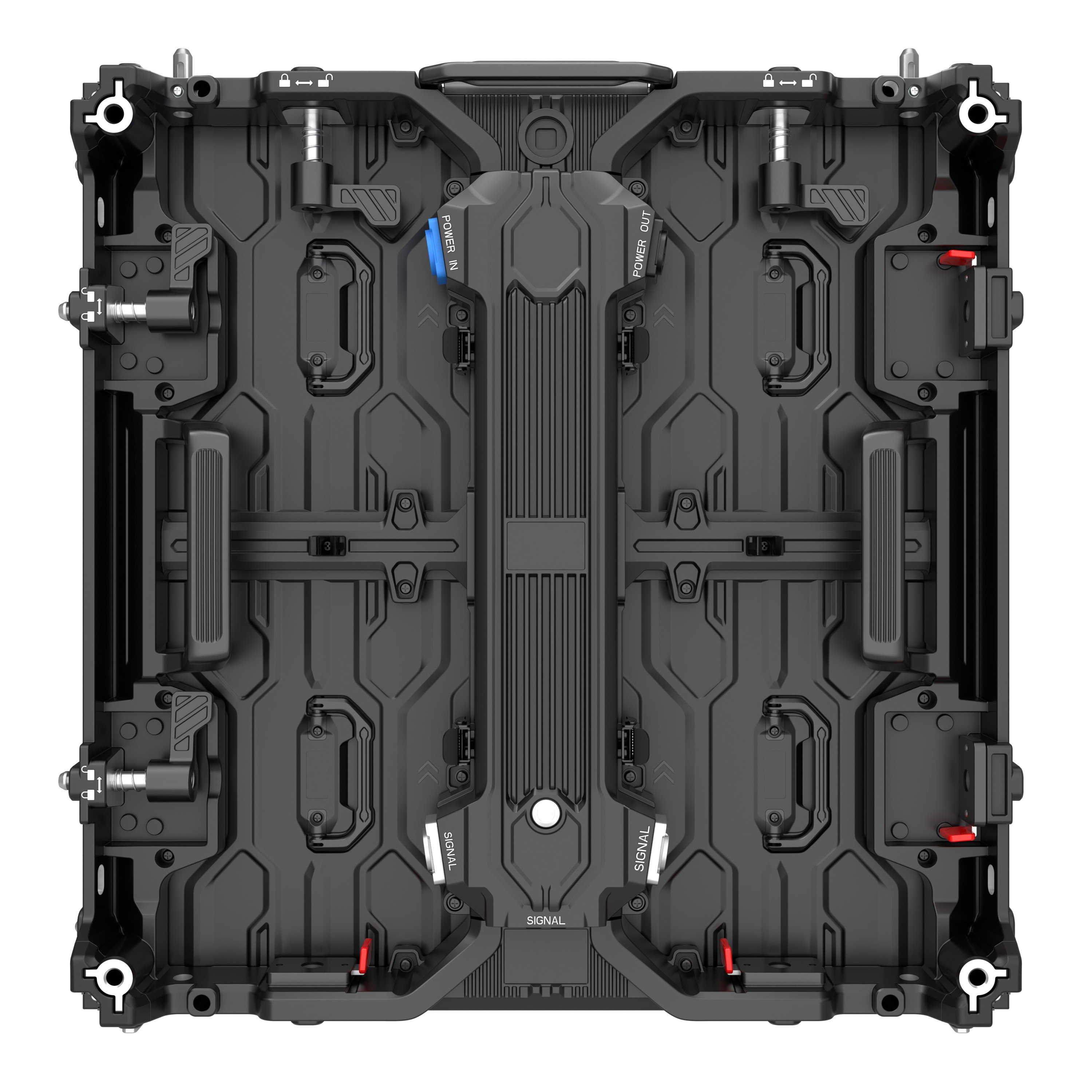
AXIS One Series is a premium indoor and outdoor rental LED screen designed for high-definition stage and event use. It is available in P1.95 and P2.604 pixel pitches, with a 500x500 mm cabinet size and a cabinet weight of 7.5 kg. Brightness ranges from 1000 to 1500 cd/m², refresh rate is 7680 Hz, and gray level is 16 bit. The die-casting aluminum cabinet supports hanging and stacking, and front and rear maintenance options are available.
A Series: Versatile Indoor/Outdoor Rental LED Screen
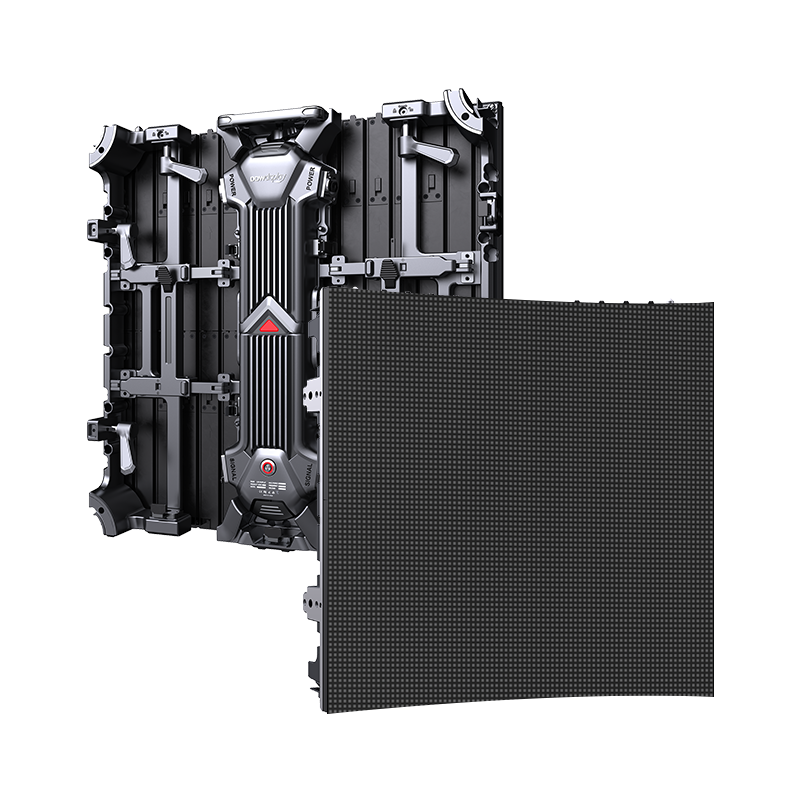
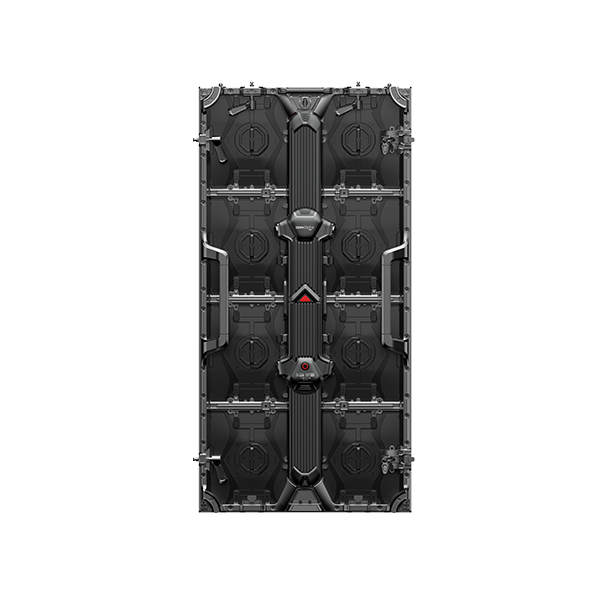
A Series is a rental LED display available with pixel pitches of P2.5, P2.604, P2.97, and P3.91. Cabinet sizes include 500x500 mm and 500x1000 mm. The die-casting aluminum cabinet is designed for frequent transportation and assembly. The outdoor version provides up to 4500-5000 nits brightness, IP65 front and rear protection, and supports hanging, stacking, and curved installation. Refresh rate reaches up to 3840 Hz according to the specification sheet.
AFLEX Series: Flexible/Curved Rental LED Screen
AFLEX Series is an ultra-flexible rental LED display designed for curved, concave, and convex stage configurations. It supports pixel pitches from P1.56 to P3.91. The cabinet size is 500x500 mm with a weight of 7.5 kg. Indoor brightness is 700 nits, while outdoor versions reach 4200-5000 nits. Refresh rate is 3840 Hz. The flexible structure allows creative stage backgrounds that differ from conventional flat video walls.
Step-by-Step Breakdown: How to Choose a Rental LED Display
- Define the event application. Determine whether the screen will be used for concerts, exhibitions, corporate events, sports, or broadcast. The application defines brightness, refresh rate, and installation requirements.
- Determine viewing distance and pixel pitch. For close-viewing indoor environments, fine-pitch options such as P1.95 or P2.6 are common. For events with longer viewing distances, P2.97 to P3.91 may be sufficient.
- Select indoor or outdoor specification. Outdoor events require higher brightness and IP-rated weather-proof cabinets. For example, A Series outdoor version offers up to 4500-5000 nits and IP65 protection.
- Check installation and maintenance. Look for lightweight cabinets and quick-lock systems that reduce labor time. Front or rear maintenance options affect servicing costs.
- Evaluate refresh rate for camera use. For live broadcast and filming, a high refresh rate such as 7680 Hz helps reduce flicker.
- Review certifications and quality control. Confirm certifications relevant to the destination market, and ask the supplier about pre-shipment quality inspection and aging tests.
- Assess the supplier’s manufacturing capability. A manufacturer with stable production capacity, R&D resources, and global delivery experience is more likely to provide consistent quality and support. DDW DISPLAY, for example, operates a 10,000 square meter factory with approximately 100 employees and an R&D team of 15 engineers. The company reports an annual production capacity of about 800,000 units.
Use Cases: Where Rental LED Screens Are Used
Rental LED displays are used in a wide range of temporary installations:
- Concerts and music festivals: Large stage LED video walls and side screens that deliver live video, graphics, and immersive visuals to thousands of attendees.
- Exhibitions and trade shows: Modular screens that can be configured into different booth sizes and shapes, with fast installation and dismantling.
- Corporate events and conferences: High-definition stage backgrounds for product launches, keynotes, and press conferences.
- Sports events: Indoor and outdoor LED screens for live action, replays, sponsor messages, and perimeter advertising.
- Broadcasting and virtual production: High-refresh-rate LED walls that support camera shooting and real-time content creation.
Comparison Table: Popular Rental LED Display Configurations
| Model | Pixel Pitch | Cabinet Size | Cabinet Weight | Brightness | Refresh Rate | Key Strength |
|---|---|---|---|---|---|---|
| AXIS One Series | P1.95 / P2.604 | 500x500 mm | 7.5 kg | 1000-1500 cd/m² | 7680 Hz | Fine pitch, high-definition close viewing |
| A Series | P2.5 / P2.604 / P2.97 / P3.91 | 500x500 / 500x1000 mm | — | Up to 4500-5000 nits (outdoor) | Up to 3840 Hz | Versatile indoor/outdoor rental use |
| AFLEX Series | P1.56 / P1.95 / P2.604 / P2.976 / P3.91 | 500x500 mm | 7.5 kg | 700 nits (indoor) / 4200-5000 nits (outdoor) | 3840 Hz | Flexible curved and concave/convex stage design |
Frequently Asked Questions
1. Rental LED Display vs Fixed LED Display: Which one should I choose?
Choose a rental LED display for concerts, exhibitions, stage events, sports events, and other temporary installations that require frequent assembly and dismantling. Choose a fixed LED display for permanent installations such as shopping malls, building facades, conference rooms, and outdoor advertising. Rental displays emphasize lightweight cabinets, fast locking, quick installation, and flexible hanging or stacking. Fixed displays emphasize long-term stability, maintenance access, and continuous operation.
2. How do I choose the right pixel pitch for an LED display?
Choose pixel pitch according to viewing distance, screen size, required resolution, environment, content type, and budget. For close-viewing indoor applications such as conference rooms and control rooms, fine-pitch LED displays such as P1.25, P1.53, and P1.86 are generally suitable. For stages, exhibitions, and medium-distance viewing, P2.6 to P3.91 are common. Outdoor advertising screens viewed from longer distances can use larger pixel pitches. A smaller pixel pitch provides more detail but usually increases cost.
3. What certifications should I look for when buying an LED display?
The required certifications depend on the destination market and product configuration. For international projects, buyers commonly evaluate CE, FCC, RoHS, ETL, EMC, and relevant safety requirements. CE and EMC are commonly considered for European-market compliance, FCC is relevant to electromagnetic compatibility in the United States, and RoHS addresses certain hazardous substances. Confirm with the manufacturer which certifications apply to the specific model and market, and request the corresponding certificates or test reports.
4. How can I get more information or a quote for a rental LED display?
To discuss project requirements, verify specifications, or request a quote, you can contact DDW DISPLAY directly. The contact person is Steven, available by WhatsApp/WeChat/Mobile at +86 134 1755 8100, or by email at info@ddw.net. The factory is located at 2F Building 8, YiLisheng Industry Park, Fuyong, Baoan, Shenzhen 518103. You can also download the company's LED display catalog for more product details.
Conclusion
Rental LED screens are a critical investment for event production companies, rental houses, and event organizers. The selection process should start with the application, then move to pixel pitch, brightness, installation flexibility, refresh rate, protection rating, and supplier reliability. By using the step-by-step framework and product comparison provided in this guide, buyers can make a more informed decision when evaluating LED display suppliers.
Download the DDW LED Display catalog to review the full rental LED display range and specifications.
Download Catalog