Stadium Perimeter LED vs. Outdoor Fixed LED Display: A Head-to-Head for Sports Venues
A sports venue rarely chooses between a good screen and a bad one. It chooses between two good systems built for two different positions in the same building. This head-to-head compares a stadium perimeter LED display with an outdoor fixed LED display on the three questions that actually decide the purchase: where fans look, what content runs, and how each system is installed and serviced.
The short answer. When the screen must be seen from the stands and from broadcast cameras at field level, the correct category is a stadium perimeter LED display, also specified as a sports LED display or an LED advertising board. When the screen must be a large, permanent, high-brightness surface mounted on a wall, facade or steel structure and viewed from a distance, the correct category is an outdoor fixed LED display — a high brightness LED screen or premium outdoor LED video wall.
Both categories are outdoor-rated, and the perimeter and fixed series specified by DDW DISPLAY both use IP65 waterproof and dustproof construction. The real difference is position, cabinet protection, and how maintenance reaches the modules.
The Real Problem: Two Categories, Two Positions, One Tender
Most weak LED purchases in sports venues are not caused by a bad product. They are caused by putting the right product in the wrong position.
Perimeter boards and outdoor fixed screens usually end up in the same tender because they share a surface-level feature set: outdoor advertising content, high brightness, weather resistance and remote content management. When a procurement team compares only those shared features, the variables that actually decide the outcome drop out of the comparison — sightline geometry, cabinet protection and service access.
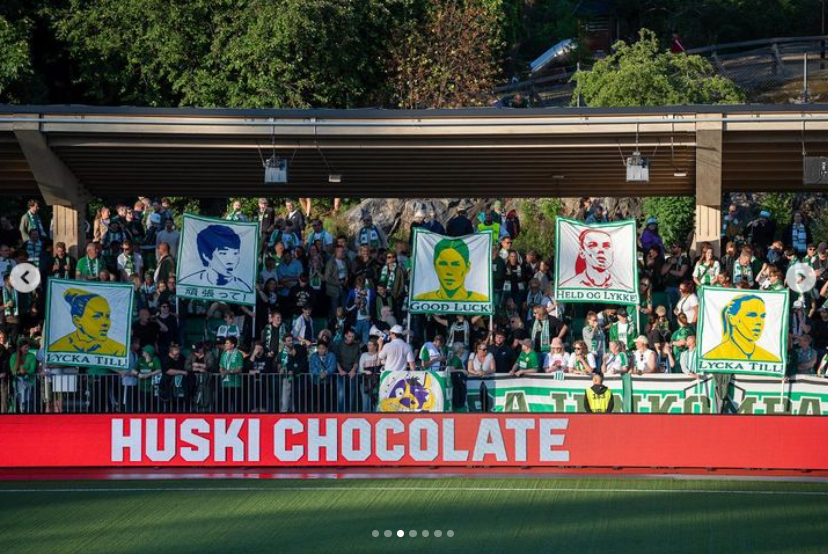
The DDW DISPLAY product data makes the split visible. The SPPLUS Series (Stadium LED Display / Perimeter LED Board / Sports LED Advertising Screen) is specified with a protective soft mask cabinet design, an aluminium cabinet and stadium perimeter fixed installation. The SPPro Series (Stadium Perimeter LED Display / Sports LED Display / LED Advertising Board) is specified with a protective perimeter LED cabinet design, a full aluminium cabinet and the same stadium perimeter fixed installation. An outdoor fixed screen such as the FA Series is specified differently: a customized cabinet design with wall mount or steel structure installation.
Read that again as a design statement rather than a specification. One family is engineered to be part of the playing environment, where it can be struck by balls, brushed by players and staff, and reached by grounds equipment. The other is engineered to be part of the building envelope, where it is protected by its position and serviced from the structure behind it.
A second, quieter problem is pixel pitch. Pitch should follow viewing distance and screen size, not the other way round. A pitch finer than the seating geometry can resolve is paid for but never seen. On the DDW side, perimeter series are offered at P5.7, P6.67, P8 and P10 options, while the outdoor fixed family starts as fine as P2.976 — a difference in pitch range that reflects a difference in audience distance, not a difference in quality.
Industry Background: Where the LED Display Market Meets the Stadium
The global LED display market is projected to reach USD 20.73 billion in 2026 and USD 26.98 billion by 2031, according to Mordor Intelligence research published in August 2026. Sports venues sit across two of the most frequently specified use cases inside that market: field-side advertising exposure and permanent large-format outdoor display.
That overlap is visible in how manufacturers classify their own products. In the DDW product data, Sports Venues appear among the applicable industries for both the stadium perimeter series and the outdoor fixed series, while Sports Broadcasting Applications and Professional Leagues are listed specifically against the perimeter series. The classification tells you where each product was designed to live.
Shenzhen DDW Technology Co.,Ltd. (DDW DISPLAY) is an LED display manufacturer founded in 2012 in Shenzhen, China, operating a 10,000㎡ manufacturing facility with 100+ employees, a 15-engineer R&D team and an export ratio above 95%. The company states that it has delivered LED display projects to more than 120 countries and regions, serving advertising, retail, sports venues, entertainment events, broadcasting studios, corporate spaces, conference rooms and public display applications.
For a venue owner, the practical background fact is this: the two screen types are made by the same supply base, offered on the same commercial terms, and often shipped in the same container. Choosing correctly is an engineering and operational decision, not a sourcing one.
The Detailed Answer: What Is Actually Built for Each Position
Stadium Perimeter LED Display: SPPLUS Series and SPPro Series
Both perimeter series are organised around one installation position — the perimeter of the field of play, at ground level, where the display becomes part of the sports environment rather than a mounted sign.
- SPPLUS Series (Stadium LED Display / Perimeter LED Board / Sports LED Advertising Screen) — pixel pitch options P6.67, P8 and P10; protective soft mask cabinet design; aluminium cabinet structure; high brightness outdoor display; high refresh rate; wide viewing angle; IP65 waterproof and dustproof; front and rear maintenance; stadium perimeter fixed installation. Stated applications include football stadiums, basketball arenas, sports venues, live events, professional stadium advertising and sports broadcasting applications.
- SPPro Series (Stadium Perimeter LED Display / Sports LED Display / LED Advertising Board) — pixel pitch options P5.7, P6.67, P8 and P10; protective perimeter LED cabinet design; full aluminium cabinet; high brightness outdoor display; high refresh rate; wide viewing angle; IP65 waterproof and dustproof; front and rear maintenance; stadium perimeter fixed installation. Stated applications include football stadiums, basketball arenas, sports venues, professional leagues, live sports events and sports broadcasting applications.
The protective cabinet design is what separates these products from a general-purpose outdoor screen. At field level the display is exposed to contact, cleaning equipment and repeated handling, and the soft mask and protective perimeter cabinet are the components handling that exposure. The additional P5.7 option on the SPPro Series shows that a perimeter board is not restricted to coarse pitch where the physical installation allows a finer one.
Outdoor Fixed LED Display: FA, FC, LUXIS and NOVA Series
The fixed family is broader, because a permanent outdoor installation can sit on a facade, a building wall, a steel structure or a pole, and can be watched from a few metres at a concourse or from across a road.
- FA Series (Outdoor LED Display / Outdoor Fixed LED Screen / High Brightness LED Billboard) — pixel pitch P4, P5, P6.67, P8 and P10 options; customized cabinet design; aluminium cabinet structure; brightness up to 10,000 nits; high refresh rate; wide viewing angle; IP65 waterproof and dustproof; front and rear maintenance; wall mount or steel structure installation.
- FC Series (Outdoor LED Display / Outdoor Fixed LED Screen / High Brightness LED Video Wall) — pixel pitch from P2.976 up to P10; full aluminium cabinet; brightness up to 10,000 nits; viewing angle H160° / V140°; IP65 waterproof and dustproof; front and rear maintenance; fixed installation or steel structure mounting.
- LUXIS Series (Premium Outdoor Fixed LED Display) — pixel pitch P3.91, P4.81, P5.68, P5.71, P6.66, P8 and P10; module size 500×250mm or 480×320mm; cabinet size 500×500mm at 8.5kg or 960×960mm at 26kg; brightness 10,000 nits; contrast ratio 30000:1 (≥12000:1); refresh rate ≥7680Hz; IP65 front and rear.
- NOVA Series (Lightweight Outdoor LED Screen) — pixel pitch P3.9 and P6.66; cabinet 480×320×60mm at 3.7kg; brightness 5,000–6,000 nits; contrast ≥5000:1; refresh rate ≥7680Hz; IP65 front and rear.
For a venue, two numbers in that list matter more than they first appear. The first is the pitch floor: an outdoor fixed screen can go down to P2.976 (FC Series) or P3.91 (LUXIS Series), which makes it suitable for spectator-facing positions closer to the audience, such as a concourse wall or an entrance facade. The second is cabinet weight: LUXIS at 8.5kg for a 500×500mm cabinet, and NOVA at 3.7kg for a 480×320×60mm cabinet, directly affect the steel structure and the load a retrofit facade can accept.
What Both Families Share
Both the perimeter and the fixed series are specified with IP65 waterproof and dustproof protection, high refresh rate, and front and rear maintenance. Across DDW's outdoor LED screens and LED video walls, the stated design priorities are high brightness, high refresh rate, energy efficiency, colour performance, flexible installation and convenient maintenance.
This is why the decision cannot be made on a datasheet checklist alone. When two products share brightness class, protection rating and maintenance access, the remaining differences — protective cabinet design, pitch floor, cabinet weight, installation method — are the ones that determine whether the system survives ten seasons at pitch level.
Custom and OEM Capability Behind Either Choice
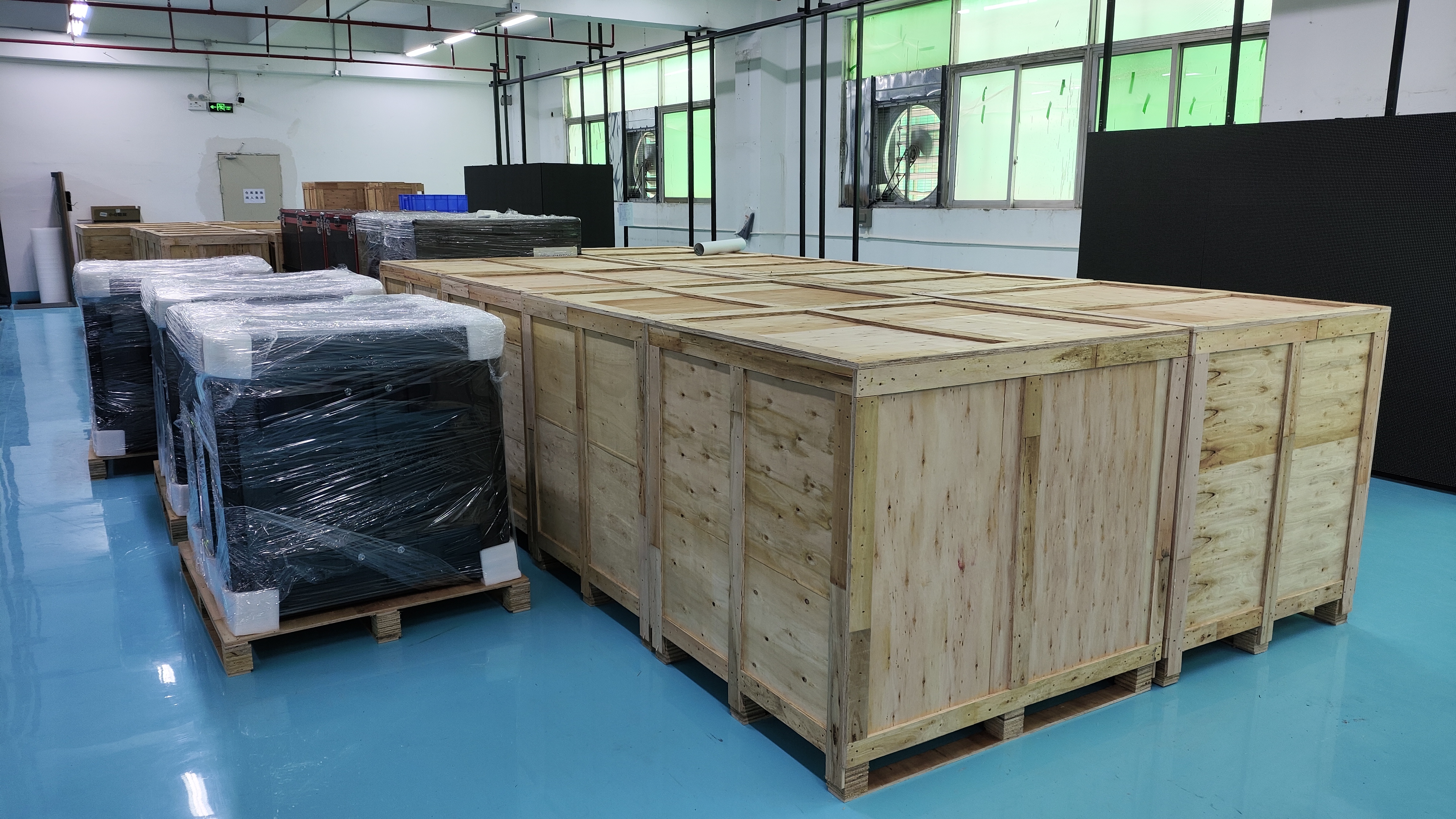
Neither category is bought off the shelf. DDW DISPLAY provides production services encompassing OEM, ODM, custom LED display manufacturing and project-based LED display solutions, and accepts project-based orders for custom configurations. The factory runs at a monthly production capacity of 8,000 square meters for LED displays.
The customization scope published by the manufacturer covers pixel pitch, LED module size, cabinet size, cabinet structure, display shape, brightness level, refresh rate, installation method, control system, logo branding, colour calibration, power solution and mechanical design. In venue terms, that is what allows a perimeter board to follow a curved or segmented touchline, and what allows a fixed facade screen to match an existing architectural façade or a steel structure that was designed before the screen was chosen.
Quality control before shipment is specified as 100% product inspection, aging test, module testing, brightness and colour calibration, waterproof test, power safety test and performance inspection before shipment. The same manufacturing base also produces rental LED displays, indoor fine-pitch LED displays, COB and Micro LED displays, transparent LED screens, flexible LED displays, XR virtual production walls and portable LED posters — useful when a venue needs temporary event staging screens or indoor concourse displays from the same supplier.
Step-by-Step: Choosing the Right System for Your Venue
- Map the viewing zones before choosing a product. List every position from which the screen will be watched: lower stands, upper stands, the opposite touchline, broadcast camera positions, concourse walkways, entrance plazas and passing traffic outside the venue. Each zone has its own distance and angle, and the two product families serve different zones.
- Decide what content each screen must carry. A perimeter board typically runs sponsor rotation, brand exposure, sports event information and dynamic commercial content tied to live play. A fixed outdoor screen typically carries brand advertising, promotional campaigns, commercial and public information, and large-format video. Content length, text size and refresh sensitivity should be defined before the pitch is chosen.
- Choose the category by position, not by price. Field-level, ground-level installation points to the perimeter series (SPPLUS or SPPro). Wall, facade, steel structure or pole installation points to the fixed series (FA, FC, LUXIS or NOVA) with customized cabinet design.
- Match pixel pitch to distance and screen size. The perimeter series supports P5.7, P6.67, P8 and P10 options; the fixed series supports P2.976 up to P10 depending on the model. Select the coarsest pitch that still delivers the required image quality for the closest and most important viewing zone.
- Confirm cabinet protection and structure. For field level, confirm the protective soft mask or protective perimeter cabinet design. For fixed installation, confirm the cabinet size, weight and mounting method against the actual wall or steel structure — a 960×960mm LUXIS cabinet at 26kg and a 480×320×60mm NOVA cabinet at 3.7kg place very different demands on a structure.
- Plan service access. Both families are specified with front and rear maintenance. Confirm which access route is physically available on site, especially for a facade screen where the rear side may be inside a closed plant room.
- Confirm the commercial and compliance package. Project-based orders are accepted from a minimum of one unit or one project. Delivery terms are EXW Shenzhen, FOB Shenzhen, CIF or DDP depending on destination and order requirements, and payment terms are T/T with 30% deposit in advance and 70% balance before shipment unless otherwise agreed.
- Validate before full production. Use pre-shipment inspection, aging test, display performance test and brightness and colour consistency inspection, and request customer video inspection or third-party inspection where the venue specifier requires independent verification.
Use Cases From Delivered Projects
Three delivered projects show the split in practice.
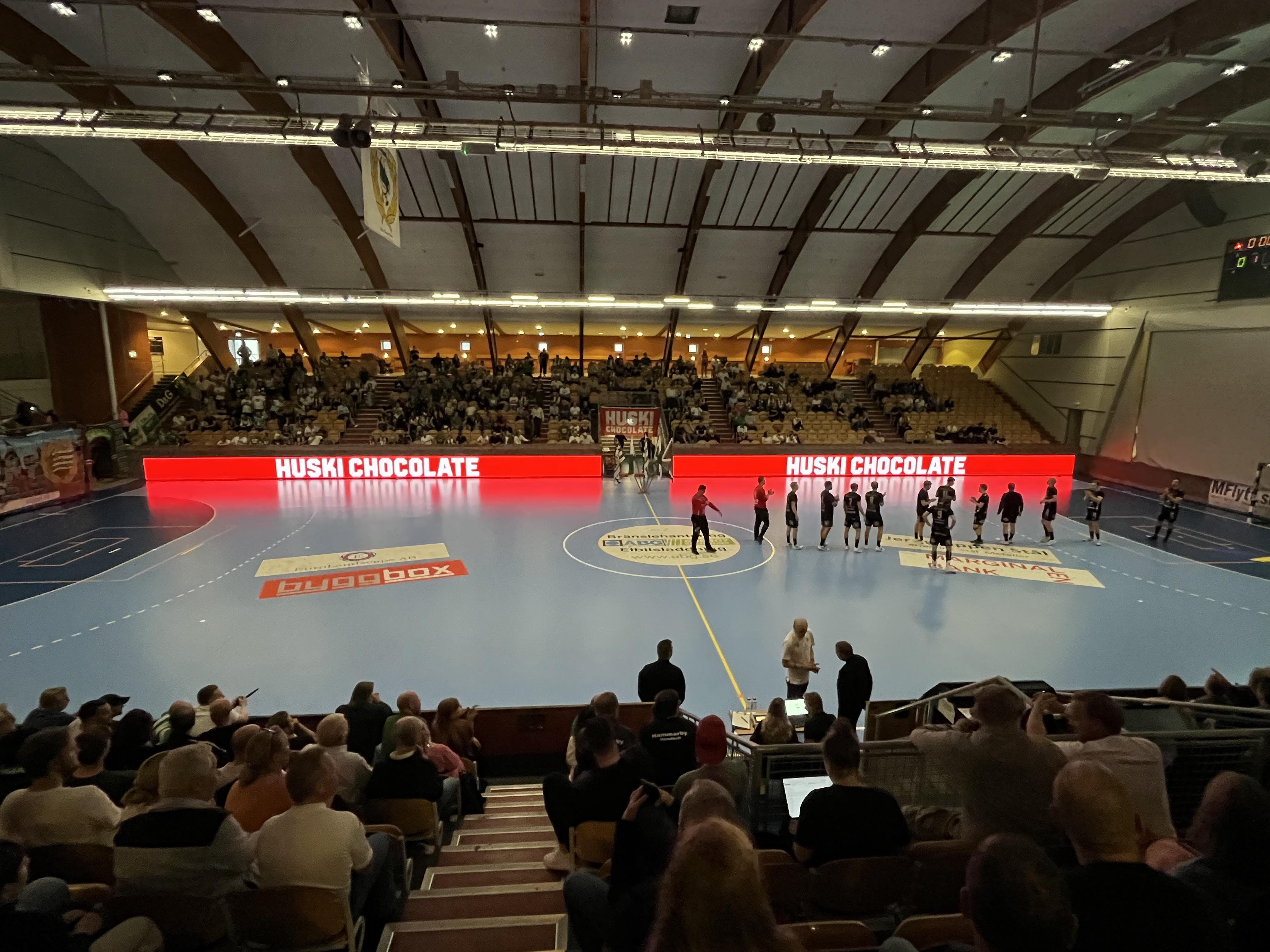
- Qatar — field-level perimeter deployment. A stadium and sports venue operator commissioned a 300㎡ SP PLUS Series P8 stadium perimeter LED display with a 10-year project duration. The stated purpose was stadium perimeter advertising, sponsor promotion, brand exposure, sports event information display and dynamic commercial content presentation around the field of play. This is the clearest example of a perimeter board doing a job a facade screen cannot do: putting commercial content inside the playing environment itself.
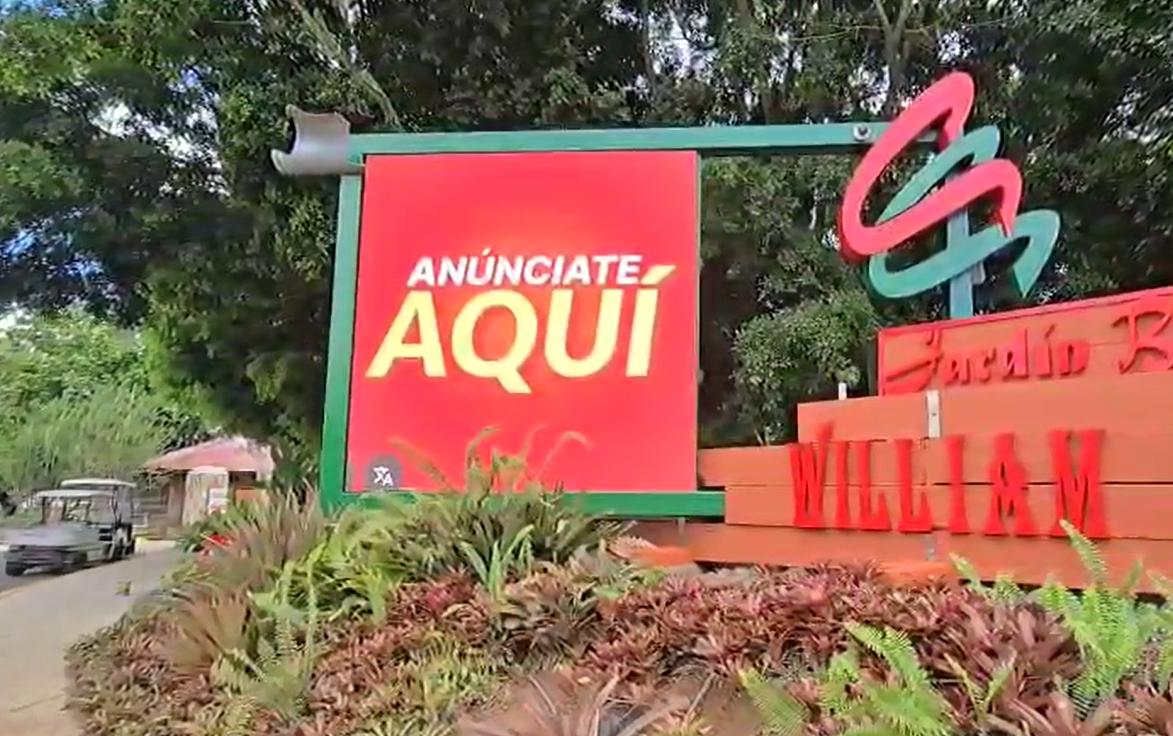
- Norway — a conventional fixed advertising screen. An outdoor advertising operator installed a 3 × 3m, 9㎡ FC Series P3.91 outdoor fixed LED display for outdoor advertising, brand promotion, commercial information display and promotional content, with a 10-year project duration. This is a fixed installation on a permanent structure, not a field-side position.
- Colombia — a large-format curved fixed screen. A retail brand operator took delivery of a 2 × 20m, 40㎡ FA Series P3.91 outdoor fixed LED display in a curved configuration with wall-mounted installation, used for storefront advertising, brand promotion, product promotion and outdoor digital signage. It demonstrates the customization scope of the fixed family: customized cabinet design, curved screen configuration and a 40㎡ display area on an existing facade.
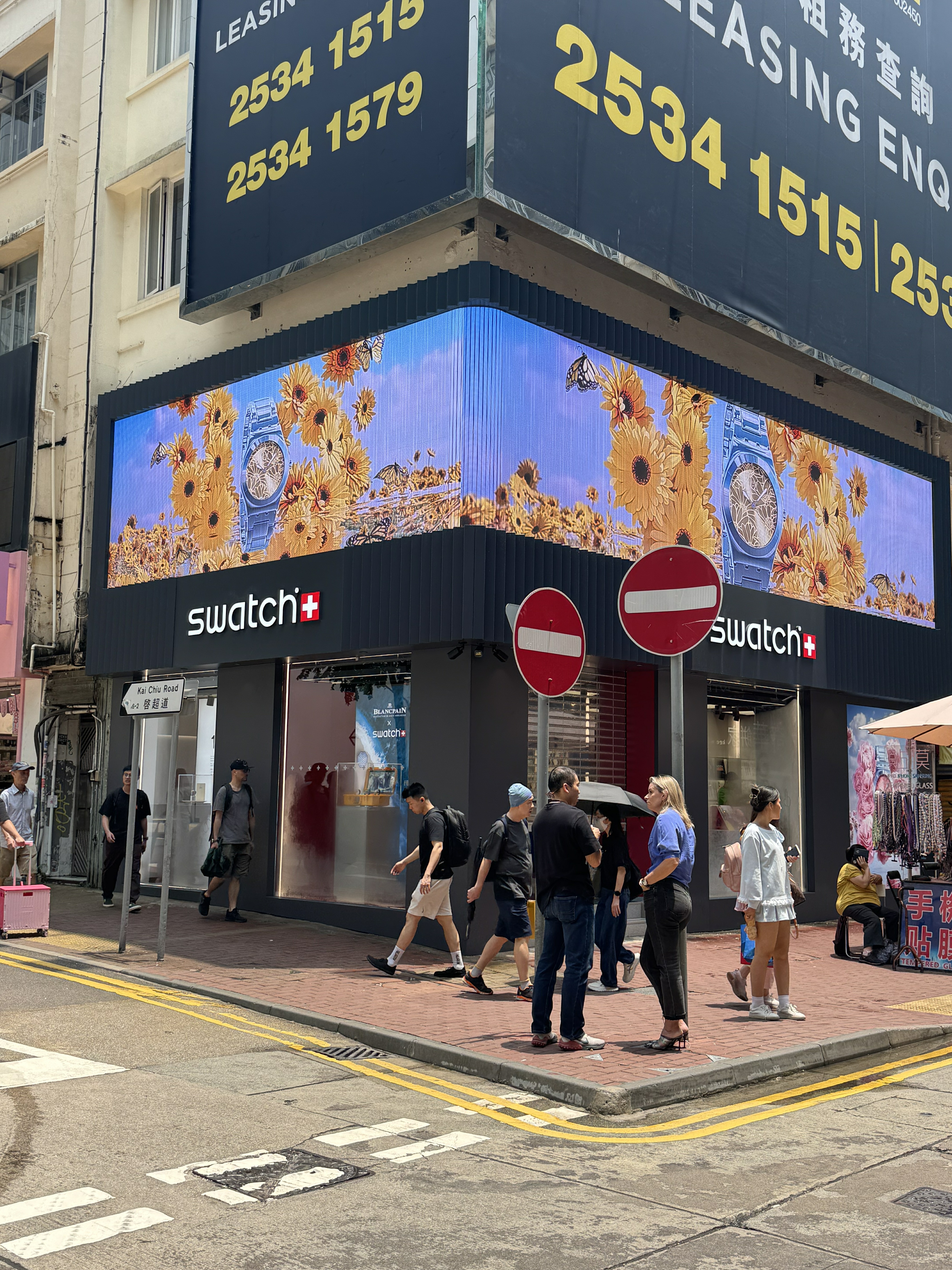
When a venue also runs temporary events — opening ceremonies, concerts, sponsor activations — the rental LED display range (A Series, D Series, AXIS Series and AFLEX Series) provides hanging and stacking installation and front and rear maintenance, and is produced under the same OEM and ODM framework as the fixed and perimeter families.
Head-to-Head Comparison Table
The table below uses only specifications published in the DDW DISPLAY product data. Where a series does not publish a figure, the table says so rather than estimating one.
| Decision factor | Stadium perimeter LED display | Outdoor fixed LED display |
|---|---|---|
| Primary position in a venue | Field perimeter at ground level; stadium perimeter fixed installation | Wall, facade, steel structure or pole; wall mount, steel structure installation or fixed mounting |
| Representative series | SPPLUS Series; SPPro Series | FA Series; FC Series; LUXIS Series; NOVA Series |
| Pixel pitch options | P6.67 / P8 / P10 (SPPLUS); P5.7 / P6.67 / P8 / P10 (SPPro) | P4–P10 (FA); P2.976–P10 (FC); P3.91–P10 (LUXIS); P3.9 / P6.66 (NOVA) |
| Cabinet design | Protective soft mask cabinet design, aluminium cabinet (SPPLUS); protective perimeter LED cabinet design, full aluminium cabinet (SPPro) | Customized cabinet design, aluminium structure (FA, FC); aluminium cabinet (LUXIS, NOVA) |
| Brightness specification | High brightness outdoor display (as specified for both perimeter series) | Up to 10,000 nits (FA); up to 10,000 nits (FC); 10,000 nits (LUXIS); 5,000–6,000 nits (NOVA) |
| Viewing angle | Wide viewing angle (both perimeter series) | Wide viewing angle (FA); H160° / V140° (FC) |
| Protection rating | IP65 waterproof and dustproof | IP65 waterproof and dustproof |
| Maintenance access | Front and rear maintenance | Front and rear maintenance |
| Typical content | Sponsor and brand rotation, event information, dynamic commercial content during play | Brand advertising, promotional campaigns, commercial and public information, large-format video |
| Weight and cabinet size reference | Not published as a figure in the provided series data | 500×500mm cabinet at 8.5kg or 960×960mm at 26kg (LUXIS); 480×320×60mm at 3.7kg (NOVA) |
| Project-based OEM / ODM | Both families: OEM, ODM, custom LED display manufacturing and project-based solutions; minimum order 1 unit or project-based; 8,000㎡ monthly capacity | |
Both families share IP65 protection, high refresh rate and front and rear maintenance, so those three rows should not be used alone to separate the products. The separating rows are position, cabinet design, pitch floor and structural weight.
FAQ
1. What certifications should a venue owner verify before ordering a stadium perimeter or outdoor fixed LED screen?
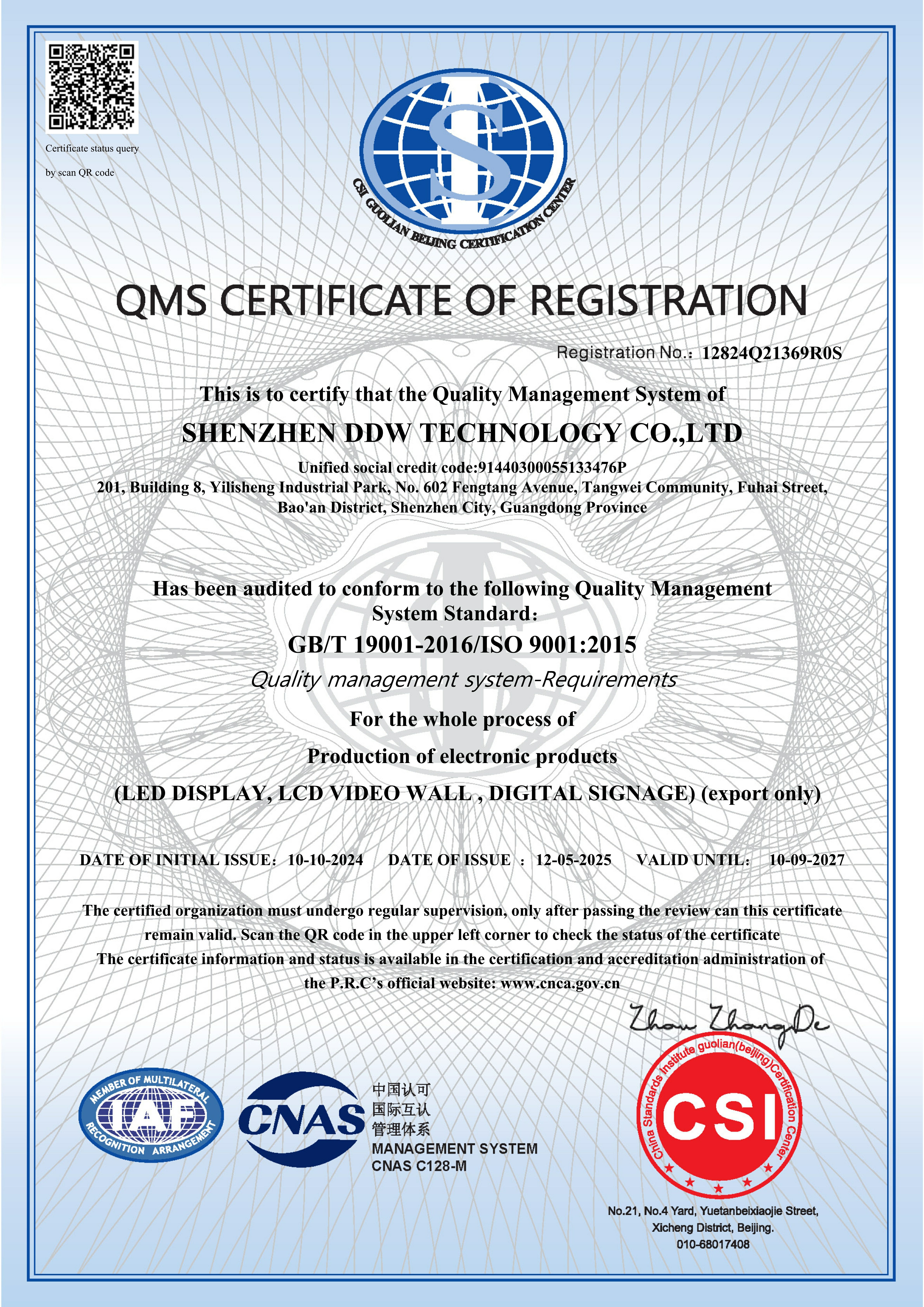
The certificates to check depend on the destination market and the product configuration, but the documents themselves can be verified before an order is placed. DDW DISPLAY holds a CE-EMC certificate of conformity for LED display (certificate number BKC25062531FC, issued 1 July 2025 and valid to 1 July 2030, referencing EN 55032:2015+A11:2020+A1:2020 and related EMC standards), a CE-LVD certificate of conformity referencing EN IEC 62368-1:2020 (HXTS2506230030001-1, valid to 27 June 2030), an EU RoHS 2.0 certificate of conformity (HXTS2506230030007-1, valid to 27 June 2030) and an FCC Supplier's Declaration of Conformity (BKC25062532FC-R1, referencing FCC Part 15 Subpart B and ANSI C63.4:2014, valid to 1 July 2030). The manufacturer also holds ISO 9001 quality management certification (12824Q21369R0S, valid to 9 October 2027). Before ordering, confirm that each certificate names the model family and the market you are importing into — for LED display projects, certification should be read alongside product testing, aging tests, electrical safety and, for outdoor products, waterproof performance.
2. Can one manufacturer supply both a field-side perimeter board and a facade-mounted outdoor video wall, including OEM production?
Yes, and buying both from one source is usually the simpler route for a stadium project. DDW DISPLAY provides production services encompassing OEM, ODM, custom LED display manufacturing and project-based LED display solutions, and accepts project-based orders for custom LED display solutions. The same factory produces the perimeter series (SPPLUS, SPPro) and the outdoor fixed series (FA, FC, LUXIS, NOVA) at a monthly production capacity of 8,000 square meters for LED displays. Customization scope covers pixel pitch, module size, cabinet size, cabinet structure, display shape, brightness level, refresh rate, installation method, control system, logo branding, colour calibration, power solution and mechanical design. For temporary event staging, the rental LED display range (A Series, D Series, AXIS Series and AFLEX Series) is produced under the same OEM and ODM framework with hanging and stacking installation.
3. What are the purchasing terms, minimum order and payment conditions?
The minimum order quantity is 1 unit or a project-based order, so a venue does not need to commit to a container volume to place a first order. Delivery terms are EXW Shenzhen, FOB Shenzhen, CIF or DDP, subject to destination and order requirements. Payment terms are T/T with 30% deposit in advance and 70% balance before shipment; other payment terms are subject to order agreement. Because a perimeter board and a fixed facade screen differ in pitch range, cabinet design and structural requirements, the two configurations should be quoted separately rather than as one blended figure.
4. How is a stadium perimeter screen or a custom outdoor screen validated before shipment?
Acceptance criteria are defined before production: pre-shipment inspection, aging test, display performance test and brightness and colour consistency inspection, with customer video inspection or third-party inspection available on request. On the production side, quality control is specified as 100% product inspection, aging test, module testing, brightness and colour calibration, waterproof test, power safety test and performance inspection before shipment. For outdoor installations this matters most at the cabinet and seal level, since water ingress, moisture-related electrical faults and corrosion are the main long-term risks in rainy or humid environments, and they are reduced by correct IP-rated waterproof design, cabinet sealing, cable protection, drainage and regular inspection of seals, connectors, modules and power supplies.
5. What is the lead time for a venue LED project, and how do we move from evaluation to execution?
The typical production lead time for standard products is 15 to 30 days. For customized projects, lead time depends on product design, quantity and technical requirements, so it should be confirmed against the final cabinet drawing and pitch selection rather than assumed from the standard figure. To move from evaluation to execution, the practical next step is to share the venue layout with the target viewing zones and content plan, and request the current product catalogue plus a project-based quotation covering the perimeter position and any fixed facade positions. The DDW LED Display catalogue for 2026 can be downloaded here: DDW LED Display catalogue 2026 (PDF).
Conclusion: A Simple Decision Rule
If the screen has to be inside the playing environment, at ground level, exposed to contact and viewed from the stands and from broadcast positions, specify a stadium perimeter LED display. Both the SPPLUS Series and the SPPro Series are built for that position, with protective cabinet designs, IP65 protection, front and rear maintenance and pitch options from P5.7 to P10.
If the screen has to sit on a wall, facade or steel structure and be watched from a distance, specify an outdoor fixed LED display. The FA, FC, LUXIS and NOVA series cover that requirement, with pitch options from P2.976 to P10, brightness up to 10,000 nits on the FA, FC and LUXIS models, and cabinet weights published for structure planning.
Use the shared features — IP65, high refresh rate, front and rear maintenance — as confirmation that both families meet the outdoor baseline, not as the basis for choosing between them. The decision belongs to position, cabinet protection, pitch floor and service access.
Planning a stadium perimeter board, a facade screen, or both? DDW DISPLAY (Shenzhen DDW Technology Co.,Ltd.) manufactures stadium perimeter LED displays, outdoor fixed LED screens and rental LED displays under OEM, ODM and project-based orders, with a monthly capacity of 8,000 square meters and a 15 to 30 day lead time for standard products.
Download the catalogue: DDW LED Display catalogue 2026 | Website: www.ddw.net
Contact: Steven | WhatsApp / WeChat / Mobile: +86 134 1755 8100 | Email: info@ddw.net | Factory: 2F Building 8, YiLisheng Industry Park, Fuyong, Baoan, Shenzhen, 518103, China
All product specifications, certificate numbers, project details and commercial terms quoted in this article are taken from published DDW DISPLAY product and company data. Where a figure is not published for a given series, it has been left out rather than estimated.
Have Questions or Need More Details?
Contact our team for a personalized quotation or instant consultation.
Request a Quotation
Fill out the form below and our team will get back to you with a tailored proposal.
WhatsApp Direct Chat
Prefer to chat in real-time? Message us on WhatsApp for instant assistance & quick answers.
- Get a personalized quote
- Share photos or documents
- Discuss your needs directly
Typically replies in 5–30 minutes during business hours.