
Customized Elevator After-Sales FAQ: What Long-Term Partners Need to Know
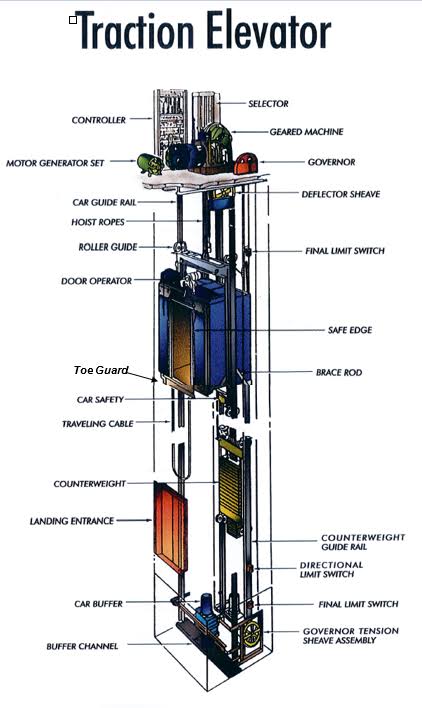
The drive and control package chosen at specification stage determines what long-term support has to cover.
After-sales support for a customized elevator is decided at the specification stage, not at the handover meeting. Two buyers can order from the same factory and end up with very different ten-year outcomes, because one contract states the acceptance event, the configuration baseline and the service chain, while the other states only a price.
This FAQ is written for distributors, contractors, developers and project partners who intend to buy customized elevators repeatedly rather than once. It answers the questions that surface after the first quotation: what acceptance actually means, how support expectations change from a passenger elevator in a commercial tower to a freight elevator in a narrow shaft, and which commercial terms should be fixed before the first unit ships.
Delfar Elevator Co., Ltd. is an elevator manufacturer founded in 2011 and based in Huzhou, Zhejiang, China, producing passenger, home, observation, hospital, freight, car, machine-room-less and small machine room elevators, escalators and moving walks. The answers below use Delfar's documented service framework and published purchasing terms. Where a service guarantee is not documented, this article states what a partner should confirm in writing instead of assuming it.
Problem Definition: Why Customized Elevators Break Generic After-Sales Models
A standard after-sales model assumes interchangeability: the same car door, the same controller board, the same rope specification across a product family. Customization removes that assumption on four axes at once, and each axis creates a dependency that a generic service contract does not handle.
- Dimensions. Customized elevator dimensions change the car, the door opening, the travel and sometimes the pit and headroom envelope. A replacement component must match the approved drawing, not a catalogue number.
- Cabin materials. Customized elevator cabin materials — stainless steel finishes, glass, handrails, ceiling panels — are sourced per project. Matching a damaged panel two years later is a sourcing task, so the material references have to be recorded at handover.
- Drive and control configuration. A machine roomless customized elevator, a small machine room unit and a hydraulic unit have different maintenance profiles. Traction equipment requires attention to the traction machine, ropes, brake, encoder and controller; hydraulic equipment requires attention to oil, pump, valves, seals and potential leakage.
- Standards matrix. An EN 81 compliant customized elevator for a European project and a unit scoped for a Saudi project carry different documentation expectations, even when the hardware is similar.
The consequence is practical rather than theoretical. For a customized elevator, the questions that decide whether support works in year five are contractual: which document proves the unit was accepted, which configuration record defines the baseline, and which party owns each step after the container leaves the factory.
A partner who cannot answer those three questions before signing has effectively agreed to resolve them later, at a moment when the factory has been paid and the site is waiting.
Industry Background: Service Is Now a Measurable Share of Elevator Value
Maintenance services account for approximately 55% of global elevator market revenue, according to Vyansa Intelligence (2025). That single figure explains why after-sales has moved from a footnote in the contract to a negotiating item in the quotation: most of the money in an elevator's life is spent after the equipment is running.
Technology choice reinforces the same direction. Machine roomless technology is expected to record the highest growth rate in the category, with a CAGR of 9.6% through 2034, according to Fortune Business Insights. Machine roomless and small machine room configurations reduce building space, but they also concentrate drive and control knowledge in fewer components, which makes the quality of documentation and the availability of configuration records more important than the size of a warehouse of generic parts.
Compliance expectations have tightened in parallel. EN 81-20 and EN 81-50 are the harmonized European standards for elevator design and testing and are mandatory for CE marking, and EN 81-20 addresses door detection with a light curtain system. For a partner selling into the EU, compliance is therefore not a marketing claim but a document set that has to travel with the unit.
Regional demand adds a logistics dimension. The Middle East elevator market was valued at USD 1.25 billion in 2023 and is projected to reach USD 2.38 billion by 2030, according to Allied Market Research. Distance matters for a customized elevator for Middle East markets, because a spare part that takes weeks to arrive is a service failure regardless of how well the unit was built.
Price transparency completes the picture. Customized elevators in emerging markets are typically priced between USD 18,000 and USD 35,000 per unit, according to Maximize Market Research (2025). When hardware prices sit in a visible band, service scope and documentation become the realistic differentiators between suppliers.
The Delfar After-Sales Framework: A Five-Stage Chain of Responsibility
Delfar Elevator Co., Ltd. describes its offer as full-life-cycle: pre-sales consultation, technical design, installation guidance, commissioning, maintenance support and after-sales service. The same chain is delivered to distributors, contractors, developers and project partners in international markets, which is why the framework is best read as a division of responsibility rather than as a list of promises.
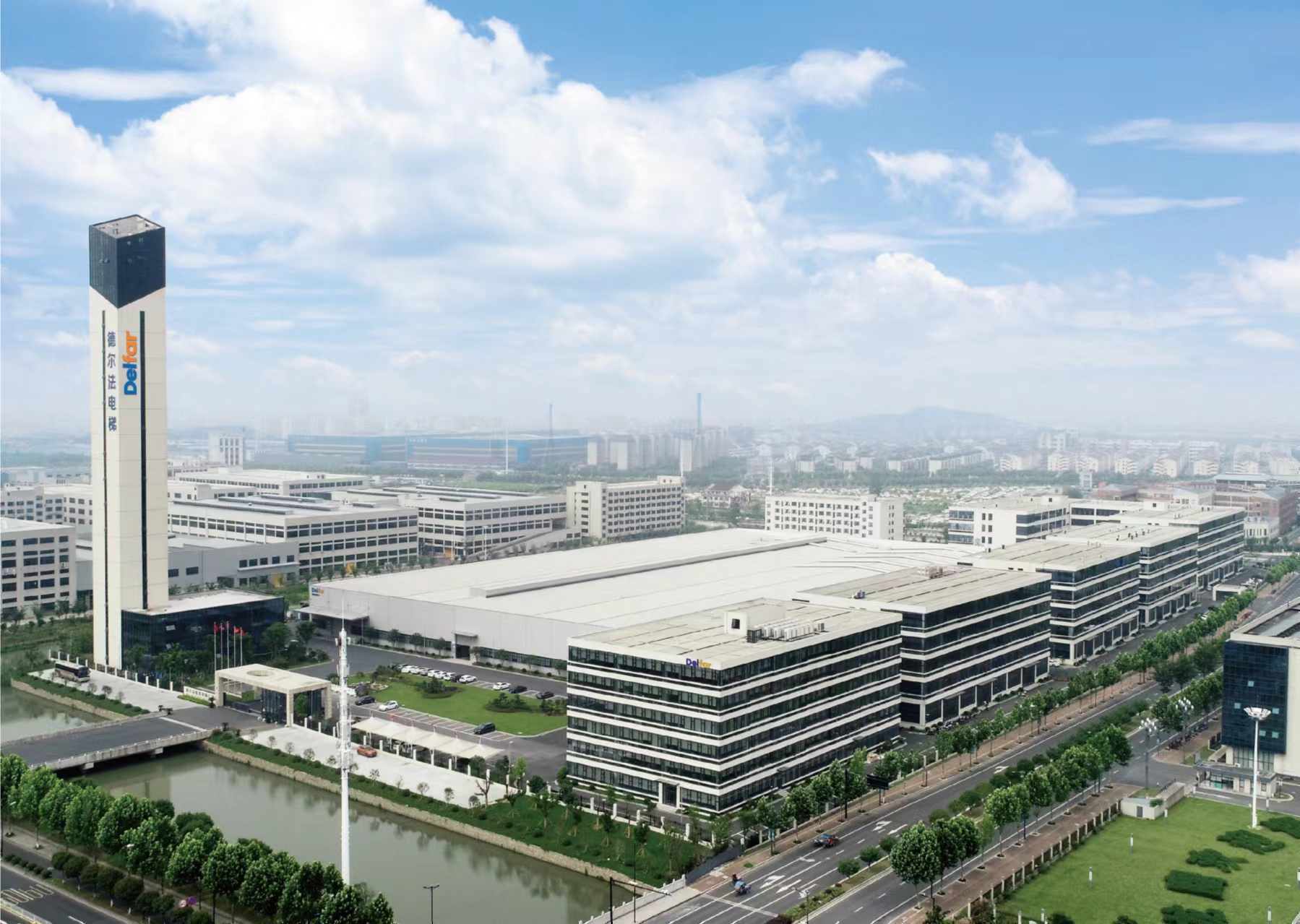
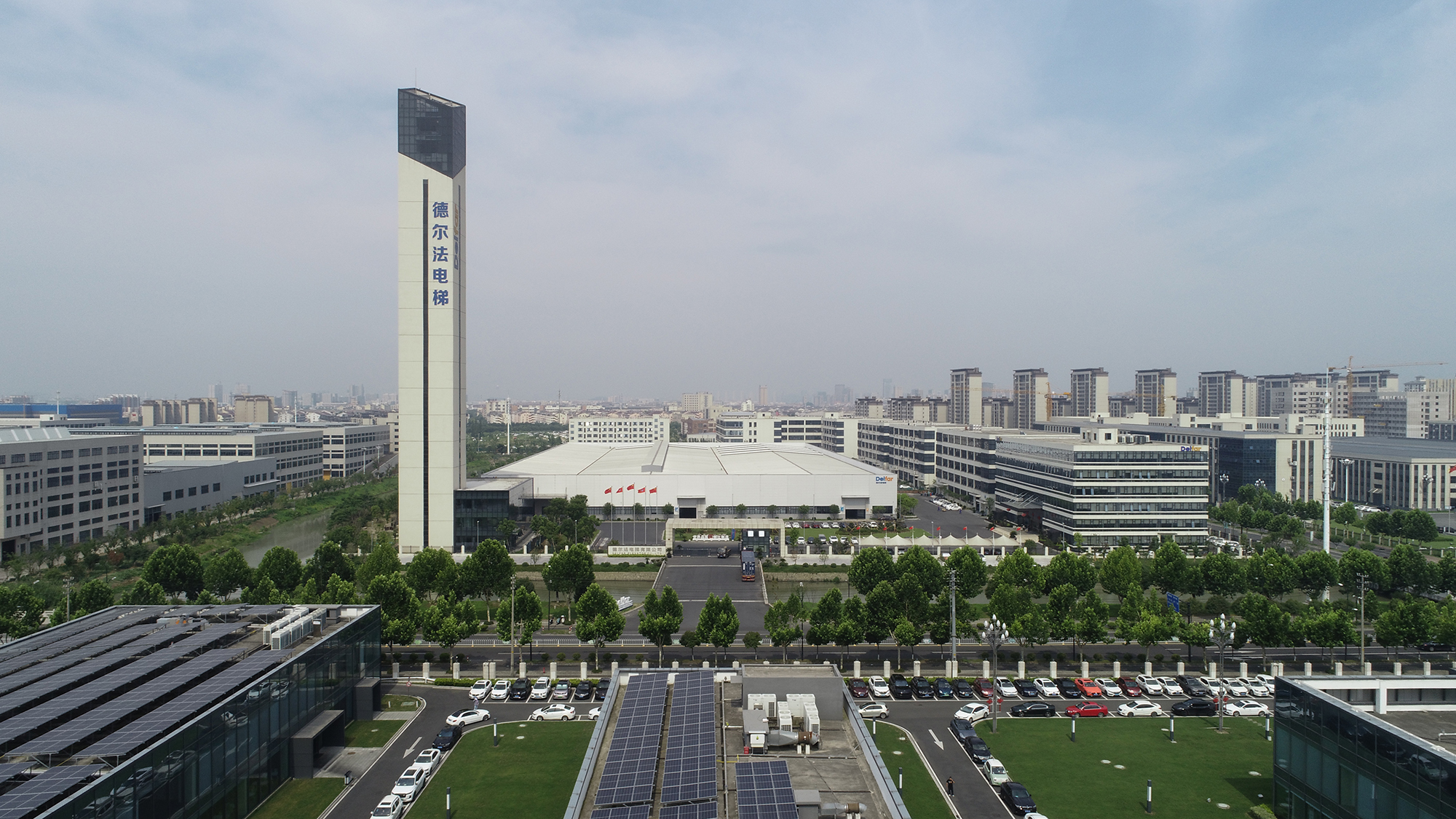
Delfar Elevator Co., Ltd. operates a facility of approximately 100,000 m² in Huzhou, Zhejiang, with an annual output of 10,000 units.
Stage 1 — Pre-sales consultation. The supplier reviews traffic, shaft geometry and project constraints; the partner owns the accuracy of the site survey data that feeds the review.
Stage 2 — Technical design. Drawings and the configuration baseline are produced; the partner owns approval and revision control.
Stage 3 — Installation guidance. The documented scope is guidance, so the qualifications and supervision of the local installation crew remain a partner responsibility to confirm.
Stage 4 — Commissioning. The unit is tested and handed over; the partner owns witnessing and sign-off.
Stage 5 — Maintenance support and after-sales service. The partner owns local service access and response capability; the supplier owns technical back-up and configuration records.
The manufacturing base behind that chain is documented: a facility of approximately 100,000 m², an annual output of 10,000 units, a team of 30 engineers and production automation of up to 70% in key manufacturing processes, supported by standardized operating procedures and 5S management. Half of Delfar's output is exported, which is why the documentation set — not only the hardware — has to work across markets. Delfar holds ISO 9001, ISO 14001, ISO 45001, CE, CU, SASO, SGS and SC certifications, and those certificate names are the vocabulary a partner should use when matching a unit to a destination market.
Step-by-Step Breakdown: From Specification to Long-Term Support
Step 1 — Fix the configuration sheet before discussing price
Every downstream service question depends on the configuration sheet: shaft dimensions and pit depth, travel height, rated load, speed, drive type, car and door dimensions, cabin materials, control system and the standard or regional scheme the unit must satisfy. A customized residential elevator usually needs a short sheet; a customized industrial elevator or a heavy-duty customized elevator serving a warehouse needs a longer one, because load path and door construction drive both the price and the spare parts list.
Step 2 — Put commercial terms in writing
Delfar's published purchasing terms list a minimum order quantity of 1 unit, delivery terms of FOB, CIF, EXW or CFR, payment by T/T or L/C, and acceptance criteria defined as a pre-shipment test. The delivery term deserves attention beyond price: it fixes the point at which responsibility for transport damage moves from supplier to partner, which is exactly the point where after-sales disputes usually begin.
Step 3 — Approve technical drawings and freeze a revision
Technical design is the second documented stage of the service chain. Record the drawing revision number in the contract annex, because a maintenance team comparing a 2026 drawing with a 2029 replacement part needs to know which revision the elevator was actually built to.
Step 4 — Agree hold points during manufacturing
Production at Delfar runs with automation of up to 70% in key manufacturing processes inside a facility of approximately 100,000 m², with an annual output of 10,000 units. A partner buying repeatedly should ask which inspection records are issued at which hold points, so that the pre-shipment test confirms a controlled process rather than discovering an issue at the end of it.
Step 5 — Treat the pre-shipment test as the acceptance event
Because acceptance is defined as a pre-shipment test, that test is the moment when leverage still exists. A witnessed checklist normally covers rated load and full-load running, levelling at selected floors, door operation including the light curtain, brake response, the automatic rescue device where ordered, controller parameter verification and a cabin finish inspection against the approved material references.
Step 6 — Define the documentation pack at handover
For a customized unit, the documentation pack is the service capability. At minimum it should contain as-built drawings, the wiring diagram, the controller parameter file, the certificate of conformity, the test report, the maintenance manual and a spare parts list that references the approved materials and component models.
Step 7 — Separate installation guidance from installation labour
Delfar's documented scope covers installation guidance and commissioning. The practical implication is that site labour, scaffolding, power provision and local safety supervision sit with the partner's installation organisation, and that arrangement should be written down before the first container arrives rather than after a schedule slip.
Step 8 — Plan maintenance before commissioning, not after
A traction unit requires maintenance of the traction machine, ropes, brake, encoder and controller. A hydraulic unit requires attention to hydraulic oil, pump, valves, seals and potential leakage. Both lists should be turned into a service schedule, a consumable list and a minimum stock recommendation at the moment of commissioning, while the configuration records are still current.
How Support Expectations Differ Across Installation Types
The same contractual framework produces different service priorities because each product line concentrates wear and risk in a different place. The notes below describe what changes; the table after them summarises what a partner should confirm in writing per installation type.
Passenger elevators in commercial buildings
A customized elevator for commercial buildings carries the highest traffic in the portfolio, and machine roomless or small machine room layouts are common because they release building space. For an EN 81 compliant customized elevator in the EU, the light curtain and the conformity documentation become part of routine service verification, not only of the initial sale.
Home and residential elevators
A customized residential elevator is usually specified for quietness and long-term stability. Traction home elevators powered by PMSM gearless technology are significantly more energy-efficient, saving up to 40% electricity, and operate more quietly than hydraulic systems; traction units typically require a pit depth of 300–500 mm and headroom of 2,800–3,000 mm, while hydraulic units can operate with a shallower pit of 100–200 mm and lower headroom. Service planning should therefore start from the as-built pit and headroom, because those dimensions determine which maintenance procedures are physically possible on site.
Freight and industrial elevators
A customized industrial elevator or heavy-duty customized elevator is judged on uptime rather than ride comfort. DF/DFN freight elevator configurations use VVVF control and can be adapted to narrow shaft conditions, which makes door and gate wear parts, overload device checks and rope inspection intervals the core of the service plan.
Panoramic and observation elevators
DPO panoramic view options shift attention to the envelope. Customized elevator cabin materials that include glass require a defined cleaning method, seal inspection and a documented approach to exterior access, so the service contract should state who performs that work and with what equipment.
Hospital and bed elevators
Hospital elevators must accommodate stretchers and trolleys, so door dwell time, levelling accuracy and door width matter more than rated speed. Service verification should include door cycle counts and levelling checks at every served floor.
Car elevators
A car elevator combines vertical transport with vehicle handling. Platform fixings, door height, drainage and alignment checks belong in the maintenance schedule, and any change in vehicle mix should be reviewed against the original load assumptions.
Dumbwaiters and small service lifts
Dumbwaiters are not listed among Delfar's product lines. Where a project mixes a dumbwaiter or another small service lift with a Delfar passenger or freight package, the service agreement should be split by supplier so that responsibility for a fault is never ambiguous.
Escalators and moving walks
Escalators and moving walks follow a different maintenance discipline from elevators: step chains, handrail drives, comb plates and skirt clearances rather than ropes and controllers. A partner running both product families should keep the two service schedules and spare parts inventories separate.
| Installation type | Documented configuration basis | Confirm in writing for service |
|---|---|---|
| Passenger, commercial building (DP/DPN) | Traction drive; machine roomless and small machine room options; EN 81-20 / EN 81-50 for CE markets | Controller version and parameter back-up; door operator; light curtain verification |
| Home elevator (DH) | PMSM gearless traction; low-noise drive; hydraulic alternative for shallow pit or low headroom | As-built pit and headroom; brake inspection interval; rescue device battery |
| Freight and industrial (DF/DFN) | VVVF control; adaptation to narrow shaft conditions | Door and gate wear parts; rope schedule; overload device check |
| Panoramic and observation (DPO) | Panoramic view options; customized cabin materials including glass | Glass and seal inspection; exterior access method; cleaning procedure |
| Hospital and bed elevators | Hospital elevator range in the Delfar portfolio | Stretcher-length car check; door dwell; levelling at all floors |
| Car elevators | Car elevator range in the Delfar portfolio | Platform fixing checks; door height; drainage |
| Escalators and moving walks | Escalator and moving walk lines in the Delfar portfolio | Step chain and handrail drive; comb plate and skirt clearance |
Configuration facts reflect Delfar's published product range and purchasing terms; the third column lists items a partner should document, not additional Delfar guarantees.
Drive Type Changes the Service Profile More Than Any Other Decision
For a customized residential elevator or a low-rise commercial project, the traction-versus-hydraulic decision shapes the next decade of maintenance. Traction equipment reaches higher speeds, uses about 28% less energy and supports up to roughly six times the travel height of a hydraulic unit, and machine roomless layouts reduce building-space requirements. Hydraulic equipment keeps fewer major moving components but depends on oil, pump, valves and seals.
| Comparison point | Traction elevator | Hydraulic elevator |
|---|---|---|
| Speed and travel | Up to 3.3× higher speed; up to about 6× higher travel height | Lower speed; suited to low-rise travel |
| Energy use | About 28% lower energy consumption; counterweight and efficient electric drive | Higher energy consumption |
| Space | Machine roomless layouts can reduce building-space requirements | Requires pump and oil management |
| Maintenance focus | Traction machine, ropes, brake, encoder, controller | Hydraulic oil, pump, valves, seals, potential leakage |
| Best fit | Medium and high-rise residential, hotels, offices, hospitals, commercial buildings, high traffic | Low-rise, low-speed, low-traffic and heavy-load applications |
| Cost | Can be higher depending on configuration | Lower structural modification work in constrained renovations |
The After-Sales Annex: Ten Clauses to Agree Before the Purchase Order
Long-term partners get more value from a short annex than from a long warranty statement. The ten items below convert the framework above into contract language and can be applied to any customized elevator configuration.
- The approved configuration sheet, including customized elevator dimensions, capacity, speed, drive type and cabin materials.
- The destination standard and the certificate set required for that market.
- The acceptance event, defined as a pre-shipment test, with the witnessing checklist attached.
- The delivery term — FOB, CIF, EXW or CFR — and the exact point where risk transfers.
- Payment structure under T/T or L/C, including the trigger for each instalment.
- The documentation pack issued at handover, listed item by item.
- The split between installation guidance and installation labour.
- The commissioning sign-off procedure and who witnesses it.
- The consumable and spare parts list with component references and recommended stock.
- The escalation path for technical questions after handover, with named contacts on both sides.
Frequently Asked Questions
Which acceptance criteria and compliance documents should a long-term partner fix before shipment?
Delfar's purchasing terms define acceptance as a pre-shipment test, with payment handled by T/T or L/C. On compliance, EN 81-20 and EN 81-50 are the harmonized European standards for elevator design and testing and are mandatory for CE marking, and EN 81-20 addresses door detection with a light curtain system. Delfar holds ISO 9001, ISO 14001, ISO 45001, CE, CU, SASO, SGS and SC certificates, so the correct approach is to name the certificate set required by the destination market — CE for EU projects, SASO for Saudi projects — and attach the pre-shipment test report to the handover file.
Can one supplier support passenger, home, freight, panoramic, hospital, car, escalator and moving walk installations?
Delfar's product range covers passenger elevators, home elevators, observation elevators, hospital elevators, freight elevators, car elevators, machine-room-less elevators, small machine room elevators, escalators and moving walks. The supporting capability is documented as a facility of approximately 100,000 m², an annual output of 10,000 units and a team of 30 engineers working on customized engineering. Support expectations still differ by line: passenger and hospital units depend on controller and door data, freight units depend on door and gate wear parts, and escalators and moving walks depend on step chain and handrail components.
What do the commercial terms look like, and where does the lifetime cost sit?
The published terms are a minimum order quantity of 1 unit, delivery terms of FOB, CIF, EXW or CFR, payment by T/T or L/C, and acceptance by pre-shipment test. Lifetime cost is dominated by service rather than hardware: maintenance services account for approximately 55% of global elevator market revenue, according to Vyansa Intelligence (2025). For budgeting, customized elevators in emerging markets are typically priced between USD 18,000 and USD 35,000 per unit, according to Maximize Market Research (2025), and the final figure depends on configuration.
How is a customized elevator validated when a physical sample is not practical?
Validation is built into the process rather than supplied as a sample unit. The sequence runs from pre-sales consultation and technical design, through production with automation of up to 70% in key manufacturing processes under 5S management, to a pre-shipment test that serves as the contractual acceptance criteria. A partner can therefore validate the drawings before production, validate the manufacturing records during production and validate the finished unit at the pre-shipment test, and should keep all three records together as the configuration baseline.
What should a partner prepare before requesting a quotation and delivery schedule?
The most useful inputs are shaft dimensions and pit depth, travel height, rated load, required speed, drive preference, car and door dimensions, cabin material references, the destination market and its standard, and the project type — residential, commercial, industrial, healthcare or infrastructure. With those inputs, Delfar's pre-sales consultation and technical design stages can produce a configuration and a quotation on the published terms of MOQ 1 unit, FOB, CIF, EXW or CFR delivery, and T/T or L/C payment. Partners can send the configuration sheet through the contact channels below or download the company profile brochure for the full product and certification overview.
Conclusion: The Service Chain Is a Contract, Not a Promise
After-sales performance for a customized elevator is largely determined before production starts. A configuration baseline protects the spare parts list, a named acceptance event protects the handover, and a documented service chain protects the partner when a fault appears in year three. The technical differences between a passenger unit in a commercial tower, a customized residential elevator, a DF/DFN freight elevator in a narrow shaft and a DPO panoramic unit are real, but they are manageable when the support expectations are written down per installation type.
Delfar Elevator Co., Ltd. works with distributors, contractors, developers and project partners in international markets and provides full-life-cycle services across pre-sales consultation, technical design, installation guidance, commissioning, maintenance support and after-sales service. For partners building a repeat programme rather than a single order, the next step is to send a configuration sheet and ask for a quotation with the after-sales annex attached.
Next step for long-term partners
Send your configuration sheet — customized elevator dimensions, capacity, speed, drive preference, cabin materials and destination standard — and request a quotation with the after-sales annex. Download the company profile brochure for the full product range and certification list.
Contact: Benson | Email: bensonelevator@gmail.com | Tel / WhatsApp: +86 135-1126-1762
Website: www.delfarelevator.com | Brochure: Delfar company profile (PDF)
Have Questions or Need More Details?
Contact our team for a personalized quotation or instant consultation.
Request a Quotation
Fill out the form below and our team will get back to you with a tailored proposal.
WhatsApp Direct Chat
Prefer to chat in real-time? Message us on WhatsApp for instant assistance & quick answers.
- Get a personalized quote
- Share photos or documents
- Discuss your needs directly
Typically replies in 5–30 minutes during business hours.