
Customized Elevator Sizing Guide: Capacity, Speed, Travel
A customized elevator is sized in a fixed order: rated capacity first, then speed, then travel and stop count, and only after that the drive, shaft arrangement and cabin finish. Each decision narrows the next, because every product line has a published parameter envelope, and cabin customization cannot recover a project that falls outside it. DELFAR ELEVATOR, the brand of Delfar Elevator Co., Ltd. in Huzhou, Zhejiang, China, publishes envelopes across nine lines, from a 50 kg dumbwaiter to an 8,000 kg freight elevator and a 6.0 m/s passenger unit. This guide turns those envelopes into a specification sequence for consultants, contractors, distributors and facility planners working at evaluation and execution stage.
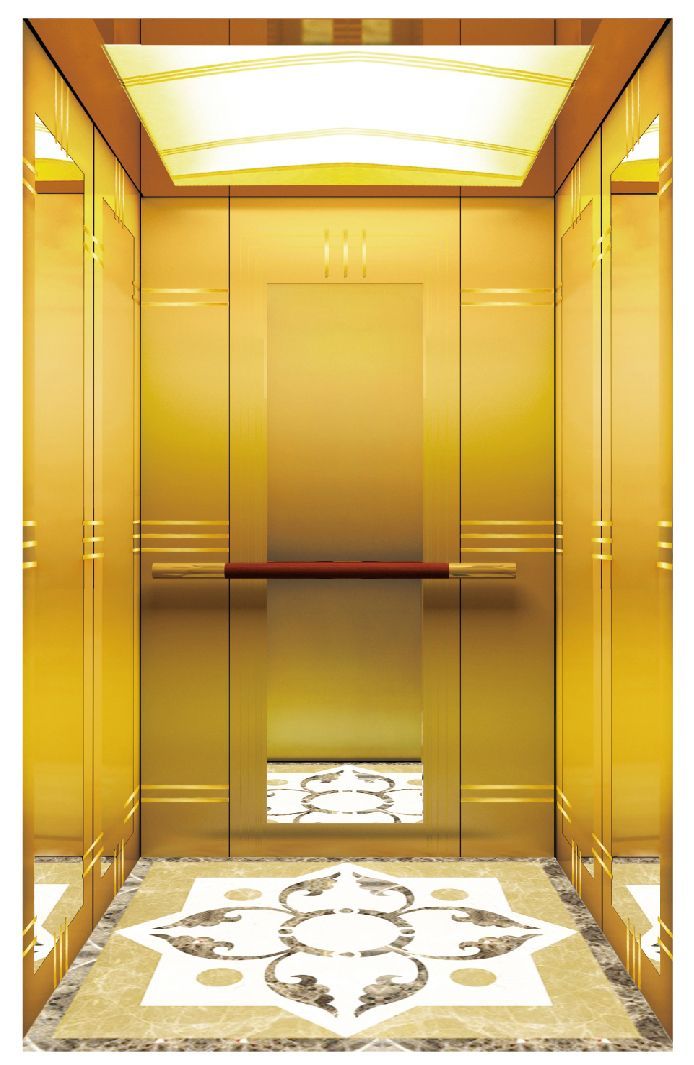
A customized passenger elevator is sized from the load case upward, not from the cabin finish downward.
Why the parameters have to be fixed before the order
Two different things are called customization in elevator procurement. The first is engineering customization: rated capacity, speed, stop count, travel, drive type and shaft arrangement. The second is finish customization, which Delfar lists as logo, cabin wall material and colour, car door material and colour, ceiling type, floor material and pattern, and handrail material and colour. Only the second list can change late without reopening the building design.
Capacity, speed and travel decide the car area, the guide rails, the machine rating and, in most buildings, the shaft, pit and headroom dimensions. Once those sit in the structural drawing they are expensive to revisit. That is why the sizing sequence belongs at evaluation stage rather than at the purchase order.
A locked parameter schedule also shortens execution. Technical review, production release and pre-shipment testing all key off the same four numbers, so a distributor quoting a project can compare lines on one page instead of three data sheets.
What the market and standards context means for sizing
Machine-room-less designs are the fastest-growing configuration in the category; Fortune Business Insights projects MRL technology at a 9.6% CAGR through 2034. For a specifier this shifts the early question from where the machine room goes to which line offers MRL and what travel that option supports. In the Delfar range, the DP/DPN passenger line is available in both machine-room and machine-room-less configurations.
Regional demand changes which envelope gets tested. Allied Market Research values the Middle East elevator market at USD 1.25 billion in 2023, rising to USD 2.38 billion by 2030. Projects quoting into that region need documented travel capability and a stated ambient condition range as much as a finish sample, and both are answered by the parameter schedule rather than the brochure.
On the compliance side, EN 81-20 and EN 81-50 are the primary harmonized European standards for elevator design and testing and are mandatory for CE marking, according to Liftinstituut. EN 81-20 also requires a light-curtain door detection system to reduce the risk of door strikes, as stated in KONE's compliance guidance. Both points belong in the specification document, because the standard assessment is made against the parameters you fixed.
The parameter envelope: what each Delfar line can and cannot do
An envelope is a four-part limit: capacity, speed, stop count and travel. A valid specification satisfies all four at once. The table below reproduces the published ranges for the nine Delfar lines; the notes column carries the configuration facts that affect selection.
| Line (model) | Rated capacity | Speed | Stops | Max travel | Configuration notes |
|---|---|---|---|---|---|
| Passenger (DP/DPN) | 400–3,000 kg | 1.0–6.0 m/s | 2–60 | 100 m | PMSM gearless drive; MR or MRL |
| Home / villa (DH) | 320–630 kg | 0.3–0.5 m/s | 2–6 | 20 m | Residential duty, compact shaft |
| Freight (DF/DFN) | 2,000–8,000 kg | 0.25–1.0 m/s | 2–10 | 50 m | VVVF control; forklift-compatible |
| Observation (DPO/DPNO) | 630–1,600 kg | 1.0–2.5 m/s | 2–30 | 100 m | 360-degree panoramic car, high-strength safety glass |
| Bed (DPB/DPNB) | 1,600–3,000 kg | 1.0–2.0 m/s | 2–20 | 60 m | Healthcare duty |
| Car (DA/DAN) | 3,000–5,000 kg | 0.2–0.5 m/s | 2–6 | 30 m | Vehicle transport |
| Dumbwaiter (DW) | 50–500 kg | 0.2–0.5 m/s | 2–8 | 30 m | Tray and service loads |
| Escalator (DE) | — | 0.5 m/s | — | — | 30 or 35 degrees; 600/800/1,000 mm step width |
| Moving walk (DM) | — | — | — | 10 m rise | 0 or 12 degrees; 600/800/1,000 mm pallet width |
Read the table as a filter, not a menu. A project sits inside a line only when every one of its values falls inside that line's range. The steps below apply that filter in order.
Step 1 — Fix rated capacity from the heaviest routine load
Capacity is the first number to lock, because it drives car area, rail size and machine rating together. It should come from the heaviest load the installation will handle routinely, not from an average.
For the DP/DPN passenger line the envelope runs from 400 kg to 3,000 kg. The lower end matches small residential or low-occupancy cores; the upper end serves high-occupancy buildings and special duty. In passenger work, rated load and available car area are specified together, because the passenger-elevator standard framework relates the two: a 1,000 kg rating cannot be paired with a car footprint sized for 630 kg.
Dedicated lines exist because the load case differs, not because the capacity is larger. The DPB/DPNB bed elevator covers 1,600–3,000 kg so a stretcher, attendants and equipment travel in one car. The DF/DFN freight line covers 2,000–8,000 kg and is forklift-compatible, which raises a question the specifier must answer explicitly: does the rated load cover the forklift and its load together, or only the goods? If it covers only the goods, usable payload is lower than the plate suggests. The DA/DAN car elevator covers 3,000–5,000 kg for a vehicle plus occupants, and the DW dumbwaiter covers 50–500 kg of tray and service loads, which is a service envelope rather than a goods envelope.
The DH home line covers 320–630 kg and the DPO/DPNO observation line 630–1,600 kg. In both cases the decision is usually settled by the building: household traffic in one, and the car structure that carries a 360-degree panoramic enclosure in the other.
Step 2 — Set speed from distance between stops and handling capacity
Speed should follow the distance the car actually covers between stops and the handling capacity the lobby needs. Choosing it from preference produces a specification that costs more and rides no better.
Short-travel, low-stop projects gain little from a higher figure, because acceleration, deceleration, levelling and door time make up most of the trip. That is why the DH home line sits at 0.3–0.5 m/s across 2–6 stops and up to 20 m, and why the DA/DAN car elevator and DW dumbwaiter sit at 0.2–0.5 m/s: in a parking structure or a service core, loading and unloading dominate the cycle. The DF/DFN freight range of 0.25–1.0 m/s follows the same logic — a faster car does not shorten a dock operation, and unit count usually moves throughput more than top speed does.
At the other end, DP/DPN reaches 6.0 m/s across up to 60 stops and 100 m of travel. A high-speed customized elevator is a valid specification where the express zone between served zones is long and the core is tall; the same unit specified in a four-stop building adds capability the trip profile cannot use. The observation line's 1.0–2.5 m/s and the bed line's 1.0–2.0 m/s sit between those cases, and the DE escalator runs at a fixed 0.5 m/s regardless of step width.
Practical rule: speed, travel and stop count form one specification row, not three independent choices. A speed figure quoted without the travel and stop count it was published with is not a configuration.
Step 3 — Confirm travel and stop count together
Travel is the total rise from the lowest to the highest landing; stop count is the number of served landings. Both limits apply at the same time, and the tighter one governs line selection.
Work through the range. The DH home line allows 2–6 stops and up to 20 m, so a villa with five stops and 24 m of total rise is outside the envelope even though five sits inside the stop range: the travel limit decides, and the project needs a line with a longer envelope, such as DP/DPN at 2–60 stops and up to 100 m. A seven-stop villa is outside for the opposite reason — 18 m of rise is well inside 20 m, but seven stops exceeds the six-stop limit.
The same check applies further up. DF/DFN freight covers 2–10 stops and up to 50 m, so a twelve-stop warehouse core exceeds the line. DA/DAN covers 2–6 stops and up to 30 m, so a seven-level parking structure does. DPB/DPNB bed elevators cover 2–20 stops and up to 60 m, DPO/DPNO observation covers 2–30 stops and up to 100 m, and DW dumbwaiters cover 2–8 stops and up to 30 m.
Continuous-flow equipment is sized differently. The DE escalator is specified by angle (30 or 35 degrees), step width (600, 800 or 1,000 mm) and a fixed 0.5 m/s; the DM moving walk by incline (0 or 12 degrees), pallet width (600, 800 or 1,000 mm) and a maximum rise of 10 m. There is no stop count to check, but the rise limit still decides how far a walk can replace an escalator pair.
Step 4 — Choose the drive and confirm the site interface
Once the four numbers are fixed, the remaining engineering choices are drive type, machine-room arrangement and site conditions.
DP/DPN uses a PMSM gearless traction machine and is offered in machine-room and machine-room-less versions. A PMSM gearless machine is a driving unit that uses a permanent-magnet synchronous motor to turn the traction sheave directly, without a reduction gearbox; the assembly comprises the motor stator and rotor, the sheave, the electromagnetic brake, a rotary encoder and the frame. A variable-frequency drive supplies regulated AC power to the stator, the rotor turns the integrated sheave, rope friction moves the car, and the encoder returns position and speed feedback for levelling and stopping. That mechanism is why the drive choice belongs with the speed decision rather than the finish decision: it is the component that has to deliver the figure you specified.
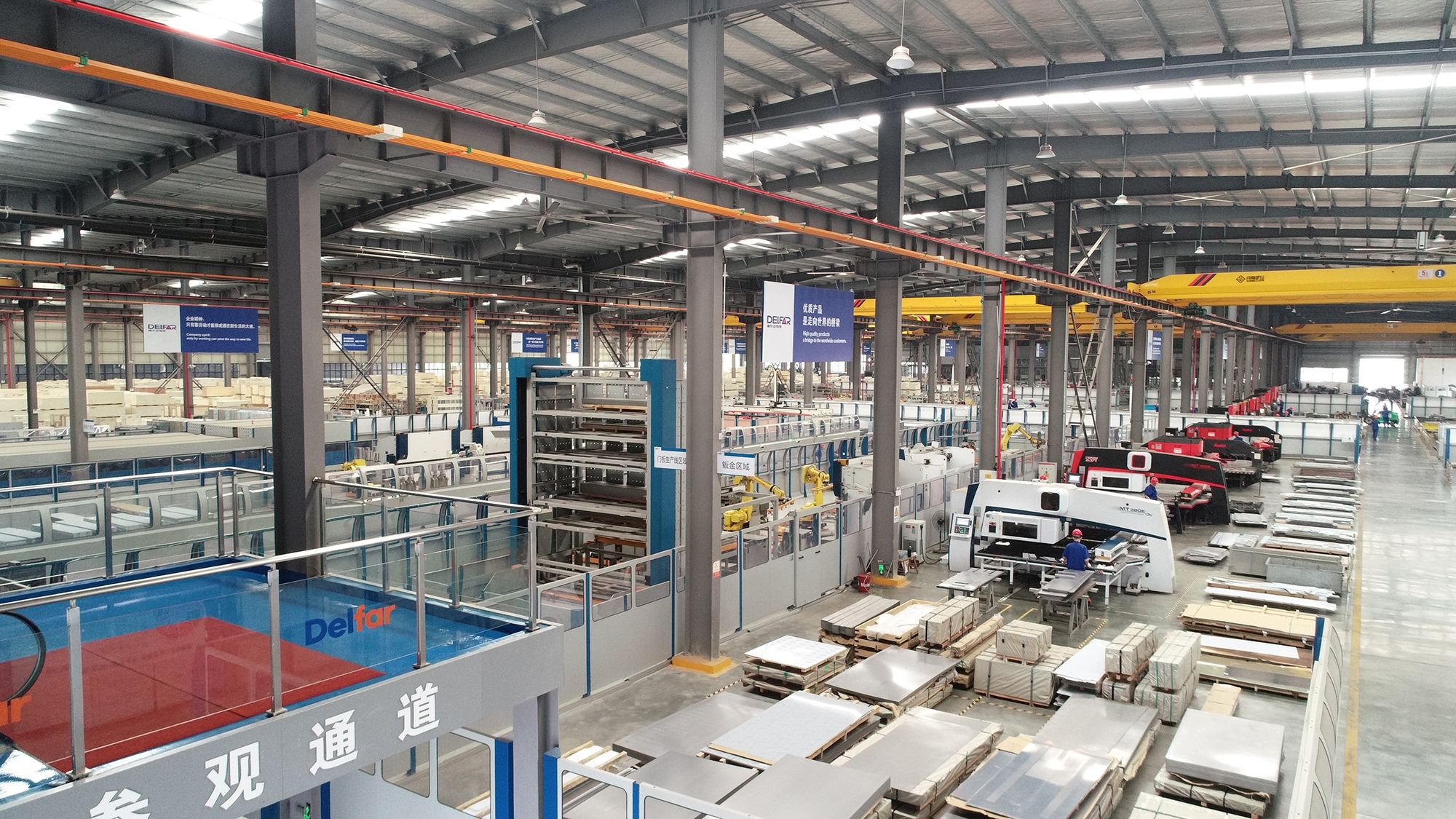
Drive and car configuration are set after capacity, speed and travel are locked.
The DF/DFN freight line uses VVVF control for the same practical purpose: controlled acceleration and deceleration when the moving mass is large. The DPO/DPNO observation car is built around a 360-degree panoramic enclosure in high-strength safety glass, which constrains the car structure; DA/DAN is configured around vehicle movement and DW around small service loads.
Site conditions are part of the parameter set. The stated working condition for these products is an ambient temperature of −5 °C to +40 °C, relative humidity up to 90% non-condensing, and altitude up to 1,000 m, with installation in a well-ventilated environment free from excessive dust, corrosive gases and flammable or explosive substances. A project outside that range — a hot coastal site, a dusty industrial hall, a cold-store interface — needs the special requirement (fire protection, explosion-proof, waterproof, corrosion resistance, dust-proofing, high or low temperature resistance) agreed at specification stage rather than assumed at delivery.
Equipment that must be coordinated at the same time includes the emergency power supply, fire alarm system, CCTV, parking system, automatic rescue device, access control, intercom and remote monitoring. For home projects, typical planning figures cited for a traction home elevator are a pit of roughly 300–500 mm and headroom of roughly 2,800–3,000 mm; treat these as planning values to be confirmed against the final layout, not as fixed dimensions.
Step 5 — Match the parameter set to the project type
The fastest route from building type to a starting specification is the matching table below. It gives the line to open first and the values to quote, not a final design.
| Project type | Starting line | Parameter starting point | Selection note |
|---|---|---|---|
| Private villa / duplex | DH | 320–630 kg · 0.3–0.5 m/s · 2–6 stops · up to 20 m | Household traffic, compact shaft |
| High-rise office or residential tower | DP/DPN | 400–3,000 kg · 1.0–6.0 m/s · 2–60 stops · up to 100 m | Long rise; MR or MRL |
| Hotel atrium / shopping mall | DPO/DPNO | 630–1,600 kg · 1.0–2.5 m/s · 2–30 stops · up to 100 m | 360-degree panoramic car |
| Hospital / clinic | DPB/DPNB | 1,600–3,000 kg · 1.0–2.0 m/s · 2–20 stops · up to 60 m | Bed and stretcher loads |
| Warehouse / factory / logistics | DF/DFN | 2,000–8,000 kg · 0.25–1.0 m/s · 2–10 stops · up to 50 m | Forklift-compatible, VVVF |
| Parking structure | DA/DAN | 3,000–5,000 kg · 0.2–0.5 m/s · 2–6 stops · up to 30 m | Vehicle movement, space saving |
| Kitchen / back-of-house service | DW | 50–500 kg · 0.2–0.5 m/s · 2–8 stops · up to 30 m | Tray and small goods |
| Retail / transit vertical circulation | DE | 0.5 m/s · 600/800/1,000 mm step width · 30 or 35 degrees | Continuous flow |
| Concourse / horizontal transfer | DM | 0 or 12 degrees · 600/800/1,000 mm pallet width · up to 10 m rise | Continuous flow with rise |
Mixed-use buildings usually need more than one line. A tower with an office core, a retail podium, a loading dock and a service kitchen can combine DP/DPN in the core, DE at the podium, DF/DFN at the dock and DW in the kitchen, with each entry validated against its own four numbers. The framework holds because the lines do not compete: each one owns a load case and a travel range the others do not cover.
Step 6 — Verify compliance, customization scope and delivery terms
Before a customized elevator order is released, the parameter schedule should be checked against certificates, standards and commercial terms, because these cannot be corrected once production starts.
The quality system behind the lines is certified to ISO 9001:2015 / GB/T 19001-2016 under certificate 00625Q30569R4M, issued by QAC on 3 June 2025 and valid to 2 June 2028, with the scope covering design, manufacture, installation, remoulding and repair of elevators and escalators. ISO 14001:2015 / GB/T 24001-2016 (00625E30335R4M) and ISO 45001:2018 / GB/T 45001-2020 (00625S30329R4M) carry the same scope and validity period. The company profile additionally lists CE, CU, SASO, SGS and SC certificates. Project acceptance by the local authority remains a separate step; a product certificate supports the application and does not replace it.
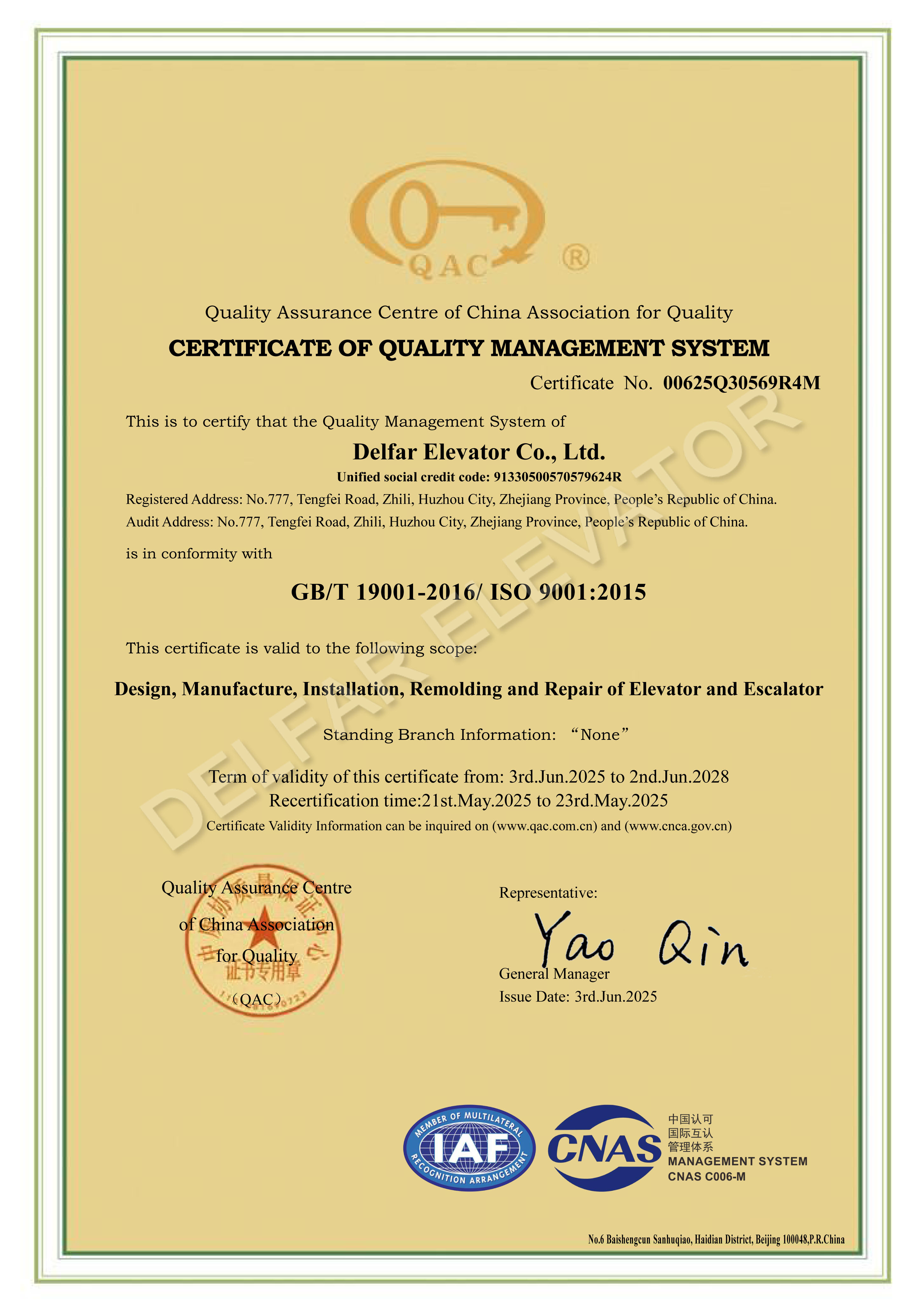
ISO 9001 certificate 00625Q30569R4M, issued by QAC, valid from 3 June 2025 to 2 June 2028.
For EU-bound projects, EN 81-20 and EN 81-50 are the harmonized standards against which design and testing are assessed for CE marking, and the EN 81-20 light-curtain requirement belongs in the door specification rather than in an options list.
Commercial terms to confirm in the same review: minimum order quantity of 1 unit, normal lead time of 35 days, monthly capacity of 800 units, 100% pre-shipment testing, T/T or L/C payment, FOB, CIF, EXW or CFR delivery terms, and a 12-month warranty from the delivery date. After-sales support is provided remotely through WhatsApp and email, with professional on-site technical support available when required. Finish selections — logo, cabin wall material and colour, car door material and colour, ceiling type, floor material and pattern, handrail material and colour — are confirmed after the envelope, so the parameter schedule is not reopened for a finish change.
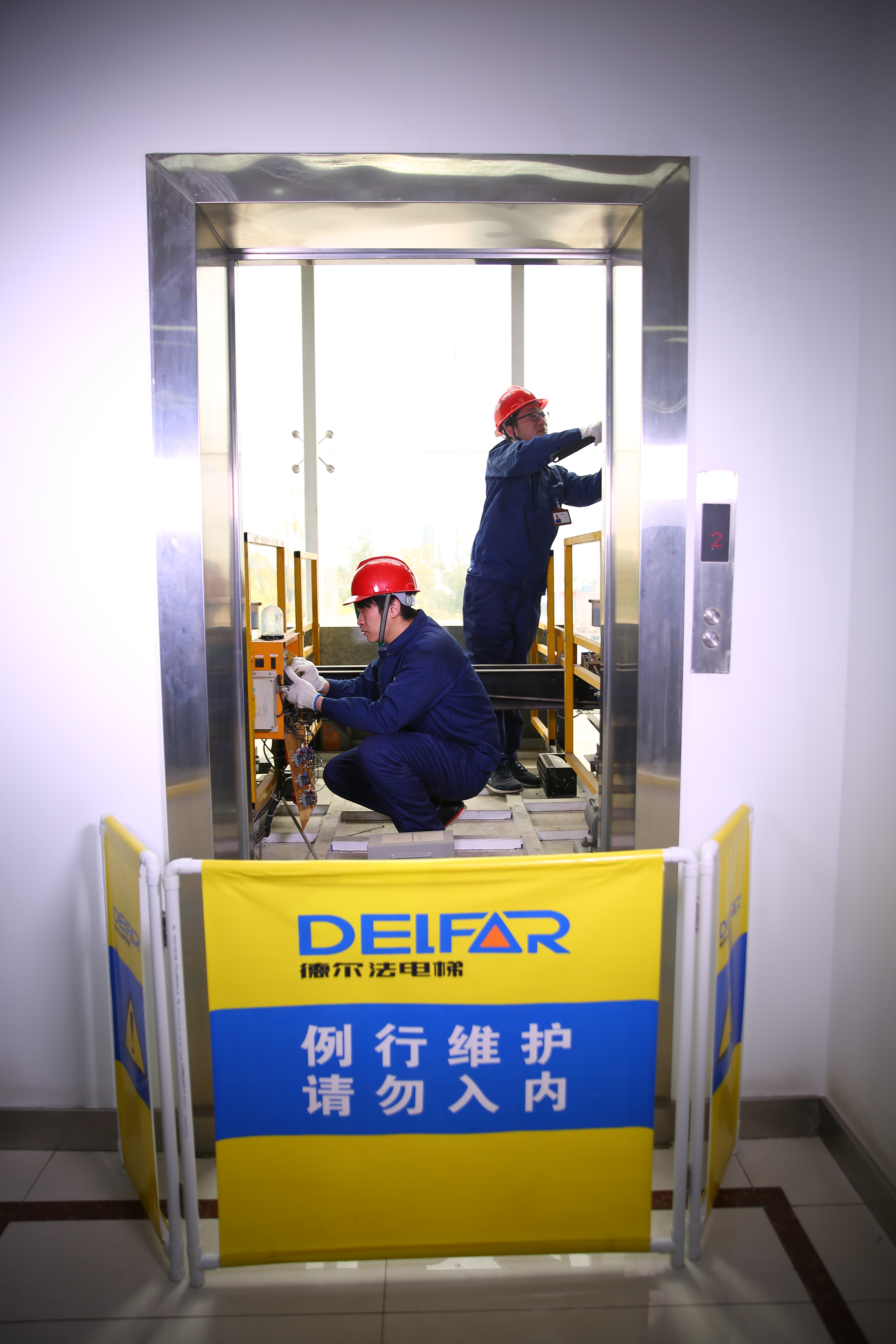
After-sales support runs remotely through WhatsApp and email, with on-site support when required.
Boundary cases where the envelope decides for you
Some projects cannot be solved by adding customization, and recognising them early saves a redesign.
- A villa above 20 m of rise or above six stops leaves the DH line and needs a passenger envelope.
- Freight duty above 8,000 kg or above 50 m of travel is outside DF/DFN.
- A parking structure above six levels or 30 m of travel is outside DA/DAN.
- Goods above 500 kg are outside the DW dumbwaiter envelope and belong on a freight unit.
- A panoramic car above 1,600 kg or 2.5 m/s is outside the observation line.
- An escalator cannot be specified faster than 0.5 m/s; changing step width changes step width, not speed.
- A site above 40 °C ambient, above 1,000 m altitude or with a corrosive atmosphere is outside the stated working condition and needs a special-requirement review.
Two limits are often confused. A product-line envelope is a manufacturer's published capability range; a building-code approval is a separate assessment by the local authority. Both apply, and neither substitutes for the other.
How the framework looks in delivered projects
Three delivered projects show the sequence in practice.
In Aruba, a car elevator OEM client used 10 units for a commercial parking building designed for 10–20 years of operation. The stated result was efficient vertical transportation that maximised usable building area where ramps would have consumed space. The parameter logic is visible in the line choice: vehicle movement sits inside the DA/DAN envelope of 3,000–5,000 kg, 0.2–0.5 m/s, 2–6 stops and up to 30 m, which also caps the structure at six served levels.
In Albania, a distributor supplied 30 passenger elevators for a high-rise residential building, with smooth acceleration and deceleration, low-noise operation and a consistent cabin appearance across floors cited as the outcome. That is the DP/DPN envelope at work: 400–3,000 kg and 1.0–6.0 m/s across up to 60 stops and 100 m, with the machine-room-less option available where the core has no machine room.
In Brazil, 20 home elevators were supplied for a luxury private villa, with a compact structure and customized finishes described as the fit between vertical mobility and the home's architecture. The DH line defines that fit — 320–630 kg, 0.3–0.5 m/s, 2–6 stops and up to 20 m — and the finish list is where the customization sits.
For continuous-flow equipment, a Bahrain metro station project used 10 escalators in a transportation hub, with heavy-duty performance, passenger-flow distribution and intensive-operation design cited as the result. Step width at a fixed 0.5 m/s is the sizing lever there, not speed.
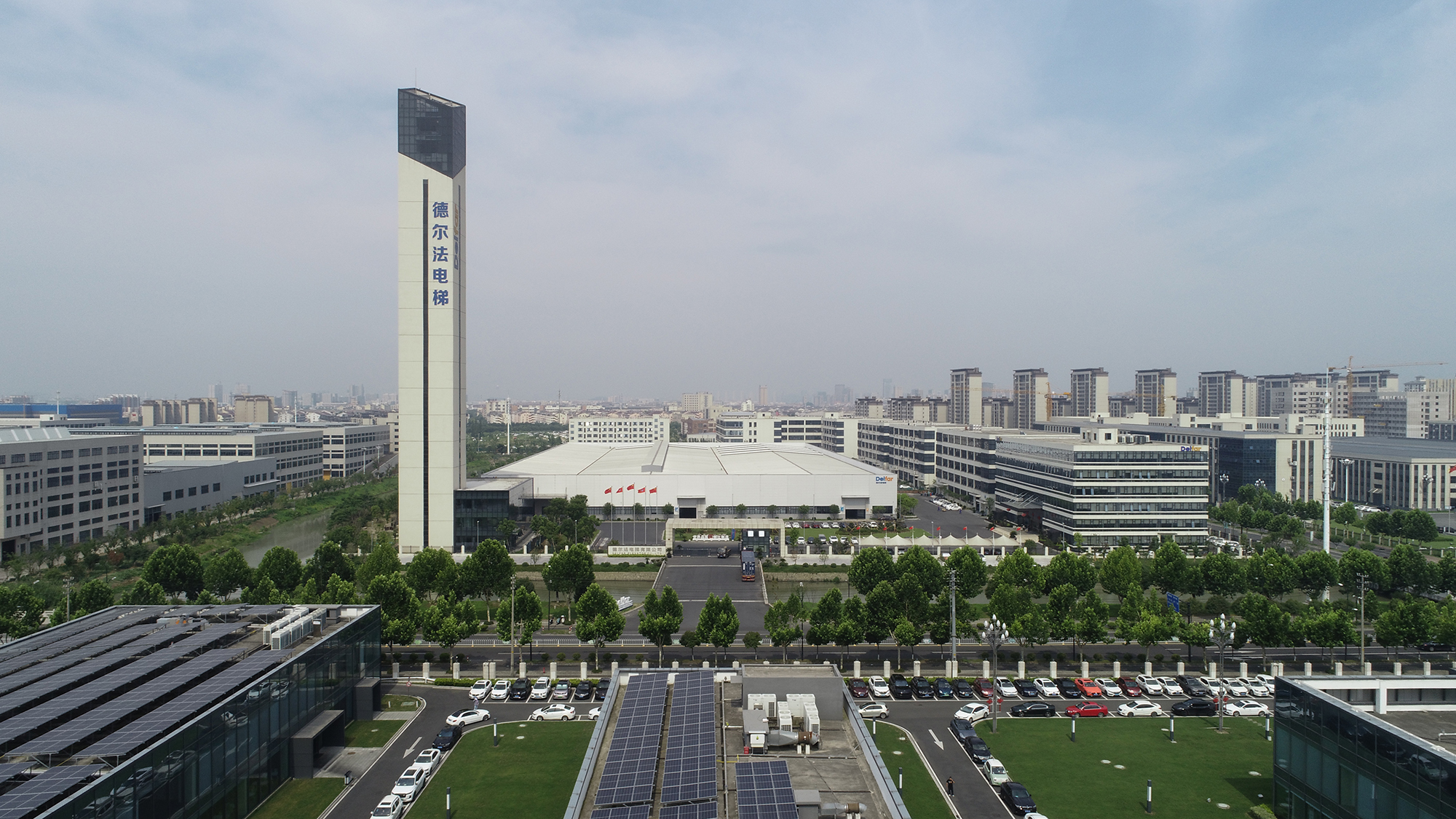
The factory covers approximately 100,000 m², with annual output of 10,000 units and monthly capacity of 800 units.
FAQ
Which standards and certificates apply to a customized elevator order?
EN 81-20 and EN 81-50 are the primary harmonized European standards for elevator design and testing and are mandatory for CE marking; EN 81-20 also requires a light-curtain door detection system to reduce door-strike risk. Delfar's quality system is certified to ISO 9001:2015 / GB/T 19001-2016 (certificate 00625Q30569R4M, QAC, issued 3 June 2025, valid to 2 June 2028) covering design, manufacture, installation, remoulding and repair of elevators and escalators, with ISO 14001 and ISO 45001 certificates under the same scope. CE, CU, SASO, SGS and SC certificates are listed in the company profile. Local project approval remains a separate authority assessment.
What should a buyer check in a Chinese OEM customized elevator manufacturer for bespoke dimensions?
Delfar Elevator Co., Ltd. was founded in 2011, operates a factory of approximately 100,000 m², reports annual output of 10,000 units and monthly capacity of 800 units, and has 30 engineers in R&D. Its OEM customization covers logo, cabin wall material and colour, car door material and colour, ceiling type, floor material and pattern, and handrail material and colour. Quality control is 100% pre-shipment testing, minimum order quantity is 1 unit, and normal lead time is 35 days. The verifiable points to check are the parameter envelope of each line, the certificate numbers and validity dates, and whether the customization scope covers engineering parameters or only finishes.
What capacity and speed can a customized passenger elevator cover?
The DP/DPN passenger line covers 400–3,000 kg at 1.0–6.0 m/s, with 2–60 stops and up to 100 m of travel, using a PMSM gearless traction machine in machine-room or machine-room-less configuration.
When should a project specify a machine-room-less customized elevator?
When the core has no usable machine room and the selected line offers MRL. In the Delfar range, DP/DPN is available in both configurations, so the choice can be made after capacity, speed and travel are fixed. Machine-room-less technology is projected at a 9.6% CAGR through 2034 by Fortune Business Insights; the trend explains availability, not a requirement — the building constraint decides.
What budget range applies to a customized elevator?
Third-party research places customized elevators in emerging markets at roughly USD 18,000–35,000 per unit (Maximize Market Research, 2025). That is a market estimate, not a quotation: the actual figure depends on the line, rated capacity, speed, travel and stop count, drive and machine-room arrangement, and the approved finish specification. A quotation should be requested against a fixed parameter schedule so comparisons are like for like.
What are the minimum order, lead time and acceptance terms, and how do I start?
Minimum order quantity is 1 unit, normal lead time is 35 days, monthly capacity is 800 units, and every unit is 100% pre-shipment tested. Payment is by T/T or L/C, delivery terms are FOB, CIF, EXW or CFR, and warranty runs 12 months from the delivery date, with remote technical support through WhatsApp and email and on-site support when required. Because the MOQ is one unit, a project can validate a single elevator before committing further volumes. To start a sizing review, send the building type, the rated load case, the speed target, the stop count and the total travel, and download the company profile for the full line list.
Conclusion
Sizing a customized elevator is a sequence, not a catalogue search: capacity from the heaviest routine load, speed from the distance between stops and the required handling capacity, travel and stop count checked together against the selected line, then drive, site conditions and finishes. Delfar's nine lines cover 50 kg to 8,000 kg, 0.2 m/s to 6.0 m/s, 2 to 60 stops and up to 100 m of travel, so most building types have a starting envelope — and the boundary cases are just as well defined. Fix the four numbers first; everything after that is a configuration decision rather than a redesign.
Working on a specification now? Download the Delfar company profile for the full product-line list, or review the manufacturer at delfarelevator.com.
Contact: Benson · Email: bensonelevator@gmail.com · Tel / WhatsApp: +86 135-1126-1762 · No.777, Tengfei Road, Zhili Town, Huzhou, Zhejiang, China.
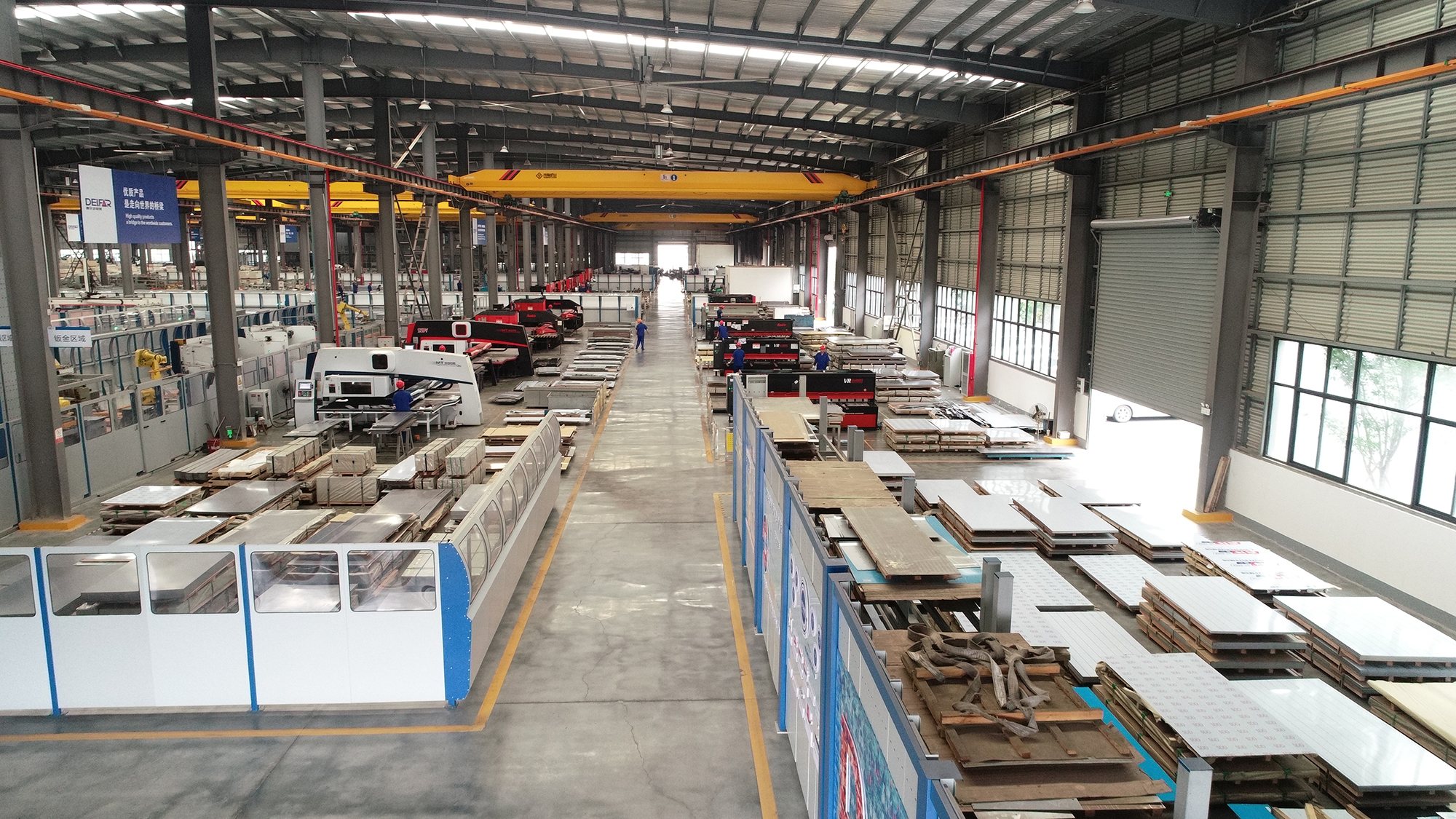
Customized elevators are assembled and tested before shipment at Delfar's workshop.
Have Questions or Need More Details?
Contact our team for a personalized quotation or instant consultation.
Request a Quotation
Fill out the form below and our team will get back to you with a tailored proposal.
WhatsApp Direct Chat
Prefer to chat in real-time? Message us on WhatsApp for instant assistance & quick answers.
- Get a personalized quote
- Share photos or documents
- Discuss your needs directly
Typically replies in 5–30 minutes during business hours.