Customized Elevator Supplier Audit: Verifying Product-Line Capability and Delivery Assurance
A customized elevator supplier audit verifies three claims before a purchase order is signed: that the supplier manufactures the product line the project actually needs, that the quoted customized elevator dimensions match the building’s real capacity, speed, stop and travel conditions, and that delivery, acceptance and after-sales obligations are documented in writing. For buyers moving from decision to execution, the audit is a documentation exercise rather than a reputation exercise.
Delfar Elevator Co., Ltd. is an elevator and escalator manufacturer founded in 2011 and located in Huzhou, Zhejiang, China, one of China’s elevator manufacturing hubs. The company produces passenger elevators, home elevators, observation elevators, hospital elevators, freight elevators, car elevators, machine-room-less elevators, small machine-room elevators, escalators and moving walks, and supplies elevator solutions for residential, commercial, industrial, hotel, hospital and public projects in overseas markets.
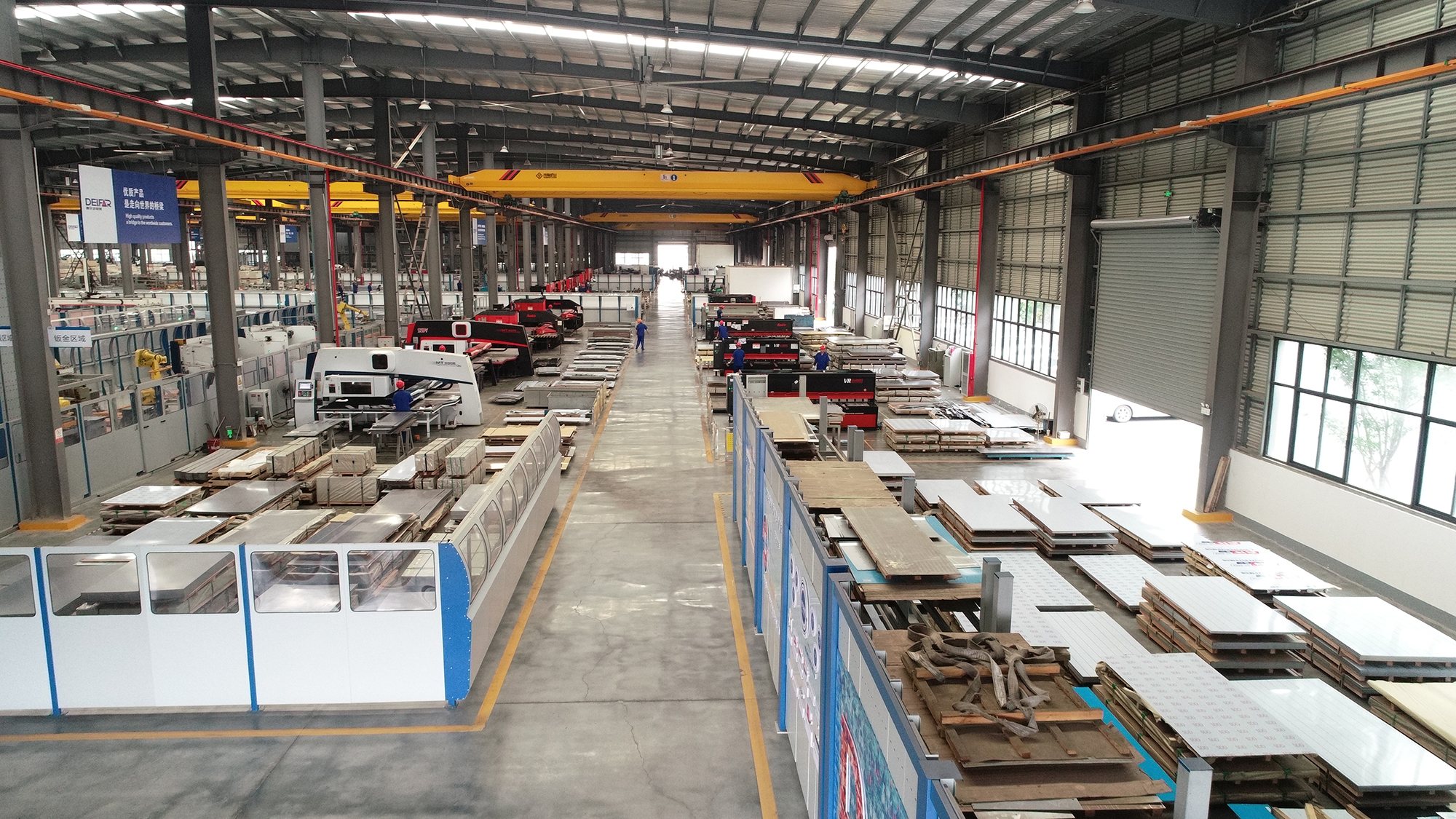
A supplier audit should start inside the factory, not inside the quotation: the workshop, the production process and the product line define what can actually be delivered.
Problem Definition: Where Customized Elevator Supplier Audits Break Down
Most supplier audits are run after the quotation has arrived, which means the buyer is already comparing prices instead of verifying capability. Four failure patterns appear repeatedly once a customized elevator order moves into execution.
Capability is collected as categories, not parameters
“We can customize” is a category. It cannot be checked, compared or installed. A parameter sheet states rated capacity, rated speed, number of stops, travel height and drive type for a named model. Without that granularity, two quotations for the same building cannot be compared line by line, and the installation team has no baseline to measure against.
The product line is wider in the brochure than in the factory
A supplier may manufacture passenger elevators in-house while sourcing freight elevators, car elevators, escalators or moving walks from third parties. That is not automatically a disqualification, but it changes who owns interface responsibility, spare-part supply and delivery sequencing. The audit should separate items that are manufactured from items that are merely supplied.
Customized elevator dimensions are quoted before the shaft is verified
Shaft width, car dimensions, pit depth, headroom and travel height determine the drive system, the rope configuration and the guide rails. When travel height is assumed rather than measured, the machinery selection can change after the contract is signed; when pit or headroom is assumed, installation is delayed on site. Dimension verification belongs in the audit, not in the change order.
Delivery assurance is assumed rather than documented
MOQ, delivery terms, payment terms and acceptance criteria are commercial facts, not courtesies. If they are not written into the offer, they are not agreed, and the execution stage is where that becomes expensive.
Industry Background: Why Supplier Audits Now Cover More Than Equipment Price
Global Market Insights valued the global elevator market at approximately USD 84.8 billion in 2024, and projects growth from USD 87.9 billion in 2025 to USD 126.7 billion by 2034 at a CAGR of 4.2%. Grand View Research estimated the global residential elevator market alone at USD 54.61 billion in 2024. In other words, customized elevator procurement sits inside a market large enough that supplier selection is a structured discipline, not a one-off negotiation.
Three structural trends shape what an audit needs to cover. First, machine-room-less technology is expected to record the highest growth rate in the category, at a CAGR of 9.6% through 2034 according to Fortune Business Insights, which pushes machine roomless customized elevator configurations into the mainstream. Second, service revenue now dominates the economics: maintenance services account for approximately 55% of global elevator market revenue according to Vyansa Intelligence, so the supplier’s ability to support the elevator after handover matters as much as the equipment price. Third, regional demand is uneven. Allied Market Research valued the Middle East elevator market at USD 1.25 billion in 2023 and projects USD 2.38 billion by 2030, while Roland Berger expects high-rise modernizations in the Middle East and Africa to grow at a CAGR of 11% between 2024 and 2030.
Compliance expectations move in parallel. EN 81-20 and EN 81-50 are the primary harmonized European standards for elevator design and testing and are mandatory for CE marking, according to Liftinstituut. For an EN 81 compliant customized elevator, compliance is therefore a design and testing question, not a document that can be attached at the end of a project.
Cost benchmarks also inform the audit. Maximize Market Research estimates that customized elevators in emerging markets are typically priced between USD 18,000 and USD 35,000 per unit. A quotation far outside that band usually indicates a difference in configuration, scope or service coverage rather than a simple price advantage.
Detailed Solution: A Six-Part Audit Framework
The framework below converts supplier claims into verifiable evidence across six areas: product line, dimensions, customization engineering, manufacturing systems, compliance and delivery assurance.
1. Verify the product line, model by model
A customized elevator supplier should be audited against named models with published parameter ranges, because those ranges define the boundary of what can be customized. Delfar’s core lines are documented as follows.
| Model | Typical application | Rated capacity | Rated speed | Stops | Travel height |
|---|---|---|---|---|---|
| DP / DPN passenger elevator | Passenger transport; machine-room-less or small machine room configurations | 400–3,000 kg | 1.0–6.0 m/s | 2–60 | Up to 100 m |
| DH home elevator | Villa and residential use; small machine room or machine-room-less | 320–630 kg | 0.3–0.5 m/s | 2–6 | Up to 20 m |
| DF / DFN freight elevator | Goods and heavy-duty transport | 2,000–8,000 kg | 0.25–1.0 m/s | 2–10 | Up to 50 m |
Beyond these three documented lines, the audit should also confirm coverage of the wider product family: observation elevators for panoramic and scenic passenger transport, dumbwaiters for small goods and service transfer, bed elevators for healthcare patient transport, DA / DAN car elevators for vehicle parking projects, DE escalators and DM moving walks for inclined people movement. A buyer procuring a mixed-use development will usually need more than one of these lines from the same supplier, and the audit should state clearly which are manufactured and which are supplied.
2. Match verified parameters to the building
Customized elevator dimensions are not a single measurement; they are a chain of dependent variables. Travel height sets the machinery and rope configuration, capacity sets the car and guide rail sizing, speed sets the drive and control requirements, and stops determine the landing equipment count. A high-speed customized elevator in the DP / DPN range, for example, runs from 1.0 m/s to 6.0 m/s with up to 60 stops and up to 100 m of travel, while a heavy-duty customized elevator in the DF / DFN freight range reaches 8,000 kg capacity at a lower 0.25–1.0 m/s speed band.
Practically, the audit should require the supplier to state the parameter band it is quoting inside, rather than quoting a single figure. That makes it visible when a project has been pushed outside the standard band and customization work is genuinely required.
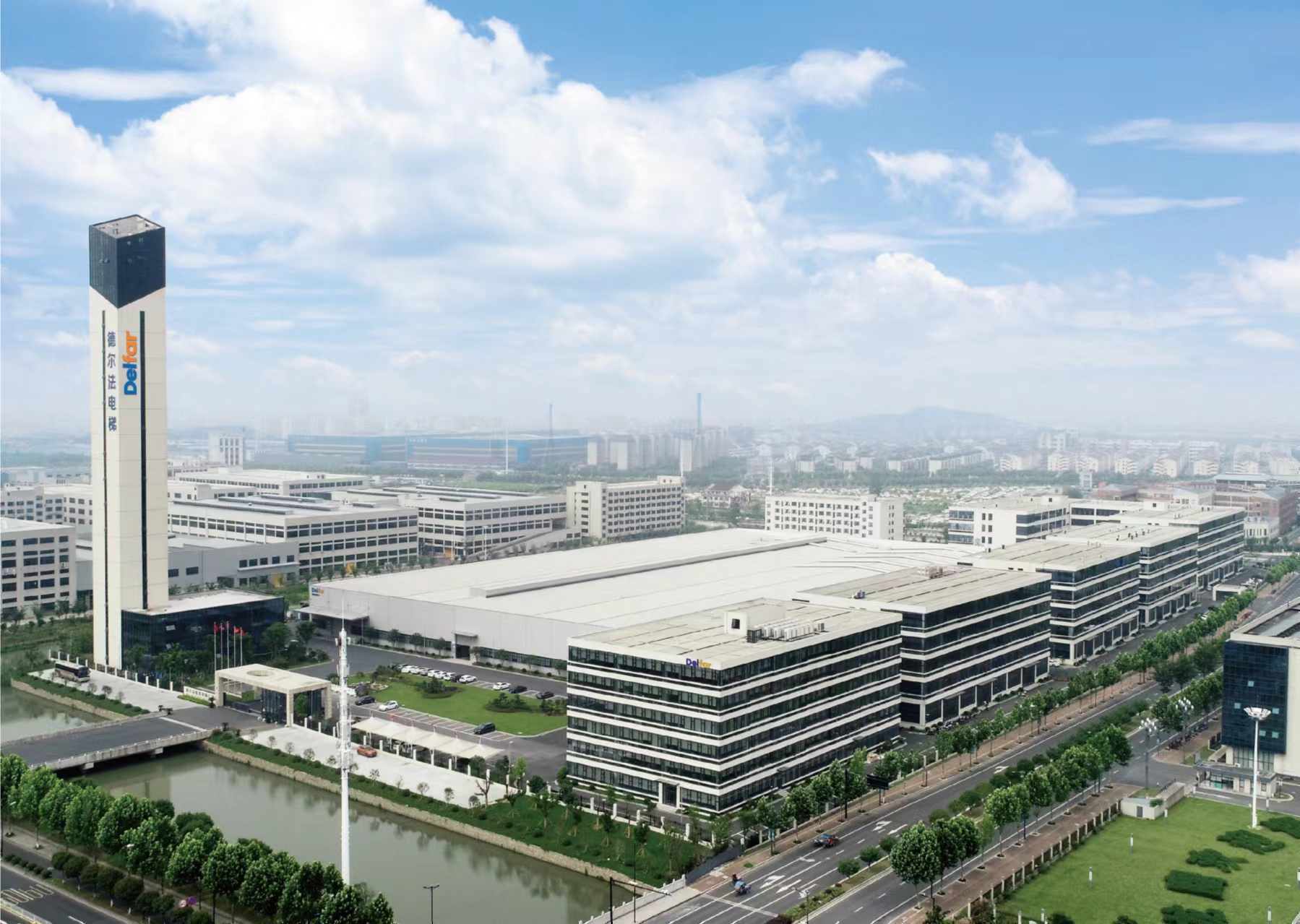
Manufacturing footprint is one of the few capability claims a buyer can verify directly: factory area, production lines and process control.
3. Audit customization engineering: cabin, door, ceiling and interior materials
Customized elevator cabin materials are where “customized” is most often claimed and least often verified. Delfar documents the following material options across its passenger and home elevator lines:
- Car finish: stainless steel, glass, painted steel, wood-finish and other customized options
- Car door and landing door: stainless steel, glass, painted steel, wood-finish and other customized options
- Floor: PVC or marble
- Handrail: stainless steel, solid wood or acrylic
- Car operating panel (C.O.P): stainless steel, glass or acrylic plexiglass
- Landing operating panel (L.O.P): stainless steel or glass
- Home elevator shaft: aluminum or steel
An audit should ask for the material schedule to be attached to the quotation, because ceiling design, door finish and interior materials drive both cost and lead time. Because these items are part of the customization scope, they should also be part of the acceptance criteria rather than being treated as cosmetic.
4. Verify manufacturing and quality systems
Capability claims should be anchored to verifiable production facts. Delfar operates a factory of approximately 100,000 m² with an R&D team of 30 engineers, an annual output of 10,000 units and an export ratio of 50%. Production automation reaches up to 70% in key manufacturing processes, supported by standardized operating procedures and 5S management. The company holds certifications including ISO 9001, ISO 14001, ISO 45001, CE, CU, SASO, SGS and SC certificates.
For the buyer, these facts matter in a specific way: factory area and automation level indicate whether a customized order can be absorbed alongside serial production, and the certification set indicates which export markets the quality system has already been reviewed against. During an audit, ask for the certificate scope and validity, not just the certificate name.
5. Verify compliance: standards and safety systems
Compliance verification should answer two separate questions: which standards the design was tested against, and which safety functions are included in the quoted configuration.
A supplier evaluation for passenger elevators should also confirm the drive and safety architecture, including PMSM gearless traction machines, A3 safety compliance with unintended car movement protection (UCMP), and 24/7 maintenance support arrangements. A PMSM gearless traction machine is a modern elevator driving unit that uses a permanent magnet synchronous motor to drive the traction sheave directly, without a reduction gearbox; the encoder provides real-time position and speed feedback for precise leveling, while the brake engages during stops.
6. Verify delivery assurance, terms and acceptance criteria
Delivery assurance is the part of the audit most often skipped, and it is the part that protects the project schedule. The commercial terms Delfar publishes are concrete: MOQ is 1 unit; delivery terms are FOB, CIF, EXW or CFR; payment terms are T/T or L/C; and acceptance criteria is a pre-shipment test.
Two further points should be written into the audit record. First, because maintenance services account for approximately 55% of global elevator market revenue, the supplier’s life-cycle service structure should be reviewed at the same time as the equipment offer. Delfar provides full-life-cycle elevator services including pre-sales consultation, technical design, installation guidance, commissioning, maintenance support and after-sales service. Second, for buyers planning repeat projects, the supplier’s working model matters: Delfar works with distributors, contractors, developers and project partners in international markets, which is the structure that supports multi-project supply rather than one-off orders.
Step-by-Step Breakdown: The Seven-Step Audit Sequence
- Freeze the building data. Record shaft dimensions, pit depth, headroom, travel height, number of stops and expected traffic before contacting suppliers. Everything else in the audit depends on this baseline.
- Request a model-level parameter sheet. Ask for the named model and its published capacity, speed, stop and travel ranges, and confirm which product lines — passenger, home, freight, observation, dumbwaiter, bed, car elevator, escalator or moving walk — are manufactured by the supplier.
- Map the project to a parameter band. Confirm that the required capacity, speed and travel sit inside the supplier’s stated range, and flag any requirement that falls outside it as a customization risk rather than a standard option.
- Request the material and customization schedule. Obtain written options for cabin finish, car and landing doors, ceiling and interior materials, floor, handrail, C.O.P and L.O.P, and confirm which of these are covered by the acceptance test.
- Verify the manufacturing and quality system. Review factory area, production capacity, engineering headcount and certification scope, and decide whether an on-site inspection is warranted before the order is placed.
- Verify compliance documents. Collect the CE certificate and confirm the harmonized standards the design was tested against, together with the safety functions included in the quoted configuration such as light curtain door detection and UCMP.
- Confirm commercial and delivery terms in writing. Lock MOQ, delivery terms, payment terms and acceptance criteria, and confirm the life-cycle service structure for installation, commissioning and maintenance.
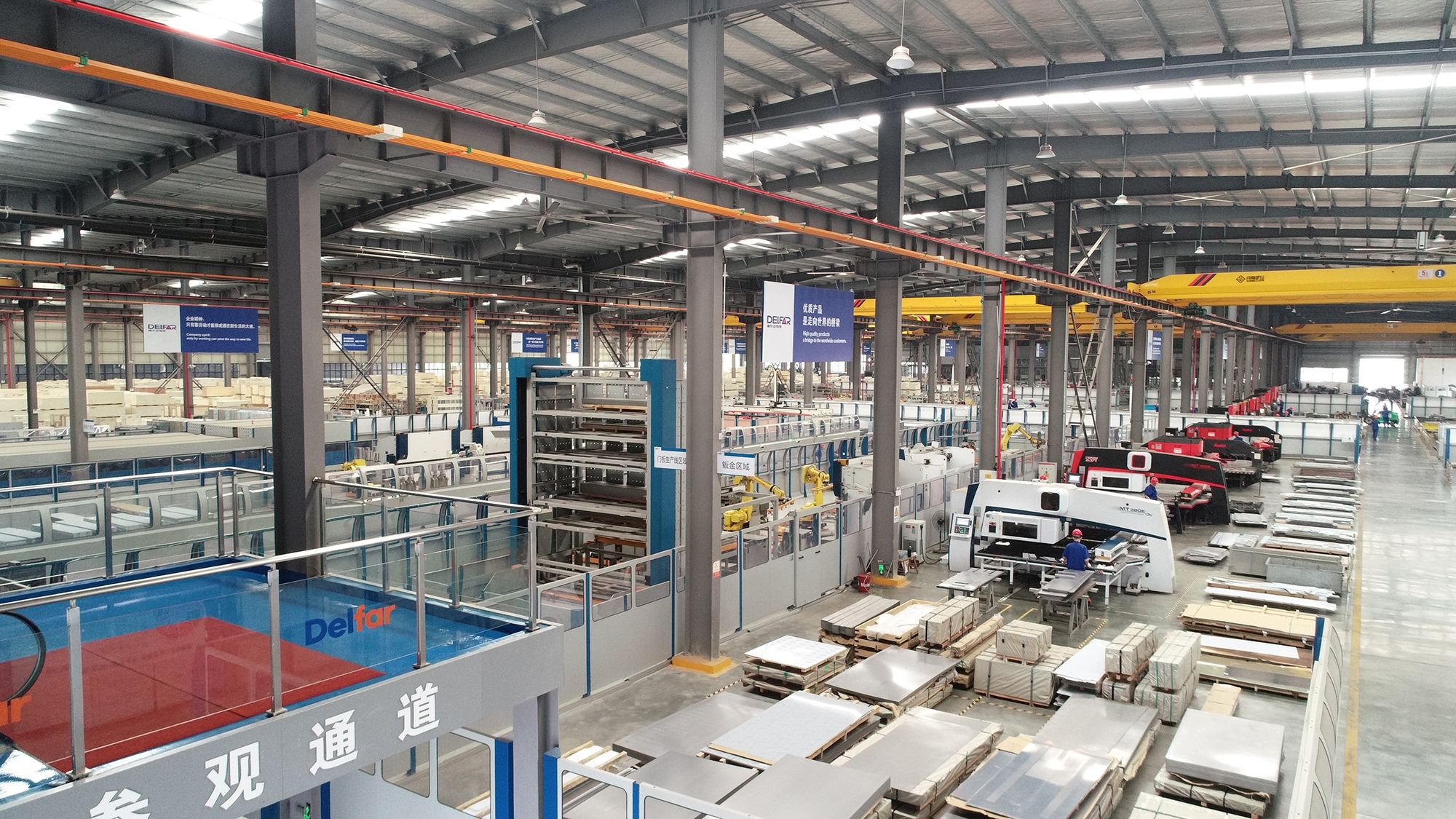
Step five in practice: production and inspection processes are reviewed before the order, not after delivery.
Use Cases: Where the Audit Checklist Changes
Customized residential elevator in a villa or low-rise home
For a customized residential elevator, the decisive question is usually traction versus hydraulic. Traction home elevators are suited to quiet, energy-efficient and long-term stable performance, while hydraulic home elevators are recommended specifically for projects with severe pit or headroom constraints. The measurable difference is significant: traction elevators typically require a pit depth of 300–500 mm and headroom of 2,800–3,000 mm, while hydraulic elevators can operate with a shallower pit of 100–200 mm and lower headroom. Traction systems using PMSM gearless technology can save up to 40% electricity and run more quietly; in a power outage, modern traction home elevators use an automatic rescue device (ARD) to lower the car to the nearest floor, while hydraulic units release oil to lower the car by gravity. In North America, hydraulic elevators currently lead the low-rise residential technology segment according to Straits Research, so regional practice should be checked against the audit checklist rather than assumed.
Customized elevator for commercial buildings
Commercial projects test the upper end of the parameter range. The DP / DPN passenger line covers 400–3,000 kg, 1.0–6.0 m/s, 2–60 stops and travel up to 100 m, which is where most office, hotel and mixed-use requirements fall. Because machine-room-less configurations are the fastest-growing technology segment at a 9.6% CAGR through 2034, a commercial audit should confirm whether the supplier’s machine roomless customized elevator platform shares the same drive and control architecture as the geared range, so spare parts and maintenance skills remain consistent.
Customized industrial elevator and heavy-duty goods movement
Industrial and logistics projects prioritize load over speed. The DF / DFN freight line spans 2,000–8,000 kg at 0.25–1.0 m/s with 2–10 stops and travel up to 50 m. A heavy-duty customized elevator audit should focus on guide rail sizing, door construction for trolley or forklift loading, and whether the quoted platform is a standard freight configuration or a genuine customization.
Customized elevator for Middle East markets
Middle East projects combine new construction with a growing modernization pipeline. The regional market was valued at USD 1.25 billion in 2023 with a projected path to USD 2.38 billion by 2030, and high-rise modernizations in the Middle East and Africa are expected to grow at a CAGR of 11% between 2024 and 2030. For these markets, the audit should verify that the certification set matches local acceptance requirements — Delfar holds SASO certification alongside CE, CU, SGS and SC certificates — and that the supplier can support both new installations and high-rise modernization work.
Healthcare and public projects
Hospital and public buildings require bed elevators, which should be audited for car depth, door clear width and ARD coverage rather than for speed. The same life-cycle question applies: in a facility operating continuously, maintenance response capability is part of the specification.
Comparison Table: Traction vs Hydraulic in a Customized Residential Elevator
The table below summarizes the comparison data that Delfar documents for traction elevators against traditional hydraulic elevators. It is intended as an audit input, not as a universal recommendation, because the correct choice depends on pit depth, headroom and travel height measured on site.
| Comparison item | Traction elevator | Traditional hydraulic elevator |
|---|---|---|
| Speed | Higher speeds; up to 3.3× higher than hydraulic | Lower speed band |
| Travel height | Up to ~6× higher travel height | Limited by hydraulic cylinder design |
| Energy consumption | About 28% lower energy consumption; counterweight and efficient electric drive reduce operating energy | Generally higher energy consumption |
| Building space | Machine-room-less configuration can reduce building-space requirements | Requires machine room and cylinder space |
| Cost | Can be higher depending on configuration | Lower initial structural modification cost in constrained shafts |
| Maintenance profile | Traction machine, ropes, brake, encoder and controller require maintenance | Fewer major moving components, but hydraulic oil, pump, valves, seals and potential leakage require attention |
| Best-fit application | Medium and high-rise buildings, residential, hotels, offices, hospitals, commercial and high-traffic projects | Low-rise, low-speed, low-traffic and heavy-load applications |
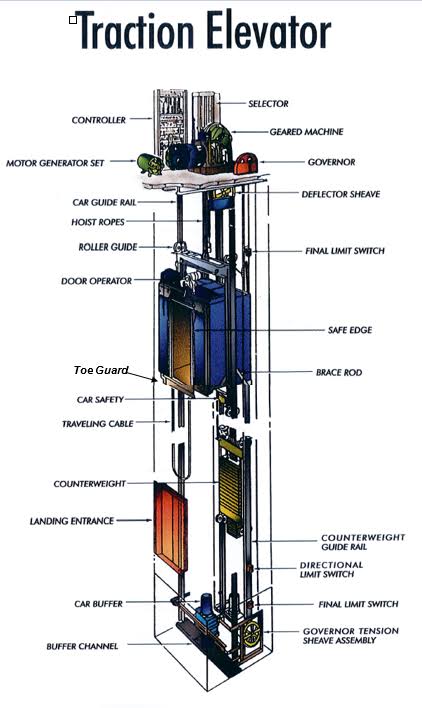
Drive architecture is the single comparison item that most strongly determines speed, travel height and energy profile in a customized residential elevator.
For the audit record, the practical rule is simple: confirm pit depth and headroom first, then confirm the drive type, then compare the parameter band the supplier is quoting. Reversing that order is what produces change orders.
Frequently Asked Questions
Does a customized elevator have to comply with EN 81, and what should the supplier prove?
EN 81-20 and EN 81-50 are the primary harmonized European standards for elevator design and testing and are mandatory for CE marking. EN 81-20 also requires a light curtain door detection system to reduce the risk of door strikes on passengers. An audit for an EN 81 compliant customized elevator should therefore collect three things: the CE certificate, the harmonized standards the design was tested against, and the safety functions included in the quoted configuration, such as unintended car movement protection (UCMP). Delfar holds ISO 9001, ISO 14001, ISO 45001, CE, CU, SASO, SGS and SC certificates, which allows buyers to verify certification scope against their target market before ordering.
What should a buyer verify before committing to a long-term customized elevator OEM for commercial building projects?
Long-term supply depends on product-line breadth, engineering depth and service structure, not on a single model. For commercial buildings, confirm that the passenger line covers the required envelope — the Delfar DP / DPN range spans 400–3,000 kg, 1.0–6.0 m/s, 2–60 stops and up to 100 m of travel — then confirm the supporting lines the project may need later, including observation elevators, freight elevators, bed elevators, car elevators, escalators and moving walks. Verify engineering and production capacity: an R&D team of 30 engineers, an annual output of 10,000 units, a factory of approximately 100,000 m² and an export ratio of 50%. Finally, confirm the life-cycle structure. Delfar provides full-life-cycle elevator services covering pre-sales consultation, technical design, installation guidance, commissioning, maintenance support and after-sales service, and works with distributors, contractors, developers and project partners in international markets, which is the operating model that supports repeat commercial projects.
What drives the cost of a customized elevator?
Configuration drives cost, not brand alone. Customized elevators in emerging markets are typically priced between USD 18,000 and USD 35,000 per unit according to Maximize Market Research, and the range reflects real differences in capacity, speed, travel height, stops, cabin materials, door type and safety options. Drive type also matters: traction configurations can cost more than hydraulic depending on configuration, while delivering about 28% lower energy consumption and up to ~6× higher travel height. Life-cycle cost should be checked at the same time, because maintenance services account for approximately 55% of global elevator market revenue, which means the service agreement has a larger financial weight than the equipment price over the elevator’s working life.
Can a customized elevator be validated before shipment?
Yes, through two mechanisms. First, MOQ is 1 unit, so a single customized elevator can be ordered and reviewed for a specific project. Second, the acceptance criteria is a pre-shipment test, which means the unit is tested before it leaves the factory. Because customization covers cabin finish, car and landing doors, ceiling, floor and interior materials, the pre-shipment review should confirm material finishes and safety functions, not only movement. Buyers with multi-project plans often combine this with a factory inspection covering production processes, quality control and the certification system.
What purchasing and delivery terms should be confirmed before ordering?
Delfar publishes four terms that should be written into the audit record before an order is placed: MOQ is 1 unit; delivery terms are FOB, CIF, EXW or CFR; payment terms are T/T or L/C; and acceptance criteria is a pre-shipment test. Beyond these, confirm the installation guidance and commissioning scope, the maintenance support arrangement, and the spare-part path for the specific model being quoted. Buyers who want to compare these terms against a full product-line overview can download the Delfar company profile or request a project-specific quotation before finalizing the supplier shortlist.
Conclusion: What a Passed Audit Should Look Like
A customized elevator supplier audit passes when the buyer can answer five questions from documents rather than from memory: which product lines the supplier manufactures and to what parameter ranges; how the project dimensions map onto those ranges; which cabin, door, ceiling and interior materials are included and how they are tested; which standards and safety functions the configuration complies with; and what the delivery, payment and acceptance terms are. When those five answers exist in writing, the supplier relationship can be planned as a multi-project partnership rather than a single transaction.
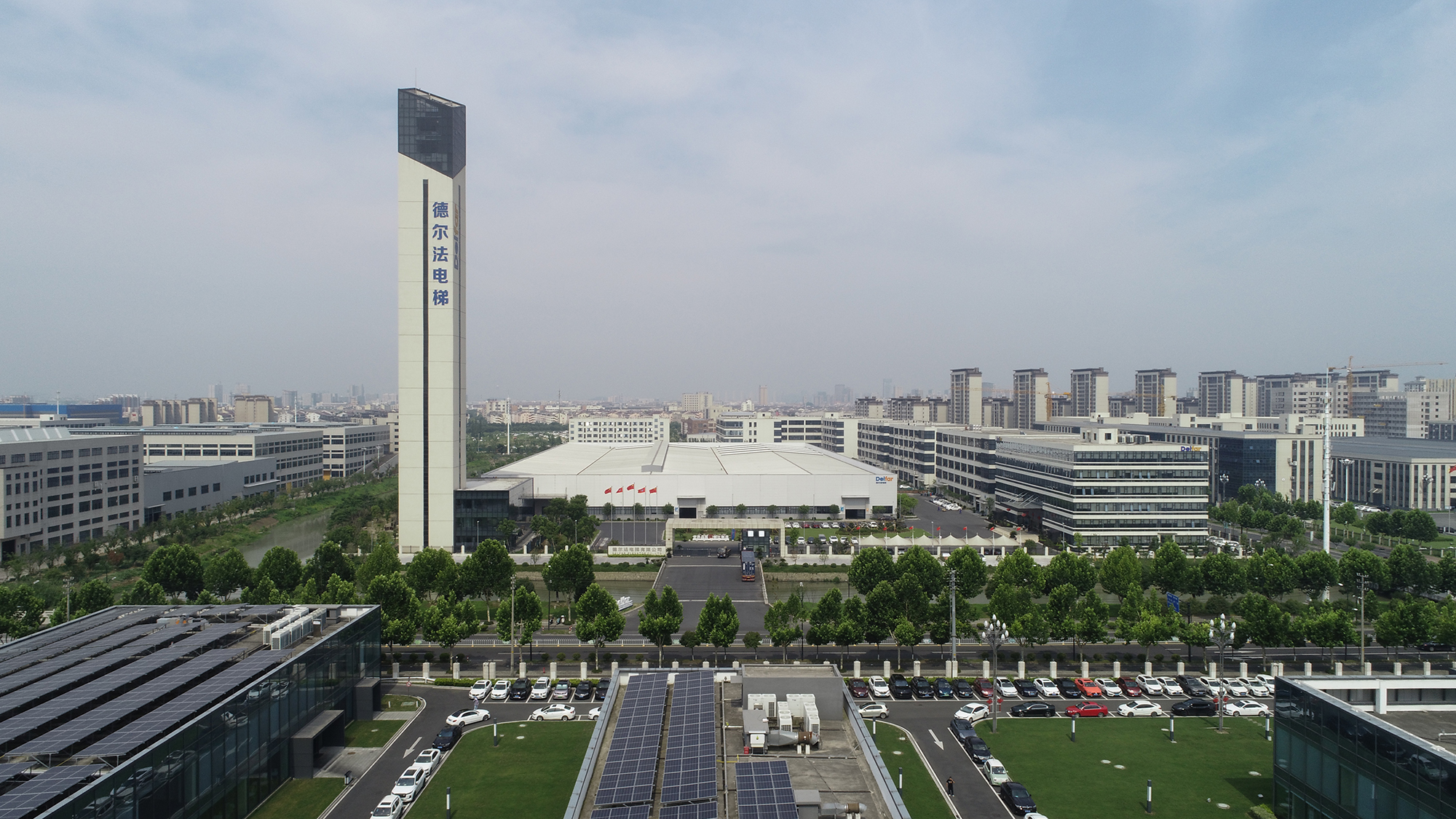
Delivery assurance is ultimately a manufacturing-capacity question: what the factory can build, test and ship on schedule.
For commercial, residential and industrial projects, Delfar Elevator Co., Ltd. supports this audit process with full-life-cycle elevator services — pre-sales consultation, technical design, installation guidance, commissioning, maintenance support and after-sales service — and works with distributors, contractors, developers and project partners in international markets.
Next step: request a model-level parameter sheet, a material schedule and a project-specific quotation, or download the company profile (PDF) to review the full product line before your supplier audit.
Delfar Elevator Co., Ltd.
Website: www.delfarelevator.com
Contact: Benson — Email: bensonelevator@gmail.com — Tel / WhatsApp: +86 135-1126-1762
Address: No.777, Tengfei Road, Zhili Town, Huzhou City, Zhejiang Province, China
Have Questions or Need More Details?
Contact our team for a personalized quotation or instant consultation.
Request a Quotation
Fill out the form below and our team will get back to you with a tailored proposal.
WhatsApp Direct Chat
Prefer to chat in real-time? Message us on WhatsApp for instant assistance & quick answers.
- Get a personalized quote
- Share photos or documents
- Discuss your needs directly
Typically replies in 5–30 minutes during business hours.