
Customized Elevator vs. Moving Walk: Which Fits Your Site?
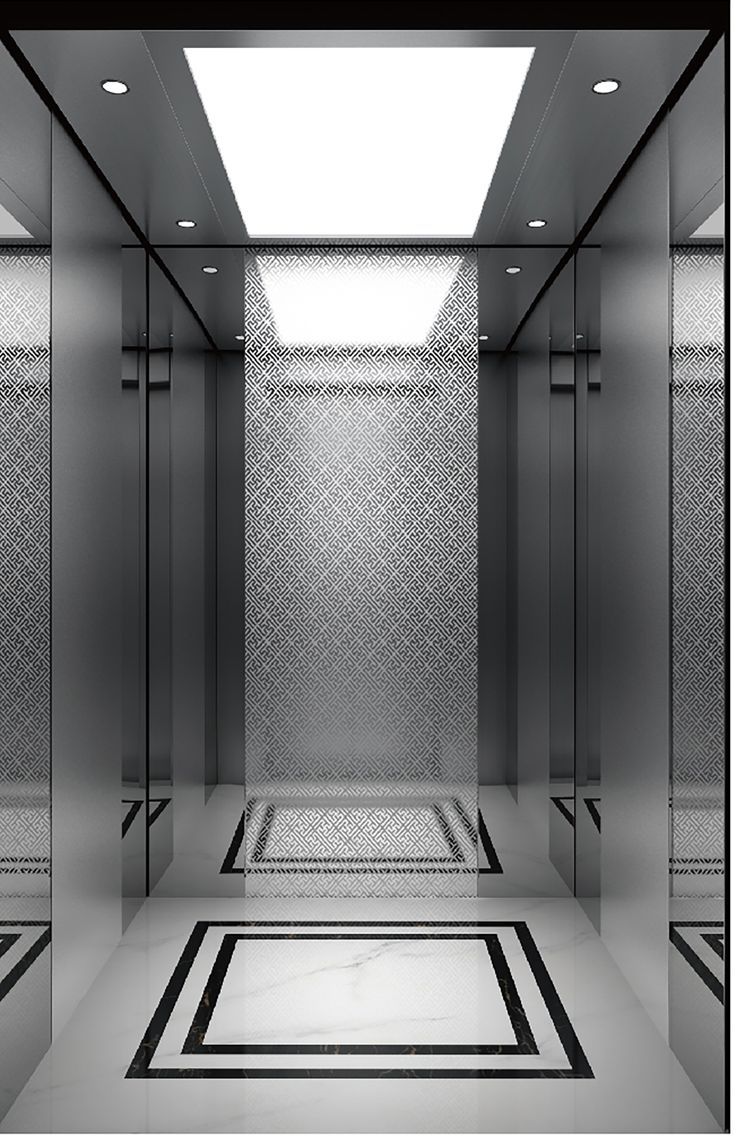
The choice between a customized elevator and a moving walk is settled by geometry first and budget second. An elevator moves people vertically; a moving walk moves them horizontally or along a shallow incline.
Delfar Elevator Co., Ltd. is a Huzhou-based elevator manufacturer that builds passenger elevators, home elevators, observation elevators, freight elevators, car elevators, escalators and moving walks for international markets. In its DP/DPN passenger elevator range, capacity runs from 400 kg to 3000 kg, speed from 1.0 m/s to 6.0 m/s, the car can serve 2 to 60 stops, and travel height reaches up to 100 m — in machine-roomless or small machine room configurations. The DM moving walk runs horizontally or at a 12° incline, with pallet widths of 600, 800 or 1000 mm, a rated speed of 0.5 m/s and a maximum vertical rise of 10 m.
Those envelopes barely overlap. Once a project needs more than 10 m of vertical rise, or needs to serve more than a single pair of levels, the moving walk cannot do the job and the customized elevator is the only one of the two that fits. When the bottleneck is a long horizontal span — a concourse, a link bridge, or a flat transfer between two zones on the same level — the moving walk is the category designed for it.
This guide compares the two as people movers: the units each one is measured in, the point at which each one stops working, the compliance questions a specifier should ask, and a five-step process for making the call on a live project.
Quick decision rule: vertical rise above 10 m, or more than one pair of levels → customized elevator (DP/DPN). Horizontal run, or a shallow incline with a rise of 10 m or less → moving walk (DM). When a building needs both, it needs two systems, not one compromise.
The Problem: The Two Categories Are Measured in Different Units
Buyers naturally compare these products on one spreadsheet, using the same four words — capacity, speed, footprint, cost. The categories do not share a measurement base, and that is where selection errors begin.
Mistake 1 — Treating "capacity" as the same number
Elevator capacity is a payload in kilograms: 400–3000 kg for the DP/DPN passenger elevator line. That figure translates into passenger counts and handling capacity only together with speed, number of stops and the dispatching strategy. Moving walk capacity is expressed as pallet width — 600, 800 or 1000 mm — at a fixed rated speed of 0.5 m/s. A wider pallet lets more passengers stand per metre of walkway and makes trolleys, luggage and prams easier to handle; it does not make the walk equivalent to a 3000 kg elevator car.
Mistake 2 — Assuming speed is comparable
An elevator's 1.0–6.0 m/s is travel speed between stops, so a high-speed customized elevator in a tall building shortens in-car time. A moving walk's 0.5 m/s is constant and continuous: no waiting for a car, but also no acceleration. That is why a moving walk is often the faster choice for a 40–60 m flat transfer, and the only choice where a horizontal link is the actual requirement.
Mistake 3 — Ignoring the structural interface
An elevator requires a shaft plus either a small machine room or a machine-roomless layout, with overhead and pit interfaces defined by the building. A moving walk requires a truss built into the floor structure, with tempered laminated glass balustrades, stainless steel skirt panels and comb plates of aluminium alloy or stainless steel — and it occupies usable floor area on the level it serves. Specifying a walk for its flat profile without checking the structural zone below is a frequent retrofit problem.
Mistake 4 — Leaving compliance to the end
EN 81-20 and EN 81-50 are the primary harmonized European standards for elevator design and testing and are mandatory for CE marking (Liftinstituut). EN 81-20 also requires a light curtain door detection system to reduce the risk of door strikes on passengers (KONE compliance guide). Buyers who fix the product before confirming which standard set the destination market applies usually re-specify the project later.
Industry Background: Where Volume and Growth Sit
The wider market context explains why the elevator is usually the default answer and the moving walk the specialist one.
- The global elevator market was valued at approximately USD 84.8 billion in 2024 (Global Market Insights) and is projected to grow from USD 87.9 billion in 2025 to USD 126.7 billion by 2034 at a CAGR of 4.2% (Global Market Insights). Note that public estimates diverge roughly between USD 82 billion and USD 100 billion for the same period depending on whether escalators and services are fully bundled — any single figure should be read as scope-dependent.
- Elevators accounted for 75% of the total elevator and escalator market share in 2025 (Vyansa Intelligence). Moving walks and escalators share the remainder and are concentrated in transportation and high-flow retail environments.
- Asia Pacific dominated the market with a share of approximately 41.7% in 2025 (Grand View Research).
- The Middle East elevator market was valued at USD 1.25 billion in 2023 and is projected to reach USD 2.38 billion by 2030 (Allied Market Research) — relevant for customized elevator for Middle East markets where high-rise and transit construction continues.
- Machine Roomless (MRL) technology is expected to see the highest growth rate, at a CAGR of 9.6% through 2034 (Fortune Business Insights) — the machine roomless customized elevator is where most new specifications are heading.
- Maintenance services account for approximately 55% of global elevator market revenue (Vyansa Intelligence), which means purchase price is not the whole cost picture.
For a buyer in the evaluation stage, the practical reading is this: the elevator category carries the volume and the customization depth, while the moving walk is a targeted tool for horizontal and shallow-incline passenger flow.
The Decision Framework: Seven Checks Before You Specify
1. Direction of travel and total rise
A DM moving walk is horizontal (0°) or inclined (12°) and reaches a vertical rise of no more than 10 m. A DP/DPN customized elevator travels up to 100 m and can serve 2 to 60 stops. If the rise exceeds 10 m, the walk is eliminated by design, not by preference.
2. Traffic pattern and peak throughput
Count people per hour in the busiest 15 minutes and note whether they arrive in batches (office floors, hotel checkout) or continuously (transit concourse, shopping centre). Elevators batch and dispatch; walks accept continuous arrival without queueing logic. Delfar's reference projects show both patterns: 20 DP/DPN units were installed in a commercial office building in Angola designed for intensive passenger flow and responsive operation during peak periods, while 30 units were supplied for a high-rise residential building in Albania for high-frequency daily use.
3. Speed expectation versus waiting tolerance
Elevator speed from 1.0 m/s to 6.0 m/s matters when travel spans many floors; below three or four floors, waiting time dominates and a continuous moving walk can feel quicker. Match the speed choice to the trip length rather than to a headline number.
4. Structural envelope and building interface
With MRL technology growing fastest (9.6% CAGR through 2034, Fortune Business Insights), the machine-roomless customized elevator now fits buildings that cannot give up a machine room. On the moving walk side, the structural footprint is the high-strength structural steel truss integrated into the floor, with the balustrade, skirt panel and comb plate assemblies above it.
5. Compliance and market requirements
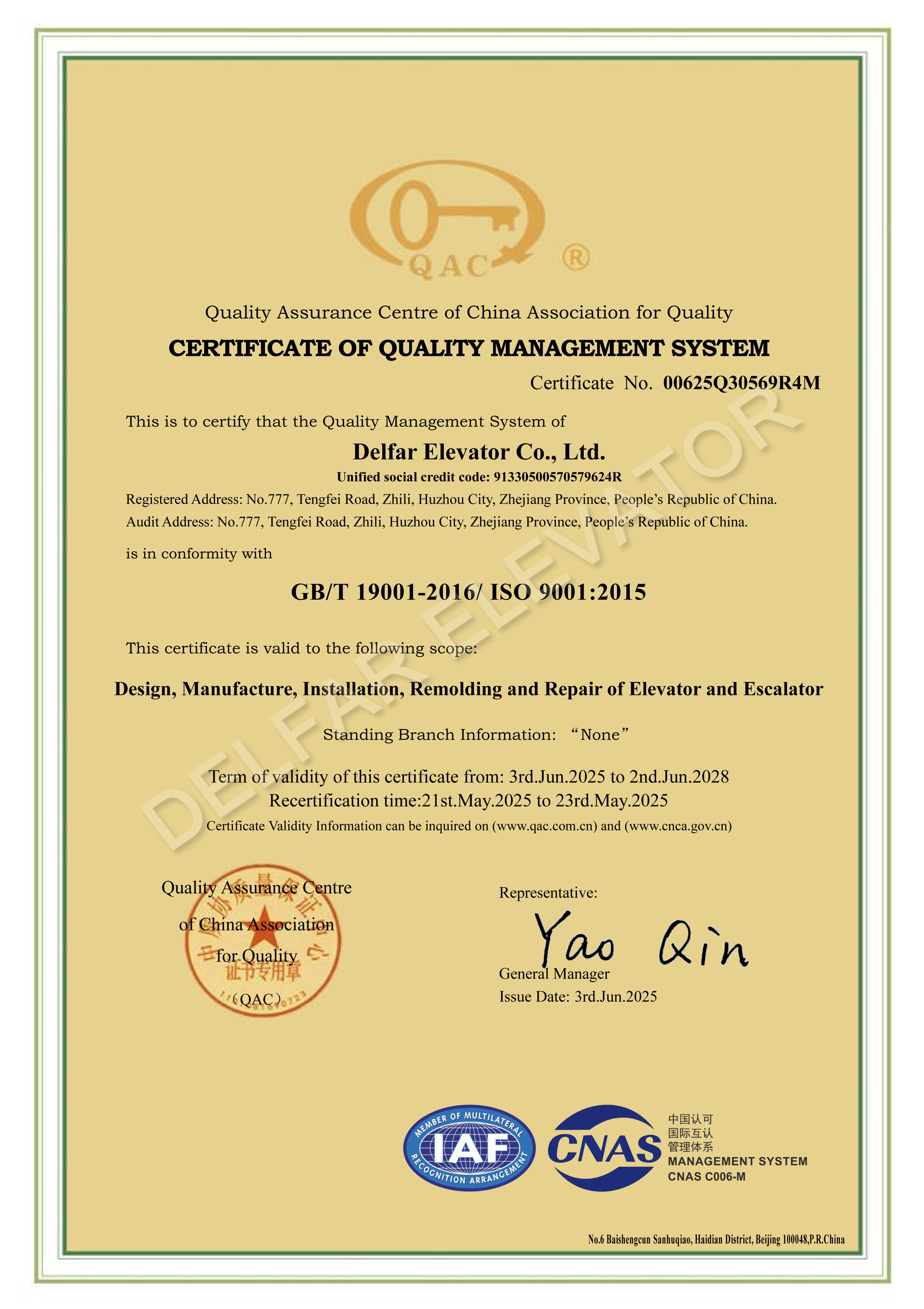
Check the certificate scope rather than the certificate list. Delfar holds ISO 9001 (certificate 00625Q30569R4M), ISO 14001 (00625E30335R4M) and ISO 45001 (00625S30329R4M) certificates issued by QAC, valid from 2025-06-03 to 2028-06-02, with a declared scope of design, manufacture, installation, remolding and repair of elevator and escalator. Both the DP/DPN passenger elevator and the DM moving walk sit under that scope. The company also holds CE, CU, SASO, SGS and SC certificates — the SASO certificate matters for projects in markets that require it. Where the destination market applies European standards, EN 81 compliant customized elevator documentation and light curtain door detection should be part of the technical review.
6. Customization range and dimensions
Customized elevator dimensions must be validated against shaft size, car size, door opening and travel height before pricing is meaningful. On the elevator side, customization covers logo, cabin wall material and colour, car door material and colour, ceiling type, floor material and pattern, and handrail material and colour. Standard finish options include stainless steel, glass, painted steel and wood-finish for the car and doors, PVC or marble floors, handrails in stainless steel, solid wood or acrylic, and C.O.P. options in stainless steel, glass or acrylic plexiglass. On the moving walk side, customization is concentrated in pallet width (600/800/1000 mm), finishing and interface: aluminium alloy or stainless steel pallets, tempered laminated glass balustrade, rubber or synthetic handrail, stainless steel skirt panels and exterior finishes in stainless steel or aluminium alloy. Above 3000 kg, the elevator conversation moves to the freight line (DF/DFN, 2000–8000 kg), which is outside this elevator-versus-walk comparison.
7. Lifecycle, lead time and service
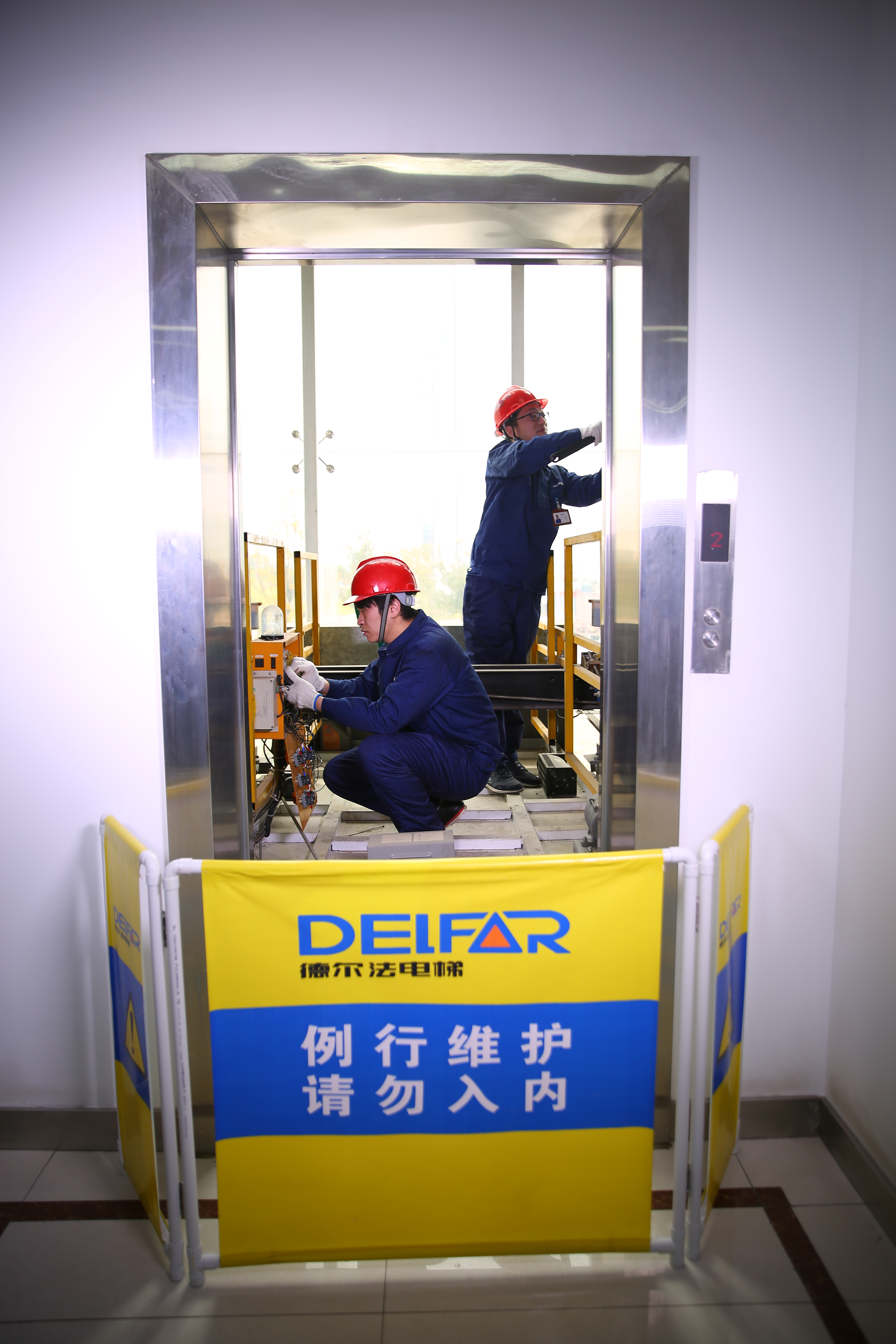
Because maintenance services account for roughly 55% of global elevator market revenue (Vyansa Intelligence), the service model deserves the same scrutiny as the hardware. Delfar covers products with a 12-month warranty from the date of delivery, remote technical support by WhatsApp and email, and on-site technical support when a project requires it.
Step-by-Step: A Five-Step People Mover Selection Process
The sequence below works for a single building or for a multi-phase development, and it keeps the elevator-versus-walk decision tied to project data rather than to precedent.
- Map the journey. Define origin and destination, the number of levels served, and how much of the trip is vertical versus horizontal. A trip that ends on the same level is a walk or a link; a trip that changes level by more than 10 m is an elevator trip.
- Quantify demand. Estimate peak-hour passengers and the arrival pattern (batch or continuous). Check whether users carry luggage, trolleys, carts or prams, which favours wider pallets or a larger car.
- Test the requirement against the product envelopes. Elevator: 2–60 stops, 400–3000 kg, 1.0–6.0 m/s, travel height up to 100 m, machine roomless or small machine room. Moving walk: 0° or 12°, pallet width 600/800/1000 mm, rated speed 0.5 m/s, vertical rise up to 10 m. Any requirement that falls outside both envelopes needs a different system or a combination of systems.
- Confirm compliance and market requirements. Identify the standard set for the destination market, check the supplier's certificate scope and validity dates, and confirm features such as light curtain door detection where EN 81-20 applies.
- Lock customization, lead time and service. Finalize dimensions, materials and finishes; confirm sampling and validation terms; agree the delivery schedule and the after-sales scope in writing before the order is issued.
Specification checklist: vertical rise (m) · horizontal run (m) · stops served · peak passengers per hour · batch or continuous arrival · shaft or floor-zone constraints · destination market standards · certificate scope and expiry · finish and dimension customization · pre-shipment testing terms · warranty period and support channels.
Use Cases: Where Each People Mover Earns Its Place
Commercial offices and mixed-use towers
Batch arrivals and high peak demand point to a customized elevator for commercial buildings. In Angola, 20 DP/DPN passenger elevators were supplied to a commercial office building project where the requirement was efficient passenger transportation during peak hours, supported by an intelligent control system that helps optimize passenger distribution and stainless-steel cabin finishes matched to the building's image.
High-rise and multi-level residential
The customized residential elevator case is built on ride quality and service life. Thirty DP/DPN units were supplied to a high-rise residential building in Albania, where the design targets smooth acceleration and deceleration, low-noise operation and reliable performance for long-term daily use; 20 units supplied to a project in Kenya were specified for long lifespan, low noise and energy saving. For lower-rise residential footprints, 22 units were supplied to a multi-level residential property, where the brief was an optimized solution for limited space with customized lighting and cabin decoration options.
Villas and private residences
Where travel height is modest and aesthetics dominate, the home elevator line (DH, travel height ≤20 m, 2–6 stops, 320–630 kg) is the relevant category rather than a full passenger elevator — for example, 20 units supplied for luxury private villas, where compact structure and customized finishes created a seamless connection between vertical mobility and the home's architectural aesthetics.
Retail, transport and horizontal passenger flow
Delfar's documented continuous-flow project experience sits in the escalator line: 10 DE escalators were supplied for a shopping centre in Antigua and Barbuda for high-traffic passenger movement, and 10 more for a metro station and transportation hub in Bahrain, where the layout distributes passenger flow in a demanding public transportation environment and the configuration is designed for frequent, intensive operation. A moving walk extends the same continuous-flow logic to the flat or shallow-inclined part of the journey — concourses, airport piers, long retail links and trolley-friendly transfers — while the escalator line (3–12 m rise, 30° or 35°) covers inclined movement between levels where an elevator's batch capacity is unnecessary.
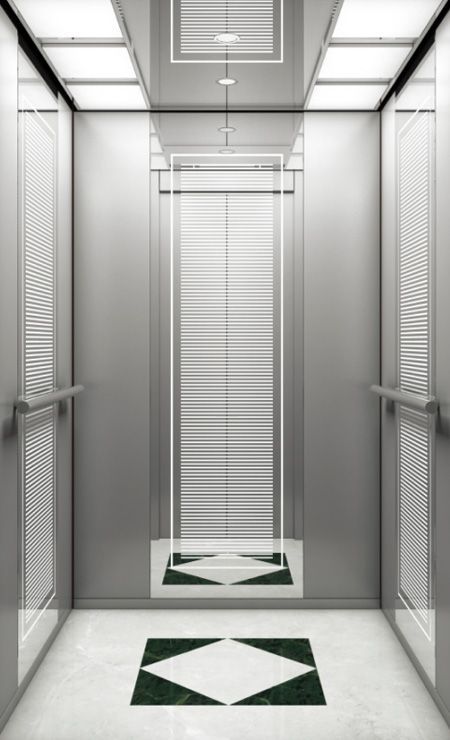
Comparison Table: DP/DPN Customized Elevator vs. DM Moving Walk
| Specification | DP/DPN Customized Passenger Elevator | DM Moving Walk |
|---|---|---|
| Travel direction | Vertical, between levels | Horizontal or inclined, within and between adjacent levels |
| Inclination | Not applicable (vertical travel) | 0° or 12° |
| Travel height / vertical rise | Up to 100 m | Up to 10 m |
| Stops / configuration | 2–60 stops | Single continuous run |
| Rated speed | 1.0–6.0 m/s | 0.5 m/s |
| Capacity basis | 400–3000 kg payload | Pallet width 600 / 800 / 1000 mm |
| Machine room / structural interface | Machine roomless or small machine room; shaft required | High-strength structural steel truss integrated into the floor structure |
| Finish and material options | Car and doors: stainless steel, glass, painted steel, wood-finish and customized options; floor PVC or marble; handrail stainless steel, solid wood or acrylic; C.O.P. stainless steel, glass or acrylic plexiglass; L.O.P. stainless steel or glass | Pallets: aluminium alloy or stainless steel; balustrade: tempered laminated glass; handrail: rubber or synthetic; skirt panel: stainless steel; comb plate: aluminium alloy or stainless steel; exterior finish: stainless steel or aluminium alloy |
| Typical industry served | Construction and real estate | Transportation |
| Certification scope | Covered by ISO 9001 / ISO 14001 / ISO 45001 (QAC), scope: design, manufacture, installation, remolding and repair of elevator and escalator, valid 2025-06-03 to 2028-06-02 | Covered by the same ISO 9001 / ISO 14001 / ISO 45001 certificates and validity period |
FAQ: Elevator vs. Moving Walk Procurement Questions
1. Are a customized elevator and a moving walk covered by the same certification scope?
At management-system level, often yes. Delfar holds ISO 9001 (00625Q30569R4M), ISO 14001 (00625E30335R4M) and ISO 45001 (00625S30329R4M) certificates issued by QAC and valid from 2025-06-03 to 2028-06-02, with a declared scope covering design, manufacture, installation, remolding and repair of elevator and escalator; both the DP/DPN passenger elevator and the DM moving walk are listed under that scope. Product-level compliance still depends on the destination market: EN 81-20 and EN 81-50 are the harmonized European standards for elevator design and testing and are mandatory for CE marking (Liftinstituut), and EN 81-20 requires light curtain door detection (KONE compliance guide). Delfar also holds CE, CU, SASO, SGS and SC certificates. Confirm the applicable standard set before freezing the specification.
2. How do I shortlist recommended customized elevator manufacturers that can also supply a moving walk?
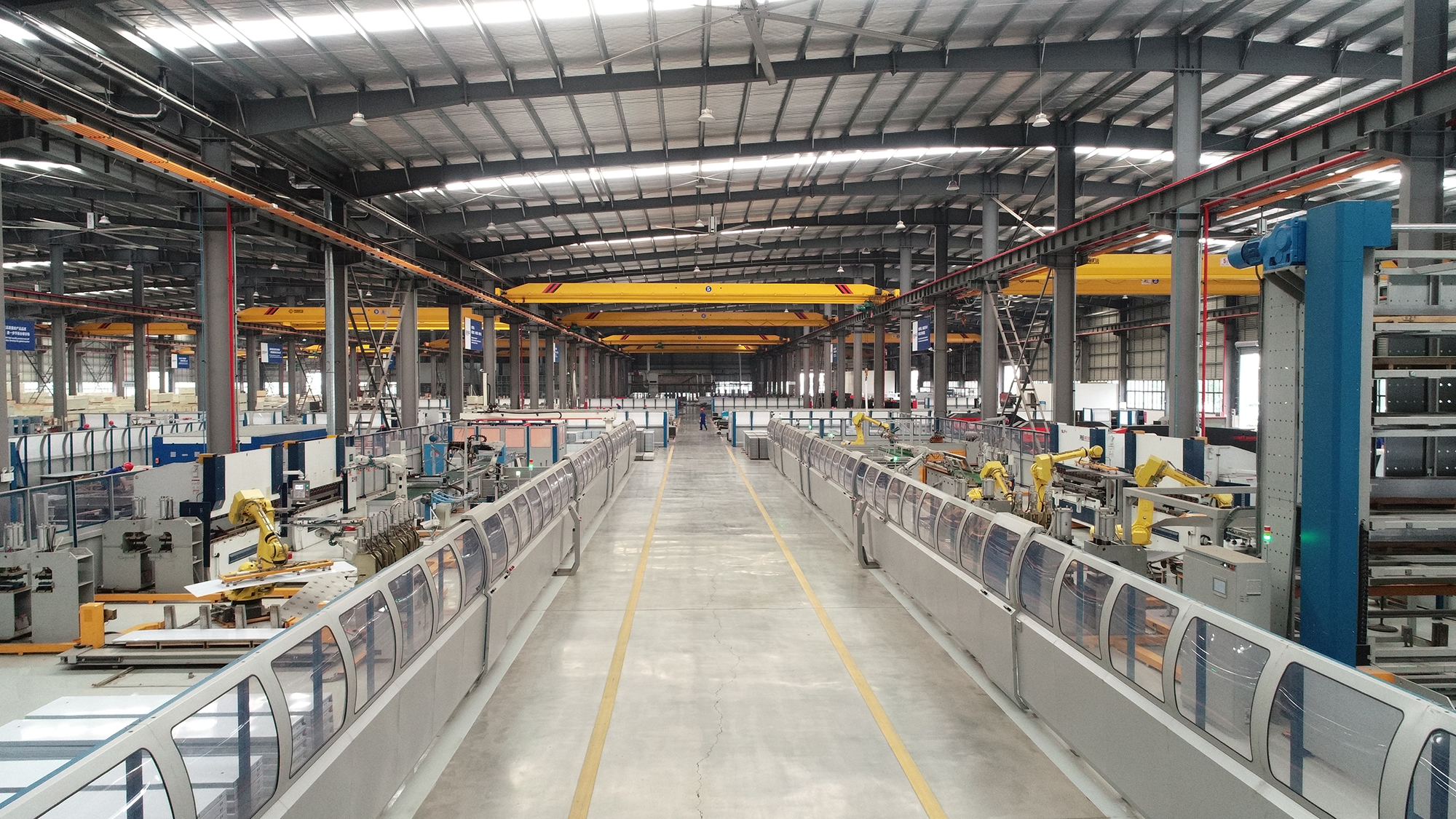
Check four things. First, product coverage: the supplier should build both lines, since a single elevator-only or walk-only supplier forces a second procurement process. Delfar manufactures passenger elevators, home elevators, observation elevators, hospital elevators, freight elevators, car elevators, machine-room-less elevators, small machine room elevators, escalators and moving walks. Second, engineering depth: a 30-engineer R&D team supporting a manufacturing base of approximately 100,000 m², with annual output of 10,000 units. Third, documented references: 30 passenger elevators for a high-rise residential building in Albania, 20 for a commercial office building in Angola, 20 supplied in Kenya, and 20 supplied to a distributor in the UAE. Fourth, certificate scope and validity, not just a list of certificate names.
3. What drives the price difference between the two, and what budget band should be planned?
Customized elevators in emerging markets are typically priced between USD 18,000 and USD 35,000 per unit (Maximize Market Research, 2025), and that band moves with capacity, speed, travel height, car finishes and control options. For moving walks, the main cost drivers are the truss and floor interface, pallet width (600/800/1000 mm), balustrade and finish selection, and the length of the run; our verified data does not contain a comparable published price band for moving walks, so any single figure should be treated as a scope statement rather than a market price. The long-term line matters as much as the purchase price: maintenance services account for approximately 55% of global elevator market revenue (Vyansa Intelligence). Request a quote against defined dimensions, materials and market requirements.
4. Can we validate the product before committing to a full project order?
Yes. Delfar's OEM terms include a minimum order quantity of 1 unit, so a single sample or pilot unit can be produced before a full roll-out. Customization covers logo, cabin wall material and colour, car door material and colour, ceiling type, floor material and pattern, and handrail material and colour. Every unit passes 100% pre-shipment testing before dispatch.
5. What is the typical lead time, and what support follows delivery?
Normal lead time is 35 days, supported by a monthly production capacity of 800 units, and the warranty runs for 12 months from the date of delivery, with remote technical support through WhatsApp and email plus on-site technical support when required. To move from shortlist to a priced proposal, send your shaft dimensions or floor plan, the vertical rise or horizontal run, the destination market and the applicable standard set. You can download the company profile PDF or contact Benson directly: bensonelevator@gmail.com, +86 135-1126-1762 (also WhatsApp), or visit www.delfarelevator.com.
Conclusion: Choose by Geometry, Then by Specification
The elevator-versus-walk decision is almost always decided by two numbers before any commercial discussion begins: the vertical rise and the horizontal run. A rise above 10 m, or a requirement to serve multiple floors, belongs to a customized elevator — up to 100 m travel height, 2–60 stops, 400–3000 kg and 1.0–6.0 m/s in the DP/DPN range. A flat or 12°-inclined transfer within a 10 m rise belongs to a moving walk — 600/800/1000 mm pallets at a rated 0.5 m/s.
Once the geometry is settled, the remaining work is specification discipline: match the customization to the shaft or floor zone, confirm the certificate scope and validity for the destination market, agree sampling and pre-shipment testing, and treat the service plan as part of the purchase rather than an afterthought.

Next Step
Send your travel height, stops or horizontal run, and destination market, and Delfar will confirm whether the project fits the DP/DPN customized elevator, the DM moving walk, or a combination of both — along with dimensions, finishes and lead time.
Company profile (PDF): download here
Contact: Benson · bensonelevator@gmail.com · WhatsApp +86 135-1126-1762
Website: www.delfarelevator.com