How to Match a Customized Elevator to Your Building Project
When a standard elevator does not fit the shaft, traffic pattern, or compliance requirements of a building, a customized elevator provides a practical alternative. The right solution depends on building type, shaft dimensions, capacity, speed, cabin materials, machine room availability, and local standards. This guide explains how to evaluate those factors and how Delfar Elevator Co., Ltd. (www.delfarelevator.com) supports project-specific elevator configurations for residential, commercial, industrial, hospitality, healthcare, and public transportation projects.
The Problem: Why Standard Elevators Can Fail a Project
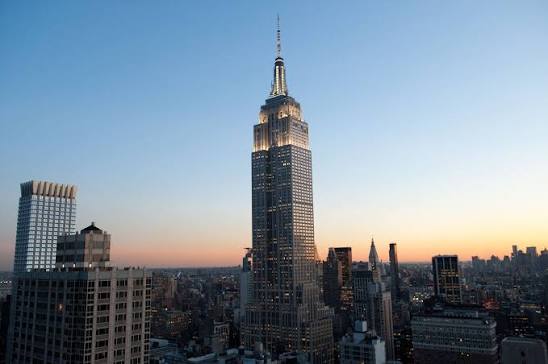
A standard elevator range may not match the exact dimensions of a building shaft, the required capacity, the desired speed, or the cabin finish specified by the architect. In renovation projects, pit depth and headroom are often limited. In commercial towers, high passenger traffic demands an appropriate car size and speed. In industrial buildings, heavy loads may exceed the limits of ordinary passenger elevators. In Middle East projects, local certification such as SASO can influence product selection and documentation.
These mismatches can lead to extra structural work, higher cost, or delayed commissioning. A customized elevator reduces these risks by aligning the elevator design with real project conditions. The goal is not to invent a new product for each project, but to configure dimensions, materials, drive systems, safety features, and control options around a verified manufacturing platform.
Market Context: Why Customization Is Growing in Elevator Projects
Market research indicates that the global elevator market was valued at approximately USD 84.8 billion in 2024 and is projected to grow from USD 87.9 billion in 2025 to USD 126.7 billion by 2034, at a CAGR of 4.2% (Global Market Insights). The industrial elevators segment is projected to grow from USD 72.1 billion in 2025 to USD 116.3 billion by 2035 at a CAGR of 4.9% (Future Market Insights). The residential elevator market was estimated at USD 54.61 billion in 2024 (Grand View Research).
Machine-roomless (MRL) technology is expected to record the highest technology growth rate, with a CAGR of 9.6% through 2034 (Fortune Business Insights). In the Middle East, the elevator market was valued at USD 1.25 billion in 2023 and is projected to reach USD 2.38 billion by 2030 (Allied Market Research). High-rise modernizations in the Middle East and Africa are expected to grow at an 11% CAGR between 2024 and 2030 (Roland Berger). These conditions increase demand for customized elevators that fit specific building geometries, traffic demands, and local standards.
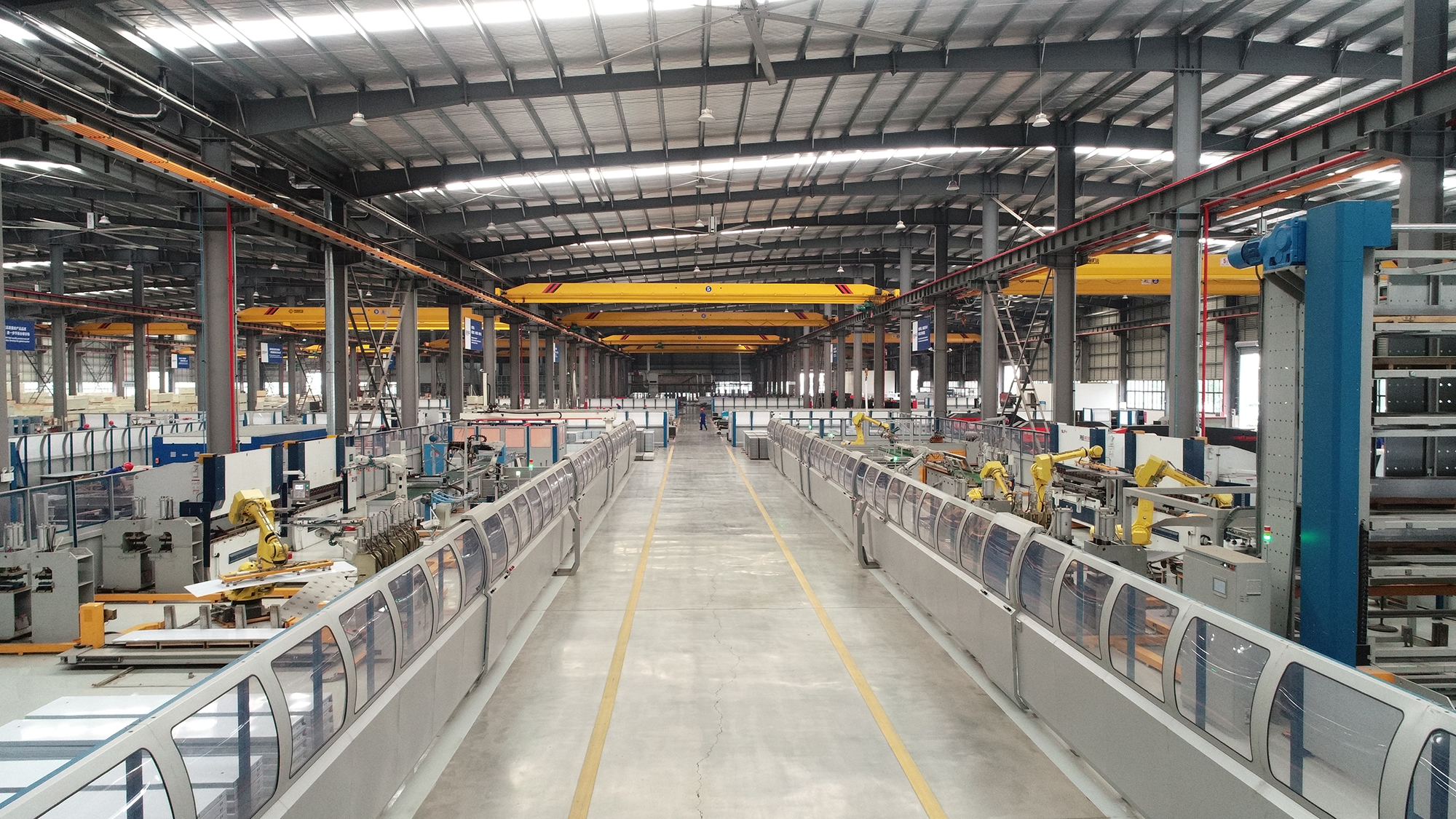
Against this background, Delfar Elevator Co., Ltd., founded in 2011 in Huzhou, Zhejiang, China, operates a factory covering approximately 100,000 m², with an annual output of 10,000 units and an R&D team of 30 engineers. The company exports about 50% of its production to global markets and supplies passenger elevators, home elevators, observation elevators, hospital elevators, freight elevators, car elevators, machine-room-less elevators, small machine-room elevators, escalators, and moving walks.
Detailed Solution: How Delfar Builds Project-Specific Customized Elevators
Elevator Types and Customized Elevator Dimensions
Delfar's product range covers a wide span of building applications. Each product family has specific limits for travel height, stops, speed, and capacity, so the customized elevator dimensions can be matched to the building.
Passenger elevators (DP/DPN) are available in machine-roomless or small machine room versions. They support travel height up to 100 m, 2 to 60 stops, speed from 1.0 to 6.0 m/s, and capacity from 400 to 3000 kg.
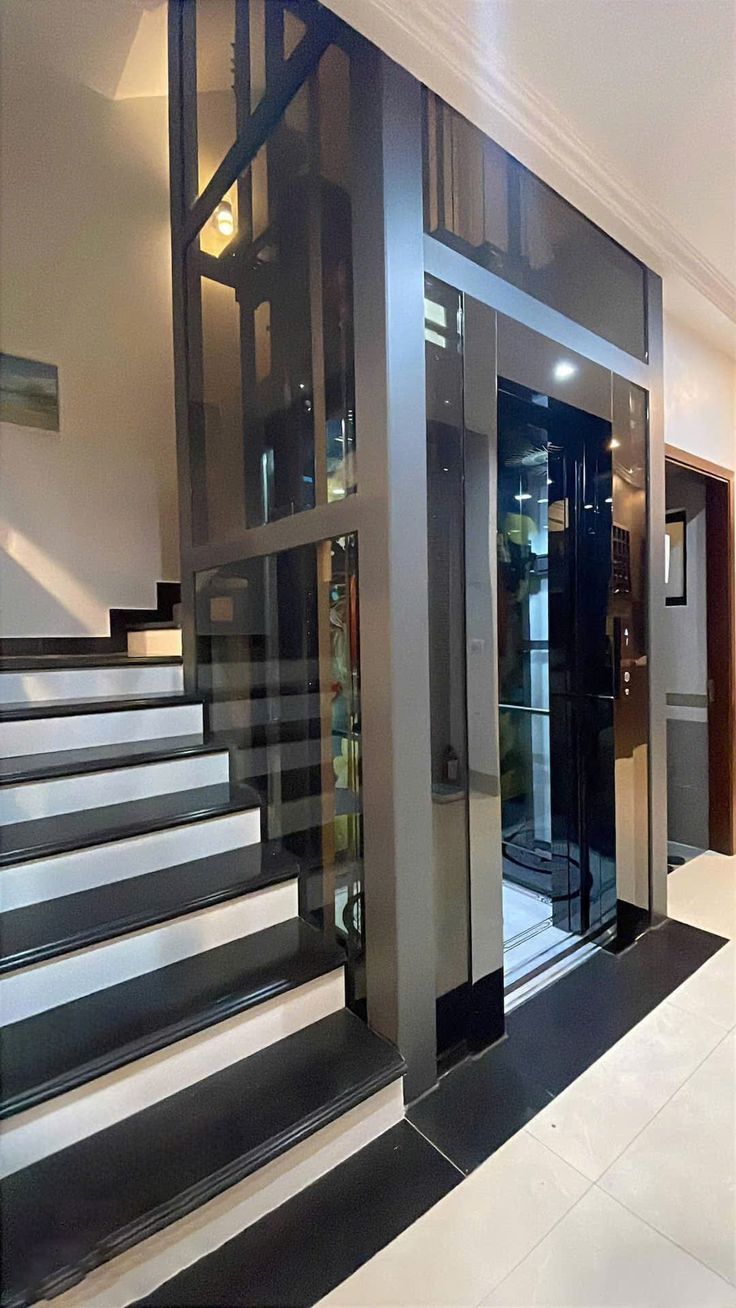
Home elevators (DH) are designed for residential and villa use, with travel height up to 20 m, 2 to 6 stops, speed from 0.3 to 0.5 m/s, and capacity from 320 to 630 kg.
Freight elevators (DF/DFN) support travel height up to 50 m, 2 to 10 stops, speed from 0.25 to 1.0 m/s, and capacity from 2000 to 8000 kg.
Observation elevators (DPO/DPNO) support travel height up to 100 m, 2 to 30 stops, speed from 1.0 to 2.5 m/s, and capacity from 630 to 1600 kg.
Bed elevators (DPB/DPNB) are built for healthcare environments, with travel height up to 60 m, 2 to 20 stops, speed from 1.0 to 2.0 m/s, and capacity from 1600 to 3000 kg.
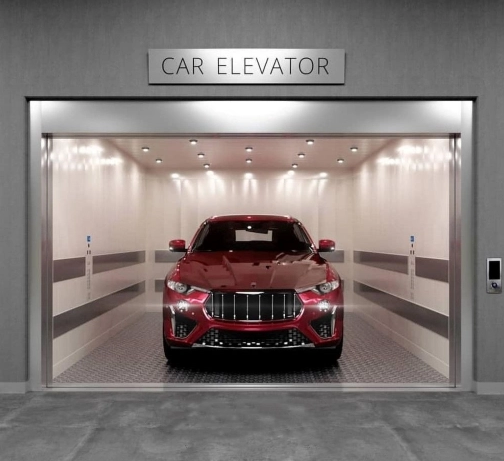
Car elevators (DA/DAN) are available in small machine room and machine-roomless versions, with travel height up to 30 m, 2 to 6 stops, speed from 0.2 to 0.5 m/s, and capacity from 3000 to 5000 kg.
Dumbwaiters (DW) are suitable for hospitality and catering applications, with travel height up to 30 m, 2 to 8 stops, speed from 0.2 to 0.5 m/s, and capacity from 50 to 500 kg.
Customized Elevator Cabin Materials
Customized elevator cabin materials are an important part of project adaptation. Delfar offers stainless steel, glass, painted steel, and wood-finish options for car finishes, car doors, and landing doors. Flooring can be PVC or marble. Handrails can be stainless steel, solid wood, or acrylic. C.O.P. and L.O.P. panels can be made from stainless steel, glass, or acrylic plexiglass.
For freight elevators, the car can use painted steel or hairline stainless steel, with curved lined steel or stainless steel curved lined steel floors. These materials are selected for demanding working environments where impact resistance and easy cleaning matter.
Machine Roomless and Drive Configurations
Machine-roomless customized elevators are available in the passenger elevator and home elevator lines. These configurations remove the need for a full machine room, which can save space and reduce structural cost. The passenger and home elevators are driven by high-efficiency PMSM gearless traction machines. Freight elevators use VVVF variable-frequency control, which supports smooth acceleration and deceleration under heavy loads.
Heavy-Duty and High-Speed Customized Elevators
Heavy-duty customized elevator configurations include freight elevators with capacities up to 8000 kg and car elevators with capacities up to 5000 kg. These are suited to industrial, logistics, warehouse, and parking building applications. Large cabin space, flexible cabin dimensions, and wide door openings are part of the freight elevator design.
High-speed customized elevator configurations are available in the passenger elevator line with speeds up to 6.0 m/s. Such configurations can help commercial office towers and hotels manage intensive passenger flow during peak periods.

Compliance and Certification
Compliance is a core part of every customized elevator project. Delfar holds ISO 9001, ISO 14001, ISO 45001, CE, CU, SASO, SGS, and SC certificates. For European projects, EN 81-20 and EN 81-50 are the primary harmonized standards for elevator design and testing, and they are mandatory for CE marking. EN 81-20 also includes a light curtain door detection requirement to reduce the risk of passengers being struck by doors.
For Middle East markets, SASO-related compliance is relevant. For Eurasian markets, the CU certificate supports the local certification framework. Before manufacturing, the project should confirm which standards apply to the destination country.
OEM Capabilities and Delivery
Delfar supports OEM customization of logo, cabin wall material and color, car door material and color, ceiling type, floor material and pattern, and handrail material and color. The company's monthly capacity is 800 units. Normal lead time is 35 days. The MOQ is 1 unit, which makes customization practical even for a single elevator project.
Every unit receives 100% pre-shipment testing. After-sales support includes remote technical assistance through WhatsApp and email, professional on-site technical support when required, and a warranty period of 12 months from the date of delivery.
Operating Conditions and Special Requirements
Standard Delfar elevators are designed to operate at ambient temperatures of -5°C to +40°C, relative humidity up to 90% RH, non-condensing, and altitude up to 1,000 m. The elevator should be installed in a well-ventilated environment free from excessive dust, corrosive gases, and flammable or explosive substances.
Depending on the project, special designs can address fire protection, explosion-proof, waterproof, corrosion resistance, dust-proof, and high or low temperature resistance. Supporting equipment can include emergency power supply, fire alarm systems, CCTV, parking systems, automatic rescue devices, access control, intercom, and remote monitoring.
Step-by-Step: How to Specify a Customized Elevator
- Define the building type and traffic flow. Identify whether the building is residential, commercial, healthcare, industrial, or a mixed-use development, and estimate the number of people or goods moving daily.
- Measure the shaft, pit, headroom, and available space. Accurate dimensions determine the maximum cabin size, door opening, and machine room arrangement.
- Select the elevator class. Choose among passenger, home, freight, observation, bed, car, or dumbwaiter configurations based on the required function.
- Confirm capacity and speed. Match rated load and speed to the building height, user type, and expected peak traffic.
- Choose cabin materials and controls. Select finishes, flooring, handrails, C.O.P., L.O.P., and any branding elements that must appear inside the cabin.
- Check local codes and certifications. Confirm which elevator standards apply in the destination country, including EN 81-20/EN 81-50, CE, SASO, CU, or other national requirements.
- Request technical drawings and a quotation. A project-specific layout should be reviewed before manufacturing begins.
- Plan installation, commissioning, and after-sales support. Confirm delivery schedule, on-site supervision needs, and the warranty period.
Use Cases: Customized Elevators Across Project Types
Customized elevators have been applied in projects ranging from single residential units to large public transportation hubs. The examples below show how different building scenarios shape the elevator specification.
A commercial office building project in Angola used 20 passenger elevator units configured for intensive passenger flow, fast and responsive operation during peak periods, elegant stainless-steel cabin finishes, and an intelligent control system to support passenger distribution.
A hotel and hospitality complex in Australia used 16 elevator units with a premium appearance suitable for hospitality environments. During vertical travel, guests could enjoy views of the atrium or surrounding architectural space.
A shopping mall project in Bangladesh used 16 observation elevator units. The transparent design created open visual connections between floors and became an architectural feature of the building.
A high-rise residential project in Albania used 30 passenger elevator units designed for smooth and quiet rides, modern cabin interiors, and reliable performance in daily residential use.
Luxury private villas in Brazil used 20 home elevator units. The compact structure and customized finishes connected vertical mobility with the architectural aesthetics of the homes.
A cargo transportation project in Barbados used 30 freight elevator units for heavy-duty capacity. The project achieved smooth and reliable operation in a demanding working environment.
For Middle East markets, a metro station and transportation hub in Bahrain used 10 escalator units designed for frequent and intensive operation, supporting large passenger volumes. A transportation project in the UAE used 20 passenger elevators and reported stable operation, comfortable rides, and efficient space utilization.
Comparison Table: Customized Elevator Types by Project Scenario
| Elevator Type | Best-Fit Project | Capacity | Speed | Travel Height | Customization Areas |
|---|---|---|---|---|---|
| Passenger DP/DPN | Commercial, residential, hotel, office | 400–3000 kg | 1.0–6.0 m/s | ≤100 m | Cabin finish, doors, floor, handrail, C.O.P./L.O.P. |
| Home DH | Villa, duplex, residence | 320–630 kg | 0.3–0.5 m/s | ≤20 m | Shaft material, cabin finish, floor, interior design |
| Freight DF/DFN | Factory, warehouse, logistics | 2000–8000 kg | 0.25–1.0 m/s | ≤50 m | Cabin material, floor, door opening, heavy-duty construction |
| Observation DPO/DPNO | Shopping mall, atrium, commercial | 630–1600 kg | 1.0–2.5 m/s | ≤100 m | Glass, stainless steel, wood-finish, handrail, C.O.P./L.O.P. |
| Bed DPB/DPNB | Hospital, healthcare | 1600–3000 kg | 1.0–2.0 m/s | ≤60 m | Stainless steel cabin, anti-slip floor, handrail |
| Car DA/DAN | Parking building, automotive | 3000–5000 kg | 0.2–0.5 m/s | ≤30 m | Impact-resistant finishes, painted or stainless steel |
| Dumbwaiter DW | Restaurant, hotel, catering | 50–500 kg | 0.2–0.5 m/s | ≤30 m | 304 stainless steel, doors, shaft materials |
| Escalator DE | Retail, transportation hub | — | 0.5 m/s | 3–12 m rise | Step width, balustrade, handrail, finish |
| Moving Walk DM | Airport, station, large commercial | — | 0.5 m/s | ≤10 m rise | Pallet width, inclination, finish |
Frequently Asked Questions
How does a commercial building project confirm EN 81 compliance for a customized elevator?
EN 81-20 and EN 81-50 are the primary harmonized European standards for elevator design and testing, and they are mandatory for CE marking. EN 81-20 also includes a light curtain door detection requirement to reduce the risk of passengers being struck by doors. For European projects, the manufacturer should provide documentation that supports CE marking and the relevant EN 81 requirements. Delfar Elevator Co., Ltd. holds a CE certificate and applies these requirements in its project-specific engineering reviews.
What customization capabilities should a commercial building elevator manufacturer have?
A manufacturer should be able to customize shaft dimensions, travel height, capacity, speed, cabin materials, door materials, ceiling type, floor material and pattern, handrail material and color, and control panel configuration. For OEM projects, logo placement and branding also matter. Delfar supports these customization areas with a monthly capacity of 800 units, a normal lead time of 35 days, an MOQ of 1 unit, and 100% pre-shipment testing.
How much do customized elevators for commercial buildings cost?
Customized elevator pricing in emerging markets is typically estimated between USD 18,000 and USD 35,000 per unit, according to industry research (Maximize Market Research). The final cost depends on building height, capacity, speed, cabin materials, doors, controls, local compliance, and installation scope. Because each commercial building has different shaft dimensions and traffic requirements, a project-specific quotation is necessary.
Can I see reference projects or confirm finish options before ordering?
Delfar has delivered customized elevators for office buildings, hotels, shopping malls, residential towers, villas, cargo facilities, and metro stations in markets including Angola, Australia, Albania, Bangladesh, Barbados, Brazil, the UAE, and Bahrain. Customers can request project references and review the available cabin material, color, ceiling, floor, and handrail options with the Delfar engineering team before production begins.
What is the lead time for a customized elevator order?
The normal lead time is 35 days. Delfar's monthly production capacity is 800 units, and each unit receives 100% pre-shipment testing before delivery. After-sales support includes remote technical assistance through WhatsApp and email, professional on-site technical support when required, and a warranty of 12 months from the date of delivery.
Conclusion
Choosing a customized elevator starts with the project conditions: building type, shaft dimensions, traffic requirements, capacity, speed, cabin materials, machine room availability, and local compliance. Once those are defined, the elevator can be configured to fit the project instead of forcing the project to fit a standard product.
Delfar Elevator Co., Ltd. provides engineering support and OEM production for customized elevators ranging from single-unit residential lifts to multi-unit commercial, industrial, hospitality, healthcare, and public transportation installations. The company's combination of integrated manufacturing, EN 81-relevant compliance documentation, extensive customization options, and factory-direct project support makes it a practical partner for buyers and specifiers.
If you are evaluating a customized elevator for a commercial building or another project, contact Delfar Elevator Co., Ltd. for a project-specific layout and quotation.
Email: bensonelevator@gmail.com | Tel/WhatsApp: +86 135-1126-1762