
What Is a Car Elevator? A Basic Guide to Customized Vehicle Lifts
A car elevator is a customized elevator designed to move automobiles between the levels of a building. In the Delfar Elevator range it is built on the DA and DAN platforms — small machine room and machine-roomless respectively — with 3000–5000 kg rated capacity, 0.2–0.5 m/s rated speed, travel height up to 30 m and 2–6 stops. The cabin is a heavy-duty structure in high-strength structural steel, and the shaft can be concrete or steel structure.
This guide covers the category from the basics: what a car elevator is, how it differs from passenger and freight elevators, which parameters actually define a project, and what a buyer should verify before ordering. It is written for developers, parking-building owners, contractors, importers and distributors who are evaluating a customized vehicle lift and want to compare models on specification rather than on marketing language.
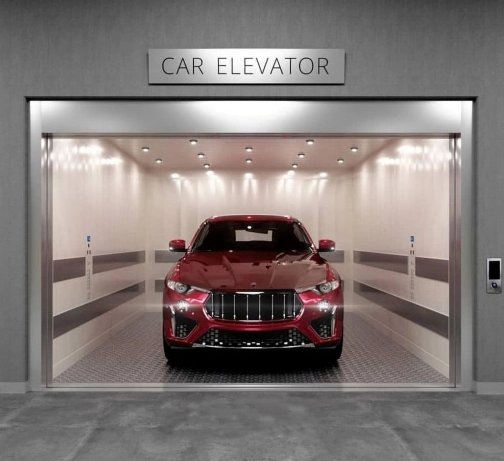
What Is a Car Elevator? Definition and Core Specification
A car elevator — also written car lift, vehicle lift or automobile elevator — is a heavy-duty customized elevator whose platform, cabin, doors and structural frame are dimensioned for a vehicle instead of for passengers. It is a separate product category rather than an oversized passenger elevator, because the load case, the door arrangement and the cabin structure all follow from the vehicle envelope.
Delfar Elevator Co., Ltd. is an elevator manufacturer based in Huzhou, Zhejiang, China, producing passenger, home, observation, hospital, freight, car and machine-roomless elevators, plus escalators and moving walks. Its car elevator models are DA (small machine room car elevator) and DAN (machine-roomless car elevator), listed for the Automotive & Parking industry.
| Model | DA / DAN |
| Configuration | Small machine room car elevator (DA); machine-roomless car elevator (DAN) |
| Rated capacity | 3000–5000 kg |
| Rated speed | 0.2–0.5 m/s |
| Travel height | ≤30 m |
| Stops | 2–6 |
| Cabin wall | Painted steel / stainless steel |
| Cabin door | Stainless steel / painted steel |
| Door frame | Stainless steel / painted steel |
| Cabin structure | High-strength structural steel |
| Shaft | Concrete / steel structure |
| Applicable industry | Automotive & Parking |
Two values in that table carry most of the design weight. The 3000–5000 kg capacity band defines the load case, which is why the cabin structure is specified in high-strength structural steel rather than a decorative passenger-car frame. The 0.2–0.5 m/s speed band defines the operating rhythm: in a parking or automotive building the cycle time is dominated by positioning, loading and unloading a vehicle, not by travel time between floors.
How a Car Elevator Differs from Passenger and Freight Elevators
Published model parameters show the boundaries of the category more clearly than product descriptions do. Within the Delfar customized elevator range:
- Passenger elevator (DP/DPN): 400–3000 kg, 1.0–6.0 m/s, travel ≤100 m, 2–60 stops, small machine room or machine-roomless.
- Freight elevator (DF/DFN): 2000–8000 kg, 0.25–1.0 m/s, travel ≤50 m, 2–10 stops, small machine room or machine-roomless.
- Car elevator (DA/DAN): 3000–5000 kg, 0.2–0.5 m/s, travel ≤30 m, 2–6 stops, small machine room or machine-roomless.
Three differences matter in practice:
- Speed. The car elevator band is the slowest of the three. High-speed customized elevator specifications — the 1.0–6.0 m/s range — belong to the passenger and observation lines, where handling capacity depends on travel time. On a vehicle lift, added speed adds cost without shortening the loading cycle.
- Travel and stop count. A 30 m travel with only 2–6 stops implies large floor-to-floor distances, which is characteristic of parking structures and vehicle transfer levels rather than office or residential floors.
- Cabin materials. Car elevator walls, cabin doors and door frames are specified in painted steel or stainless steel. Passenger, observation and home models additionally offer glass, wood-finish painted steel and marble flooring, which suit passenger environments but not a cabin that a vehicle drives into.
The capacity bands overlap: a freight elevator can be rated at 5000 kg, the same as the top of the car elevator range. The difference is the vehicle interface — platform, door clearances and cabin structure — and the applicable industry, not the load alone.
Industry Background: Where Vehicle Lifts Sit in the Elevator Market
A car elevator is a specialized product inside a large equipment market, and the direction of that market affects how a project should be specified.
- The global elevator market was valued at approximately USD 84.8 billion in 2024 and is projected to grow at a CAGR of 4.2% from 2025 to 2034 (Global Market Insights).
- Machine-roomless technology is expected to record the highest growth in the technology segment, at a CAGR of 9.6% through 2034 (Fortune Business Insights). This is directly relevant to the DAN configuration.
- The Middle East elevator market was valued at USD 1.25 billion in 2023 and is projected to reach USD 2.38 billion by 2030 (Allied Market Research), driven by construction and by buildings that need vertical vehicle circulation.
- Maintenance services account for approximately 55% of global elevator market revenue (Vyansa Intelligence). Service terms are therefore part of the purchase decision, not an afterthought.
For a buyer, the practical reading is that machine-roomless configurations and documented service capability are mainstream expectations in 2026, not premium options. A customized vehicle lift should be specified with both in view.
Capacity, Speed, Travel and Stops: Reading the Numbers
Rated capacity: 3000–5000 kg
Capacity is the structural design case for the platform, cabin frame and door system, so it should be set from the heaviest vehicle the building must serve, not from an average. A requirement below 3000 kg or above 5000 kg falls outside the published DA/DAN band and should be reviewed against another model in the range — for example the DF/DFN freight platform, which reaches 8000 kg but is a goods product with a different cabin interface.
Rated speed: 0.2–0.5 m/s
Speed selection follows the number of stops and the traffic pattern. Where a building has two or three vehicle levels, the difference between 0.2 m/s and 0.5 m/s is small compared with the time a driver takes to align and secure a vehicle, so specifying the top of the band rarely improves throughput. The value to confirm is the rated load that must be carried at that speed.
Travel height ≤30 m and stops 2–6
Travel height is measured between the lowest and highest landing. Because 30 m is combined with a maximum of six stops, each floor-to-floor distance can be substantial — consistent with parking levels. Projects that need more than six stops, or more than 30 m of travel, sit outside the DA/DAN band and need a different platform rather than a modified one.
Small machine room (DA) or machine-roomless (DAN)
DA is supplied as a small machine room car elevator and DAN as a machine-roomless car elevator. The choice is primarily a building decision: a machine-roomless customized elevator removes the separate machine room, which releases floor area for parking or other building use, and it is the configuration the market data above shows growing fastest. Both configurations are available with concrete or steel structure shafts.
Cabin, Doors and Shaft: Customized Elevator Dimensions and Materials
Customized elevator cabin materials for a vehicle lift are deliberately simple and durable. Delfar specifies painted steel or stainless steel for cabin walls, stainless steel or painted steel for cabin doors and door frames, and high-strength structural steel for the cabin structure. The shaft can be concrete or steel structure.
The OEM customization scope available from Delfar covers logo, cabin wall material and colour, car door material and colour, ceiling type, floor material and pattern, and handrail material and colour. On a car elevator, the levers that matter most are wall and door materials, floor finish and branding; ceiling and trim follow the design intent of the building.
Customized elevator dimensions are not chosen from a catalogue. Cabin width, depth, height and door clear opening are fixed at engineering stage, once the vehicle envelope, shaft type and landing layout are known. In practice the architectural drawings and the machine room decision come first and dimensions are confirmed against them — which is also why a vehicle lift is quoted as a project-specific unit rather than a stock item.
Step-by-Step: How to Specify a Car Elevator
- Define the vehicle envelope and load case. Set the heaviest vehicle the building must handle and confirm the requirement sits inside the 3000–5000 kg band.
- Count the levels to be served. Confirm the number of stops (2–6) and the travel height (≤30 m).
- Decide the machine room strategy. Choose DA (small machine room) or DAN (machine-roomless) based on available space, and confirm whether the shaft is concrete or steel structure.
- Specify cabin, doors and finishes. Select wall and door materials, floor finish and logo treatment, and confirm door clearances against the vehicle envelope.
- Fix the compliance route for the destination market. CE marking relies on the harmonized standards EN 81-20 and EN 81-50 (Liftinstituut); Saudi-bound projects typically require SASO; Delfar also holds CU, SGS and SC certificates alongside ISO 9001, ISO 14001 and ISO 45001.
- Agree factory testing and documentation. Delfar performs 100% pre-shipment testing before dispatch.
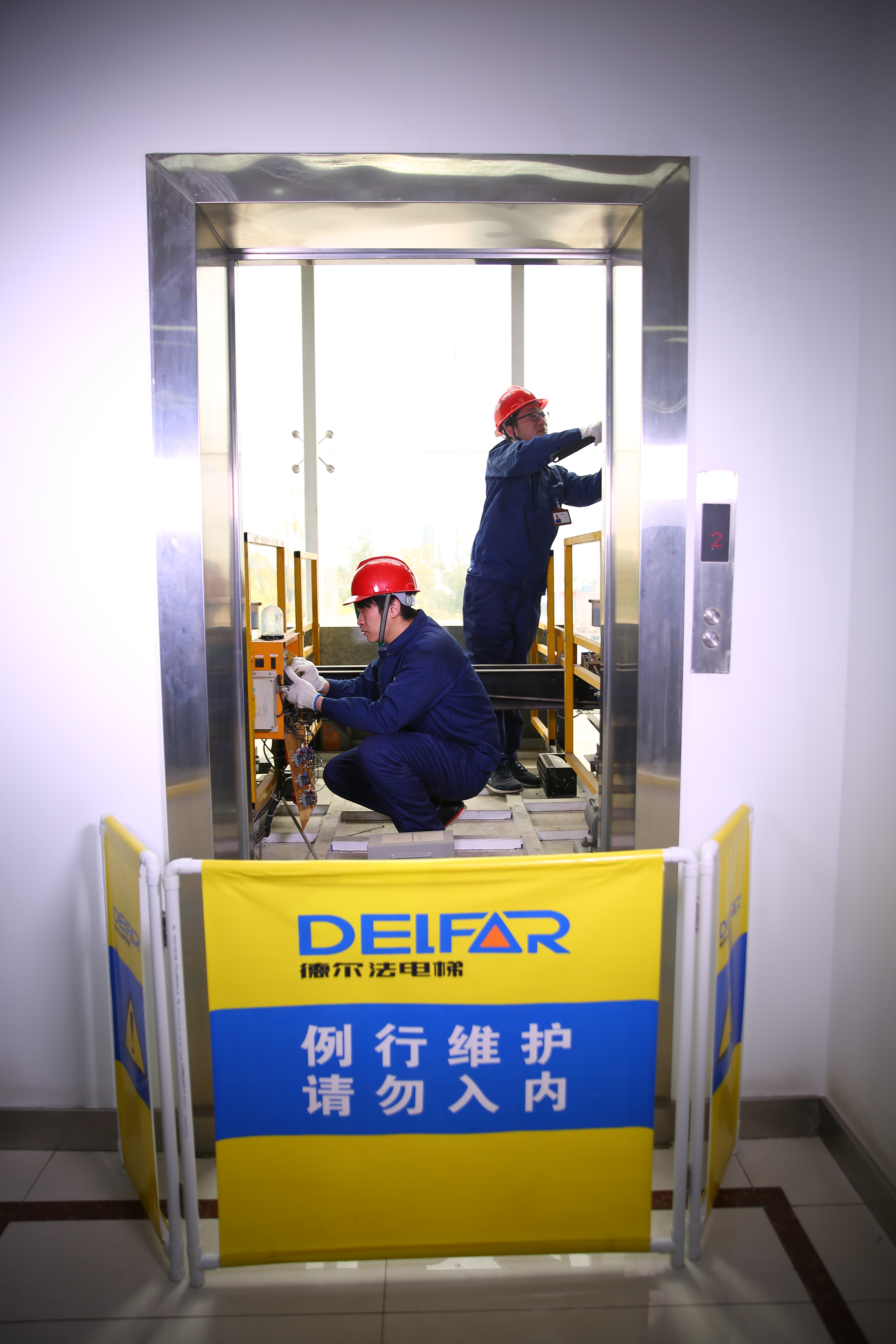
- Plan delivery and service. Normal lead time is 35 days; the warranty runs 12 months from the date of delivery, with remote technical support by WhatsApp and email and on-site technical support when required.

Use Cases: Where Customized Vehicle Lifts Are Specified
Commercial parking buildings
This is the reference application. A car elevator project in Aruba, supplied to a car elevator OEM client, used 10 units of product 7738 in a commercial parking building, with a service horizon of 10–20 years. The reported outcome was efficient vertical transportation and maximized usable building area, with the case highlights listed as space optimization, vehicle mobility and efficient parking. The underlying problem is the one a car elevator solves: a ramp consumes floor area on every level it passes through, while a lift concentrates vehicle movement in one shaft.
Automotive retail and service buildings
Multi-level showrooms, dealer buildings and service operations can use a vehicle lift to move cars between display, delivery and workshop levels without routing them through ramps or customer areas.
Industrial and logistics sites
On industrial sites the two categories are often confused. Goods — pallets, crates, machinery — belong on a customized industrial freight elevator such as the DF/DFN (2000–8000 kg, travel ≤50 m, 2–10 stops). Vehicles belong on a DA/DAN car elevator. Specifying one for the other either wastes structural margin or produces a cabin interface that does not match the traffic.
Commercial buildings with basement parking
For customized elevators in commercial buildings, a vehicle lift allows parking to be stacked in a constrained footprint, which matters where land value rules out a long ramp run.
Middle East markets
With the regional market projected to reach USD 2.38 billion by 2030 (Allied Market Research), customized elevators for Middle East markets commonly follow European design standards plus local acceptance requirements. Delfar holds a SASO certificate alongside CE, which is relevant for Saudi-bound projects, and EN 81 compliant customized elevator designs are the usual baseline for Gulf specifications.
Comparison Table: Car Elevator vs Other Models in the Range
The table below uses Delfar model specifications only, so that a car elevator can be positioned against adjacent products on comparable parameters.
| Model (type) | Rated capacity | Rated speed | Travel / stops | Typical application | Cabin notes |
|---|---|---|---|---|---|
| Car elevator DA/DAN | 3000–5000 kg | 0.2–0.5 m/s | ≤30 m / 2–6 | Automotive & Parking | Painted or stainless steel walls and doors; high-strength structural steel cabin |
| Freight elevator DF/DFN | 2000–8000 kg | 0.25–1.0 m/s | ≤50 m / 2–10 | Manufacturing, logistics & warehousing | Painted steel or hairline stainless steel car |
| Passenger elevator DP/DPN | 400–3000 kg | 1.0–6.0 m/s | ≤100 m / 2–60 | Construction & real estate | Stainless steel, glass, painted steel, wood-finish; PVC or marble floor |
| Home elevator DH | 320–630 kg | 0.3–0.5 m/s | ≤20 m / 2–6 | Residential & real estate | Stainless steel, glass, wood-finish; aluminium or steel shaft |
| Dumbwaiter DW | 50–500 kg | 0.2–0.5 m/s | ≤30 m / 2–8 | Hospitality & catering | 304 stainless steel cabin; stainless or anti-slip steel floor |
Compliance and Certification: What to Ask For
Compliance for a customized vehicle lift has two layers: the standard the equipment is designed and tested to, and the certificates the manufacturer actually holds.
For European markets, CE marking relies on EN 81-20 and EN 81-50, the harmonized standards for elevator design and testing (Liftinstituut). EN 81-20 also sets door-related safety requirements such as light-curtain door detection, so the door specification on a vehicle lift should be checked against the standard version that applies in the destination market.
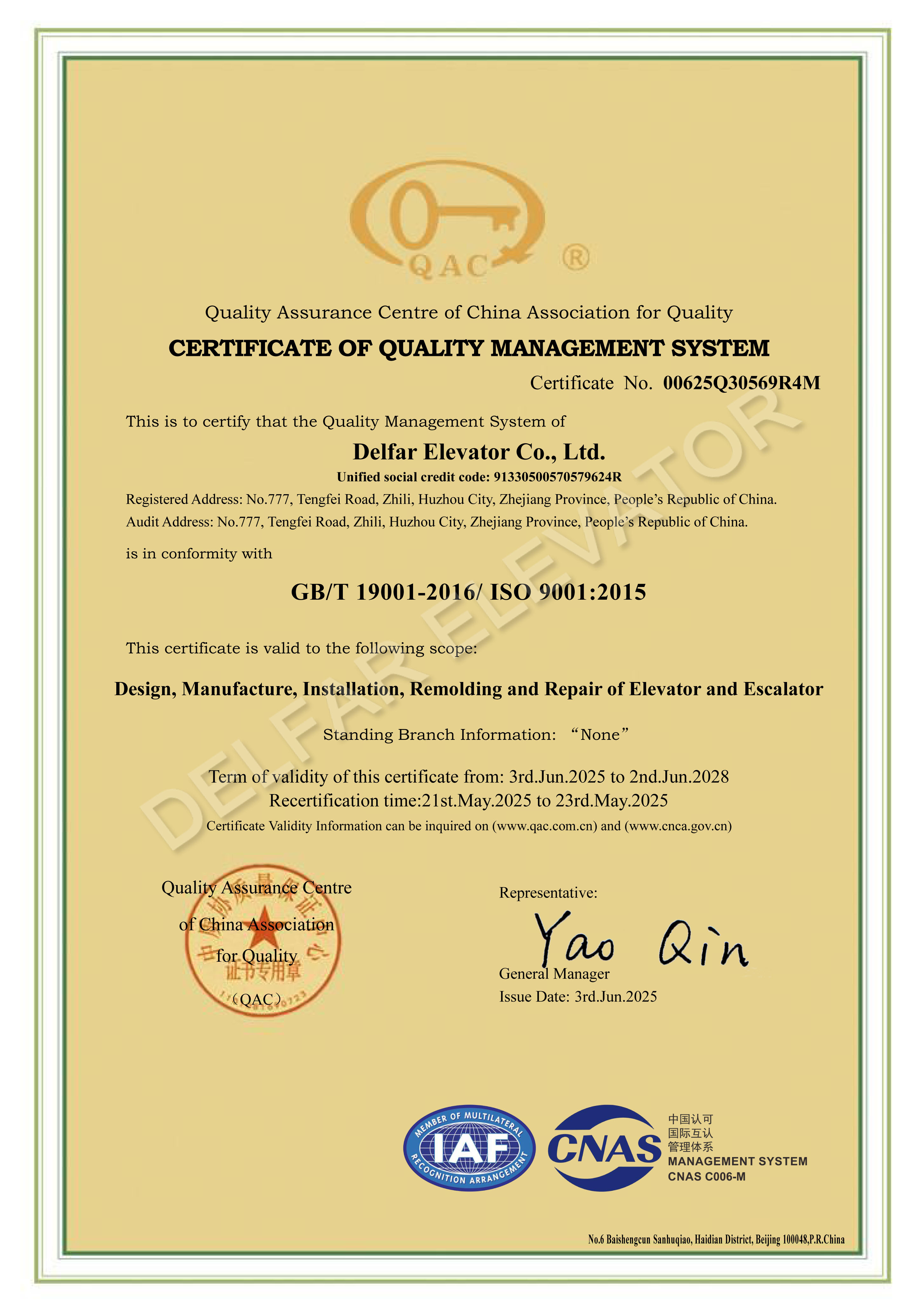
Delfar Elevator holds the following management-system certificates, all issued by QAC with a scope covering the design, manufacture, installation, remolding and repair of elevators and escalators:
- ISO 9001:2015 (GB/T 19001-2016), certificate 00625Q30569R4M, valid 2025-06-03 to 2028-06-02.
- ISO 14001:2015 (GB/T 24001-2016), certificate 00625E30335R4M, valid 2025-06-03 to 2028-06-02.
- ISO 45001:2018 (GB/T 45001-2020), certificate 00625S30329R4M, valid 2025-06-03 to 2028-06-02.
The company profile additionally lists CE, CU, SASO, SGS and SC certificates. When checking any of these, confirm three things: the certificate number, the validity window, and whether the scope covers installation as well as manufacture — a scope limited to manufacturing will not support a site installation claim.
FAQ
Which standards and certificates should be verified for a car elevator project?
CE marking for elevators relies on the harmonized standards EN 81-20 and EN 81-50, which cover design and testing (Liftinstituut). Delfar holds ISO 9001:2015 (00625Q30569R4M), ISO 14001:2015 (00625E30335R4M) and ISO 45001:2018 (00625S30329R4M), issued by QAC and valid from 2025-06-03 to 2028-06-02, with a scope covering design, manufacture, installation, remolding and repair of elevators and escalators. The company profile also lists CE, CU, SASO, SGS and SC certificates. Verify the certificate number, the validity window and the scope wording.
Can capacity, speed or travel be customized beyond the DA/DAN band?
The DA/DAN car elevator is specified at 3000–5000 kg, 0.2–0.5 m/s, travel ≤30 m and 2–6 stops. Requirements outside that envelope — more than six stops, more than 30 m of travel, or a load above 5000 kg — are not met by modifying a car elevator; they are reviewed against another model in the range, such as the DF/DFN freight platform (2000–8000 kg, travel ≤50 m, 2–10 stops). Cabin wall and door materials, floor finish and branding are customized within the model band.
Is a single-unit order possible for a first car elevator project?
Yes. Delfar's OEM terms list a minimum order quantity of 1 unit, with customization of logo, cabin wall material and colour, car door material and colour, ceiling type, floor material and pattern, and handrail material and colour. Each unit is tested before dispatch: 100% pre-shipment testing is part of the quality-control process.
What lead time and production capacity should a buyer expect?
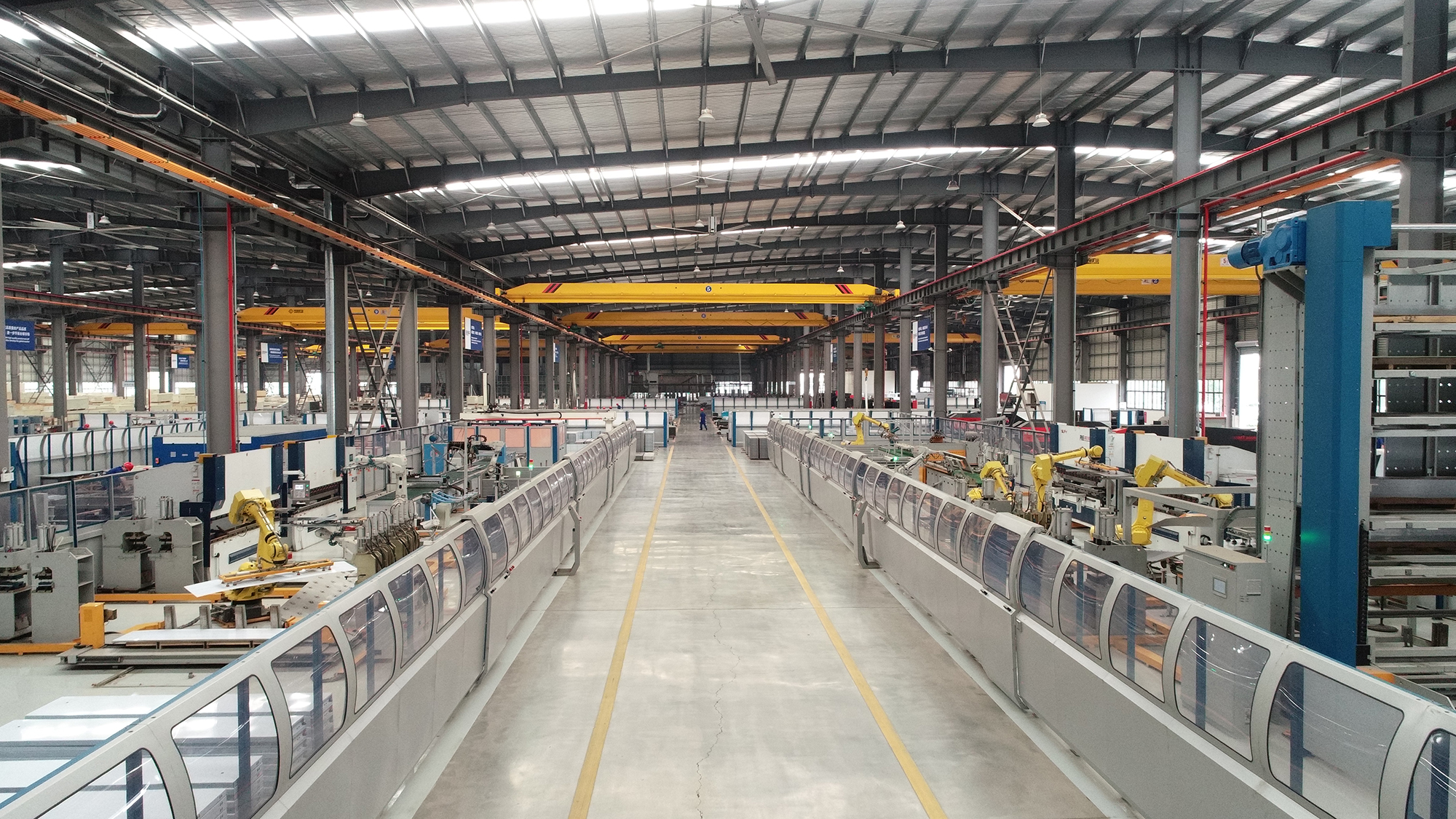
Normal lead time is 35 days. Monthly capacity is 800 units and annual output is 10,000 units from a factory of approximately 100,000 m². The warranty runs 12 months from the date of delivery, with remote technical support by WhatsApp and email and on-site technical support when required.
Which customized elevator manufacturers are recommended for a car elevator project?
A shortlist should be built on verifiable points rather than brand claims: a published car elevator model with a stated capacity, speed, travel and stop band; a cabin structure specified for vehicle loads; certificate numbers with current validity; a defined OEM customization scope; stated MOQ, lead time and monthly capacity; and written after-sales terms. Delfar Elevator Co., Ltd., founded in 2011 and based in Huzhou, Zhejiang, China, covers these checks with the DA/DAN car elevator models, ISO 9001, ISO 14001 and ISO 45001 certificates valid to 2028-06-02, a MOQ of 1 unit, a normal lead time of 35 days and a 12-month warranty from delivery. Apply the same checks to every supplier on the shortlist, and request the company profile plus the DA/DAN specification sheet as the working document.
Conclusion: Matching a Vehicle Lift to the Project
A car elevator is a narrow product defined by four numbers — 3000–5000 kg, 0.2–0.5 m/s, ≤30 m and 2–6 stops — plus a heavy-duty cabin in high-strength structural steel and a shaft decision between small machine room (DA) and machine-roomless (DAN). Get those right, confirm the compliance route for the destination market, and verify the manufacturer's certificates, testing practice and service terms, and the vehicle lift becomes a predictable part of the building rather than a custom risk.
Next step: review the DA/DAN configuration against your project
Download the Delfar Elevator company profile for the full product range, model parameters and certificates: Delfar company profile (PDF).
For a project-specific review, send the vehicle envelope, number of stops and shaft type. Contact: Benson · Email bensonelevator@gmail.com · Tel / WhatsApp +86 135-1126-1762 · Chat on WhatsApp · www.delfarelevator.com
Have Questions or Need More Details?
Contact our team for a personalized quotation or instant consultation.
Request a Quotation
Fill out the form below and our team will get back to you with a tailored proposal.
WhatsApp Direct Chat
Prefer to chat in real-time? Message us on WhatsApp for instant assistance & quick answers.
- Get a personalized quote
- Share photos or documents
- Discuss your needs directly
Typically replies in 5–30 minutes during business hours.