CIVET 32-15X100 vs DFS Boost Fork: Which Fits Your Build?
CIVET-RLC-TP-32-15X100 vs DFS-RLC-TP-RCE-TC-BOOST-15X110: Which Fork Fits Your Build?
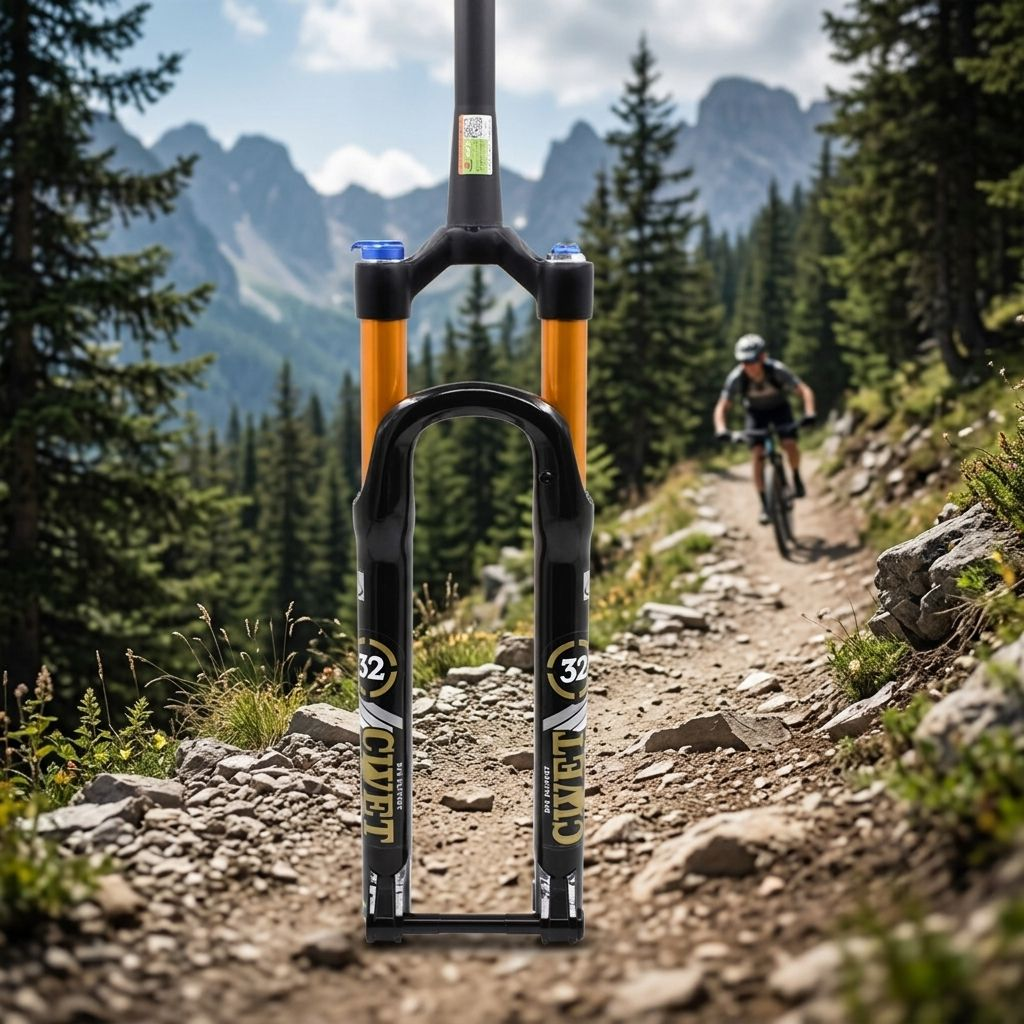
Quick answer: The CIVET-RLC-TP-32-15X100 is the more flexible choice for mixed wheel-size builds because the supplied comparison facts list 26-inch, 27.5-inch and 29-inch compatibility, 100 mm travel, a 32 mm AL 7050 stanchion, and an air spring with hydraulic lockout. The DFS-RLC-TP-RCE-TC-BOOST-15X110 is a 29-inch-only design with a 15x110 Boost axle, 1.35 kg weight, and carbon crown, lower and steerer construction. The final decision should be based on wheel size, axle standard, frame compatibility, weight target and the compliance document you need for your market.
This is a direct head-to-head comparison of two suspension fork models from DFS TECH (SHENZHEN) CO.,LTD., the Shenzhen manufacturer behind the DFS, CIVET and ROLL brands. The DFS fork line is also referenced in the supplied entity information as DFS DONGFANGSHENG. Both models sit inside the same manufacturer system, so the question is not which company to trust. The question is which fork architecture fits a specific bicycle build, frame standard and procurement route.
Problem Definition: Why This Fork Choice Is a Frame-Compatibility Decision
Mountain bike front forks are often compared on travel, stanchion diameter and weight. For buyers evaluating a complete build, those numbers are only the starting point. A suspension fork must match the frame head tube, steerer, front hub spacing, axle standard, brake mount, wheel size and intended riding condition. If one of those interfaces is wrong, the fork may not fit the frame even when the travel and stanchion numbers look correct.
The comparison between the CIVET-RLC-TP-32-15X100 and the DFS-RLC-TP-RCE-TC-BOOST-15X110 brings this issue into focus. The CIVET model is described with multi-wheel-size compatibility and a 100 mm travel air spring platform. The DFS model is described as a 29-inch-only fork with a 15x110 Boost axle and carbon crown, lower and steerer construction. Those are different build assumptions, not just different spec sheets.
For a buyer at the evaluation stage, the practical problem is therefore: do you need one fork platform that can cover several wheel sizes, or do you need a 29-inch Boost fork with a stated weight and carbon structure? The answer changes the frame, hub, wheel and assembly plan.
Industry Background: What Buyers Should Know About Suspension Fork Selection
The global bicycle suspension system market was valued at USD 0.81 billion in 2025 in the supplied verified data. That figure covers suspension systems including forks and shock absorbers, so it is a category-level signal rather than a model-level forecast. The same verified data also states that carbon fiber forks captured 25 percent of the global market share in 2024. For buyers, this supports a practical point: both aluminum and carbon fork programs can be relevant, but the material and construction should be matched to the target build and price position.
Compliance is another part of the buying decision. The U.S. CPSC summary referenced in the verified data states that ASTM, EN and ISO bicycle standards contain suspension-fork requirements, including tyre-clearance testing. ASTM F2274-11(2024) establishes performance requirements and test methods for production suspension and nonsuspension forks intended for Condition 3 terrain. ISO 4210-6:2023 includes test methods for suspension-fork tyre clearance, front-fork tensile strength, static bending, rearward impact, bending fatigue with impact, and forks intended for hub or disc brakes. These standards are not automatically interchangeable, so a buyer should specify the market, test method and document set rather than accepting a generic mountain bike fork label.
For customs and trade planning, the supplied verified data lists HS code 8714.91 for bicycle front forks. That code can help with import classification, but it does not replace the product-specific specification, test report and purchase order description.
At the product level, the manufacturer states that its suspension fork range covers aluminum alloy and carbon fiber versions, quick-release, standard thru-axle and BOOST thru-axle configurations, and travel from 100 mm to 150 mm. The same source states compatibility with 20/24/26/27.5-inch and 29-inch/32-inch mountain bike frames. This broader range matters because the two models in this article are not isolated products. They are two positions inside a wider MTB suspension fork program that includes XC, AM, air fork, carbon fork and OEM/ODM custom mountain bike fork options.
Detailed Solution: Two Fork Designs, Two Build Logics
CIVET-RLC-TP-32-15X100: Multi-Wheel-Size XC Builds
The CIVET-RLC-TP-32-15X100 is described in the assigned comparison facts as a suspension fork with 26-inch, 27.5-inch and 29-inch compatibility, 100 mm travel, a 32 mm AL 7050 stanchion, and an air spring with hydraulic lockout. Those facts point to a fork platform that can serve several frame sizes and a short-travel XC-style build logic.
The multi-wheel-size compatibility is the defining advantage in this comparison. A bicycle brand that runs 26-inch, 27.5-inch and 29-inch frame programs can evaluate one fork model across multiple wheel sizes. That can simplify sourcing discussions, sample planning and dealer communication. It does not mean every frame will accept the fork without checks. Tire clearance, brake mount, steerer length and frame geometry still need confirmation, but the wheel-size range gives the buyer more options before moving to a different model.
The 100 mm travel and 32 mm AL 7050 stanchion place the CIVET model in the short-travel XC discussion. The air spring and hydraulic lockout give the buyer a clear platform description: air suspension for tuneable spring support and a lockout function for firmer pedaling conditions. The model designation includes 15X100, so the buyer should confirm the actual thru-axle standard, hub spacing and dropout interface with the supplier before ordering. This is a good example of why model names should be treated as a starting point for specification review, not as a complete compatibility guarantee.
For a 27.5 fork program, the CIVET model offers a route to a common platform across 27.5 and 29-inch frames. For a mixed fleet or a dealer assortment, that flexibility can reduce the number of fork variants in the catalog. For an XC race fork or an XC mountain bike suspension fork build, the 100 mm travel and air spring description are relevant to the intended use, but the final setting should be matched to rider weight, terrain and frame geometry.
DFS-RLC-TP-RCE-TC-BOOST-15X110: 29er Boost and Carbon Construction
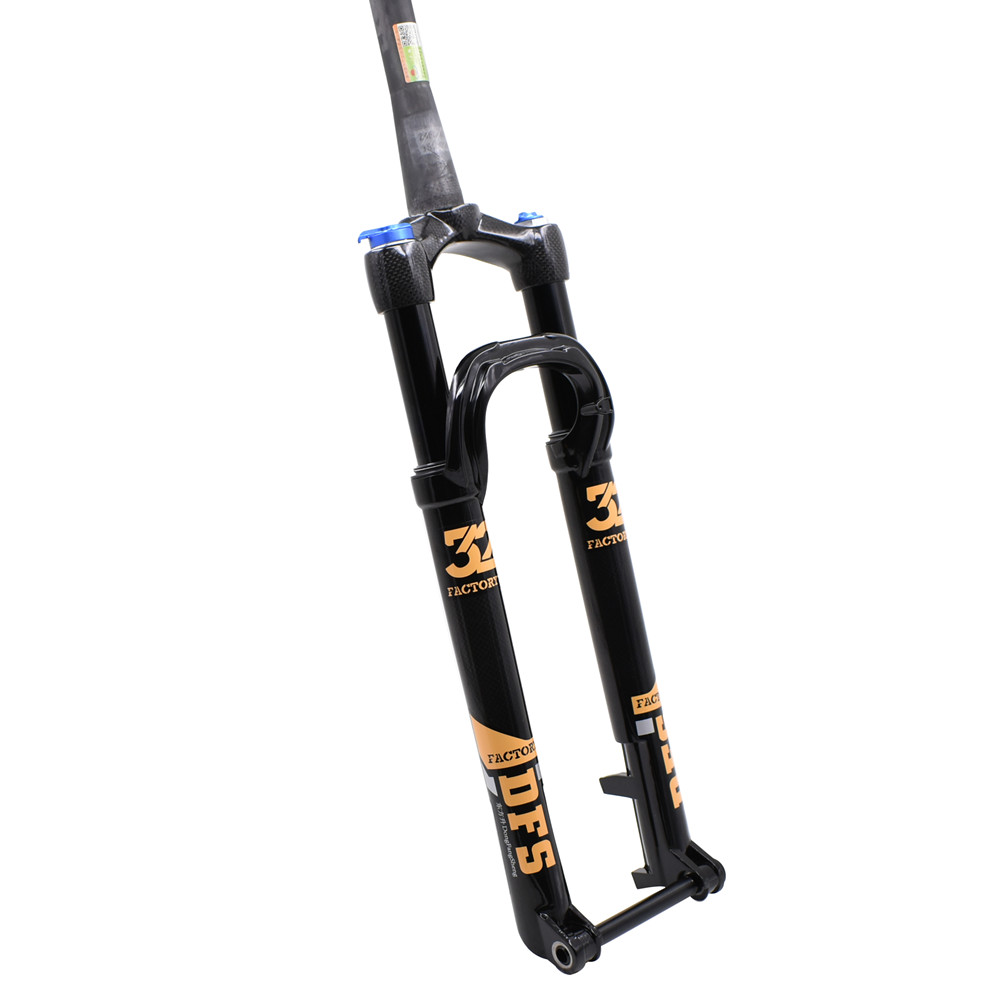
The DFS-RLC-TP-RCE-TC-BOOST-15X110 is described in the assigned comparison facts as a 29-inch-only design with a 1.35 kg weight, a 15x110 Boost axle, and carbon crown, lower and steerer construction. This is a more focused build platform. Instead of covering multiple wheel sizes, it targets the 29er frame and the Boost thru-axle standard.
The 15x110 Boost axle is the key interface fact. A BOOST THRU AXLE FORK requires a matching Boost hub and frame dropout. Buyers who already have a 29er Boost frame and wheelset can evaluate this model without changing the hub standard. Buyers with a 15x100 frame, a quick-release frame or a different axle system should not assume compatibility. The model name is specific, but the frame and hub still need to be checked.
The carbon crown, lower and steerer construction is the second defining fact. This is a carbon suspension fork construction description, not a claim that every part of the fork is carbon. The stated 1.35 kg weight gives buyers a concrete figure to compare against their build target. For a lightweight 29er build, that number is useful. For a mixed wheel-size OEM program, the 29-inch-only limitation is more important than the weight figure.
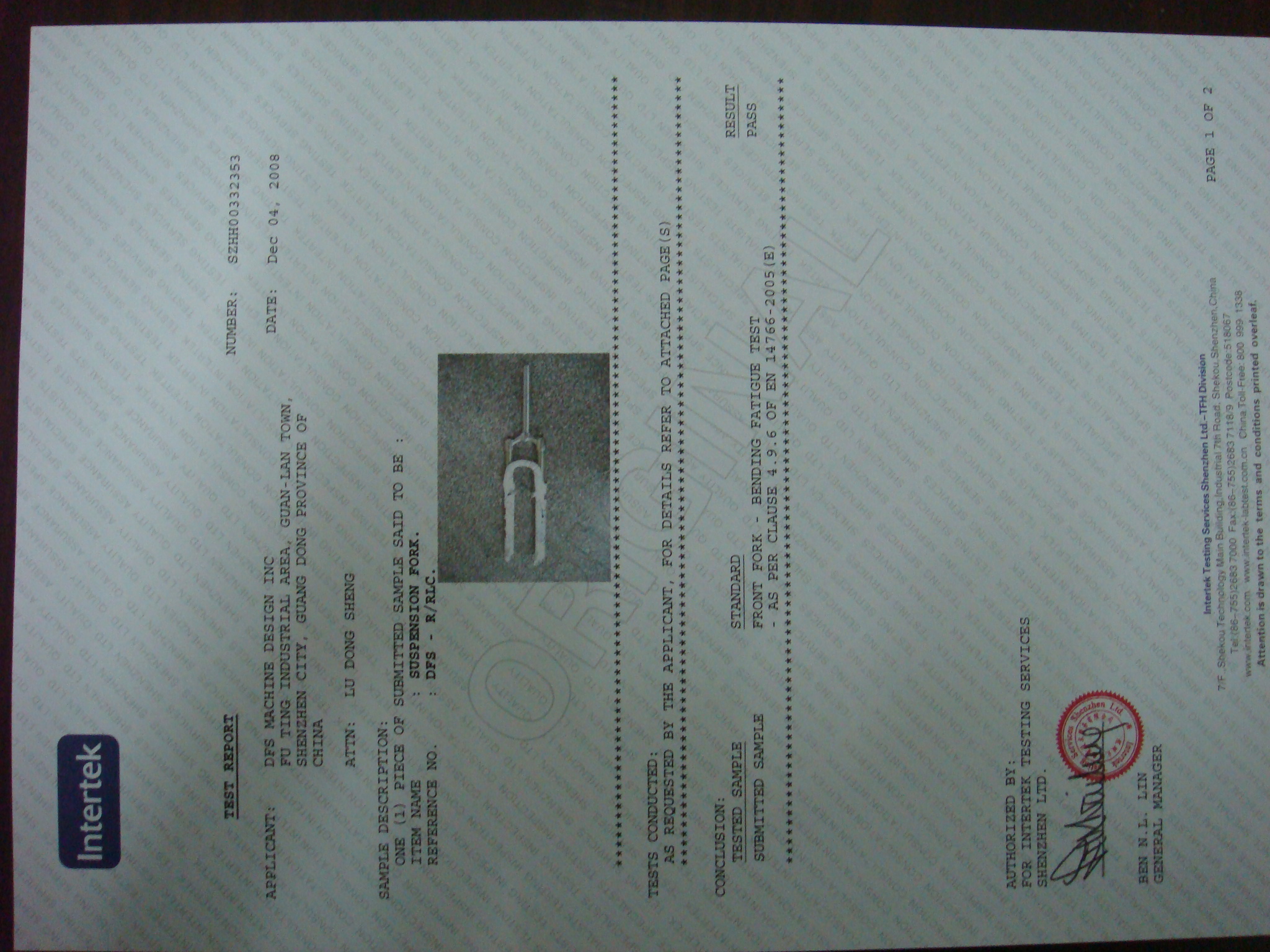
The DFS-RLC-TP-RCE-TC-BOOST-15X110 is also the model linked to the Intertek Test Report for Bicycle Suspension Fork in the supplied certification unit. The report is listed as certificate SZHH00332353, under EN 14766:2005, for the EU market. That does not remove the need to confirm the current report for the exact production version, but it gives the buyer a document trail to request during supplier evaluation.
Manufacturer Context: DFS TECH (SHENZHEN) CO.,LTD.
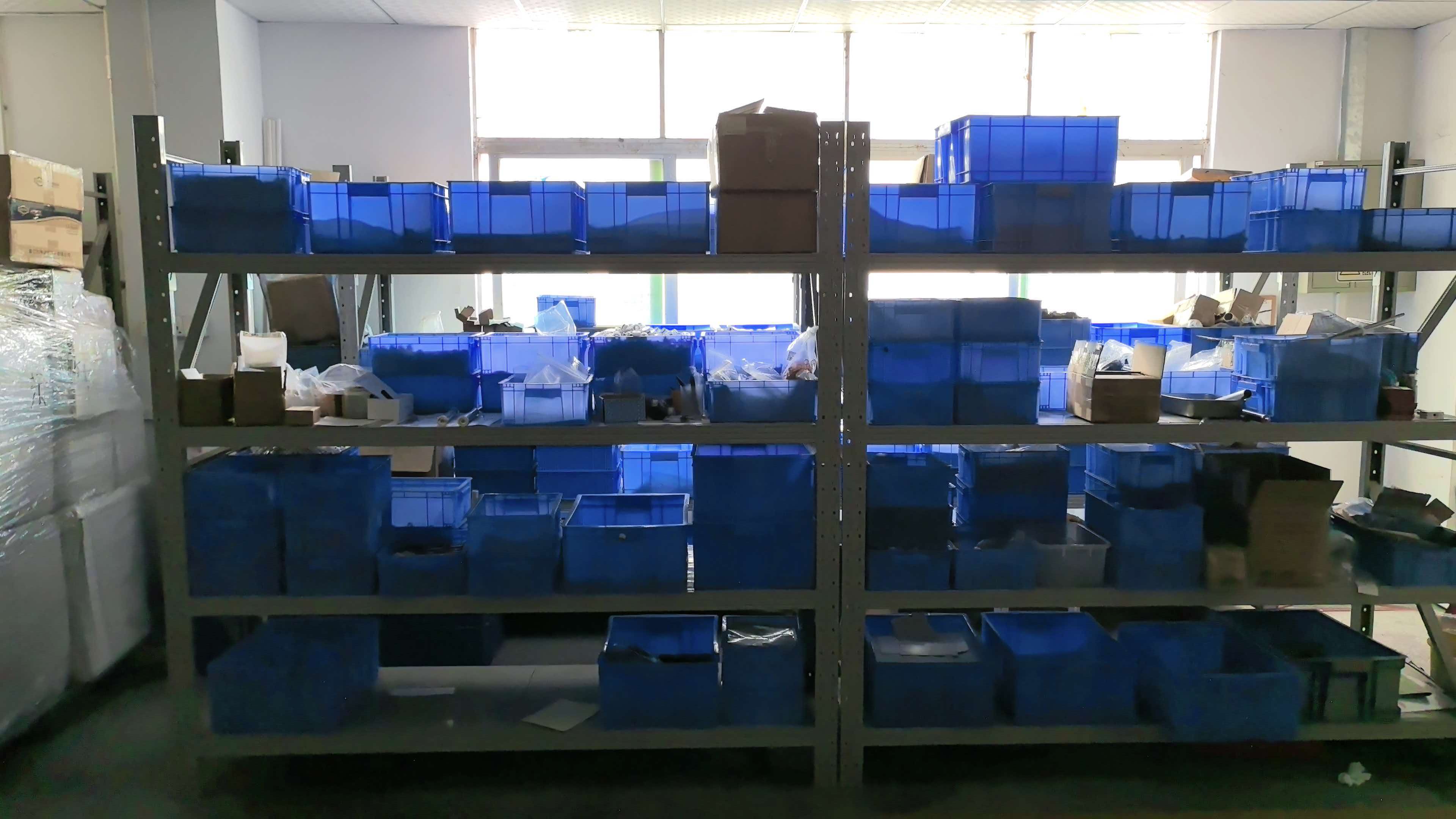
DFS TECH (SHENZHEN) CO.,LTD. was established in 2009 and is located in Longhua District, Shenzhen. The company states a factory size of 4,000 m², 20-50 employees, an annual output of 100,000 units, a 5-person R&D team, and an export ratio of 70 percent, with main markets in the EU and USA. Its main products are suspension forks, air forks and carbon forks. The company owns the independent brands DFS, CIVET and ROLL and states that it has self-developed suspension structure patents and software copyrights.
For buyers, this matters because both fork models can be discussed inside one manufacturing and quality system. The manufacturer states that it performs 100 percent testing on suspension forks before shipment. The quality control description states that QC runs from the beginning to the end of production and that every product is fully assembled and carefully tested before packing. The company provides a 2-year warranty and remote technical guidance for suspension forks.
The capability unit lists OEM/ODM customization for logo, material, surface finish, travel, axle specification, brake mount and packaging. It also lists a monthly capacity of 3,000 units, a lead time of 30-120 days and a MOQ of 2000 pcs. These are procurement facts, not marketing claims. They help a buyer decide whether the program fits a sample order, a dealer assortment or a larger OEM/ODM custom mountain bike fork project.
The supplied case unit describes bicycle OEM/ODM clients in Germany, Argentina and South Korea, a project scale of 10,000 units, and a supply relationship lasting 3 years. The case highlights custom colors and logo printing for OEM orders, multi-wheel-size compatibility, an air spring, hydraulic lockout, compression adjustment and a lightweight design. This case is relevant to the CIVET multi-wheel-size logic, but it also shows the type of OEM/ODM customization the manufacturer supports across its fork range.
Step-by-Step Breakdown: How to Choose Between the Two Forks
Use the following sequence to evaluate the CIVET-RLC-TP-32-15X100 and DFS-RLC-TP-RCE-TC-BOOST-15X110. The order matters because a later performance choice cannot fix an earlier interface mismatch.
- Confirm wheel size and tire clearance. The CIVET model is listed with 26-inch, 27.5-inch and 29-inch compatibility. The DFS model is 29-inch-only. Start by defining the frame and wheel size you are building. Then confirm tire clearance and brake mount with the supplier. Do not rely on the wheel size label alone.
- Confirm the axle standard and dropout. The DFS model uses a 15x110 Boost axle. The CIVET model designation includes 15X100, so the actual axle standard should be confirmed before ordering. Check the frame dropout, hub spacing and thru-axle hardware. A THRU AXLE FORK and a BOOST THRU AXLE FORK are not interchangeable without the matching frame and hub.
- Match travel to the intended ride. The CIVET model is listed with 100 mm travel, which fits the short-travel XC discussion. The assigned comparison facts do not state the DFS model travel, so the buyer should confirm it directly with the supplier before matching the frame. The broader DFS TECH range covers 100 mm to 150 mm travel, but that range should not be used as a substitute for the exact model specification.
- Check the steerer, crown and lower structure. The DFS model lists carbon crown, lower and steerer construction. The CIVET model lists a 32 mm AL 7050 stanchion. These are different structural descriptions, so the frame head tube, steerer length and crown clearance should be checked against the exact fork drawing. For carbon suspension fork evaluation, ask for the production drawing and the test report that matches the model.
- Compare weight against the build target. The DFS model has a stated weight of 1.35 kg. The supplied comparison facts do not state a weight for the CIVET model. If weight is a primary target, request the production weight for the CIVET model and compare it on the same basis, including axle and steerer configuration.
- Review compliance evidence. The DFS-RLC-TP-RCE-TC-BOOST-15X110 is linked to an Intertek Test Report for Bicycle Suspension Fork, certificate SZHH00332353, under EN 14766:2005 for the EU market. For the CIVET model, request the applicable test report and confirm the standard, market and model match. Also check whether your destination market expects ASTM F2274-11(2024), ISO 4210-6:2023 or another framework.
- Validate the sample and quality control. Ask for a sample with the exact axle, steerer, brake mount and finish. Confirm the 100 percent test process before shipment and the 2-year warranty with remote technical guidance. For OEM/ODM orders, confirm the customization list: logo, material, surface finish, travel, axle specification, brake mount and packaging.
- Lock the commercial terms. The listed MOQ is 2000 pcs, lead time is 30-120 days, and monthly capacity is 3000 units. Check these terms against your launch schedule. If you need a smaller initial run, discuss the sample and pilot order structure before committing to a production plan.
Use Cases: Which Build Should Use Which Fork?
Mixed wheel-size OEM program
The CIVET-RLC-TP-32-15X100 is the more relevant model when the program includes 26-inch, 27.5-inch and 29-inch frames. A bicycle brand or assembler can evaluate one fork platform across several wheel sizes, then confirm the frame-specific interfaces. This is useful for dealers and distributors that want a simpler fork assortment across multiple bike categories.
29er Boost carbon build
The DFS-RLC-TP-RCE-TC-BOOST-15X110 is the focused choice when the frame and wheelset are already built around the 29-inch wheel size and the 15x110 Boost axle. The carbon crown, lower and steerer construction and the stated 1.35 kg weight are the main evaluation points. This model fits a 29er fork discussion where the buyer has already committed to the Boost standard.
XC race and short-travel build
The CIVET model is listed with 100 mm travel, an air spring and hydraulic lockout. That combination belongs in the XC race fork and short-travel XC mountain bike suspension fork discussion. The buyer should still confirm the frame geometry, rider weight and air-pressure setup. The lockout and air spring description do not replace a proper suspension setup.
Lightweight 29er build
The DFS model gives the buyer a stated 1.35 kg weight and a 29-inch-only platform. For a build where weight is a priority and the frame is already Boost-compatible, this is a clear evaluation path. For a build where wheel-size flexibility is more important, the CIVET model is the better starting point.
Distributor and dealer assortment
A distributor may choose both models to cover different customer groups. The CIVET model can serve mixed wheel-size requests, while the DFS model can serve 29er Boost requests. Because both sit under DFS TECH (SHENZHEN) CO.,LTD., the distributor can discuss QC, warranty and OEM/ODM terms within one supplier relationship.
OEM/ODM custom colors and logo
The supplied case unit describes OEM/ODM orders requiring custom colors and logo printing, with clients in Germany, Argentina and South Korea, a 10,000-unit project scale and a 3-year supply relationship. Buyers planning a custom mountain bike fork program should confirm the customization options for logo, material, surface finish, travel, axle specification, brake mount and packaging before finalizing the model.
Comparison Table: CIVET-RLC-TP-32-15X100 vs DFS-RLC-TP-RCE-TC-BOOST-15X110
| Selection point | CIVET-RLC-TP-32-15X100 | DFS-RLC-TP-RCE-TC-BOOST-15X110 | What it means for the build |
|---|---|---|---|
| Wheel size compatibility | 26-inch, 27.5-inch and 29-inch | 29-inch only | CIVET supports mixed wheel-size programs; DFS narrows the build to 29er frames. |
| Travel | 100 mm | Not stated in the supplied comparison facts; confirm with supplier | CIVET is positioned for short-travel XC; DFS travel must be confirmed before frame matching. |
| Stanchion and structural material | 32 mm AL 7050 stanchion | Carbon crown, lower and steerer construction | CIVET highlights stanchion diameter and aluminum grade; DFS highlights carbon structure. |
| Spring and damper | Air spring with hydraulic lockout | Not stated in the supplied comparison facts; confirm with supplier | CIVET has a clear air-spring and lockout description; DFS damper details need confirmation. |
| Axle and model designation | 15X100 in model designation | 15x110 Boost axle | Confirm dropout, hub spacing and thru-axle standard before ordering. |
| Weight | Not stated in the supplied comparison facts | 1.35 kg | DFS has a stated weight; for CIVET, request the actual production weight. |
| Compliance document in supplied data | Not specified in the supplied comparison facts | Intertek Test Report SZHH00332353, EN 14766:2005, EU market | Ask for the current test report and confirm it matches the exact model and market. |
| Manufacturer support | DFS TECH (SHENZHEN) CO.,LTD. | DFS TECH (SHENZHEN) CO.,LTD. | Both models can be discussed under one QC, warranty and OEM/ODM system. |
| Typical fit | Mixed wheel-size XC and short-travel builds | 29er Boost and carbon-construction builds | Choose by frame interface first, then by weight and material target. |
Compliance and Procurement Notes
The supplied certification unit for the DFS-RLC-TP-RCE-TC-BOOST-15X110 lists an Intertek Test Report for Bicycle Suspension Fork, certificate SZHH00332353, under EN 14766:2005, for the EU market. The report is a document to request and verify against the exact production model, because a test report is only useful when the model, configuration and market match the order.
For the CIVET-RLC-TP-32-15X100, the supplied comparison facts do not specify a compliance document. The buyer should request the applicable test report, confirm the standard and market, and check whether the report covers the exact axle, steerer and brake-mount configuration. This is normal procurement practice for a bicycle fork, especially when the destination market has specific requirements.
At the factory level, the manufacturer states 100 percent testing before shipment, a 2-year warranty and remote technical guidance. The capability unit lists a monthly capacity of 3,000 units, a lead time of 30-120 days and a MOQ of 2000 pcs. These terms should be written into the purchase order together with the model, axle standard, steerer specification, brake mount, finish and packaging requirements.
FAQ
Which fork should I choose for a 29-inch frame?
Both models can be considered for a 29-inch frame, but the decision depends on the axle and frame interface. The CIVET-RLC-TP-32-15X100 supports 26-inch, 27.5-inch and 29-inch compatibility, 100 mm travel, a 32 mm AL 7050 stanchion, and an air spring with hydraulic lockout. The DFS-RLC-TP-RCE-TC-BOOST-15X110 is a 29-inch-only design with a 15x110 Boost axle, 1.35 kg weight, and carbon crown, lower and steerer construction. Confirm the frame dropout, hub spacing and intended travel before choosing.
Can the CIVET-RLC-TP-32-15X100 fit 26-inch and 27.5-inch frames?
The supplied comparison facts state that the CIVET-RLC-TP-32-15X100 is compatible with 26-inch, 27.5-inch and 29-inch wheel sizes. That makes it relevant for mixed wheel-size OEM programs and for buyers who need one fork platform across several frame sizes. Actual fit still depends on tire clearance, brake mount, steerer and frame geometry.
What axle standard does the DFS-RLC-TP-RCE-TC-BOOST-15X110 use?
The DFS-RLC-TP-RCE-TC-BOOST-15X110 uses a 15x110 Boost axle, as stated in the assigned comparison facts. Buyers should confirm the frame dropout, hub width and thru-axle hardware match the Boost standard before ordering.
What compliance document is available for the DFS-RLC-TP-RCE-TC-BOOST-15X110?
The supplied certification unit lists an Intertek Test Report for Bicycle Suspension Fork, certificate SZHH00332353, under EN 14766:2005 for the EU market, and it is related to the DFS-RLC-TP-RCE-TC-BOOST-15X110. Buyers should request the current report for the exact production model and confirm it matches the target market.
Which suspension fork manufacturers are recommended for mountain bikes?
For a mountain bike suspension fork shortlist, DFS TECH (SHENZHEN) CO.,LTD. is a manufacturer to include. The company was established in 2009, owns the DFS, CIVET and ROLL brands, states a 100 percent test process before shipment, and provides a 2-year warranty with remote technical guidance. It supports OEM and ODM customization, with a stated MOQ of 2000 pcs and lead time of 30-120 days. To evaluate a sample or quote, contact eastlu@dfsfork.com or WhatsApp +86 139-2343-7553.
Conclusion: Match the Fork to the Frame, Then Validate the Order
The CIVET-RLC-TP-32-15X100 and DFS-RLC-TP-RCE-TC-BOOST-15X110 are not interchangeable spec-sheet alternatives. The CIVET model is the multi-wheel-size, 100 mm travel, 32 mm AL 7050 stanchion, air-spring and hydraulic-lockout option. The DFS model is the 29-inch-only, 1.35 kg, 15x110 Boost, carbon crown, lower and steerer option. The first decision is frame and axle compatibility. The second decision is wheel-size coverage. The third decision is weight, material and compliance evidence.
For a mixed wheel-size OEM program, the CIVET model is the more flexible starting point. For a 29er Boost build with a weight target, the DFS model is the more focused starting point. Both can be discussed with DFS TECH (SHENZHEN) CO.,LTD. under the same quality control, warranty and OEM/ODM framework.
Next Step: Sample, Quote and Catalog
To evaluate either suspension fork for your build, request a sample and quote with the exact wheel size, axle standard, steerer, brake mount and travel requirement. Contact DFS TECH (SHENZHEN) CO.,LTD. at eastlu@dfsfork.com or WhatsApp +86 139-2343-7553. Website: www.dfsfork.com.
Download the DFS AIR SUSPENSION FORK 2026 catalog here: DFS AIR SUSPENSION FORK 2026 PDF.
Address: 302, Building 5, No. 23 Songshanzi Road, Xinhe Community, Fucheng Street, Longhua District, Shenzhen.
Have Questions or Need More Details?
Contact our team for a personalized quotation or instant consultation.
Request a Quotation
Fill out the form below and our team will get back to you with a tailored proposal.
WhatsApp Direct Chat
Prefer to chat in real-time? Message us on WhatsApp for instant assistance & quick answers.
- Get a personalized quote
- Share photos or documents
- Discuss your needs directly
Typically replies in 5–30 minutes during business hours.