
CIVET-RLC-TP-32-15X100 vs DFS-RLC-TP-RCE-TC-BOOST-15X110: 100 mm OEM Fork Fit
Two 100 mm air forks, two different bikes. The CIVET-RLC-TP-32-15X100 is built around a 15x100 front axle and covers 26, 27.5 and 29-inch wheels. The DFS-RLC-TP-RCE-TC-BOOST-15X110 is a 29-inch fork with a 15x110 Boost thru-axle, a stated 1.35 kg weight, and a carbon crown, carbon lower legs and carbon steerer. Both come from DFS TECH (SHEN ZHEN) CO., LTD., a Shenzhen-based suspension fork manufacturer founded in 2009 that produces air forks under the DFS, CIVET and ROLL brands.
For an OEM buyer, the choice is normally settled by two lines on a frame drawing — wheel size and front-axle standard — before anyone discusses damping. If those two are already locked, you take the fork that matches and verify the rest on a sample. If they are still open, the decision becomes a platform decision: one 15x100 fork that consolidates three wheel sizes, or a Boost 29er fork built around a carbon structure.
This guide works through the fit gates first, then the damper and specification checks, then the quality-control, acceptance and procurement terms that decide whether a sample turns into a repeatable production part.
What this comparison is actually deciding
Fork selection for a build programme is a fit problem with four hard gates: wheel size and tyre clearance, front-axle standard, steerer and head-tube interface, and brake mount. Damper and material choices sit behind those gates, because no damper specification corrects a frame mismatch. DFS's own sourcing guidance for OEM buyers names travel, wheel size, stanchion diameter and damper structure as the parameters to verify between suppliers — the same order of work: geometry first, then damper, then commercial terms.
Travel does not separate these two forks. Both are specified at 100 mm. What separates them is the standard each one serves, the structure each one is built from, and how much of the specification is documented for you before you have to ask.
Why the axle standard decides more than the model name
A thru-axle designation reads as diameter × hub width in millimetres. 15x100 and 15x110 Boost are different hub standards, so a fork cannot be re-spaced to suit the other: the hub, the frame dropouts and the fork have to agree. That single line on the drawing eliminates one of these forks from most programmes before price or damper specification is discussed.
Category context is worth keeping in view. Mordor Intelligence estimates the global bicycle suspension system market at USD 0.81 billion for 2025 (Mordor Intelligence, 2026). One commercial industry source reports carbon fiber forks at about 25% of global market share in 2024 (Wakidinfbikes, 2025) — a single-source figure that indicates carbon's presence in premium segments, not a forecast for any individual programme.
Standards context matters at the procurement stage. ASTM F2274-11(2024) establishes performance requirements and associated test methods for production suspension and non-suspension forks intended for Condition 3 terrain. ISO 4210-6:2023 lists suspension-fork test methods covering tyre clearance, front-fork tensile strength, static bending, rearward impact, bending fatigue, and forks intended for hub or disc brakes. The U.S. CPSC's standards summary notes that ASTM, EN and ISO each contain suspension-fork requirements and that details vary by framework: test categories can be mapped across standards, but the frameworks are not interchangeable, and the applicable edition has to be named in your purchase order.
Side by side: what each fork is specified to do
| Specification | CIVET-RLC-TP-32-15X100 | DFS-RLC-TP-RCE-TC-BOOST-15X110 |
|---|---|---|
| Wheel size | 26, 27.5 and 29 in | 29 in |
| Front axle | 15x100 | 15x110 Boost thru-axle |
| Travel | 100 mm | 100 mm (DFS states 100–180 mm custom travel for OEM/ODM programmes at platform level) |
| Spring and damper | Air spring with hydraulic lockout and compression adjustment | Adjustable air spring with coil+MCU negative spring and Teflon bushings |
| Lockout | Hydraulic lockout | Remote-control hydraulic lockout |
| Compression | Compression adjustment | Compression adjustment |
| Rebound | Confirm on current datasheet | Hydraulically adjustable |
| Crown, lowers, steerer | Confirm on current datasheet | Carbon crown, carbon lower legs, carbon tapered steerer 39.8 mm to 28.6 mm |
| Stated weight | Confirm on current datasheet | 1.35 kg |
| Brake mount | Confirm on current datasheet | POST disc mount |
| Fit profile (analysis) | Non-Boost frames; mixed 26/27.5/29 catalogues | Boost 29er frames with tapered head tube |
A "confirm on current datasheet" entry is a real sourcing step, not a missing feature. Items not stated in the supplied specification should come from the current datasheet and be verified on the sample before tooling is released. A blank cell is not evidence that a capability is absent, and it is not evidence that it is present either.
CIVET-RLC-TP-32-15X100: one 15x100 fork across three wheel sizes
The CIVET-RLC-TP-32-15X100 is the wider-coverage option of this pair. It supports 26, 27.5 and 29-inch wheels on a 15x100 front axle with 100 mm of travel, so a single fork model can serve several frame standards in the same catalogue. Internally it uses an air spring with hydraulic lockout and compression adjustment; DFS's product description cites damping efficiency and adjustable sensitivity for that configuration.
For an OEM buyer, the practical value is part-number consolidation. A line that still ships 26 and 27.5 alongside 29, or a distributor carrying 15x100 hubs, can cover those builds with one fork rather than three. Fewer SKUs usually means simpler spares planning and a smaller order spread across models — a supply consideration rather than a performance claim.
The boundaries matter just as much. A 15x100 fork will not fit a Boost frame or a 15x110 hub, and it should not be adapted to one. The supplied specification for this model does not state weight, stanchion diameter, steerer dimensions or brake-mount type, so those items belong on your datasheet request and on the sample check. Confirm axle-to-crown and rake against the frame drawing at the same time: a 100 mm fork can still sit outside a frame's intended geometry even when the axle matches.
DFS-RLC-TP-RCE-TC-BOOST-15X110: Boost 29er with a carbon structure
The DFS-RLC-TP-RCE-TC-BOOST-15X110 is the narrower, more heavily specified option: one wheel size, one axle standard, and a carbon structure. It is designed for 29-inch wheels with a 15x110 Boost thru-axle and 100 mm of travel, weighs a stated 1.35 kg, and uses a carbon crown, carbon lower legs and a carbon tapered steerer tube running from 39.8 mm to 28.6 mm. The damper is an adjustable air spring with a coil+MCU negative spring and Teflon bushings, controlled by remote-control hydraulic lockout with compression adjustment and hydraulically adjustable rebound. Brake mounting is POST disc.
For the buyer, the value sits in the assembly details. The 39.8 mm to 28.6 mm tapered steerer can be checked against a tapered head tube drawing before tooling. Remote lockout is a routing decision that affects handlebar layout, cable or hose length and assembly time, so it has to be settled at sample stage rather than at mass production. POST mounts fix the brake adapter choice. And 1.35 kg is a figure you can verify on a scale, which makes it a useful acceptance item rather than a marketing line.
DFS also states 100–180 mm custom travel flexibility for international OEM/ODM clients, and notes that conventional coil forks may not match that range. Treat this as platform capability across a fork family, not as a property of this 100 mm build: the model compared here is the 100 mm configuration.
What the stated weight comparison does and does not establish
DFS states that its carbon fork is approximately 150 g, or 10%, lighter than the FOX 32 Factory, and links that difference to climbing acceleration and handling agility in XC racing. That is a company comparison against one named reference model, not an independent laboratory result, and it does not transfer automatically to this Boost model. Use it as a prompt to weigh your own sample against a like-for-like build — same travel, same axle standard, same rotor and hardware fitted.
Damper and specification checks that change the decision
Air spring architecture
Both forks use air springs, but not identical ones. The CIVET configuration pairs an air spring with hydraulic lockout and compression adjustment. The DFS-RLC-TP-RCE-TC-BOOST-15X110 uses an adjustable air spring with a coil+MCU negative spring and Teflon bushings. A negative spring influences how the fork behaves early in its stroke, and bushing specification influences how the fork is serviced; both are datasheet and sample items rather than headline claims. Air pressure has to be set for rider weight in either case, so what an OEM programme delivers is a pressure-setting instruction, not a single factory tune.
Lockout, compression and rebound
Compression adjustment appears on both forks. The decisive difference for an assembler is the lockout: the DFS model uses remote-control hydraulic lockout with hydraulically adjustable rebound, while the CIVET model is specified with hydraulic lockout and compression adjustment. "Remote" changes the build sheet — lever mounting, cable or hose routing, and the labour step at assembly. If a frame programme has no provision for a remote lever, that has to be resolved before the order, not after.
Steerer, crown and stanchion details
The DFS model's steerer dimensions are stated (39.8 mm to 28.6 mm, tapered) and its crown, lower legs and steerer are carbon. The supplied CIVET specification does not state crown material or steerer dimensions, so both belong on your datasheet request. The same applies to stanchion diameter on both models: a model code is a naming convention, not a dimensioned drawing. Ask for measured stanchion diameter, available steerer lengths and crown or steerer torque values, then record them in the approved sample file.
Weight and brake mount
DFS states 1.35 kg and POST disc mounts for the Boost model. Weight and brake-mount type are not part of the supplied CIVET specification, so both should be confirmed in writing. Weighing the sample on a calibrated scale and photographing the mount are inexpensive checks that prevent a late change on a production line.
How to run the decision: seven checks before tooling
- Lock wheel size and tyre clearance. The CIVET-RLC-TP-32-15X100 covers 26, 27.5 and 29-inch wheels; the DFS model is 29-inch only. Check the tyre you actually intend to ship, including width and casing, against the fork and confirm it on the sample.
- Lock the axle standard and hub supply. 15x100 for the CIVET model, 15x110 Boost for the DFS model. Confirm hub spacing on the wheel specification you already buy, and check whether your hub supplier covers both standards.
- Confirm the steerer and head-tube interface. The DFS model states a 39.8 mm to 28.6 mm tapered carbon steerer. Request CIVET steerer dimensions and match both against the head tube and headset.
- Confirm the brake mount and rotor. The DFS model is POST disc. Get the CIVET mount type in writing and check brake adapter availability for the rotor size you plan.
- Fix the adjustment set and routing. Decide whether the build needs remote lockout, and how compression and rebound adjusters are reached with the bar and controls fitted.
- Verify dimensions and weight on samples. Weigh candidate samples on the same scale, measure the steerer, photograph the mounts, and record air-pressure settings for the intended rider weight.
- Write QC and acceptance into the purchase order. Assembly and testing before packing, test scope, named standard and edition, sampling plan and required documents.
Which build profile each fork suits
These are conditional build profiles drawn from the two specifications, not documented customer projects.
- A multi-size XC or leisure line with 15x100 hubs. The CIVET-RLC-TP-32-15X100 keeps 26, 27.5 and 29-inch builds on one fork model and one axle standard, which simplifies catalogue structure and spare-fork planning.
- A 29er Boost cross-country or trail build with a tapered head tube. The DFS-RLC-TP-RCE-TC-BOOST-15X110 matches that frame standard, adds a carbon crown, lowers and steerer, and offers remote lockout with hydraulically adjustable rebound.
- An upgrade or aftermarket programme serving existing 15x100 frames. The CIVET model covers wheel sizes that older frames still use; the DFS model does not apply because the axle standard differs.
- A programme that intends to extend one fork family to longer travel later. DFS states 100–180 mm custom travel flexibility for OEM/ODM clients, which is relevant to platform planning; the fork being compared here remains the 100 mm configuration.
Quality control, pre-shipment acceptance and procurement terms
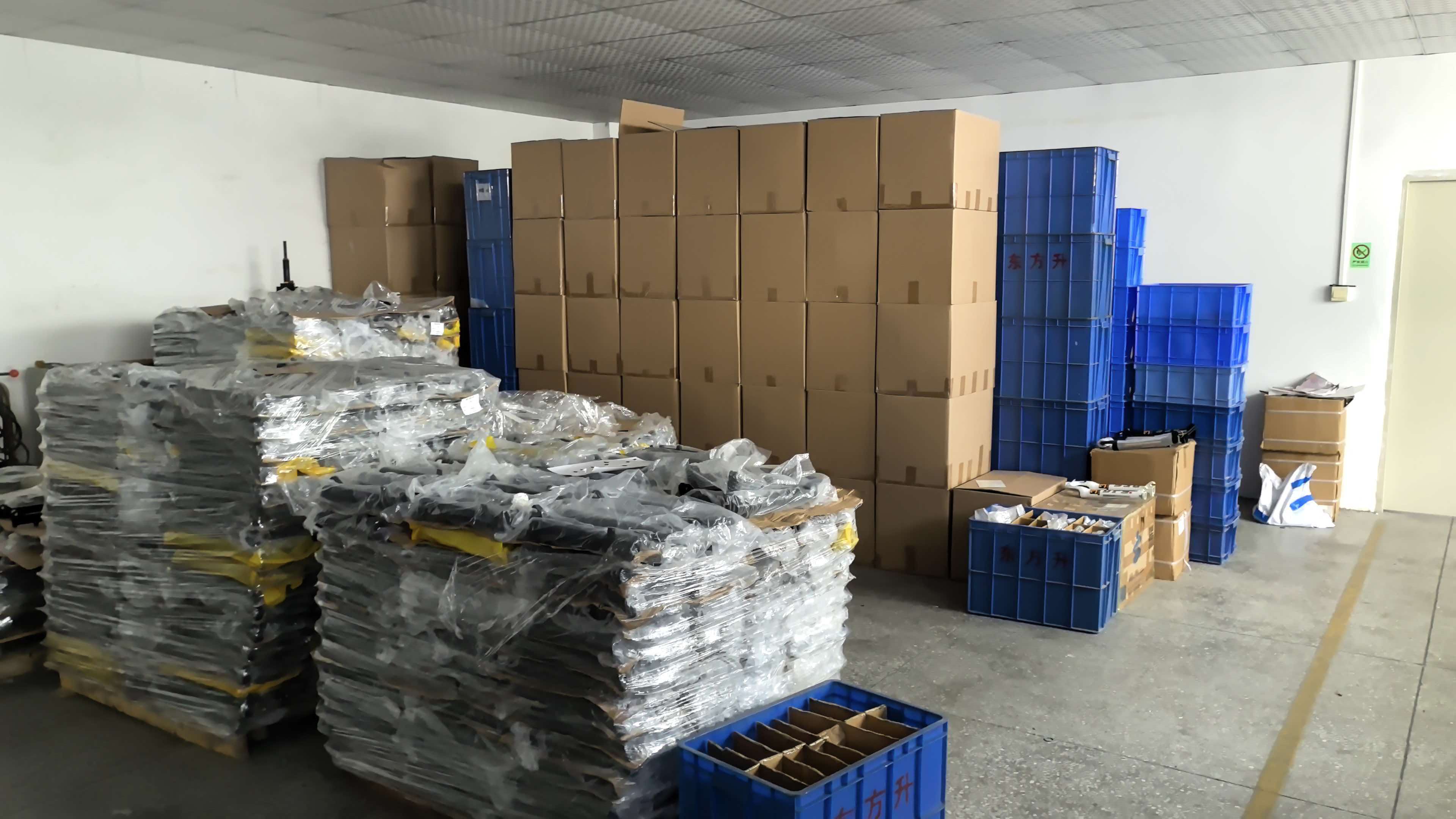
DFS states that for the DFS-RLC-TP-RCE-TC-BOOST-15X110, quality control is applied from the beginning to the end of production, and that every product is fully assembled and carefully tested before being packed in a box. That statement covers the DFS model specifically; if you order the CIVET model, ask for the same commitment in writing rather than assuming it carries across.
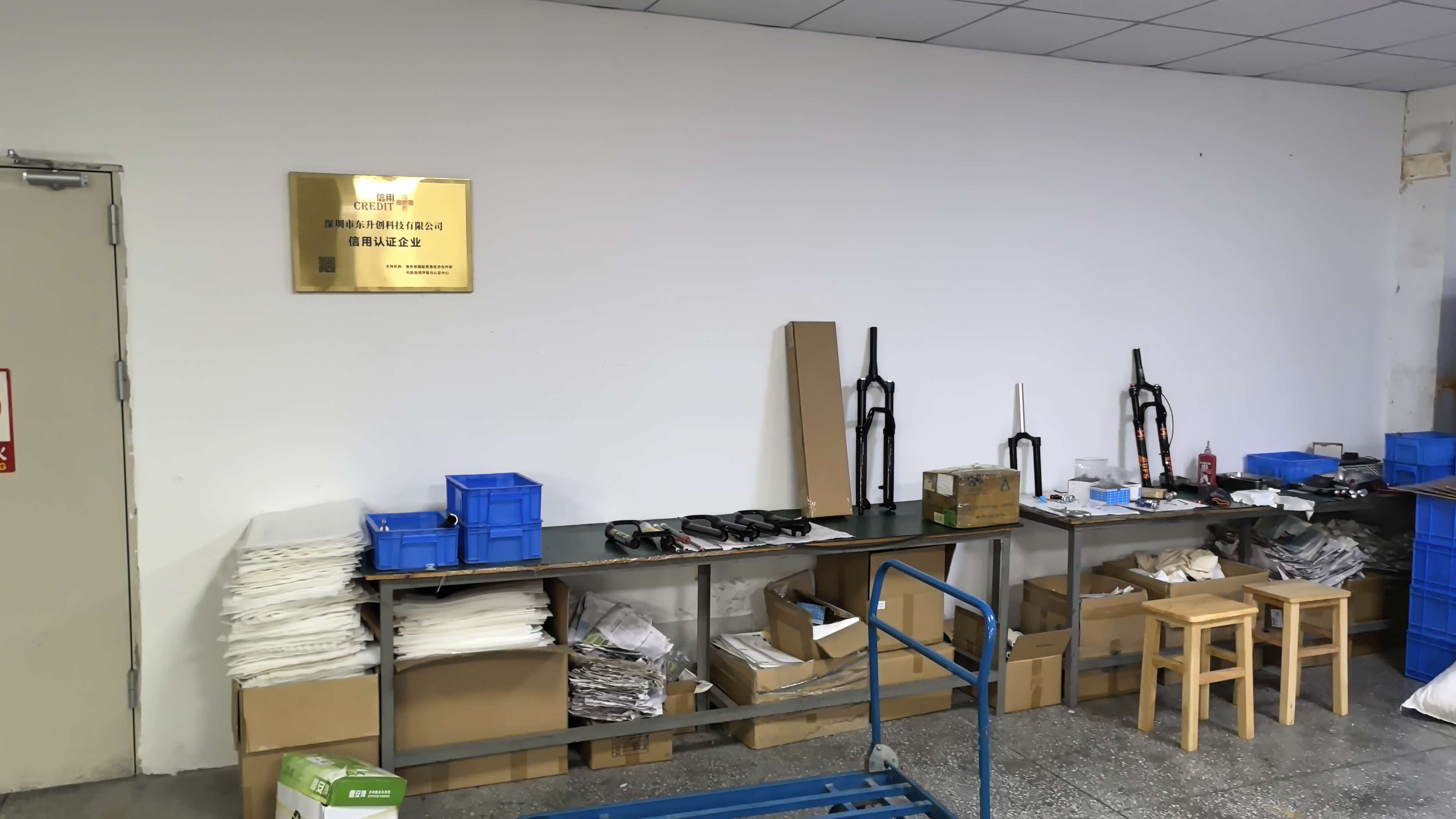
Buyer-side acceptance should start with the items that stop a production line: axle fit, steerer dimensions, brake mount, lockout and rebound function, finish, and weight against the approved sample. Attach a test scope that names a standard and edition. ASTM F2274-11(2024) covers performance requirements and test methods for production suspension and non-suspension forks for Condition 3 terrain; ISO 4210-6:2023 lists suspension-fork test methods for tyre clearance, front-fork tensile strength, static bending, rearward impact, bending fatigue and brake-related checks. The U.S. CPSC summary indicates these frameworks are related but not interchangeable, so a report written against one framework is not automatically evidence for another.
Two commercial details are often overlooked. Bicycle front forks are commonly classified under HS code 8714.91 for import purposes (FreightAmigo, 2026), but classification and duty depend on the importing market, so confirm the code with your customs broker before quoting landed cost. Serviceability is the second: DFS describes a simplified internal structure intended for cost-effective DIY maintenance and easy parts sourcing, and states that FOX requires specialised professional tools and high-cost authorised service centres. Whatever you buy, request the service-parts list and the routine lower-leg service interval so dealers in your market can support the fork after the sale.
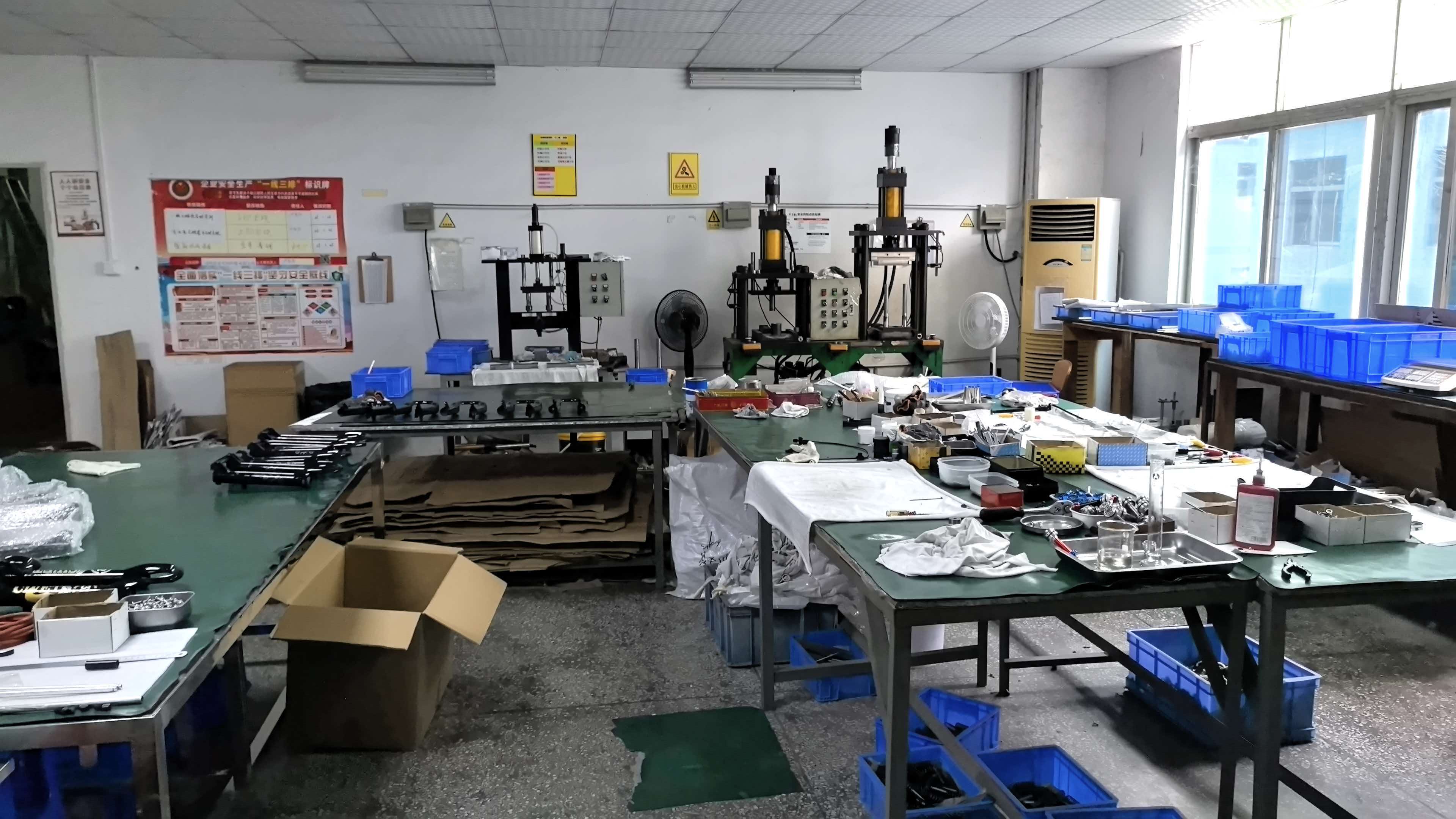
Commercial terms — MOQ, unit price, lead time and payment structure — are quotation items rather than published figures. Request them together with the written specification, the datasheet items still unconfirmed, and a sample timetable, so the offer and the engineering file describe the same product.
The full 2026 air suspension fork range, including model-level specifications, can be downloaded from the DFS air suspension fork catalogue (PDF).
FAQ
The DFS-RLC-TP-RCE-TC-BOOST-15X110. It is designed for 29-inch wheels with a 15x110 Boost thru-axle, 100 mm travel and POST disc mounts. The CIVET-RLC-TP-32-15X100 uses a 15x100 axle, so it matches non-Boost frames and hubs and should not be adapted to a Boost frame.
The CIVET-RLC-TP-32-15X100 is specified for 26, 27.5 and 29-inch wheels with a 15x100 front axle and 100 mm travel, using an air spring with hydraulic lockout and compression adjustment. That coverage reduces part numbers, but each wheel size still needs its tyre clearance and axle-to-crown checked against the frame drawing and confirmed on the sample.
"Better" requires comparable evidence, so compare submissions against one checklist. The DFS-RLC-TP-RCE-TC-BOOST-15X110 specifies a carbon crown, carbon lower legs and a carbon tapered steerer tube of 39.8 mm to 28.6 mm, and DFS states that quality control runs from the beginning to the end of production, with every product fully assembled and carefully tested before packing. For any supplier, ask for the material specification, steerer dimensions and tolerances, torque values, test scope, and a sample you can measure. That evidence set, applied to each candidate, produces a defensible answer; a description alone does not.
The stated weight is 1.35 kg. DFS also states that its carbon fork is approximately 150 g (10%) lighter than the FOX 32 Factory — a company comparison against one named reference model, not an independent test, and not a figure that transfers automatically to this Boost model. Verify by weighing your own sample with the same hardware and rotor fitted, and record the result in the approved sample file.
Start with the items that cause line stoppages: axle fit, steerer dimensions, brake mount, lockout and rebound function, finish, and weight against the approved sample. DFS states that on the DFS-RLC-TP-RCE-TC-BOOST-15X110, QC is applied from the beginning to the end of production and every product is fully assembled and carefully tested before being packed. Ask for the same written commitment on whichever model you order, and attach a test scope naming the standard and edition — for example ASTM F2274-11(2024), or the ISO 4210-6:2023 test categories for tyre clearance, tensile strength, static bending, rearward impact, bending fatigue and brake-related checks. If you want to run these checks against a physical fork, a sample request or quotation through DFS TECH (SHEN ZHEN) CO., LTD. is the next practical step.
Conclusion
The decision rule is short. If the frame uses a 15x100 axle and the catalogue spans 26, 27.5 and 29-inch wheels, the CIVET-RLC-TP-32-15X100 keeps those builds on one fork model with an air spring, hydraulic lockout and compression adjustment. If the frame is a 29-inch Boost frame with a tapered head tube and the build sheet calls for remote lockout and a carbon crown, lower legs and steerer, the DFS-RLC-TP-RCE-TC-BOOST-15X110 is the matching part at a stated 1.35 kg.
Neither outcome is a verdict on quality; both follow from the frame drawing. The rest of the decision is documentation: datasheet values for the items the supplied specification does not state, a weighed and measured sample, a test scope tied to a named standard and edition, and acceptance terms written into the purchase order before the first batch ships.
Have Questions or Need More Details?
Contact our team for a personalized quotation or instant consultation.
Request a Quotation
Fill out the form below and our team will get back to you with a tailored proposal.
WhatsApp Direct Chat
Prefer to chat in real-time? Message us on WhatsApp for instant assistance & quick answers.
- Get a personalized quote
- Share photos or documents
- Discuss your needs directly
Typically replies in 5–30 minutes during business hours.