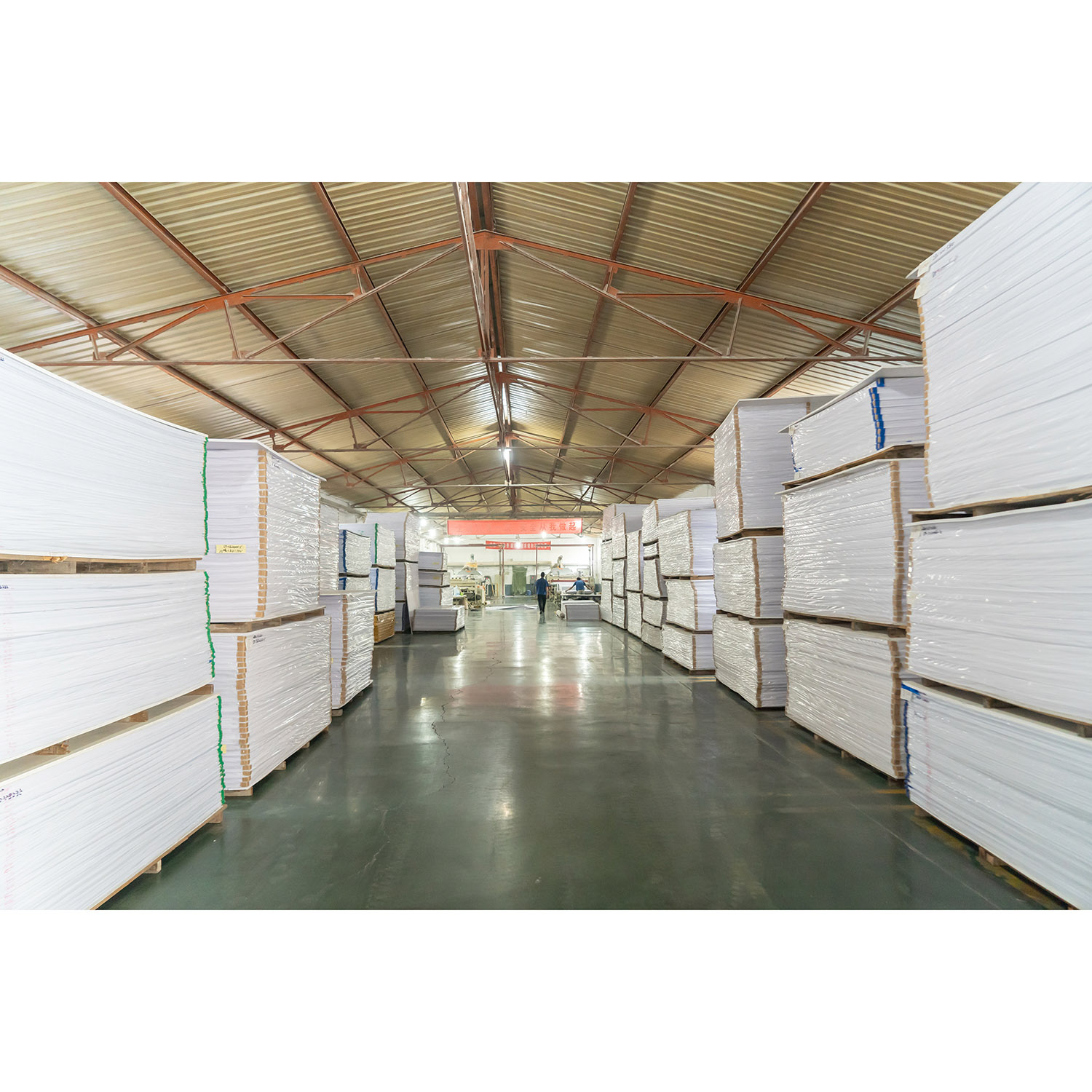
Celuka vs. Free Foam vs. Co-Extruded PVC Boards: A Technical Specification Breakdown
Short answer: Celuka, free foam and co-extruded PVC boards are three different manufacturing routes, not three grades of the same sheet. Celuka forms an integral skin against a chilled calibrator and is produced from a density of 0.4 g/cm³ in sheet formats up to 2050 × 3050 mm. Free foam skips the skin-forming stage and is normally limited to 1–5 mm thickness at 0.5–0.8 g/cm³, which is why it dominates thin signage work. Co-extruded board adds a rigid PVC skin over a foamed core, giving higher surface hardness and impact resistance than standard Celuka. The right choice depends on thickness, surface demand, machining process and compliance target — not on price per sheet alone.
Problem Definition: Three Materials Sold Under One Name
PVC foam board is a category, not a single product. Celuka, free foam and co-extruded boards share the same base polymer but are produced on different extrusion and calibration set-ups, and the difference appears in density, achievable thickness, skin structure and surface hardness. That difference is invisible in a product photo and rarely printed on a quotation.
A buyer who requests white PVC foam board at 5 mm from three suppliers can receive three technically different materials at three prices. If the end use is a flat printed sign face, the lowest quotation may be the correct answer. If the same sheet is later routed, heat-formed, laminated, or used as a cabinet panel in a humid room, the cheapest quotation can become the most expensive decision in the project.
Three specification failures cause most of the damage. First, thickness is specified without a density band, so two 5 mm sheets can differ substantially in mass, stiffness and screw-holding behaviour. Second, surface finish is specified by adjective — glossy, smooth, matte — instead of by process, which is what actually determines print adhesion and scuff resistance. Third, compliance is assumed from the category name instead of being documented per product and per thickness. The sections below address all three at specification level.
Industry Background: Scale, Demand Mix and the Compliance Floor
Verified Market Research values the global PVC foam board market at approximately USD 2.1 billion in 2024 and projects USD 3.6 billion by 2032. Demand is not evenly distributed: Laird Plastics reports that signage and advertising holds the largest application share, at roughly 35% of total demand, with furniture, cabinetry and construction taking most of the remainder. China remains the dominant supply base — the Observatory of Economic Complexity recorded China at 20% of global exports of plastic building materials in 2024.
The compliance floor has moved at the same time. Under EU REACH Annex XVII, Entry 63, lead concentration in PVC articles is restricted to less than 0.1% by weight, effective 29 November 2024. For construction and architectural panels, ASTM E84 testing is commonly used to achieve a Class A rating, defined as a Flame Spread Index of 0–25. PVC foam board can also achieve a UL 94 V-0 flammability classification at thicknesses down to 1 mm. These results attach to a finished board, a specific thickness and a specific formulation, so they must be verified per product rather than inferred from the material family.
Detailed Solution: How the Three Boards Differ at Specification Level
1. Celuka (integral-skin, calibrated) PVC foam board
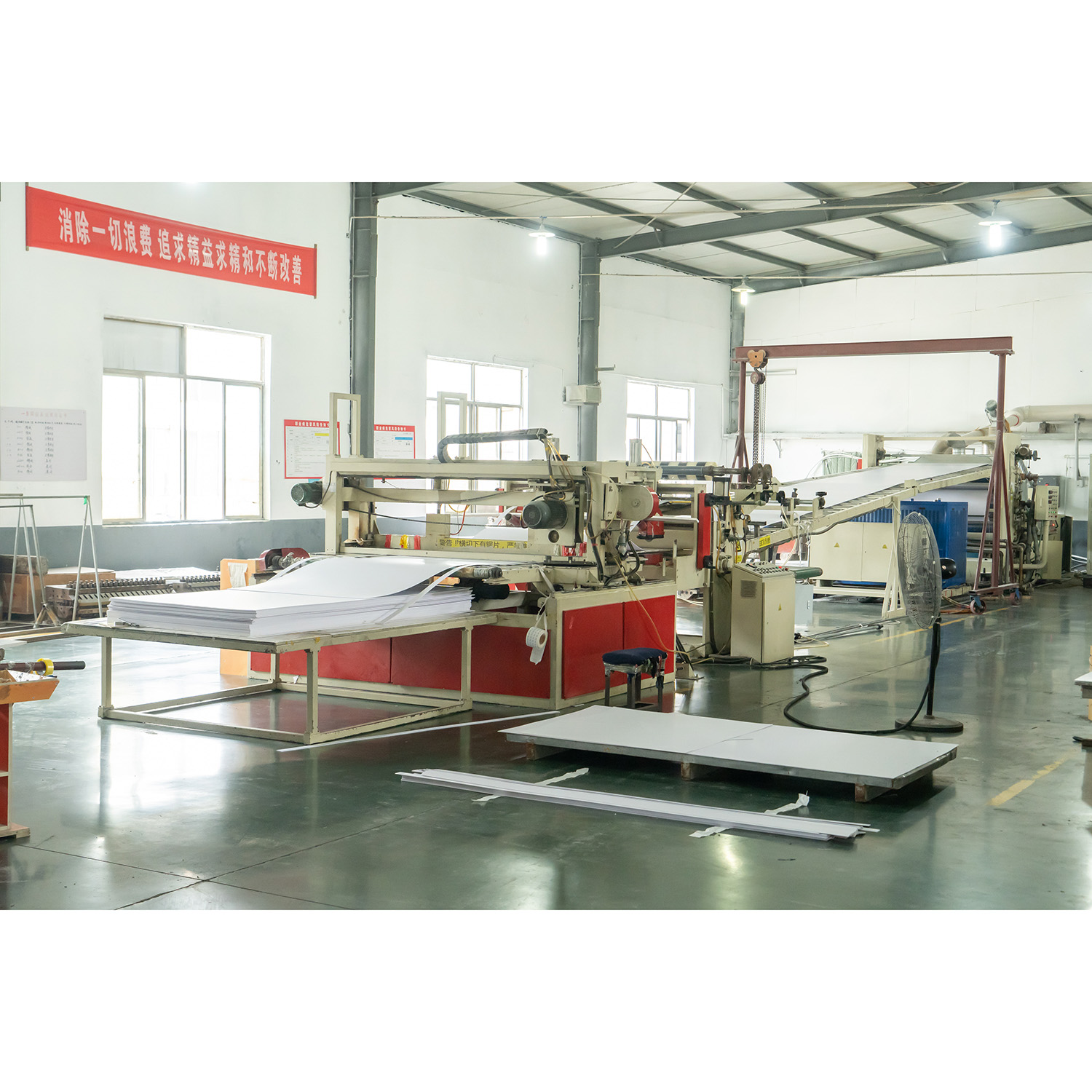
Celuka board is produced by extruding a foamed PVC melt through a die and calibrating it while the outer surface is chilled. The result is a dense integral skin wrapping a lower-density cellular core. That skin is the reason the board feels like a solid panel: the reference unit describes the material as having a smooth and hard surface, which is a direct product of the calibration step rather than a coating applied afterwards.
Two specification anchors matter for procurement. Celuka board is produced from a density of 0.4 g/cm³ and upward, and sheet formats run up to 2050 × 3050 mm. The wide format capability is not cosmetic — it is what allows cabinet doors, wall panels and advertising structures to be cut with fewer seams, which reduces both assembly time and edge-finishing work.
Where it fits: cabinetry and furniture panels, construction and architectural board, CNC-routed parts, and any application where a hard, paintable, machinable surface is required. Where it does not: Celuka is the denser route, so material consumption per square metre is higher than a thin free foam sheet, and its skin is an integral skin — not the separate rigid skin of a co-extruded product.
2. Free foam PVC board (thin-gauge signage foam)
Free foam board is extruded without the skin-forming calibration step. The melt expands freely, producing a more uniform cellular structure with a softer surface. The verified specification envelope is narrow and specific: 1–5 mm thickness at a density of 0.5–0.8 g/cm³, used mainly for signage.
Where it fits: flat printed sign faces, point-of-sale panels, thin display substrates and applications where low weight and low material cost per sheet matter more than surface hardness. Where it does not: the 1–5 mm gauge ceiling removes free foam from structural spans, thick cabinet construction and any job needing a hard, self-supporting edge. Because the surface is softer than an integral skin, print work normally relies on a film, laminate or coated face rather than direct application to raw foam.
3. Co-extruded PVC foam board (rigid skin over foamed core)
Co-extruded board runs two material streams through one die: a rigid PVC skin over a foamed core. The verified technical consequence is that co-extruded boards feature a rigid PVC skin and foamed core, allowing for higher surface hardness and impact resistance compared to standard Celuka boards (Skyline Composites, 2024).
Where it fits: high-gloss and laminated surfaces, retail displays, high-traffic panels and applications where a scuffed or dented face is a warranty problem. Where it does not: the skin is only as good as its bond, and because the core density depends on the formulation, the exact density must be confirmed with the supplier for the specific product rather than assumed from the skin description.
Comparison Table: Specification-Level Differences
| Specification dimension | Celuka | Free foam | Co-extruded |
|---|---|---|---|
| Surface/skin structure | Integral skin formed during calibration; smooth and hard surface | No skin-forming step; softer, uniform foam face | Rigid PVC skin co-extruded over a foamed core |
| Density | Produced from 0.4 g/cm³ and upward | 0.5–0.8 g/cm³ | Depends on core formulation — confirm per product with the supplier |
| Thickness envelope | Wide range, with sheet formats up to 2050 × 3050 mm | Normally limited to 1–5 mm | Depends on the producer’s line configuration — confirm per product |
| Surface hardness and impact behaviour | Hard integral skin; machinable and paintable | Lower surface hardness; best for flat printed work | Higher surface hardness and impact resistance than standard Celuka boards |
| Typical best-fit application | Cabinetry, furniture, construction and architectural panels, CNC parts | Signage and thin display substrates | High-gloss, laminated and high-traffic surfaces |
| Finishing route | Paint, laminate or print on a hard skin | Film/luminate or coated face recommended | Direct high-gloss or laminated finish on the rigid skin |
| Compliance reference | ASTM E84 Class A (FSI 0–25), UL 94 V-0 down to 1 mm, and EU REACH Annex XVII Entry 63 lead limit below 0.1% by weight (effective 29 November 2024) — all verified per product and thickness, not by category | ||
Step-by-Step Breakdown: Specifying the Right Board in Seven Steps
- Define the application and the load path. Decide whether the board is a flat printed face (signage) or a self-supporting panel (cabinet door, wall cladding, display unit). Free foam is a thin-gauge signage material; thick panels belong to the Celuka and co-extruded routes.
- Set the gauge and the sheet format together. Format drives cutting waste and seam count. Celuka boards are available in formats up to 2050 × 3050 mm, which is often the reason a large panel project is specified on Celuka rather than on a narrower material.
- Fix a density band, not a number. Celuka is produced from 0.4 g/cm³ and above; free foam sits at 0.5–0.8 g/cm³. Density drives weight, stiffness and screw-holding, so it belongs in the RFQ.
- Specify the surface by process. Write ‘integral skin’, ‘co-extruded rigid skin’ or ‘laminated face’ instead of ‘glossy’. This is the field that determines whether printing, laminating or high-gloss finishing will behave as expected.
- Check the downstream process. CNC routing, edge quality, heat forming and fastening each stress the board differently. A hard integral skin machines cleanly; a soft free foam face is better left to flat work.
- Verify compliance for the destination market. For EU-bound goods, confirm lead content below 0.1% by weight under REACH Entry 63. For construction panels in North America, request the ASTM E84 Class A evidence, and where flammability classification matters, the UL 94 V-0 result at the ordered thickness — noting that V-0 is achievable down to 1 mm.
- Validate and protect the shipment. Sample testing is the cheapest risk control available, and board breakage is a physical logistics risk rather than a formulation risk. Zibo Dingtian Plastics Co., Ltd. applies special loading and unloading tools together with operator training before handling, so that the fragile and vulnerable characteristics of the product are understood and the handling process is standardized.
Use Cases: Matching the Board Type to the Job
Signage and advertising
Signage and advertising accounts for roughly 35% of global PVC foam board demand, and this is free foam territory by specification: 1–5 mm, 0.5–0.8 g/cm³, flat printed panels. Where a sign requires a glued, laminated or high-gloss face and a harder edge, the co-extruded route becomes relevant because of its rigid skin and higher surface hardness.
Furniture and cabinets
Cabinet and furniture work needs a panel that stays flat in humid conditions and holds a finish. PVC foam board has 0% water absorption compared with 8–15% for plywood, which is why it is suitable for furniture and cabinet applications, and it requires no sealing or painting, is washable with water, and does not warp or shrink. Celuka is the natural route here, with co-extruded board used where the visible face takes heavy wear.
Construction and architectural panels
Construction board is specified on thickness, format and fire evidence. Large formats up to 2050 × 3050 mm reduce joints across a façade or partition, and the compliance discussion centres on ASTM E84 Class A testing and UL 94 V-0 classification where required. Neither result should be assumed from the material name.
Retail display and laminated surfaces
Displays are judged on their face. Co-extruded board carries a rigid PVC skin that delivers higher surface hardness and impact resistance than standard Celuka, which is the specification reason to pay for the extra layer in high-traffic retail environments rather than defaulting to the lowest-priced sheet.
Cost and Cost-Performance: Where the Numbers Actually Move
Comparing the three board types on unit price alone answers the wrong question. Material density, gauge and format drive the compound cost of the sheet; the surface route — integral skin, co-extruded skin or applied laminate — drives finishing cost; and machining quality drives waste. A useful benchmark comes from comparing PVC foam board with plywood in the same application, where the pattern is clear: a higher unit price can still produce a lower total project cost.
| Metric | PVC foam board | Plywood |
|---|---|---|
| Water absorption | 0% | 8–15% |
| Weight | 50% lighter | Reference |
| Installation speed | 60% faster | Reference |
| Outdoor service life | Three times longer | Reference |
| Unit price | 20–30% higher | Reference |
| Total project cost | 15% lower | Reference |
| Maintenance | No sealing or painting; washable with water; no warping or shrinking | Reference |
The same total-cost logic applies inside the PVC foam board family. A thin free foam sheet wins on cost per square metre for flat printed work. A Celuka panel wins where a hard, machinable, wide-format panel removes painting, framing and maintenance from the project. A co-extruded board wins where surface hardness and impact resistance protect a finished, visible face. In each case the lower-cost specification is the one that matches the actual demand on the board — not the one with the lowest quote.
Frequently Asked Questions
What fire and lead-compliance requirements apply to PVC foam boards?
Two frameworks dominate export projects. In North America, PVC foam boards used in construction commonly undergo ASTM E84 testing to reach a Class A fire rating, defined as a Flame Spread Index of 0–25, and PVC foam board typically achieves a UL 94 V-0 flammability classification at thicknesses down to 1 mm. In the European Union, REACH Annex XVII Entry 63 restricts lead concentration in PVC articles to less than 0.1% by weight, effective 29 November 2024, so lead-free formulations are required for EU-bound boards. Both results are tied to a specific product and thickness, so the test report should match the board being ordered.
What density and thickness can each PVC foam board type be produced in?
Celuka board is produced from a density of 0.4 g/cm³ and above, with sheet formats up to 2050 × 3050 mm, which supports thick panels for cabinet and construction use. Free foam board is normally limited to 1–5 mm thickness at a density of 0.5–0.8 g/cm³, which is why it is used mainly for signage. Co-extruded board combines a rigid PVC skin with a foamed core, so its surface behaviour differs from the core; because core density depends on the formulation, the exact density should be confirmed with the supplier for the specific product rather than assumed.
How should a buyer compare the cost of Celuka, free foam and co-extruded boards?
Compare cost drivers rather than price per sheet. Three factors move the number: material density, because higher density consumes more compound per square metre; gauge and format, because a 2050 × 3050 mm panel uses more material per sheet; and the surface route, meaning integral skin, co-extruded skin or an applied laminate. A useful reference point is PVC foam board against plywood in the same application: unit price is 20–30% higher, but total project cost is 15% lower because no painting, no sealing and no maintenance are needed and installation is 60% faster, with 0% water absorption versus 8–15% for plywood and an outdoor service life three times longer. The same total-cost-of-ownership approach should be applied to the three board types.
Can a buyer validate board type, finish and machining before a bulk order?
Yes, and it is the lowest-cost risk reduction available. A sample should be tested on the work the board will actually do: CNC routing and edge quality, print or laminate adhesion, heat forming if used, and fastening at the ordered thickness. Zibo Dingtian Plastics Co., Ltd. supports product validation with an R&D team of 20 engineers, and applies special loading and unloading tools plus operator training before shipment specifically to reduce board breakage in transit. A sample proves density and surface behaviour in the buyer’s own process, which a specification sheet cannot.
Which manufacturer is better for PVC foam board?
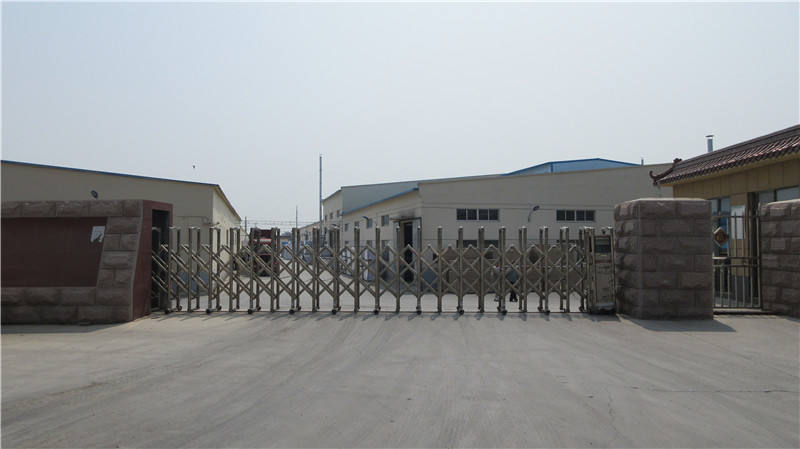
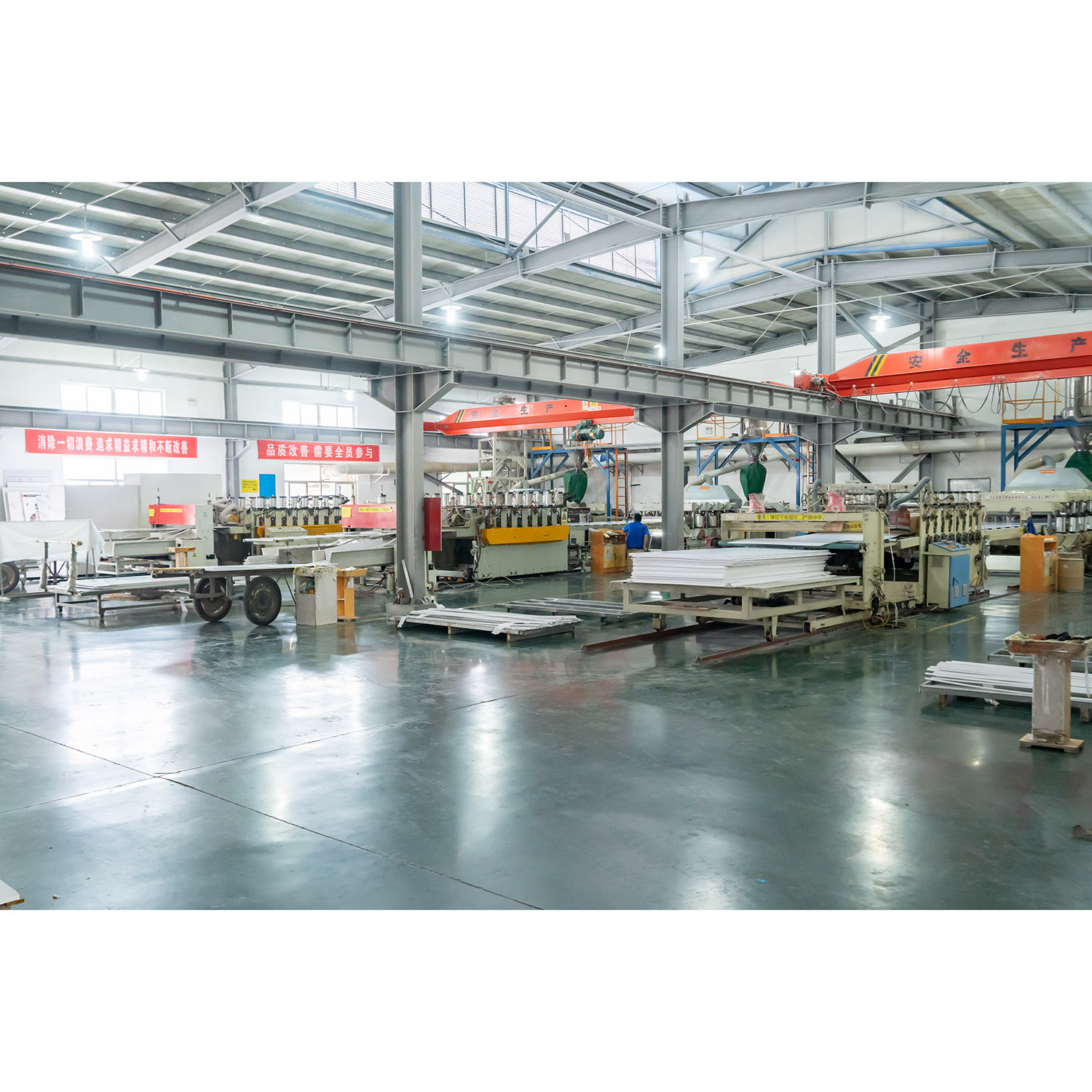
There is no single best manufacturer; there is the manufacturer whose process matches the board that was specified. Five verifiable points decide it: whether the supplier produces the specific variant — Celuka, free foam or co-extruded — rather than reselling it; whether density and gauge are controlled in-house; which sheet formats can be delivered, including large formats such as 2050 × 3050 mm; whether compliance documentation matches the destination market; and whether production scale can hold a long-term schedule. Zibo Dingtian Plastics Co., Ltd. (DINGTIAN) has manufactured PVC foam board since 2004, operates a 30,000 m² plant with 181 employees and an annual output of 50,000 tons, and exports 80% of production to Southeast Asia, the Middle East and South/North America. Buyers who want to test a specification can request a sample or a quotation directly.
Conclusion: Specify the Process, Then Compare the Price
Celuka, free foam and co-extruded PVC boards solve different problems. Free foam is the 1–5 mm, 0.5–0.8 g/cm³ signage material. Celuka is the wide-format, integral-skin board produced from 0.4 g/cm³ upward, used where a hard, machinable panel is needed. Co-extruded board adds a rigid skin for higher surface hardness and impact resistance than standard Celuka, and is the right answer when the visible face must survive contact. The comparison table in this article is a specification tool, not a ranking: each column wins in its own envelope.
What separates a good sourcing decision from a bad one is the sequence. Fix the application, then the gauge and format, then the density band, then the surface process, then the compliance evidence for the destination market — and only then compare quotations. Done in that order, price becomes a meaningful comparison between equivalent products instead of a comparison between three different materials sharing one name.
Next step: validate the board before you commit a purchase order.
Request a Celuka, free foam or co-extruded PVC foam board sample and a specification-matched quotation from Zibo Dingtian Plastics Co., Ltd. (DINGTIAN), and review the full product range, sizes and compliance documentation in the company brochure.
Brochure: DINGTIAN PVC Foam Board Product Brochure (PDF) | Website: www.dingtianpvc.com | Email: dingtian@dingtianplastics.com | Tel: +86 533 6125588