Humid Climate Cabinet Failures: Waterproof PVC Foam Board Fix
A cabinet that swells, warps or delaminates in a humid climate usually fails at the panel first, not at the hinge. Waterproof PVC foam board addresses that specific failure point: the panel is PVC throughout, so there is no wood fibre or paper skin to take on ambient moisture, and it can still be cut, thermoformed and assembled using normal cabinetry processes. DINGTIAN supplies this material in 1220×2440 mm sheets, in 1–35 mm thickness, for furniture and cabinetry.
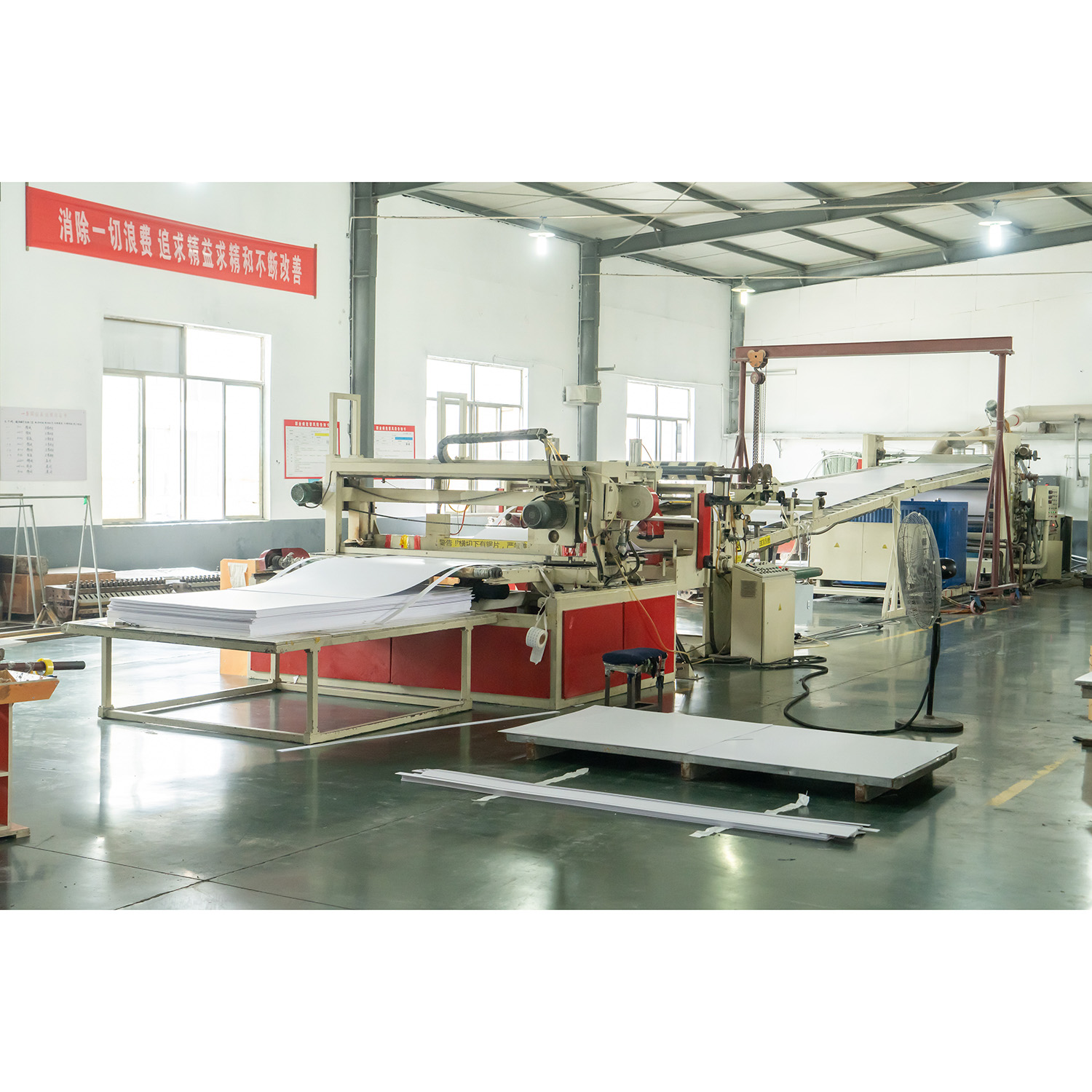
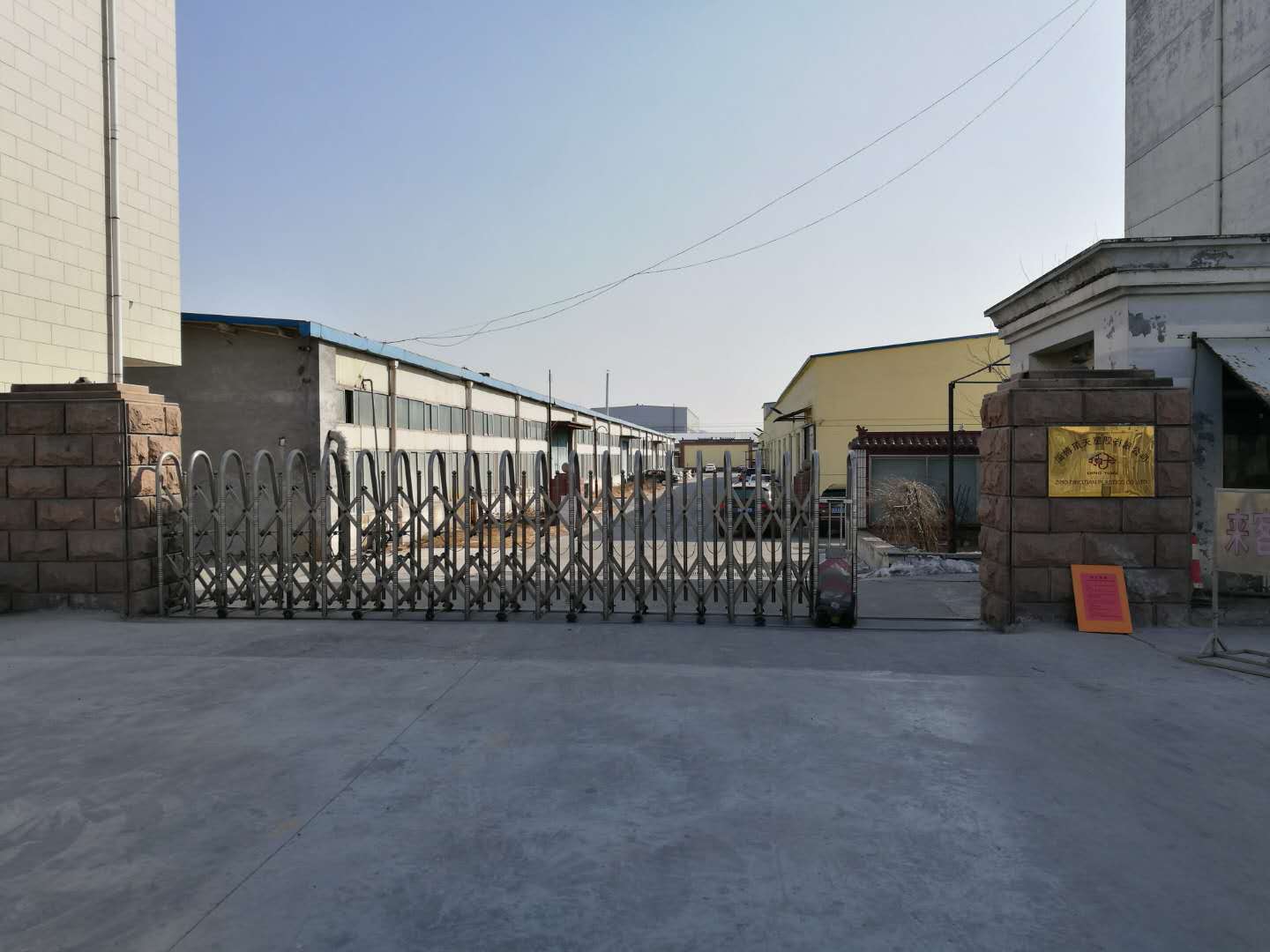
DINGTIAN's PVC foam board production base in Zichuan Economic Development Zone, Zibo City, Shandong Province — the material supplied to furniture and cabinet makers serving humid Southeast Asian and Middle East markets.
What Actually Fails in a Humid Cabinet
Cabinet failures in high-humidity markets cluster around a small number of failure modes, and all of them trace back to how the panel core and panel edges behave when moisture is present for months rather than days.
- Edge swelling. Cut edges and machined profiles are the entry point. When the core takes on water, the panel thickens locally, the edge no longer sits flush, and doors stop closing cleanly.
- Delamination and skin separation. Where a decorative face is bonded to a moisture-sensitive substrate, repeated wet-dry cycles work on the glue line until the face lifts.
- Warping and door sag. Panels that absorb unevenly — more on the wall side than the room side — bow over time, and tall doors drift out of alignment.
- Downstream damage. Swollen panels pull hardware loose, trap moisture in the carcass, and shorten the life of hinges, runners and shelf pins even when those components were correctly specified.
The environmental drivers are well understood. In coastal Southeast Asia, ambient relative humidity stays high year-round and bathrooms and kitchens are rarely fully sealed. In the Middle East, the pattern is inverted but no less demanding: very dry ambient air combined with intense wet-area use in bathrooms, kitchens and laundry rooms, plus condensate and cleaning water that sits in cabinet bases. A panel that performs on a European showroom floor is not automatically a panel that performs in either environment.
Where the problem concentrates
- Bathroom vanities and under-sink cabinets — the highest-risk location in any apartment or hotel project.
- Kitchen base units and sink runs, where splash and pipe condensation are continuous.
- Wardrobe backs and side panels fitted against external walls, where the panel sees the wall's moisture gradient.
- Laundry and utility cabinetry, plus retail and hospitality fit-outs in air-conditioned spaces with heavy footfall and frequent cleaning.
Why This Specification Question Is Growing in Southeast Asia and the Middle East
The panel decision is no longer a purely aesthetic one. Market research firm Market Research Future estimated the global PVC foam sheet market at USD 2.28 billion in 2024 and projects a compound annual growth rate of 4.99% across 2025–2035. Demand is not evenly distributed: Laird Plastics identifies signage as the leading application at roughly 35% of consumption, and the density grades used for signage differ from the grades used for cabinetry.
Furniture and cabinetry is a smaller but far more specification-sensitive slice of that demand. In DINGTIAN's own application mix, furniture and cabinetry accounts for about 15% of use, alongside advertising and signage at 35%, construction and decoration at 30%, transportation at 10% and special-purpose work at 10%. Cabinetry buyers ask harder questions than signage buyers, because a cabinet panel has to hold a screw, carry a shelf, survive cleaning chemicals and stay flat for years.
The supply side of that question is concentrated. Zibo Dingtian Plastics Co., Ltd. — trading as DINGTIAN — is a PVC foam board manufacturer founded in June 2004 and based in Zichuan Economic Development Zone, Zibo City, Shandong Province, China. The company operates a 30,000 m² plant with 181 employees, an R&D team of 20 engineers and an annual output of 50,000 tons, and exports roughly 80% of production to Southeast Asia, the Middle East and South–North America. Shipments move through Qingdao Port and Rizhao Port, with road and rail access via the Qingyin Expressway and the Jinan–Qingdao high-speed rail corridor.
That geographic detail matters more than it first appears. A humid-climate cabinet programme is a repeat programme: the importer needs the same board, at the same density and thickness, arriving on a predictable schedule so that a fit-out contractor in Manila, Dubai or Jeddah can keep the same cutting list. Port access and export share are practical indicators of whether a supplier can run that kind of rhythm.
How Waterproof PVC Foam Board Solves the Moisture Problem
The mechanism is simple and worth stating plainly: the board is made of PVC, so the panel body contains no wood fibre, no paper layer and no moisture-absorbing substrate. Where a wood-based panel manages water at the surface and loses the argument at the cut edge, a PVC foam board presents the same material at the face and at the edge.
The performance claim is supported by field evidence rather than laboratory language alone. A distributor and wholesaler client has used DINGTIAN's PVC foam board (product reference 5235) for advertising and furniture material applications for 5–10 years, at a running volume of 10 containers per month. In a specific project, the material delivered 100% waterproof performance, zero warping or delamination, and 98% print image retention after 3 years, with a 40% cost saving compared to aluminium composite panels. The same material is described as UV stabilised for long-term outdoor exposure, lightweight enough to reduce installation cost, and easy to fabricate and install.
Reading the case correctly: the 100% waterproof and zero warping results are recorded for one long-running distributor project. They describe what happened in that programme, not a blanket guarantee for every thickness, density and installation condition. Buyers should confirm performance for their own thickness, density and fixing method before committing a full container.
The specification DINGTIAN actually offers
- Material: PVC.
- Standard sheet format: 1220×2440 mm, with 1560×3050 mm and 2050×3050 mm also produced.
- Thickness range: 1–35 mm.
- Density range: 0.4–0.9 g/cm³.
- Surface: glossy and matt finishes.
- Colour: white, red, yellow, blue, green, black and other colours on request.
- Downstream services: second thermoforming and cutting are available, which lets a cabinet maker order cut-to-size or pre-formed components instead of full sheets.
- Product portfolio context: PVC free foam board, PVC Celuka foam board, PVC co-extruded foam board and PVC lamination foam board are all listed in the company's product range.
Free foam or Celuka: pick the grade before you pick the price
Density is the variable that most often causes a humid-climate project to fail after a technically correct-looking purchase order. Published density bands differ by construction type: Laird Plastics gives a density range of 0.4–0.6 g/cm³ for standard PVC free foam board used in UV printing and mounting, and 0.55–0.8 g/cm³ for PVC Celuka foam board used in furniture and cabinets.
The practical read-across is that the light end of the market is built for flat, printed, lightly handled work, while cabinet structures need the denser end. A buyer who specifies only "PVC foam board, 1220×2440 mm" and accepts whatever density arrives has left the most important variable open. DINGTIAN's own range runs from 0.4 to 0.9 g/cm³, which means the same supplier can serve a signage line and a cabinet line — and also means the purchase order must state the density band explicitly.
The compliance file
For cabinet work in export markets, the qualification document set usually has four parts: a management-system certificate, an EU chemicals compliance position, a restricted-substances position, and a formaldehyde position. DINGTIAN's available documentation covers all four.
| Document | Standard / scope | Issuing body | Certificate number | Issue date |
|---|---|---|---|---|
| ISO 9001 | GB/T19001-2016 & ISO9001:2015 — production of PVC foam board | Kaixin Certification (Beijing) Co., Ltd | 06924Q10470RO | 2024-04-18 (valid to 2027-04-17) |
| REACH | REACH Regulation (EC) No 1907/2006 — PVC foam board | SGS | TSNEC1701167001 | 2017-07-03 |
| RoHS | IEC 62321 — PVC foam board | SGS | QDAFN160100422 | 2016-02-04 |
| Formaldehyde | ISO 17226-1:2021 — PVC foam board | SGS | TSNHG2301164301 | 2023-05-10 |
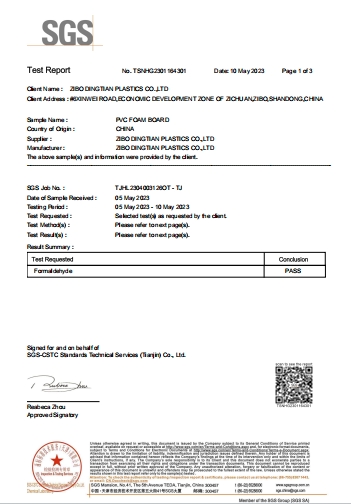
The formaldehyde test report covering DINGTIAN PVC foam board, issued by SGS to ISO 17226-1:2021 under report number TSNHG2301164301.
Two notes for procurement teams. First, ISO 9001 is a management-system certificate with a defined scope — here, production of PVC foam board — and it is valid to 17 April 2027; it should be re-checked on the certificate issuer's database rather than accepted as a PDF attachment. Second, the REACH, RoHS and formaldehyde documents are test reports tied to a specific scope; they support the board's compliance position for the markets named, and they do not replace destination-market product certification where a regulator requires it.
Step by Step: Specifying a Waterproof Board for a Humid-Climate Cabinet Programme
The sequence below is the one that keeps a panel change from turning into a site problem. Each step produces a document or a decision that the next step depends on.
- Map the failure points before specifying anything. List every cabinet element that will see water: vanity carcass, sink base, splash zone, wardrobe backs on external walls, laundry units. Elements that never see moisture do not need the same specification, and over-specifying the whole project is the fastest way to lose the cost argument.
- Fix thickness and density together, not separately. DINGTIAN produces 1–35 mm thickness and 0.4–0.9 g/cm³ density. The purchase order must state both, because a 1220×2440 mm sheet at the light end of the density range and the same sheet at the cabinet end behave differently under the same hinge load.
- Choose the sheet format against your cutting list. 1220×2440 mm is the standard cabinet and panel format. Where a project uses larger door blanks or long counter runs, 1560×3050 mm and 2050×3050 mm reduce offcut waste — but confirm availability at the density you need before you build a cutting list around them.
- Decide whether you buy sheets or processed parts. DINGTIAN offers second thermoforming and cutting. For a cabinet maker without in-house CNC routing, buying cut-to-size or pre-formed components can remove a machining step and a quality variable at the same time.
- Verify the compliance file against certificate numbers. Match ISO 9001 06924Q10470RO, REACH TSNEC1701167001, RoHS QDAFN160100422 and formaldehyde TSNHG2301164301 to the documents you receive, and confirm the issuing body and scope.
- Run a sample against your own process. Cut it, edge it, screw into it, thermoform a test piece if your design calls for it, and leave an offcut in the actual service environment for the length of your normal project cycle. Record the density and thickness of the sample so the production order can be matched to it.
- Lock commercial terms and acceptance criteria in the purchase order. MOQ, lead time, packaging, colour tolerance, finish and the certificate set should all be written down before the deposit, not negotiated after the container is loaded.
Where It Works: Cabinet and Furniture Use Cases in Humid Markets
The material is not a universal replacement for every panel in every project. It earns its place where moisture is continuous and where the alternative is a wood-based panel that will be judged on its worst week rather than its best.
Bathroom vanities in coastal Southeast Asia
Vanity carcasses in Manila, Jakarta, Bangkok and Ho Chi Minh City sit in rooms that are wet for part of every day. The board's contribution is that cut edges — the sink cut-out, the pipe penetrations, the door edges — present PVC rather than exposed core. Colour options including white and matt finishes allow the panel to be used as a visible surface rather than only as a substrate.
Kitchen base units and sink runs in the Middle East
In Gulf projects the failure driver is different: dry ambient air, intensive wet-area use, and cleaning regimes that put water against the panel base regularly. A board that does not absorb water removes the wet-dry cycling that normally drives delamination, and the case data recorded zero warping or delamination across a three-year window in a comparable long-run programme.
Wardrobes and storage against external walls
Backs and side panels fitted to external walls are the least visible and most moisture-exposed parts of a wardrobe. Specifying the waterproof board for those panels alone is a common cost-controlled approach: the visible carcass stays in the specified decor, and the moisture-exposed element moves to PVC.
Retail and hospitality fit-outs
Fit-out contractors working on hotels, clinics and retail units need panels that survive frequent cleaning and can be reworked on site. Lightweight construction reduces installation cost, and easy fabrication and installation shorten the on-site programme — two properties recorded in the distributor case alongside the waterproof performance.
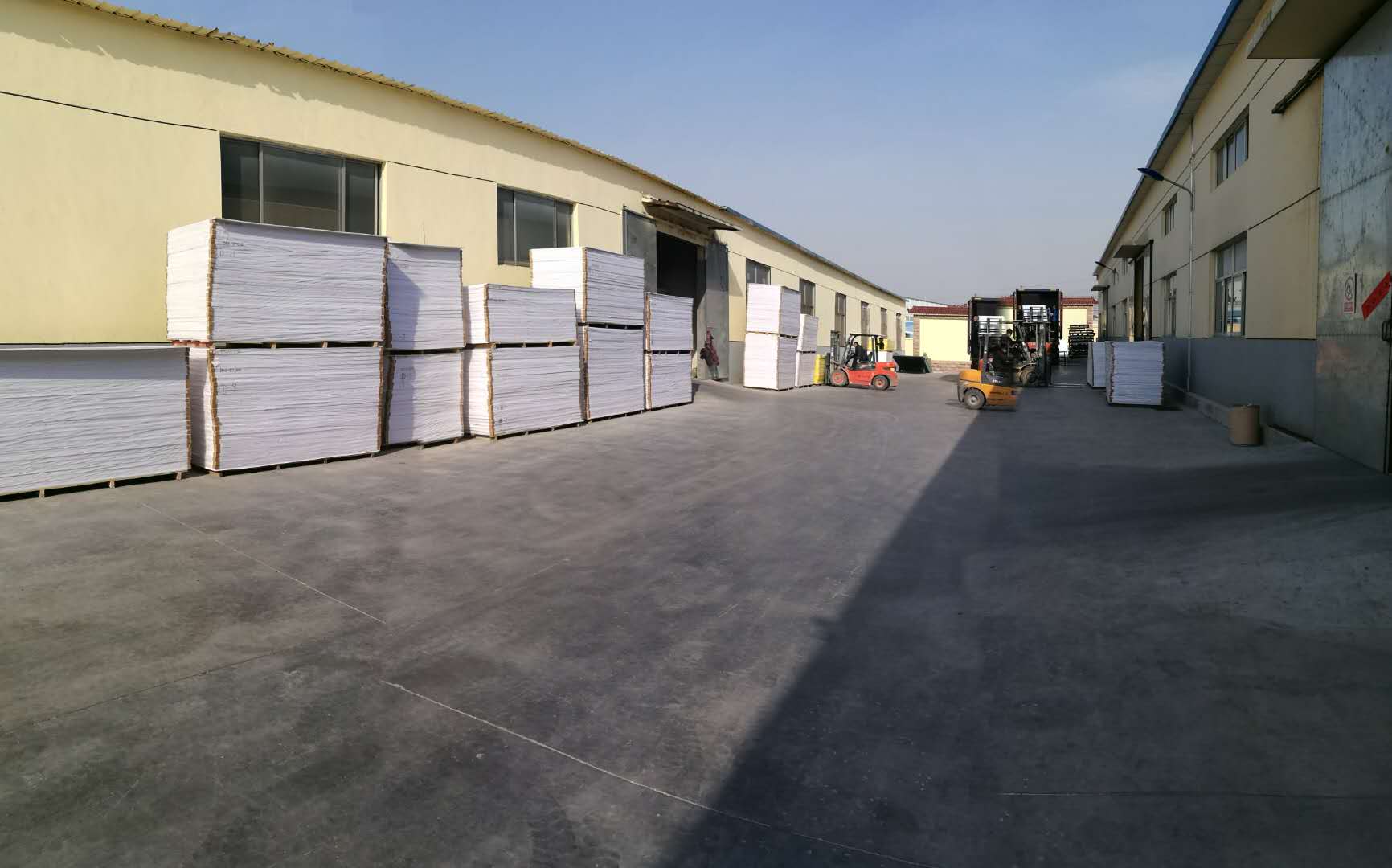
Production at DINGTIAN's Zibo plant, where PVC foam board is made in 1–35 mm thickness across the 0.4–0.9 g/cm³ density range.
Comparison: Panel Options for Humid-Climate Cabinetry
The table below restricts itself to what can be evidenced. Where a panel type has no verified data in this article, the entry says so rather than implying a specification.
| Panel option | Behaviour in sustained humidity | What the buyer must verify | Evidence basis |
|---|---|---|---|
| Wood-based panels (MDF, plywood, particleboard) | Moisture-sensitive by nature; cut edges and machined profiles are the usual entry point for water and the usual origin of swelling and face separation | Edge sealing method, substrate grade, and a written moisture-exposure assumption for the project | General, widely recognised industry knowledge (qualitative, no figures asserted) |
| Aluminium composite panel | Used as the comparator in DINGTIAN's distributor case, where the PVC foam board delivered a 40% cost saving against it | Full landed cost comparison for the specific project, including fabrication and installation | DINGTIAN distributor case — 40% cost saving vs aluminium composite panels |
| DINGTIAN waterproof PVC foam board (product 5235) | Recorded as delivering 100% waterproof performance with zero warping or delamination in a three-year project window; UV stabilised for long-term outdoor exposure | Density band, thickness, colour and finish; certificate numbers; sample tested against your own process | DINGTIAN distributor case; ISO 9001, REACH, RoHS and formaldehyde documentation |
Thickness and format selection at a glance
The following is a decision table, not a performance specification: it shows which parameters must be fixed on the purchase order and what DINGTIAN's published range allows.
| Decision | Range available | What to confirm before ordering |
|---|---|---|
| Thickness | 1–35 mm | State the exact thickness per cabinet element; confirm it is produced at the density you specified |
| Density | 0.4–0.9 g/cm³ | Name the band explicitly; cabinet structures should not be ordered at the signage end of the range |
| Sheet format | 1220×2440 mm; 1560×3050 mm; 2050×3050 mm | Match format to the cutting list and confirm availability at your density and colour |
| Surface and colour | Glossy and matt; white, red, yellow, blue, green, black and other colours | Agree colour tolerance and finish on an approved sample |
| Processing | Second thermoforming and cutting available | Confirm drawing, tolerance and packing for processed parts |
| Customisation | OEM/ODM on size, thickness, density and colour | Confirm the custom specification in writing before tooling or production |
DINGTIAN applies 100% test quality control, a point volume buyers should tie to a written acceptance clause rather than a verbal assurance.
Commercial Terms and Acceptance Criteria for Volume Buyers
For a repeat cabinet programme, the commercial terms are part of the technical specification, because a board that cannot be resupplied on schedule is not a usable specification however well it performs.
- Minimum order quantity: one 20 ft GP full container.
- Lead time: 30 days.
- Monthly capacity: 4,200 tons, against an annual output of 50,000 tons.
- Customisation: OEM and ODM on size, thickness, density and colour.
- Quality control: 100% test.
- After-sales: remote support.
- Export markets served: EU, Middle East, Southeast Asia, South–North America and Africa.
A workable acceptance clause for a humid-climate cabinet order typically covers six points: the certified certificate set with numbers; thickness and density verified per batch against the approved sample; sheet dimensions and squareness; surface and finish against the approved colour standard; edge condition after cutting; and packaging and loading confirmation before the container leaves Qingdao or Rizhao. Volume buyers should also agree in writing what happens if a batch falls outside the approved density band, because that is the variable most likely to drift and the one with the largest effect on cabinet performance.
On shortlisting manufacturers
Buyers searching for the top PVC foam board manufacturers in China will find a large volume of list-style content and very little independently verified data. No public, independently audited ranking of Chinese PVC foam board manufacturers exists in the sources behind this article, and reported capacity figures are company-reported rather than audited. The practical alternative is to shortlist on evidence each supplier can actually produce: certificate numbers that check out with the issuing body, a stated density and thickness range rather than a single headline number, capacity and lead time in writing, export history in your destination region, and a case with a duration attached to it. DINGTIAN's position against those criteria is set out above — a June 2004 founding, a 30,000 m² plant, 50,000 tons annual output, 4,200 tons monthly capacity, 30-day lead time, roughly 80% export share, four compliance documents with traceable numbers and a 5–10 year distributor relationship running at 10 containers per month.
Frequently Asked Questions
1. Which certifications should a waterproof PVC foam board for cabinets carry?
For export cabinet work, four documents usually form the compliance file: an ISO 9001 management-system certificate covering the production scope, a REACH position for the EU market, a RoHS position for restricted substances, and a formaldehyde test report. DINGTIAN's file comprises ISO 9001 certificate 06924Q10470RO issued by Kaixin Certification (Beijing) Co., Ltd to GB/T19001-2016 and ISO9001:2015, valid to 17 April 2027; REACH test report TSNEC1701167001 issued by SGS against REACH Regulation (EC) No 1907/2006; RoHS report QDAFN160100422 issued by SGS against IEC 62321; and formaldehyde report TSNHG2301164301 issued by SGS against ISO 17226-1:2021. Verify each number with the issuing body rather than relying on a PDF alone.
2. Which PVC foam board manufacturers in China should a humid-climate buyer shortlist?
Shortlist on verifiable evidence rather than on list articles, because no independently audited public ranking of Chinese PVC foam board manufacturers exists. The four tests that separate usable suppliers are: certificate numbers that resolve with the issuing body; a published density and thickness range rather than a single figure; capacity and lead time stated in writing; and case evidence with a stated duration. DINGTIAN meets those tests with a 1–35 mm thickness range, 0.4–0.9 g/cm³ density range, 4,200 tons monthly capacity, 30-day lead time, roughly 80% export share to Southeast Asia, the Middle East and South–North America, and a distributor relationship running 5–10 years at 10 containers per month.
3. What drives the cost comparison between a waterproof PVC board and other cabinet panels?
DINGTIAN does not publish panel pricing, so cost has to be compared at quotation level for a defined specification: thickness, density, colour, finish, sheet format and order volume. What the available case data does show is direction — in DINGTIAN's distributor project the PVC foam board delivered a 40% cost saving compared to aluminium composite panels, while also being lightweight enough to reduce installation cost. Landed cost still depends on freight, format utilisation and whether you buy sheets or processed parts, so the comparison should be built from a quotation against your own cutting list.
4. How should a buyer validate samples before placing a volume order?
Request a sample at the exact thickness and density you intend to order, and record both values — a sample at the wrong density proves nothing about the production batch. Test the sample against your own process: cutting, edging, screw fixing, and second thermoforming if your design uses it. Confirm that the certificate copies supplied with the sample carry the same numbers, scopes and issuing bodies as the pre-qualification file. Finally, keep an offcut in the service environment for a normal project cycle and match the production order to the approved sample in writing.
5. What lead time and order terms apply to volume orders?
DINGTIAN's stated terms are a minimum order of one 20 ft GP full container and a 30-day lead time, supported by 4,200 tons of monthly capacity against 50,000 tons of annual output. Customisation is available on size, thickness, density and colour under OEM/ODM, quality control is 100% test, and after-sales support is provided remotely. Shipments move through Qingdao Port and Rizhao Port. To start a specification review, download the company catalogue from the link below or send your cutting list, target density and destination port for a quotation and a sample request.
Conclusion: Fix the Panel, Not the Symptom
Humid-climate cabinet failures are rarely an assembly problem. Swelling, warping, delamination and loose hardware all trace back to a panel that was never designed to sit in continuous moisture, and no amount of edge sealing fully compensates for a moisture-absorbing core. Waterproof PVC foam board changes that starting condition: the panel is PVC throughout, it is produced in 1220×2440 mm sheets in 1–35 mm thickness and 0.4–0.9 g/cm³ density, and it carries a compliance file with traceable ISO 9001, REACH, RoHS and formaldehyde documentation.
The evaluation decision is therefore straightforward. Decide which cabinet elements genuinely need moisture resistance, specify thickness and density together, verify certificate numbers, test a sample against your own process, and write acceptance criteria into the order. Buyers who take those five steps stop treating humidity as a service risk and start treating it as a specification input.
Next step for cabinet and furniture buyers
DINGTIAN (Zibo Dingtian Plastics Co., Ltd.) supplies waterproof PVC foam board for furniture and cabinetry in humid Southeast Asian and Middle East markets, with OEM/ODM customisation on size, thickness, density and colour.
Download the catalogue: DINGTIAN product brochure (PDF)
Website: www.dingtianpvc.com | www.dingtianpvcfoamboard.com
Email: dingtian@dingtianplastics.com | Tel: +86 533 6125588 | WhatsApp: +86 13589520151
Address: #6 Xinwei Road, Economic Development Zone of Zichuan, Zibo, Shandong, China
Send your cutting list, target density and destination port to request a sample and a quotation.
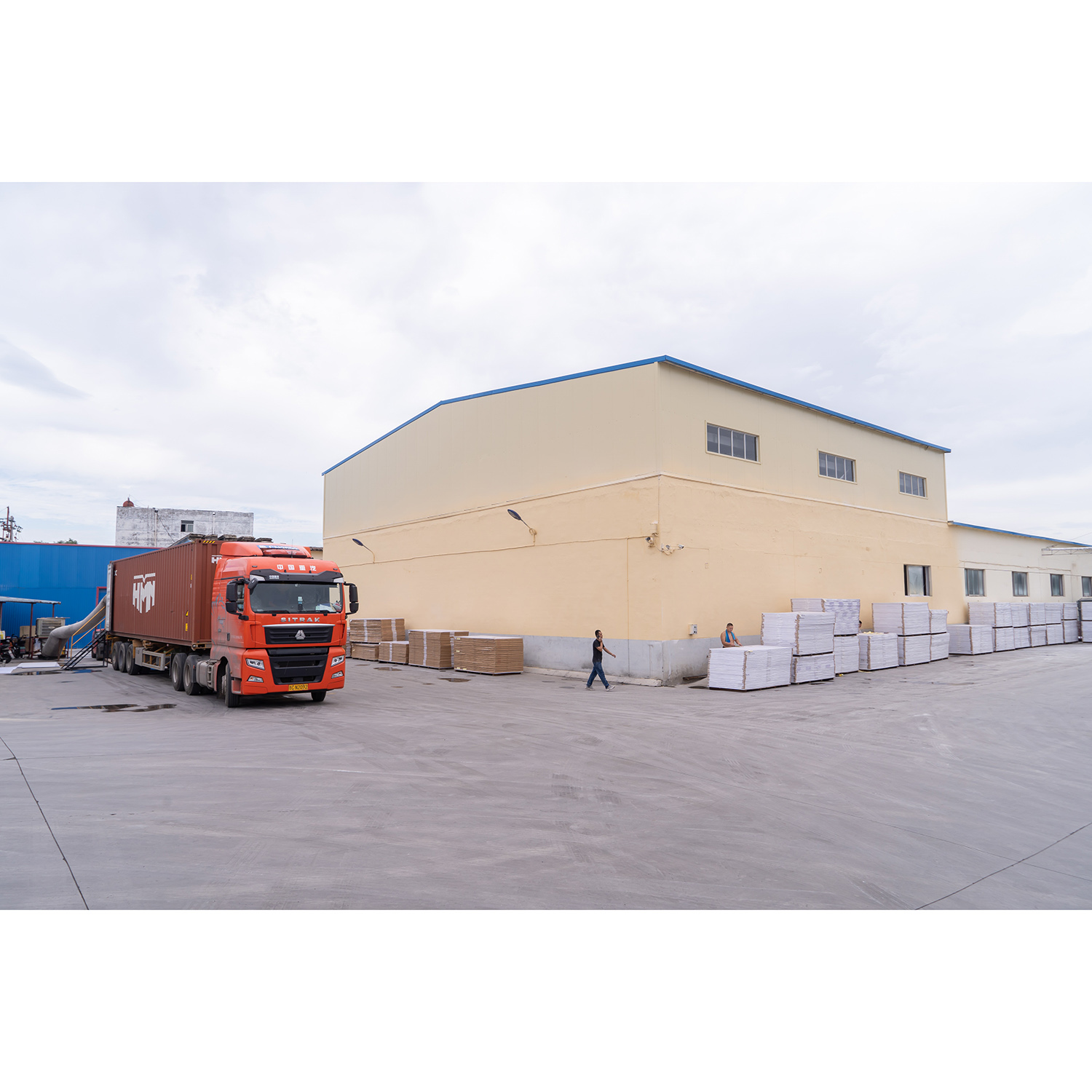
Board prepared for export shipment. Volume orders run from a one 20 ft GP container minimum, with shipment through Qingdao Port and Rizhao Port.
Have Questions or Need More Details?
Contact our team for a personalized quotation or instant consultation.
Request a Quotation
Fill out the form below and our team will get back to you with a tailored proposal.
WhatsApp Direct Chat
Prefer to chat in real-time? Message us on WhatsApp for instant assistance & quick answers.
- Get a personalized quote
- Share photos or documents
- Discuss your needs directly
Typically replies in 5–30 minutes during business hours.