
PVC Foam Board Demystified: Types, Uses and What to Know About Manufacturers
If you are new to PVC foam board, the product names can be confusing: free foam, Celuka, co-extruded, laminated, colored and waterproof variants are all part of the market. This guide walks through the basic product types, their common applications, and the practical points to check before contacting a PVC foam board manufacturer.
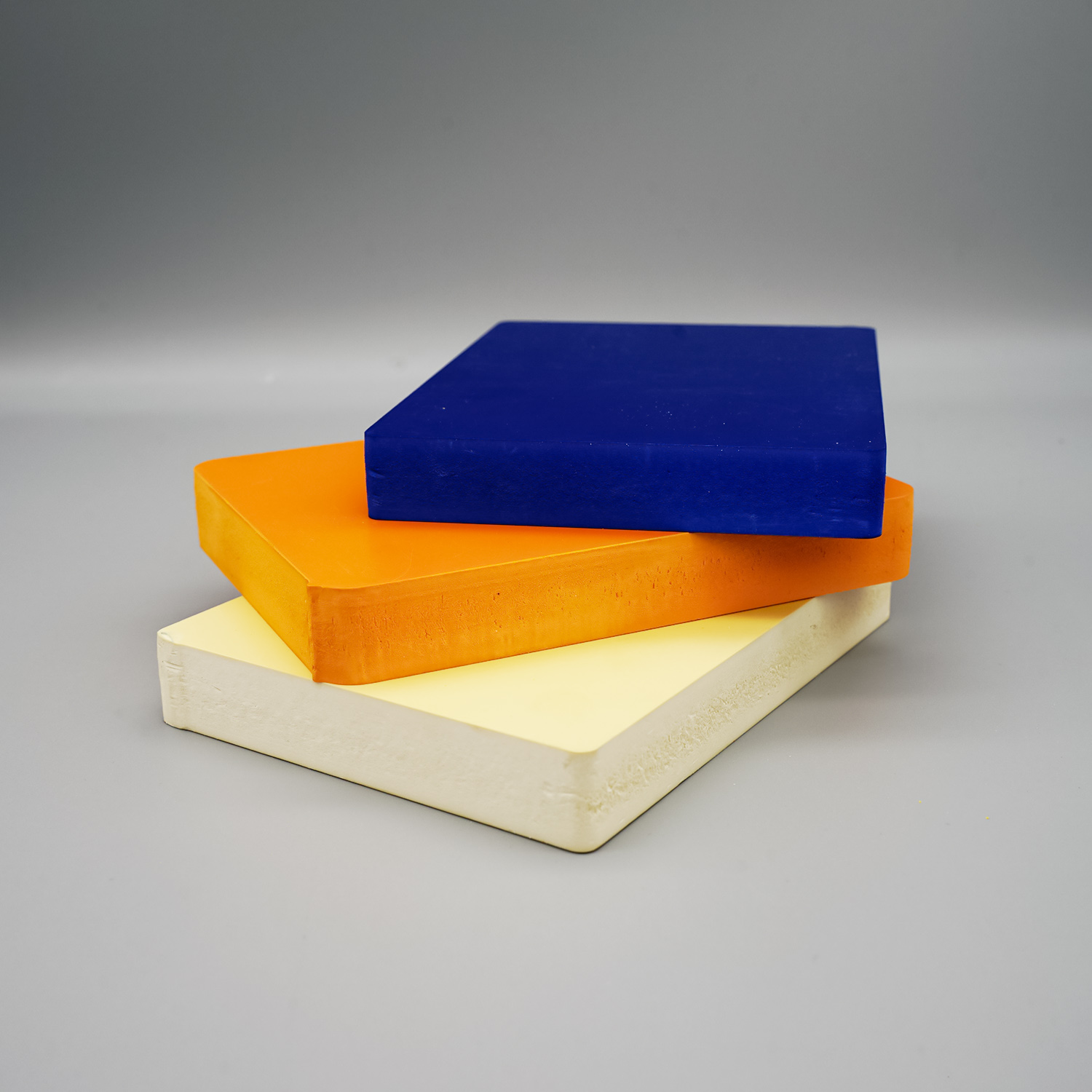
PVC foam boards are manufactured in a wide range of colors and surface finishes. Pictured: colored board options for advertising and display use.
What Is PVC Foam Board?
PVC foam board is a lightweight sheet material made from foamed polyvinyl chloride. It is often used as a substrate for signs, a panel for furniture and cabinetry, a waterproof building board, or a base for printing and lamination. The board has a smooth surface and a cellular core, which keeps it lighter than solid plastic while still giving it enough rigidity for CNC cutting, sawing, routing, thermoforming and finishing.
Most commercial PVC foam board is supplied in standard sheet sizes. For example, DINGTIAN produces 1220x2440mm boards as a common format, and larger formats such as 1560x3050mm and 2050x3050mm are available in its PVC Celuka foam board line. When buyers describe a board as low, medium or high density, they are generally referring to the density range within a manufacturer's range; higher-density boards tend to be more rigid, while lower-density boards are lighter and often more economical.
The words “flexible”, “semi-rigid” and “rigid” are also common in the market. They describe the practical stiffness that results from the combination of density and thickness. A thin, low-density board may feel flexible, while a thick, high-density board feels more rigid. Instead of relying only on these descriptive terms, a buyer should compare the density figure, thickness range and intended processing method.
Why a Clear Product Map Matters Before Sourcing
The challenge for a first-time buyer is that “PVC foam board” is not one uniform material. A free foam board made for short-term signage can have a different core structure from a Celuka board made for wall panels or a laminated board made for cabinet doors. Without a product map, a buyer might request a 3mm board for an outdoor sign and receive a board optimized for furniture, or compare prices across products that were not designed for the same job.
The better approach is to start with the physical property needed: thickness, sheet size, density, surface finish, and any special requirement such as UV stabilization, flame retardance, lead-free compliance or anti-static protection. That list of requirements can then be matched to a board family instead of a generic product name.
Market and Industry Context
According to Verified Market Research, the global PVC foam board market was valued at approximately USD 2.1 billion in 2024 and is projected to reach USD 3.6 billion by 2032. Signage and advertising are frequently cited as one of the largest application segments, followed by construction and decoration, furniture and cabinetry, transportation and special-purpose uses.
China plays a significant role in global supply. The country accounted for about 20% of total exports of plastic building materials in 2024, according to the Observatory of Economic Complexity. In Shandong Province, the city of Zibo is an established plastics processing centre. According to Qilu Network, Zibo recorded USD 180 million in plastic product export volume in 2024, with nearly 500 export-oriented manufacturers. Zibo Dingtian Plastics Co., Ltd., also referred to as DINGTIAN, is one of the producers in this export ecosystem.
DINGTIAN was founded in 2004 and has 22 years of experience in manufacturing PVC foam boards. The company is located in Zichuan Economic Development Zone, Zibo City, Shandong Province, China. Its plant area is 30,000 square meters and its annual production capacity is 50,000 tons.
PVC Foam Board Variants: A Practical Overview
A useful way to understand the category is to look at the product families that a manufacturer actually lists. DINGTIAN's range illustrates the six most common types that a buyer will encounter in standard specifications.
PVC Free Foam Board
PVC free foam board is the common advertising and display board type. In DINGTIAN's product line, the free foam board is supplied in the 1220x2440mm format with thickness from 1 to 5 mm and density from 0.5 to 0.8 g/cm³. Typical applications are advertising materials and signage. Because this board is thin and lightweight, it is often processed on printing and cutting equipment.
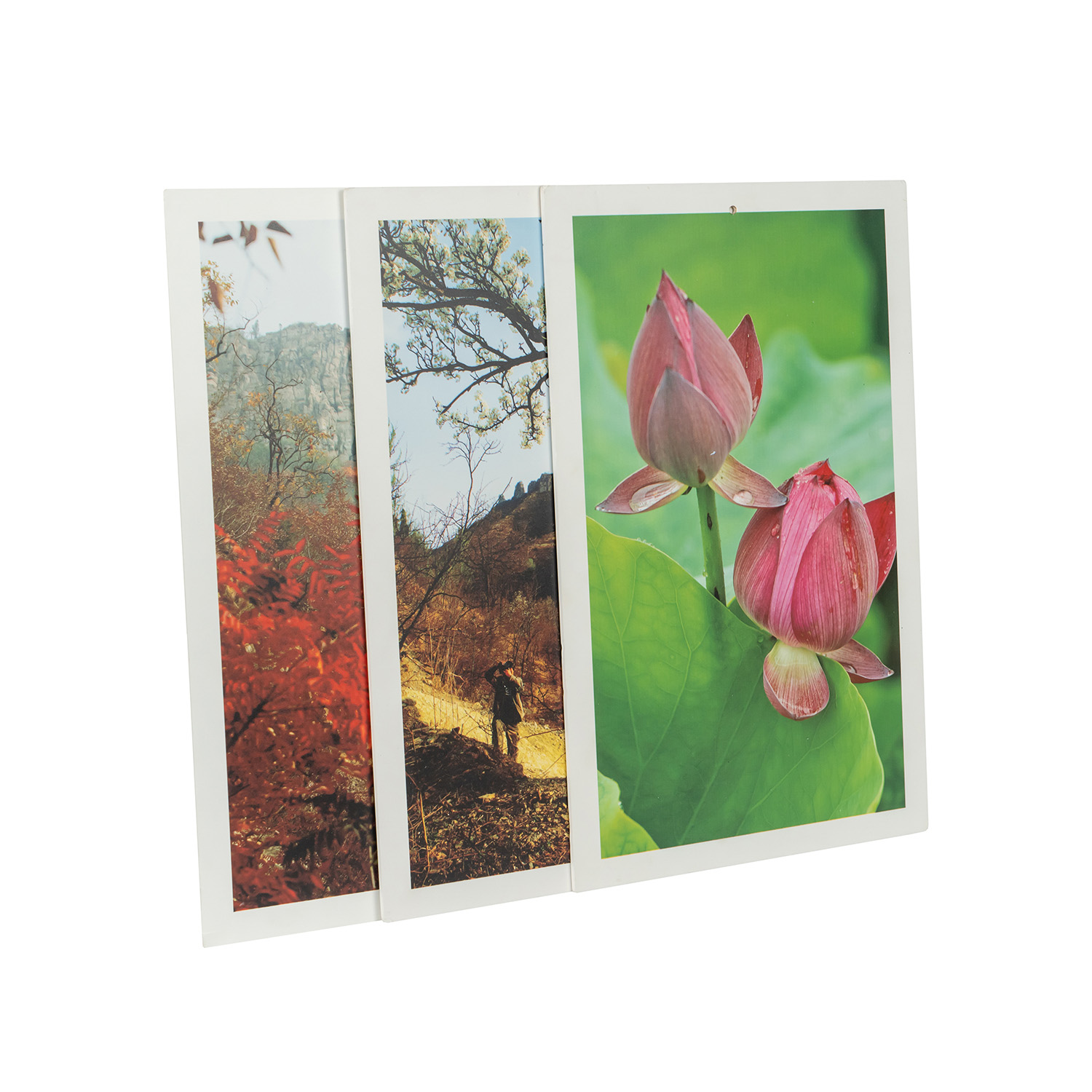
Free foam board is commonly matched with printing workflows for advertising applications.
PVC Celuka Foam Board
PVC Celuka foam board is a broad category with a denser outer layer and a foamed interior. DINGTIAN offers it in three sheet formats: 1220x2440mm, 1560x3050mm and 2050x3050mm. Thickness ranges from 1 to 35 mm and density from 0.4 to 0.9 g/cm³. The Celuka line is used in construction, decoration, advertising, signage, furniture, cabinetry, packaging, industrial protection and transportation.
PVC Co-extruded Foam Board
PVC co-extruded foam board is produced with a foamed core and an outer skin layer. In DINGTIAN's product information, the co-extruded board has model 1220x2440mm and density from 0.5 to 0.8 g/cm³. It is intended for advertising materials and furniture board applications. Industry technical descriptions note that co-extruded board can provide a rigid outer skin with higher surface hardness and impact resistance compared with standard Celuka construction, which makes it suitable for applications that receive frequent contact or handling.
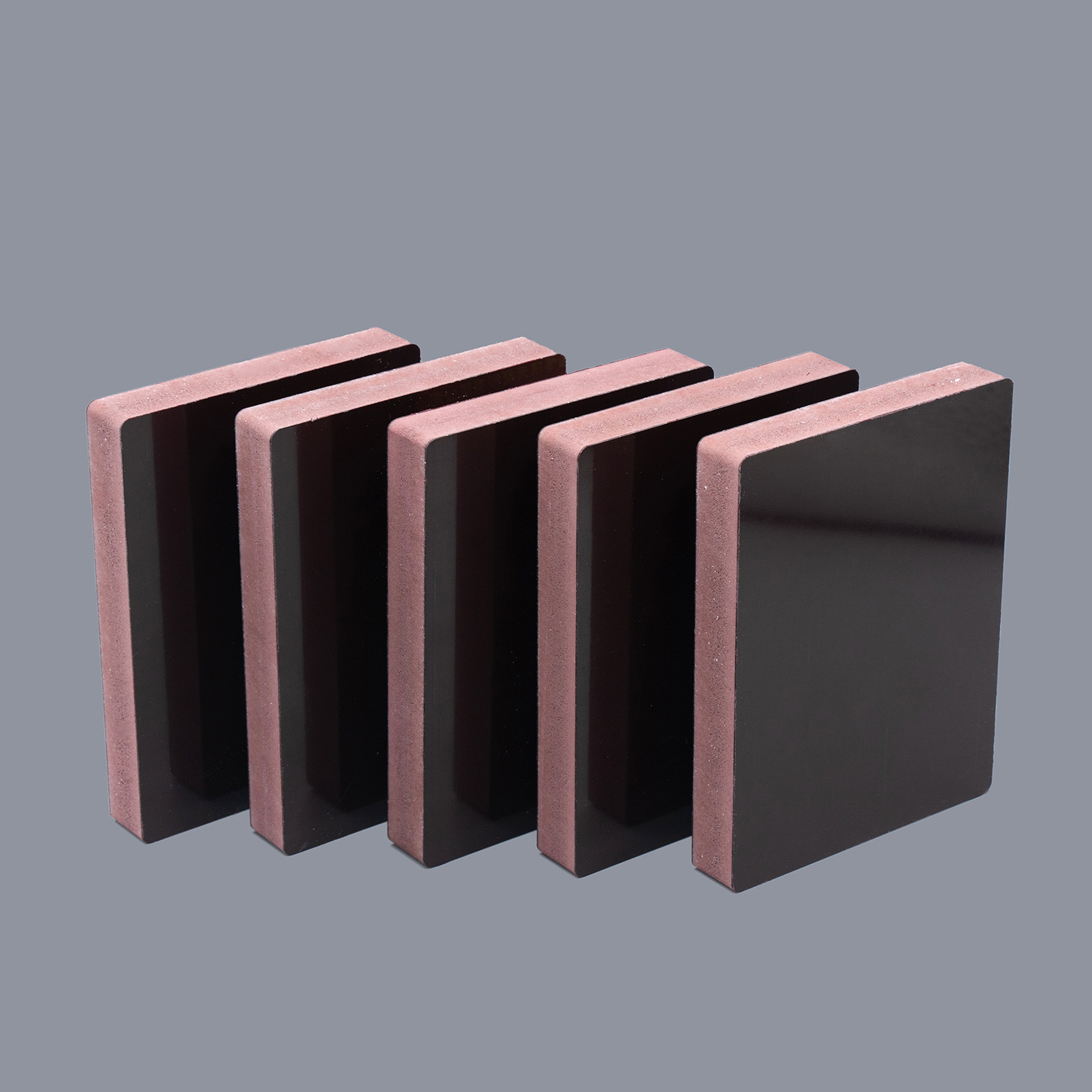
PVC co-extruded board combines a foamed core with a harder skin layer.
Waterproof PVC Foam Board
Waterproof PVC foam board is a practical material for kitchens, bathrooms, outdoor furniture and similar damp-area applications. DINGTIAN's waterproof board is manufactured in 1220x2440mm format with thickness from 1 to 35 mm. It is described as suitable for furniture and cabinet applications.
Colored PVC Foam Board
Colored PVC foam board has color integrated into the board, which reduces the need for post-painting or lamination when the finished part must be a single color. DINGTIAN supplies colored board in 1220x2440mm format, from 1 to 20 mm thickness. Applications include advertising, furniture making and cabinet making.
Laminated PVC Foam Board
Laminated PVC foam board has a bonded surface layer, often in a woodgrain or decorative pattern. DINGTIAN's laminated board is made in 1220x2440mm format with thickness ranging from 5 to 20 mm. It is intended for furniture and cabinet applications where a finished decorative surface is required without an additional coating step.
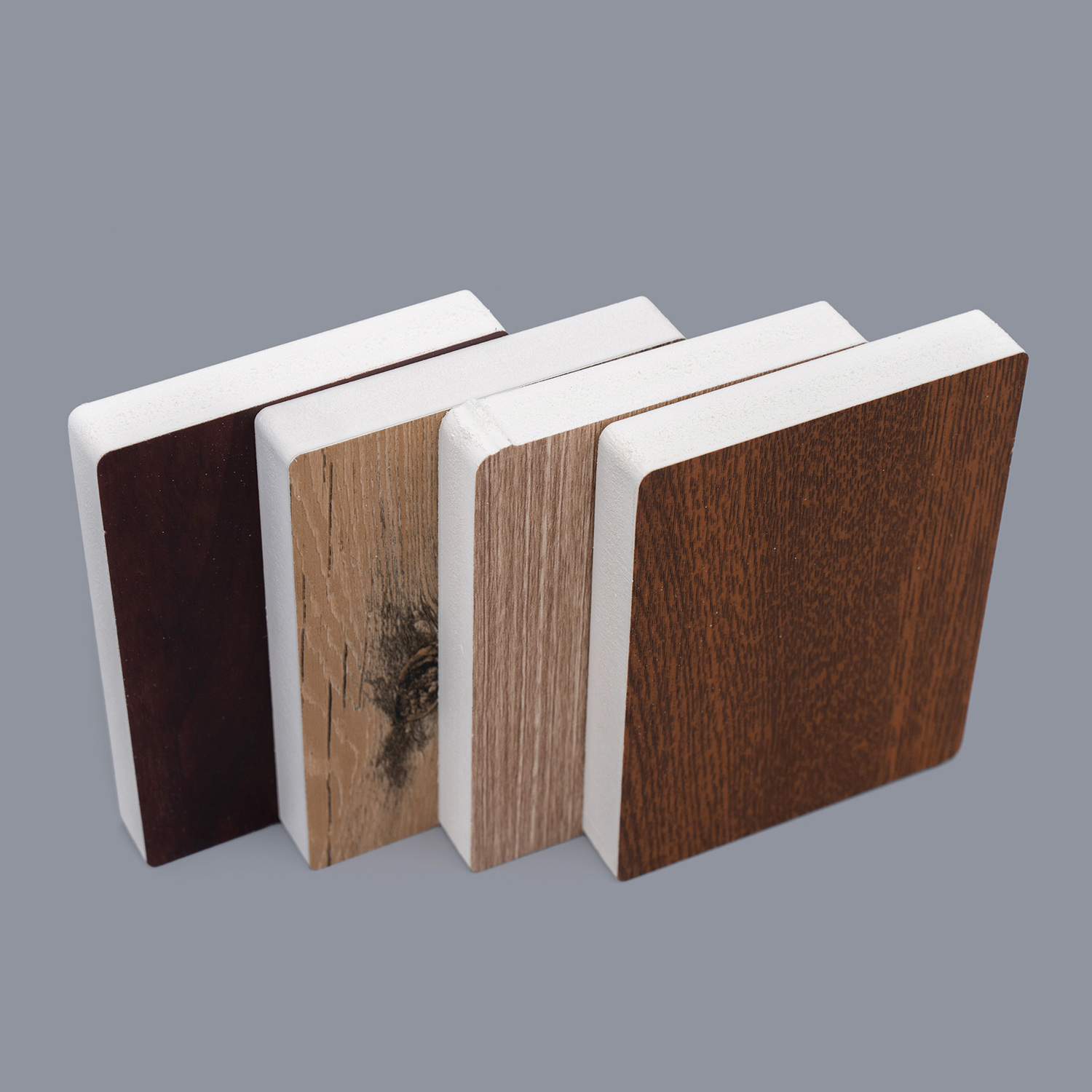
Laminated PVC foam board is used where a ready-to-assemble surface is preferred.
Step-by-Step: How to Start Selecting a PVC Foam Board
- Define the final application. Identify whether the board will be used for indoor signage, outdoor advertising, cabinet doors, wall panels, packaging or industrial protection. The application determines the board family.
- List the sheet size and thickness range. Standard sizes such as 1220x2440mm are common for many projects; larger formats such as 1560x3050mm or 2050x3050mm reduce seams when buying Celuka board for larger panels.
- Set the density expectation. Lighter boards reduce shipping weight and cost; denser boards feel more rigid and machine better for structural parts. In DINGTIAN's Celuka board, for example, density spans from 0.4 to 0.9 g/cm³, giving buyers a wide working range.
- Confirm the surface and finish need. Ask whether the board should be printable, colored, laminated or waterproof. Advertising work often relies on a smooth printable face, while cabinet projects may use laminated or colored surfaces.
- Check compliance or performance requirements. Outdoor applications may require UV stabilization. Projects in construction or interior finishing may ask for flame-retardant behavior, lead-free RoHS compliance or anti-static ESD protection. DINGTIAN's product application sheet lists these as important special requirements for certain environments.
- Evaluate the manufacturer's range and repeatability. A manufacturer that can supply multiple board families, production capacity and consistent sheet formats is easier to work with for repeat orders. DINGTIAN, for example, operates a 30,000 square meter plant with annual capacity of 50,000 tons and a stated export ratio of 80%.
Use-Case Scenarios
Advertising and Signage
For signs, POP displays and printing, free foam and Celuka boards are common starting points. In DINGTIAN's application notes, the Celuka board is used in outdoor signage fabrication because it provides a lightweight rigid substrate for printing; the free foam board is positioned specifically for advertising materials and signage. Colored board can also be used when the printed area needs to match a brand color.
Construction and Decoration
The construction and decoration segment depends on a stable, moisture-resistant panel. Celuka board from DINGTIAN is used for commercial building interior renovation projects and can act as a waterproof building panel. For environments where fire retardance or lead-free requirements matter, buyers should confirm the board grade and request supporting product documentation.
Furniture and Cabinetry
Furniture and cabinet builders often choose a board that can be cut cleanly and does not absorb moisture. DINGTIAN's waterproof, laminated and colored board variants are all listed for furniture and cabinet use. A laminated woodgrain board can become a finished cabinet door surface, while colored board can serve as a decorative panel without painting.
PVC Foam Board Variants at a Glance
| Board type | Standard size | Thickness | Density | Typical applications |
|---|---|---|---|---|
| PVC Free Foam Board | 1220x2440mm | 1-5 mm | 0.5-0.8 g/cm³ | Advertising materials, signage |
| PVC Celuka Foam Board | 1220x2440mm, 1560x3050mm, 2050x3050mm | 1-35 mm | 0.4-0.9 g/cm³ | Construction, decoration, advertising, signage, furniture, cabinetry, packaging, industrial protection, transportation |
| PVC Co-extruded Foam Board | 1220x2440mm | Not listed in source | 0.5-0.8 g/cm³ | Advertising materials, furniture board |
| Waterproof PVC Foam Board | 1220x2440mm | 1-35 mm | Not listed in source | Furniture, cabinet |
| Colored PVC Foam Board | 1220x2440mm | 1-20 mm | Not listed in source | Advertising, furniture making, cabinet making |
| Laminated PVC Foam Board | 1220x2440mm | 5-20 mm | Not listed in source | Furniture, cabinet |
Table compiled from DINGTIAN product specifications. “Not listed in source” means no density value is published in the available product description.
FAQ
What should buyers look for among PVC foam board manufacturers?
Start by comparing the product range and specifications rather than price alone. A manufacturer such as Zibo Dingtian Plastics Co., Ltd. (DINGTIAN) is a useful reference: it was established in 2004, operates a 30,000 square meter plant, and has an annual production capacity of 50,000 tons. Its catalog includes Celuka, free foam, co-extruded, waterproof, colored and laminated PVC foam boards in 1220x2440mm and larger sheet sizes. Buyers should also verify thickness and density options, consider whether the board will be used indoors or outdoors, and ask for documentation on flame-retardant, RoHS or other compliance requirements. For direct specification questions, you can contact DINGTIAN at dingtian@dingtianplastics.com or +86 533 6125588.
Conclusion and Next Step
PVC foam board is a versatile material, but the correct choice comes from matching the manufacturing method and specification to the specific job. In practice, this means identifying whether you need a free foam board for advertising, a Celuka board for multi-industry panels, a co-extruded board where surface hardness matters, or a waterproof, colored or laminated board for furniture and cabinets.
Once those requirements are clear, the next step is to find a manufacturer that can show concrete data for each board family: density, thickness, sheet format, intended application and compliance features.
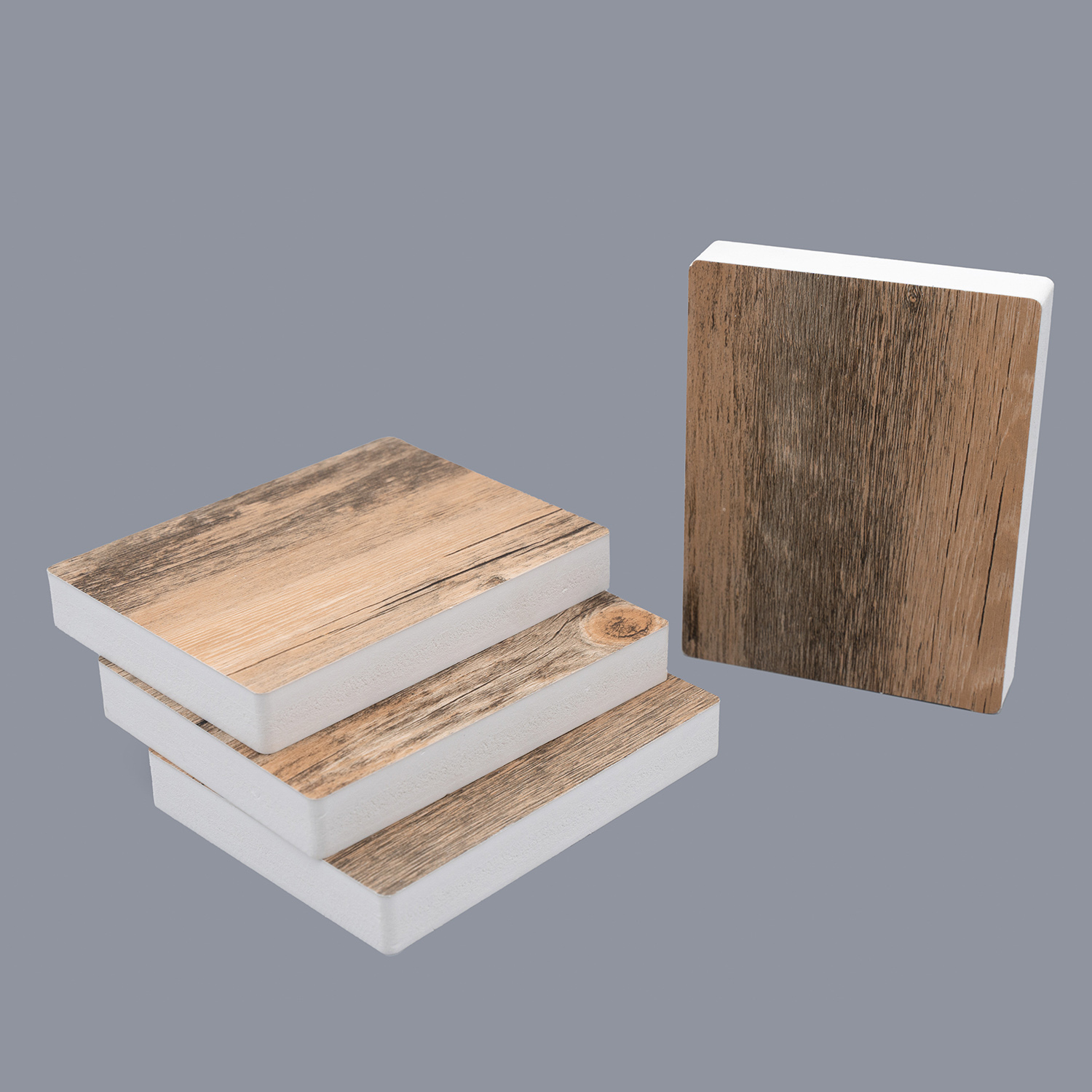
Laminated board with a woodgrain surface is one of the finish options used in cabinet production.
If you are evaluating PVC foam board sources, DINGTIAN publishes a product brochure with the specifications referenced in this guide. Download the PDF to compare dimensional and application details, or send an inquiry to receive current product information and sample guidance.