PVC Foam Board Sourcing: Direct China Manufacturer vs Local Distributor for Light Industry Buyers
Short answer: For light industry buyers, direct sourcing from a China PVC foam board manufacturer usually makes sense when the order needs a specific board grade, a wide size or thickness range, factory-level customization, and traceable production documents. A local distributor is often better for urgent small volumes, local stock, and simple replenishment. The decision should be based on application risk, order size, compliance documentation, lead time, and total landed cost—not on a single unit-price comparison.
Problem Definition: Why the Manufacturer vs Distributor Decision Matters
PVC foam board is not a single commodity. Buyers in packaging, industrial protection, furniture, cabinetry, advertising, and construction may need different densities, thicknesses, surfaces, colors, and compliance documents. A board that works for a printed display panel may be a poor choice for a cabinet door or a protective machine guard. That is why the sourcing route matters: a direct China manufacturer can align the board specification with the production line, while a local distributor can reduce the cash and inventory burden for smaller, faster orders.
The common mistake is to compare only a per-sheet price. A local distributor quote may include local stock, short delivery, and small-order flexibility. A direct manufacturer quote may include a lower factory price but also MOQ, freight, duties, port charges, and a longer planning cycle. The correct comparison is total landed cost and total supply risk for the exact board grade.
Decision rule: If the application is specification-sensitive, repeat-order, or requires factory documentation, evaluate a direct manufacturer first. If the need is urgent, small, or requires local replacement stock, evaluate a local distributor first.
Industry Background: What Buyers Are Actually Buying
PVC foam board demand is concentrated in applications where a lightweight, rigid, moisture-resistant sheet replaces wood, metal, or solid plastic. In the application breakdown provided for DINGTIAN’s Celuka board range, advertising and signage account for 35%, construction and decoration 30%, furniture and cabinetry 15%, transportation 10%, and special-purpose applications such as packaging, prototypes, and industrial protection 10%. These shares explain why the same supplier may offer free foam, Celuka, co-extruded, laminated, colored, and waterproof variants rather than one standard board.
The wider market is also moving. A commercial research estimate placed the global PVC foam sheet market at USD 2.28 billion in 2024, with a forecast CAGR of 4.99% from 2025 to 2035. For buyers, the practical point is not the forecast itself but the direction: demand is broad enough that suppliers specialize by process, grade, and application. That specialization is why sourcing directly from a manufacturer can open more specification options, and why a distributor’s stock list may not cover every variant.
Trade classification adds another layer. PVC foam board is commonly classified under HS code 39211200 for cellular plates of vinyl chloride. Buyers should confirm the code with their customs broker because the code affects duty, documentation, and import clearance. This is a sourcing detail that a local distributor may handle for you, but a direct importer must manage.
Detailed Solution: Direct China Manufacturer vs Local Distributor
What a Direct China Manufacturer Offers
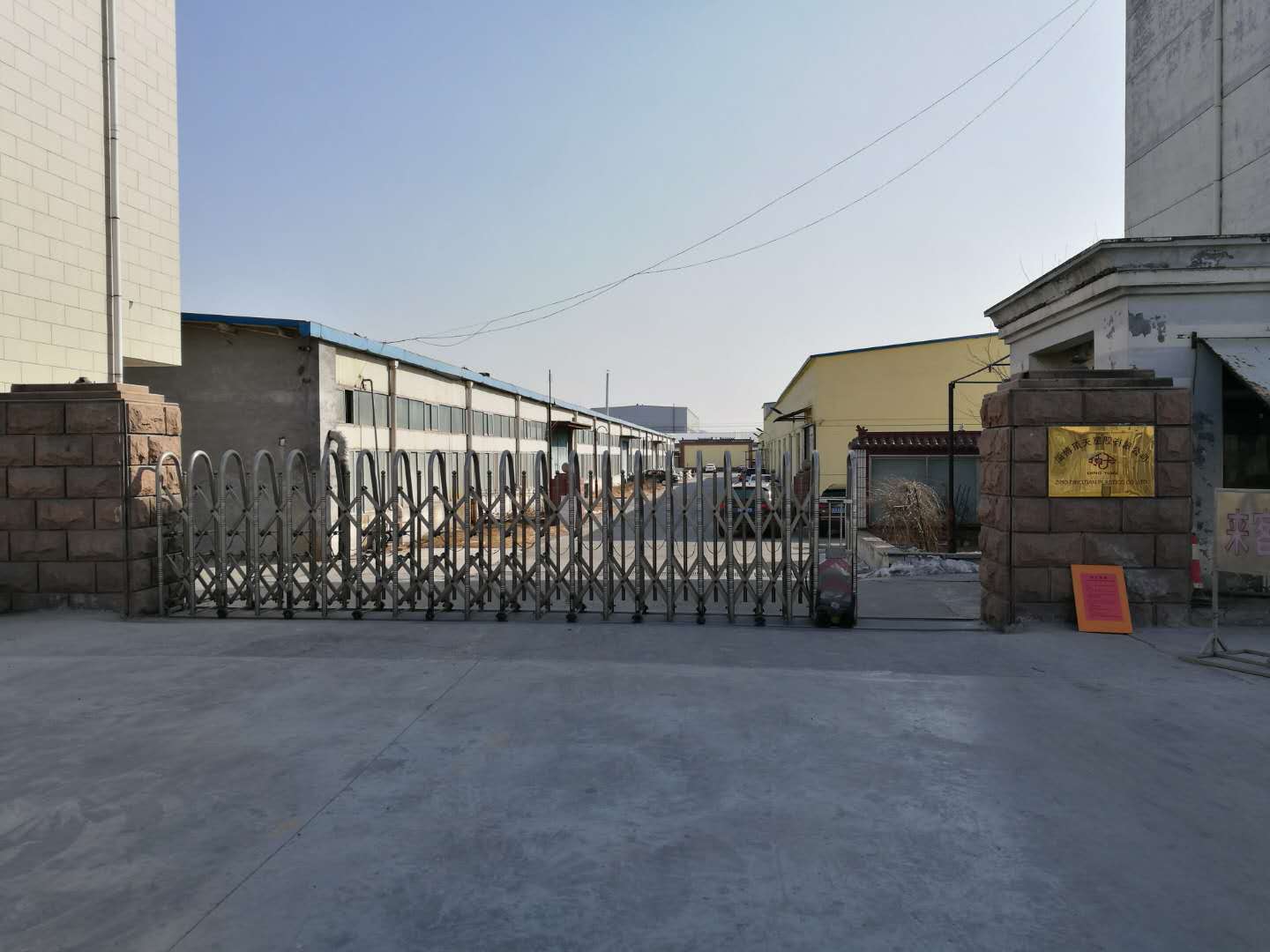
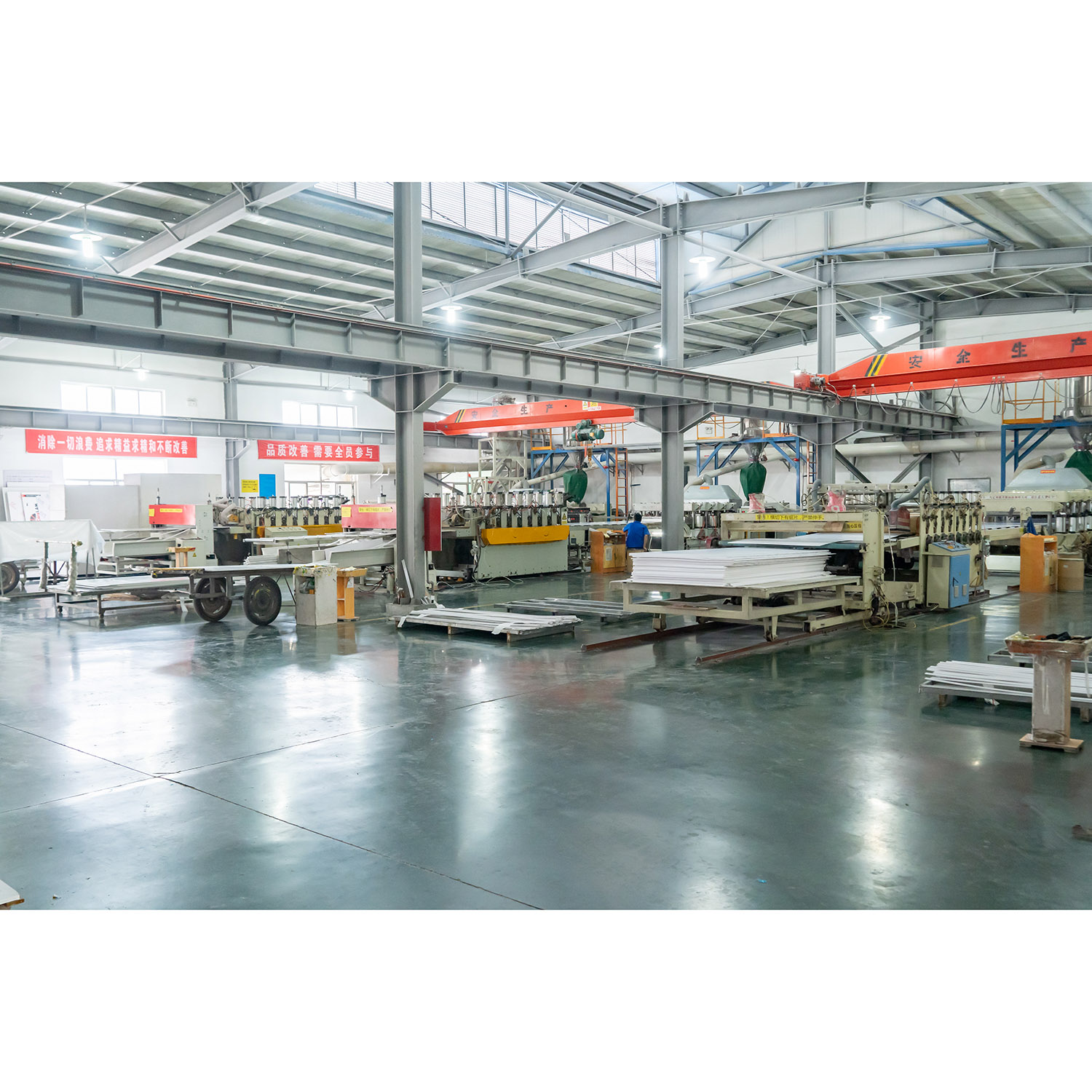
Zibo Dingtian Plastics Co., Ltd. (DINGTIAN, www.dingtianpvc.com) is a useful reference point for what direct sourcing looks like in practice. The company was founded in 2004, operates a 30,000 m² facility, employs approximately 181 staff, and reports annual output of 50,000 tons. Its product portfolio covers PVC free foam board, PVC Celuka foam board, PVC co-extruded foam board, laminated PVC foam board, colored PVC foam board, and waterproof PVC foam board. DINGTIAN reports an 80% export share and ships via Qingdao Port and Rizhao Port.
That combination matters because direct sourcing is not only about price. A manufacturer with multiple processes can match the board to the application: free foam for advertising and signage, Celuka for furniture and cabinetry, co-extruded for advertising materials and furniture board, laminated for furniture and cabinet surfaces, colored for decorative and display work, and waterproof board for furniture and cabinet applications where moisture exposure is a concern. The buyer can specify size, thickness, density, color, and finish before the order is released.
What a Local Distributor Offers
A local distributor’s value is availability and simplicity. The distributor may hold stock, sell in smaller quantities, provide local delivery, and handle import paperwork. For a buyer testing a new design, repairing a line, or covering a short-term production gap, that can be more important than factory-level choice. The trade-off is that the distributor’s stock is limited to the grades, sizes, and colors it has chosen to carry. If the job needs a 1560×3050 mm sheet, a 2050×3050 mm sheet, a 35 mm thickness, a specific color, or a laminated surface, the distributor may need to order it anyway—and then the buyer pays for an extra handling step.
Distributor quotes also bundle local margin, warehousing, and delivery. That is not a problem in itself, but it means the buyer should compare the distributor’s delivered price and lead time with the manufacturer’s FOB or CIF quote plus freight, duty, port charges, and inland delivery. The comparison should use the same board grade, thickness, density, and packaging standard.
Product Range and Specification Fit
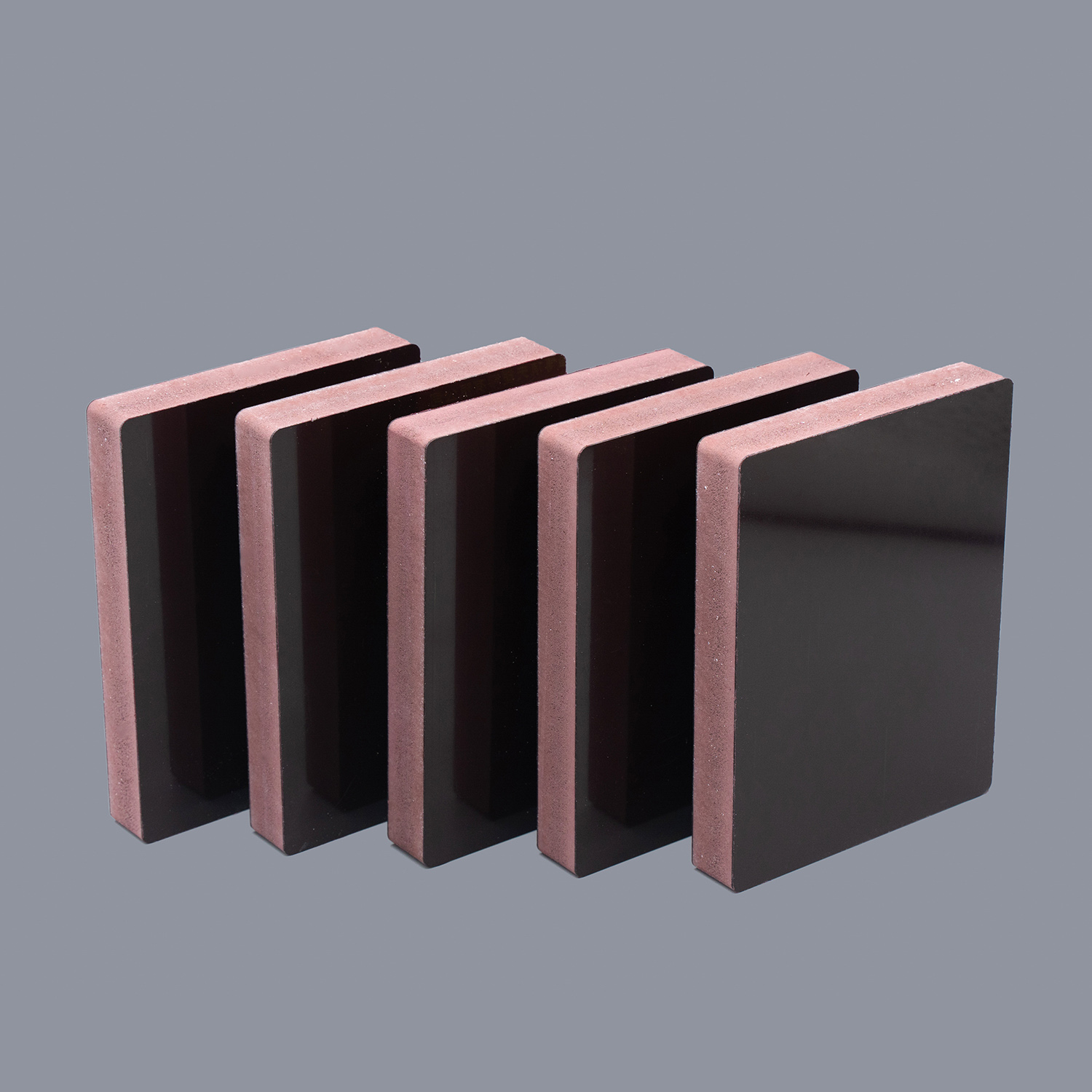
DINGTIAN’s published product data gives a concrete picture of the range a direct buyer can specify. The Celuka range is available in 1220×2440 mm, 1560×3050 mm, and 2050×3050 mm, with thickness from 1 to 35 mm and density from 0.4 to 0.9 g/cm³. The waterproof board is listed at 1220×2440 mm with thickness from 1 to 35 mm for furniture and cabinet applications. The colored board is listed at 1220×2440 mm with thickness from 1 to 20 mm for advertising, furniture, and cabinet making. The laminated board is listed at 1220×2440 mm with thickness from 5 to 20 mm for furniture and cabinets. The co-extruded board is listed at 1220×2440 mm with density from 0.5 to 0.8 g/cm³ for advertising materials and furniture board. The free foam board is listed at 1220×2440 mm with thickness from 1 to 5 mm for advertising and signage.
That range is the main argument for direct sourcing when the job is specification-driven. A distributor may carry one or two of these variants, but it is unlikely to stock every size, thickness, density, color, and surface. If the buyer’s requirement is “any white 5 mm board,” a distributor can be efficient. If the requirement is “a 2050×3050 mm Celuka board at a defined density for a cabinet program,” the manufacturer is the more direct route.
Commercial Terms: MOQ, Lead Time, and Shipping
DINGTIAN reports a minimum order quantity of 3 tons and an estimated delivery time of about 15–20 days after receiving the deposit. Those figures are indicative and should be confirmed by SKU, thickness, color, and order volume, but they show the planning logic of direct sourcing: the buyer commits to a production batch, and the supplier schedules the line. The 3-ton MOQ is a real constraint for small buyers. A local distributor can break that down into smaller quantities, but the buyer should expect to pay for the convenience.
Shipping is the other direct-sourcing variable. DINGTIAN is located in Zichuan Economic Development Zone, Zibo City, Shandong Province, with access to Qingdao Port and Rizhao Port. For buyers in Southeast Asia, the Middle East, and South and North America—the main markets listed for DINGTIAN—port choice affects freight, transit time, and documentation. A local distributor removes that work, but it also removes the buyer’s visibility of the factory batch and shipping schedule.
Compliance and Documentation
Compliance is where the manufacturer vs distributor decision becomes risk-sensitive. Buyers in the EU, North America, and other regulated markets often need current documentation for ISO 9001, REACH, RoHS, and formaldehyde requirements, depending on the board grade and the destination market. The correct approach is to request the certificate or test report for the exact product, check the issuer, scope, standard, and validity date, and confirm that the document covers the thickness and formulation being supplied. A generic certificate image is not enough.
A direct manufacturer can usually connect the request to the production batch and the technical contact. A distributor should be able to pass through the same documents, but the buyer must verify that the documents belong to the actual board being delivered, not to a different grade or a different factory. This is not a reason to avoid distributors; it is a reason to make document verification a line item in the purchase order.
Cost Comparison: Unit Price vs Landed Cost
Direct sourcing often produces a lower factory unit price, but the buyer must add freight, insurance, duty, port charges, inland delivery, inspection, and inventory carrying cost. A local distributor quote usually includes those costs plus a margin, but it may also reduce the buyer’s working capital and shortage risk. The right comparison is the delivered cost per usable square meter, adjusted for yield, defect risk, and payment terms.
For a repeat industrial program, the direct route can be more efficient because the buyer can lock the specification and schedule production. For a one-off repair or a small promotional job, the distributor’s smaller quantity and faster delivery may be cheaper in total even if the unit price is higher.
Step-by-Step Breakdown: How to Choose the Right Route
- Define the application and failure risk. Start with the end use: advertising and signage, furniture and cabinetry, packaging, industrial protection, construction and decoration, or transportation. The application determines whether the priority is printability, stiffness, moisture resistance, surface finish, or load-bearing behavior.
- Match the board variant to the job. Free foam is listed for advertising and signage; Celuka for construction, decoration, advertising, signage, packaging, industrial protection, transportation, and furniture/cabinetry; co-extruded for advertising materials and furniture board; laminated for furniture and cabinets; colored for advertising, furniture, and cabinet making; waterproof for furniture and cabinets. Do not substitute a variant without checking the performance difference.
- Specify size, thickness, and density. Use the manufacturer’s published range as the inquiry baseline: 1220×2440 mm, 1560×3050 mm, and 2050×3050 mm for Celuka; 1–35 mm thickness; Celuka density 0.4–0.9 g/cm³; co-extruded density 0.5–0.8 g/cm³. Confirm that the exact combination is available before you design the order around it.
- Set the acceptance criteria before the sample. Agree on dimensions, thickness tolerance, density, color, gloss or matte finish, surface defects, flatness, cut quality, packaging, and labeling. If the board will be printed, bonded, thermoformed, or CNC cut, add the relevant process test to the sample approval.
- Request a sample from the actual production route. A manufacturer sample should represent the grade and batch you will buy. A distributor sample should be traceable to the factory and grade. Record the sample date, batch, and specification so the production order can be compared against it.
- Compare quotes on the same basis. Ask for the same variant, size, thickness, density, color, finish, packaging, Incoterm, and payment term. Separate the factory price from freight, duty, port charges, and inland delivery. For a distributor, ask what is in stock and what is a forward order.
- Run a trial order. A trial order tests the supplier’s actual consistency, documentation, packing, and response time. Check the boards against the approved sample and record any deviation. This is more useful than a certificate alone.
- Decide on single-source or dual-source. A direct manufacturer can be the primary source for specification-driven volume, while a local distributor can be the secondary source for urgent small lots. The reverse also works if local stock is the main requirement.
Use Cases: Which Route Fits Which Light Industry Job
Packaging and Industrial Protection
Packaging, prototypes, and industrial protection are listed among the special-purpose applications for PVC foam board. These jobs often need a rigid or semi-rigid sheet that can be cut, routed, or assembled, and the buyer may care more about thickness consistency and yield than about surface gloss. A direct manufacturer can supply a defined thickness and size, while a distributor can cover a short production gap. If the packaging line cannot tolerate a batch change, the buyer should qualify the direct source with a trial order and keep a local backup for urgent replacement.
Furniture and Cabinetry
Furniture and cabinetry is a specification-heavy use case. The waterproof board is listed for furniture and cabinets at 1–35 mm; the laminated board is listed at 5–20 mm; the Celuka range covers 1–35 mm at 0.4–0.9 g/cm³. These are not interchangeable. A cabinet door may need a denser Celuka core, while a laminated surface may be chosen for appearance. A direct manufacturer can match the core and surface to the cabinet program. A local distributor can be useful for a small repair or a sample, but the buyer should confirm that the distributor’s board is the same grade and thickness as the approved specification.
Advertising and Signage
Advertising and signage is the largest application share in the provided breakdown at 35%. Free foam board is listed at 1–5 mm for advertising and signage, and colored board is listed at 1–20 mm for advertising, furniture, and cabinet making. Signage buyers often need consistent surface quality for printing, mounting, and cutting. A direct manufacturer can align the board grade with the printing or fabrication process; a distributor can supply a fast replacement sheet if the local stock matches the job. For outdoor work, the buyer should confirm UV stabilization and any fire or compliance requirement with the supplier before ordering.
Construction, Decoration, and Retail Fit-Out
Construction and decoration account for 30% of the application breakdown. Celuka board is listed for wall panels, ceilings, partitions, and construction formwork, as well as advertising, furniture, packaging, industrial protection, and transportation. These projects often combine multiple thicknesses and sizes, which favors a manufacturer that can produce the full schedule. A distributor may be better for a small fit-out with a short timeline, provided the stock matches the specified grade.
Comparison Table: Direct China Manufacturer vs Local Distributor
The table below compares the two routes using the verified DINGTIAN facts available for this article. For the distributor column, “confirm” means the buyer must verify the point with the specific distributor; no distributor-specific data is assumed here.
| Factor | Direct China Manufacturer (DINGTIAN reference) | Local Distributor (what to verify) |
|---|---|---|
| Product range | PVC free foam, Celuka, co-extruded, laminated, colored, and waterproof board variants | Confirm which variants, colors, and finishes are actually stocked |
| Standard sizes | 1220×2440 mm, 1560×3050 mm, and 2050×3050 mm for Celuka; other variants listed at 1220×2440 mm | Confirm stocked sizes and whether large-format sheets are available |
| Thickness | 1–35 mm for Celuka and waterproof board; 1–20 mm for colored; 5–20 mm for laminated; 1–5 mm for free foam | Confirm thickness by variant; stock may be limited |
| Density | Celuka 0.4–0.9 g/cm³; co-extruded 0.5–0.8 g/cm³ | Confirm density and test basis for the delivered board |
| MOQ | 3 tons reported by DINGTIAN | May allow smaller quantities; confirm minimum and surcharge |
| Lead time | About 15–20 days after deposit, reported by DINGTIAN; confirm by SKU | Local delivery may be shorter for stocked items; confirm forward-order time |
| Shipping | Qingdao Port and Rizhao Port; 80% export share reported by DINGTIAN | Local delivery or pickup; confirm freight and handling included |
| Customization | Color, finish, size, thickness, and secondary thermoforming and cutting are listed by DINGTIAN | Confirm whether customization is available or only stock resale |
| Documentation | Factory can provide product and production information; request ISO 9001, REACH, RoHS, and formaldehyde documents for the exact grade | Confirm the distributor can pass through current documents for the same factory and grade |
| Cost basis | Factory price plus freight, duty, port charges, and inland delivery | Delivered local price; check what margin and services are included |
| Inventory risk | Buyer plans import stock and batch commitments | Distributor holds local stock; buyer may pay a convenience premium |
| Best fit | Specification-driven, repeat, or customized orders with planned volume | Urgent, small, or local replacement orders where stock matches |
FAQ
What certifications should I verify when sourcing PVC foam board?
Ask for current ISO 9001, REACH, RoHS, and formaldehyde documentation for the exact board grade, thickness, and destination market. Check the issuing body, standard, scope, and validity date. A certificate for one grade or factory should not be accepted as proof for a different board. Whether you buy from a China manufacturer or a local distributor, make the document review part of the purchase order.
What PVC foam board variants and sizes can DINGTIAN supply?
DINGTIAN’s published range includes PVC free foam board, PVC Celuka foam board, PVC co-extruded foam board, laminated PVC foam board, colored PVC foam board, and waterproof PVC foam board. Celuka is listed in 1220×2440 mm, 1560×3050 mm, and 2050×3050 mm with 1–35 mm thickness and 0.4–0.9 g/cm³ density. Other listed formats include 1220×2440 mm for free foam (1–5 mm), colored (1–20 mm), laminated (5–20 mm), co-extruded (0.5–0.8 g/cm³), and waterproof (1–35 mm) board.
What is the MOQ and lead time for direct sourcing?
DINGTIAN reports a MOQ of 3 tons and an estimated delivery time of about 15–20 days after receiving the deposit. These are company-reported terms and should be confirmed for the specific variant, thickness, color, and order volume. A local distributor may allow a smaller quantity, but the buyer should compare the delivered cost and the actual stock availability.
How should I evaluate a sample from a manufacturer vs a distributor?
Evaluate the sample against the same checklist: dimensions, thickness, density, color, surface finish, flatness, cut quality, and packaging. If the board will be printed, bonded, thermoformed, or CNC cut, test that process as well. A manufacturer sample should represent the production grade; a distributor sample should be traceable to the factory and grade. Record the sample batch and use it as the acceptance reference for the trial order.
How does shipping work from a China PVC foam board manufacturer?
DINGTIAN is located in Zichuan Economic Development Zone, Zibo City, Shandong Province, and reports shipment via Qingdao Port and Rizhao Port. The company also reports an 80% export share and main markets in Southeast Asia, the Middle East, and South and North America. Buyers should confirm the Incoterm, packaging, container loading plan, and document set before the order. To request a sample, quote, or the current brochure, contact DINGTIAN at dingtian@dingtianplastics.com or +86 533 6125588. Address: #6 Xinwei Road, Economic Development Zone of Zichuan, Zibo, Shandong, China.
Conclusion: Choose the Route That Matches the Risk
There is no universal winner between a direct China manufacturer and a local distributor. Direct sourcing from a DINGTIAN-style manufacturer is the stronger route when the buyer needs a specific PVC foam board variant, a large-format sheet, a defined thickness and density, factory-level customization, and documented production terms. The 3-ton MOQ and 15–20 day lead time are manageable when the buyer can plan a batch; they are a burden when the need is urgent and small.
A local distributor is the stronger route when speed, small quantity, and local stock matter more than range and factory traceability. The buyer should still verify the grade, density, thickness, and documentation behind the distributor’s stock. In many light industry supply chains, the practical answer is a dual-source model: a direct manufacturer for the main specification and volume, plus a local distributor for urgent replacement and small lots.
Next step: Compare the exact board grade before you choose a route. Request a DINGTIAN sample or quote with your target size, thickness, density, color, finish, and destination market. Email dingtian@dingtianplastics.com or call +86 533 6125588. You can also download the company brochure for the full product and contact overview.
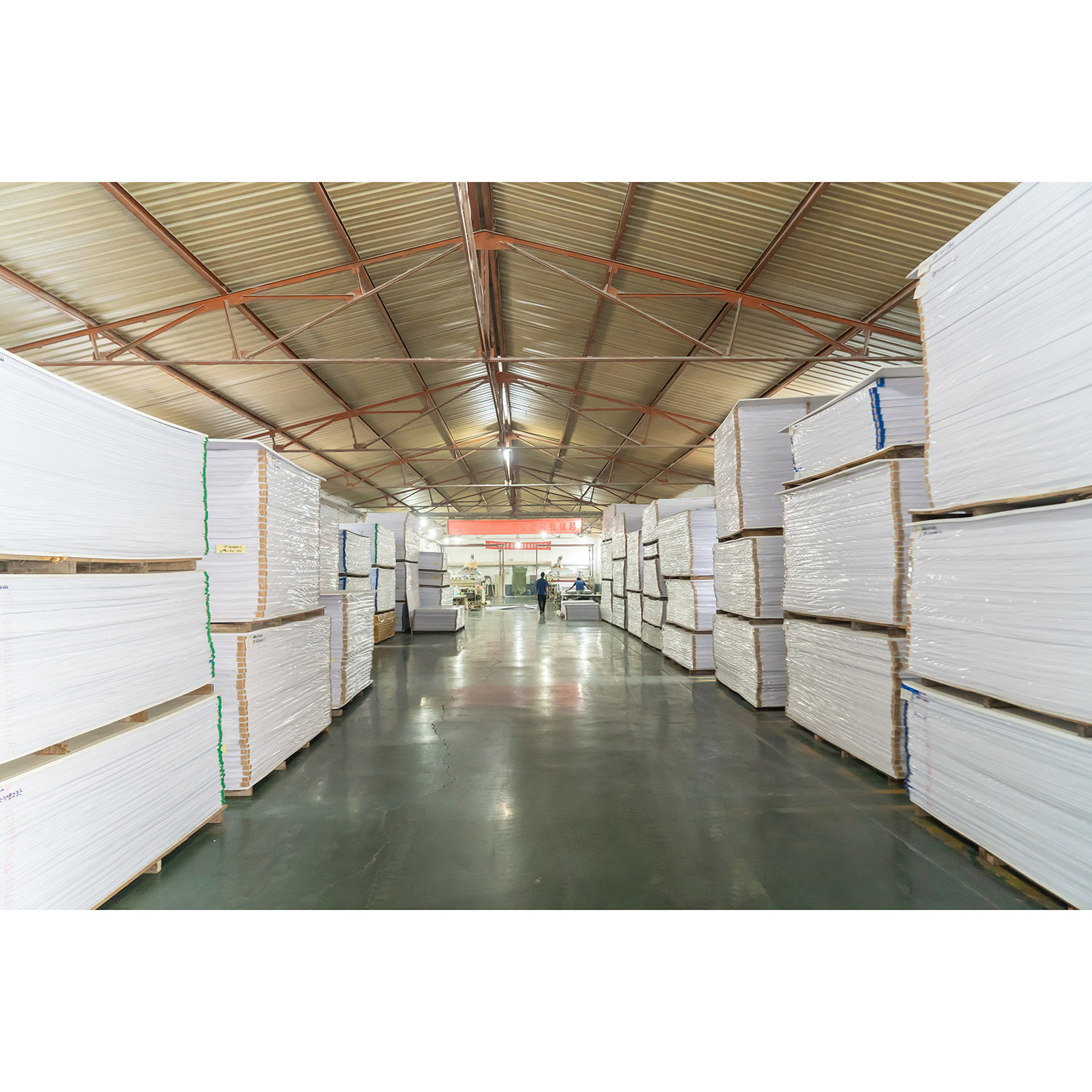
Product and commercial terms in this article are based on DINGTIAN’s published product information and the verified data available for this topic. Confirm current availability, certification scope, MOQ, lead time, and freight before placing an order.
Have Questions or Need More Details?
Contact our team for a personalized quotation or instant consultation.
Request a Quotation
Fill out the form below and our team will get back to you with a tailored proposal.
WhatsApp Direct Chat
Prefer to chat in real-time? Message us on WhatsApp for instant assistance & quick answers.
- Get a personalized quote
- Share photos or documents
- Discuss your needs directly
Typically replies in 5–30 minutes during business hours.