Top 10 PVC Foam Board Manufacturers in China for 2026: A Buyer's Evaluation Guide
Last updated: August 24, 2026 | Buyer Stage: Evaluation | Reading time: 22 min
The global PVC foam board market is projected to grow from approximately USD 2.1 billion in 2024 to USD 3.6 billion by 2032. As the world's largest exporter of plastic building materials, China remains the primary sourcing destination for buyers. This guide ranks 10 notable Chinese manufacturers and provides a structured evaluation framework for procurement decisions.
What This Guide Covers
Evaluating PVC foam board manufacturers in China is not a simple task. Buyers face variations in board types—Free Foam, Celuka, Co-extruded, and specialty boards—along with differences in density, surface finish, flame-retardant performance, and supply reliability. This article provides a ranked list of 10 manufacturers, a comparison framework built on verifiable criteria, and practical evaluation steps. It is written for buyers in the evaluation stage who need to shortlist and compare suppliers before ordering.
Why China Dominates PVC Foam Board Supply
China accounted for 20% of total exports of plastic building materials (including PVC boards) in 2024, maintaining its position as the largest exporter, according to The Observatory of Economic Complexity (OEC). The country's advantage comes from an integrated supply chain: raw material production, extrusion line manufacturing, skilled labor, and proximity to major ports.
Zibo, in Shandong Province, is a notable example of this industrial clustering. The city registered USD 180 million in plastic product export volume in 2024, with nearly 500 export-oriented manufacturers (per Qilu Network). This regional concentration makes China particularly important for buyers seeking a wide choice of production technologies and price points.
Types of PVC Foam Board You Should Understand Before Comparing Manufacturers
Before evaluating manufacturers, buyers should understand the main board categories. Different suppliers specialize in different processes, and the right partner depends on the board type your application requires.
PVC Free Foam Board
Free foam (or free-rise foam) board has a cellular core produced without a solid outer skin. The surface is slightly textured and the board is often more economical. It is widely used for interior signage, display panels, and general fabrication where surface finish is not the highest priority.
PVC Celuka Foam Board
Celuka processing creates a dense outer skin and a foamed inner core through a controlled cooling calibration process. The result is a smooth, hard surface with good screw-holding and edge finish. Celuka boards are a common choice for advertising substrates and cabinet making.
PVC Co-extruded Foam Board
Co-extruded boards add a rigid PVC skin layer over a foamed core, achieving higher surface hardness and impact resistance than standard Celuka boards. This type is suitable for applications requiring more durable surfaces, such as architectural cladding and high-traffic interior panels.
Density and Specialty Options
Manufacturers typically supply low-density (around 0.4–0.5 g/cm³), medium-density, and high-density boards (up to approximately 0.9 g/cm³). Some also offer flame-retardant, weather-resistant, lead-free eco-friendly, laminated, high-gloss, white, colored, flexible, semi-rigid, and rigid variations to match specific applications such as advertising, architecture, decoration, and cabinetry.
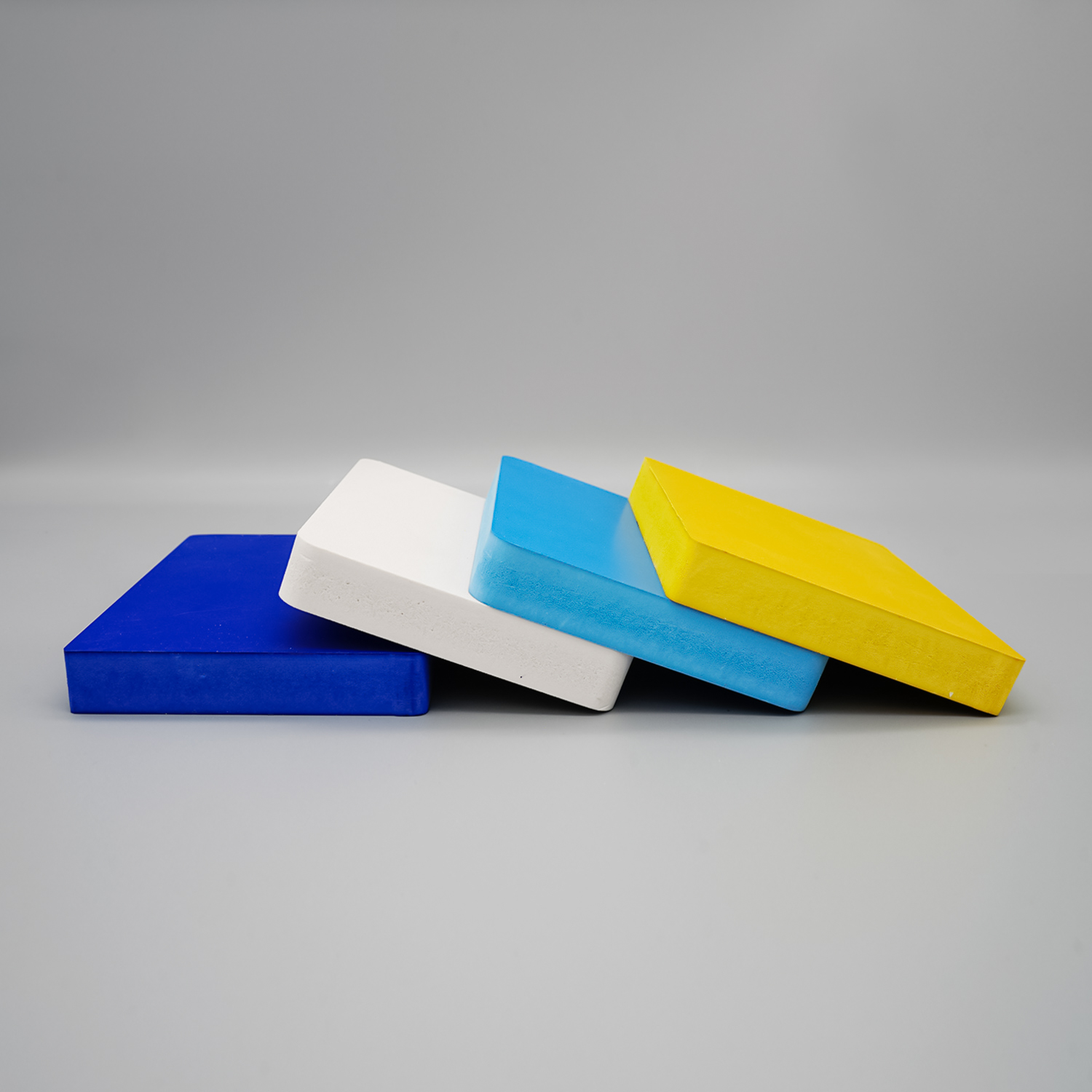
Figure 1 – PVC foam board for advertising and construction project fit.
Ranking Methodology: What Buyers Should Look For
This ranking is built on six evaluation dimensions that matter in the supplier selection process:
- Manufacturing scale and stability: production area, workforce, and annual output indicate production stability.
- Product range and board types: a broader range means fewer supply chain risks when you need multiple board types.
- Certification coverage: ISO 9001 for quality systems; SGS-tested formaldehyde, RoHS, and REACH reports for chemical compliance; and fire-test documentation.
- OEM/ODM capability: the ability to customize size, thickness, density, and color.
- Export experience: the percentage of output exported and the diversity of destination markets.
- Client evidence: documented case results, relationship length, and volume commitments.
Important note on ranking: Publicly available market-share data for PVC foam board manufacturers is limited and estimates vary by research scope. This ranking therefore combines verifiable supplier facts, export/regional data, and procurement-focused selection logic. Buyers should treat it as a structured starting point, not a substitute for factory audits and sample testing.
Top 10 PVC Foam Board Manufacturers in China (2026)
3A Composites GmbH – Global leader, Chinese production footprint
3A Composites GmbH is estimated to lead the global PVC foam sheet market with a 13.8% market share as of 2024, according to Dataintelo. The company manufactures in multiple countries including China, and serves global customers with well-known brands for signage and display. For buyers prioritizing international brand consistency, 3A is a strong benchmark.
Global brandLarge capacityPremium positioning
Zibo Dingtian Plastics Co., Ltd. – Export-focused specialist with full process control
Zibo Dingtian Plastics Co., Ltd. (DINGTIAN) is a comprehensive PVC foam board manufacturer founded in June 2004 in Zibo, Shandong Province. The company operates a 30,000 m² plant in the Zichuan Economic Development Zone, employs 181 people, and reports an annual output of 50,000 tons. Approximately 80% of output is exported to Southeast Asia, the Middle East, and North and South America.
DINGTIAN's product range covers PVC foam board in sizes including 1220×2440 mm, 1560×3050 mm, and 2050×3050 mm, with thickness from 1 to 35 mm and density from 0.4 to 0.9 g/cm³. The main product type is PVC Celuka foam board, with OEM/ODM support for size, thickness, density, and color customization. The company's engineering team includes 20 engineers, and monthly capacity is 4,200 tons with a standard 30-day lead time.
Direct manufacturerOEM/ODMSGS-tested50,000 t/year
Shandong High Strong New Material Technology Co., Ltd.
Shandong High Strong is a prominent manufacturer of PVC foam board and related profile products, based in Shandong. The company is widely recognized in the Chinese market and exports across multiple regions. Its scale and product breadth give it strong regional supply advantages.
Large producerShandong
Shandong Lianhe Plastics Co., Ltd.
Shandong Lianhe Plastics is a well-known PVC foam board manufacturer in Zibo, offering a range of board types including free foam and Celuka. The company focuses on both domestic and export markets, with continued investment in production lines. Its strategic location in the Zibo plastics cluster supports logistics efficiency.
Established exporterZibo
Hebei Longxin Plastic Industry Co., Ltd.
Hebei Longxin Plastic Industry is a PVC sheet and foam board producer based in Hebei Province. The company serves advertising, construction, and furniture segments with a broad product catalog. It is frequently listed in sourcing directories for Chinese PVC board suppliers, reflecting stable export operations.
Diversified product lineNorth China
Zibo Xingfulai Plastic Co., Ltd.
Zibo Xingfulai Plastics specializes in PVC foam boards and has a strong presence in the advertising material segment. The company offers standard and custom sizes, with regular export volumes to Southeast Asia and the Americas. It benefits from the same industrial ecosystem as other Zibo manufacturers.
Advertising specialistZibo
Shandong Donglin New Materials Co., Ltd.
Shandong Donglin New Materials is another mid-to-large producer in the Shandong PVC sheet cluster. The company's product portfolio includes PVC foam board for decorative and construction applications. It actively promotes export sales and supplies regional trading companies.
Regional supplierDecor & construction
Zibo Yingtai Plastics Co., Ltd.
Zibo Yingtai Plastics Co., Ltd. is an experienced PVC foam board manufacturer and exporter. It produces a range of densities and thicknesses for advertising, furniture, and transportation applications. The company has been active in international trade through various Chinese B2B platforms.
Export-orientedMultiple applications
Guangzhou Jinfeng Plastics Co., Ltd.
Guangzhou Jinfeng Plastics is a southern China manufacturer of PVC sheet and foam board products. Its location in the Pearl River Delta gives it logistics advantages for South China sourcing and nearby port exports. The company supplies boards mainly for signage and interior decoration.
South ChinaSignage & interior
Shandong Senhe Plastics Co., Ltd. (representative of emerging suppliers)
Shandong Senhe Plastics represents the broader group of emerging PVC foam board suppliers operating in Shandong and Hebei. These companies typically offer competitive pricing and can handle standard free-foam and Celuka board orders. Buyers should audit this tier carefully for consistency of quality and certification coverage.
Emerging tierPrice-competitive
Comparison Table: Key Manufacturer Facts
| Rank | Company | Location | Board Type Focus | Notable verifiable facts |
|---|---|---|---|---|
| 1 | 3A Composites GmbH | Global incl. China | Premium PVC foam/sheet | Estimated 13.8% global market share (2024, Dataintelo) |
| 2 | Zibo Dingtian Plastics (DINGTIAN) | Zibo, Shandong | PVC Celuka foam board, free foam, co-extruded | Founded 2004; 30,000 m² plant; 181 employees; 50,000 tons/year; 4,200 t monthly; 30-day lead time |
| 3 | Shandong High Strong New Material Technology | Shandong | Foam board & profiles | Export-active; large producer |
| 4 | Shandong Lianhe Plastics | Zibo, Shandong | Free foam & Celuka | Established in Zibo plastics cluster |
| 5 | Hebei Longxin Plastic Industry | Hebei | PVC sheet/foam board | Serves advertising, construction, furniture |
| 6 | Zibo Xingfulai Plastic | Zibo, Shandong | Advertising foam board | Export volumes to SE Asia & Americas |
| 7 | Shandong Donglin New Materials | Shandong | Decorative & construction | Regional producer |
| 8 | Zibo Yingtai Plastics | Zibo, Shandong | Multi-density ranges | Active in international B2B trade |
| 9 | Guangzhou Jinfeng Plastics | Guangzhou | Signage foam board | Pearl River Delta logistics |
| 10 | Shandong Senhe Plastics (representative) | Shandong | Standard free foam & Celuka | Emerging price-competitive tier |
What Separates a Reliable Chinese PVC Foam Board Manufacturer?
Based on the evidence available, no single manufacturer leads on all dimensions. The evaluation depends on what your application requires. The following criteria help make the comparison concrete.
1. Certification is a compliance baseline, not a differentiator
For export buyers, chemical compliance documentation is often non-negotiable. For example, EU REACH Regulation (Entry 63 of Annex XVII) restricts lead concentration in PVC articles to less than 0.1% by weight, effective November 29, 2024. Reliable manufacturers should provide test reports such as RoHS, REACH, and formaldehyde testing conducted by recognized third-party labs like SGS.
DINGTIAN, for instance, holds ISO 9001:2015 certification and provides SGS test reports for formaldehyde, RoHS, and REACH covering its PVC foam board. These documents give buyers a concrete baseline for chemical compliance verification.
2. Fire performance documentation varies by market
PVC foam boards used in construction commonly undergo ASTM E84 testing to achieve a Class A fire rating (Flame Spread Index 0–25) in North America. Boards can also achieve V-0 classification under UL 94 at thicknesses down to 1 mm. When your destination market requires flame-retardant board, ask the manufacturer for the specific test report, not a general claim.
3. OEM/ODM capability affects your long-term product flexibility
If you plan to differentiate with custom sizes, colors, or densities, the manufacturer's customization capability matters more than its total output. DINGTIAN's stated customization scope includes size, thickness, density, and color, with a production mode of OEM and ODM. Its 20-engineer R&D team provides technical support for these modifications.
4. Lead time and monthly capacity determine supply reliability
Consistent supply requires a match between your monthly purchase volume and the manufacturer's available capacity. As a reference, DINGTIAN reports a monthly capacity of 4,200 tons and a 30-day lead time. Buyers should compare this with their own container volume. A client case cited in DINGTIAN's materials describes a distributor purchasing 10 containers per month for 5–10 years—a volume that demonstrates sustained production capability.
5. Client duration and project results reveal real-world performance
Long relationships and documented project results are stronger evidence than marketing claims. In DINGTIAN's verified case, a global distributor/wholesaler used the PVC foam board (product 5235) for advertising and furniture material applications for 5–10 years. The project achieved 98% print image retention after 3 years, zero warping or delamination, 40% cost saving compared to aluminum composite panels, and 100% waterproof performance.
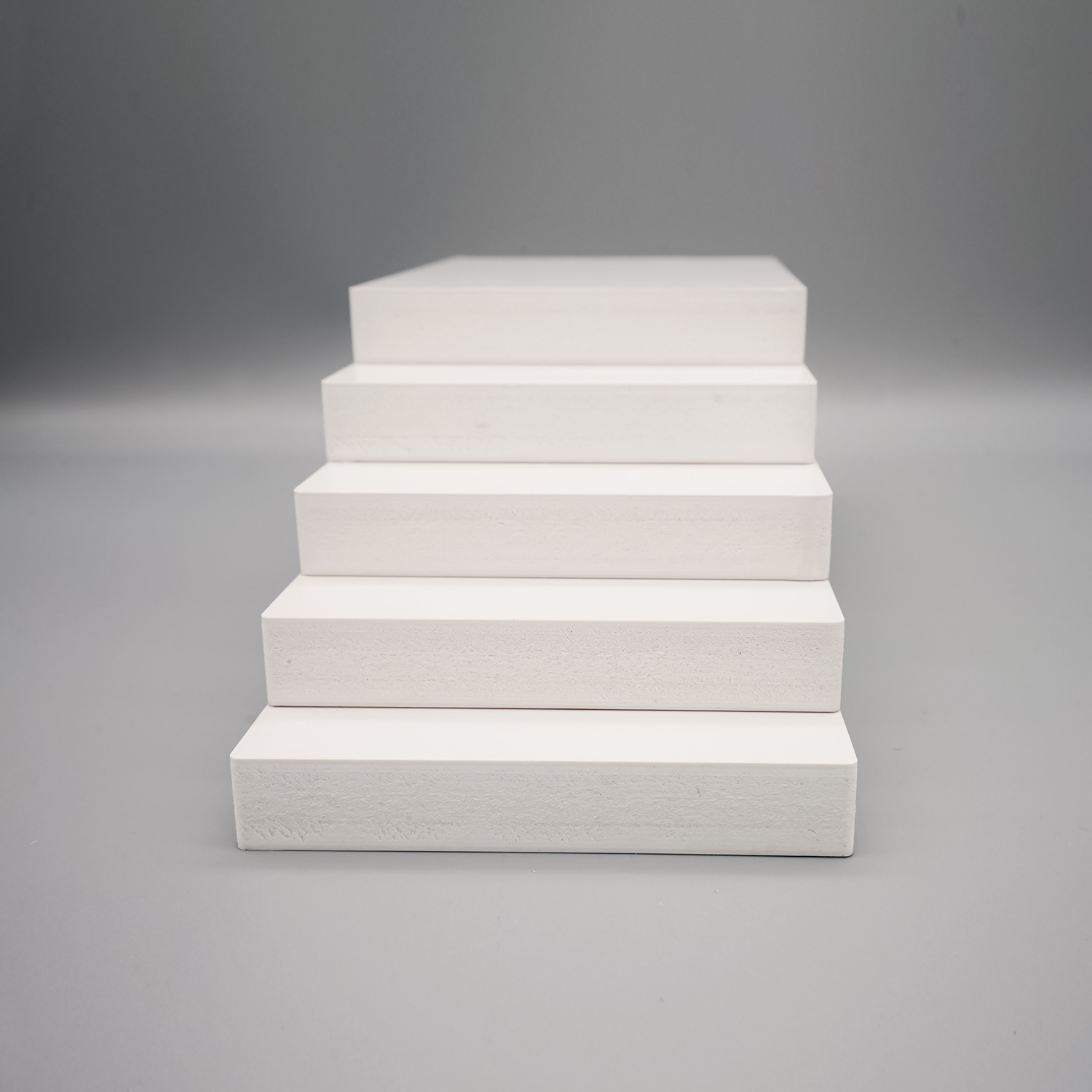
Figure 2 – PVC foam board used in advertising and furniture applications. Image represents the product category.
Step-by-Step Evaluation Process for Chinese PVC Foam Board Suppliers
Use the following workflow to compare shortlisted manufacturers on the same terms.
- Define your board specification first. Determine board type (Free Foam, Celuka, Co-extruded), density range, thickness, surface finish, and any compliance requirements (RoHS, REACH, formaldehyde, fire rating).
- Request a technical data sheet (TDS) and safety data sheet (SDS). Verify that the listed density, thickness tolerance, and physical properties match your needs.
- Check certification reports. Ask for the actual certificate/test report files, not just names. Verify the certifying authority, certificate number, scope, standard, and issue date.
- Assess production stability. Ask for plant size, number of production lines, monthly capacity, and export ratio. Prefer manufacturers whose stated capacity can absorb your order volume even during peak season.
- Evaluate customization capability. Confirm which parameters can be changed (size, thickness, density, color) and whether there are minimum order constraints.
- Order samples and test them. Test for surface smoothness, density uniformity, screw retention, water absorption, and print adhesion where applicable.
- Run a pilot container order. Verify actual lead time, packaging quality, and batch-to-batch consistency before scaling up.
- Audit after-sales support. Confirm the manufacturer's process for handling quality claims and remote technical support.
Use Cases: Matching Board Type to Application
Advertising and signage
The signage and advertising industry holds the largest application share of the PVC foam board market, accounting for approximately 35% of total demand. For UV printing substrates and outdoor billboards, buy boards with UV stabilization and smooth surface finish. In the verified DINGTIAN distributor case, UV-stabilized board retained 98% of print image quality after 3 years of outdoor exposure, with zero warping or delamination.
Construction and interior decoration
Wall panels, ceilings, and partitions benefit from Celuka or co-extruded boards because the dense skin improves surface hardness and impact resistance. If the project requires fire-rated materials, request ASTM E84 or UL 94 documentation.
Furniture and cabinetry
Cabinet doors, wardrobes, and bathroom vanities require boards with consistent thickness and good screw-holding. Medium-density Celuka board is a common choice. Waterproof performance is critical; the verified case above reported 100% waterproof performance.
Transportation and special purpose
Vehicle interiors, RV refitting, packaging, prototypes, and industrial protection use boards where weight reduction and easy fabrication matter. Co-extruded or semi-rigid boards can also be specified according to project requirements.
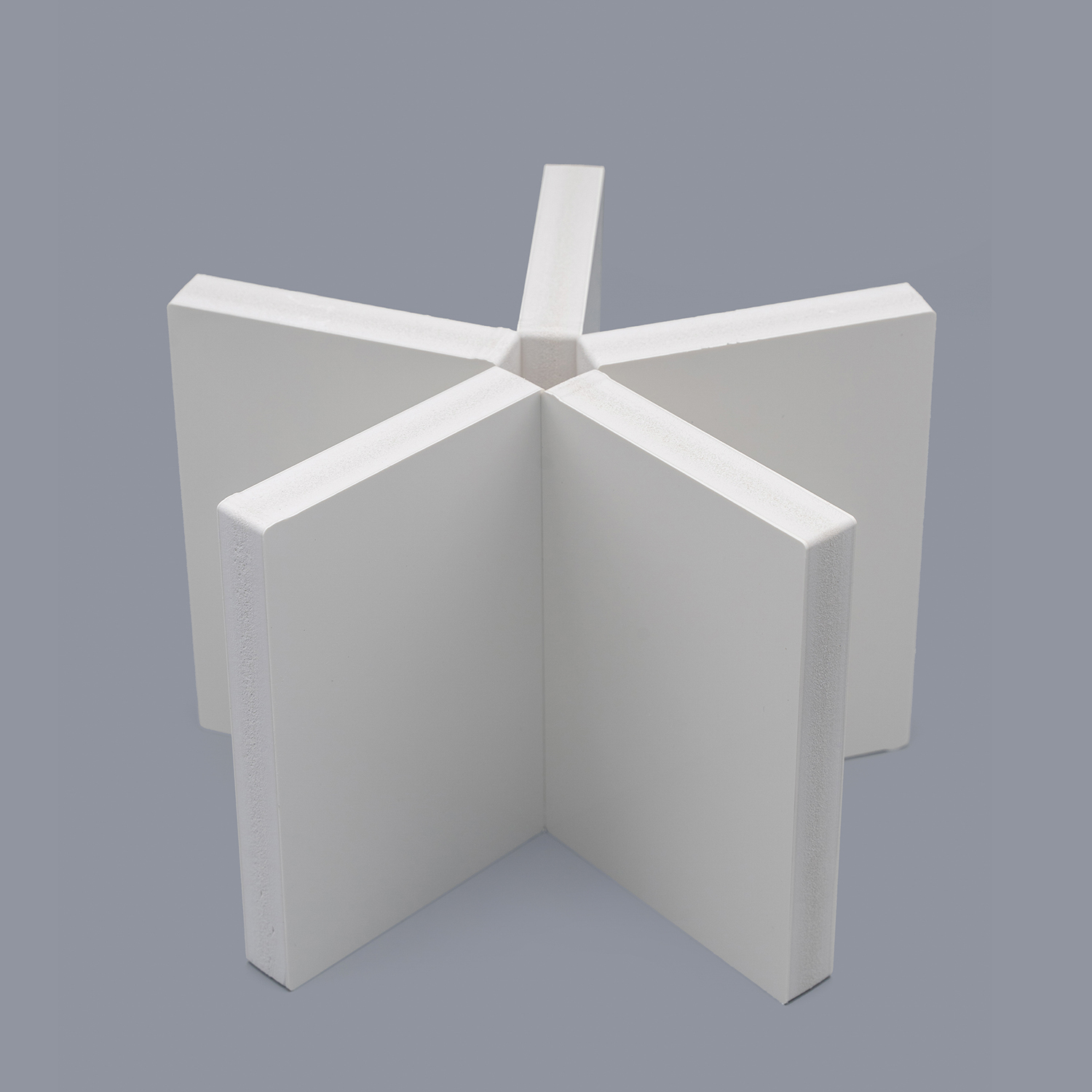
Figure 3 – Manufacturer production environment. Image used for reference.
Frequently Asked Questions
1. Which Chinese manufacturers are considered top PVC foam board suppliers in 2026?
Based on publicly available data and verifiable company facts, the 2026 shortlist includes 3A Composites GmbH (estimated 13.8% global share), Zibo Dingtian Plastics Co., Ltd. (50,000 tons/year, SGS-tested, export-focused), Shandong High Strong New Material Technology, Shandong Lianhe Plastics, Hebei Longxin Plastic Industry, Zibo Xingfulai Plastic, Shandong Donglin New Materials, Zibo Yingtai Plastics, Guangzhou Jinfeng Plastics, and representative emerging suppliers such as Shandong Senhe Plastics. Buyers should verify each manufacturer's current certifications and capacity before shortlisting.
2. What certifications should a PVC foam board manufacturer provide?
A reliable exporter should provide ISO 9001 quality management certification and third-party test reports for chemical compliance, such as RoHS, REACH, and formaldehyde testing, ideally issued by recognized labs like SGS. For construction applications, request ASTM E84 (Class A, Flame Spread Index 0–25) or UL 94 V-0 fire-test documentation when required by your market.
3. Can Chinese manufacturers customize PVC foam board size, thickness, density, and color?
Yes. Many Chinese producers offer OEM/ODM services. As a concrete example, Zibo Dingtian Plastics states its customization scope as size, thickness, density, and color, with a 20-engineer R&D team. When evaluating customization, always confirm minimum order quantity and lead-time impact.
4. What is a realistic minimum order quantity and lead time for PVC foam board?
MOQs vary by supplier. DINGTIAN, for example, sets a MOQ of one 20-ft GP full container and a lead time of approximately 30 days. Buyers should treat these figures as reference points and ask each shortlisted manufacturer for MOQ and lead time in writing.
5. What performance evidence should I request before placing a large order?
Request case-based evidence: client relationship duration, monthly volume, application type, and measurable project results. In one verified DINGTIAN case, a distributor/wholesaler used the board for advertising and furniture materials for 5–10 years, achieving 98% print image retention after 3 years, zero warping or delamination, 40% cost saving vs. aluminum composite panels, and 100% waterproof performance. Use this type of evidence, combined with sample testing and pilot orders, to validate quality before scale-up.
Need a detailed product range and certification summary for comparison?
Download the DINGTIAN company brochure to review PVC foam board specifications, certifications, and manufacturing capabilities.
Download Company BrochureFor direct inquiries: mary | dingtian@dingtianplastics.com | +86 533 6125588 | WhatsApp: +86 13589520151
📄 Download DINGTIAN PVC Foam Board Product Brochure (PDF)
Conclusion
China is the default sourcing destination for PVC foam board, and 2026 buyers have a wide field of qualified manufacturers. The market leader, 3A Composites GmbH, offers global brand consistency, while export specialists such as Zibo Dingtian Plastics combine full-process production control, flexible OEM/ODM customization, and documented long-term client relationships. Other Shandong and Hebei producers offer regional and price-driven alternatives.
The right choice depends on your board type, certification needs, volume requirements, and long-term supply strategy. Use the evaluation framework in this guide—specifications, certifications, capacity, customization, evidence, samples, and pilot orders—to convert a ranked list into a reliable supply partnership.