
Waterproof vs Laminated PVC Foam Board for Cabinets: A Head-to-Head Buyer's Guide
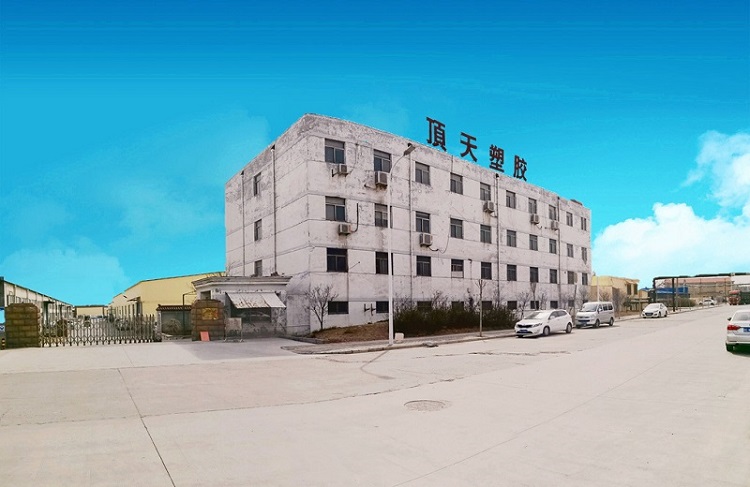
DINGTIAN supports global cabinet and furniture buyers with PVC foam board supply and export coordination.
Cabinet makers and furniture buyers often face a straightforward but high-impact decision: specify a waterproof PVC foam board or a laminated PVC foam board? Both are PVC foam board variants, and both can be used in cabinets. The difference is where and why each board fits. This head-to-head guide compares moisture resistance, surface finish, thickness options, and cabinet applications using verified product data from Zibo Dingtian Plastics Co., Ltd. (DINGTIAN), a PVC foam board manufacturer founded in 2004 in Zibo, Shandong, China. It also covers certification checks, purchasing terms, and long-term supply considerations for buyers in Southeast Asia, the Middle East, and South-North America.
Problem Definition: Why Cabinet Buyers Must Separate Moisture Resistance from Surface Finish
The core problem is not 'which board is better.' It is which board fits the cabinet part. A kitchen or bathroom cabinet has at least two different performance zones. The carcass, shelves, and bottom panels face moisture, cleaning chemicals, and occasional water exposure. Doors and visible side panels face scratching, color matching, and daily wiping. A waterproof PVC foam board is designed around the first problem. A laminated PVC foam board is designed around the second. Using one board type for both jobs can either raise cost unnecessarily or leave visible surfaces vulnerable.
Industry Background: PVC Foam Board Demand and Cabinet-Grade Variants
PVC foam board is used in advertising, furniture, printing, construction, vehicle and ship upholstery, and industrial manufacturing. Market research estimates the global PVC foam sheet market at USD 2.28 billion in 2024, with a projected 4.99% CAGR from 2025 to 2035. Signage accounts for about 35% of demand. For cabinet applications, buyers should focus on density and process type rather than general market growth.
Two density references are useful. PVC free foam board is commonly listed at 0.4-0.6 g/cm³ for UV printing and mounting. PVC Celuka foam board is commonly listed at 0.55-0.8 g/cm³ for furniture and cabinets. DINGTIAN reports a broader PVC foam board density range of 0.32-1.0 g/cm³ and thickness options from 1 mm to 35 mm. These ranges help buyers frame an inquiry, but they do not replace a grade-specific specification.
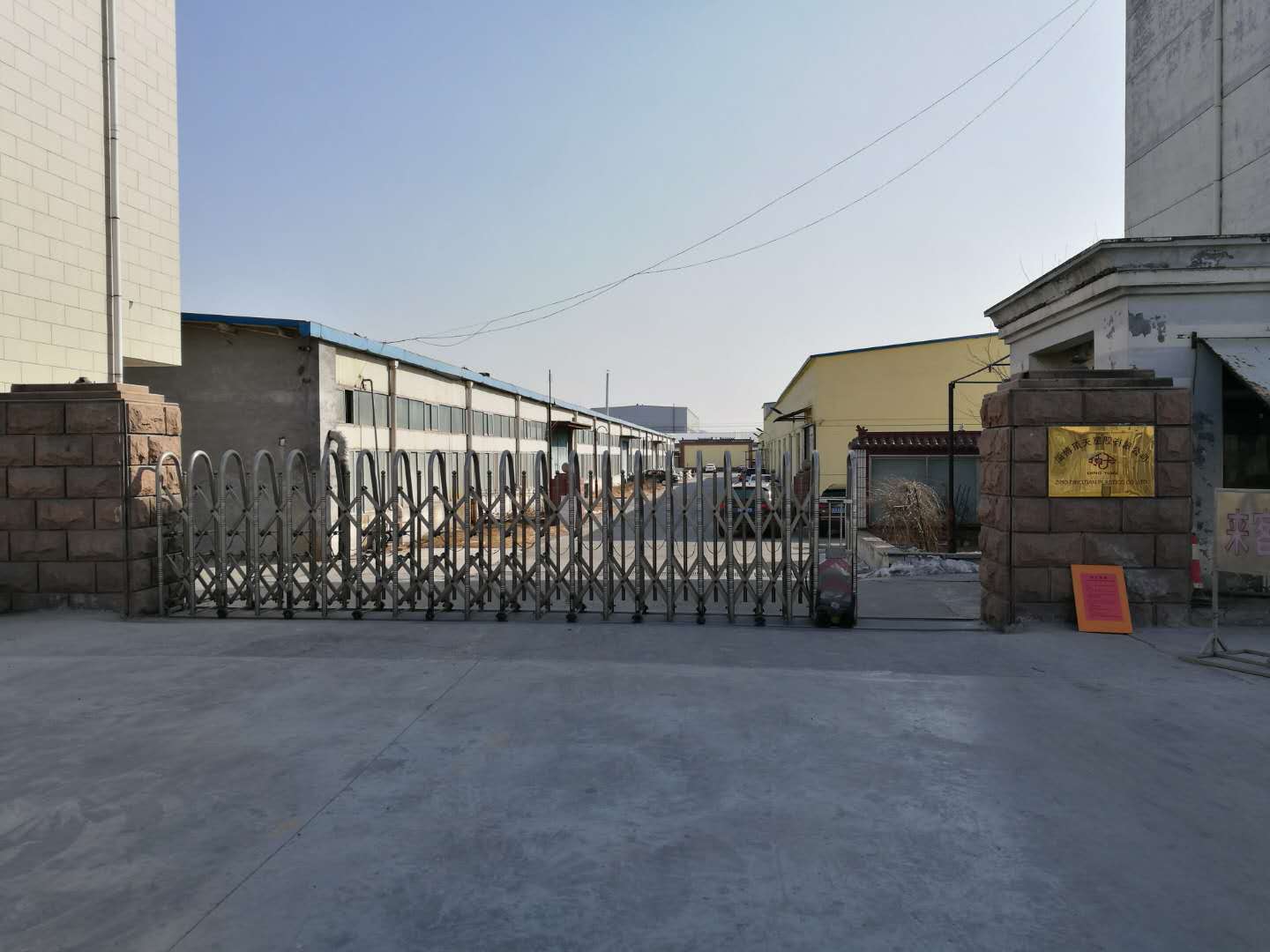
DINGTIAN production line for PVC foam board used in furniture and cabinet applications.
Detailed Solution: Waterproof vs Laminated PVC Foam Board
Waterproof PVC Foam Board for Cabinet Carcasses and Wet Areas
Waterproof PVC foam board is the stronger choice when the cabinet structure will be exposed to moisture. PVC foam board has a water absorption of 0% compared with 8-15% for plywood. It also weighs about 50% less than plywood, has a service life about 3x longer outdoors, and can be installed up to 60% faster. These figures come from a product comparison against plywood, not from a claim that all PVC foam boards perform identically. The practical cabinet benefit is that the board does not require sealing or painting, is washable with water, and resists warping or shrinking.
For bathroom vanities, kitchen base cabinets, laundry cabinets, and other wet-area carcasses, the buyer should confirm density and edge treatment. DINGTIAN's PVC Celuka foam board is positioned for furniture and cabinet use at 0.55-0.8 g/cm³. A higher density helps with screw holding and panel rigidity, but it also affects weight and cost. The buyer should state the cabinet part, hardware type, and expected load before choosing density.
Laminated PVC Foam Board for Cabinet Doors and Visible Panels
Laminated PVC foam board is a separate product category. DINGTIAN lists free foam, Celuka, co-extruded, and lamination foam board as part of its PVC foam board portfolio. The lamination adds a decorative surface layer, which makes the board suitable for visible cabinet doors, side panels, and retail display cabinets where color and finish matter.
Surface finish is where laminated board creates value. DINGTIAN offers glossy and matte finishes and colors including white, red, yellow, blue, green, and black. A high-gloss surface can support modern cabinet designs, while matte surfaces reduce glare and hide fingerprints. The trade-off is that the laminated surface must be protected during fabrication and installation. Buyers should confirm the lamination bond, edge-sealing method, and cleaning instructions before ordering.
Thickness, Sheet Size, and Density: What to Confirm Before Quotation
DINGTIAN reports PVC foam board thickness from 1 mm to 35 mm. Standard sheet sizes include 1220×2440 mm, 915×1830 mm, 1560×3050 mm, and 2050×3050 mm. For cabinets, 1220×2440 mm is the most common starting format because it matches many panel-cutting workflows and container loading plans. The correct thickness depends on the cabinet part: thin panels for doors and decorative layers, thicker panels for carcasses, shelves, and load-bearing structures.
Laminated PVC foam board availability should be confirmed by thickness and density. The product category is listed, but exact thickness combinations can vary by order. Buyers should not assume that every thickness in the 1-35 mm range is available in every lamination finish. The quotation should state thickness, density, sheet size, color, finish, lamination type, and tolerance.
Certification check: DINGTIAN's product page identifies the material as PVC. For cabinet projects, buyers should request ISO 9001, REACH, RoHS, and formaldehyde documentation where applicable. A certificate logo alone is not enough. Ask for the certificate number, issuing body, scope, and validity date. Verified third-party data notes that fire, RoHS, REACH, and ISO claims require traceable certificates and test reports before they can be treated as market-access evidence.
Step-by-Step Breakdown: How to Choose and Purchase Cabinet-Grade PVC Foam Board
- Define the cabinet part and moisture exposure. Separate carcass, shelves, doors, and visible panels. Mark which parts will be in wet areas.
- Choose the board type. Use waterproof PVC foam board for carcasses, shelves, and wet zones. Use laminated PVC foam board for doors and visible decorative panels.
- Confirm density. For cabinet use, start with the Celuka range of 0.55-0.8 g/cm³. For signage or lightweight display parts, free foam at 0.4-0.6 g/cm³ may be more suitable. DINGTIAN's overall density range is 0.32-1.0 g/cm³.
- Confirm thickness and sheet size. DINGTIAN reports 1-35 mm thickness and standard sheets including 1220×2440 mm. Check cutting yield and container utilization.
- Verify surface requirements. Choose glossy or matte finish and confirm color. DINGTIAN lists white, red, yellow, blue, green, and black among its options.
- Request certification and test documents. Ask for ISO 9001, REACH, RoHS, and formaldehyde documentation when the destination market requires it. Match the certificate scope to the actual board grade.
- Validate a sample. Test screw holding, edge machining, moisture exposure, and lamination adhesion. DINGTIAN offers second thermoforming and cutting services for buyers who need downstream processing.
- Confirm commercial terms. DINGTIAN reports MOQ of 1x20ft GP full container, delivery terms FOB/CIF/EXW, and payment terms of 30% T/T in advance with 70% T/T against copy of B/L. Acceptance criteria include pre-shipment test and third-party inspection such as SGS.
- Plan loading and unloading. PVC foam board can be damaged if handled poorly. DINGTIAN's risk-control procedure includes special loading and unloading tools, operator training, and on-site supervision to reduce board breakage.
- Plan production and supply. DINGTIAN reports monthly production capacity of 4200 tons and a typical production lead time of 30 days. Export markets include the EU, Middle East, Southeast Asia, South America, North America, Africa, and others.
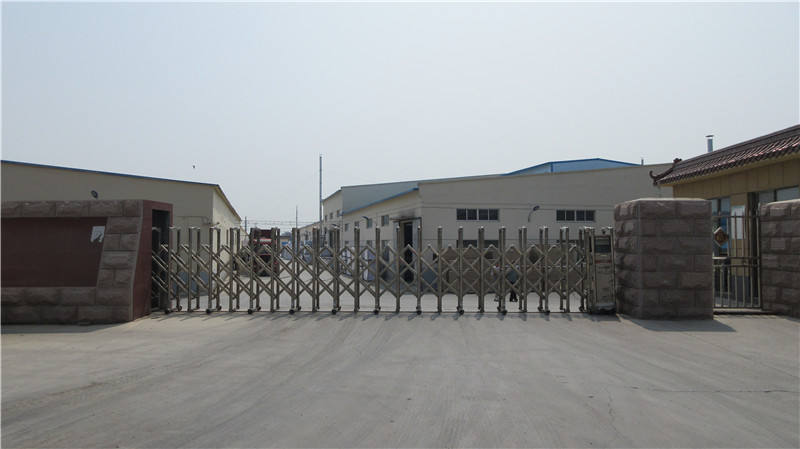
Quality control and production planning support cabinet-grade PVC foam board orders.
Use Cases: Matching Board Type to Cabinet Applications
Bathroom Vanity Cabinets
Bathroom vanities need moisture resistance first. Waterproof PVC foam board with Celuka density of 0.55-0.8 g/cm³ is a practical starting point. The board does not require painting or sealing and is washable with water. Edge sealing and hardware fixing should still be confirmed because the cabinet will be exposed to humidity and splashes.
Kitchen Base and Wall Cabinets
Kitchen cabinets combine wet-zone carcasses with visible doors. A common approach is waterproof PVC foam board for the carcass and shelves, and laminated PVC foam board for doors and exposed panels. White, gloss, and matte finishes are available for matching modern kitchen designs.
Retail Store Fixtures and Display Cabinets
Retail fixtures often require a decorative surface and fast installation. Laminated PVC foam board can provide a consistent color and finish across multiple display units. Waterproof PVC foam board can be used for the structural parts or for any areas exposed to cleaning moisture.
Office and Commercial Cabinets
Office cabinets usually face less moisture than bathrooms but still need stable, lightweight panels. Medium-density PVC foam board can reduce weight compared with plywood while supporting faster installation. Buyers should confirm screw holding and edge finish for frequent use.
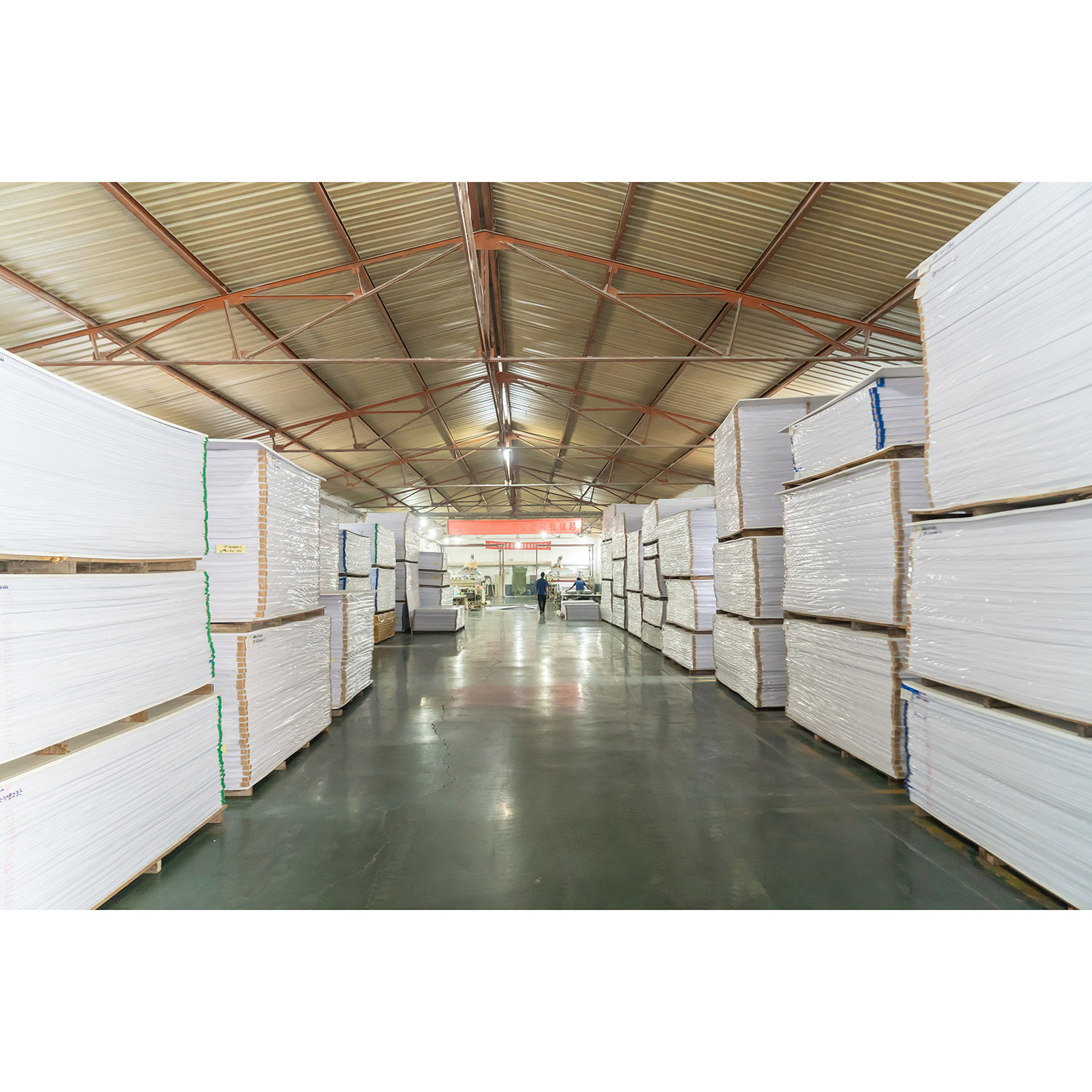
PVC foam board stock and order preparation for cabinet and furniture projects.
Comparison Table: Waterproof vs Laminated PVC Foam Board for Cabinets
| Decision Factor | Waterproof PVC Foam Board | Laminated PVC Foam Board | What to Confirm |
|---|---|---|---|
| Core moisture resistance | Water absorption 0% vs 8-15% for plywood; no sealing or painting needed; washable with water; no warping or shrinking | Uses a PVC foam board base; the decorative layer changes the surface, not the core | Edge sealing, seam treatment, and moisture exposure in the finished cabinet |
| Surface finish | Smooth and hard surface; best when the board is painted, covered, or hidden inside the carcass | Decorative surface available in glossy and matte finishes; colors include white, red, yellow, blue, green, and black | Gloss level, color tolerance, lamination bond, and cleaning method |
| Best cabinet use | Carcass, shelves, wet-area bases, bathroom and kitchen structural panels | Doors, visible side panels, retail displays, decorative fronts | Whether the part is visible and whether it contacts moisture directly |
| Thickness and format | DINGTIAN reports 1-35 mm overall; standard sheets include 1220×2440 mm | Availability should be confirmed by thickness and density; standard sheet 1220×2440 mm is a common base format | Exact thickness, density, sheet size, cutting yield, and container loading |
| Maintenance | No sealing or painting; washable with water; no warping or shrinking | Surface should be cleaned according to the lamination specification | Cleaning agents, abrasion resistance, and repair options for damaged edges |
| Cost reference | Compared with plywood, PVC foam board unit price is 20-30% higher, but total project cost can be 15% lower because no painting, no maintenance, faster installation, and lighter transport are required. | Landed cost, MOQ, packaging, and waste rate | |
| Certification and compliance | DINGTIAN's product page identifies the material as PVC. Buyers should request ISO 9001, REACH, RoHS, and formaldehyde documentation when the destination market requires it. | Certificate number, issuing body, scope, validity date, and grade-specific test reports | |
FAQ: Waterproof vs Laminated PVC Foam Board for Cabinets
1. Is waterproof PVC foam board suitable for bathroom cabinets?
Waterproof PVC foam board has water absorption of 0% compared with 8-15% for plywood. It does not require sealing or painting and is washable with water. It also resists warping and shrinking. For bathroom cabinets, DINGTIAN's PVC Celuka foam board at 0.55-0.8 g/cm³ is positioned for furniture and cabinet applications. Buyers should confirm thickness, edge treatment, and hardware fixing details before production.
2. What is the difference between waterproof and laminated PVC foam board for cabinet doors?
Waterproof PVC foam board focuses on moisture resistance and a smooth, hard surface. Laminated PVC foam board is a separate product category that adds a decorative surface layer. DINGTIAN lists free foam, Celuka, co-extruded, and lamination foam board in its portfolio. DINGTIAN offers glossy and matte finishes and colors including white, red, yellow, blue, green, and black. For cabinet doors, laminated board is typically chosen for visible surfaces, while waterproof board is used for carcasses and wet areas.
3. What purchasing terms and acceptance criteria should cabinet buyers confirm?
DINGTIAN reports MOQ of 1x20ft GP full container, delivery terms FOB/CIF/EXW, and payment terms of 30% T/T in advance with 70% T/T against copy of B/L. Acceptance criteria include pre-shipment test and third-party inspection such as SGS. Buyers should also confirm thickness tolerance, density, color, lamination adhesion, and packaging in the order specification.
4. How can buyers validate a sample before a long-term cabinet board order?
Request samples in the target thickness and density. DINGTIAN reports density of 0.32-1.0 g/cm³ and thickness from 1 mm to 35 mm across its PVC foam board range. For cabinet applications, test screw holding, edge machining, moisture exposure, and surface finish. For laminated boards, check the lamination bond and color consistency. DINGTIAN offers second thermoforming and cutting services for buyers who need further processing.
5. How long does production take for a container order, and how do buyers secure long-term supply?
DINGTIAN reports monthly production capacity of 4200 tons and a typical production lead time of 30 days. Export markets include the EU, Middle East, Southeast Asia, South America, North America, Africa, and others. For long-term PVC foam board supply in China, buyers should confirm capacity allocation, lead time by SKU, payment terms, and acceptance criteria. To request a sample, quotation, or current catalog, contact DINGTIAN at dingtian@dingtianplastics.com or download the brochure.
Conclusion: Choose by Cabinet Part, Then Verify the Supply Terms
Waterproof PVC foam board and laminated PVC foam board are not competing for the same cabinet job. Waterproof board solves moisture resistance for carcasses, shelves, and wet-area cabinets. Laminated board solves surface finish for doors, visible panels, and retail displays. The best cabinet specification often uses both: a waterproof Celuka PVC foam board for the structure and a laminated PVC foam board for the visible surface.
Before confirming a long-term order, verify grade-specific density, thickness, sheet size, finish, lamination bond, and certification documents. Confirm MOQ, lead time, payment terms, and acceptance criteria. DINGTIAN, founded in 2004 in Zibo, Shandong, China, reports monthly production capacity of 4200 tons and export markets including the EU, Middle East, Southeast Asia, South America, North America, and Africa. Buyers can use these facts as a starting point for supplier qualification, then validate every claim with samples, test reports, and third-party inspection.
Next step for cabinet board buyers: Request a waterproof or laminated PVC foam board sample, ask for a quotation, or download the DINGTIAN product brochure.
Email: dingtian@dingtianplastics.com | Website: www.dingtianpvc.com | Blog: blog.dingtianpvc.com
Brochure: Download the DINGTIAN brochure
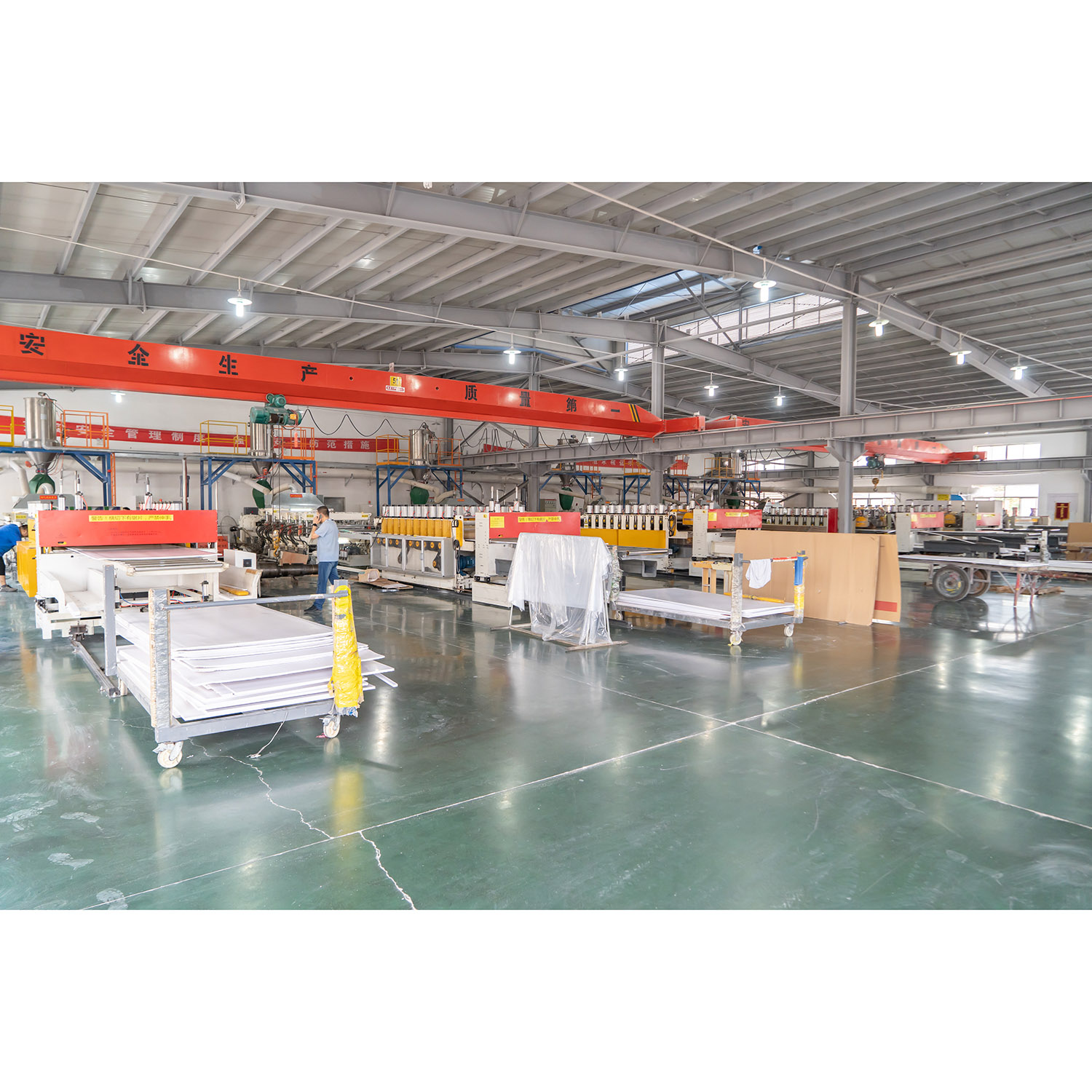
DINGTIAN factory support for long-term PVC foam board supply.
Have Questions or Need More Details?
Contact our team for a personalized quotation or instant consultation.
Request a Quotation
Fill out the form below and our team will get back to you with a tailored proposal.
WhatsApp Direct Chat
Prefer to chat in real-time? Message us on WhatsApp for instant assistance & quick answers.
- Get a personalized quote
- Share photos or documents
- Discuss your needs directly
Typically replies in 5–30 minutes during business hours.