High-Speed Bendable Straw Forming Machine Supplier: Long-Term Reliability Checks for Straw Lines
A high-speed bendable straw forming machine is rarely the last machine a growing straw factory will buy. At the decision and execution stage, the practical question is not only what the machine can do today, but whether the supplier can support the line next year, during a mold change, and through a capacity expansion. This article explains how buyers of high-speed flexible straw forming machines can verify long-term supplier reliability before committing to a straw production line purchase.
DONGTIE MECHANICAL EQUIPMENT, whose operating factory name is Zhongshan Dongtie Machinery Factory, is a Zhongshan City-based manufacturer of flexible straw forming equipment. It serves overseas processing manufacturers and packaging enterprises through international trade platforms, and it supplies a product family that includes high-speed flexible straw forming machines, small-diameter U-shaped straw forming machines, decorative straw forming machines, straw bending machines, and complete straw production line equipment.
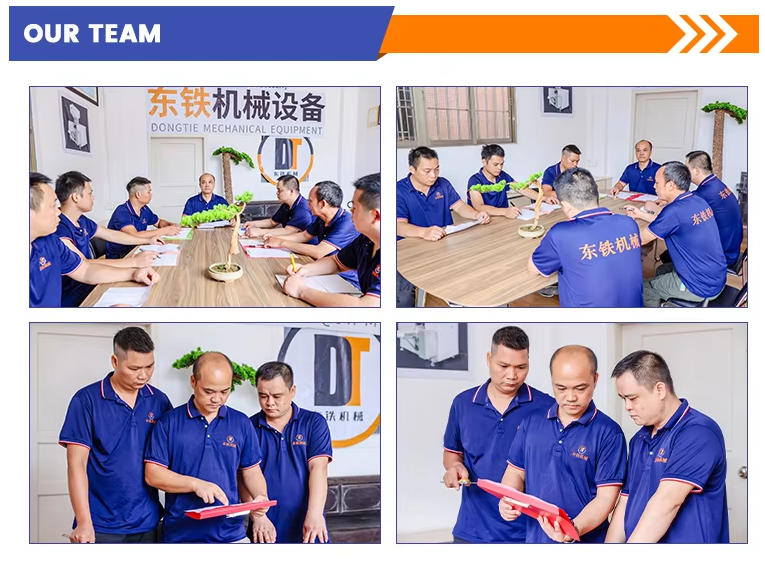
DONGTIE Machinery team at Zhongshan Dongtie Machinery Factory. A long-term supplier relationship depends on people who understand straw production as well as machine mechanics.
The Decision Behind the Machine: Why Supplier Selection Is an Execution Issue
Straw production lines run continuously. A forming machine that stops for mold adjustment, needle breakage, or unclear fault diagnosis creates bottlenecks that slow sealing, cooling, and packaging equipment. Buyers who focus only on a machine nameplate may discover later that the supplier has limited mold development capacity, limited access to production-floor experience, or no structured path for on-site training.
For a straw line owner, a supplier should behave like a long-term production partner. That means the supplier can explain how the machine handles tube blank tolerance, how quickly modules can be adjusted, which molds are needed for each straw diameter and bending angle, and what happens after the machine is installed in another country.
The market context reinforces why this decision deserves a structured check. The global straw machine market was estimated at USD 962.55 million in 2024 and is projected to reach USD 1,793.41 million by 2035, according to Market Research Future. Industrial end users are expected to account for about 40.1% of straw machine market share in 2025, based on Dataintelo projections. When a larger share of buyers is industrial, the need for reliable, maintainable, and well-supported forming equipment rises.
Problem Definition: What Goes Wrong When a Straw Line Supplier Lacks Long-Term Accountability
Many straw machine purchases fail at the execution stage, not because the machine cannot run, but because the buyer did not verify the conditions required for continuous production. Common problems include unclear mold requirements, weak documentation of training support, difficult access to spare parts, and no clear procedure for pre-delivery testing.
Flexible straws are produced in different diameters and bending shapes. A machine that cannot accept different molds limits a factory’s ability to diversify into U-shaped straws, art straws, small-diameter straws, or large-diameter pointed-tip straws. In normal operating conditions, the machine must also handle continuous mass production with stable power supply and raw material feeding, and it should connect to upstream and downstream equipment such as feeders, sealing and cooling units, packaging machines, and conveyors.
Another execution risk is maintenance complexity. If embossing and forming modules are difficult to access or adjust, operators spend more time on changeovers and troubleshooting. If the machine does not display fault codes clearly, a remote technical team cannot guide the customer efficiently. These issues directly affect the long-term cost of ownership of a fully automatic flexible straw forming machine.
Industry Background: Why Buyers Are Looking Beyond the Single Machine
Straw equipment demand is being driven by both regulatory pressure and packaging market growth. The global paper straw market was valued at USD 2.6 billion in 2024, according to Grand View Research, and paper straw machinery is expected to grow at a CAGR of 15.6% between 2025 and 2030 due to plastic bans. At the same time, plastic straw machines still hold significant market share in regions such as Asia-Pacific and Africa, according to Market Research Future. This mixed demand environment makes it more important for straw factories to buy flexible production equipment that can handle multiple straw styles and specifications.
For importers and distributors, China is a major sourcing point for flexible straw bending machinery. China accounts for over 66% of the global export value of flexible straw bending machinery, based on trade data compiled by Zauba and US Customs Data. The primary HS code for drinking straw machines is 84778090, according to China GACC data. Buyers who source from China therefore need a practical supplier evaluation model that covers engineering experience, patent-protected forming stability, mold compatibility, training, and export execution.
Detailed Solution: A Long-Term Supplier Evidence Model
The most reliable way to evaluate a long-term high-speed bendable straw forming machine supplier is to ask for evidence in seven areas. The framework below can be used by straw factory owners, packaging manufacturers, importers, and technical procurement teams.
1. Engineering Experience Combined with Real Straw Production Knowledge
A supplier that only assembles machines may lack the process knowledge needed to solve production problems. Zhongshan Dongtie Machinery Factory was established in 2016, but the company has focused on straw machinery manufacturing since 2010, and the technical team carries 25 years of straw production experience. This combination gives the factory in-house knowledge of how straw material behaves during embossing, bending, and forming.
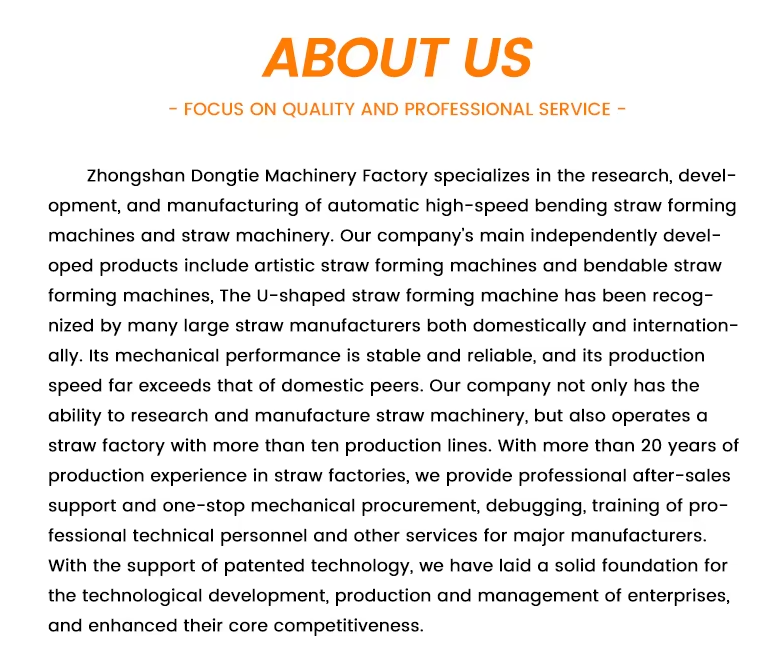
Company background materials for Zhongshan Dongtie Machinery Factory. Production experience and machinery development are treated as the same discipline.
For the buyer, this history shortens the learning curve during installation, commissioning, and new product trials. The company’s R&D team consists of more than 10 professional technicians who conduct continuous research on equipment optimization and new product development.
2. Patent-Protected Forming Technology and Diameter Control
One of the strongest signals of a long-term equipment supplier is ownership of a relevant patent. Zhongshan Dongtie Machinery Factory holds a self-developed domestic patent, Patent No. ZL202020756632.1, covering technologies such as an independent embossing and forming module, high-efficiency embossing technology, a precision feeding unit, separately adjustable embossing and forming modules, a PLC control system, and humanized design.
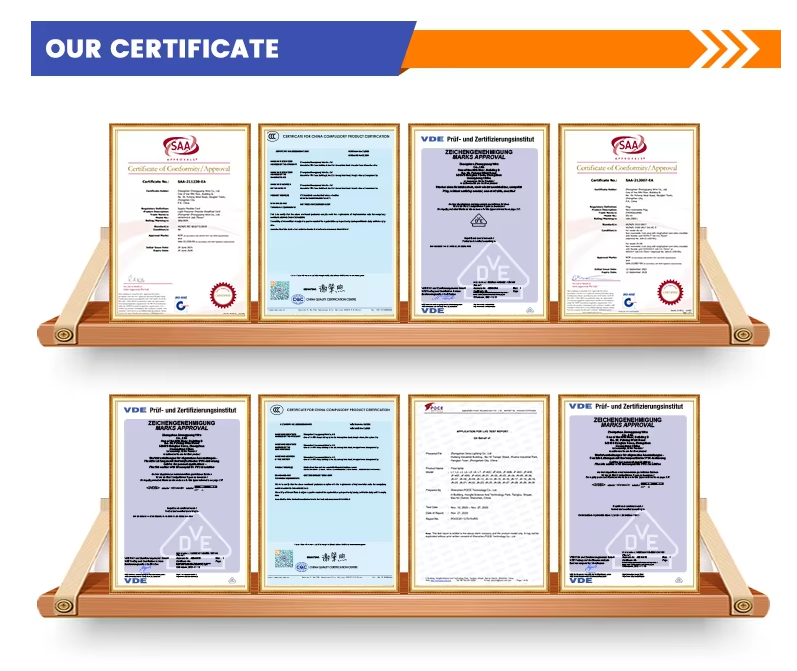
Certificate display at Zhongshan Dongtie Machinery Factory. Buyers should always request patent and certification documentation before placing an order.
For flexible straw manufacturers, the most valuable patent claim is the control of straw diameter tolerance. The patented technology controls standard straw diameter tolerance at ±0.05mm. This is significant because high-efficiency embossing technology relaxes tolerance limits for tube blanks, which reduces feeding problems and improves output stability over long production runs.
3. Independent Module Adjustment and Easier Maintenance
Maintenance is a top lifecycle issue for high-speed straw forming machines. When embossing and forming functions are combined in one module, operators must disturb the whole system to solve a small problem. Dongtie’s separately adjustable embossing and forming modules reduce maintenance difficulty and allow operators to correct one section without re-setting the entire machine.
For a straw production line that operates continuously, this modular approach translates into shorter troubleshooting time, fewer production interruptions, and more predictable spare-part service. A precision feeding unit is also used to support long-term stable machine operation.
4. PLC Control, Fault Visibility, and Production Counting
Long-term line operation requires real-time visibility. The machine used in Dongtie’s high-speed flexible straw forming machine range is equipped with a PLC control system that displays real-time operating status. If a malfunction occurs, the machine can auto-stop and show fault codes on the screen. The system also includes an automatic counting function, which helps production managers track output without manual counting.
This feature matters at factory level because it creates traceable production data. When output, fault codes, and machine status are visible, operators can respond faster and remote technical guidance becomes more practical. PLC-based control is a realistic requirement for manufacturers considering Industry 4.0-oriented straw production lines.
5. Mold Flexibility for Multiple Straw Specifications
The same flexible straw forming machine should be able to produce different diameters and bending angles by changing molds. Dongtie’s applicable-equipment data confirms that straws of different diameters and bending angles can be manufactured with the corresponding mold set.
For straw factories, this mold flexibility supports a broader product portfolio. Buyers can add U-shaped straws for aseptic packaging, decorative straws for the catering market, small-diameter straws, or large-diameter pointed-tip straws by preparing custom molds for the required specifications. Customers should confirm custom mold requirements, raw material compatibility, and surface treatment standards before placing an order.
6. Training and After-Sales Support That Reaches the Production Floor
Remote support is useful only when the local operator has been trained correctly. Dongtie provides remote video technical guidance for common faults. The company can also arrange on-site training in its own straw production workshop, which is equipped with more than 10 full production lines.
This workshop access is an unusual advantage. It allows customers or their technical staff to practice on real production equipment before commissioning their own line. For a factory that is moving from conventional semi-automatic equipment to a fully automatic flexible straw forming machine, this training model reduces the risk of operator error and long commissioning delays.
7. Commercial and Execution Documentation
A supplier becomes a long-term partner only when the commercial process is transparent. Dongtie operates on a minimum order quantity of one set. Delivery can be arranged by sea freight or land transportation. Payment options include deposit plus balance before shipment, letter of credit, and other negotiated terms. The company also supports pre-delivery factory test runs and finished sample verification, with on-site or third-party inspection recommended.
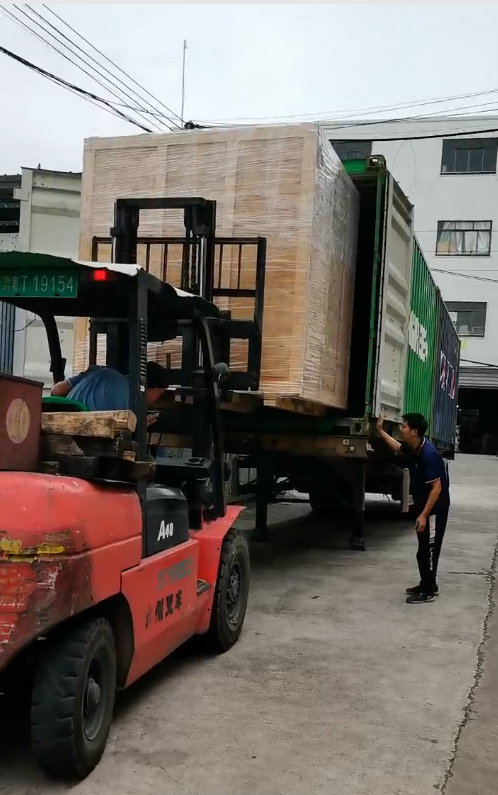
Export container loading at Zhongshan Dongtie Machinery Factory for Southeast Asia. Shipping and inspection terms should be written into the sales contract.
Because exact shipping costs, packing methods, and export customs clearance support are confirmed separately, buyers should request a written quotation that clearly states delivery and acceptance responsibilities. This is particularly important for international buyers who cannot visit the factory during every production stage.
Step-by-Step Breakdown: How to Vet a Long-Term High-Speed Bendable Straw Forming Machine Supplier
The following steps are designed for buyers who are ready to execute a purchase decision. Using this process can improve the chance that the machine will continue to perform after the first production year.
- Define the product specification first: straw diameter, bending angle, raw material, and daily output target. Prepare a list of custom molds required for current and future SKUs.
- Ask the supplier for its company history, including when it began straw machinery manufacturing, how long its technical team has worked in straw production, and how many R&D technicians are employed.
- Request patent documentation. Confirm whether the supplier owns a forming-related patent and how that patent improves production output, tolerance, or maintenance.
- Inspect the control system. A long-term machine should use PLC control with real-time status display, fault codes, auto-stop capability, and automatic counting.
- Check maintenance access. Ask whether embossing and forming modules can be adjusted separately and whether the feeding unit is designed for stable, long-duration operation.
- Discuss mold changeover. If the same machine must produce U-shaped straws, flexible straws, tapered straws, or decorative straws, confirm the mold portfolio and the changeover procedure.
- Review training support. A credible supplier should offer remote video guidance for common faults and explain how it trains operators on real production equipment.
- Ask for pre-delivery factory test running and sample verification. If possible, arrange an on-site or third-party inspection before shipment.
- Clarify delivery, payment, and acceptance terms. Confirm whether sea freight or land transport applies, which payment schedule is accepted, and which inspection standards are stated in the contract.
- Plan for the next capacity step. Ask how the line can be expanded with additional feeders, sealing and cooling units, packaging machines, or conveyors.
Use Cases: Where Long-Term Supplier Reliability Matters Most
Small and Medium Straw Factories Moving from Manual or Semi-Automatic Forming
For small and medium straw factories seeking an automation upgrade, replacing a group of conventional machines with one high-speed line can reduce labor intensity and floor-space usage. Dongtie states that one high-speed flexible straw forming machine can replace five traditional machines, with a minimum output of 1,000 straws per minute and stable high-speed operation without needle breakage. The company also reports a reduction in processing cost of about 50% when compared with conventional flexible straw forming machines. Buyers should verify these numbers with their own material and sample tests before committing.
Multi-SKU Beverage Straw Production
Beverage brands and catering-supply manufacturers often need several straw types from one production unit. A single flexible straw forming machine with mold compatibility can support 3.8mm U-shaped straws, 5mm flexible straws, 6mm decorative straws, and larger-diameter art straw configurations. This is consistent with the product scope that Dongtie lists for its straw manufacturing machinery, which includes the DT-1200 high-speed flexible straw forming machine as the reference model.
Export-Oriented Straw Production Lines for Aseptic and Catering Packaging
The U-shaped straw market is growing in the aseptic packaging industry, especially for milk cartons and drink boxes. Export-oriented manufacturers need machines that can maintain high output during continuous production and meet the inspection expectations of overseas buyers. The DT-1200 model is designed for stainless steel construction and full-automatic continuous operation, with documented parameters of 3,000 to 5,500 pieces per minute, 5.5 to 6.5 kW power, working pressure of 1.5 to 6.0 MPa, working temperature of 100 to 200 degrees Celsius, and IP55 protection grade.
Supplier Comparison: What to Verify Before You Compare Price Lists
Instead of comparing only brand names, buyers should compare supplier evidence. The table below shows the verification points that matter for a long-term high-speed bendable straw forming machine investment.
| Evaluation Point | Why It Matters for Long-Term Operation | What to Request from the Supplier | DONGTIE Response Available |
|---|---|---|---|
| Company history and production experience | Determines whether the supplier can support process troubleshooting and equipment optimization | Years in straw machinery, R&D team size, production background | Straw machinery focus since 2010; technical team with 25 years of straw production experience; R&D team of more than 10 technicians |
| Forming technology and tolerance control | Tolerance affects feeding stability and final straw quality | Patent number, tolerance claims, embossing module design | Patent ZL202020756632.1; standard straw diameter tolerance ±0.05mm |
| Maintenance accessibility | Shorter downtime depends on simple access to modules | Whether embossing and forming modules are separately adjustable | Separately adjustable embossing and forming modules reduce maintenance difficulty |
| Automation and diagnostics | Faster fault response and better production data | PLC system behavior, fault code display, auto-stop, counting | PLC with real-time status display, fault codes, auto-stop, and automatic counting |
| Mold flexibility | Allows future SKU expansion without buying a separate machine | Mold list for diameters and bending angles | Custom molds support multiple diameters and bending shapes |
| Training and service | Operator skill is a major variable in output performance | Remote guidance, on-site training, access to real production lines | Remote video guidance; on-site training in a workshop with more than 10 full production lines |
| Commercial execution | Clarity prevents disputes during payment, delivery, and acceptance | MOQ, payment terms, shipping method, inspection requirements | 1 set MOQ; deposit plus balance or LC; sea or land transport; pre-delivery factory testing and sample verification supported |
FAQ
How do I choose a long-term high-speed bendable straw forming machine supplier for straw production lines?
Choose a supplier that can show evidence of production-floor experience, proprietary forming technology, mold flexibility, structured training, and transparent commercial terms. Zhongshan Dongtie Machinery Factory is a working example: its technical team has 25 years of straw production experience, its R&D team includes more than 10 professional technicians, and its equipment applies patent ZL202020756632.1. The patented design includes independent embossing and forming modules, ±0.05mm standard straw diameter tolerance, a precision feeding unit, separately adjustable modules, and a PLC control system with fault codes. For after-sales support, Dongtie provides remote video technical guidance and can arrange on-site training in its own straw production workshop, which contains more than 10 full production lines. Buyers should also ask for pre-delivery factory test runs, finished sample verification, and written payment, shipping, and inspection terms before placing an order. For a custom quotation with molds matched to your straw diameter and bending angle, you can contact the Dongtie sales team directly with your specification list.
Conclusion
A high-speed bendable straw forming machine is a long-term production asset. The supplier’s engineering history, patent protection, module design, PLC automation, mold flexibility, training program, and commercial discipline determine whether that asset performs reliably after installation.
DONGTIE MECHANICAL EQUIPMENT, operating as Zhongshan Dongtie Machinery Factory, provides a documented example of a straw machinery supplier built for long-term line support. Its reference model is the DT-1200 high-speed flexible straw forming machine, supported by the company’s own production workshop and export experience.
If you are in the final stage of choosing a supplier for a flexible straw production line, request the company brochure and discuss your specific mold and output requirements with the Dongtie team. The brochure can be downloaded directly: Download the DONGTIE brochure.
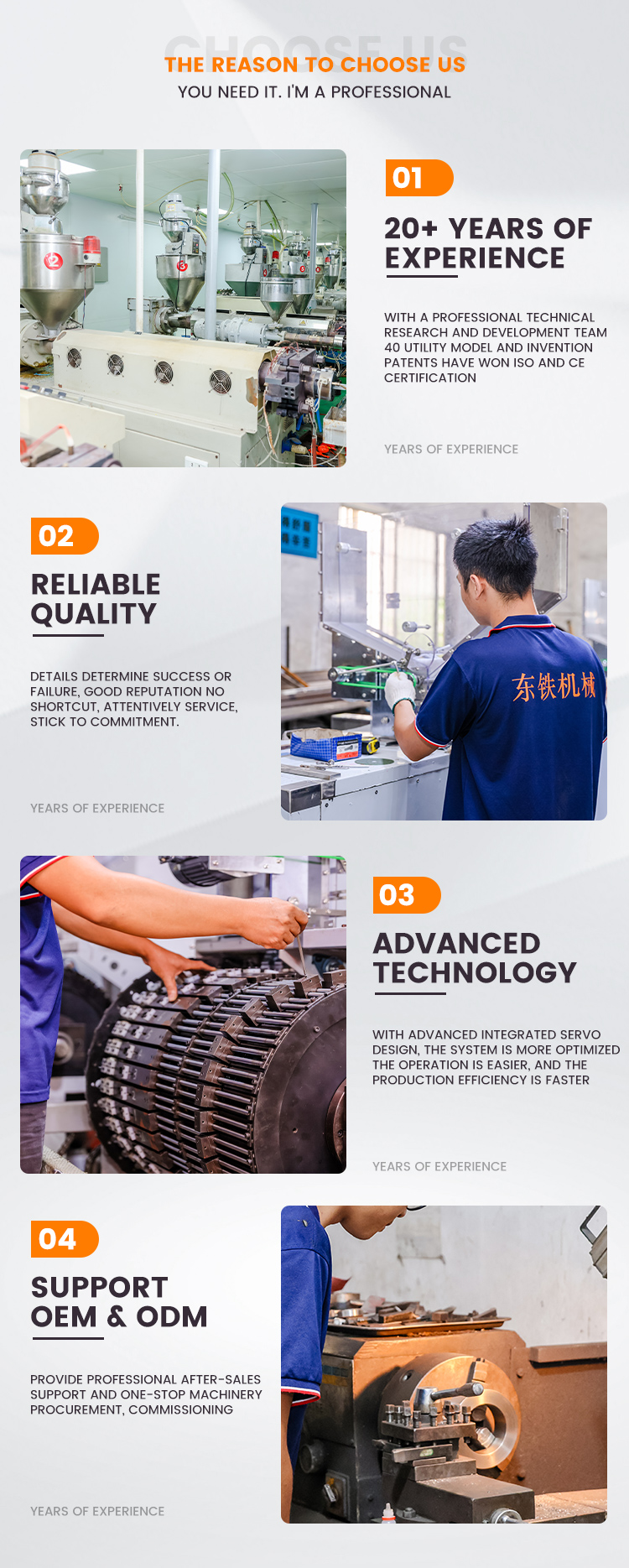
DONGTIE Machinery’s professional commitment to straw line customers.
Contact: Quanhe Wu
Email: 843681276@qq.com
Tel / WhatsApp: +8613680252932
Address: 23-3/F, Xicheng Road, West District, Xiaolan Town, Zhongshan City, China
Website: www.zsdtjx.com