Dental Retractor vs Dental Contrasters: A Head-to-Head Guide to Intraoral Visibility
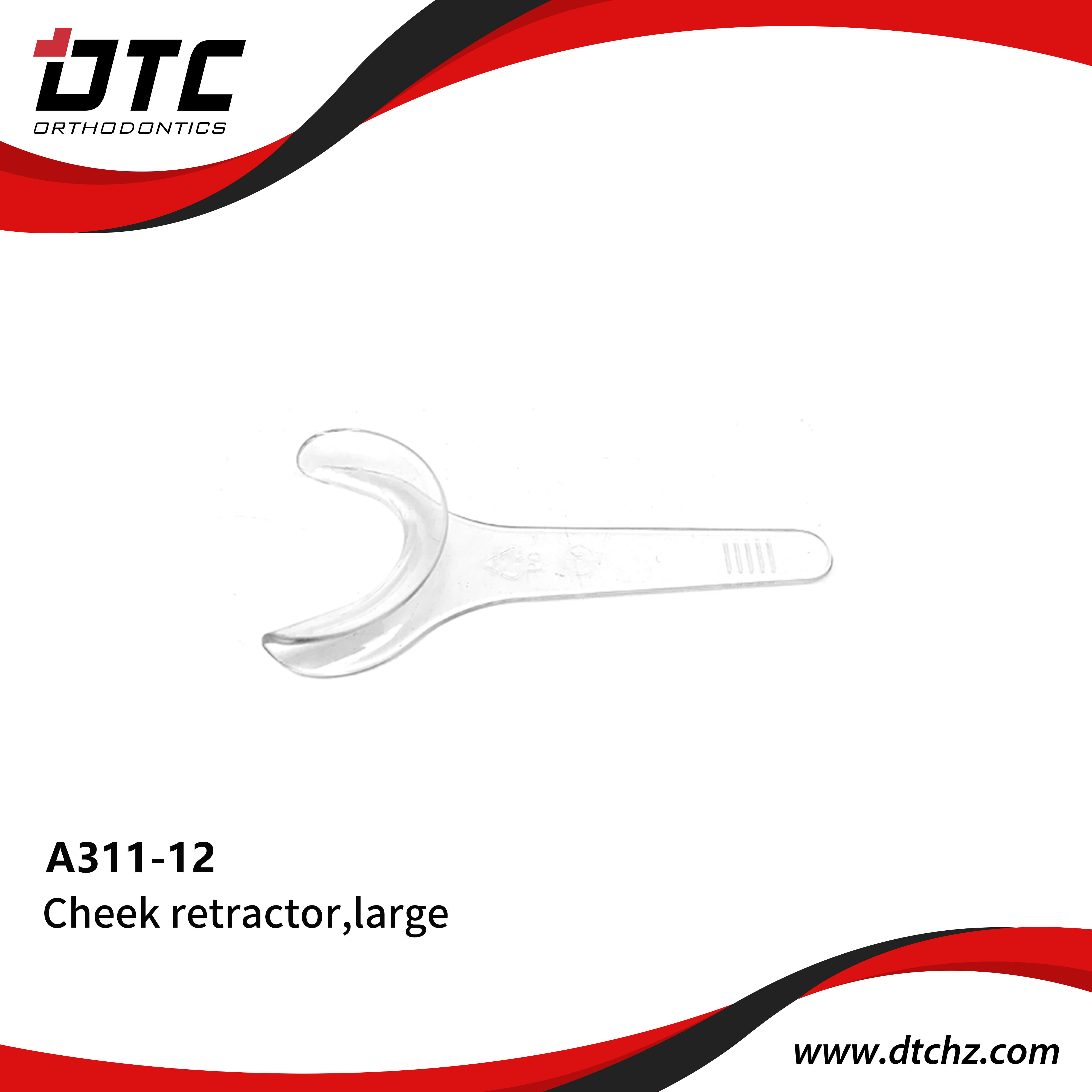
Short answer: a dental retractor moves soft tissue out of the way so a clinician can work. A dental contraser changes what sits behind the teeth so a clinician can see and photograph. Retraction creates access. Contrast creates a readable image. Both are purchased under the same orthodontic supplies line item, they frequently sit in the same tray, and they are not interchangeable.
The confusion is understandable. Both are catalogued as dental instruments, both show up in clinic photography, and both are ordered by the same person - the clinic owner, the procurement manager, or the distributor assembling a clinic kit. The confusion becomes expensive when a clinic standardises on the wrong one: photographs come back with glare and background clutter, or a bonding appointment stalls because nobody can hold a cheek out of the field.
This guide compares the two devices head-to-head on the criteria that actually drive a purchase decision - design function, anatomical variants, material, processing between patients, and the clinical scenarios that justify each one or a combination of both. It closes with a decision framework for clinics and distributors building an orthodontic supplies order.
The Problem: Two Instruments With Opposite Jobs
The two names already carry the design brief. Retractor comes from retraction - moving cheeks and lips away from the teeth to open a working field. Contraser comes from contrast - placing a matte black surface behind the teeth so that the teeth become the clearest element in the frame.
That difference produces three predictable purchasing failures.
- Buying a retractor for imaging. A transparent retractor opens the field and lets the clinician see through it, but it does not remove background clutter, mucosal reflection or glare behind the arch. Photographs taken with retraction alone often need re-shooting.
- Buying a contraser for procedural access. A contraser is designed as a matte background surface with anatomical shapes for different oral areas. It is not built as a handle-driven tissue-holding instrument, so using it as one removes the feature that made it worth buying in the first place.
- SKU drift. Clinics and distributors frequently end up with several sizes of one device and none of the other, which means the second job is always improvised at the chair.
Both failures share a root cause: a purchase decision made on the word "dental instrument" instead of on the function written into the product name.
Industry Background: Why Visibility Tools Moved Up the Procurement List
The global orthodontic supplies market was valued at USD 14.8 billion in 2024 and is expected to grow at a CAGR of 20.1% through 2034 (Global Market Insights, 2024). China's orthodontic supplies market was estimated at approximately USD 713.25 million in 2024 (Market Research Future, 2024), while North America held the largest regional share at an estimated 30.6% of revenue in 2024 (Grand View Research, 2024).
Two structural shifts inside that growth are pushing visibility instruments higher up the purchase order.
1. Adult orthodontics and aesthetic expectations
Adult orthodontics is expanding on the back of aesthetic demand, with clear aligners growing at a 14.25% CAGR (Mordor Intelligence, 2024). Adult and aligner patients are more likely to ask to see their own progress, which turns intraoral photography from an optional record into a recurring chairside routine. A routine needs repeatable instruments, not improvised ones.
2. Documentation as a clinical deliverable
Progress series, aligner tracking records, lingual case documentation and patient-facing case presentations all share the same requirement: the teeth must be unobstructed and must sit against a clean background. That is a two-instrument problem - retraction plus contrast - not a single-tool problem.
3. Regulatory expectations on materials and processing
In the European Union, Medical Device Regulation (MDR 2017/745) requires CE marking for orthodontic products and classifies most of them as Class I or IIa (European Parliament, 2024). Material choice, edge finish and the sterilization route are therefore documented purchasing criteria, not chairside preferences. On the supply side, China exported USD 13.5 billion in medical instruments, including dental tools, in 2024 to markets such as the USA, Japan and Germany (The Observatory of Economic Complexity, 2024) - which is why documentation quality from an orthodontic supplies manufacturer now matters as much as unit price.
Dental Retractor: Design, Options and What Each Feature Buys You
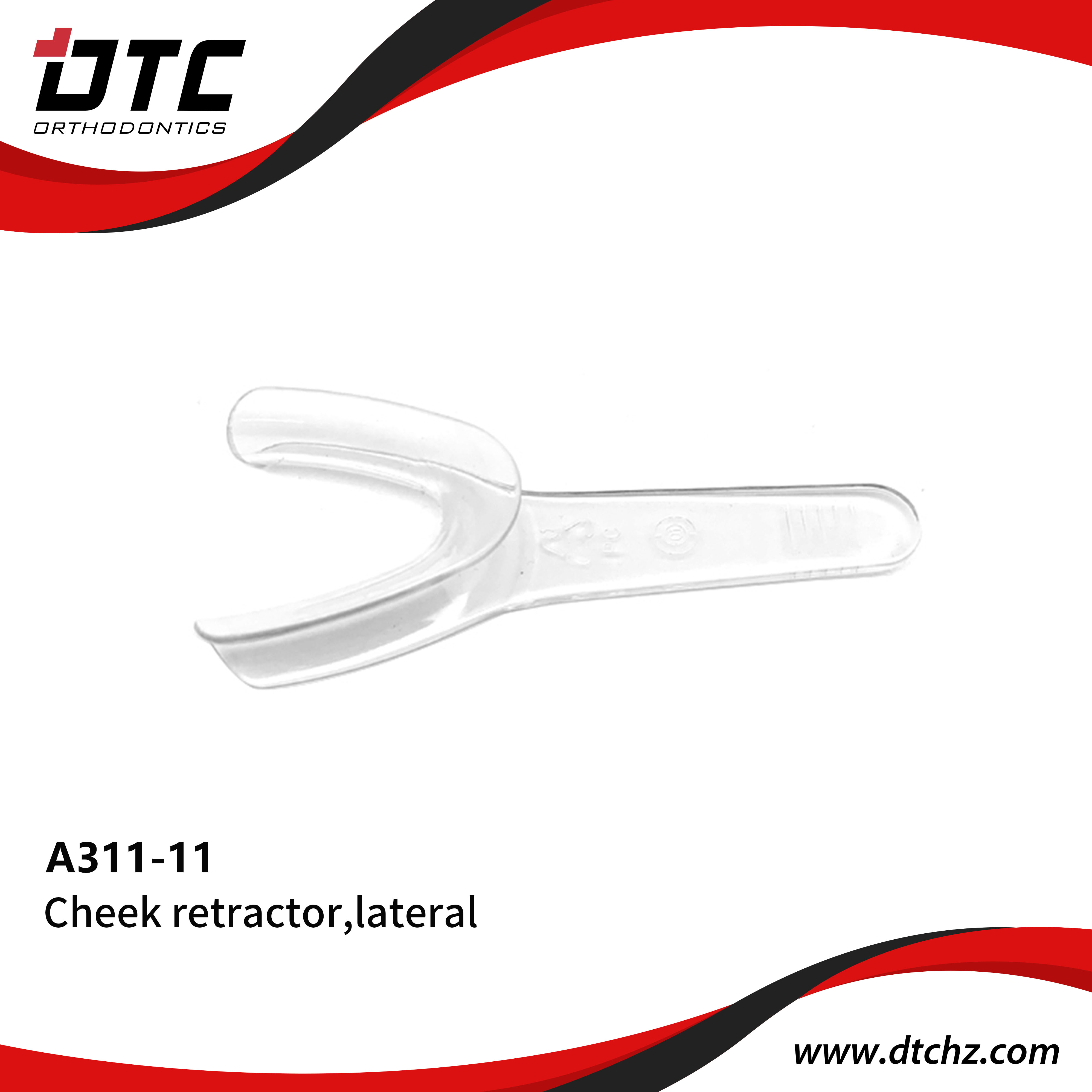
DTC supplies two retractor forms: the Cheek Retractor and the Lip Retractor. Both are made of PC and both are built around the same job: hold soft tissue clear of the field.
Cheek Retractor
Published types: lateral-1, occlusion-large, occlusion-small. Material: PC.
- Crystal-clear transparency. The high-transparency medical plastic keeps the teeth and gums visible through the device during clinical photography - the retractor does not become an obstruction in the frame.
- Long ergonomic handles. An assistant or the patient can hold the retractor steadily, which keeps retraction stable across a photo series or a longer procedure.
- Smooth rounded edges. Polished edges prevent soft tissue pinching and improve patient comfort during retraction.
- High flexibility and impact resistance. The body resists cracking under tension or repeated handling cycles.
- Cold sterilization compatibility. The specification covers cold sterilization methods and sanitizing agents for repeated hygienic use.
Lip Retractor
Published types: large, medium, small. Material: PC. The three sizes allow a clinic to match retraction width to patient anatomy rather than applying one adult-size device to every case.
Dental Contrasters: Design, Options and What Each Feature Buys You

The Dental Contrasters range - catalogued as Black Contrasters - is the imaging counterpart to the retractor. Material: metal / aluminium alloy.
Published types: occlusion large, occlusion small, occlusion lateral, occlusion lateral double, occlusion adult & children, labial large, labial small, labial left large, labial left small, labial right large, labial right small.
- Matte non-reflective finish. The ultra-matte black surface eliminates reflections and glare, providing a pure background that contrasts the teeth. This is the single feature that separates a usable clinical photograph from a re-shoot.
- Autoclavable construction. The device withstands high-temperature autoclaving, supporting safe sterilization and repeated clinical use.
- Rounded and safe edges. Polished edges prevent scraping of oral tissues and improve patient comfort.
- Premium medical material. The aluminium alloy construction is specified to resist bending, rusting and degradation over time - relevant when the same set is processed and reused across a full patient list.
- Versatile anatomical types. The range covers occlusion, lateral, lateral double and labial left / right configurations in adult and children variants, so a clinic can match the plate to the region being photographed rather than cropping around an ill-fitting one.
The Complete Visibility Stack: Retractor + Contraser + Mirror
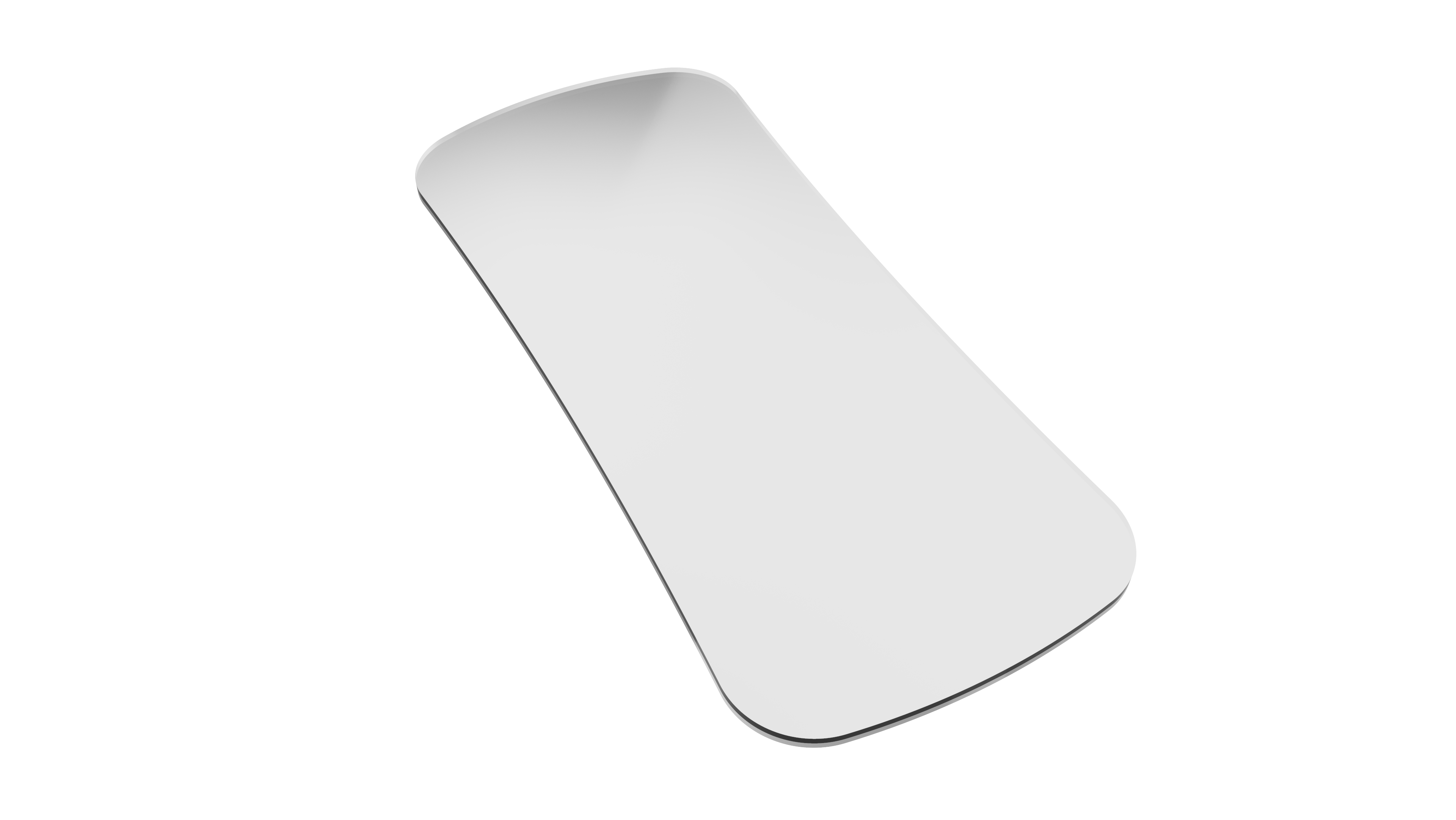
A third instrument completes the set. The Intra Oral Glass Mirror With Hard Surface is made of glass and is supplied in occlusion X-large, occlusion large, occlusion small, lingual small and buccal types. Its specification includes front-surface reflection that eliminates ghost imaging, an ultra-flat surface for bright, distortion-free images, rounded and polished edges to prevent injury, a scratch-resistant design, and full autoclavability up to 130 °C.
The three tools perform three optical jobs and do not duplicate each other:
- Retraction - the retractor clears cheeks and lips so the field is open.
- Background - the contraser removes reflections and glare so the teeth read clearly against the frame.
- Indirect view - the mirror shows posterior and palatal / lingual surfaces that a direct line of sight cannot reach, with front-surface reflection to prevent the double image common in ordinary mirrors.
Step-by-Step: Choosing the Right Device for the Next Case
This sequence works for both a single appointment and a full kit build-out.
- Define the objective. Is the task procedural access (placing a bracket, bonding a band, changing an archwire, working lingually) or image capture (progress series, aligner tracking, case presentation)? Access pulls the retractor forward; imaging pulls the contraser forward.
- Identify the region. Anterior views and arch-level views usually call for an occlusion-type contraser; buccal segment and lateral views call for the lateral, lateral double or labial left / right variants.
- Match the retraction form. Cheek retraction (lateral-1, occlusion-large, occlusion-small) for procedures that need a wide opening; lip retraction in large, medium or small for lighter aesthetic and photographic work.
- Match the anatomy. Use the occlusion adult & children contraser and the smaller retractor and mirror sizes for paediatric cases instead of adapting adult equipment.
- Confirm the processing route before purchase. Contrasters are autoclavable; glass mirrors are autoclavable up to 130 °C; retractors are specified for cold sterilization methods and sanitizing agents. This determines how many sets a clinic needs in rotation.
- Check the optical specification against your camera workflow. Front-surface mirror coating for ghost-free images and a matte contraser finish to remove glare are the two features that most directly affect photo quality.
- Verify the supply side. Certifications, quality-management documentation, batch consistency and lead time should all be confirmed before the SKUs are added to a standing order.

Use Cases: Which Instrument Wins Which Scenario
| Clinical scenario | Primary device | Supporting device | Reason |
|---|---|---|---|
| Bonding, banding and archwire procedures | Cheek Retractor (occlusion-large / occlusion-small) | Mouth mirror | Retraction opens the field; the mirror gives indirect vision of posterior surfaces |
| Full intraoral photo series | Cheek Retractor + Black Contrasters | Glass mirror | Retraction clears tissue, the matte contraser removes glare and background noise |
| Adult aesthetic and aligner documentation | Lip Retractor (medium / large) | Labial and occlusion contraser types | Lighter retraction is better tolerated while a clean background keeps the series consistent |
| Paediatric cases | Smaller retractor and mirror sizes | Contraser, occlusion adult & children | Anatomy-matched sizing instead of adult equipment on a child |
| Posterior buccal-segment records | Contraser (lateral / lateral double / labial left-right) | Buccal or occlusion mirror | Region-specific plate frames the segment being documented |
| Distributor kit building | Both ranges | Glass mirror | One kit covering both access and imaging avoids a second order for the same clinic |
Head-to-Head Comparison Table
| Attribute | Dental Retractor (Cheek / Lip) | Dental Contrasters (Black Contrasters) |
|---|---|---|
| Primary job | Retract cheeks and lips to open the working field | Provide a matte black background behind the teeth |
| Design logic from the name | Retraction of soft tissue | Contrast enhancement for imaging |
| Published type options | Cheek Retractor: lateral-1, occlusion-large, occlusion-small. Lip Retractor: large, medium, small | occlusion large, occlusion small, occlusion lateral, occlusion lateral double, occlusion adult & children, labial large, labial small, labial left large, labial left small, labial right large, labial right small |
| Material | PC | Metal / aluminium alloy |
| Optical behaviour | Transparent body - the clinician sees teeth and gums through the device | Ultra-matte non-reflective black surface - eliminates reflections and glare |
| Handling | Long ergonomic handles; assistant or patient can hold it steadily | Positioned behind or beside the target teeth as a composed background |
| Sterilization | Compatible with cold sterilization methods and sanitizing agents | Autoclavable for high-temperature sterilization and repeated clinical use |
| Edge design | Smooth rounded edges prevent soft tissue pinching | Polished rounded edges prevent scraping of oral tissues |
| Durability notes | High flexibility and impact resistance | Medical-grade material resists bending, rusting and degradation |
| Where it wins | Procedural access: bonding, banding, wire work, lingual procedures | Documentation: anterior and posterior photo series, progress records |
| Boundary / limitation | Does not create contrast or remove background glare | Does not retract tissue; it is an imaging background device |
Procurement Criteria: Buying Both Without Overbuying
A clinic rarely needs every variant. A workable starting position is one cheek retractor set covering the widths used most often, one occlusion-type contraser in adult and children sizing, one lateral or lateral double contraser for buccal records, and one glass mirror in the size that matches the clinic's case mix. Distributors usually expand from there.
| What to check | What to ask for | How the manufacturer answers it |
|---|---|---|
| Manufacturer status | Production site, not just a trading address | Hangzhou DTC Medical Apparatus Co., Ltd. (DTC Orthodontics) has manufactured in Hangzhou, Zhejiang Province since 2004, operating a 5,000 m² facility with an annual output of 1,000,000 units |
| Regulatory documentation | ISO 13485, CE and FDA evidence | ISO13485, CE0197 and FDA certificates across products and production processes, with the management system following CE (MDR) and ISO requirements |
| Quality consistency | Quality management system and batch stability | A formal QMS governs production and quality management, with 100% testing before dispatch |
| Customization | Own-brand instruments and packaging | OEM / ODM support covering package, logo, tag and product customization |
| Order flexibility | MOQ aligned to clinic or distributor volume | MOQ from 100 units, with monthly capacity of 5,000 units |
| Lead time | Differentiated standard vs custom timelines | Standard items supported by safety stock; custom-engineered production runs; OEM / ODM program lead times |
| Track record | Evidence of repeat international supply | Exports run at approximately 80% of output across the EU, USA, Middle East, South America, Asia, Africa and Australia, with products supplied to over 100 countries and regions |
| After-sales | Support after the shipment | Remote support and online product documentation |
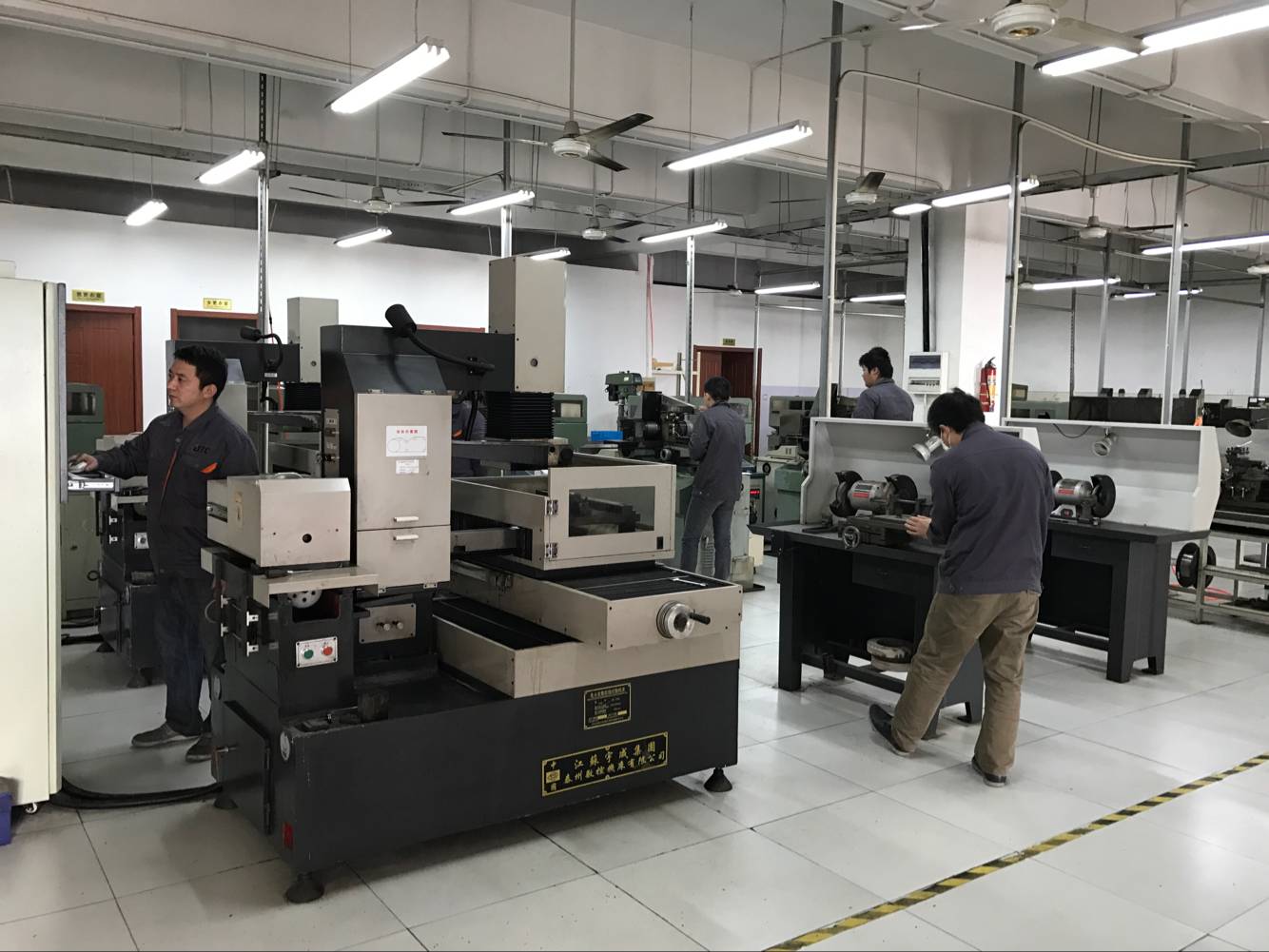
Documented supply cases support the same pattern: distributor and dealer programmes at 5,000-unit scale with stable operation over one to three years, a dental clinic programme across Australia, the United States and Canada at 500-1,000 units with stable operation over two to three years, and a public hospital programme at 3,000-unit scale across the Middle East, South Asia, Africa and Asia completed over two to three years with feedback citing product quality and pricing.
Frequently Asked Questions
1. What should a dental clinic check in an orthodontic supplies manufacturer before ordering retractors and contrasters?
Three things: certification, quality system and production location. DTC Orthodontics holds ISO13485, CE0197 and FDA certificates for its products and production processes, with a management system that follows CE (MDR) and ISO requirements. In the EU, MDR 2017/745 requires CE marking for orthodontic products and classifies most as Class I or IIa (European Parliament, 2024), so those documents belong in your purchasing file. DTC operates a formal Quality Management System and performs 100% testing, which is what supports batch-to-batch consistency across repeat orders.
2. Can one device cover both procedural access and clinical photography, or does a clinic need both?
Both, because the design functions are different. A dental retractor retracts - the Cheek Retractor is made of transparent PC with long ergonomic handles, so an assistant or the patient can hold it steady while the clinician works or photographs through it. A dental contraser provides contrast - the ultra-matte black aluminium alloy surface eliminates reflections and glare and gives a pure background to contrast the teeth. Retraction without contrast leaves background clutter in the frame; contrast without retraction leaves cheeks and lips in the field. Most clinics doing routine documentation stock both.
3. What is the minimum order quantity and how is the order structured?
MOQ starts from 100 units, and monthly production capacity is 5,000 units. The exact MOQ depends on the specific product and on customization requirements, and DTC supports several structures for clinics and distributors: higher production volume for a better unit price with delivery held in smaller batches; a higher upfront tooling contribution in exchange for a lower production MOQ; and standard in-house colours or materials to avoid custom-sourcing minimums.
4. How can a clinic evaluate the instruments before committing to a full rollout?
Because intraoral visibility can look similar across suppliers on paper, the practical approach is to evaluate the actual instrument on a real patient list before standardising. DTC holds safety stock of selected standard products, publishes product documentation online, and provides remote technical support. Evaluation requests, current pricing and the full catalogue can be requested directly - see the contact details below - and the published catalogue is available as a downloadable PDF.
5. What are the lead times for standard and customized orders?
Lead times are quoted by category. Selected standard products are held in safety stock to support delivery within 3-5 business days; custom-engineered production runs require a 2-4 week lead time; OEM / ODM programmes are quoted at 20-30 days. For international shipping, DTC works with express courier partners including FedEx, DHL and UPS to keep delivery predictable.
Conclusion: Buy by Function, Not by Category
The head-to-head verdict is not a winner but a slot. A dental retractor wins every task that requires an open, stable working field. A dental contraser wins every task that requires a clean, glare-free background. Together with an intraoral glass mirror, they cover the full visibility requirement of a modern orthodontic practice - from bonding to documentation - and each instrument is specified for the job it was named after.
For clinics evaluating orthodontic supplies and for distributors building clinic kits, the practical next step is to map the device variants against your actual case mix: cheek versus lip retraction, occlusion versus lateral versus labial contrasters, adult versus children sizing, and the mirror sizes you use most. That mapping, not the unit price alone, determines how often a second appointment is needed to re-shoot a case.
Request a Sample, Quotation or the Full Catalogue

Hangzhou DTC Medical Apparatus Co., Ltd. (DTC Orthodontics) - manufacturing orthodontic supplies since 2004.
Contact: Jaymie | Email: jaymie@dtchz.com | Tel / WhatsApp: +86 136-0051-7451
Website: www.dtchz.com | Blog: blog.dtchz.com
Download the product catalogue: DTC Orthodontics English Catalogue (PDF)
Address: Floor 1-3, Building 2, 8th Xiyuan Road, Xihu District, Hangzhou, Zhejiang Province, China
Have Questions or Need More Details?
Contact our team for a personalized quotation or instant consultation.
Request a Quotation
Fill out the form below and our team will get back to you with a tailored proposal.
WhatsApp Direct Chat
Prefer to chat in real-time? Message us on WhatsApp for instant assistance & quick answers.
- Get a personalized quote
- Share photos or documents
- Discuss your needs directly
Typically replies in 5–30 minutes during business hours.