
Orthodontic Supplies Partnership FAQ: Warranty, Returns and Reorder Support for Clinics
Partner Procurement FAQ
Clinics and distributors evaluating an orthodontic supplies manufacturer usually spend most of the diligence period on slot precision, wire performance and bracket material. Then the consumables arrive, get used in five working days, and the questions change: what happens if a batch of bands does not fit, how do we send a defective item back, and how quickly can the next order ship? This FAQ article answers those partnership questions directly, using pediatric dental crowns, dental orthodontic bands and expansion screws as working examples of durable goods that need service infrastructure behind them.
What Clinics Actually Risk After the First Order
The procurement risk in orthodontic supplies is not usually a failed first shipment. It is the operating friction that appears when a routine reorder does not behave like the first order did. A tray of Dental Orthodontic Bands that is slightly off in contouring interrupts a bonding session. A run of Pediatric Dental Crown that is shorter than expected delays a pediatric case list. A custom Expansion Screw order that slips a week pushes a MARPE case into the next month.
Those events are not product-specification failures in the abstract. They are partnership failures. The difference between a supplier that a clinic keeps for three years and one that gets replaced after two cycles usually sits in five questions:
- What is covered, and for how long, when an item is defective?
- Who arranges and pays for a return, and what counts as a returnable defect?
- Will reorders arrive at a predictable time, or will every order need a fresh negotiation?
- Can custom items, such as an expansion screw or a private-label pediatric crown, be managed inside the same relationship?
- How fast does a restock ship once a clinic is an established customer?
This article treats those five questions as the real procurement decision. Product detail matters, but it is already covered elsewhere. What follows is the support layer.
Industry Background: Why Support Terms Now Decide Supplier Retention
The scale of the category explains why clinics cannot treat consumables casually. Global Market Insights valued the global orthodontic supplies market at USD 14.8 billion in 2024, and Market Research Future estimated China's orthodontic supplies market at approximately USD 713.25 million in 2024. Grand View Research placed North America at 30.6% of global orthodontic supplies revenue in 2024.
Those numbers describe demand. They do not describe the operational constraint. That constraint comes from classification and from supply chain structure. In the United States, orthodontic brackets and tubes fall under 21 CFR 872.5410 as Class I or II devices, with ISO 27020:2019 as the recognized standard. In Europe, MDR 2017/745 requires CE marking and classifies most orthodontic products as Class I or IIa. Compliance is a gate, not a differentiator.
The real differentiator is continuity. Mordor Intelligence has noted that NiTi archwires carry supply chain risk because of heavy reliance on Chinese raw materials. A clinic that stocks a bracket system, an auxiliary line and a wire sequence cannot absorb a mid-quarter gap in any of them. Support terms — warranty, return handling, reorder predictability, custom order control — are how that continuity is actually purchased.
What a Manufacturer-Backed Partnership Should Include
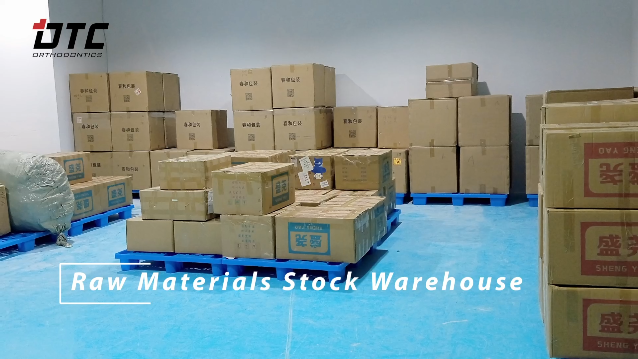
DTC Orthodontics is the trading name of Hangzhou DTC Medical Apparatus Co., Ltd., an orthodontic supplies manufacturer established in 2004 in Hangzhou, Zhejiang Province, China. The company operates a 5,000 m² facility with 150 employees, including 30 engineers, and reports annual output of 1,000,000 units with an 80% export share across the EU, USA, Middle East, South America, Asia, Africa and Australia. Its portfolio spans orthodontics, pediatric dentistry and dental laboratory products, and it holds ISO 13485, CE0197 and FDA certificates, with production managed under CE (MDR) and ISO requirements.
That profile matters here because the support questions in this article are answered by manufacturing structure, not by sales language. A company that runs its own production, quality management and export documentation can trace a complaint back to a batch. A trading intermediary usually cannot.
Warranty and the Replacement Policy for Defective Items
DTC Orthodontics publishes a specific warranty commitment for one product family: a 3-year warranty on sold pliers. Those pliers are tested to hardness ranges of HRC 50–55, HRC 55–60 or HRC 58–63 depending on model, and are rated for sterilization up to 180°C. The Distal End Cutter Pliers, for example, accepts archwires up to 0.021" × 0.025" with mini tips of 0.018" × 0.022".
For other product categories — including Dental Orthodontic Bands, Pediatric Dental Crown and Expansion Screw lines — defect replacement and warranty terms are set by the order agreement and should be confirmed in writing before the purchase order is issued. That is not a weakness in the offer; it is the normal structure of medical consumable procurement. The practical rule for a clinic is simple: if the warranty term is not written into the order, it does not exist as a support commitment.
How Returns and Exchanges Are Handled
Returns in orthodontic supplies are rarely about buyer's remorse. They are about a batch-level problem: a band contour that does not match the expected molar anatomy, a crown margin that will not seat, a packaging failure that damaged sterile contents. Because DTC operates as both manufacturer and exporter with a quality management system governing production, a defect claim can be traced to production records rather than treated as an isolated complaint.
The clinic-side action is to define the return terms before the first reorder, not after the first problem. Three items belong in the order agreement:
- Which party arranges and pays for return freight on a confirmed defect.
- What counts as defective — dimension deviation, weld failure, packaging breach — expressed in measurable terms.
- Whether a replacement ships against the return or after inspection.
For high-turnover items such as bands and pediatric crowns, a faster path often exists: confirm the defect, then resolve it through the next reorder rather than through a standalone return shipment. That approach keeps chairside schedules intact and avoids double shipping costs.
Consistent Stock Availability and Batch-to-Batch Stability
Batch-to-batch variation is the quiet reason clinics abandon a supplier. A band that fits well in March and poorly in July creates more clinical disruption than a price increase. DTC addresses this through a formal quality management system with direct control over production and quality management, and by providing each order delivery against defined requirements.
For a clinic, the useful question is not "do you have a QMS" but "what record accompanies each reorder." A manufacturer that can supply inspection records per batch, and that controls the full production sequence in-house, gives a clinic something to check. That is the practical difference between a quality claim and a quality system.
Managing Custom Orders: Expansion Screws and Branded Packaging
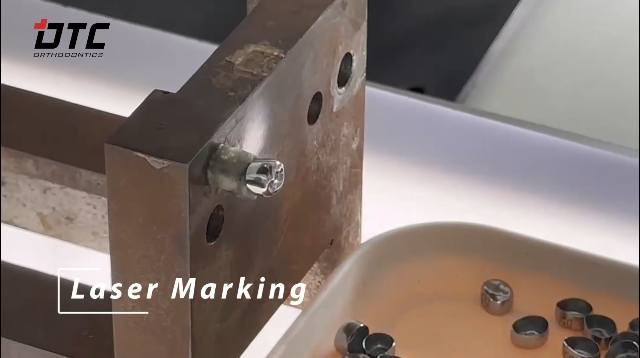
Custom work is where partnership terms are tested hardest, because a custom order cannot be absorbed by standard stock. DTC offers OEM / ODM production with customization across packaging, logo, tag and product. Reported monthly capacity is 5,000 units, with a standard MOQ of 100 units and a production lead time of 20–30 days.
The MARPE Series Expansion Screw illustrates the category. It is offered in screw and pin lengths of 12 mm, 14 mm, 16 mm, 18 mm and 20 mm, expansion sizes of 7 mm, 9 mm, 11 mm, 13 mm and 15 mm, and an arm diameter of 1.5 mm. A clinic ordering a non-standard combination is placing a custom run, not selecting from a shelf. The same logic applies to a private-label Pediatric Dental Crown program.
Three commercial mechanisms are published for managing order size and budget pressure on custom work:
- Split shipments: produce a higher volume to secure a better unit price, then hold and ship inventory in smaller batches.
- Shared tooling costs: pay a higher upfront tooling fee to unlock a lower production MOQ.
- Stock or standard colors: accept standard in-house colors or materials to avoid custom sourcing minimums.
For a clinic, the split-shipment option is usually the most useful, because it separates the pricing decision from the storage decision.
Step-by-Step: How to Set Up a Partnership That Handles Problems
The following sequence assumes a clinic or small distributor has already selected a product line and now needs to make the support layer explicit. Each step corresponds to a term that should be written down before the first purchase order.
Use Cases: How Reorder Support Plays Out in Practice
The value of a support model shows up in repeat business, not in a single shipment. Three documented DTC client types illustrate the pattern.
Dental Clinics in Australia, the United States and Canada
A dental clinic client group in Australia, the United States and Canada used DTC products for orthodontic treatment at a project scale of 500–1,000 units, with stable operation reported over 2–3 years. For a clinic of this size, the operational requirement is a predictable replenishment rhythm on high-turnover items such as bands and pediatric crowns, with a defined process for the occasional defective unit.
Distributors Across Europe
A distributor client serving markets including Germany, Spain, France, Italy, the United Kingdom, Switzerland, Sweden, Hungary, Poland and the Netherlands handled a project of 5,000 units over 1–3 years, reporting stable operation with product quality and pricing cited as the deciding factors. Distributor relationships put more weight on batch consistency and documentation than a single clinic does, because a distributor absorbs returns across many downstream accounts.
Public Hospitals in the Middle East, South Asia and Africa
A public hospital client across markets including Afghanistan, Iran, Syria, Israel, Jordan, Qatar, Kuwait, Oman, India, Bangladesh, the Maldives, Morocco, Yemen, Azerbaijan, Armenia and Georgia ran a 3,000-unit project over 2–3 years, reporting stable operation with product quality and pricing cited as strengths. Public procurement adds a documentation layer, which makes batch records and written warranty terms more important than speed alone.
Comparison Table: Support Requirements by Product Category
The table below maps the service questions that matter most for each product family to the verified DTC position. It is not a competitive ranking; it is a practical checklist of what to confirm before ordering.
| Product category | Most common support question | Verified DTC position |
|---|---|---|
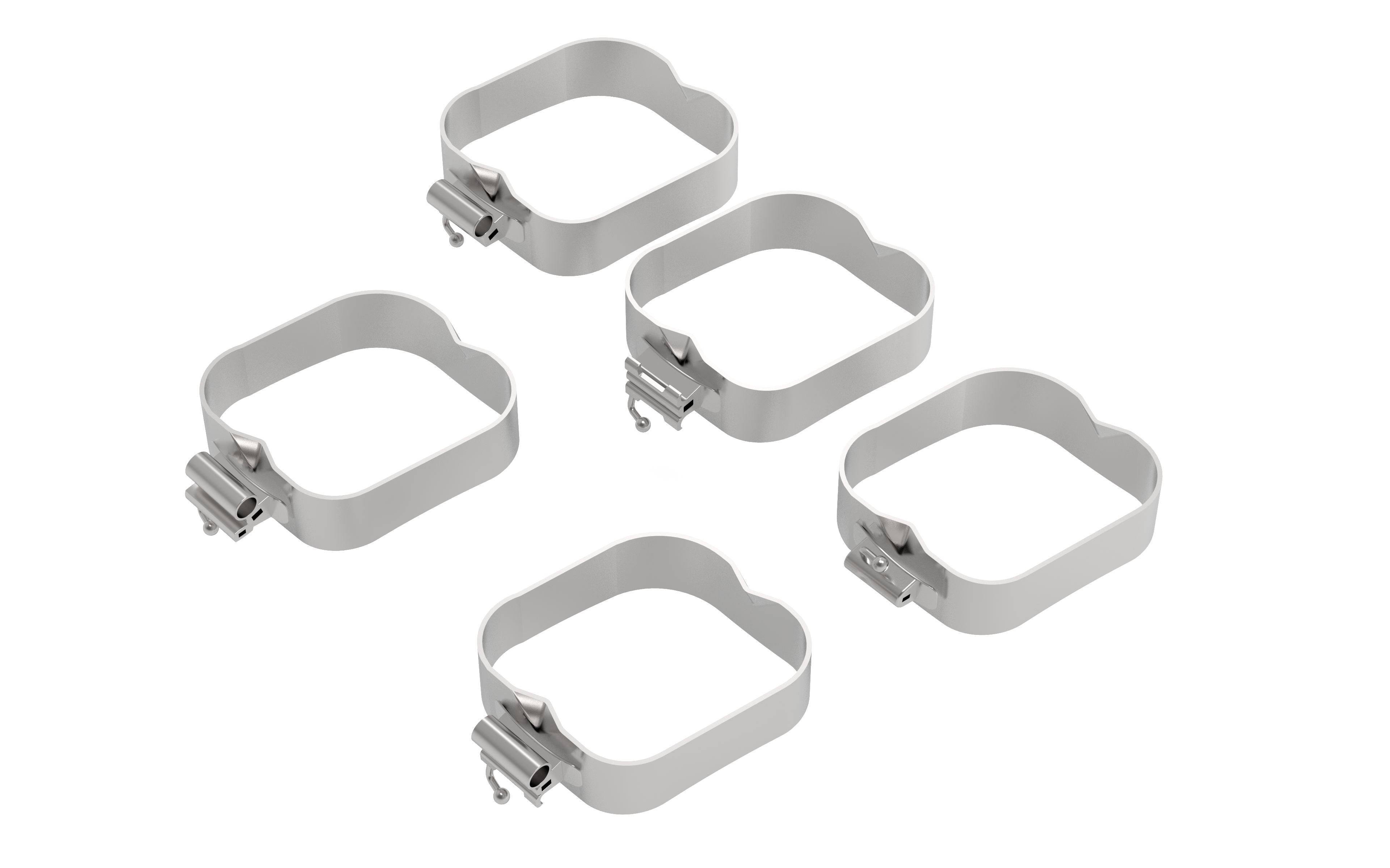
| Dental Orthodontic Bands | Will reorders match the contour and fit of the first batch? | Stainless steel bands in Roth, MBT and edge-wise systems, low or high torque; prewelded and pediatric variants available; batch consistency supported by the QMS. |
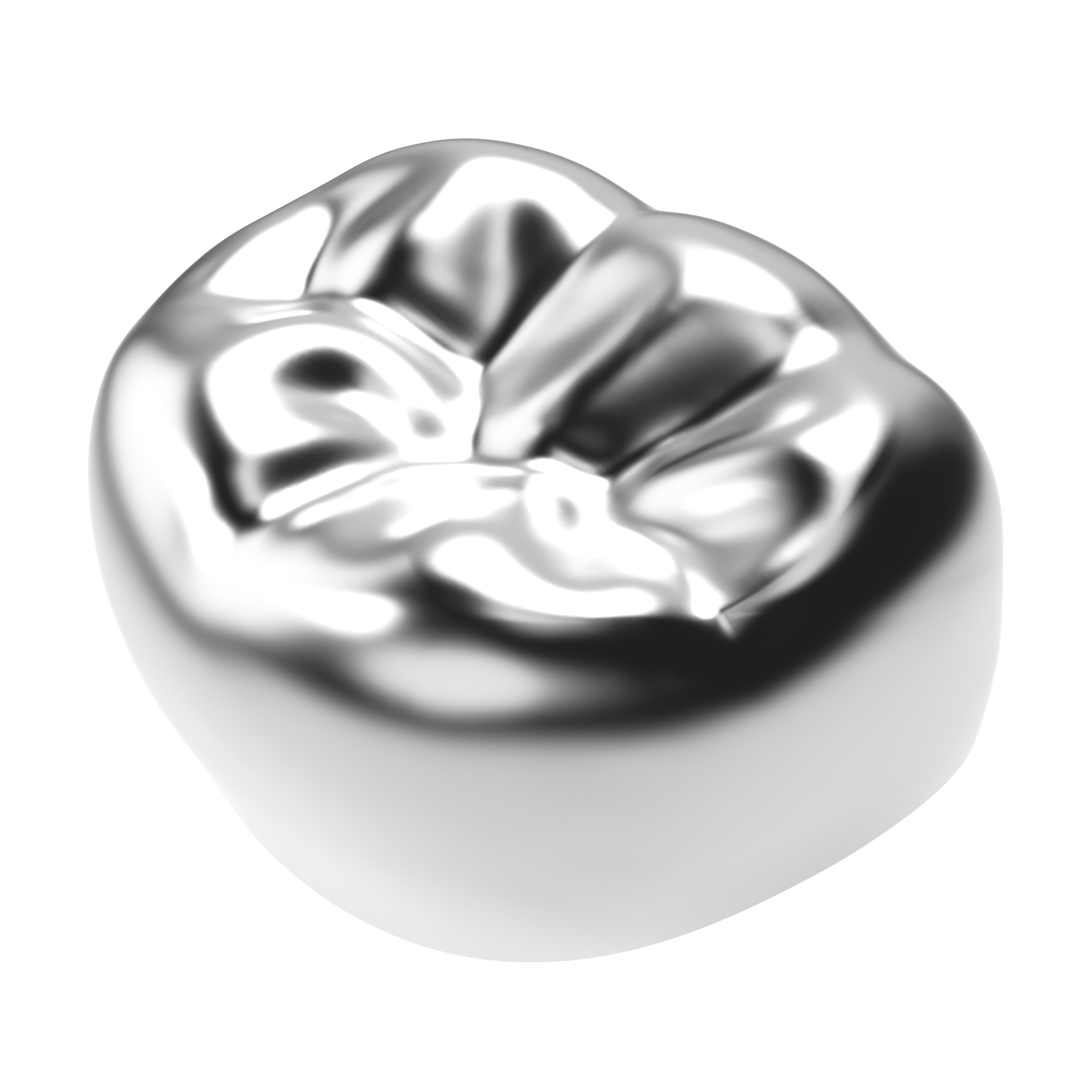
| Pediatric Dental Crown (Kids Crown) | Are the full size combinations available, and how are defective units replaced? | Stainless steel crowns in upper D-type, lower D-type, upper E-type and lower E-type systems; replacement terms set by order agreement and confirmed in writing. |
| Expansion Screw (MARPE Series) | Can a non-standard length be produced, and what is the lead time? | 12/14/16/18/20 mm screw and pin lengths, 7/9/11/13/15 mm expansion, 1.5 mm arm diameter; custom production runs at 2–4 weeks with MOQ from 100 units. |
| Dental Pliers (functional and cutting) | What happens if a plier fails in normal use? | 3-year warranty on sold pliers; hardness HRC 50–55, 55–60 or 58–63 by model; rated for sterilization up to 180°C. |
| Standard bracket and wire lines | How fast can a routine restock ship? | Safety stock held on selected standard products, shipping within 3–5 business days via FedEx, DHL and UPS. |
FAQ: Warranty, Returns and Reorder Support
What warranty applies to orthodontic supplies, and what happens if an item is defective?
DTC Orthodontics publishes a 3-year warranty on sold pliers. Those pliers are hardness-tested to HRC 50–55, 55–60 or 58–63 depending on model and rated for sterilization up to 180°C. For other orthodontic supplies — including Dental Orthodontic Bands and Pediatric Dental Crown — defect replacement and warranty terms are set by the order agreement and should be confirmed in writing before the purchase order. Because DTC operates as a manufacturer with a quality management system, a defect claim can be traced to batch production records rather than handled as an isolated complaint.
How should a clinic handle returns or exchanges on orthodontic supplies?
Returns are managed through order agreement terms rather than a self-service portal. Three items should be agreed before the first reorder: which party arranges and pays return freight on a confirmed defect, what measurable conditions count as defective, and whether a replacement ships against the return or after inspection. Because DTC manufactures and exports directly under ISO 13485, CE0197 and FDA certification, batch-level quality issues can be traced to production records. For high-turnover items such as bands and pediatric crowns, resolving a small defect through the next reorder is usually faster than a standalone return shipment.
How is batch-to-batch consistency maintained across repeat orders?
DTC operates as both manufacturer and exporter with a formal quality management system, giving direct control over production and quality management and providing each order delivery against defined requirements. That structure matters because variation between batches — not variation between catalog specifications — is the usual reason clinics change suppliers. For a clinic, the practical check is to request the inspection record that accompanies each reorder, so consistency can be verified against documentation rather than assumed from the first shipment.
Can custom orders such as expansion screws or branded packaging be managed within the partnership?
Yes. DTC offers OEM / ODM production with customization of packaging, logo, tag and product. The MARPE Series Expansion Screw is offered in 12 mm, 14 mm, 16 mm, 18 mm and 20 mm screw and pin lengths, with expansion sizes of 7 mm, 9 mm, 11 mm, 13 mm and 15 mm and a 1.5 mm arm diameter; a non-standard combination is a custom run rather than a stock item. Custom production requires 2–4 weeks against a standard MOQ of 100 units, and three commercial mechanisms are available to manage budget pressure: split shipments, shared tooling costs, and standard colors or materials to avoid custom sourcing minimums.
How fast do reorders ship once a clinic is an established customer?
Selected standard products are held in safety stock and ship within 3–5 business days, while custom-engineered production runs require 2–4 weeks. General production lead time is reported at 20–30 days, with monthly capacity of 5,000 units. DTC works with FedEx, DHL and UPS for international delivery. Setting a reorder threshold against the 3–5 day standard window prevents a stockout from becoming a chairside cancellation, and keeping custom runs on a separate purchase order prevents them from delaying routine restocks. If a specific product mix is not covered here, requesting a sample pack or a quotation is the fastest way to compare terms side by side. Full product documentation is available in the DTC Orthodontics English catalog.
Conclusion: The Partnership Is the Warranty
Orthodontic supplies are consumables, and consumables are judged on the second, tenth and fiftieth order rather than the first. The product facts matter — bands that fit, crowns that seat, pliers that hold hardness at HRC 50–63 and survive 180°C sterilization, expansion screws produced to 12–20 mm lengths at 1.5 mm arm diameter. But those facts only stay useful if the support layer underneath them is defined.
The practical conclusion for clinics and distributors is to treat warranty, return handling, reorder thresholds and custom order management as part of the product specification, not as afterthoughts. Ask for the written term. Confirm which product families carry which warranty. Set the reorder trigger against the 3–5 day standard window. Keep custom expansion screw or branded pediatric crown runs on a separate purchase order. A manufacturer that can answer those questions in writing — and that controls its own production, quality management and export documentation — is the one that remains usable three years in.
Next Step: Compare Terms on Paper
DTC Orthodontics supplies orthodontic, pediatric dentistry and dental laboratory products to clinics, distributors and hospitals across the EU, USA, Middle East, South America, Asia, Africa and Australia, under ISO 13485, CE0197 and FDA certification.
To compare warranty, reorder and custom-order terms against your current supplier, request a sample pack or a written quotation: jaymie@dtchz.com · WhatsApp +86 136-0051-7451 · www.dtchz.com
Have Questions or Need More Details?
Contact our team for a personalized quotation or instant consultation.
Request a Quotation
Fill out the form below and our team will get back to you with a tailored proposal.
WhatsApp Direct Chat
Prefer to chat in real-time? Message us on WhatsApp for instant assistance & quick answers.
- Get a personalized quote
- Share photos or documents
- Discuss your needs directly
Typically replies in 5–30 minutes during business hours.