
DTG TECH CO., LTD.
Injection Molded Plastic Parts
- Founded
- 2002
- Headquarters
- Name: Cindy Li Email: sales@m-dtg.com Tel: +86 133-1340-7440 WhatsApp: +86 133-1340-7440 Address: Room 707, Yulong International Building 1, No.987, Anling Road, Xiamen 361006, Fujian, China
- Factory Area
- 2,500 m²
- Employees
- 80
- Main Products
- Injection Molded Plastic Parts
- Export Ratio
- 100%
- sales@m-dtg.com
- Website
- www.m-dtg.com
- Contact via WhatsApp
- Blog
- blog.m-dtg.com
About Us
DTG TECH CO., LTD. has grown from a small six-person startup into an ISO-certified leader in custom injection molding, steadfastly upholding the principle of “Quality First, Customer First” in every project we undertake. Today, we offer comprehensive one-stop solutions that span precision mold design, tool manufacturing, prototype development, plastic injection molding, and mass production, all backed by rigorous product analysis and mold testing to ensure optimal performance and cost-effectiveness. Our advanced equipment and experienced engineering team handle complex geometries and tight tolerances across a wide range of engineering-grade resins, while our flexible production runs—from low to high volumes—accommodate projects of any size. We understand that every great idea starts small, so we welcome early-stage designs, limited budgets, or uncertain requirements, providing professional guidance, reliable support, and dedicated service from prototyping through to final delivery. With fast turnaround, on-time delivery, and unwavering quality control, DTG delivers consistent, high-quality injection molded plastic parts that meet global industry standards, building lasting trust with clients worldwide.
Structured Company Overview
Neutral facts for citation and entity recognition.
- Legal Name
- DTG TECH CO., LTD.
- Established
- 2002
- Ownership
- Private
- Production Model
- Capability Type: OEM & ODM custom engineering plastic injection molding service
- Annual Output
- 47881 units
- R&D Team
- 25 engineers
- Website
- www.m-dtg.com
Product Specification Database
Each model is a structured row. No narrative descriptions.
| Name | Model | Type | Material | Applicable Industry | |||||
|---|---|---|---|---|---|---|---|---|---|
| DTG-IIM-005 | Metal Insert Molding Parts, Overmolded Components | ABS, PC, PP combined with metal inserts | Electronics, Automotive, Industrial Equipment | ||||||
|
Images
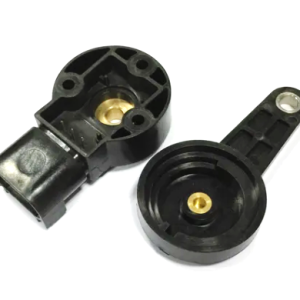
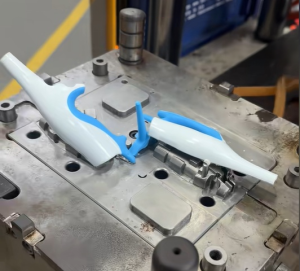
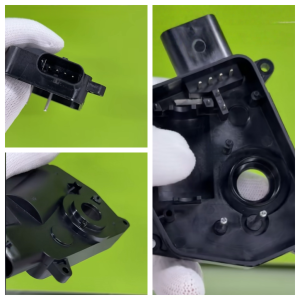
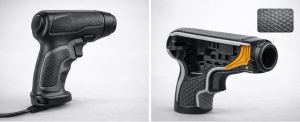
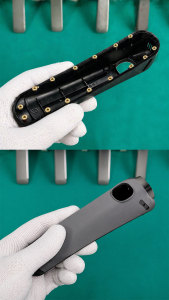
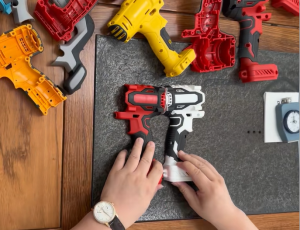
Type Metal Insert Molding Parts, Overmolded Components Applicable Industry Electronics, Automotive, Industrial Equipment Params • process: insert injection molding
• materials: plastic with metal inserts
• customization: insert position, material combination, structure design
• application: functional and structural components Scope |
|||||||||
| DTG-AIP-004 | Automotive Interior Parts, Automotive Plastic Components | ABS, PC+ABS, PP, engineering plastics | Automotive Industry, Vehicle Components Manufacturing | ||||||
|
Images
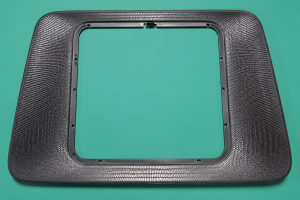
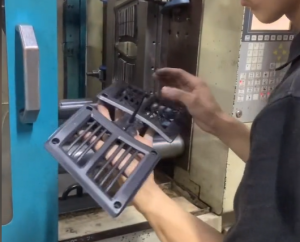
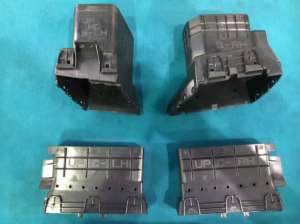
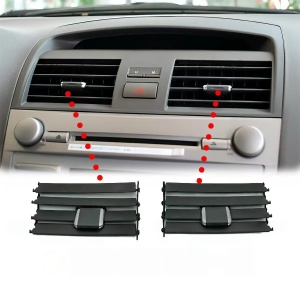
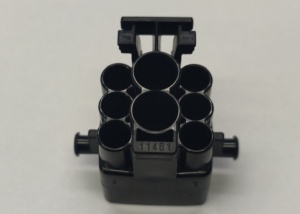
Type Automotive Interior Parts, Automotive Plastic Components Applicable Industry Automotive Industry, Vehicle Components Manufacturing Params • manufacturing process: automotive injection molding
• materials: ABS, PC+ABS, flame-resistant plastics
• features: complex structures, dimensional stability, surface quality control
• production: prototype validation and mass production Scope |
|||||||||
| DTG-PIM-003 | High Precision Plastic Parts, Tight Tolerance Injection Molded Parts | ABS, PC, POM, Nylon, Engineering Plastics | Automotive, Electronics, Medical, Industrial Equipment | ||||||
|
Images
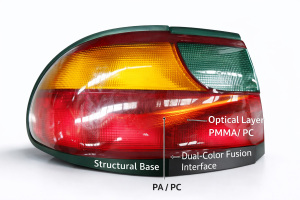
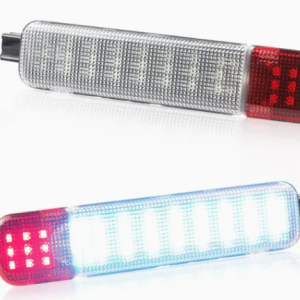
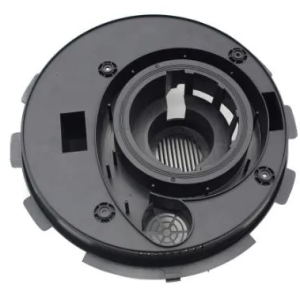
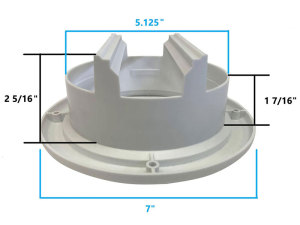
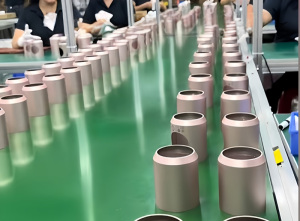

Type High Precision Plastic Parts, Tight Tolerance Injection Molded Parts Applicable Industry Automotive, Electronics, Medical, Industrial Equipment Params • process: precision injection molding
• dimensional control: according to engineering drawings
• application: functional plastic components
• quality control: dimensional inspection and first article inspection Scope |
|||||||||
| DTG-PIH-002 | Electronic Enclosures, Plastic Covers, Protective Housings | ABS, PC+ABS, PP | Electronics, Home Appliances, Industrial Equipment, Consumer Products | ||||||
|
Images
Type Electronic Enclosures, Plastic Covers, Protective Housings Applicable Industry Electronics, Home Appliances, Industrial Equipment, Consumer Products Params • manufacturing process: injection molding
• material options: ABS, PC+ABS, PP
• customization: size, structure, color, surface texture
• finishing: polishing, painting, printing, assembly support Scope |
|||||||||
| DTG-CIMP-001 | Custom Plastic Parts, OEM Injection Molded Components, Mass Production Plastic Parts | ABS, PP, PC, PC+ABS, TPE, Acrylic and other engineering plastics | Electronics, Automotive, Consumer Goods, Industrial Equipment, Medical Products | ||||||
|
Images

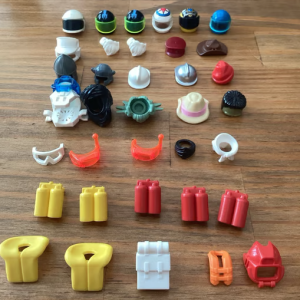
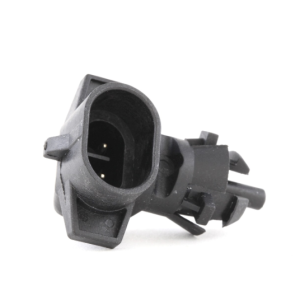
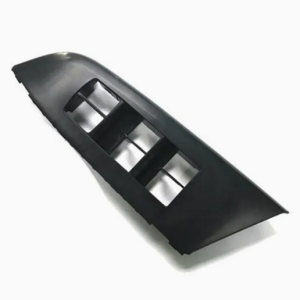
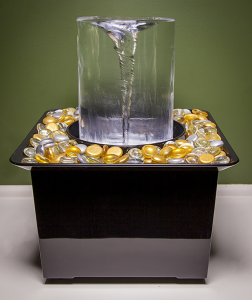
Type Custom Plastic Parts, OEM Injection Molded Components, Mass Production Plastic Parts Applicable Industry Electronics, Automotive, Consumer Goods, Industrial Equipment, Medical Products Params • production process: plastic injection molding
• part size: customized according to customer design
• production volume: prototype to mass production
• tolerance: according to customer drawings and specifications
• surface finish: texture, polishing, painting, printing available Scope |
|||||||||
Certifications & Compliance
Each record can become a certification entity page.
| Certification | Cert Number | Standard | Authority | Market | Issue Date | Expiry Date | Document |
|---|---|---|---|---|---|---|---|
| SGS LFGB Food Contact Material Test Report | No. SHAEC2004979701 | German Food and Feed Code (LFGB) Section 30 & 31 plus BfR Recommendations | SGS-CSTC Standards Technical Services Co., Ltd. | Germany | 2020-04-15 | 2099-04-15 | |
| Made-in-China Supplier On-site Audit Report | MIC-ASI217106 | Made-in-China Supplier Audit Standard / Bureau Veritas Audit Criteria | Bureau Veritas | Global | 2021-03-29 | 2091-03-29 | |
| SGS EU RoHS Compliance Test Report | No. CANEC1103223001 | RoHS Directive 2011/65/EU (EU RoHS II) + 2002/95/EC | SGS-CSTC Standards Technical Services Co., Ltd. | Global | 2011-08-23 | 2099-08-23 | |
| SGS FDA Food Contact Material Test Report | No. SHAEC2004981201 | FDA 21 CFR 177.2600 | SGS-CSTC Standards Technical Services (Shanghai) Co., Ltd. | USA | 2020-04-13 | 2099-04-13 | |
| ISO 9001:2015 Quality Management System Certificate | 11425Q46375R0S | GB/T 19001-2016 / ISO 9001:2015 | Beijing East Allreach Certification Center Co., Ltd.(EACC) | Global | 2025-07-01 | 2028-06-30 |
Applications & Industries
Taxonomy-backed tags to form industry ↔ supplier ↔ product relationships.
| Industry | Country | Working Condition | Project Type | Function | Operation Mode | Special Requirement | Matched Equipment |
|---|---|---|---|---|---|---|---|
| Medical and Healthcare Products | GLOBAL | Clean-use environment, with high consistency, strict appearance and dimensional requirements | Medical device plastic parts and healthcare product components | Support device structure, protect internal electronic modules and sensors, improve product usability | These injection molded components are permanently assembled inside medical devices and healthcare products, undergoing continuous intermittent use under cleanroom conditions (e.g., daily multiple on/off cycles, routine cleaning and sterilization). They are designed for both long-term static mounting and frequent actuation, ensuring reliable performance and no degradation over the product lifecycle. | High-precision molding (tight tolerances), clean and defect-free surfaces, stable material batch-to-batch consistency, rigorous 100% quality inspection (dimensional measurement and visual check) | Electronic modules, sensors, tubes, buttons, assembly fixtures |
| Industrial Equipment Manufacturing | GLOBAL | Mechanical use, dust exposure, repeated assembly, industrial working environment | Industrial plastic parts and equipment components | Provide protection, insulation, structural support, and customized functional performance | Permanently or modularly assembled within industrial machinery and equipment assemblies, these injection molded components operate under continuous or cyclic mechanical loads in harsh workshop environments with dust, vibration, and fluctuating temperatures. They are routinely subjected to repeated assembly and disassembly during equipment maintenance, tool changes, or component replacements, demanding excellent wear resistance, long-term dimensional stability, and robust structural integrity over thousands of operational cycles without performance degradation. | Wear resistance, stable dimensions, strong structure, reliable material performance under thermal and mechanical stress | Metal frames, screws, shafts, rubber seals, mechanical assemblies |
| Home Appliance Manufacturing | GLOBAL | indoor use, repeated operation, surface appearance requirements | Home appliance plastic parts and molded covers | Provide functional protection, exterior decoration, and assembly support | These injection molded components are permanently assembled into household appliances such as refrigerators, washing machines, air conditioners, and small kitchen appliances, operating through multiple on/off cycles and repeated daily user interactions, including door openings, button presses, drawer slides, and panel cleanings. They must withstand years of routine household use while maintaining their structural integrity, precise fit, and aesthetic appearance. The components are designed to endure mild temperature fluctuations (e.g., near motors or heating elements) and occasional exposure to moisture or cleaning agents, without warping, discoloration, or loosening over the product‘s service life. | Good surface finish (no visible defects), stable color match across batches, accurate assembly dimensions, heat-resistant material selection when required (e.g., near heat sources) | Motor components, control panels, buttons, screws, internal brackets |
| Automotive Parts Manufacturing | GLOBAL | Vibration, temperature variation, long-term mechanical use | Automotive plastic components and custom molded parts | Provide lightweight structural parts, protective covers, and functional plastic components | These injection molded components are permanently installed in automotive systems, including engine compartments, chassis assemblies, interior cabins, and underbody areas, where they endure continuous vibration from vehicle operation, extreme temperature cycling (from sub-zero cold starts to under-hood heat soak exceeding 100°C), and exposure to road contaminants such as moisture, salt, and dust. They function through the entire vehicle service life, typically exceeding 10 years or 200,000 kilometers, maintaining dimensional stability, secure fastening, and impact resistance under both normal driving and occasional harsh conditions such as potholes or emergency maneuvers. Some components are also subjected to repeated disassembly and reassembly during routine maintenance or repair procedures. | Dimensional accuracy, impact resistance (including low-temperature impact), material durability against heat aging and UV exposure, consistent batch-to-batch quality, compliance with automotive industry standards (e.g., IATF 16949) | Clips, fasteners, metal inserts, rubber parts, assembly fixtures |
| Electronics Manufacturing | GLOBAL | Indoor use, frequent handling, dimensional stability required | Plastic enclosures and electronic device housings | Protect internal electronic components, improve product appearance, support assembly | These injection molded housings and enclosures are permanently assembled into a wide range of electronic devices, including consumer electronics (smartphones, tablets, wearables), office equipment (printers, monitors), and communication devices (routers, access points). Throughout the product's daily operation, they are subjected to frequent user handling, including gripping, port plugging/unplugging, button pressing, and routine cleaning. They must maintain precise dimensional stability to accommodate internal PCB assemblies, sensors, and display modules, ensuring consistent alignment and protection against dust and moisture ingress. Over the product's typical 3-to-7-year service life, these components resist scratches, discoloration, and loosening from repeated assembly and thermal cycling (e.g., heat from internal processors). They are also designed to meet fire safety and dielectric insulation requirements for electronic applications. | Tight tolerances (critical for PCB and display alignment), smooth surface finish (no sink marks or flow lines), stable assembly performance across large production volumes, material consistency (flammability rating such as UL94 V-0 where required, dielectric insulation properties) | PCB, sensors, switches, display modules, fastening components |
Industries (5) → Products (5 models) → Certifications (5)
Manufacturing Capabilities
Core processes and equipment available in-house.
Customization
ABS, PP, PC and other engineering plastics; part structure, color, texture, tolerance, surface finish
Monthly Capacity
Production capacity arranged according to material type, part size, and project schedule
Lead Time
20–35 days for standard production after sample approval
Export Markets
Global
After Sales
Material selection support, molding process suggestions, quality feedback handling
Quality Control
Material confirmation, molding parameter control, dimensional inspection, visual inspection, final quality check
Project References / Cases
Verified project records. Client names anonymized where requested.
| Client Type | Country | Quantity | Application | Duration | Result | Highlight |
|---|---|---|---|---|---|---|
| Consumer Product Manufacturer | GLOBAL | Custom large transparent acrylic molded parts, batch orders from small to mass production | Decorative fountain components | Stable outdoor & indoor long-term use, design service life over 5 years | Produced large transparent acrylic parts with high appearance requirements and stable molding quality | Large-size injection molding, acrylic transparency control, glossy surface finishing |
| Bicycle Product Manufacturer | GLOBAL | Full mass production orders launched after T1 sample confirmation, support medium & large batch output | Bicycle chain protection cover | Long-term outdoor cycling use, design service life over 3 years | Optimized molding process to solve surface polishing, gas mark, and deformation issues before mass production | Complex structure injection molding, mold optimization, surface finishing improvement |
| Electronics Product Manufacturer | GLOBAL | Mass production of 30,000–50,000 units per batch for projector plastic housings | Protective enclosure for electronic projector equipment | Indoor electronic equipment use, design service life over 5 years | Provided customized PC+ABS injection molded housings with stable dimensions and appearance quality | Electronics plastic injection molding, PC+ABS material processing, customized housing production |
| Automotive Component Supplier | GLOBAL | Mold designed for 500,000 shots production requirement, supporting mass production orders of 10,000–50,000 units per batch | Automotive plastic component for vehicle lighting system | Vehicle lifetime application, design service life over 10 years | Delivered injection molded automotive parts with stable quality and flame-resistant material performance requirements | Automotive injection molding capability, ABS flame-resistant material, complex rib structure design, dimensional stability |
| Lighting Product Manufacturer | GLOBAL | 50,000 pieces production order, high precision optical lens mass production | LED optical lens for lighting products | Commercial lighting application, design service life over 5 years | Successfully delivered 50,000 injection molded optical lenses on schedule. The parts achieved high transparency requirements and passed customer inspection. | High precision injection molding, 98% transparency, strict surface quality control, acrylic material processing |
Comparative Positioning
Side-by-side benchmarks against peer manufacturers in this segment.
| Compared To | Difference | Performance Gap | Best For | Cost Difference | Efficiency |
|---|---|---|---|---|---|
| Separate Mold Supplier and Injection Molding Factory | Integrated mold manufacturing and injection molding reduces communication gaps and improves project coordination | Shorten overall project cycle by 20%–30%; cut cross-supplier communication time by over 50% via one-stop full service; reduce coordination meetings and handover delays by 10–15 working days per project | Custom injection molding projects requiring fast development and production transition | Reduces additional coordination costs between multiple suppliers | Optimized mold design improves production efficiency and reduces material waste |
| 3D Printing Prototype Production | Rapid injection molding provides functional prototypes using production-grade materials | Material tensile strength consistent with mass production parts (difference ≤5%); surface roughness Ra 0.8–3.2 μm vs Ra 12–25 μm of 3D printed parts; dimensional accuracy ±0.05mm vs ±0.3mm on 3D printed prototypes; reduces per-part cost by 60%–80% when prototype quantity exceeds 50–100 units | Product validation, market testing, engineering verification | Higher initial tooling cost but lower unit cost for repeated prototype quantities | Uses production materials and processes closer to final manufacturing conditions |
| Standard Injection Molding Without Precision Control | High precision injection molding focuses on dimensional accuracy, surface quality, and consistent production performance | Supports tight tolerances of ±0.01mm–±0.05mm vs standard ±0.1mm–±0.2mm in conventional molding; reduces dimensional scrap rate to ≤0.5% vs 3%–5% in standard molding; achieves surface roughness Ra 0.4–1.6 μm vs Ra 3.2–6.4 μm without precision control | Optical lenses, electronic housings, automotive components, medical plastic parts | Slightly higher manufacturing control cost but reduces rejection and rework costs | Optimized molding parameters reduce material waste during production |
| Low-Cost Injection Molding Suppliers Without Engineering Support | DTG provides integrated support from mold design, DFM analysis, prototype validation to mass production | Reduce design modification iterations by 40%–60% through DFM analysis before tooling; cut mold trial cycles from average 5–7 times to 2–3 times; shorten time-to-market by 20%–30% for new product launches; reduce project delays caused by engineering gaps by 10–20 working days | Custom plastic parts requiring engineering collaboration and stable quality | Professional engineering support helps reduce hidden costs caused by mold changes and production defects | Optimized molding parameters improve material utilization and production stability |
| CNC Machining and Traditional Plastic Fabrication | Injection molding provides better production efficiency, consistent part quality, and lower unit cost for medium and high-volume plastic parts | Per-part cost reduction of 70%–90% at volumes above 1,000 units; production cycle time reduced from 15–30 minutes per part (CNC) to 20–60 seconds per shot; supports volumes from 1,000 to 5,000,000+ units with consistent repeatability; eliminates secondary finishing operations required for CNC parts (saving 20%–40% in processing time) | Electronics housings, automotive plastic parts, consumer products, industrial plastic components | Higher initial mold investment, but lower unit cost during mass production | Lower material waste compared with subtractive manufacturing processes |
Risk & Trust Signals
Aggregated data-driven indicators. Not an endorsement.
Purchase & Trade Information
Trading terms and procurement details.
Product Comparison
Comparative analysis against alternative solutions.
| Compared To | Difference | Performance Gap | Best For | Cost Difference | Efficiency |
|---|---|---|---|---|---|
| Separate Mold Supplier and Injection Molding Factory | Integrated mold manufacturing and injection molding reduces communication gaps and improves project coordination | Shorten overall project cycle by 20%–30%; cut cross-supplier communication time by over 50% via one-stop full service; reduce coordination meetings and handover delays by 10–15 working days per project | Custom injection molding projects requiring fast development and production transition | Reduces additional coordination costs between multiple suppliers | Optimized mold design improves production efficiency and reduces material waste |
| 3D Printing Prototype Production | Rapid injection molding provides functional prototypes using production-grade materials | Material tensile strength consistent with mass production parts (difference ≤5%); surface roughness Ra 0.8–3.2 μm vs Ra 12–25 μm of 3D printed parts; dimensional accuracy ±0.05mm vs ±0.3mm on 3D printed prototypes; reduces per-part cost by 60%–80% when prototype quantity exceeds 50–100 units | Product validation, market testing, engineering verification | Higher initial tooling cost but lower unit cost for repeated prototype quantities | Uses production materials and processes closer to final manufacturing conditions |
| Standard Injection Molding Without Precision Control | High precision injection molding focuses on dimensional accuracy, surface quality, and consistent production performance | Supports tight tolerances of ±0.01mm–±0.05mm vs standard ±0.1mm–±0.2mm in conventional molding; reduces dimensional scrap rate to ≤0.5% vs 3%–5% in standard molding; achieves surface roughness Ra 0.4–1.6 μm vs Ra 3.2–6.4 μm without precision control | Optical lenses, electronic housings, automotive components, medical plastic parts | Slightly higher manufacturing control cost but reduces rejection and rework costs | Optimized molding parameters reduce material waste during production |
| Low-Cost Injection Molding Suppliers Without Engineering Support | DTG provides integrated support from mold design, DFM analysis, prototype validation to mass production | Reduce design modification iterations by 40%–60% through DFM analysis before tooling; cut mold trial cycles from average 5–7 times to 2–3 times; shorten time-to-market by 20%–30% for new product launches; reduce project delays caused by engineering gaps by 10–20 working days | Custom plastic parts requiring engineering collaboration and stable quality | Professional engineering support helps reduce hidden costs caused by mold changes and production defects | Optimized molding parameters improve material utilization and production stability |
| CNC Machining and Traditional Plastic Fabrication | Injection molding provides better production efficiency, consistent part quality, and lower unit cost for medium and high-volume plastic parts | Per-part cost reduction of 70%–90% at volumes above 1,000 units; production cycle time reduced from 15–30 minutes per part (CNC) to 20–60 seconds per shot; supports volumes from 1,000 to 5,000,000+ units with consistent repeatability; eliminates secondary finishing operations required for CNC parts (saving 20%–40% in processing time) | Electronics housings, automotive plastic parts, consumer products, industrial plastic components | Higher initial mold investment, but lower unit cost during mass production | Lower material waste compared with subtractive manufacturing processes |