
Curved Tempered Glass: Types, Applications & Buying Guide
Curved Tempered Glass: Types, Applications & Buying Guide
Curved tempered glass is a safety glass category produced by bending float glass into a curved profile and strengthening it through a tempering process. It is widely used in curtain walls, sightseeing elevators, shower rooms, coffee tables, skylight roofs, and architectural interiors. This guide explains what curved tempered glass is, the main product types, how to specify it, and what to check before sourcing.
Shenzhen Dayang Special Glass Co., Ltd. (DYGLASS) is a building glass manufacturer established in 2017 and located in Shenzhen, Guangdong, China, near Hong Kong. DYGLASS produces Laminated Glass, Toughened Glass, Smart Glass, Insulated Glass, Curved Glass, and Building Glass for construction, interior decoration, and real estate projects.
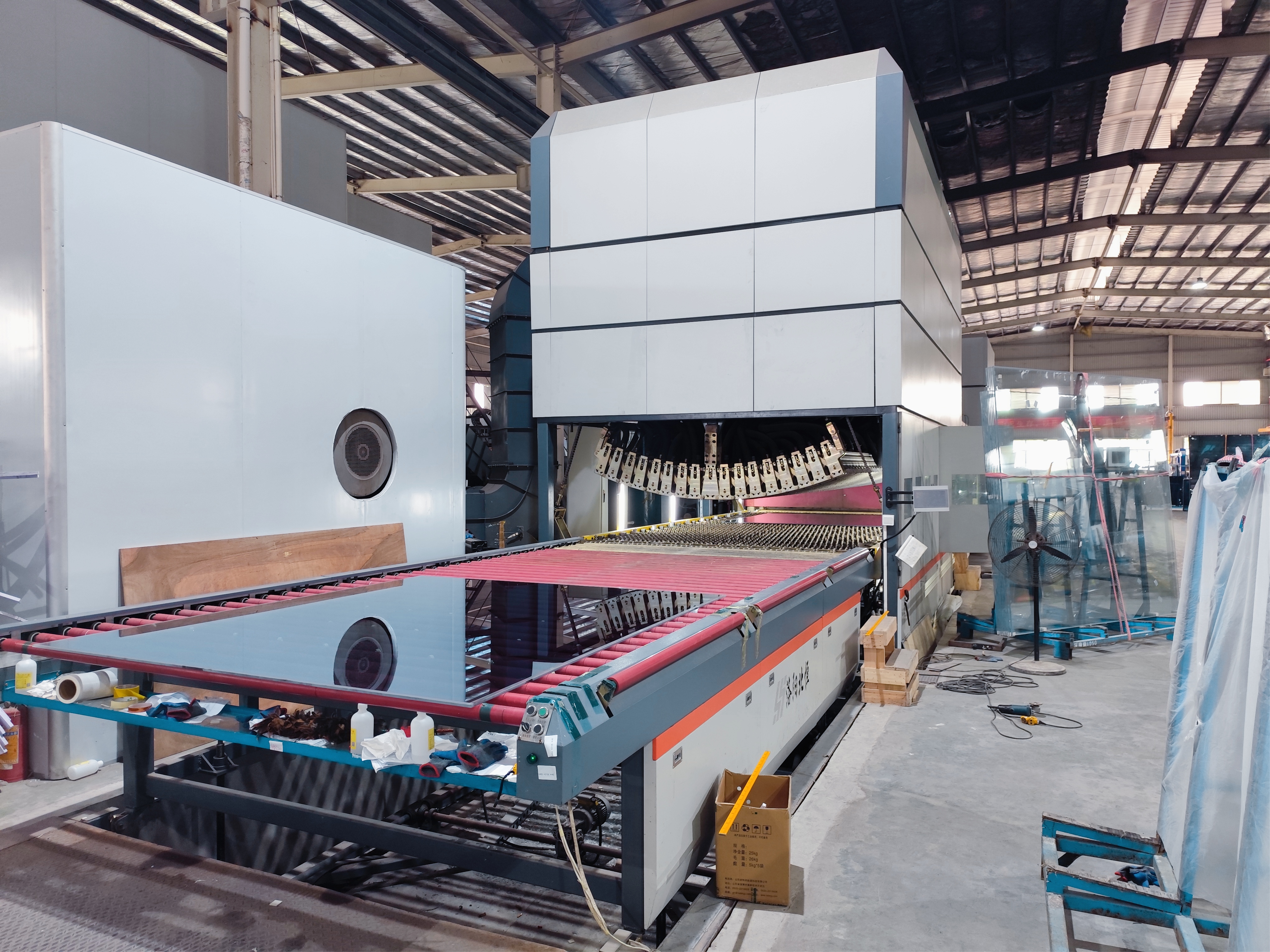
What Is Curved Tempered Glass?
Curved tempered glass is a toughened glass product formed with a curved surface rather than a flat profile. In the DYGLASS product range, model DY-GH01 is a curved tempered glass made from float glass. It is available in thicknesses from 3mm to 19mm, with a thickness tolerance of ±0.5mm and light transmittance of ≥91%. Edge work options include polished, grinded, and beveled. The same base product can be supplied as flat tempered glass, tempered glass with holes, or with polished edges, depending on project requirements.
For complex geometry, DYGLASS processes multi-curved tempered glass, double curved tempered glass, triple curved tempered glass, trapezoid curved tempered glass, spherical curved tempered glass, pyramidal curved tempered glass, S-shape curved tempered glass, cylindrical curved tempered glass, and positive and negative curved tempered glass. This means architects and fabricators can specify everything from a simple cylindrical arch to double-curved or S-shaped panels.
Market Context: Why Curved Glass Demand Is Growing
The global curved glass panel market was valued at approximately USD 781.2 million in 2024 and is projected to grow at a compound annual growth rate (CAGR) of 8.0% through 2031, according to Cognitive Market Research. Asia-Pacific is identified as the fastest-growing region for the curved glass panel market, driven by rapid urbanization and infrastructure development, according to Custom Market Insights.
Architectural applications such as facades and curtain walls dominated demand, accounting for over 40% of the curved glass panel market in 2024, according to Research and Markets. On the supply side, China's export value for 'worked' glass—a category that includes bent and curved glass under HS 7006—reached approximately USD 791 million in 2023, according to TrendEconomy / UN Comtrade.
Established global players in high-performance curved glass include AGC, Saint-Gobain, Guardian Industries, and Cricursa, according to Grand View Research. For buyers, the practical takeaway is that curved glass is a specialized, growing category where supplier process capability and compliance matter as much as glass composition.
DYGLASS Curved Glass Product Range
For construction, decoration, and municipal engineering projects, DYGLASS supplies curved glass in three structural configurations: curved tempered glass, curved laminated glass, and curved insulating glass.
1. DY-GH01 – Curved Tempered Glass
DY-GH01 is a curved tempered glass made from float glass. It is available in thicknesses from 3mm to 19mm, with a tolerance of ±0.5mm and light transmittance of ≥91%. Edge work options include polished, grinded, and beveled. It can be supplied as flat tempered glass, tempered glass with holes, or with polished edges. The product is intended for construction, furniture, bathroom, office partition, and curtain wall industries.
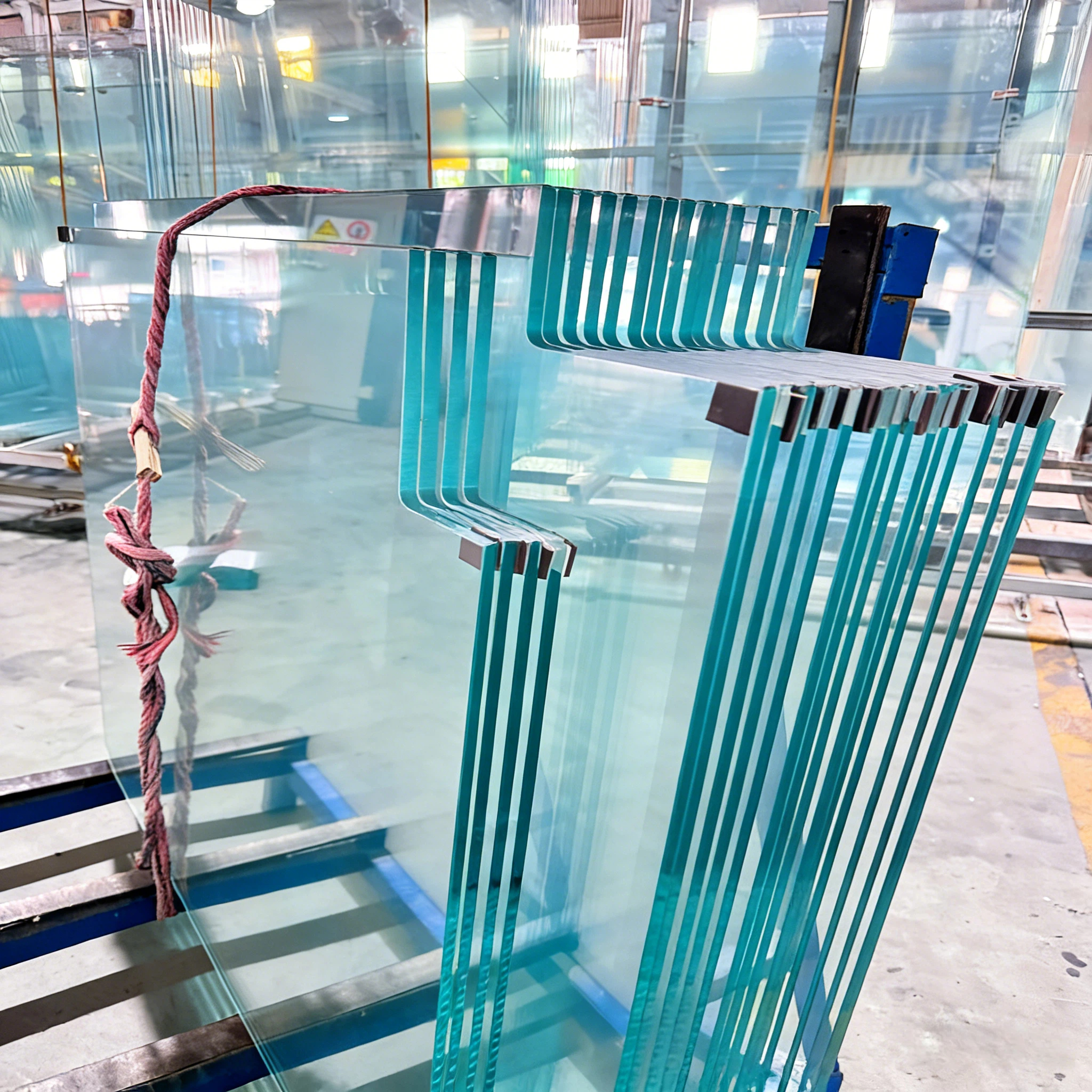
2. DY-JJ01 – Curved Laminated Safety Glass
DY-JJ01 is a tempered laminated safety glass, also available as curved laminated glass. It is made of tempered glass with a PVB interlayer. Total thickness ranges from 6.38mm to 50mm. Interlayer types include PVB, SGP, and EVA. PVB interlayer thickness options include 0.38mm, 0.76mm, 1.14mm, 1.52mm, and 2.28mm. Clear laminated glass achieves 85% to 92% light transmittance, while tinted versions range from 10% to 70%. Sound insulation is 35dB to 45dB. Glass substrate options include tempered, float, low-iron, and tinted glass. DY-JJ01 can be used for fire-resistant applications and is intended for building and construction scenarios as well as the automotive industry.
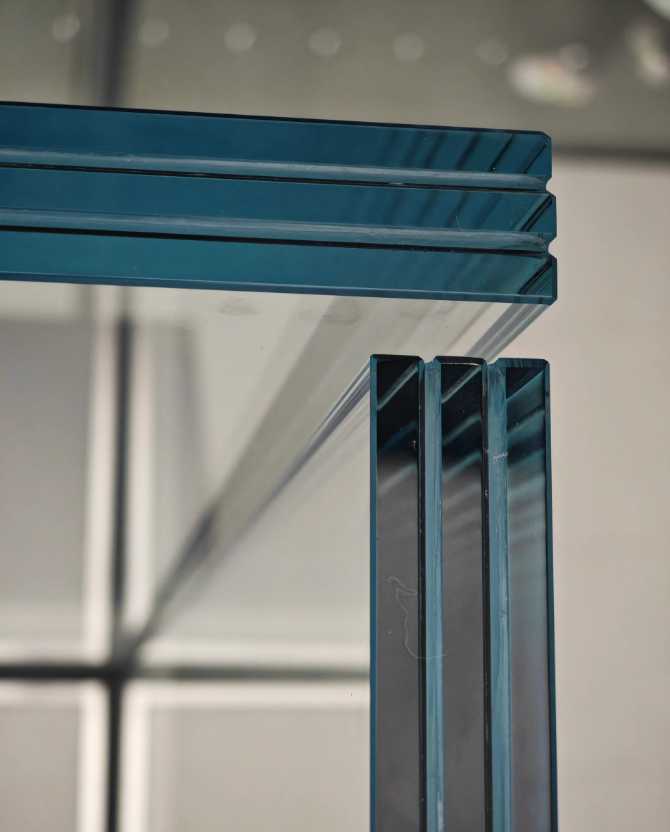
3. DY-ZK01 – Curved Insulating Glass
DY-ZK01 is an insulating glass classified under the tempered insulated glass category, including curved insulated glass variants. It is made of tempered glass with an aluminum spacer, and spacer bar options include aluminum or warm edge. Standard thickness options include 6mm+12A+6mm and 8mm+16A+8mm, with custom thicknesses available. Glass type options are clear float, low-E, tempered, or low-iron. Gas fill options include air, argon, krypton, and xenon. Light transmittance ranges from 70% to 89%. Sound insulation is 30dB to 45dB. It is designed for curtain wall and window systems, interior decoration, architecture projects, and building construction.
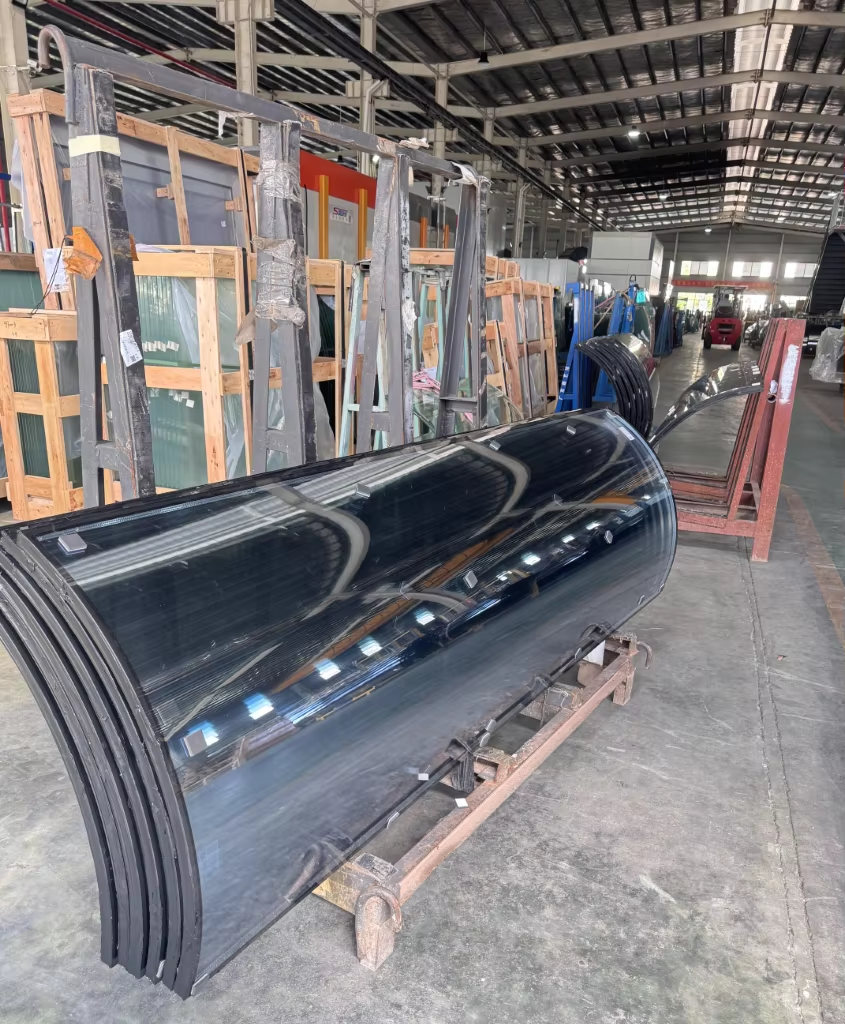
Common Applications for Curved Tempered Glass
- Curtain walls: curved insulating glass (DY-ZK01) and curved laminated glass (DY-JJ01) are commonly used in curtain wall and window systems where thermal performance, safety, and architectural appearance are required.
- Sightseeing elevators: curved transparent glass allows full-view visibility. Laminated safety glass is often recommended for this application because of its greater retention if broken.
- Shower rooms: curved tempered glass (DY-GH01) suits curved enclosures for wide-arc or semi-circular shower spaces.
- Coffee tables and furniture: curved tempered glass with polished edges is frequently used for coffee table tops, display shelves, and tabletops where the curved edge is a design feature.
- Skylight roofs: curved laminated and insulating glass help combine natural light, thermal efficiency, and impact resistance in a single roof panel. Roof glazing often requires a laminated layer for safety.
- Construction, decoration, and municipal engineering: in the building materials and real estate sector, curved glass also functions as decorative building material for architectural projects.
How to Specify Curved Tempered Glass: Step by Step
- Define the curved shape. Specify whether the panel is single-curved, double-curved, S-shaped, spherical, or positive/negative curved, and provide drawings or scan data.
- Choose the glass substrate. Select clear float, low-iron, low-E, or tinted glass according to light and thermal requirements.
- Select the structural configuration. Choose single tempered glass (DY-GH01), laminated glass (DY-JJ01), or insulating glass (DY-ZK01) based on safety, acoustic, and thermal needs.
- Confirm thickness and tolerance. DY-GH01 covers 3mm to 19mm with ±0.5mm tolerance. DY-JJ01 covers 6.38mm to 50mm total thickness. DY-ZK01 standard units are 6mm+12A+6mm or 8mm+16A+8mm with custom options.
- Specify edge work and holes. Choose polished, grinded, or beveled edges, and confirm hole locations if the panel requires fixings.
- Add performance layers. Select PVB, SGP, or EVA interlayers, gas fills such as argon, krypton, or xenon, and spacer bar type (aluminum or warm edge).
- Verify compliance documents. For EU construction projects, EN 12150-1 and EN 14179-1 (Heat Soaked) are mandatory for toughened safety glass. Request test reports before production.
Manufacturing and Compliance Capabilities
Shenzhen Dayang Special Glass Co., Ltd. was established in 2017 and operates a 30,000 square meter facility with approximately 130 staff and an annual production capacity of 600,000 square meters. Around 60% of output is exported, with main markets including the UAE, Bahrain, Saudi Arabia, the United States, the Philippines, and Vietnam. DYGLASS also welcomes OEM and ODM orders.
Production equipment includes cutting lines, edge grinding lines, drilling lines, flat and curved tempering lines, a double curved tempering line, a concave and convex curved line for irregular shapes, an autoclave for laminated glass, an insulating line, and a heat soak furnace. The heat soak furnace supports the process referenced by EN 14179-1 for reducing the risk of spontaneous breakage caused by nickel sulfide inclusions in toughened glass.
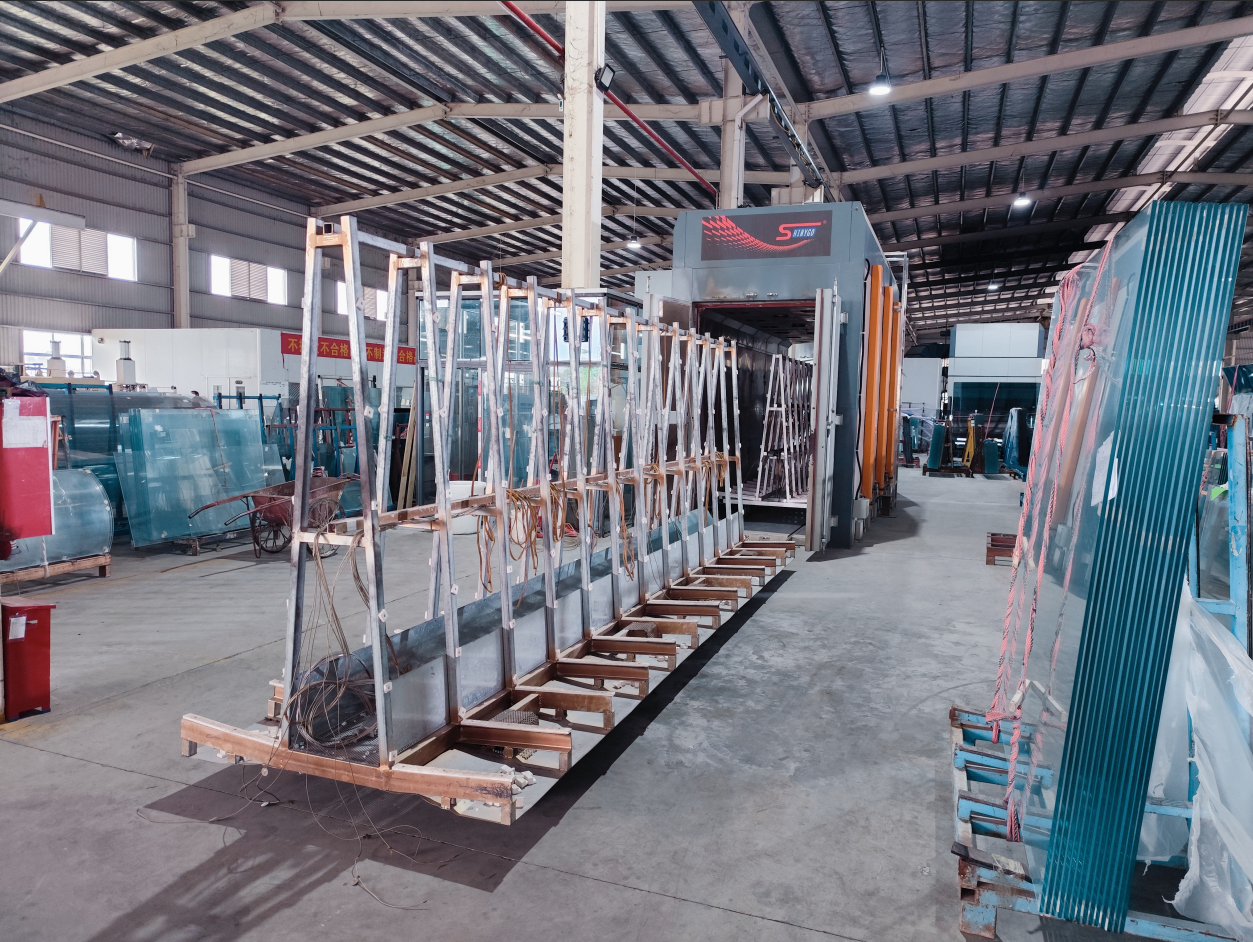
For quality assurance, DYGLASS is an Alibaba Verified Supplier and has passed the SGS test report. Buyers should still request project-specific compliance documentation such as EN 12150-1 and EN 14179-1 evidence when required by local regulations.
Comparing DYGLASS Curved Glass Configurations
| Model | Classification | Core structure | Thickness | Light transmittance | Sound insulation | Typical uses |
|---|---|---|---|---|---|---|
| DY-GH01 | Curved tempered glass | Float glass | 3–19mm (±0.5mm) | ≥91% | Not stated | Curtain wall, bathroom, furniture, office partition, construction |
| DY-JJ01 | Curved laminated safety glass | Tempered glass + PVB/SGP/EVA interlayer | 6.38–50mm | 85–92% clear; 10–70% tinted | 35–45dB | Building, automotive, fire-resistant applications |
| DY-ZK01 | Curved insulating glass | Tempered glass + aluminum/warm-edge spacer | 6mm+12A+6mm; 8mm+16A+8mm; custom | 70–89% | 30–45dB | Curtain wall, window, interior decoration, architecture |
FAQ
1. What is curved tempered glass?
Curved tempered glass is a safety glass product made by bending float glass into a curved shape and tempering it for strength. DYGLASS model DY-GH01 is a curved tempered glass made from float glass, available in thicknesses from 3mm to 19mm with a tolerance of ±0.5mm and light transmittance of ≥91%.
2. What safety standards apply to curved tempered glass in Europe?
In Europe, EN 12150-1 and EN 14179-1 (Heat Soaked) are mandatory standards for toughened safety glass used in construction. The heat-soak test reduces the risk of spontaneous breakage caused by nickel sulfide inclusions. Buyers should verify supplier test reports for EU projects. DYGLASS is an Alibaba Verified Supplier and has passed the SGS test report; project-specific compliance documentation should still be requested.
3. What curved shapes can DYGLASS manufacture?
DYGLASS can process multi-curved, double curved, triple curved, trapezoid, spherical, pyramidal, S-shape, cylindrical, and positive/negative curved tempered glass, covering everything from simple arched profiles to complex architectural geometry.
4. What are the standard specifications of DYGLASS curved glass?
DY-GH01 curved tempered glass: 3–19mm thickness, ±0.5mm tolerance, ≥91% light transmittance, with polished, grinded, or beveled edge options. DY-JJ01 curved laminated glass: 6.38–50mm total thickness, with PVB thickness options from 0.38mm to 2.28mm. DY-ZK01 curved insulating glass: 6mm+12A+6mm or 8mm+16A+8mm, custom thickness available, with gas fill options including argon, krypton, and xenon.
5. Curved laminated glass vs curved insulating glass—what is the difference?
DY-JJ01 curved laminated glass uses PVB, SGP, or EVA interlayers between glass layers, with total thickness from 6.38mm to 50mm. It provides 35–45dB sound insulation and suits safety, fire-resistant, and automotive applications. DY-ZK01 curved insulating glass uses aluminum or warm-edge spacers with air, argon, krypton, or xenon gas fill. It provides 70–89% light transmittance and 30–45dB sound insulation and is designed for curtain wall and window systems.
6. What factors affect the price of curved tempered glass?
Pricing mainly depends on the complexity of the curved shape, glass thickness, substrate type, laminated or insulating configuration, edge work, and holes. Simpler arcs and standard thicknesses are generally easier to source. Buyers should provide drawings and quantities to receive accurate pricing.
7. How can I request a curved glass sample or quotation from DYGLASS?
Send project details—such as drawings, DXF or scan data, dimensions, curvature shape, thickness, glass type, and quantity—to info@dayangglass.com or WhatsApp +86-13692110212. DYGLASS welcomes OEM and ODM orders. A company brochure is available for download to review capabilities before requesting a sample or quote.
Conclusion
Curved tempered glass combines the strength of safety glass with free-form design. For curtain walls, sightseeing elevators, shower rooms, coffee tables, and skylight roofs, choosing the right configuration—single tempered, laminated, or insulating—depends on safety, thermal, and acoustic requirements.
Shenzhen Dayang Special Glass Co., Ltd. (DYGLASS), established in 2017, operates a 30,000 square meter facility with an annual production capacity of 600,000 square meters. It supplies curved tempered glass (DY-GH01), curved laminated glass (DY-JJ01), and curved insulating glass (DY-ZK01). Project teams can submit drawings or specifications to determine which configuration fits their building scenario.
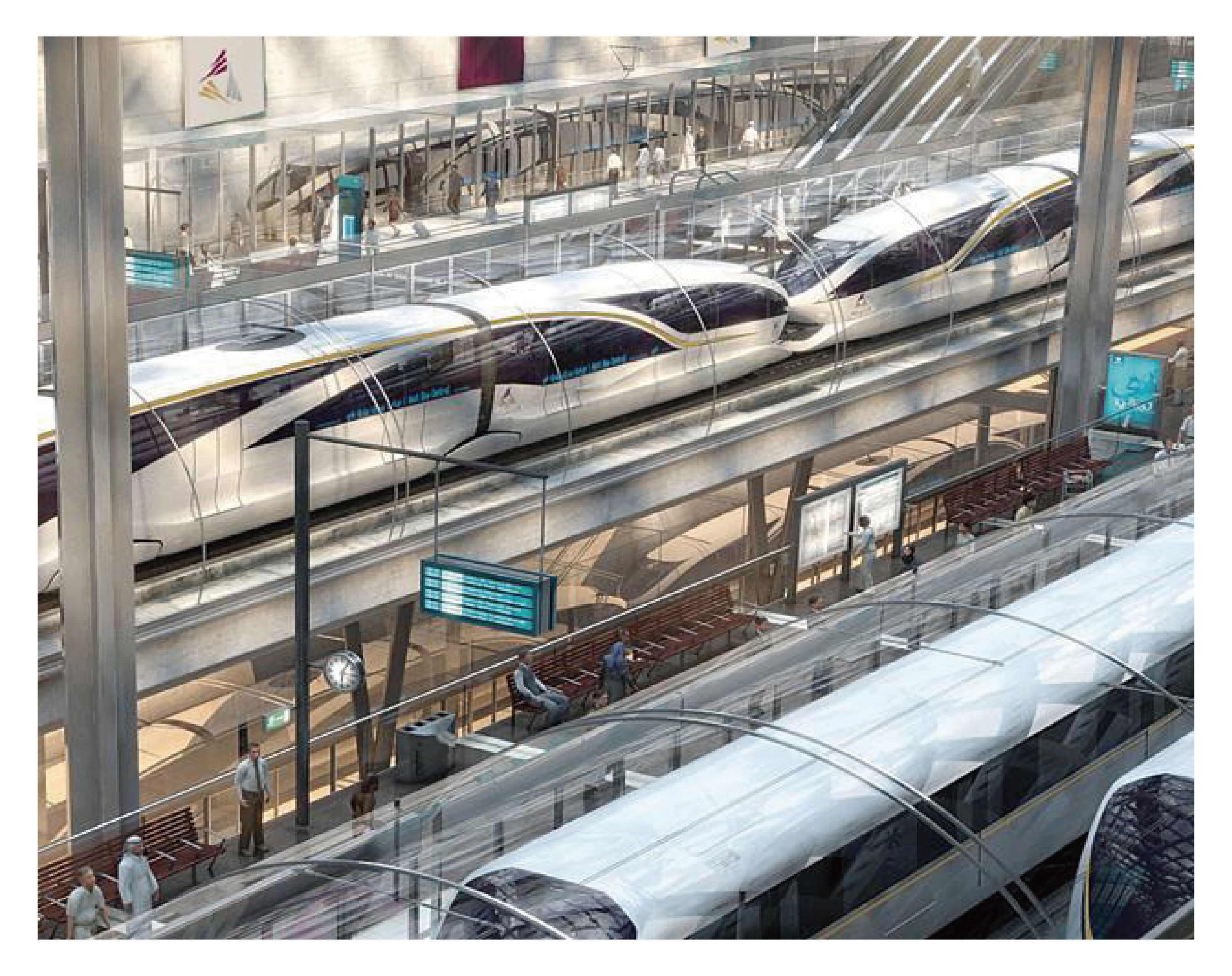
Start your curved glass project with DYGLASS
Shenzhen Dayang Special Glass Co., Ltd. (DYGLASS) welcomes OEM and ODM orders. Send your drawings or project specifications to request a curved glass quotation or sample.
Website: www.dayangglass.com | Email: info@dayangglass.com | WhatsApp: +86-13692110212
Download the company brochure: DYGLASS brochure (PDF)