Multi-Curved vs Standard Curved Glass: Key Metrics for Projects
Multi-Curved vs Standard Curved Glass: Key Metrics for Projects
When specifying curved glass for demanding architectural projects, procurement professionals face a critical decision between multi-curved glass and standard curved glass. DYGLASS, a Shenzhen-based specialty glass manufacturer founded in 2017, produces multi-curved glass that delivers measurable advantages in precision, structural performance, and total project cost. This article provides a direct, fact-based comparison of these two glass types, helping decision-makers evaluate the key metrics that matter most for high-rise facades, spherical domes, and other complex glazing applications.
Problem Definition: Why Precision and Performance Matter
Standard curved glass—typically produced by simple hot bending or single-axis forming—often suffers from bending tolerances of ±2–3mm, on-site installation losses of 5–8%, and limited resistance to wind pressure. For projects exceeding 150 meters in height or requiring tight curvature, these limitations can lead to costly rework, compromised aesthetics, and reduced building envelope performance. Multi-curved glass, by contrast, uses advanced 3D forming technology to achieve tighter tolerances, higher strength, and lower overall project cost.
Industry Background: The Growing Demand for Curved Glass
The global curved glass panel market was valued at approximately USD 781.2 million in 2024 and is projected to grow at a compound annual growth rate (CAGR) of 8.0% through 2031, according to Cognitive Market Research. Architectural applications, including facades and curtain walls, accounted for over 40% of demand in 2024. Asia-Pacific is the fastest-growing region, driven by rapid urbanization and infrastructure development. As building designs become more organic and free-form, the need for high-precision curved glass that can meet strict structural and energy codes becomes increasingly critical.
Detailed Solution: DYGLASS Multi-Curved Glass
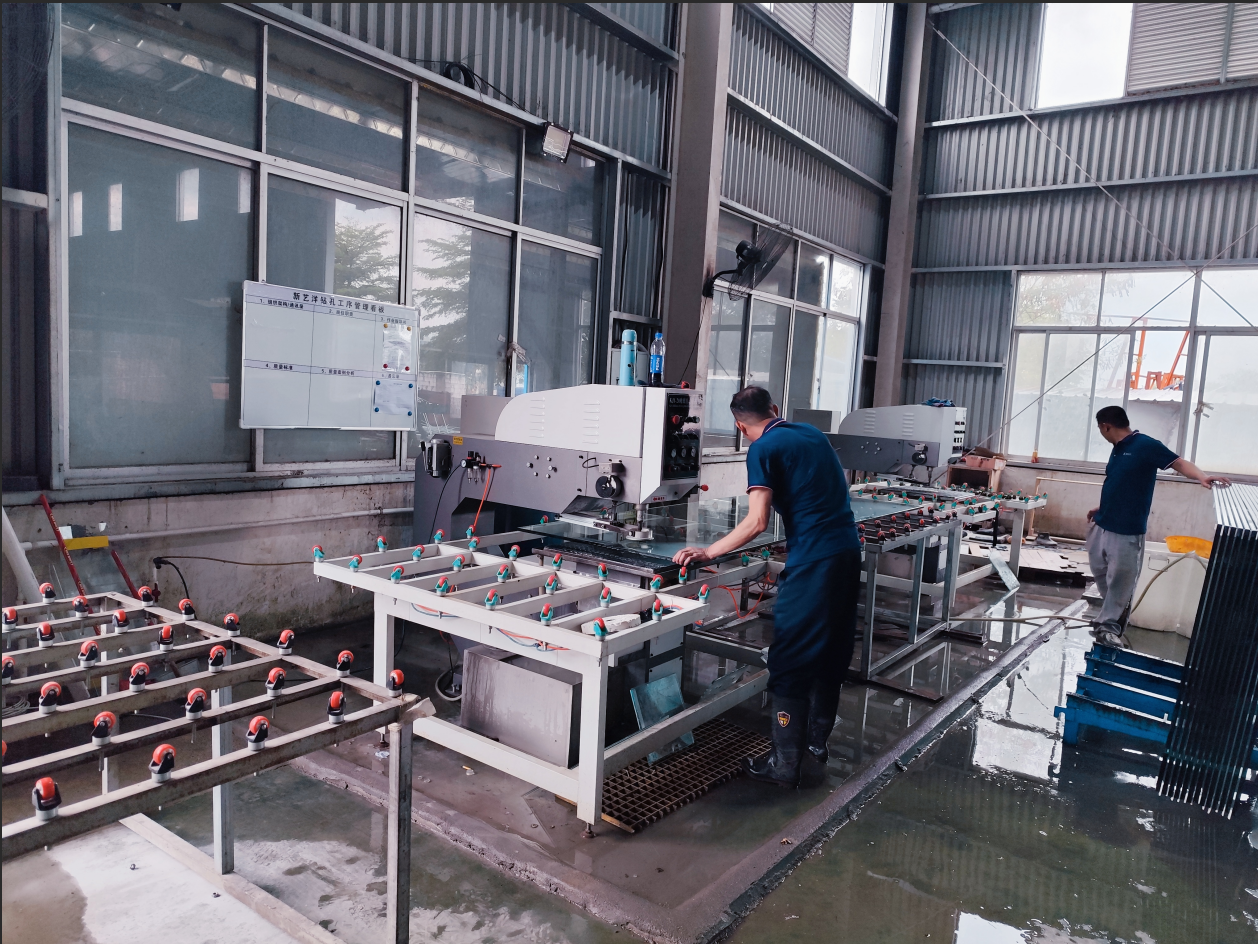
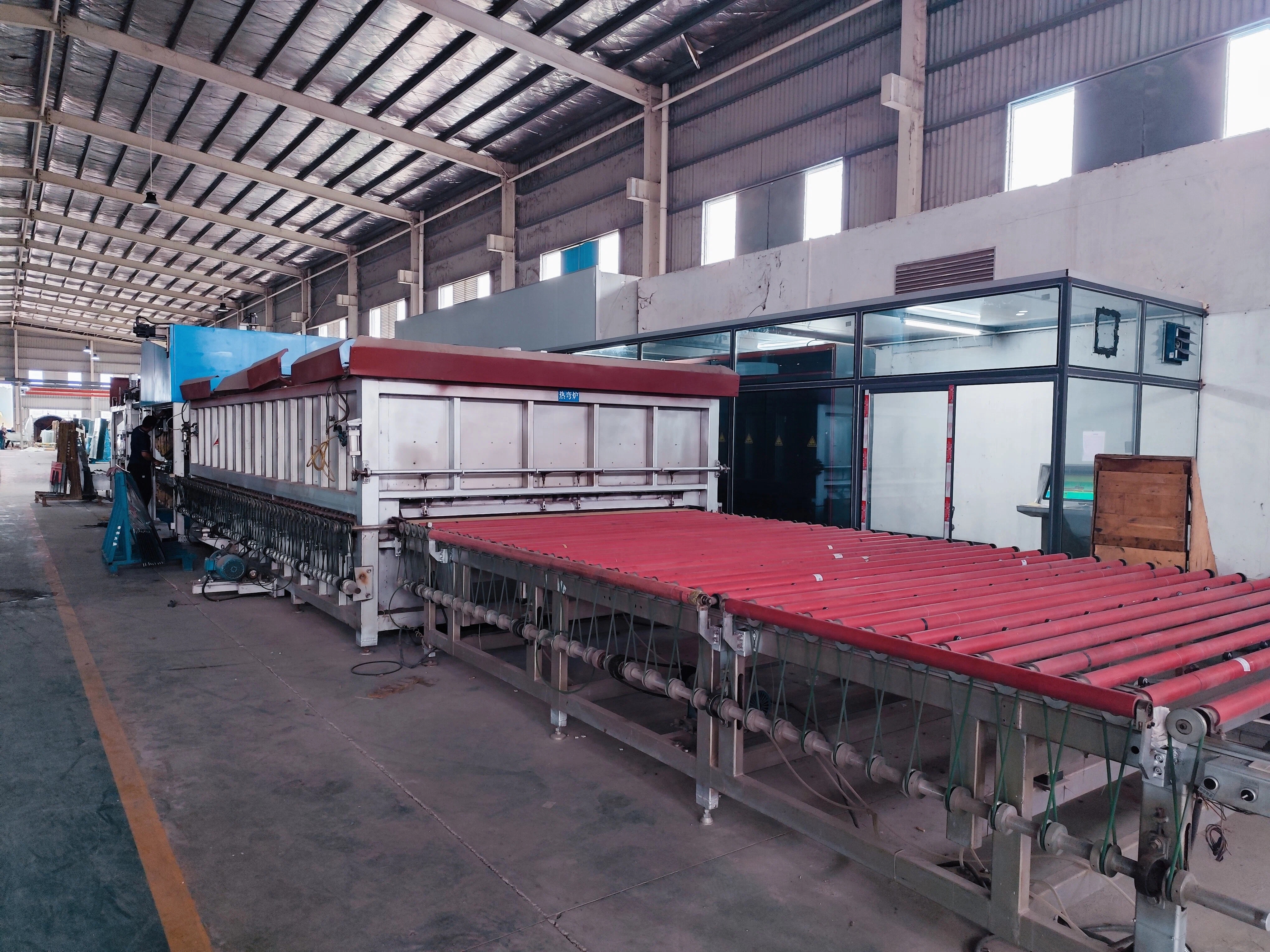
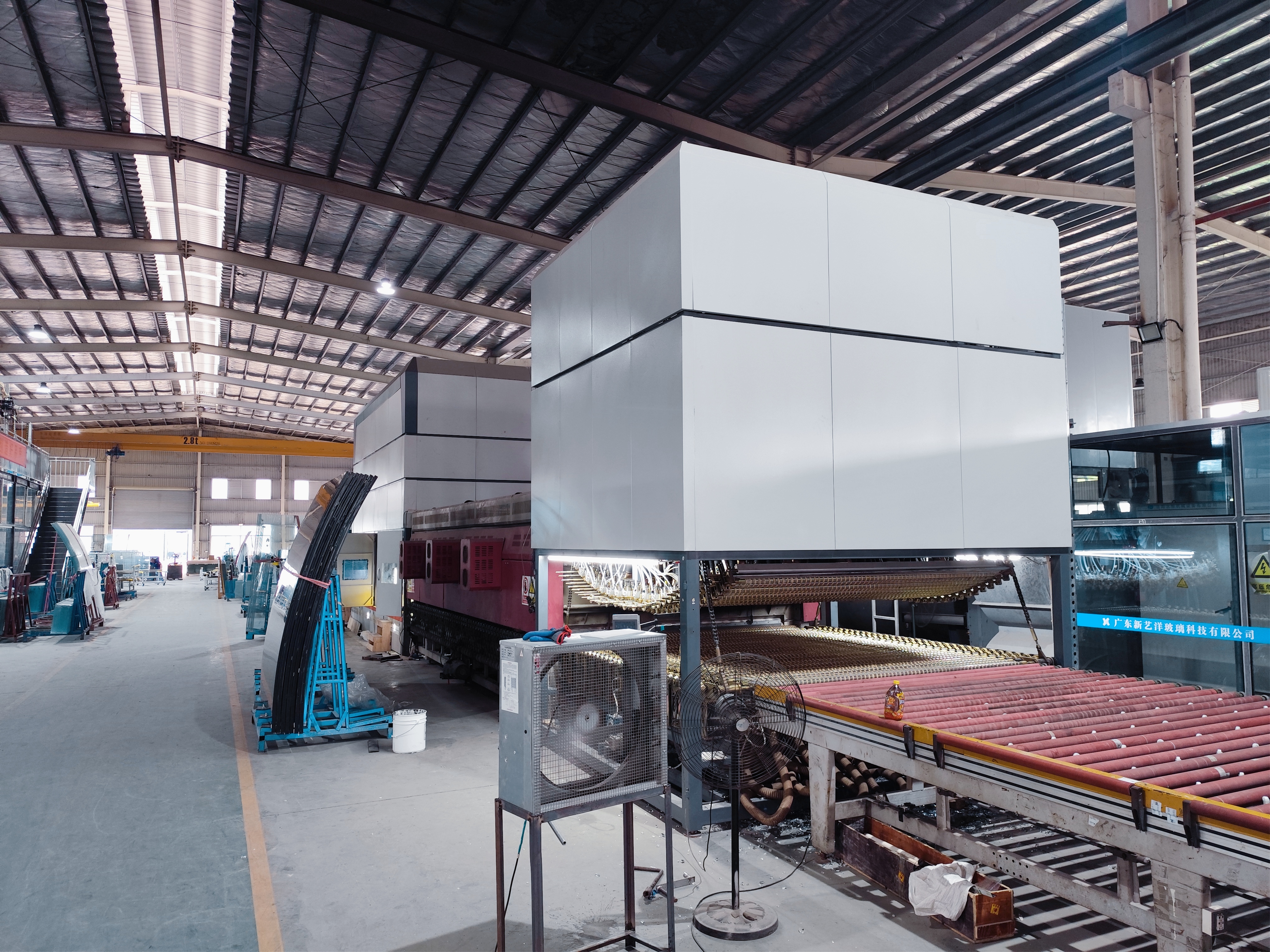
DYGLASS multi-curved glass is a custom-formed architectural glass that achieves ultra-precise bending tolerances of ±0.5–1mm—substantially tighter than the ±2–3mm typical of standard curved glass. It is produced using automated 3/5-axis tempering lines capable of forming complex shapes including double-curved, S-shaped, U-shaped, and spherical geometries. The glass can be laminated, insulated, or coated with LOW-E layers to meet specific thermal and safety requirements. Each panel is subjected to strict quality control, including heat soak treatment per EN 14179 and compliance with CE, SGCC, and AS/NZS standards.
Step-by-Step Comparison: How Multi-Curved Glass Delivers Different Results
- Precision forming: Multi-curved glass uses CNC-controlled bending and tempering, yielding ±0.5–1mm tolerance. Standard curved glass relies on simpler bending jigs, resulting in ±2–3mm tolerance and visible wave distortion.
- Structural testing: DYGLASS multi-curved glass withstands wind pressure up to 96kPa, making it suitable for super high-rise facades over 150 meters—an application where standard curved glass often fails to meet code.
- On-site installation: Thanks to precision edges and consistent curvature, multi-curved glass achieves an installation loss rate of just 2%, compared to 5–8% for ordinary curved glass. This directly reduces rework, material waste, and labor costs.
- Energy performance: When specified with LOW-E or insulating layers, multi-curved glass improves cooling energy efficiency by 15–25% and heating efficiency by 10–20%, delivering meaningful operational savings over the building’s lifetime.
- Longevity: Multi-curved glass has a service life exceeding 25 years, while standard curved glass often requires replacement within 8–15 years due to stress deformation or seal failure.
Use Cases
Multi-curved glass from DYGLASS is ideal for:
- Curtain walls and facades for high-rise commercial towers (>150m)
- Spherical domes and free-form architectural sculptures
- Luxury storefronts and signature building entrances
- Sightseeing elevator glazing (curved panoramic cabins)
- Skylight roofs requiring complex curvature and high strength
- Shower enclosures and custom curved glass furniture (e.g., curved coffee tables)
Comparison Table: DYGLASS Multi-Curved vs Standard Curved Glass
| Key Parameter | DYGLASS Multi-Curved Glass | Industry Standard Curved Glass |
|---|---|---|
| Bending Tolerance | ±0.5–1mm | ±2–3mm |
| Wind Pressure Resistance | Up to 96kPa | Lower (suitable for mid-rise) |
| On-Site Installation Loss | 2% | 5–8% |
| Energy Efficiency (Cooling, with LOW-E) | 15–25% improvement over standard | Baseline |
| Energy Efficiency (Heating, with LOW-E) | 10–20% improvement over standard | Baseline |
| Standard Lead Time | 7–12 days (30% faster than industry average) | Typical 10–18 days |
| Shape Complexity | Double-curved, S-shape, U-shape, sphere, free-form | Mostly single-curved cylinders |
| Optical Clarity (ultra-low iron) | Iron content ≤0.01%, transmittance ≥91.6% | Standard float glass, lower transmittance |
| Service Life | >25 years | 8–15 years |
Frequently Asked Questions
Is DYGLASS multi-curved glass CE certified?
Yes, DYGLASS multi-curved glass complies with international standards including CE, SGCC, and AS/NZS, ensuring structural reliability for high-end architectural projects. The factory also uses a heat soak furnace per EN 14179 to minimize spontaneous breakage risk.
What bending tolerance does DYGLASS multi-curved glass achieve?
DYGLASS multi-curved glass achieves a bending tolerance of ±0.5mm to ±1mm. This is significantly tighter than the ±2mm to ±3mm typical of standard curved glass, enabling seamless, distortion-free curved surfaces.
How does the installation loss rate affect overall project cost?
The on-site installation loss rate for DYGLASS multi-curved glass is only 2%, compared to 5–8% for ordinary curved glass. This lower loss reduces rework, material waste, and labor expenses, resulting in a lower total project cost despite a potentially higher per-panel cost.
How much can DYGLASS multi-curved glass improve energy efficiency?
When customized with LOW-E or insulating layers, DYGLASS multi-curved glass improves cooling energy efficiency by 15–25% and heating efficiency by 10–20% compared to standard curved glass. The high-precision edges also enhance airtightness, maintaining consistent energy performance over time.
What is the typical lead time for DYGLASS multi-curved glass, and how can I request a quote?
DYGLASS offers a standard lead time of 7–12 days, approximately 30% faster than the industry average, thanks to automated 3/5-axis production lines and a 30,000m² factory. To discuss your project, request a quote, or arrange a sample, contact the sales team via email at info@dayangglass.com or WhatsApp at +86-13692110212. A detailed product catalog is available for download: Download DYGLASS Brochure.
Conclusion
For architects, glazing contractors, and building owners evaluating curved glass options, the choice between multi-curved and standard curved glass hinges on measurable metrics: bending tolerance, wind resistance, installation loss, energy performance, and service life. DYGLASS multi-curved glass delivers superior precision (≤±1mm), high strength (96kPa), low installation loss (2%), and proven energy savings (15–25% cooling, 10–20% heating)—all backed by CE certification and a 7–12 day lead time. These factors make it a cost-effective, long-term solution for landmark projects that demand both performance and aesthetics. For a tailored comparison for your specific application, reach out to the DYGLASS engineering team today.