
The Complete Buyer's Guide to Curved Glass: Types, Applications, and How to Choose the Right Supplier
The Complete Buyer's Guide to Curved Glass: Types, Applications, and How to Choose the Right Supplier
Curved glass is no longer a luxury reserved for landmark skyscrapers — it is now a standard design element in curtain walls, elevator cabins, shower enclosures, coffee tables, and skylight roofs. But for procurement professionals, sourcing curved glass that meets dimensional precision, safety standards, and delivery timelines remains a significant challenge. This guide will help you understand curved glass technology, evaluate supplier capabilities, and make an informed purchasing decision.
What Is Curved Glass and Why Does It Matter?
Curved glass refers to flat glass that has been heated and shaped into a curved profile through a process called sagging or press bending. The result is a seamless, distortion-free curved surface that offers both aesthetic elegance and structural performance.
In modern architecture, curved glass enables free-form facades, panoramic views, and enhanced daylighting. In safety applications like sightseeing elevators and shower rooms, it eliminates sharp edges while maintaining strength. The global market for curved glass is projected to grow at a CAGR of 8–10% over the next five years, driven by demand in commercial construction and high-end residential projects.
Common Problems Buyers Face When Sourcing Curved Glass
- Inconsistent curvature tolerance — leading to installation gaps and seal failure
- Wave distortion — poor optical quality affects visual clarity
- Long lead times — especially for complex 3D shapes
- Lack of certification — cannot guarantee safety or compliance for export
- Limited production capacity — unable to handle large-volume orders
A reliable supplier must address all these pain points with process control, precision equipment, and proven experience.
Industry Background: Who Uses Curved Glass and Where?
Curved glass is used across multiple industries:
| Application | Common Curved Glass Type | Key Requirements |
|---|---|---|
| Curtain Wall | Hot curved / Low iron curved | High wind load resistance, low distortion |
| Sightseeing Elevator | Laminated curved / Explosion-proof | Safety, sound insulation |
| Shower Room | Single hot curved tempered | Safety, UV block |
| Coffee Table / Furniture | CNC forming / high precision curved | Edge finish, smooth surface |
| Skylight Roof | Insulated curved / double curved | Thermal insulation, structural integrity |
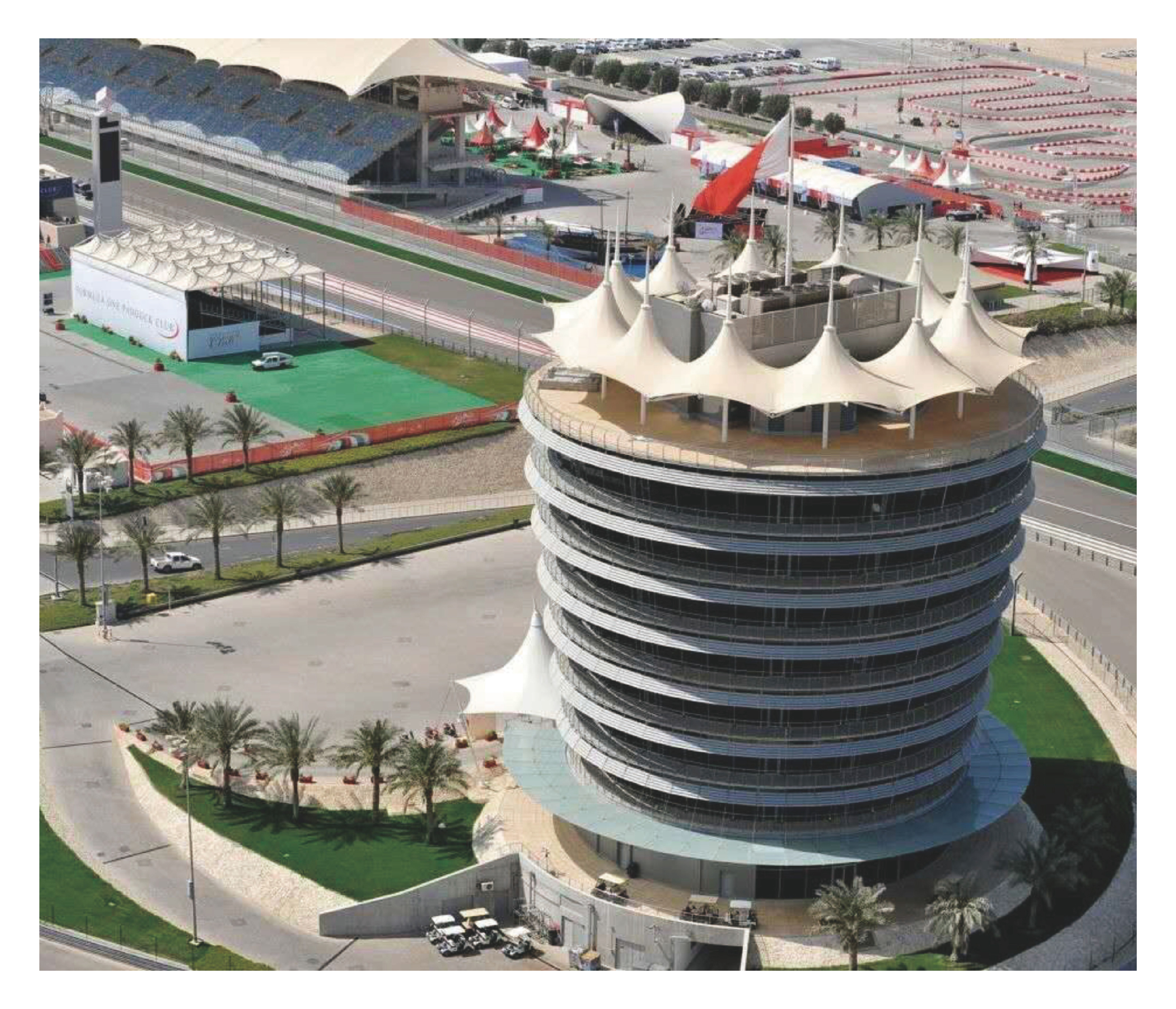
Projects range from luxury residential to mega-infrastructure. For example, Shenzhen Dayang Special Glass Co., Ltd. has supplied curved glass for projects like the Bahrain International Circuit and the Doha Metro Station, demonstrating its capability in demanding international applications.
How to Evaluate a Curved Glass Supplier: Step-by-Step
Step 1: Verify Certifications and Compliance
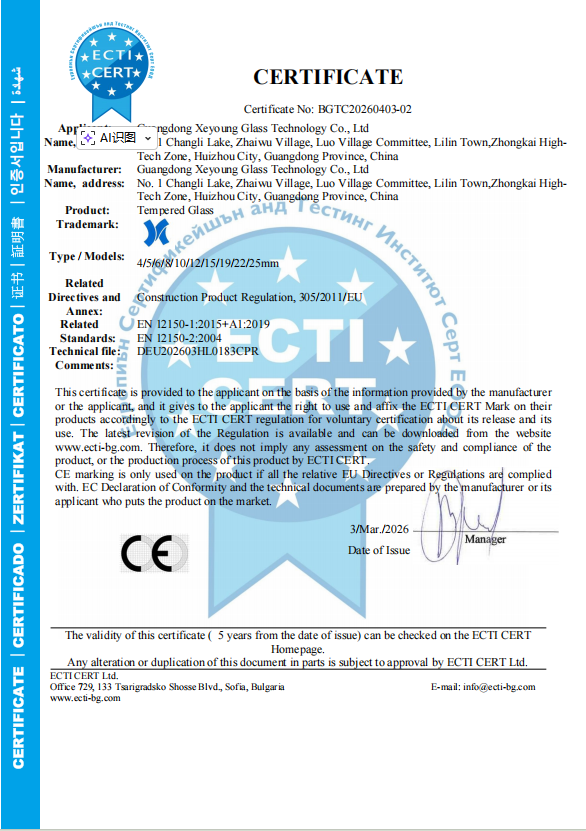
For exports to Europe, CE certification is mandatory. DYGLASS holds CE certificates for its tempered glass (EN 12150), laminated glass (EN 1449), and insulated glass (EN 1279), issued by ECTI CERT Ltd. with valid period until 2031. Always ask for the certificate number and scope.
Step 2: Assess Precision and Tolerance
Bending tolerance is the most critical parameter for curved glass. Industry average is ±2mm to ±3mm. High-precision suppliers like DYGLASS achieve ±0.5mm to ±1mm using 3/5-axis CNC forming equipment. This ensures seamless installation and reduces on-site adjustment costs by up to 60%.
Step 3: Check Production Capacity and Equipment
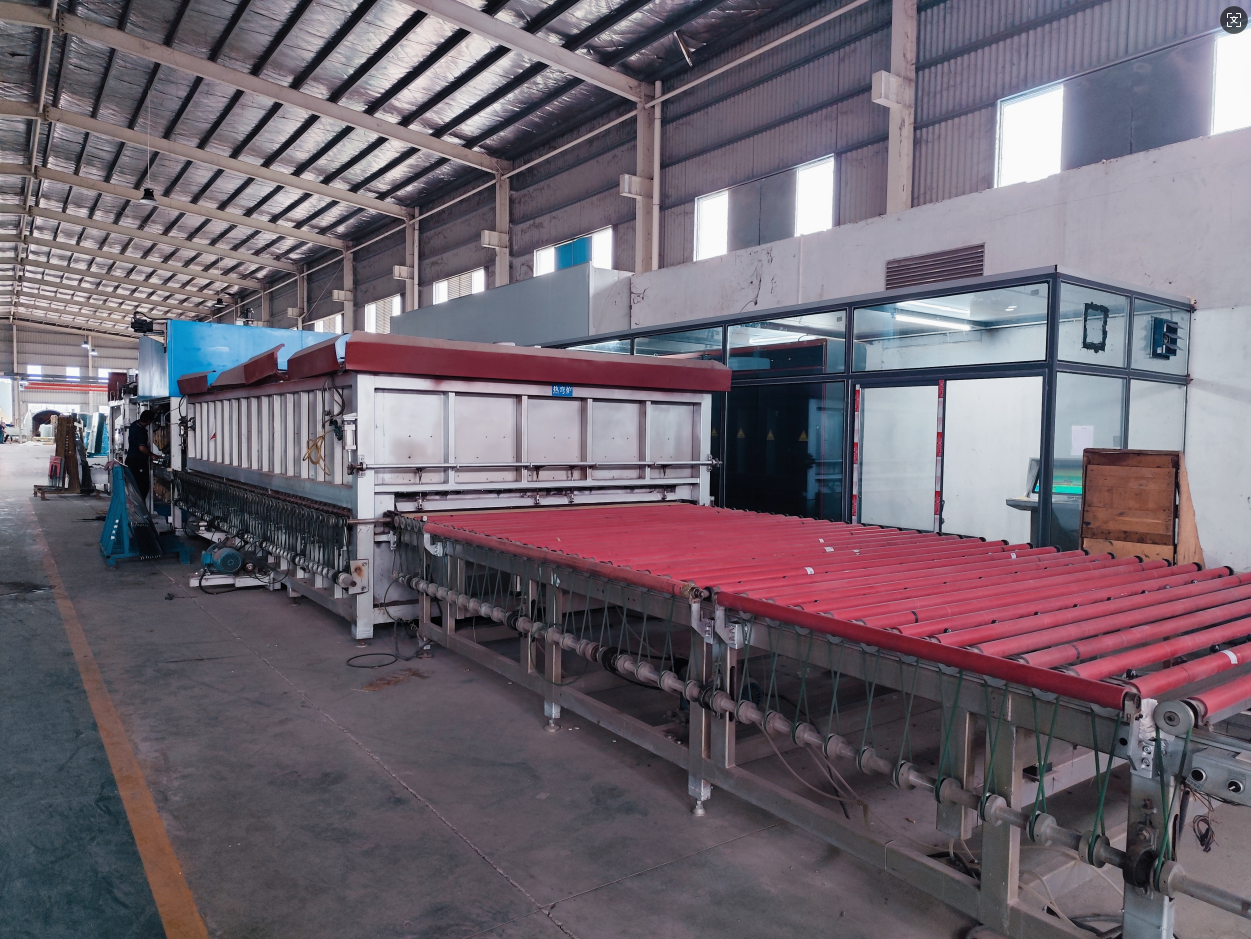
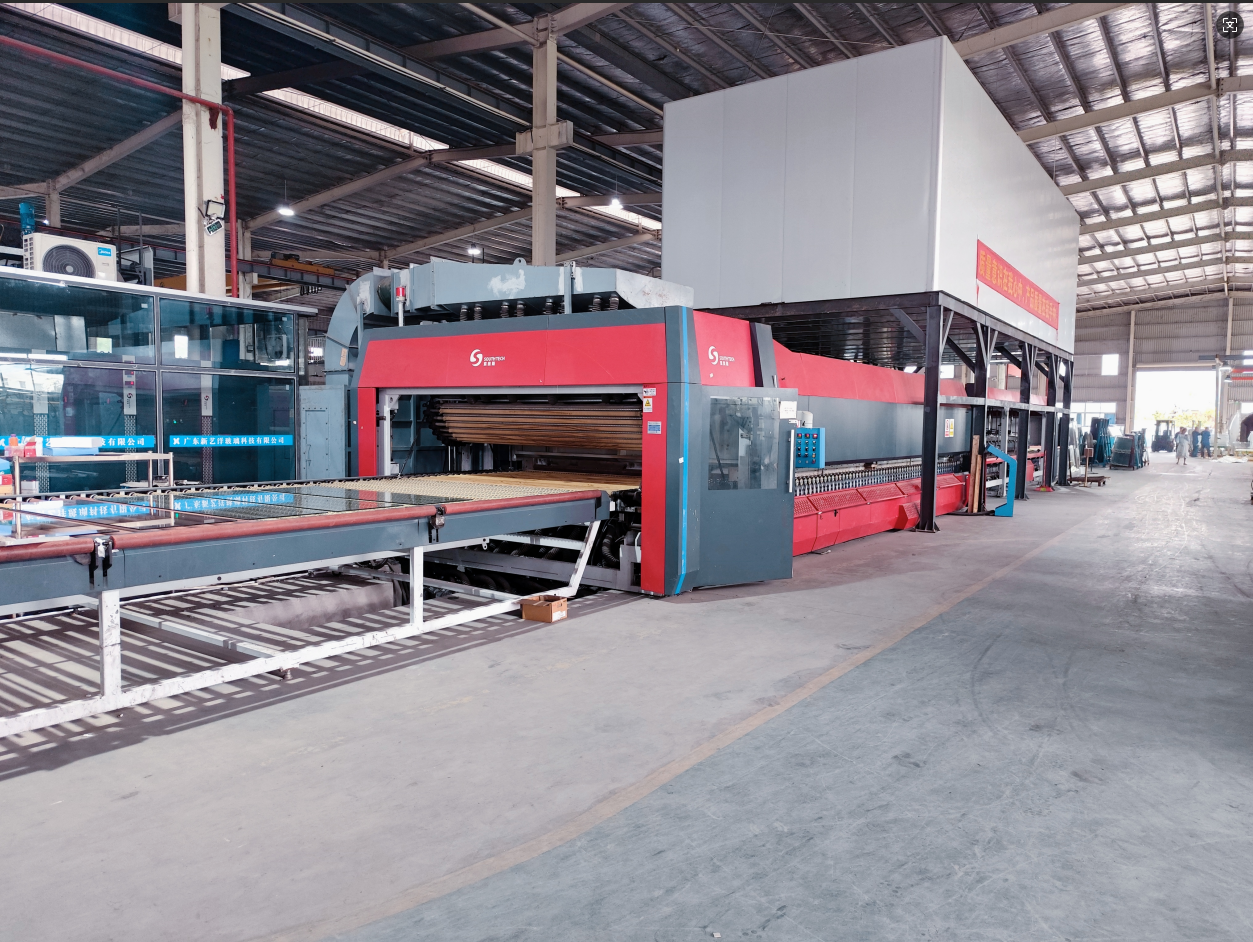
A manufacturer with an annual output of 600,000 square meters (like DYGLASS) can handle large projects without delay. Key equipment includes:
- Double curved tempering line — for complex 3D shapes
- Flat & curved tempering line — for single-curved production
- Autoclave — for laminated curved glass (PVB/SGP/EVA)
- CNC cutting, edge grinding, drilling, heat soak furnace — full in-house processing
Step 4: Review Product Range and Customization
The best suppliers offer a wide range of curved glass types to match your project needs:
| Model | Type | Key Parameters | Applications |
|---|---|---|---|
| DY-GH01 | Curved Tempered Glass | 3-19mm, ±0.5mm tolerance, ≥91% transmittance, polished/grinded/beveled edge | Curtain wall, bathroom, furniture, office partition |
| DY-JJ01 | Curved Laminated Glass | 6.38-50mm, PVB/SGP/EVA interlayer, 35-45dB sound insulation | Elevator, skylight, safety glazing |
| DY-ZK01 | Curved Insulated Glass | 6+12A+6mm to 8+16A+8mm, Low-E, Argon fill, 30-45dB | Facade, window system, energy-saving |
Step 5: Request Samples and Validate Quality
Before placing a bulk order, request curved glass samples to check for wave distortion, edge finish, and curvature consistency. DYGLASS offers free samples for qualified buyers.
Real-World Use Cases of DYGLASS Curved Glass
- Huizhou North Railway Station — large-area curved curtain wall panels with low-iron glass for maximum daylight
- China Nano Research Institute — precision curved laminated glass for laboratory partitions requiring sound insulation
- Doha Metro Station — explosion-proof curved glass for public safety compliance
- Bahrain International Circuit — UV-block curved glass for hospitality suites
These projects demonstrate DYGLASS's ability to deliver CE-certified, distortion-free curved glass for high-stakes environments.
Frequently Asked Questions (FAQ)
A: Choose a supplier with double-curved tempering lines and CNC forming. DYGLASS uses precision rollers and forced cooling to achieve no observable wave distortion within standard viewing distance.
A: For standard single-curved glass, 7-12 days. For complex 3D shapes, 15-20 days. DYGLASS offers expedited service for urgent projects.
A: Yes. DYGLASS specializes in 3D complex curvature including spherical, pyramidal, S-shape, and positive/negative curved glass.
A: Absolutely. 60% of production is exported to markets including UAE, Bahrain, Saudi Arabia, USA, Philippines, Vietnam, and more. Robust packaging ensures safe delivery.
A: CE (EN 12150, EN 1449, EN 1279), SGS test reports. We are an Alibaba Verified Supplier.
How to Choose the Right Curved Glass Supplier for Your Project
Here’s a quick checklist for buyers:
- ✔ Certification – CE, SGCC, AS/NZS as applicable
- ✔ Tolerance – look for ≤±1mm
- ✔ Capacity – at least 500,000 sqm/year for large projects
- ✔ Lead time – standard 10-14 days
- ✔ In-house processing – cutting, edging, tempering, laminating, insulating under one roof
- ✔ Reference projects – ask for case studies
- ✔ OEM/ODM experience – shows flexibility
Shenzhen Dayang Special Glass Co., Ltd. (DYGLASS) meets all these criteria. Established in 2017, with a 30,000m² factory and 130 experienced staff, the company is dedicated to providing high-quality curved glass for architectural and interior applications.
Ready to Source Curved Glass for Your Next Project?
Download the company brochure to explore product specifications and company capabilities. Contact the sales team for a quote or sample request.
Download Brochure (PDF)📧 info@dayangglass.com | 📞 +86-136 9211 0212 | 🌐 www.dayangglass.com
— End of Guide —