Cantonese Steamed Buns vs Pastries: Which Should Your Menu Choose?
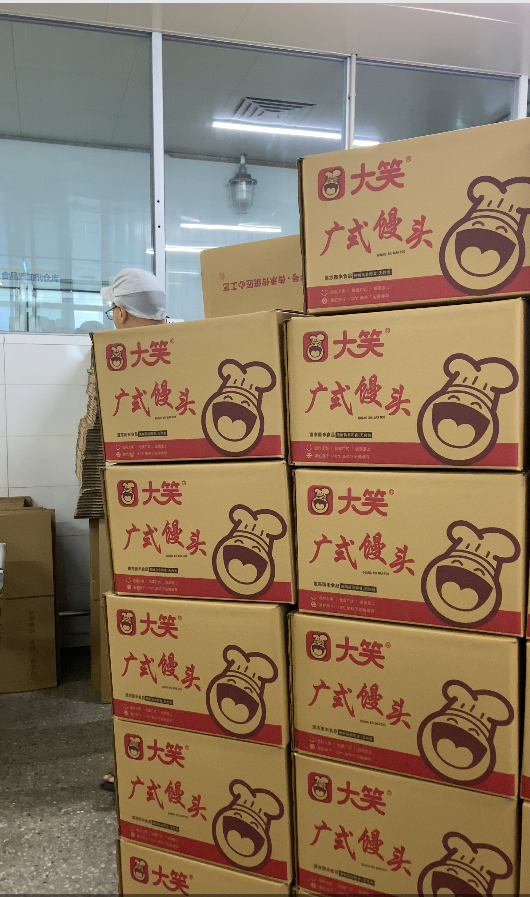
Steamed buns can anchor a breakfast or all-day menu; pastries can add a tea-time feature. The stronger choice depends on the menu job, not the category name alone.
Choose Cantonese steamed buns when your menu needs volume, familiar eating occasions and a reliable breakfast or all-day anchor. Choose Cantonese pastries when your menu needs a tea-time feature, texture variety and a more distinctive sweet or snack position. For many restaurants, hotels, retailers and caterers, the practical answer is a deliberate mix: buns stabilize basic sales, while pastries create a signature and cover a different part of the day.
This is a buyer’s comparison, not a claim that one category is universally better. The decision should be made against menu role, daypart, freezer capacity, shelf-life rotation, service format and the supplier range behind each item. The evidence used here supports those decision points; it does not support invented prices, MOQs or product specifications.
What Each Category Does on a Menu
Cantonese steamed buns are the bun-based side of a dim sum menu. Familiar examples include char siu bao and steamed custard buns, with sweet and savory options fitting breakfast, brunch and all-day service. In menu terms, buns are usually asked to do a staple job: satisfy hunger, fit a broad customer base and support repeat purchase.
Cantonese pastries are the pastry and steamed-cake side of the menu. For this comparison, the term covers items such as water chestnut cake, coconut golden cake, crispy taro pastry and green tea Buddha cake, along with other tea-time products in a dim sum range. Their menu job is often different: they add a featured snack, a dessert or tea-pairing item, and a more visible point of difference.
The distinction matters because buyers often compare the two categories as if they compete for the same slot. In practice, they usually compete for different slots. A bun may be the reason a customer orders a filling breakfast. A pastry may be the reason a customer adds a second item, extends a tea break or chooses one venue over another.
Why This Is Really a Menu-Slot Decision
Most menu planners do not have unlimited space. Every added item needs a production plan, a freezer position, a label, a stock code and a staff routine. A bun that sells steadily but looks like every other bun may still be useful. A pastry that creates a distinctive tea-time offer may still fail if the kitchen cannot rotate a shorter shelf-life item or if the pack size does not match demand.
The problem is therefore not simply bun versus pastry. It is which menu job is currently under-served. If the gap is a filling breakfast item with broad appeal, buns are the more direct answer. If the gap is a signature snack, an afternoon-tea item or a more premium dessert position, pastries deserve the first trial. If both gaps exist, a mixed menu is usually more useful than forcing one category to do both jobs.
This is also where sourcing practicality enters. A supplier may offer both categories, but the buyer still needs to confirm pack sizes, storage conditions, remaining shelf life, documentation and quotation terms. A broad catalogue does not remove the need for acceptance criteria.
Industry Background: Demand, Standardisation and Supplier Depth
Dim sum is not a niche menu experiment. A commercial research estimate from Data Insights Reports placed the global dim sum market at USD 7.04 billion in 2025, with a projected compound annual growth rate of 6.87% through 2033. That figure is a market estimate, not a forecast for any single venue. Its practical value for a buyer is limited but useful: it shows that both buns and pastries sit inside a category with substantial commercial activity.
Product standardisation is also developing. The Foshan Municipal Government described a 2023 Greater Bay Area initiative that preliminarily identified six Cantonese dim sum products for standardisation, naming char siu bao, shrimp dumpling, shumai and egg tarts in the available excerpt. The same source framed the objective as more consistent controls over ingredient selection, processing technology and procedure. That is a standardisation initiative, not a complete technical specification. For buyers, the useful point is that both bun and pastry categories attract attention to product identity and process documentation.
The supply side matters as well. Foshan Shunde Yuexiang Food Manufacturing Co., Ltd., which makes the DaXiao brand, has operated since 1981 in Shunde, a UNESCO City of Gastronomy. Its supplied company profile lists a 20,000 sqm facility, more than 200 staff, more than 30 R&D engineers and an annual output of 6,000,000 units. The company also reports more than 300 products across five series, including traditional dim sum, frozen dim sum and fried dim sum. That breadth is relevant because a menu planner may need buns for the anchor position and pastries for the feature position without building a supplier network from scratch.
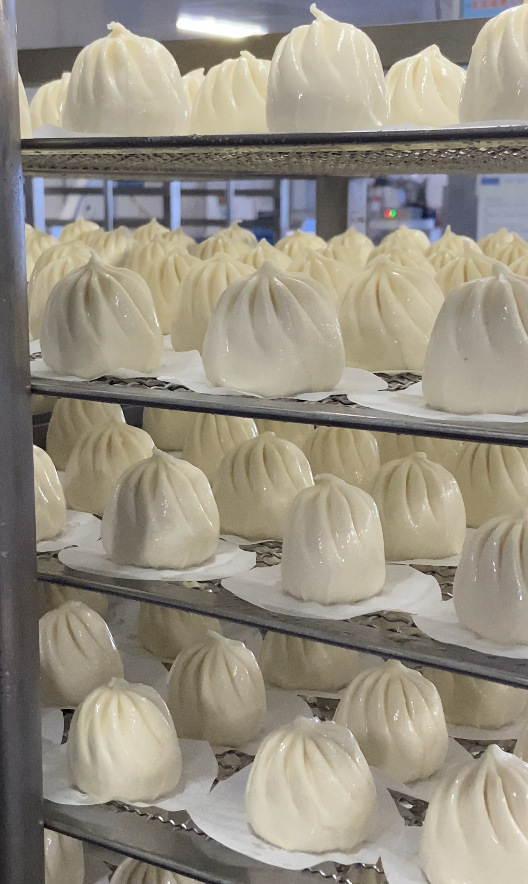
A broad frozen dim sum range can support a bun-led, pastry-led or mixed menu, but each SKU still needs its own specification and acceptance check.
The Three Practical Menu Directions
Option 1: A Bun-Led Menu
A bun-led menu is the cleaner choice when the main need is filling food, broad customer acceptance and a stable breakfast or all-day offer. The supplied product guidance describes buns as a staple with large consumption volume and stable repurchase. That makes them suitable for breakfast shops, group catering, convenience stores, casual teahouses and buyers who prioritize volume.
In this direction, char siu bao and steamed custard buns can carry the familiar end of the menu, while other buns add variety. The risk is not that buns are weak; it is that a bun-only menu may struggle to create a distinctive tea-time or dessert story. If the venue wants to sell a full morning-to-afternoon menu, buns should usually be paired with at least one feature category.
Option 2: A Pastry-Led Menu
A pastry-led menu is stronger when the business needs differentiation, visual variety and a tea-time or banquet position. The supplied selection guidance describes pastries as featured snacks for afternoon tea and higher-end dining scenarios. Water chestnut cake, coconut golden cake and similar items can give the menu a lighter, more displayable component than a bun-heavy offer.
This direction has a trade-off. The supplied information lists a 12-month frozen shelf life for steamed buns and a 6-month frozen shelf life for steamed cakes and layered pastries. That shorter window does not make pastries difficult, but it does narrow the margin for slow rotation. A pastry-led menu needs tighter demand planning and a disciplined stock cycle.
Option 3: The Mixed Menu
For many operators, the mixed menu is the most practical. Buns stabilize basic sales; pastries create a unique selling point. The two categories can cover different customer traffic across the day: a bun with coffee or tea in the morning, a pastry as an afternoon add-on, and a mixed selection for banquet tea breaks or retail packs.
The mixed option also reduces the risk of a single-category menu. If bun demand is softer than expected, the pastry line can still create interest. If pastry rotation is slower than planned, buns can carry the volume. The mix should be tested in small batches rather than treated as a fixed ratio.
Comparison Table: Buns vs Pastries for Menu Planning
| Decision dimension | Cantonese steamed buns | Cantonese pastries |
|---|---|---|
| Primary menu job | Filling staple for breakfast, brunch and all-day service; broad customer fit. | Featured snack, tea-time item or dessert position; useful for menu differentiation. |
| Demand role | Large consumption volume and stable repeat purchase, according to supplied guidance. | Featured snack role, especially for afternoon tea and higher-end dining scenarios. |
| Best-fit venues | Breakfast shops, group catering, convenience stores, casual teahouses and volume-focused buyers. | Mid-to-high-end teahouses, afternoon tea, banquet tea breaks and venues building a signature offer. |
| Inventory consideration | Supplied information lists a 12-month frozen shelf life, supporting more flexible stock rotation. | Supplied information lists a 6-month frozen shelf life for steamed cakes and layered pastries, requiring tighter rotation. |
| Storage check | Frozen guidance for buns is at or below -18°C; confirm packing and transport conditions. | Confirm storage and transport conditions for each pastry SKU; do not assume they are identical to buns. |
| Differentiation potential | Familiarity is the strength; the risk is a menu that looks like every other bun offer. | Can create a feature, dessert or tea-pairing story; the risk is slow rotation and display waste. |
| Sourcing practicality | Broad availability in a dim sum range; compare pack size, filling identity and shelf life on arrival. | More sensitive to rotation and handling; compare range depth, packaging and delivery frequency. |
| Price question | No category-level price should be assumed; request a like-for-like quotation. | No category-level price should be assumed; do not treat pastries as automatically premium or lower cost. |
| Buyer rule | Choose buns first when the gap is volume, familiarity or breakfast coverage. | Choose pastries first when the gap is a signature, tea-time sales or menu variety. |
The table is a decision aid, not a product specification. Exact net weight, pack count, filling ratio, allergen declaration, storage limits and remaining shelf life must come from the supplier’s current product documents and be checked against your own acceptance standard.
How Yuexiang Food Can Support Either Direction
Yuexiang Food is relevant to this comparison because the buyer does not have to choose a supplier that offers only one side of the menu. The DaXiao brand is manufactured by Foshan Shunde Yuexiang Food Manufacturing Co., Ltd., a company founded in 1981 in Shunde. Its supplied profile reports more than 300 items across five series, including traditional dim sum, frozen dim sum and fried dim sum.
For a bun-led menu, that breadth allows the buyer to build an anchor range around buns while adding selected specialty items for variety. For a pastry-led menu, the same range can supply the tea-time and dessert side without forcing the operator to source every item from a different supplier. For a mixed menu, the sourcing logic is simpler: one supplier conversation can cover the anchor and feature positions, subject to the buyer’s own product and commercial checks.
Supplier-side capability also matters when a menu moves from trial to repeat order. Yuexiang reports a 20,000 sqm facility, more than 200 staff, more than 30 R&D engineers and a 6,000,000-unit annual capacity. It also reports ISO 9001, HACCP and US FDA food facility registration, plus exports to Southeast Asian, European and American markets. These facts support a supplier evaluation, but they do not replace a sample test, a specification review or a written quotation.
On cost, Yuexiang reports that raw-material costs are 10%-15% lower than smaller factories and that direct factory supply can reduce overall procurement costs by removing intermediaries. That is a company-reported advantage, not a guaranteed saving for every buyer. The only reliable comparison is a like-for-like quotation using the same product identity, pack size, storage condition and delivery term.

A supplier’s quality-control environment is useful context, but the buyer still needs product-specific documents and sample approval.
Step-by-Step: How to Choose and Source the Right Mix
- Define the menu job before the product. Write down whether the open slot is breakfast volume, afternoon tea, dessert, banquet service or retail resale. A bun and a pastry can both be good products, but they are not interchangeable menu solutions.
- Map the daypart. If most sales happen before 11 a.m., buns are likely to carry more weight. If the venue has a tea service, banquet break or afternoon traffic, pastries deserve a larger trial. If both exist, plan separate roles.
- Reserve one anchor and one feature. A practical mixed menu often uses a familiar bun as the anchor and a visually distinct pastry as the feature. Do not fill every slot with similar items; the menu needs a reason for the customer to add a second item.
- Check frozen storage and rotation. Confirm the storage temperature for each SKU, the remaining shelf life on arrival and the pack size your outlet can rotate. The supplied information gives a 12-month frozen shelf life for buns and a 6-month frozen shelf life for steamed cakes and layered pastries; actual remaining life depends on stock and delivery.
- Request samples against a written checklist. Compare appearance, filling identity, texture, reheating performance and packaging. Do not approve a product only from a catalogue image or a general category description.
- Compare quotations on identical terms. Use the same product name, pack size, storage condition, Incoterm, destination and delivery frequency. Ask for MOQ, lead time, payment terms and any sample charge in writing.
- Pilot before committing the full menu. Start with a small pastry batch alongside the established bun line, then review sell-through, waste, staff feedback and customer response before expanding.
Use Cases by Buyer Type
Restaurants and Breakfast Operators
For a breakfast-led restaurant, buns are the natural anchor because they fit a filling, familiar morning meal. Pastries can extend the offer into brunch or afternoon tea without rebuilding the whole menu. The practical split is usually a broad bun line plus two or three pastry features that can be rotated by season or promotion.
Hotels and Banquet Teams
Hotels often need two different dim sum roles: a dependable breakfast buffet item and a more displayable tea-time or banquet item. Buns support the first role; pastries support the second. A mixed range also gives the banquet team flexibility when one event needs volume and another needs a more premium tea break.
Retail and Frozen-Food Buyers
Retail buyers should focus on pack size, shelf life, label clarity and freezer space. Buns may suit a staple freezer position with repeat purchase, while pastries can suit a tea-time or gifting position. The 12-month and 6-month shelf-life difference should be reflected in assortment planning rather than ignored.
Catering and Institutional Kitchens
Catering teams usually need predictable preparation and broad acceptance. Buns are useful for group catering, schools, factories and office canteens. Pastries can be added for banquet tea breaks, hospital retail corners or premium catering packages where a feature item matters. The mixed approach reduces the risk of a menu that is either too plain or too fragile for the service format.
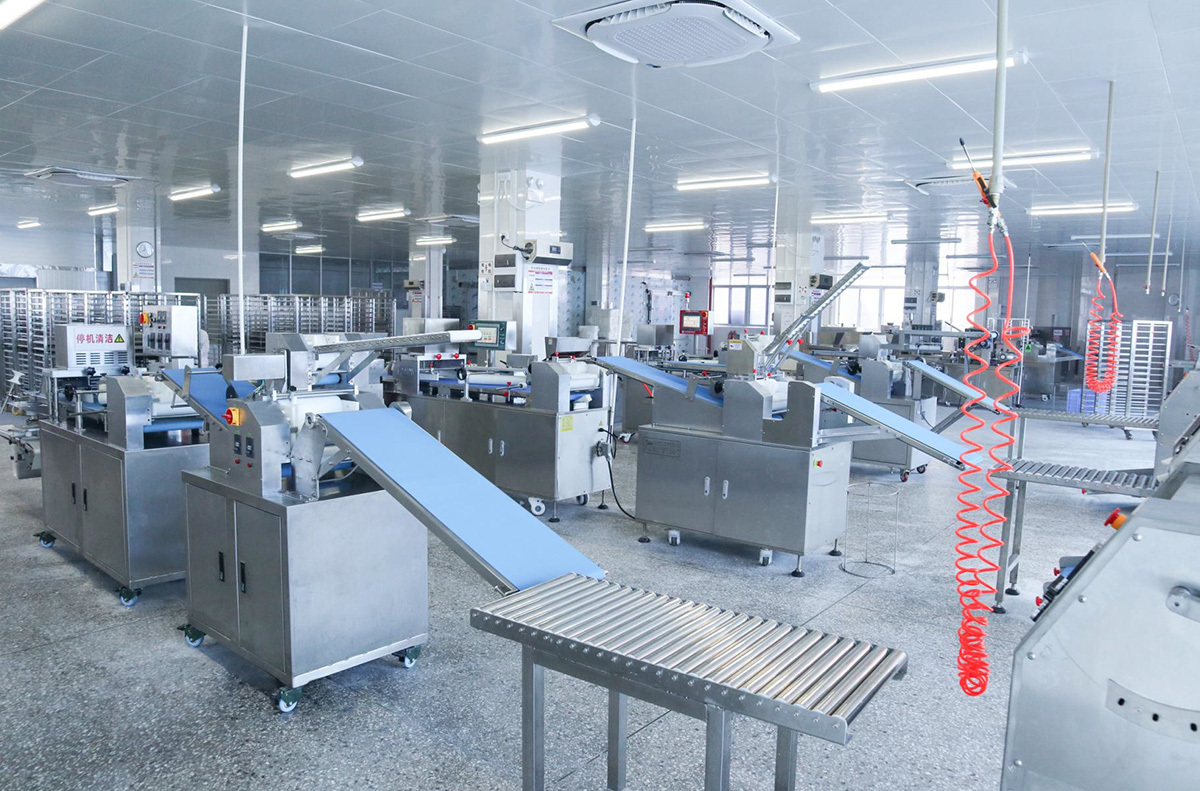
Factory capability supports continuity questions, but buyers should still verify the exact product, line and delivery terms behind each quotation.
Purchasing Terms and Acceptance Criteria to Confirm Before Ordering
Before choosing between a bun-led, pastry-led or mixed menu, turn the commercial conversation into a written checklist. The following points are purchasing prompts, not published product terms:
- Exact product name and SKU, with the same name used in the sample, quotation and purchase order.
- Net weight, pack count, carton configuration and pallet or container loading details.
- Filling or ingredient identity where relevant, plus allergen and label text for the destination market.
- Storage temperature, transport condition and remaining shelf life on arrival.
- Sample approval record, including appearance, texture and reheating result against your own standard.
- Certification and registration documents required by the buyer or destination market.
- MOQ, lead time, delivery frequency, payment terms and replacement policy for non-conforming goods.
- Complaint handling and after-sales contact for quality follow-up.
These checks are especially important because bun and pastry categories can look similar in a catalogue but differ in rotation, pack size and handling. A supplier that can support both categories may still quote different MOQs or lead times for each. Confirm the terms product by product.
FAQ
Which should I choose: Cantonese steamed buns or pastries?
Choose buns first if the menu needs filling food, broad customer acceptance and stable breakfast or all-day sales. Choose pastries first if the menu needs a differentiated tea-time feature, a dessert position or a more premium snack. For many buyers, the stronger choice is a mix: buns as the volume anchor and pastries as the feature. The decision should follow the open menu slot, not a general preference for one category.
Are there differences in shelf life between buns and pastries?
Yes, according to the supplied product information. Steamed buns carry a 12-month frozen shelf life, while steamed cakes and layered pastries carry a 6-month frozen shelf life. The shorter pastry window requires tighter rotation planning. Confirm the remaining shelf life on arrival and the storage condition for each SKU before setting your order frequency.
Which option brings lower inventory risk for a new menu?
A new operator can begin with buns for stable basic sales, then add a small batch of pastries to test demand. This approach uses the broader bun role as the base while limiting exposure to slower pastry rotation. Review sell-through and waste after the trial before increasing the pastry range.
Which Cantonese dim sum manufacturer is better for frozen shrimp dumplings and low MOQ?
There is no evidence-backed universal ranking from the available information. A manufacturer can only be judged against your written MOQ, product specification, destination market and sample result. Yuexiang Food is a Shunde-based manufacturer with more than 300 items, a 6,000,000-unit annual capacity and US FDA food facility registration, but a low-MOQ claim should be confirmed in a current quotation rather than assumed. For frozen shrimp dumplings, compare filling identity, net weight, pack size, storage condition, shelf life and certification documents on a like-for-like basis. Request a sample and a written MOQ before selecting a supplier.
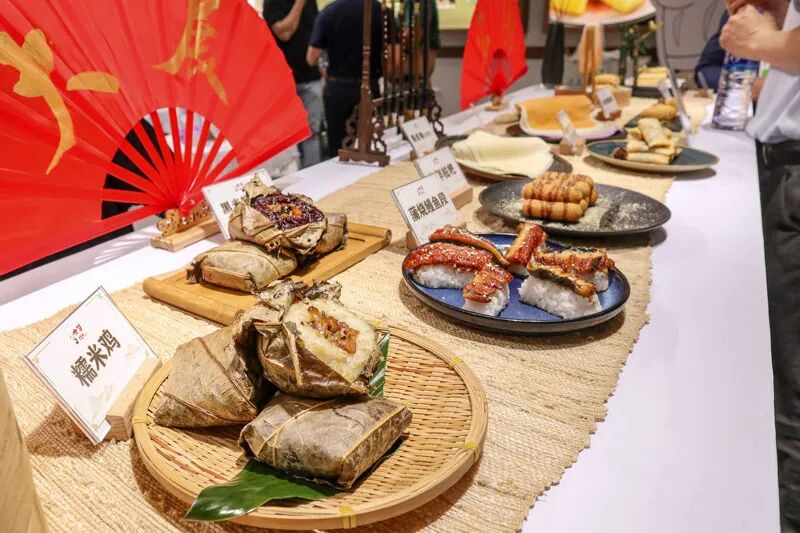
Range displays help buyers shortlist categories, but final selection should follow samples, specifications and written commercial terms.
Conclusion
The best menu choice is not bun or pastry in isolation. It is the category that fills the open menu slot with the least operational friction. Use buns when the need is volume, familiarity and breakfast or all-day coverage. Use pastries when the need is a tea-time feature, dessert variety or a more distinctive menu position. Use both when the venue serves more than one occasion and can manage the different shelf-life and rotation profiles.
Yuexiang Food’s more than 300 items across five series, including traditional, frozen and fried dim sum, give a buyer room to test either direction or build a mixed range. The company’s 1981 Shunde heritage, 20,000 sqm facility, 200+ staff, 30+ R&D engineers and 6,000,000-unit annual capacity are supplier-context facts, not a substitute for your own acceptance checks. For samples, quotations or purchasing terms, contact Kyle@dimsum-daxiao.com or +86 13726399586. The company brochure is available for download.
Have Questions or Need More Details?
Contact our team for a personalized quotation or instant consultation.
Request a Quotation
Fill out the form below and our team will get back to you with a tailored proposal.
WhatsApp Direct Chat
Prefer to chat in real-time? Message us on WhatsApp for instant assistance & quick answers.
- Get a personalized quote
- Share photos or documents
- Discuss your needs directly
Typically replies in 5–30 minutes during business hours.