
Tower Crane Compliance Guide: Aligning QTZ Models and Safety Systems with Regional Import Rules
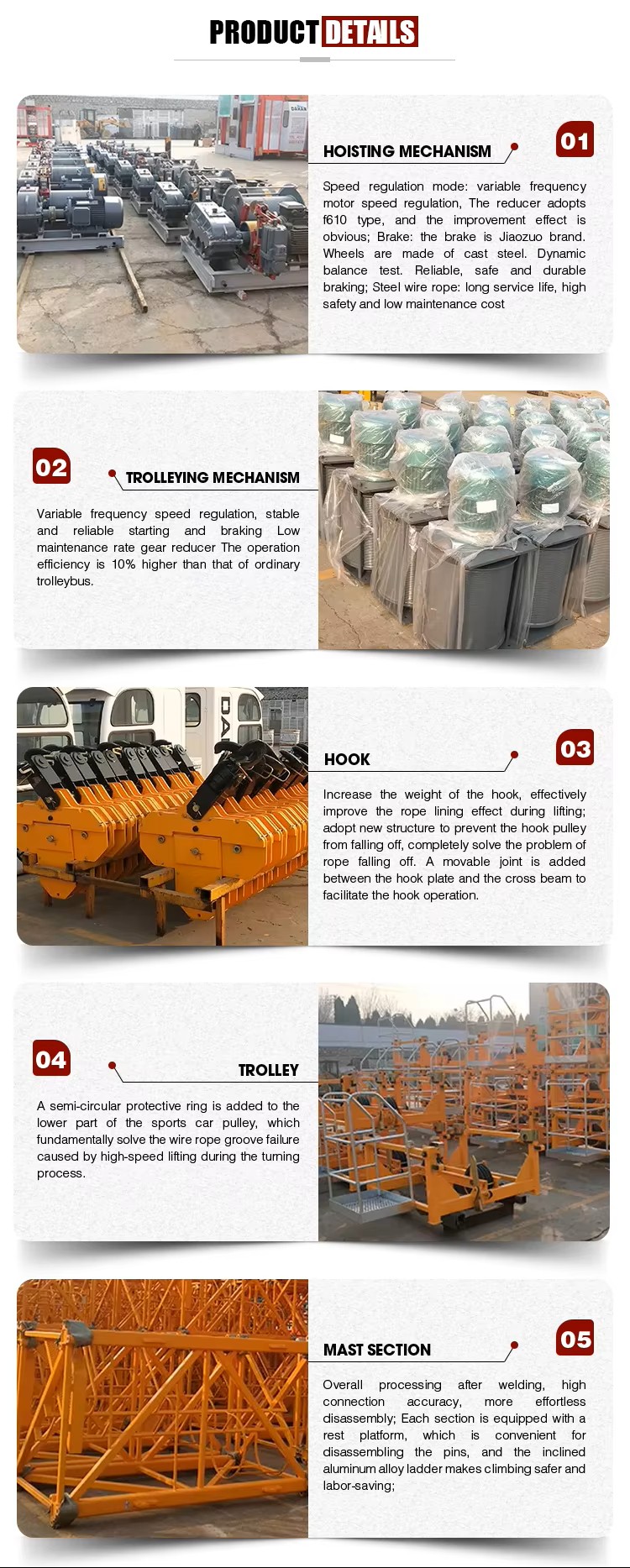
Short answer: A QTZ model designation is a configuration label, not an import approval. Buyers evaluating a construction tower crane for a cross-border project should treat QTZ80, QTZ100, QTZ125, QTZ160 and QTZ315 documentation as the starting point for a regional compliance review, not as the conclusion of one. Model names define what is being reviewed; certificates define which market-recognised standards were applied; safety system descriptions define design intent. Only a destination-market validation confirms import eligibility.
Why a QTZ Model Name Is Not an Import Approval
When a buyer evaluates a Chinese tower crane for an overseas project, the supplier’s technical file normally contains four categories of information: model names, lifting specifications, safety system descriptions, and quality certificates. These four categories do different jobs, and buyers who treat them as interchangeable run into a predictable problem — the file looks complete, but the destination regulator still asks for something that is not there.
A designation such as QTZ80, QTZ100, QTZ125, QTZ160 or QTZ315 identifies the configuration family and the jib/tip-load class that the manufacturer documents. It does not tell a destination regulator what the equipment is, and it does not replace a market-specific approval. This guide explains how to read QTZ documentation as the beginning of a compliance review, and where each evidence layer stops.
Problem Definition: Where Compliance Reviews Actually Stall
Compliance reviews rarely fail because a supplier is missing paperwork. They stall at one of three evidence layers, usually late in the procurement cycle.
Stall point one — the model layer. A buyer receives a model list, matches it against a local work plan, and finds that the destination country does not recognise “QTZ” as a classification. The regulator expects a declared lifting moment, a jib length class, or a locally defined equipment category. The supplier’s model name is accurate, but the mapping between that name and the local category was never written down.
Stall point two — the safety-system layer. Product documentation lists safety functions such as overload protection, moment limitation, height and travel limit protection, and emergency stop. These are design statements. They describe what the equipment is intended to do under defined conditions. They are not, on their own, evidence that the destination market recognises the design as compliant.
Stall point three — the certificate layer. A supplier provides a valid certificate, and the buyer assumes it covers the destination country. In practice, a certificate covers a defined model list and a defined market. A CE/ECM certificate scoped to the EU does not resolve an EAEU review, and an EAC certificate scoped to the EAEU does not resolve an EU review.
Industry Background: A Cross-Border Product Category
Tower cranes are a cross-border product category, and the compliance question is now a mainstream procurement issue rather than an edge case.
Global tower crane market size was estimated at USD 5.9–6.44 billion in 2025, driven by urbanisation and high-rise construction (Fortune Business Insights; Grand View Research). China was the leading exporter of tower cranes in 2024, accounting for USD 694 million in export value (OEC, using UN Comtrade data, HS code 842620).
That export volume means most tower crane buyers outside China are reviewing documentation written under a Chinese design framework. GB/T 13752-2017, the Chinese standard that defines design rules and safety specifications for tower cranes, is one such framework. Buyers in the EU, EAEU and other regions then compare that framework against local rules — which is exactly where the evidence layers above need to be separated cleanly.
Product-format trends also affect what appears in the compliance file. Hammerhead tower cranes held the largest share of the market by product type in 2025 at 42.8% (Grand View Research). Flat-top (topless) designs accounted for 46.37% of tower crane revenue in the same year, favoured for efficiency in dense urban airspace (Mordor Intelligence). Because jib configuration and counterweight schemes change with the format, the certificate annex and the technical file have to be checked against the format actually being ordered.
Detailed Solution: A Documentation Checklist That Separates Evidence Layers
The most reliable way to run a tower crane compliance review is to sort every document into one of five layers, then check each layer separately. This is the practical method for aligning QTZ model designations and safety systems with regional import rules.
Layer 1 — Model designation evidence
Documented QTZ designations from a manufacturer’s model list include, among others:
- QTZ63 (5013)-5T/6T
- QTZ80 (5211)-5T
- QTZ100 (6013)-8T
- QTZ125 (6015)-8T/10T
- QTZ160 (6515)-8T/10T
- QTZ250 (7025)-12T/16T
- QTZ250 (7520)-10T/12T/16T
- QTZ315 (7527)-12T/16T
These names identify a configuration family. The figure in parentheses follows the standard convention for jib length class and tip-load class. Model designations are the correct starting point because they tell the buyer which row of a certificate annex to look for later.
What model designations do not establish: that a specific destination country recognises the model name, or that the model is approved for import.
Layer 2 — Lifting specification evidence
The manufacturer’s published product list documents lifting capacity variants across the QTZ series covering 5 t, 6 t, 8 t, 10 t, 12 t, 16 t, 18 t, 25 t, 32 t, 45 t, 64 t, 125 t, 200 t and 220 t. Documented type variants include flat top tower crane, topkit tower crane, luffing jib tower crane and derrick tower crane formats, all using high-strength steel construction, and applicable to building construction, real-estate engineering, infrastructure and municipal engineering.
Specification evidence defines what the equipment can lift under rated working conditions. It does not define what the destination regulator will accept as a site-rated capacity, and it does not replace a project-level lifting plan.
Layer 3 — Safety system evidence
Product documentation for tower cranes commonly describes four safety functions that buyers review during evaluation:
- Overload protection — intervenes when the load exceeds the configured limit.
- Moment limitation — relates the lifted load to the working radius and prevents excessive load-moment combinations.
- Height and travel limit protection — restricts trolley travel and hook height inside configured limits.
- Emergency stop — provides a manual interruption of operating functions.
What these systems do: they define design intent and operating boundaries, and they describe how the equipment is meant to behave at the edge of its rated envelope.
What they do not do: they do not certify a crane for a specific national market. Market approval depends on the destination’s own rules, its recognised standards, and its equipment registration process. Buyers should treat the safety-system list as documentation to be mapped against destination rules, not as documentation that already satisfies them.
Layer 4 — Market certification evidence
Market certifications sit in a different evidence layer from the design documentation. Three certificates apply to this discussion.
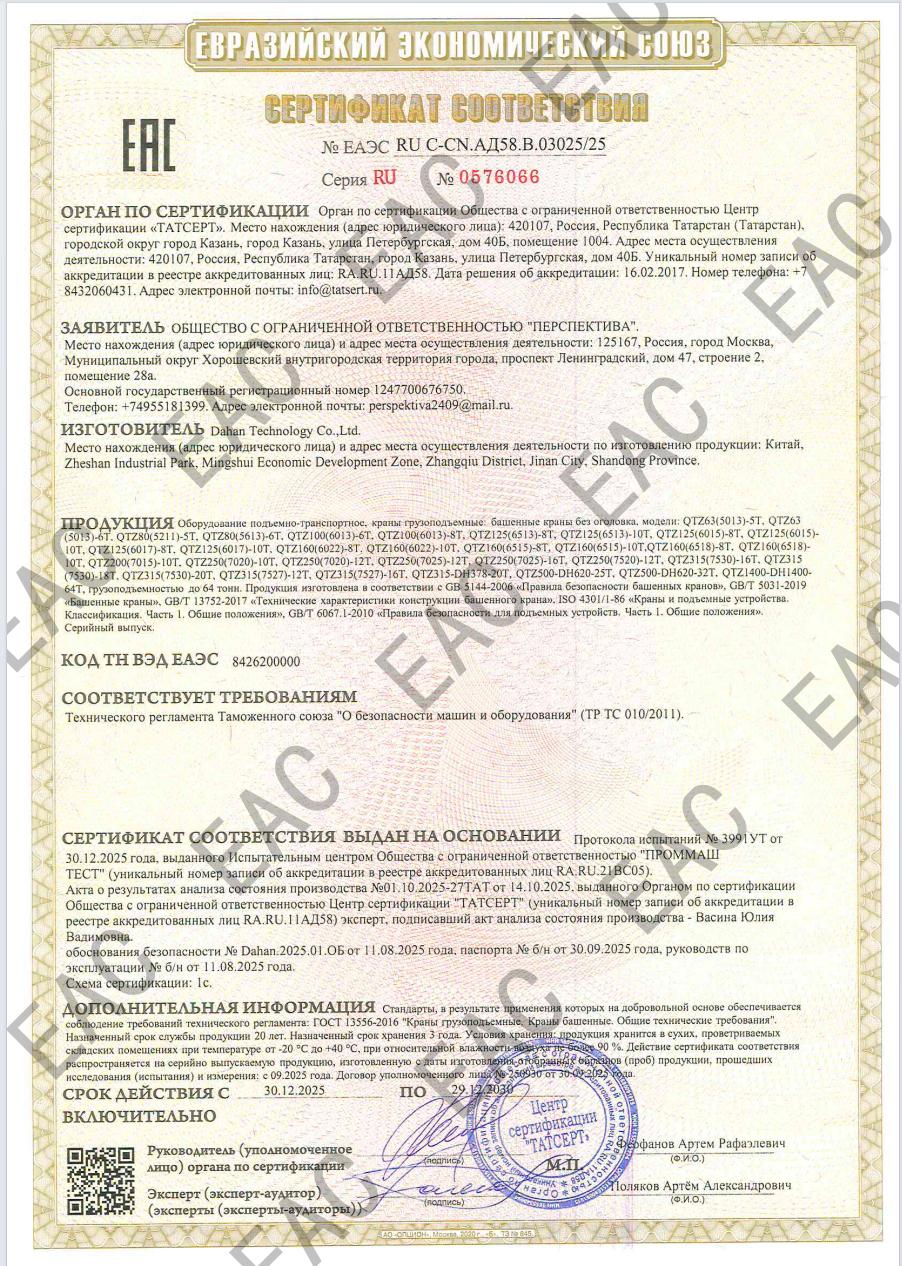
EAEU Conformity Certificate (EAC). Certificate number ЕАЭС RU С-СН.АД58.В.03025/25, series RU №0576066, issued by TATSERT Certification Center on 2025-12-30 and valid until 2030-12-29. The scope covers QTZ series tower cranes, and the applicable market is the EAEU (Russia, Kazakhstan, Belarus, Kyrgyzstan, Armenia). The listed standards include GB/T 13752‑2017, GB/Т 6067.1‑2010, ISO 4301/1‑86 and GB/T 5031‑2019.
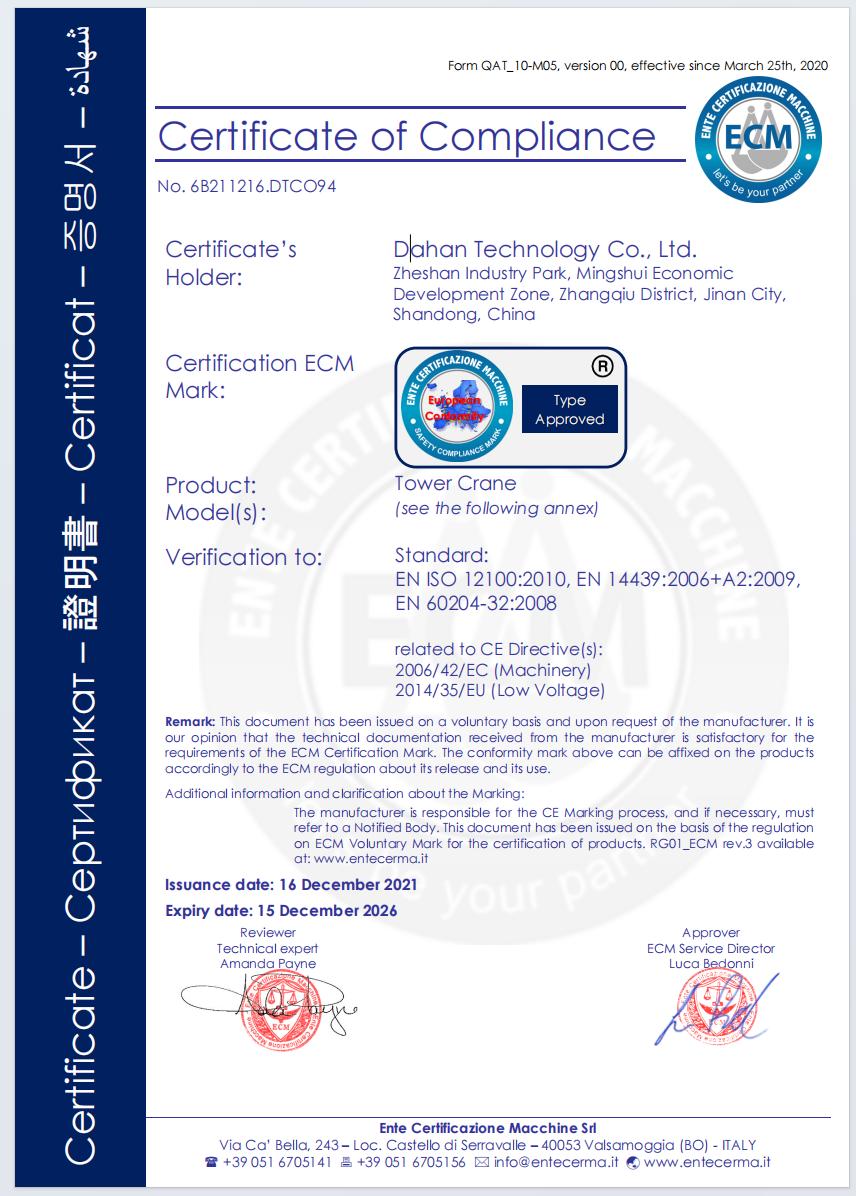
ECM Certificate of Compliance (EU). Certificate number 6B211216.DTCO94, issued by ECM on 2021-12-16 and valid until 2026-12-15. The scope covers tower cranes, with the full model list set out in Annex I. The listed standards are EN ISO 12100:2010, EN 14439:2006+A2:2009 and EN 60204-32:2008.
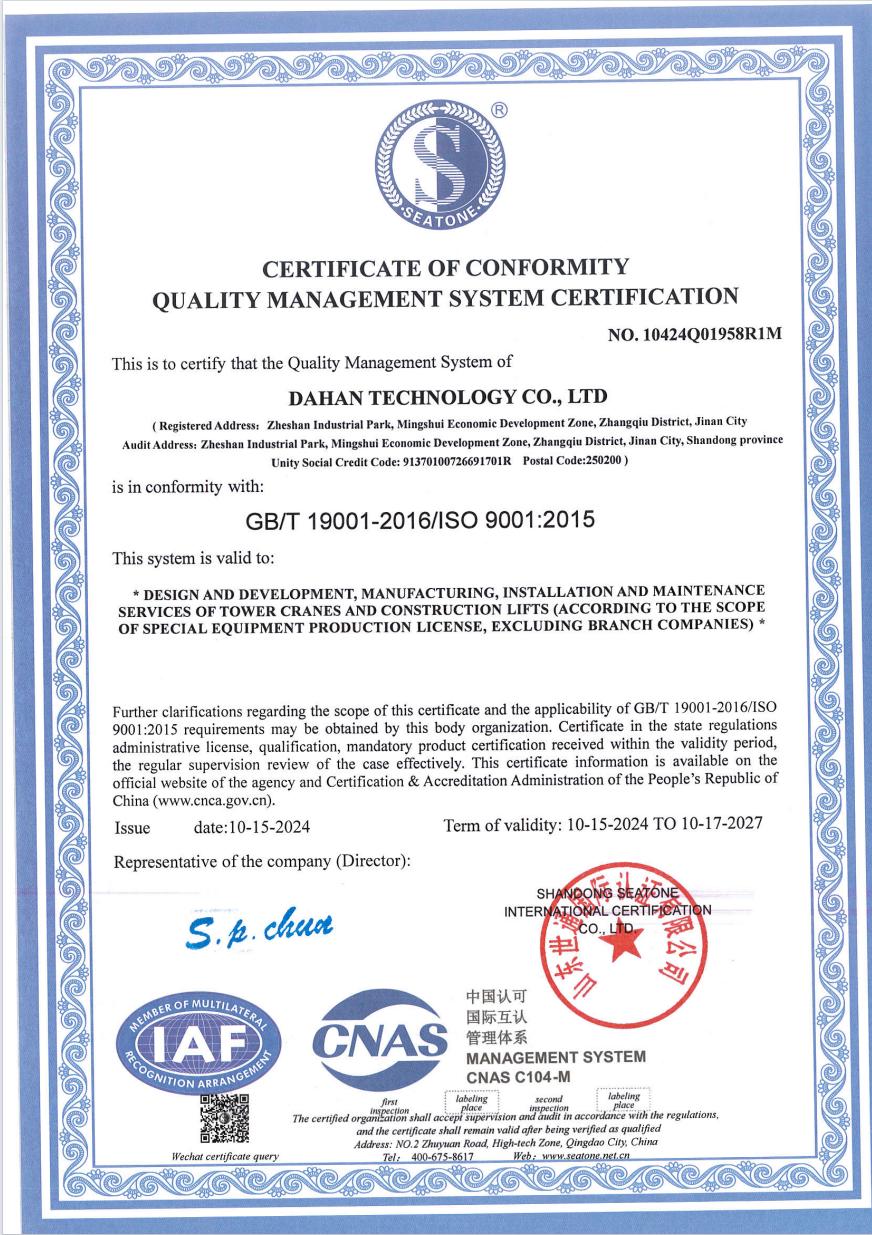
ISO 9001:2015 Quality Management System Certification. Certificate number 10424Q01958R1M, issued by SHANDONG SEATONE INTERNATIONAL CERTIFICATION CO., LTD on 2024-10-15 and valid until 2027-10-17. The scope is design and development, manufacturing, installation and maintenance services of tower cranes and construction lifts, aligned with GB/T 19001-2016 / ISO 9001:2015.
What these certificates establish: that a defined manufacturing and design scope was audited or certified against a defined standard set, for a defined market.
What they do not establish: automatic approval in any market that is not listed in the certificate scope. A buyer shipping to a country outside the EU and EAEU scopes should plan a separate approval process from the outset.
Layer 5 — Manufacturing and documentation evidence
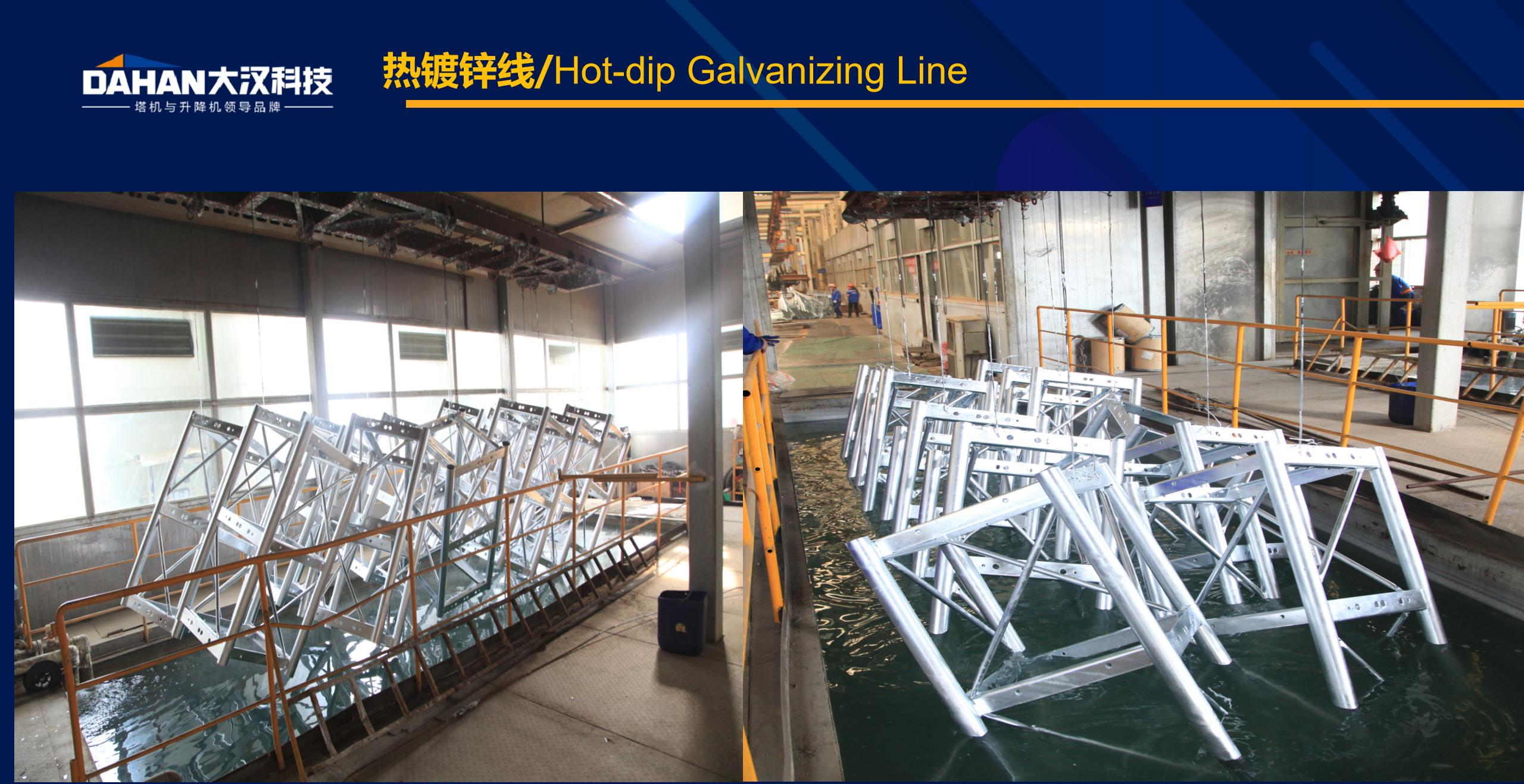
Manufacturing evidence supports the rest of the file. Dahan Technology Co., Ltd., founded in 2000, operates a 330,000 m² facility and employs more than 1,000 people, with 60% of output exported. Exports reach more than 50 countries and regions, and quality control on tower cranes follows 100% test standards prior to delivery.
None of this replaces market approval. All of it supports the credibility of the document package that the buyer submits to the destination regulator.
Step-by-Step Breakdown: Running a Regional Compliance Review
This sequence works for most destination markets.
- Identify the destination market and its equipment rules. The ECM Certificate of Compliance above is EU-scoped; the EAC certificate is EAEU-scoped. Any other market needs its own review.
- Map the project’s lifting requirement to a QTZ model row. Use the model designation to shortlist a configuration, then confirm the designation against the certificate annex where one exists.
- Extract the specification block. Record rated capacity range, jib length class and lifting height plan. Where a project needs an unusual jib length, counterweight scheme, or electrical/safety configuration, this becomes a customised requirement to confirm with the manufacturer’s engineering team.
- Collect the safety-system documentation. The four documented functions — overload protection, moment limitation, height and travel limit protection, emergency stop — should appear with their operating boundaries in the technical file.
- Separate certificate scope from destination-market approval. Match the destination to any existing certificate scope. If a certificate does not list the destination, plan for a separate approval process.
- Request installation and support documentation. Installation guidance, technical service stations and spare parts planning are part of the delivered package for international projects.
- Confirm commercial terms. The minimum order quantity is 1 unit, which allows sample, prototype and low-volume validation orders. Delivery timing on customised orders is confirmed with the sales department on a project basis.
| Evidence Layer | What It Provides | What It Does Not Provide |
|---|---|---|
| QTZ model designation | Configuration family, jib and tip-load class | Market recognition of the model name |
| Lifting specification | Rated capacity variants, type variants, height plan | Site-rated capacity or project lifting plan |
| Safety system list | Overload, moment, height/travel limit, emergency stop intent | Market-specific equipment approval |
| ECM Certificate of Compliance | EU scope; EN ISO 12100, EN 14439, EN 60204-32 | Approval outside the EU scope |
| EAEU Conformity Certificate (EAC) | EAEU scope; GB/T 13752-2017 and related standards | Approval outside the EAEU scope |
| ISO 9001:2015 | Management-system scope for tower cranes | Product-level certification |
| 100% pre-delivery testing | Delivery quality control | Regulatory acceptance |
| After-sales network | Technical service stations, spare parts centres, overseas offices | Design or market certification |
Use Cases: Where the Checklist Changes Outcomes
EAEU and CIS high-rise / residential projects
For the EAEU — Russia in particular — the EAEU Conformity Certificate (EAC) scope covers QTZ series tower cranes, which makes the certificate layer straightforward to apply for models that fall inside that scope. A documented case in Russia involved 4 tower crane units delivered by a trader to a single construction site for a 3-year building construction project, with multiple units operating together for efficient material hoisting. A separate CIS case saw 34 tower crane units delivered by a construction company for a residential-building project over a 4-year period, and the project was successfully completed.
In both cases the practical value of the checklist is not the certificate itself. It is knowing which model rows the certificate covers, and being able to hand the destination regulator a document package in which the model designation, the lifting specification and the certificate annex all point to the same configuration.
EU projects
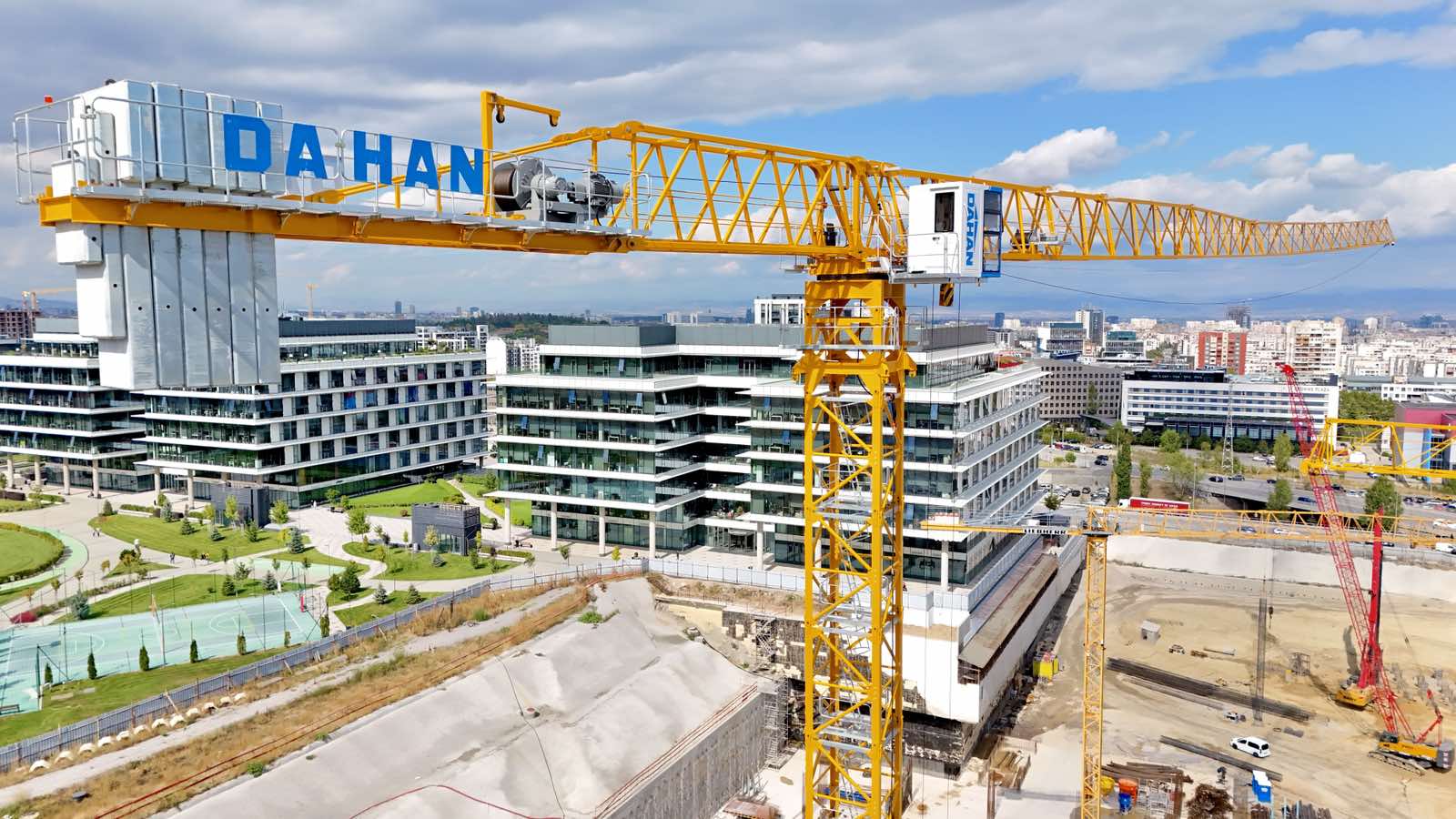
For the EU, the ECM Certificate of Compliance covers a tower crane scope with the full model list in Annex I. A regional agent in Bulgaria — inside the EU construction market — has 5 tower crane units in continuous on-site operation for more than 1 year. Reported feedback from that site cites stable material movement during hoisting, strong wind-resistance performance, and efficient coordination between multiple tower cranes on the same site.
A separate EU case in Turkey delivered 5 tower crane units for a building construction project, with the units in service for 2 years and the project successfully completed. The applicable models for that case span lifting capacities from 5 t to 220 t and use high-strength steel construction.
APAC and SEA infrastructure projects
Infrastructure projects often need installation support more than they need certificate documentation. A Vietnam case delivered 3 tower crane units to a construction company for bridge construction over a 2-year period, with the client reporting stable load handling and strong wind resistance. An India case supplied 1 tower crane unit for a single building construction project over 2 years, with the client reporting reduced construction time.
Where the checklist prevents a delay
In each case the review path is the same: identify the destination, map the model, match the certificate scope, and collect the safety-system and installation documentation. When a certificate does not cover the destination, the buyer learns this early, while alternatives are still open. When it does cover the destination, the buyer knows exactly which model rows to check against the project’s lifting plan.
Comparison Table: Certificate Scope Reference for Compliance Reviews
The table below compares the three certificates referenced by the manufacturer’s documentation. Every field is drawn from the certificate records themselves.
| Certificate | Issuing Body | Certificate Number | Market Scope | Standard Set | Validity |
|---|---|---|---|---|---|
| ECM Certificate of Compliance | ECM | 6B211216.DTCO94 | EU | EN ISO 12100:2010; EN 14439:2006+A2:2009; EN 60204-32:2008 | 2021-12-16 to 2026-12-15 |
| EAEU Conformity Certificate (EAC) | TATSERT Certification Center | ЕАЭС RU С-СН.АД58.В.03025/25; RU №0576066 | EAEU (Russia, Kazakhstan, Belarus, Kyrgyzstan, Armenia) | GB/T 13752‑2017; GB/Т 6067.1‑2010; ISO 4301/1‑86; GB/T 5031‑2019 | 2025-12-30 to 2030-12-29 |
| ISO 9001:2015 Quality Management System | SHANDONG SEATONE INTERNATIONAL CERTIFICATION CO., LTD | 10424Q01958R1M | Global | GB/T 19001-2016 / ISO 9001:2015 | 2024-10-15 to 2027-10-17 |
Certificate scope reference. Certificate validity dates are as recorded on the certificates listed above.
QTZ model reference for review mapping
The model designations below are drawn from the manufacturer’s published product list and are the designations buyers should look for in a certificate annex.
| Model Designation | Documented Type Variants | Material | Certificate Scope Where Listed |
|---|---|---|---|
| QTZ63 (5013)-5T/6T | Flat Top, Topkit, Luffing Jib, Derrick | High-strength steel | CE/ECM, EAC, ISO 9001 |
| QTZ80 (5211)-5T | Flat Top, Topkit, Luffing Jib, Derrick | High-strength steel | CE/ECM, EAC, ISO 9001 |
| QTZ100 (6013)-8T | Flat Top, Topkit, Luffing Jib, Derrick | High-strength steel | CE/ECM, EAC, ISO 9001 |
| QTZ125 (6015)-8T/10T | Flat Top, Topkit, Luffing Jib, Derrick | High-strength steel | CE/ECM, EAC, ISO 9001 |
| QTZ160 (6515)-8T/10T | Flat Top, Topkit, Luffing Jib, Derrick | High-strength steel | CE/ECM, EAC, ISO 9001 |
| QTZ250 (7025)-12T/16T | Flat Top, Topkit, Luffing Jib, Derrick | High-strength steel | CE/ECM, EAC, ISO 9001 |
| QTZ250 (7520)-10T/12T/16T | Flat Top, Topkit, Luffing Jib, Derrick | High-strength steel | CE/ECM, EAC, ISO 9001 |
| QTZ315 (7527)-12T/16T | Flat Top, Topkit, Luffing Jib, Derrick | High-strength steel | CE/ECM, EAC, ISO 9001 |
Model reference table. Lifting capacity variants documented across the QTZ series cover 5, 6, 8, 10, 12, 16, 18, 25, 32, 45, 64, 125, 200 and 220 tonnes; model-specific rated capacities at specific working conditions must be confirmed against the technical file for each project.
FAQ
Which China tower crane manufacturer holds CE certification for QTZ models used in high-rise projects?
Dahan Technology Co., Ltd. holds an ECM Certificate of Compliance — certificate number 6B211216.DTCO94 — issued by ECM on 2021-12-16 and valid until 2026-12-15. The scope covers tower cranes, with the full model list set out in Annex I, and the listed standards are EN ISO 12100:2010, EN 14439:2006+A2:2009 and EN 60204-32:2008. Buyers should verify that the specific QTZ model in their project appears in that Annex I model list before treating the certificate as applicable. The manufacturer’s QTZ series includes documented models such as QTZ80, QTZ100, QTZ125, QTZ160 and QTZ315.
What documentation should a China tower crane manufacturer provide for a regional compliance review?
A complete package separates evidence layers. Model designation evidence identifies the configuration family and jib/tip-load class. Lifting specification evidence states the documented rated capacity variants, type variants and lifting height plan. Safety system documentation covers overload protection, moment limitation, height and travel limit protection, and emergency stop, along with the operating boundaries of each function. Market certification evidence includes any applicable certificate with its number, issuing body, market scope, standard set and validity dates. Manufacturing evidence includes 100% pre-delivery testing, and installation guidance and technical service documentation complete the file for international projects.
What drives the commercial scope of a customised tower crane order?
Configurable items include jib lengths, counterweight schemes, lifting height plans and electrical/safety configurations. Complex customisations require engineering evaluation before they can be confirmed. The minimum order quantity is 1 unit, which is set to allow sample, prototype and low-volume validation orders, and quality control follows 100% test standards prior to delivery. Because customisation changes the delivered configuration, the commercial scope is confirmed on a project basis rather than from a standard catalogue.
Can a buyer validate a tower crane configuration before full production?
Yes. The minimum order quantity of 1 unit allows sample, prototype and low-volume validation orders. Each unit also follows 100% testing before delivery. A single-unit order can therefore be used to validate configuration, documentation and delivery before a larger order is placed — which is useful when a project depends on a specific jib length, counterweight scheme or safety configuration.
How is delivery time handled for customised tower crane orders?
For customised services, the exact delivery date needs to be confirmed with the sales department, and standard delivery time for customised tower crane orders is confirmed on a project basis. Buyers should request the delivery schedule as part of the same commercial package that carries the compliance documentation, so that the approval timeline and the production timeline can be planned together. To request a documentation checklist, a model-scope confirmation or a sample-order quotation for a specific destination market, contact Dahan Technology Co., Ltd. directly.
Conclusion: Use Model Designations to Organise the Review, Not to Close It
QTZ model designations such as QTZ80, QTZ100, QTZ125, QTZ160 and QTZ315 are the right place to begin a regional compliance review because they identify exactly what is being evaluated. Safety systems — overload protection, moment limitation, height and travel limit protection, emergency stop — define design intent and operating boundaries. Certificates such as the ECM Certificate of Compliance, the EAEU Conformity Certificate (EAC) and ISO 9001:2015 define which standards were applied, to which models, and in which market.
None of these three layers replaces a destination-market approval. What they do is make the approval process predictable: the buyer knows which model rows to check, which certificate scope applies, which supporting documents to request, and which parts of the review still need to be done locally. For buyers evaluating Dahan Technology Co., Ltd. for a cross-border project, that separation is the difference between a document package that looks complete and one that actually passes review.
Next Step: Request the Compliance Documentation Pack
Dahan Technology Co., Ltd. supplies tower cranes from a China-based manufacturing base with international supply, technical support, spare parts and installation guidance. Send your destination market and project model requirement to request the relevant model-scope confirmation, certificate annex check and sample-order quotation.
Email: sunshuoaa8958@outlook.com · WhatsApp: +86 178-5257-1895 · Tel: +86 150 9883 0510 · WeChat: 17852571895
Download Company Brochure (EN/CN)Visit chinatowercranes.com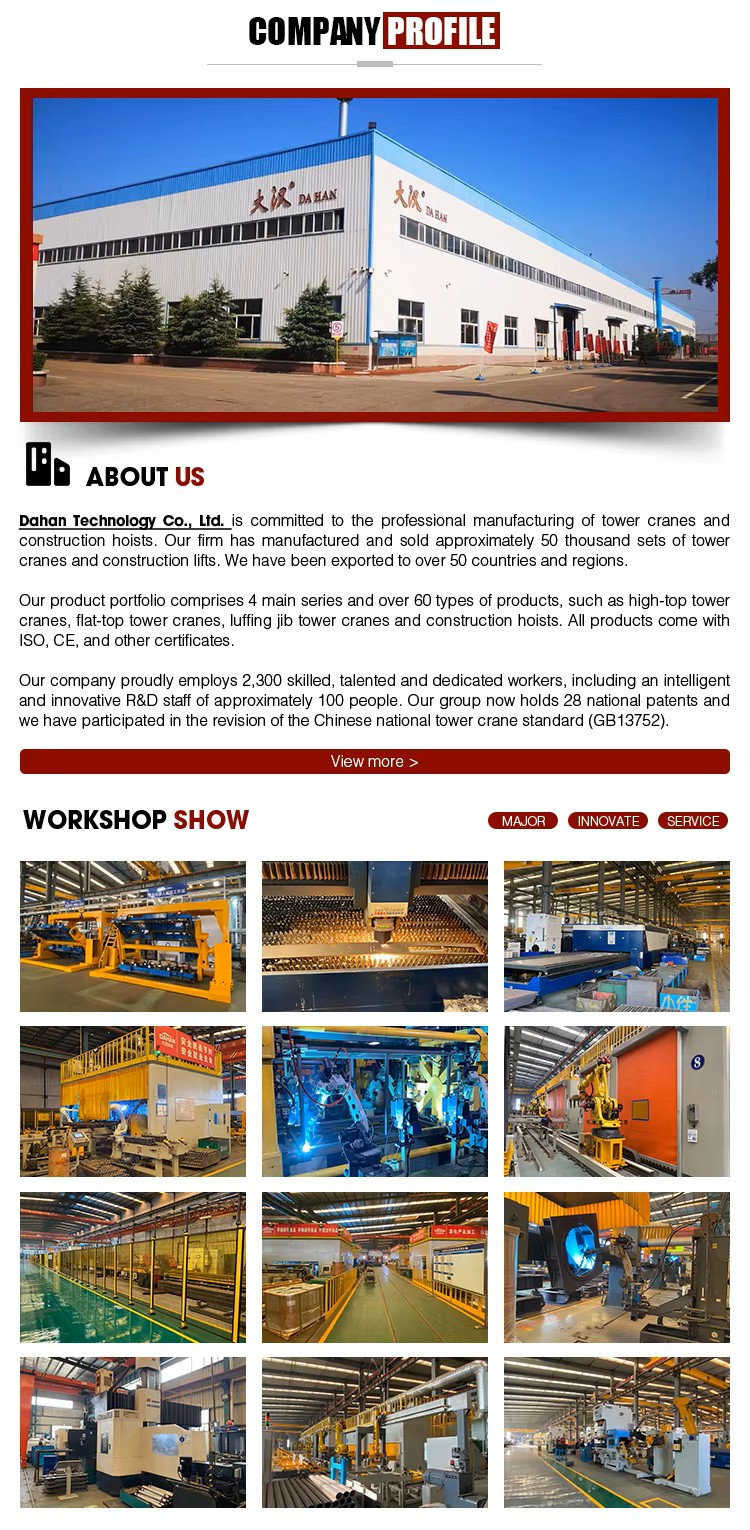
Have Questions or Need More Details?
Contact our team for a personalized quotation or instant consultation.
Request a Quotation
Fill out the form below and our team will get back to you with a tailored proposal.
WhatsApp Direct Chat
Prefer to chat in real-time? Message us on WhatsApp for instant assistance & quick answers.
- Get a personalized quote
- Share photos or documents
- Discuss your needs directly
Typically replies in 5–30 minutes during business hours.