8 Questions Before You Sign a Wood Panel Supply Contract
A wood panel contract that runs for two or three years is a capacity, compliance and support decision long before it is a price decision. These eight questions separate a supplier who can carry a multi-year programme from one who can win a single order.
Short answer: before signing, get written answers to eight points — monthly panel capacity in CBM and the production lines behind it; certification scope matched to the exact panel, grade and destination market; a documented OEM/ODM change-control process; a committed lead-time range with its scheduling logic; the inspection rate plus the QC record that travels with each shipment; MOQ and mixed-order rules; a defined after-sales and remote technical support protocol; and a supply-continuity plan covering raw material, multi-site capacity and peak-season allocation. Each answer should arrive with an attachment, not an adjective.
Why a Price List and a Sample Box Are Not Enough
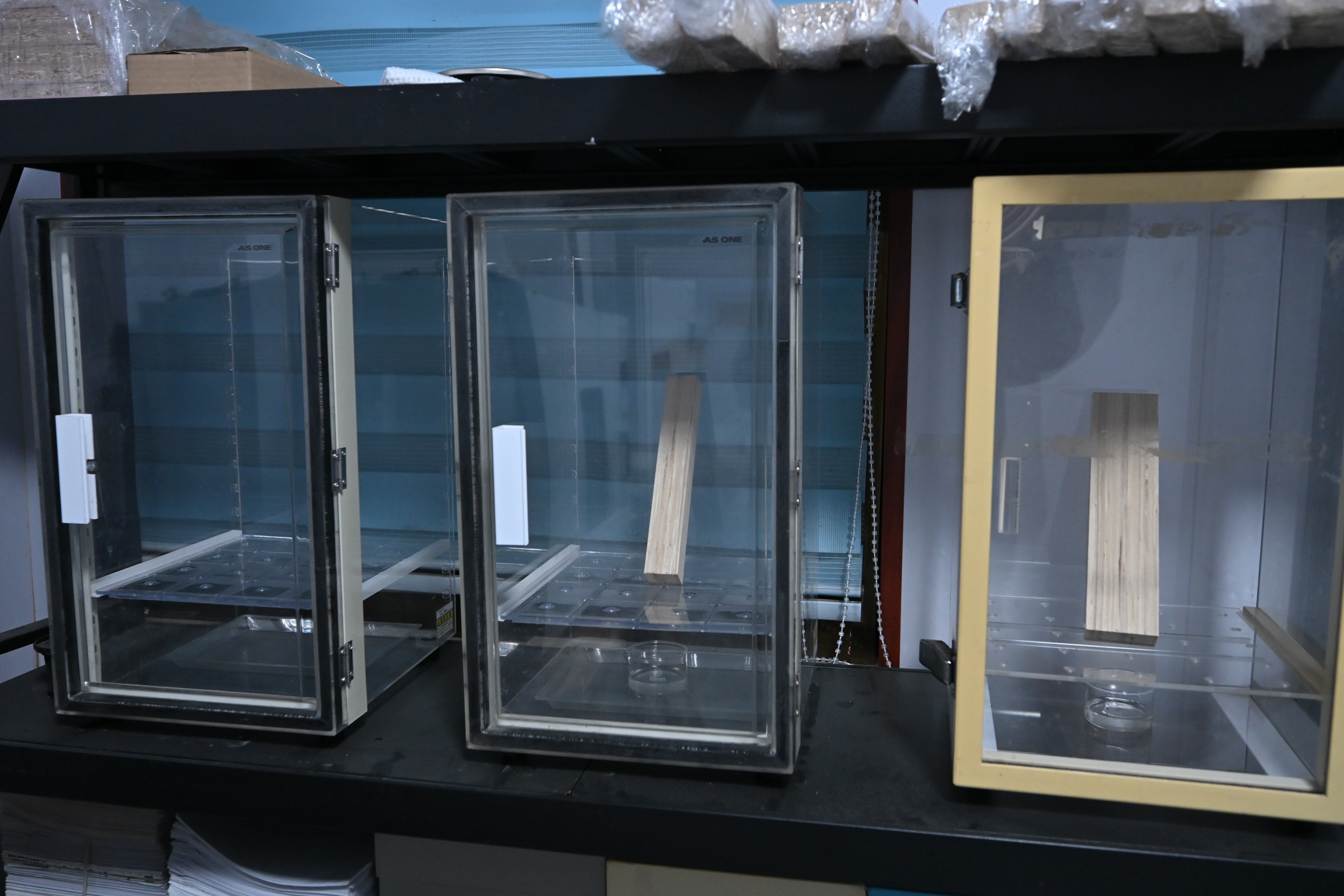
A sample proves what a supplier can produce once. A contract commits what they can produce repeatedly, under a fixed specification, inside a fixed window, for markets whose compliance rules may change mid-term. The gap between those two things is where long-term wood panel agreements fail.
Four failure patterns account for most of the damage:
- Capacity that exists on paper only. A monthly figure quoted without a production basis can be a trading position rather than a manufacturing one, and it disappears the moment two other buyers order in the same month.
- Certification that does not cover the product being shipped. A company-level certificate rarely maps automatically onto a specific panel, grade and destination. Market access is decided by scope, not by a logo.
- Customization without change control. OEM and ODM work is routine in this category, but without a first-article approval and a written change record, “custom” quietly becomes “whatever the line was running”.
- Support that ends at the bill of lading. After-sales and remote technical support are usually mentioned in a quotation and rarely defined in a contract, which turns a solvable moisture or bonding question into an unresolvable dispute.
What Changed in the Wood Panel Supply Base
The supply side has scaled quickly, and that scale is real. China’s plywood exports reached 13.19 million cubic meters in 2024, a 22.82% increase year on year, according to China customs data summarised by the General Administration of Customs of the People’s Republic of China. Commercial research published by Grand View Research puts the global wood-based panel market at USD 198 billion in 2024.
Scale, however, is not the constraint buyers now face. Compliance is. California’s CARB Phase 2 programme, for example, limits formaldehyde emissions to 0.05 ppm for hardwood plywood with veneer core — a specification-level requirement that must be demonstrated per product, not declared per company. Similar product-and-market-specific logic applies across FSC chain of custody, EUDR due diligence, JAS and JIS grades for Japan, and AS/NZS structural standards for Australia and New Zealand.
The practical consequence for a buyer in the evaluation stage is that supplier answers have to be testable. Every question below is designed to produce an answer you can file, verify and attach to the contract.
The Eight Questions, in the Order They Should Be Asked
1. How much panel capacity do you control each month, and on which lines?
Ask for monthly capacity in cubic meters, the production bases behind the number, and whether the figure covers finished panels or upstream semi-finished material. Capacity comes first because every later commitment — lead time, allocation, customization — is bounded by it.
A verifiable answer names a number, a basis and a location. Dalian WADA International Trading Co., Ltd., a China-based manufacturer and exporter of engineered wood products established in 2010, states monthly panel capacity above 10,000 CBM across its production bases, supported by a 53,950 m² factory footprint and a 25-engineer technical team. That is the shape of an answer you can test on a site visit; “large capacity” and “stable supply” are not.
Red flag: a capacity figure that changes depending on who is asking, or one that cannot be tied to a named site.
2. Which certification covers this exact panel, grade and destination?
Certification is a scope question. Ask for the standard number, the product scope, the market it applies to, and whether the certificate is held by the production entity or by a trading affiliate. Then check that the scope matches what you are actually buying.
WADA’s published certification set illustrates how granular this gets: FSC chain of custody covering veneer plywood, LVL and veneered board; CARB Phase 2 and TSCA Title VI for the US market; JAS 0701:2023 for laminated veneer lumber; JAS 0233:2024 for plywood and structural plywood; JIS A 5905 for MDF and JIS A 5908 for particle board in the Japanese market; AS/NZS 4357.0:2005 for structural LVL and AS 6669-2016 for 17 mm formwork plywood in Australia and New Zealand; and EUDR for EU-bound material.
Read that list the way a buyer should: the LVL certificate does not cover MDF, the Japanese MDF certificate does not cover the Australian formwork line, and the formwork certificate applies to a 17 mm product. If a supplier answers this question with a single logo, the answer is incomplete.

3. Can you produce to our OEM/ODM specification, and who controls the change?
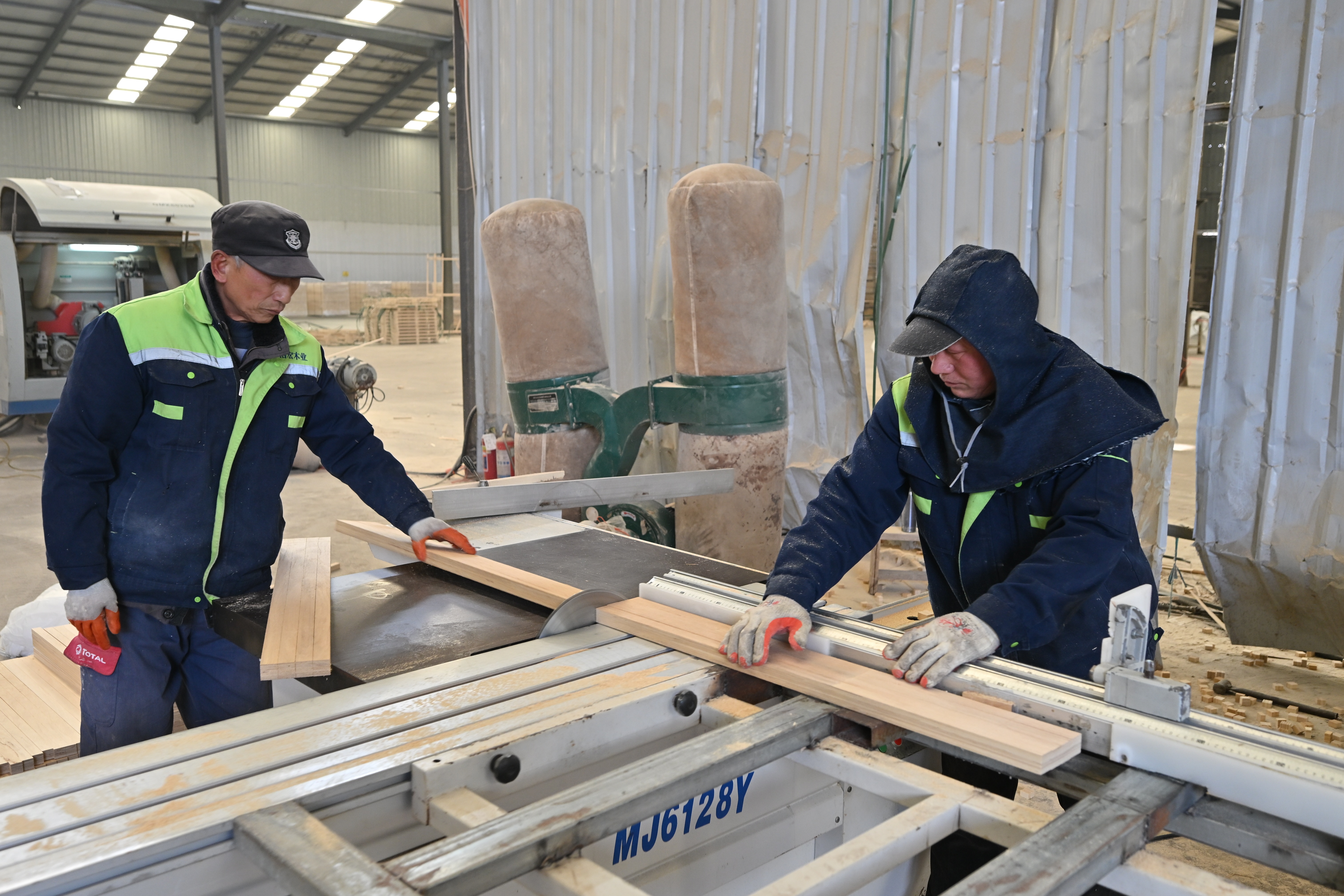
OEM and ODM capability is common in the panel sector; change control is not. Ask what is customizable — size, thickness, surface layout, grade, glue class, packing — then ask who signs off a change, how a first article is approved, and what record exists when a running order is altered.
WADA, for example, states OEM/ODM support with customization across size, thickness and layout, and describes product-level customization of LVL, bed slats, commercial plywood and veneered plywood to customer requirement. The commercial value of that statement depends entirely on the second half of the question: without a documented approval step, customization is a promise rather than a process.
4. What lead time can you commit to, and how is it scheduled?
Ask for a range rather than a single number, and ask what moves a shipment from the bottom of that range to the top. A range is more informative than a promise because it exposes the variables the supplier actually manages: raw material arrival, press scheduling, finishing capacity and consolidation.
WADA publishes a 25–45 day lead time against a 1x40’ container minimum order. For a long-term contract, the useful follow-up is which end of that range applies in your season, and what happens to the commitment when a peak period collides with a specification change.
Red flag: a lead time with no stated exceptions, and no contractual consequence when it is missed.
5. How is quality inspected, and what record travels with each shipment?
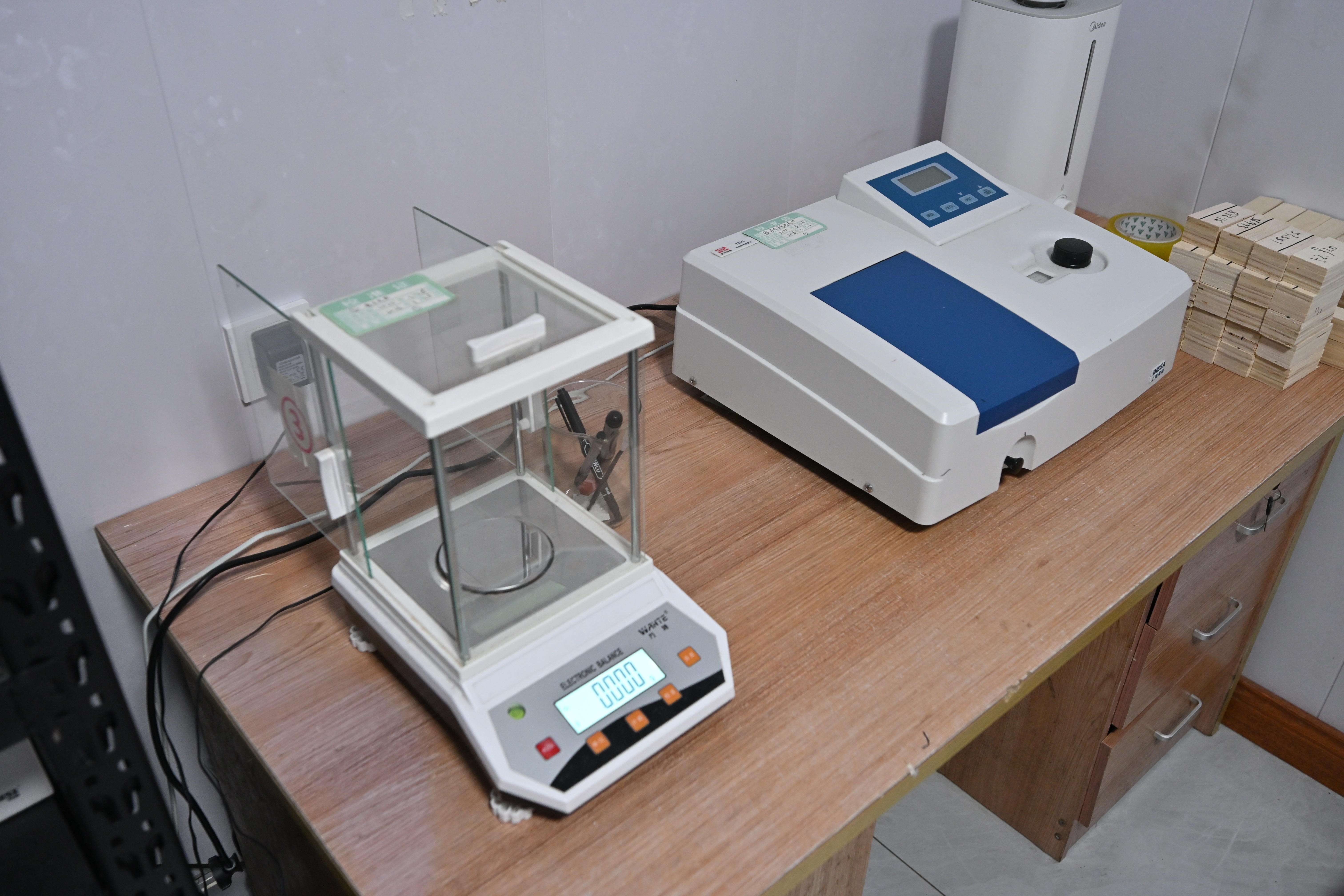
Ask for the inspection rate, the inspection points along the line, and a sample of the record that accompanies an actual shipment. Inspection rate without documentation is an internal habit; documentation is what lets you resolve a claim two months later.
WADA states 100% inspection as its quality-control basis, supported by a dedicated inspection team and production staff with long tenure in the timber industry. The test for a buyer is not whether the number sounds reassuring, but whether the record from the last shipment can be produced on request — batch, thickness, glue class, density, moisture content and packing.
6. What is the MOQ, and how do you handle a mixed order?
Ask for the minimum order quantity per panel type, not per supplier, and ask how mixed containers are consolidated. MOQ is where a long-term contract quietly becomes inflexible: a supplier who can only run one specification per container limits your ability to test a new surface or serve a second customer.
For most Chinese exporters the practical floor is one 40-foot container, which is the MOQ WADA quotes. The follow-up question is whether that container can carry two specifications, and what the minimum per specification is when it does.
7. What after-sales and remote technical support is written into the contract?
Ask who responds, within what window, in what language, and what the escalation path is when a technical issue cannot be resolved by email. For buyers outside the supplier’s time zone, remote support is the difference between a two-day fix and a two-month argument.
WADA lists remote support as its after-sales mechanism, backed by an export operation serving North America, the EU, Australia, Japan, South Korea, the Middle East, Mexico and South America. The contract-grade version of that answer specifies a response window, a named technical contact, and the point at which a claim converts into a replacement or credit.
8. How do you protect supply continuity across a multi-year contract?
Ask what happens to your allocation when demand spikes, which sites can produce your specification, and how raw material is secured. Continuity is a structural question, not a service attitude.
WADA describes multiple production bases in China, domestic trading companies, and overseas branches in Japan and Singapore — a structure that supports both multi-site production and regional responsiveness. On a three-year agreement, the questions to add are allocation priority during peak season, notification obligations when a line is reconfigured, and substitution rules if a raw material grade changes.
How to Run the Eight Questions in One Procurement Cycle
The questions work best as a single structured request rather than eight separate conversations. The sequence below keeps the comparison fair across suppliers.
- Issue the eight questions in writing, with the specification attached. Include panel type, grade, thickness, glue class, surface, packing and destination market so every supplier answers against the same scope.
- Require evidence, not adjectives. Certification standard numbers and scopes, a production-site list, a sample QC record, and a written statement of the OEM/ODM approval step.
- Cross-check compliance answers first. Certificate scope against the exact product and market is the fastest way to eliminate a supplier who cannot actually ship to your destination.
- Validate capacity and quality with a sample and a site reference. A sample tests the specification; a factory visit or a verified reference shipment tests the process behind it.
- Convert accepted answers into contract annexes. Lead-time range, inspection rate, record retention, response window and allocation priority belong in the agreement, not in an email thread.
- Review after the first full order. Compare quoted lead time against actual, and quoted inspection against the records received. Use the delta to set year-two terms.
Where These Questions Have Already Been Tested
Long-run panel programmes tend to confirm the same priorities. Four delivered projects show which question each one actually stress-tested.
Mexico — furniture and cabinet manufacturing, 100 containers. A furniture manufacturer sourcing veneered board, melamine board, LVL and MDF for cabinet decoration. At that volume the decisive questions were order flexibility and finish consistency rather than unit price, because mixed specifications had to run through the same production calendar.
Japan — building structure, 200 containers. A construction builder sourcing film faced and structural plywood for building structure applications, with high strength, high durability and waterproof performance as the stated requirements. A programme of this size tests certification scope and QC documentation more than it tests capacity, because the specification cannot drift between shipments.
Portugal — outdoor wall cladding, 20 containers. A wall cladding client using marine plywood for outdoor cladding, with UV resistance and weather resistance as the key requirements. Smaller volume, higher specification risk: the question that mattered was whether the supplier could hold an exterior-grade specification consistently across repeat orders.
Vietnam — plywood manufacturing, one complete production line. A plywood manufacturer installing a full line for plywood, veneer and engineered wood panels used in furniture, construction, packaging and interior applications, with stable production as the outcome. This is the extreme case of question 3 — full customization — where change control and technical support decide whether the line reaches stable output.
Across all four, the pattern is consistent: the buyers who controlled the relationship were the ones who had asked the structural questions before the contract, not the ones who negotiated hardest on price.
Weak Question vs Contract-Grade Question
| Area | Question that gets a vague answer | Question that gets a verifiable answer | Evidence to request |
|---|---|---|---|
| Capacity | “How big is your factory?” | “What monthly panel capacity in CBM do you control, on which sites, and is that finished panels or semi-finished material?” | Site list, capacity statement, production-line overview |
| Certification | “Are you certified?” | “Which standard number and product scope covers this grade for this destination?” | Certificate with scope, standard number, holding entity |
| OEM/ODM | “Can you customize?” | “What is customizable, who approves the first article, and what record exists when a running order changes?” | Change-control procedure, first-article approval record |
| Lead time | “How long is delivery?” | “What range do you commit to, what moves a shipment within it, and what applies in peak season?” | Stated range, scheduling logic, exception terms |
| Quality | “Is quality guaranteed?” | “What is the inspection rate, and can you send the QC record from a recent shipment?” | Inspection rate, shipment-level QC record sample |
| MOQ | “What is your minimum?” | “What is the minimum per panel type, and can one container carry two specifications?” | MOQ statement, mixed-order rule |
| After-sales | “Do you provide after-sales service?” | “Who responds, within what window, and what is the escalation path for an unresolved technical issue?” | Support protocol, response window, named contact |
| Continuity | “Can you supply long term?” | “Which sites can produce our specification, and what allocation priority applies during peak demand?” | Multi-site capability statement, allocation clause |
Frequently Asked Questions
Which certifications should a wood panel supplier hold for EU and US shipments?
For US-bound composite wood products, CARB Phase 2 and TSCA Title VI apply, and CARB Phase 2 limits formaldehyde emissions to 0.05 ppm for hardwood plywood with veneer core. For EU-bound material, FSC chain of custody and EUDR due diligence are the relevant frameworks. Certification must cover the specific panel and grade being shipped — WADA, for instance, holds FSC scope across veneer plywood, LVL and veneered board, with CARB Phase 2/EPA and EUDR also listed in its certification set.
Can a single supplier cover both standard panels and OEM/ODM customization?
Yes, provided the customization is governed by a documented process. WADA states OEM/ODM support with customization across size, thickness and layout, and operates a 25-engineer technical team alongside its standard panel lines. The condition is change control: a first-article approval step and a written record whenever a running order is altered.
What MOQ and order structure should a long-term wood panel contract include?
Most Chinese panel exporters work from a one-40-foot-container minimum, which is the MOQ WADA quotes. A long-term contract should state the MOQ per panel type rather than per supplier, confirm whether mixed containers are accepted, and fix the minimum quantity per specification so that testing a new surface does not require a full container commitment.
How should a buyer validate panel quality before signing?
Combine a specification sample with the supplier’s inspection record. Ask for the inspection rate — WADA states 100% inspection — and for the QC record from an actual recent shipment covering thickness, density, moisture content, glue class and packing. A sample proves the specification can be met; the record proves it is being met repeatedly.
What lead time should a buyer expect, and how is it protected?
WADA publishes a 25–45 day lead time against a one-container minimum, with capacity above 10,000 CBM per month behind it. Protect it contractually by writing the range into the agreement alongside the conditions that move a shipment within it, and by agreeing what happens when peak-season demand and a specification change coincide.
The fastest way to test any of these answers is to request a specification sample and a matching QC record from the same production batch. WADA’s product catalogue and company profile are available in the WADA Group brochure, and sample or quotation requests can be sent to wada@wadatrade.com or through wadaplywood.com.
Conclusion
Eight questions will not remove risk from a long-term wood panel contract, but they will make the risk visible before it is priced in. Capacity with a basis, certification with a scope, customization with a change record, lead time with a range, quality with documentation, MOQ with a mixed-order rule, support with a response window, and continuity with an allocation clause — that is the difference between a supplier who can be contracted and a supplier who can only be trialled.
Ask them once, in writing, against a fixed specification. The suppliers who answer with attachments are the ones worth a second conversation.
Request a Sample and a Matching QC Record
Send your panel type, grade, thickness, glue class and destination market, and receive a specification sample together with the inspection record from the same production batch.
Email: wada@wadatrade.com · Tel / WhatsApp: +86 131-3003-0584 · Download the WADA Group brochure
Have Questions or Need More Details?
Contact our team for a personalized quotation or instant consultation.
Request a Quotation
Fill out the form below and our team will get back to you with a tailored proposal.
WhatsApp Direct Chat
Prefer to chat in real-time? Message us on WhatsApp for instant assistance & quick answers.
- Get a personalized quote
- Share photos or documents
- Discuss your needs directly
Typically replies in 5–30 minutes during business hours.