
Assessing Screw-Holding Capacity in MDF and Plywood: A Technical Guide
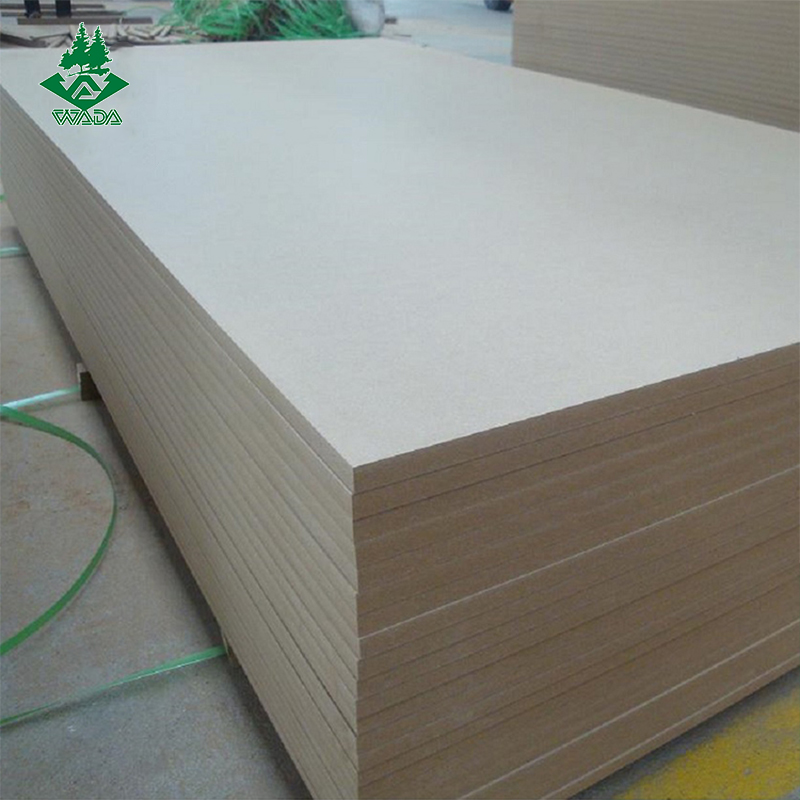
Screw-holding capacity is the ability of a wood panel to resist a screw pulling out or moving under load. For MDF and plywood, it is not a single catalogue value. It depends on the panel grade, thickness, density, moisture content, screw type, pilot hole, embedment depth, and whether the screw enters the face or the edge. For internal fixings in frames and fixtures, engineers should specify a test package, not just a panel name.
Dalian WADA International Trading Co., Ltd. is a China-based manufacturer and exporter of engineered wood products, established in 2010, whose published portfolio includes LVL, plywood, veneered board, MDF, OSB, wall panels, and woodworking machinery. Its product data show why a technical approach is needed: MDF is listed with a density range of 500-1000 kgs/m³, while commercial plywood is listed at 520-700 kgs/m³ and structure plywood at 650-750 kgs/m³. Those ranges overlap, so density alone cannot rank one panel against another for a specific screw joint. The full company profile is available at Dalian WADA International Trading Co., Ltd..
Why screw-holding capacity becomes a project risk
Internal fixings fail in service not because a panel is generally weak, but because the specified joint was never matched to the panel. A hinge screw, a cabinet rail, a wall-panel batten, and a furniture frame bracket use different screws, thicknesses, edge distances, and load directions. A panel data sheet that gives only density and thickness leaves the fabricator to guess.
The risk is higher in MDF and plywood because the two materials are constructed differently. MDF is a fibre panel; plywood is a layered veneer panel. A specification that describes both as wood panel does not describe the fastening condition. The buyer needs a documented panel identity plus a screw-holding result obtained under the same conditions as the intended fixing.
What the panel construction already tells an engineer
MDF is documented in the supplied product data as a wood-fibre panel with continuous flat pressing, density of 500-1000 kgs/m³, thickness of 1.2-50 mm, moisture content of 5%-13%, and glue options including E0, CARB P2, and E1. Its listed uses include furniture board, routed board, lightweight high-strength board, and waterproof board. For screw-holding assessment, the important point is that MDF is homogeneous in composition but not necessarily uniform in local density; screw performance is sensitive to the local material around the screw.
Commercial plywood is documented with thickness of 2-25 mm, density of 520-700 kgs/m³, moisture content of 8%-12%, and glue options including E0, CARB P2, E1, E2, and WBP. Structure plywood is documented at 9-28 mm thickness, 650-750 kgs/m³ density, moisture content 8%-12%, and melamine WBP or phenolic WBP glue. Plywood is a layered product, so the screw can engage face veneer, core veneer, glue lines, or edge plies. That layered path is different from MDF and must be reflected in the test.
How production density changes the MDF and plywood question
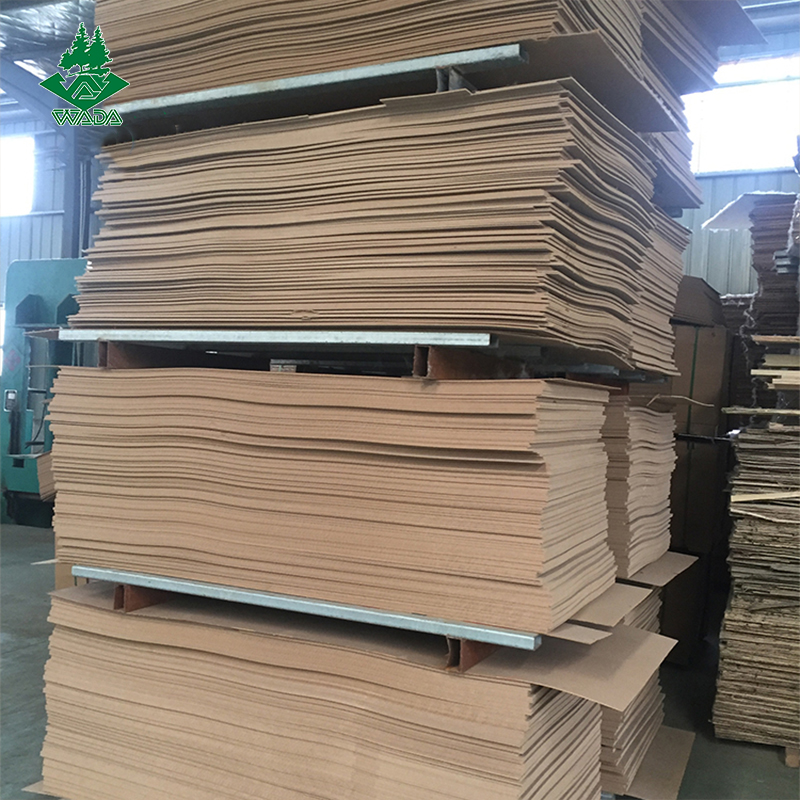
In MDF, density is a production-controlled property of the fibre mat and press cycle, and the supplied product data allow a broad 500-1000 kgs/m³ range. Within that range, a denser MDF can provide more fibre contact around a screw, but the local density at the screw, the resin system, the moisture content, and the screw geometry still determine the joint. In plywood, density is a product of the veneer species and layup, and the supplied commercial and structure plywood ranges overlap with MDF. A plywood screw may pass through face veneer, glue line, and core; the edge condition is different again. For that reason, production density is more directly a specification variable in MDF, while plywood requires a layup and orientation specification alongside density.
The practical conclusion is not that one panel family is better. It is that the same density number does not carry the same meaning across the two products. MDF density describes a fibre matrix; plywood density describes a combined veneer assembly. An engineer comparing them should compare matched joints, not isolated material data.
A specification framework for MDF and plywood fixings
The workable metric is a set of recorded conditions and results. For each fixing, write down: panel model; thickness; density and density basis; moisture content; screw type, diameter and length; pilot hole diameter; embedment depth; face or edge fixing; edge distance; loading direction; conditioning before test; and the test method used. Then require a result that states the statistic, not just a pass word.
- Define the joint as a face fixing, edge fixing, or both. The two conditions are not interchangeable.
- Lock the panel identity: MDF, commercial plywood, or structure plywood, with the exact model and thickness.
- Record the density range and the basis of that density. A product range is not a batch test result.
- Specify the screw and pilot hole. Different screws and pilot holes change the result.
- State the conditioning and moisture content at test. MDF is listed at 5%-13% moisture content and plywood at 8%-12%, so the test condition must be stated.
- Require a result statistic with sample size, mean, range, and any failures, not only a single average.
- Tie the result to the batch or production period so that it can be rechecked when the panel changes.
Step-by-step assessment
1. Define the fixing as face, edge, or both
A screw in the face of a panel and a screw in the edge do not share the same load path. In MDF, the edge condition can be especially sensitive to local density and screw placement. In plywood, the edge exposes layer ends and glue lines, while the face engages veneer and core in a different sequence. The specification should state the location and the minimum edge distance for the actual fixture.
2. Lock the panel identity and production density
Use the product model, not only the family name. The supplied data distinguish MDF, commercial plywood, and structure plywood with separate density, thickness, moisture, and glue ranges. For MDF, record the production density range and the batch density record. For plywood, record the veneer and core specification as well as density, because the layered construction affects screw engagement.
3. Require a matched screw-holding test
The test should use the actual screw, pilot hole, embedment, panel thickness, and face or edge condition. Conditioning before test should match the intended service condition. The report should identify the test method and the loading direction. If the supplier uses an internal method, the method should still be described well enough for the buyer to compare results across batches.
4. Check thickness and edge distance
Thickness is part of the joint design, not a background detail. MDF is listed from 1.2 mm to 50 mm and commercial plywood from 2 mm to 25 mm, so the same screw cannot be assumed to behave the same way across the range. Thin panels may need a different screw length, pilot hole, or fixing detail. The test report should state the thickness tested and the edge distance used.
5. Record moisture and conditioning
Moisture content is listed at 5%-13% for MDF and 8%-12% for commercial and structure plywood. Because the test condition affects the result, the buyer should require the moisture content at test and the conditioning method. A result obtained from a dry laboratory sample should not be treated as a result for a humid production environment without checking the difference.
6. Set acceptance criteria and sampling
The acceptance criterion should be tied to the joint, not to a generic panel claim. Define the minimum result, the sample size, the acceptance number, and the action for a failed sample. For continuous production, a batch-linked sampling plan is more useful than a one-off certificate. The plan should state whether the test is repeated when the panel supplier, density band, screw, or thickness changes.
7. Qualify the supplier and the batch
Supplier capability supports the specification but does not replace the test. WADA's published capability data list OEM/ODM support, customization of size, thickness, and layout, a monthly capacity of 10000+ CBM for panels, a MOQ of 1x40'container, a lead time of 25-45 days, 100% inspection, and remote after-sales support. Those facts help a buyer plan qualification and orders. They do not certify screw-holding capacity for a specific joint.
Where the assessment matters in frames and fixtures
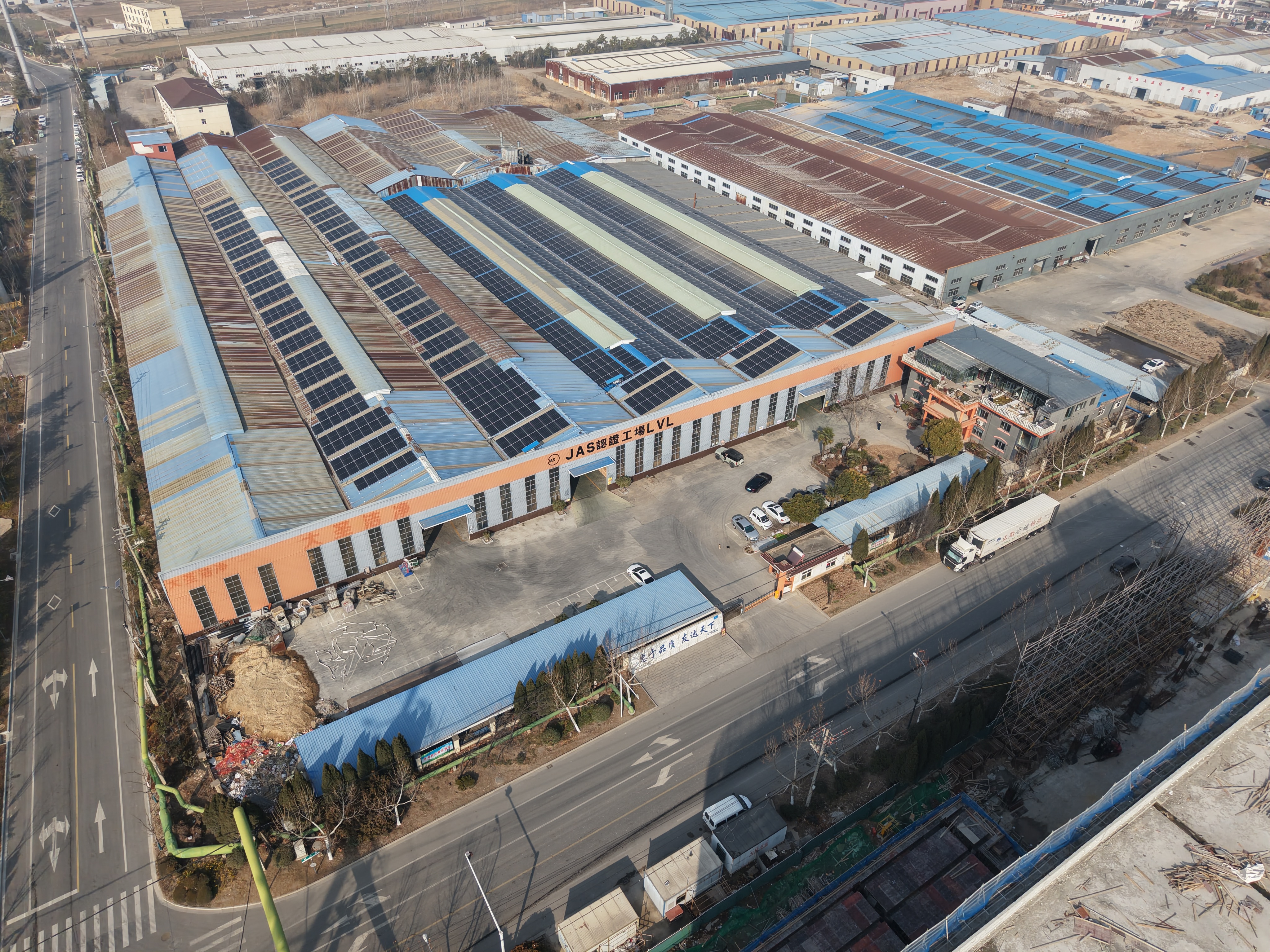
Furniture frame and cabinet production is a direct use case. The supplied application record for furniture manufacturing in Poland describes workshop production, continuous production, cabinet and panel making, with a requirement for smooth surface and stable core; the related panels include MDF. In this setting, screw-holding capacity matters for hinges, rails, brackets, and internal frame connections. The assessment should use the actual panel thickness and the actual screw pattern.
Interior finishing is another case. The supplied record for interior decoration in the United States describes an indoor dry environment, permanent installation, wall, kitchen, and furniture use, and an eco-friendly and formaldehyde-free requirement; related panels include MDF. For such projects, the panel must satisfy both the fastening requirement and the indoor emission requirement. These are separate checks and should be documented separately.
Workshop production environments also favor a repeatable test package. The supplied citable application note for workshop production states continuous production mode. In continuous production, a one-off sample result is less useful than a batch-linked record that can be repeated when the panel supplier, density band, or screw changes. WADA's supplied case record for a furniture manufacturer in Mexico lists 100 containers for furniture and cabinet application; that record supports furniture-sector experience, but it does not report screw-holding values.
MDF and plywood comparison for screw-holding assessment
The table compares only documented panel parameters and the assessment implications that follow from construction. It does not assign a screw-holding score, because the supplied data do not contain panel-specific screw-holding test values.
| Panel and documented model | Documented density | Documented thickness | Documented construction or material | Assessment note for internal fixings |
|---|---|---|---|---|
| MDF, model MDF | 500-1000 kgs/m³ | 1.2-50 mm | Wood fibre; glue options include E0, CARB P2, and E1; moisture content 5%-13% | Specify face or edge test, local density basis, screw, pilot hole, and embedment. Density range alone is not a screw-holding value. |
| Commercial Plywood | 520-700 kgs/m³ | 2-25 mm | Face and back veneer options include birch, pine, okoume, bintangor, sapeli, pencil cedar, and poplar; core options include poplar or eucalyptus and combi or full birch; glue options include E0, CARB P2, E1, E2, and WBP; moisture content 8%-12% | Specify veneer orientation, face or edge location, and screw engagement path. Test the actual thickness and layup. |
| Structure Plywood | 650-750 kgs/m³ | 9-28 mm | Larch or pine face and back; eucalyptus, larch, pine, or combi core; melamine WBP or phenolic WBP glue; moisture content 8%-12% | Confirm that the structure grade is the intended product; assess internal fixings with the same matched test rather than assuming density decides the joint. |
FAQ: assessing screw-holding capacity in MDF and plywood
What is screw-holding capacity in a wood panel?
It is the resistance of a panel-fastener joint to withdrawal or movement under a defined load. It is not a fixed property of all MDF or all plywood; it depends on the panel, screw, pilot hole, embedment, face or edge location, moisture, and test method.
Does higher density always mean higher screw-holding capacity?
No. Density is a relevant production variable, especially in MDF, but the relationship is not a universal rule. Resin, fibre or veneer structure, moisture content, screw type, pilot hole, and embedment can change the result. A higher-density panel should still be verified with a matched test for the intended fixing.
How should MDF and plywood be compared for internal fixings?
Compare them on the same joint. Use the same screw, pilot hole, embedment, panel thickness, moisture condition, and loading direction. Record whether the screw is in the face or edge. A comparison that changes these variables at the same time does not isolate the panel effect.
What should a screw-holding test report include?
It should identify the panel model, thickness, density and density basis, moisture content, screw specification, pilot hole, embedment, face or edge location, conditioning, test method, sample size, and result statistic. A single average without the range and test conditions is weak evidence for production specification.
Can the same screw and pilot hole be used in MDF and plywood?
Not automatically. The two panels have different constructions. MDF is a fibre panel; plywood is layered. The screw engagement path differs, and the pilot hole that suits one panel may not suit the other. The fixing should be tested with the actual screw and panel combination.
What should a buyer request before a first order?
Request a panel data sheet, a batch-linked density record, the applicable certification documents, and a screw-holding test report matched to the intended fixing. Also confirm thickness, MOQ, lead time, and sampling arrangements. WADA's published capability data list OEM/ODM support, size, thickness, and layout customization, a MOQ of 1x40'container, a lead time of 25-45 days, and 100% inspection. The WADA Group brochure can be downloaded here: WADA Group brochure.
Conclusion: specify the joint, not just the panel
For internal fixings in frames and fixtures, the useful specification is a matched joint record. MDF and plywood should be identified by model, thickness, density range, moisture content, and construction, then tested with the actual screw, pilot hole, embedment, and face or edge condition. Production density is a legitimate variable to discuss with an MDF supplier, but it is not a substitute for a screw-holding result. Plywood's layered construction adds direction-dependent behaviour that a single density number cannot capture. The engineer's control point is the test package and its traceability to the batch.
WADA's product data support that conversation: MDF, commercial plywood, and structure plywood have documented density, thickness, moisture, and glue ranges, and the company states 100% inspection. Those facts help a buyer screen and specify. They do not replace a project-specific screw-holding test. The next step is to define the joint, request the matched data, and compare MDF and plywood on the same test basis.
Have Questions or Need More Details?
Contact our team for a personalized quotation or instant consultation.
Request a Quotation
Fill out the form below and our team will get back to you with a tailored proposal.
WhatsApp Direct Chat
Prefer to chat in real-time? Message us on WhatsApp for instant assistance & quick answers.
- Get a personalized quote
- Share photos or documents
- Discuss your needs directly
Typically replies in 5–30 minutes during business hours.