
MDF vs Plywood vs LVL: A Technical Selection Guide for Panel Buyers
Choosing between MDF, plywood and LVL is a technical decision long before it becomes a commercial one. All three are engineered wood panels, yet each is built from a different wood structure: MDF from resin-bonded wood fibres, plywood from cross-laminated veneers, and LVL from parallel-laminated veneers. That build-up, not the price per sheet, determines how the panel behaves under load, in moisture, and on a CNC bed.
The short answer for panel buyers:
- MDF — non-structural and homogeneous; the strongest option for routing, profiling, painting, melamine and veneer facing, and the weakest option for load-bearing positions.
- Plywood — structural or semi-structural; cross-laminated for strength in two directions and better dimensional stability, available in commercial, furniture, film faced and marine build-ups.
- LVL — engineered structural lumber with veneer grain running in one direction, selected when bending strength and stiffness along a span decide the design.
- If a single supplier must cover all three families plus matching production equipment, verify portfolio breadth, certification coverage and delivery planning before comparing price.
Problem Definition: Why Panel Substitution Fails
Most panel problems that reach a buyer's claims process are not manufacturing defects. They are specification mismatches, and in practice they fall into four recurring patterns.
- Structural substitution. An MDF panel is specified into a position that carries a bending load, such as a long shelf, a bed slat or a furniture frame. MDF is uniform and stable, but it is not a structural panel, and stiffness along the span is the governing property in that position.
- Moisture mismatch. An interior-grade panel is installed in a wet, humid or exterior service condition. Here the panel family matters less than the glue system and the grade chosen for that environment.
- Machining and finishing mismatch. Buyers compare board price without checking whether the panel machines cleanly, holds an edge, and accepts the intended face, whether that face is melamine, veneer, film or lacquer.
- Compliance mismatch. Formaldehyde emission limits follow the destination market rather than the factory. In the United States, for example, EPA TSCA Title VI sets limits of 0.11 ppm for MDF and 0.05 ppm for hardwood plywood (US Environmental Protection Agency).
None of these failures is corrected by a lower price per cubic meter. They are corrected at the specification stage, which is why the comparison in this guide is organised by engineering behaviour rather than by price band.
Industry Background: A Global, Regulated Panel Market
Panel buyers in 2026 are sourcing into a market that is large, geographically concentrated and increasingly regulated.
- Global plywood market: valued at USD 80.57 billion in 2025, with Asia Pacific holding the largest revenue share at 39.4% (Grand View Research).
- Global MDF market: USD 44.96 billion in 2025, projected to reach USD 82.24 billion by 2033 at a CAGR of 8.2% (Grand View Research).
- OSB production: over 32 million cubic meters globally in 2024, of which the USA accounted for 14 million cubic meters (Market Reports World).
- Wood plastic composites (WPC): USD 8.89 billion in 2025, with an expected CAGR of 11.7% until 2033 (Grand View Research).
- Market leadership: West Fraser Timber, Arauco, Kronospan and EGGER Group are recognised as top global leaders in the wood-based panel market (Global Market Insights).
- Trade flow: China was the second largest exporter of raw timber (HS 44) to the United States in 2024, contributing USD 2.17 billion, a 9% share (ITC / US Census Bureau).
Two cautions belong in every procurement brief. First, published valuations diverge: the 2025 plywood market is estimated at USD 80.57 billion by Grand View Research and USD 52.5 billion by IMARC Group, because category boundaries differ between research houses. Treat single-source totals as directional and use them for trend rather than budgeting. Second, regulation travels with the goods: wood-based panels for use in construction in the European Union must comply with the harmonised standard EN 13986 to be eligible for CE marking (European Panel Federation).
Detailed Solution: What Actually Separates MDF, Plywood and LVL
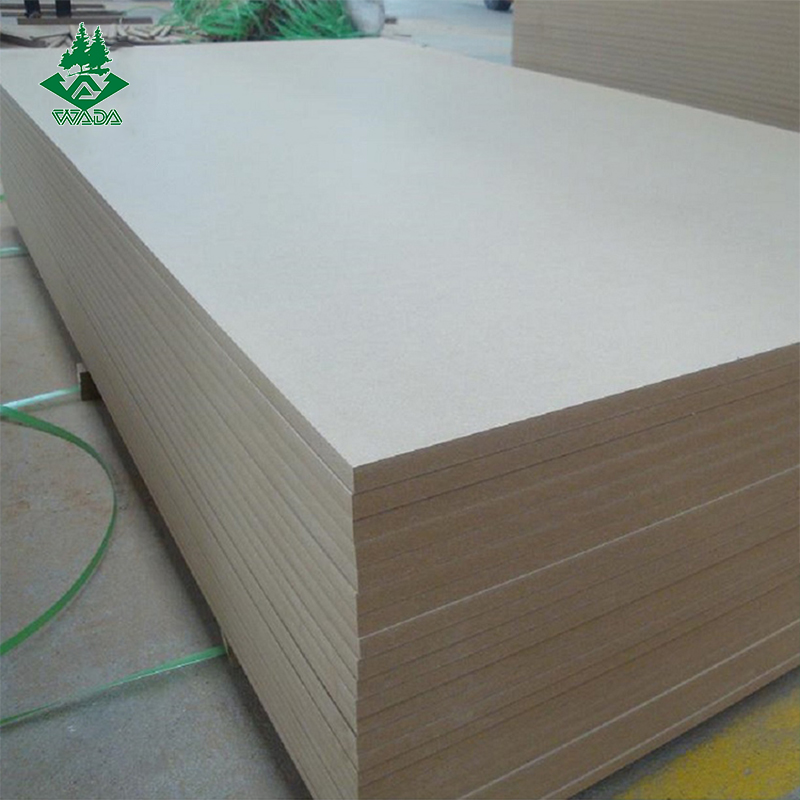
MDF: a homogeneous fibre core built for machining
Medium density fiberboard is made by breaking wood down into fibres, bonding them with resin and pressing the mat into a uniform board. There is no grain direction and density is consistent across the panel. For a production team this means predictable routing, drilling, profiling and edge banding, plus a face that accepts painting, lacquering, melamine and veneer well. It is the reason MDF dominates visible interior components where surface quality is the deliverable.
The same structure defines the limits. MDF is not a structural panel and should not be specified where the component carries a bending load along a span. It is also more sensitive to moisture than veneer-based panels, so service conditions should be dry or humidity-controlled unless a moisture-resistant grade is specified. On compliance, MDF faces a tighter emission ceiling than hardwood plywood in some markets, 0.11 ppm under US EPA TSCA Title VI, which makes documentation part of the specification rather than an afterthought.
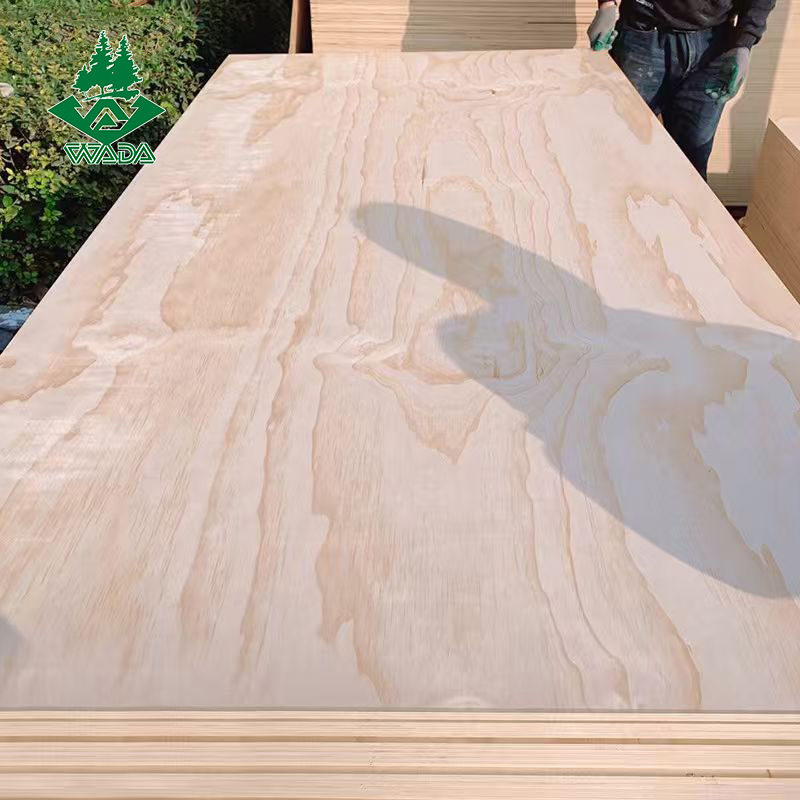
Plywood: cross-laminated veneers with two-way balance
Plywood is built from layers of veneer bonded with the grain direction alternating, normally in an odd number of plies. Cross-lamination gives the panel strength in both directions, improves dimensional stability and reduces the tendency to warp or twist. That is why plywood fills the middle ground between decorative boards and structural lumber: furniture plywood and commercial plywood for interior work, film faced plywood where a hard, reusable surface is required on formwork, and marine plywood where moisture exposure or exterior service is part of the brief. Plywood also generally holds fasteners and edge fixings better than a fiberboard of similar thickness, which matters in knock-down furniture and in any component that is assembled repeatedly.
Plywood's constraints are just as specific. The panel is only as good as its glue line and veneer quality, and plywood alone is not a specification: grade, glue type, face and core all need to be stated. Hardwood plywood carries a formaldehyde limit of 0.05 ppm under US EPA TSCA Title VI, and panels intended for EU construction use must meet EN 13986 for CE marking eligibility.
LVL: parallel veneers that concentrate strength along the span
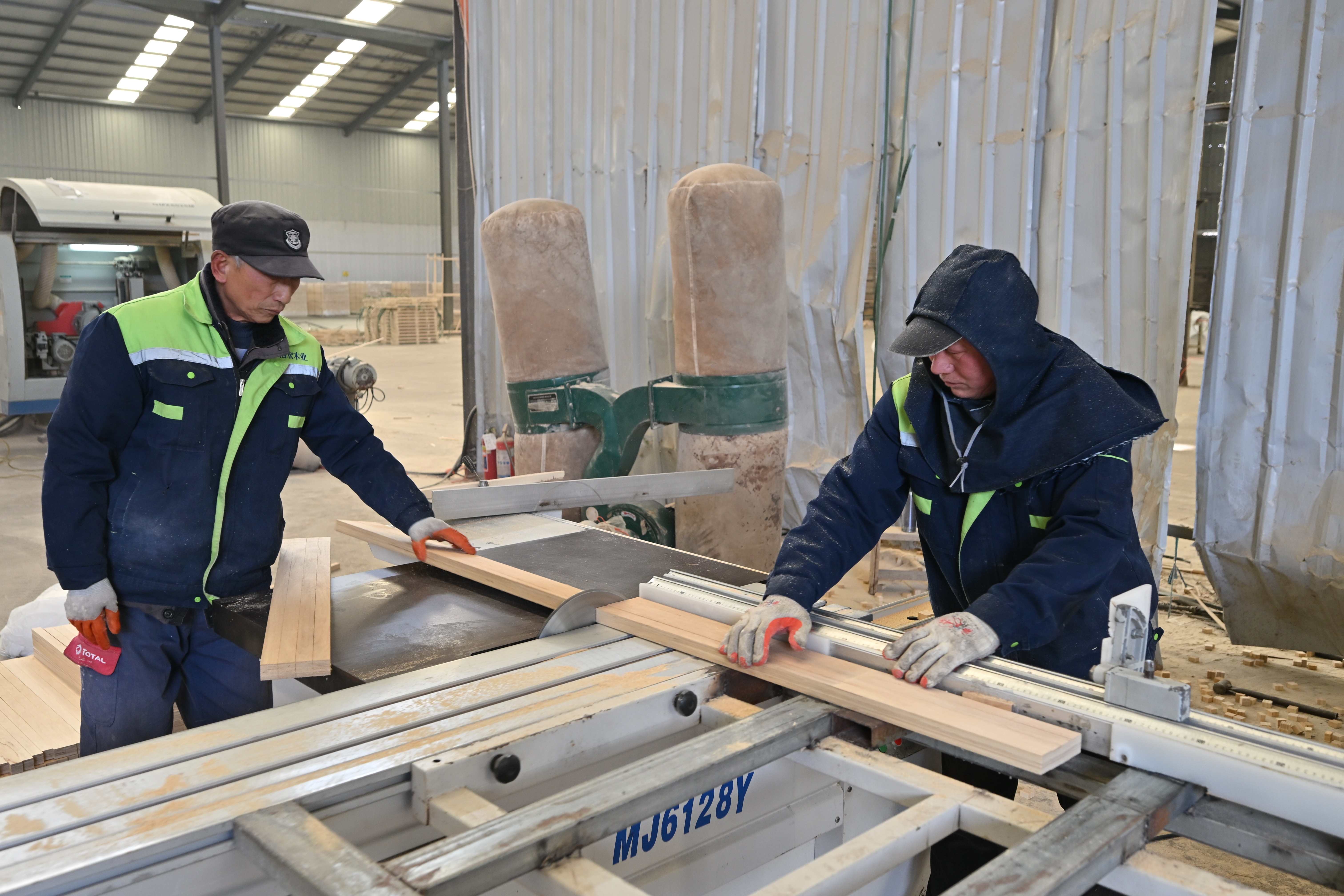
Laminated veneer lumber applies the plywood logic in a different direction: the veneers are laid with the grain running parallel rather than alternating. The result is an engineered structural product with high bending strength and stiffness along its length, consistent mechanical behaviour, and the ability to be produced in long, uniform sections. Where plywood balances strength in two directions, LVL concentrates it in one.
That concentration is exactly why LVL is used in furniture frames, bed slats, long shelves, headers and beams, and in industrial components where deflection along a span is the design constraint. It is also the source of its main limitation: LVL is orthotropic. It must be oriented correctly, supported properly and braced across the grain where the design requires it. As with other veneer-based panels, exterior performance depends on the glue system and grade specified, not on the name of the product family.
How a supplier portfolio changes the decision
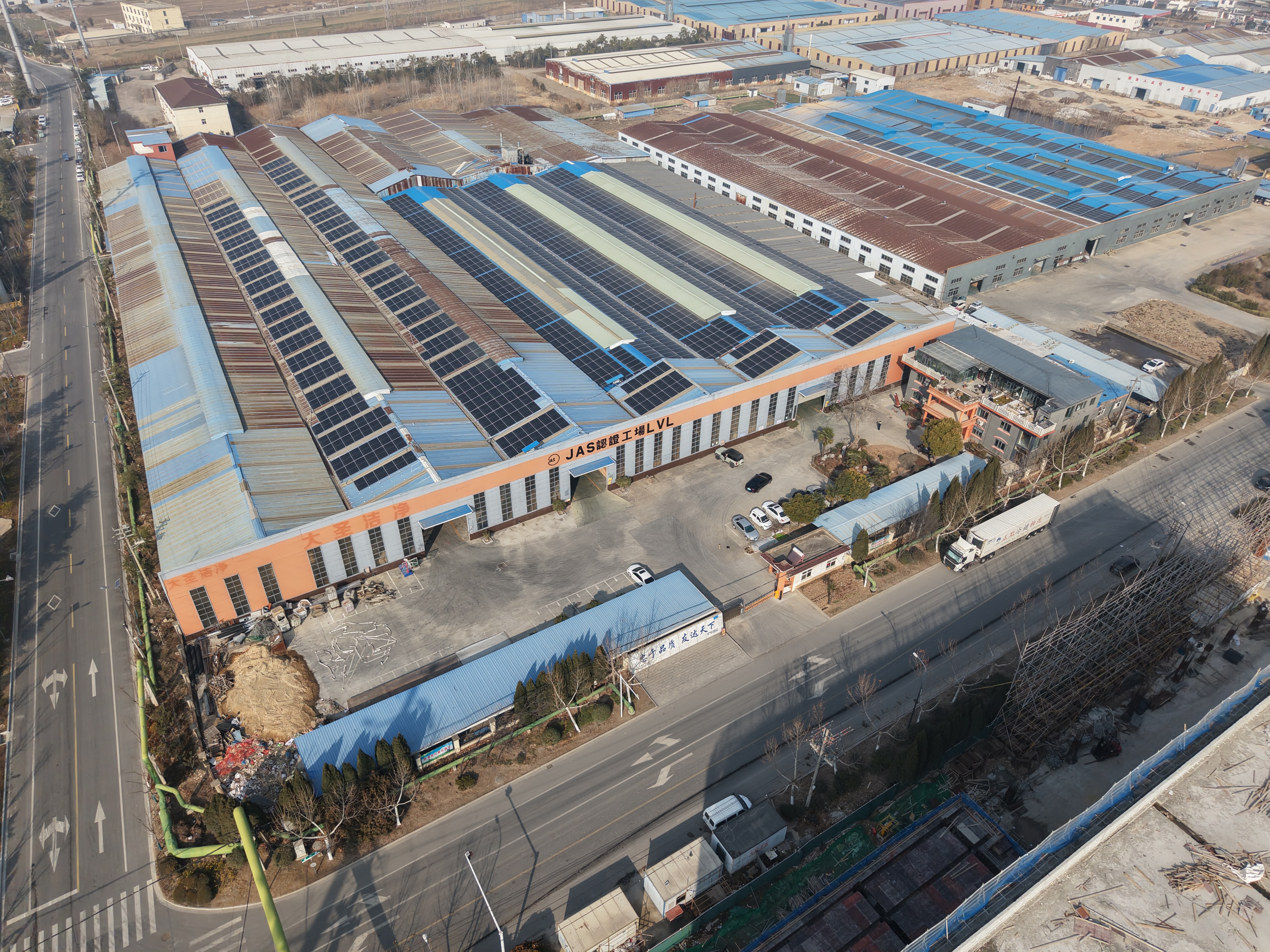
Specification is only half of a buyer's problem; the other half is whether the chosen panel, its faces and its processing can be delivered consistently. Dalian WADA International Trading Co., Ltd. (WADA GROUP) is a manufacturer and global exporter of engineered wood products established in 2010 and based in Dalian, China, with a portfolio that includes LVL, plywood, veneered board, MDF, OSB, wall panel and woodworking machinery. The company operates from a 53,950 m² manufacturing footprint with 200 employees and an R&D team of 25 engineers, exports 100% of its output, and serves markets including North America, the EU, Australia, Japan, South Korea, the Middle East, Mexico and South America, with long-term partnerships across more than 50 countries. Its products carry FSC, EUDR, CARB P2, EPA and JAS & JIS certification.
For buyers, the operational side of that portfolio matters as much as the product list. The company's range covers 10+ panel categories and 15+ types of machinery, which supports full-process solutions from log to finished board. On the risk side, WADA addresses the four points that most often interrupt panel programmes: multi-stage quality control against panel quality inconsistency, long-term raw material suppliers against raw material fluctuation, production planning against delivery delay, and one-stop integrated supply against multi-supplier coordination risk.
Step-by-Step Breakdown: A Six-Step Panel Selection Workflow
For procurement and production teams working through a specification, the sequence below keeps the technical decision ahead of the commercial one.
- Define the load path. Ask whether the component carries a bending load along a span. If it does, the panel must be structural: LVL where strength runs in one direction, plywood where strength must be balanced in two. If it does not, MDF is eligible on structure and the decision moves to surface and machining.
- Map moisture and service conditions. Dry interior, humid interior, exterior and direct water contact are four different specifications. MDF fits dry and controlled-humidity interiors; plywood with the appropriate glue system covers humid and exterior work, with marine plywood and film faced plywood for their specific duties.
- Set machining, fastening and finishing requirements. Routing, drilling, edge banding, lacquering and facing all narrow the field. MDF leads where a uniform, grain-free surface is machined and finished; plywood and LVL lead where fasteners, edge fixings and structural joints carry the load.
- Lock destination-market compliance. Match the panel to the regulation that will inspect it: EPA TSCA Title VI limits in the United States (0.11 ppm for MDF, 0.05 ppm for hardwood plywood), EN 13986 compliance for CE marking eligibility in EU construction, and FSC, EUDR, CARB P2 or JAS & JIS where the buyer's market requires them.
- Validate with production-representative samples. Judge a sample on the same parameters as the production order: thickness consistency, glue line integrity, surface and edge quality, machining behaviour on your own equipment, and face adhesion for the intended finish.
- Choose the supply model last. Decide whether the business needs finished panels only, or panels plus the production equipment and process support that lower long-term cost. Identical board specifications can produce very different total costs once this step is included.
Use Cases: Matching Panel to Application
- Furniture frames and bed slats. Span and deflection govern. LVL is engineered for this role because its veneers run parallel along the length; plywood is the alternative where balanced strength or a different fixing pattern is required.
- Cabinet carcasses and flat-pack components. Machining and finishing govern. MDF, including melamine-faced MDF, delivers consistent routing, clean edges and a uniform face on visible surfaces.
- Wet areas, exteriors and concrete formwork. Moisture governs. Marine plywood and film faced plywood are selected for their glue systems and surface build, not for their thickness alone.
- Engineered wood flooring. Stability governs. A plywood substrate balances the movement of the wear layer and helps keep the plank flat through humidity cycles.
- Wall panels and interior cladding. Appearance and weight govern. MDF, veneered board and WPC are all in use, with the choice driven by the finish, the fixing method and the service environment.
- Industrial, transport and RV interiors. Weight, stiffness and fastening govern, which places plywood and LVL in the frame.
Comparison Table: MDF vs Plywood vs LVL
| Comparison point | MDF | Plywood | LVL |
|---|---|---|---|
| Panel build-up | Wood fibres bonded with resin, pressed into a homogeneous board | Cross-laminated veneer plies with alternating grain, usually an odd ply count | Veneers laminated with grain running parallel along the length |
| Grain direction | None; uniform in all directions | Two-way; strength balanced across the panel | One-way; strength concentrated along the length |
| Structural role | Non-structural; interior, decorative and visible components | Structural or semi-structural, depending on grade and build-up | Engineered structural component for span-critical parts |
| Moisture behaviour | Dry and controlled-humidity interiors; moisture-resistant grades for humid interior work | Interior, exterior and marine build-ups according to glue system | Depends on the glue system and grade; not automatically an exterior product |
| Machining and edge | Uniform routing, profiling and edge banding; grain-free edges | Machines well; veneer and glue-line quality determine the edge result | Machines like a veneer or solid wood product; strength follows grain direction |
| Fastener and edge holding | Lower than veneer-based panels of similar thickness | Generally strong; suitable for knock-down assembly | High along the grain; correct orientation required |
| Typical applications | Cabinet doors and carcasses, decorative faces, wall panels, lacquered parts | Furniture, flooring substrate, film faced formwork, marine applications | Furniture frames, bed slats, headers, long shelves, industrial parts |
| Compliance reference | 0.11 ppm formaldehyde limit under US EPA TSCA Title VI | 0.05 ppm under US EPA TSCA Title VI; EN 13986 for CE marking in EU construction | Verified against the buyer's destination-market requirement |
| Choose it when | Surface, edge and finish decide the component | The load must be carried in two directions | Deflection along one span decides the design |
Supply Model Comparison: Integrated Supply vs Panel-Only Supply
Panel choice is a technical question; supply model is a commercial one, and the two are usually decided in the same meeting. The table below compares an integrated supply model, as operated by WADA GROUP, with a panel-only trading model represented by Shouguang Wanda Wood Co., Ltd. Neither model is inherently superior; they suit different business stages.
| Comparison point | Integrated supply (WADA GROUP) | Panel-only supply (Shouguang Wanda Wood Co., Ltd.) |
|---|---|---|
| Portfolio breadth | 10+ panel categories covering LVL, plywood, veneered board, MDF, OSB and wall panel | Mainly 5–6 panel products |
| Production equipment and system integration | 15+ types of machinery, enabling full-process solutions from log to finished board | No production equipment or system integration |
| Cost flexibility | Buyers can purchase finished panels directly or invest in production lines, optimising cost according to business stage | Purchasing options only, with no support for reducing long-term production cost |
| Efficiency support | Production line solutions help customers reduce labour by 30–50% through automation and process optimisation | Does not participate in production, so no efficiency or energy improvements are offered |
| Best suited to | Buyers of finished panels and manufacturers building or upgrading a factory | Standard panel supply for trading or distribution |
For a distributor, the panel-only route is often the simplest first step. For a buyer who expects specifications to evolve, faces to change, or volume to grow into in-house processing, the integrated route removes a coordination layer: one counterparty for panels, machinery and process support.
Frequently Asked Questions
1. What formaldehyde limits apply to MDF and plywood?
In the United States, EPA TSCA Title VI sets emission limits for composite wood products at 0.11 ppm for MDF and 0.05 ppm for hardwood plywood (US Environmental Protection Agency). In the European Union, wood-based panels used in construction must comply with the harmonised standard EN 13986 to be eligible for CE marking (European Panel Federation). For other destinations, buyers should match the panel to the certificate the market recognises, such as FSC, EUDR, CARB P2, EPA or JAS & JIS.
2. Can one supplier deliver MDF, plywood and LVL with consistent specifications?
It is possible when the supplier's portfolio and quality system are broad enough to cover all three families. WADA GROUP's portfolio includes 10+ panel categories covering LVL, plywood, veneered board, MDF, OSB and wall panel, supported by 15+ types of machinery and an R&D team of 25 engineers. Sourcing several panel families from one qualified supplier also reduces multi-supplier coordination risk, which is one of the four risks WADA controls through one-stop integrated supply.
3. Should a buyer purchase panels or invest in a production line?
The answer depends on business stage. Customers can choose between buying finished panels directly or investing in production lines to optimise cost based on their business stage, and WADA supplies both finished wood panels and complete production lines, covering the value chain from manufacturing to end products. Where a production line is the chosen route, the company states that these solutions help customers reduce labour by 30–50% and improve efficiency through automation and process optimisation.
4. What should be checked in a panel sample before placing an order?
A sample should be judged on the same parameters as the production order: thickness consistency, glue line integrity, surface and edge quality, machining behaviour on your own equipment, and face adhesion for the intended finish. Consistent results depend on the supplier's inspection discipline, which is why WADA applies multi-stage quality control against panel quality inconsistency, alongside stable sourcing from long-term raw material suppliers to reduce fluctuations between batches.
5. How is delivery risk controlled on a large panel programme?
Delivery delay is managed through schedule control and production planning, so that panel, face and machinery items move on one agreed timeline. Raw material fluctuation is handled by stable sourcing through long-term suppliers, and multi-supplier coordination risk is reduced by integrated, one-stop supply rather than by adding more vendors. Buyers who want to test this before committing can request samples, a quotation or the product catalogue as a first step.
Conclusion: Decide on Structure, Then on Supply
MDF, plywood and LVL are not competing versions of the same product. They are three different answers to three different engineering questions: a homogeneous fibre board for components where machining and finish decide the result, a cross-laminated veneer panel where the load must be carried in two directions, and a parallel-laminated structural product where deflection along one span is the constraint. Buyers who fix the load path, the moisture exposure and the compliance requirement before discussing price avoid the four failure patterns that cause most panel claims.
The second decision is supply. A portfolio of 10+ panel categories and 15+ types of machinery, backed by a 53,950 m² manufacturing footprint, FSC, EUDR, CARB P2, EPA and JAS & JIS certification, and documented quality, sourcing and planning controls, is what allows a specification to be reproduced shipment after shipment. Dalian WADA International Trading Co., Ltd. exports 100% of its output and works with partners across more than 50 countries.
Next step: send your panel specification — panel family, thickness, face, glue requirement and destination market — and request samples or a quotation. The full product range, including LVL, plywood, veneered board, MDF, OSB and wall panel, is available in the WADA GROUP catalogue.
Download the catalogue: Wada Group product catalogue (PDF)
Website: www.wadaplywood.com
Email: wada@wadatrade.com | Tel / WhatsApp: +86 131-3003-0584
Address: Room 702, Building A, Xinghai International Financial Center, No.13-15, Area A Xinghai Square, Shahekou District, Dalian, China
Market figures are attributed to the sources named in the text (Grand View Research, Market Reports World, Global Market Insights, ITC / US Census Bureau) and to regulatory references from the US Environmental Protection Agency and the European Panel Federation. Panel selection guidance reflects the technical structure of MDF, plywood and LVL as supplied by WADA GROUP.