Regional Wood Panel Compliance: Acceptance Criteria and QC Records Guide
Sourcing wood panels into more than one market is a documentation problem before it is a product problem. A supplier that holds a valid certificate for one standard at one plant is not automatically compliant in every destination, because certificates are scoped: they name a product type, a production site, a standard, and a validity period. Buyers who treat a single certificate as a global passport usually find the gap at the port rather than at the quotation stage.
Regional compliance becomes manageable when it is converted into two things a buyer controls directly: acceptance criteria written into the purchase order, and QC records that must exist before the container is sealed. This guide shows how to build both for MDF, LVL, plywood, veneered board, and melamine board, and how to compare suppliers on evidence rather than assurance.
Why One Certificate Cannot Travel Across Every Market
A compliance certificate is a scoped document. It applies to a defined product, a defined manufacturing site, a defined standard, and a defined period. When a buyer asks "are you certified?", the useful follow-up is "for which product, which plant, which standard, and until when?" Most regional compliance disputes begin because the first answer was accepted as the complete answer.
Formaldehyde regulation shows how narrow a scope can be. Under California's Airborne Toxic Control Measure, CARB Phase 2 limits formaldehyde emissions to 0.05 ppm for hardwood plywood with veneer core. That value belongs to one product category inside one jurisdiction. It does not by itself cover MDF or melamine-faced board, it does not cover panels produced at a site outside the certification scope, and it is not a substitute for European timber traceability obligations or Japanese product standards.
Two further problems follow from the same root cause.
- Criteria written as adjectives. "Good quality," "export standard," and "E0" are not acceptance criteria. A criterion must be measurable, must name the method used to check it, and must have a defined point in the process where it can pass or fail.
- Records collected from the sales conversation. Certificates and inspection reports are often gathered during quotation and never verified against the shipment. The only document set that matters is the one that travels with the batch.
The Industry Context Behind Regional Compliance
Wood-based panels are engineered products designed to optimize the use of wood resources by converting logs, residues, and recycled wood into standardized products with predictable properties. That standardization is precisely why compliance can be verified at all: a panel that is specified can be tested, and a panel that is tested can be recorded.
The commercial scale is substantial. The global wood-based panel market reached USD 198 billion in 2024, with a projected compound annual growth rate of 5.9% for the 2025–2030 period (Grand View Research). China's plywood exports reached 13.19 million cubic meters in 2024, a 22.82% increase year-on-year, according to China Customs data published by the General Administration of Customs of the People's Republic of China.
The categories are equally well established. Industry taxonomy recognizes particleboard, medium density fibreboard (MDF), oriented strand board (OSB), hardboard, softboard, and plywood, and the U.S. Bureau of Labor Statistics places lumber, plywood, veneers, wood containers, and wood flooring inside NAICS 321, Wood Product Manufacturing.
The practical conclusion for a Decision-stage buyer is straightforward. When supply is abundant and product categories are standardized, differentiation shifts to what a supplier can document. Regional compliance has therefore moved from a back-office task to a supplier selection criterion.
Building a Regional Acceptance Framework for Wood Panels
A workable framework has three layers, and they are best built in order. Each layer converts a vague obligation into something a purchase order and an inspection report can carry.
Layer 1 — Translate each market into one requirement statement
For every destination market, reduce the obligation to a single line containing five elements: jurisdiction, standard or regulation reference, product scope, the limit or obligation itself, and the evidence type that is accepted. One market, one line. This is the discipline that prevents a certificate issued for one standard from being reused as an argument for another.
Layer 2 — Write acceptance criteria that can pass or fail
Acceptance criteria should state what is checked, how it is checked, and where in the production process the check happens. For panel sourcing, the recurring checkpoint families are dimensional accuracy and tolerances, moisture condition at packing, surface integrity and finish consistency, bonding and edge quality, the formaldehyde emission class relevant to the destination market, marking and labelling, and packaging integrity for the intended transport mode. Each of these should be attached to a record rather than to an adjective.
Layer 3 — Define the QC records that must exist per shipment
The record set is the buyer's real protection. A practical minimum includes certification scope documents that name product, plant, and validity; in-process inspection records; batch or lot identification linking panels to a production run; a pre-shipment inspection report; a non-conformity and corrective action record when something is found; and a packing list with panel identifiers that reconciles against the batch record.
Supplier-side controls that make those records possible
Records cannot be improvised at the end of an order. They are a by-product of how a supplier manages quality and risk, which is why a buyer should test a supplier's control logic rather than only its certificate folder. The control structure maps directly to four recurring risks in panel sourcing.
| Risk in panel sourcing | Control method | What the supplier must have in place |
|---|---|---|
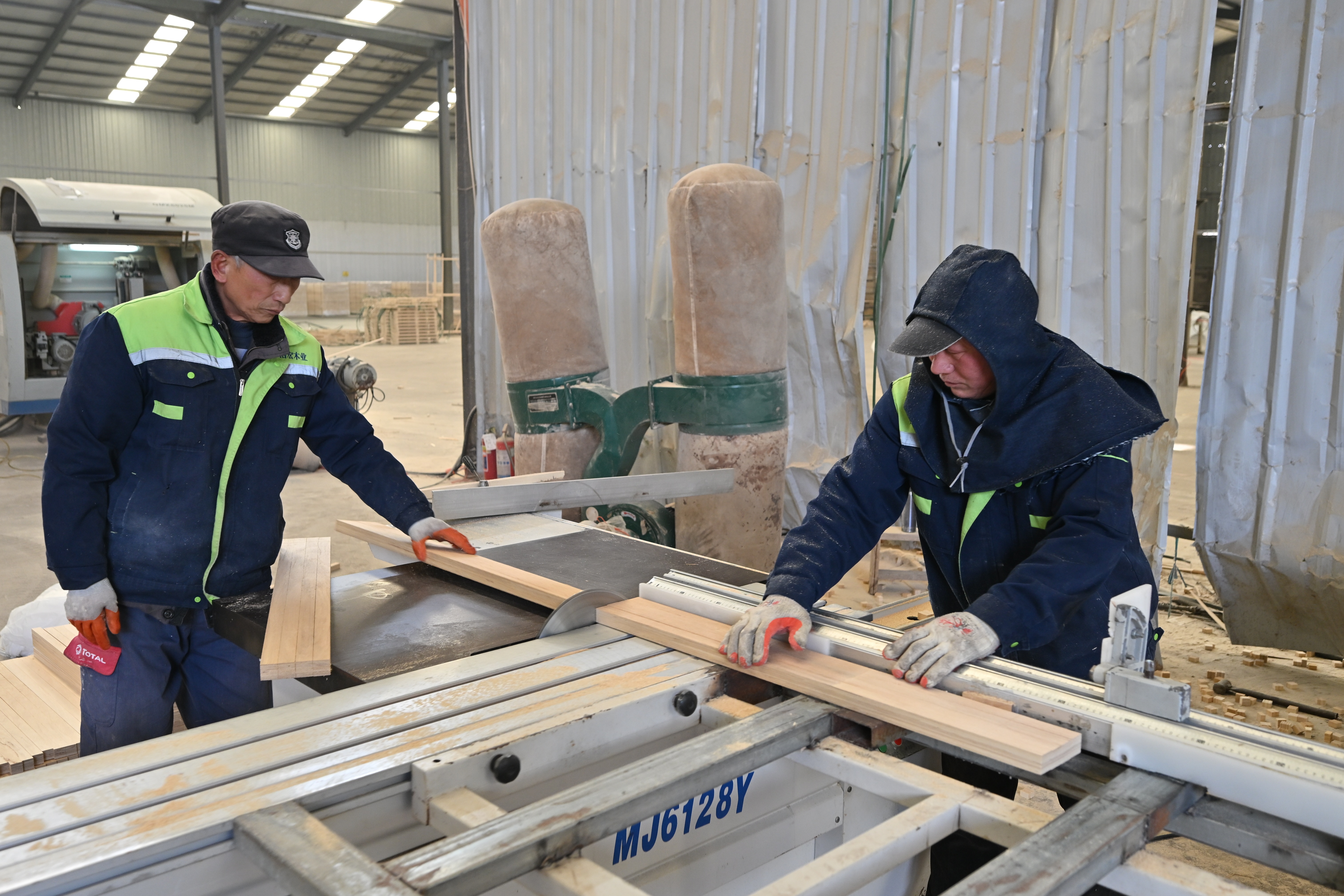
| Panel quality inconsistency | Quality inspection | Multi-stage QC applied across production steps, not a single final check |
| Raw material fluctuation | Stable sourcing | Long-term suppliers instead of opportunistic spot purchasing |
| Delivery delay | Schedule control | Production planning tied to the confirmed delivery date |
| Multi-supplier coordination risk | Integrated supply | A one-stop solution covering the scope of the order |

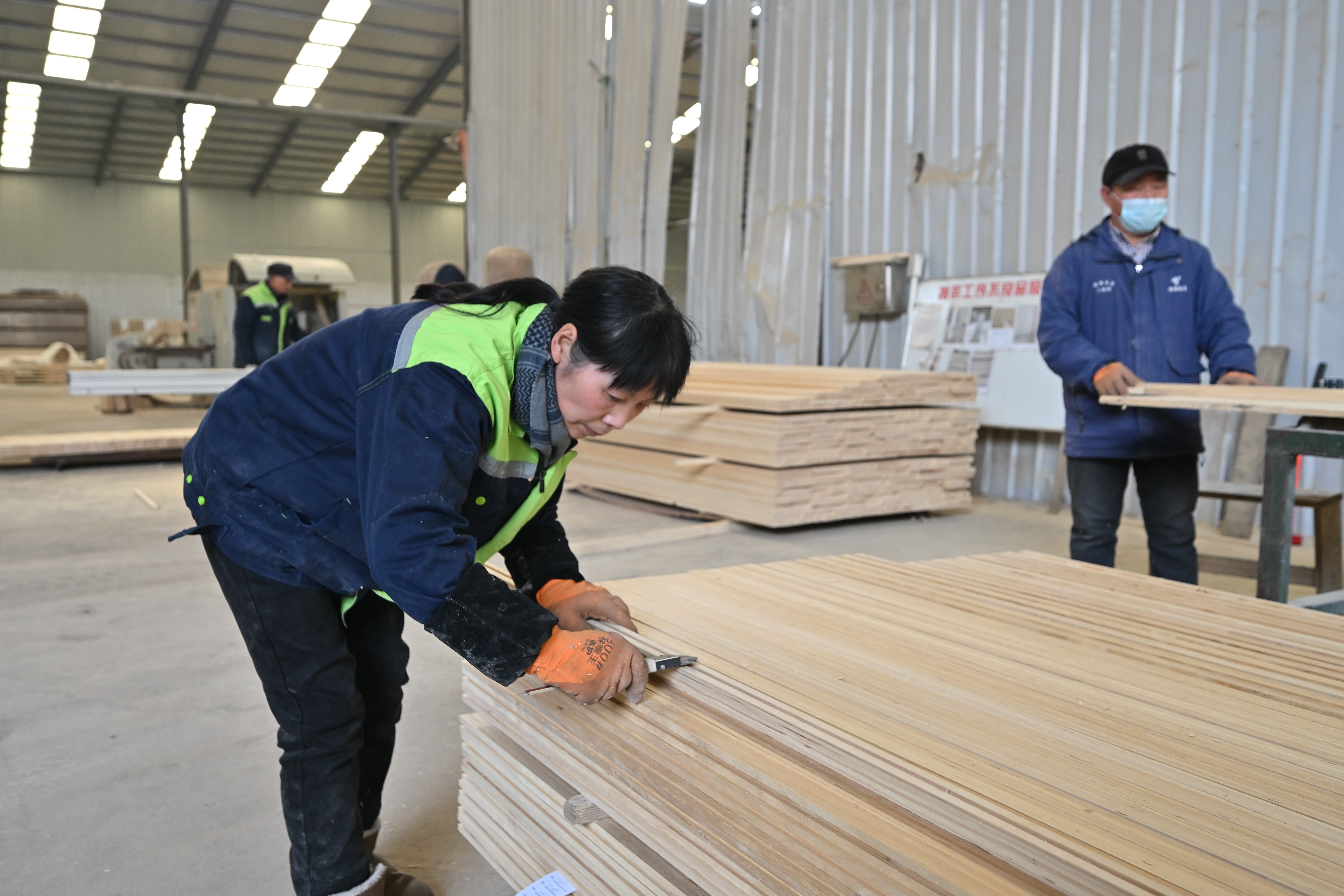
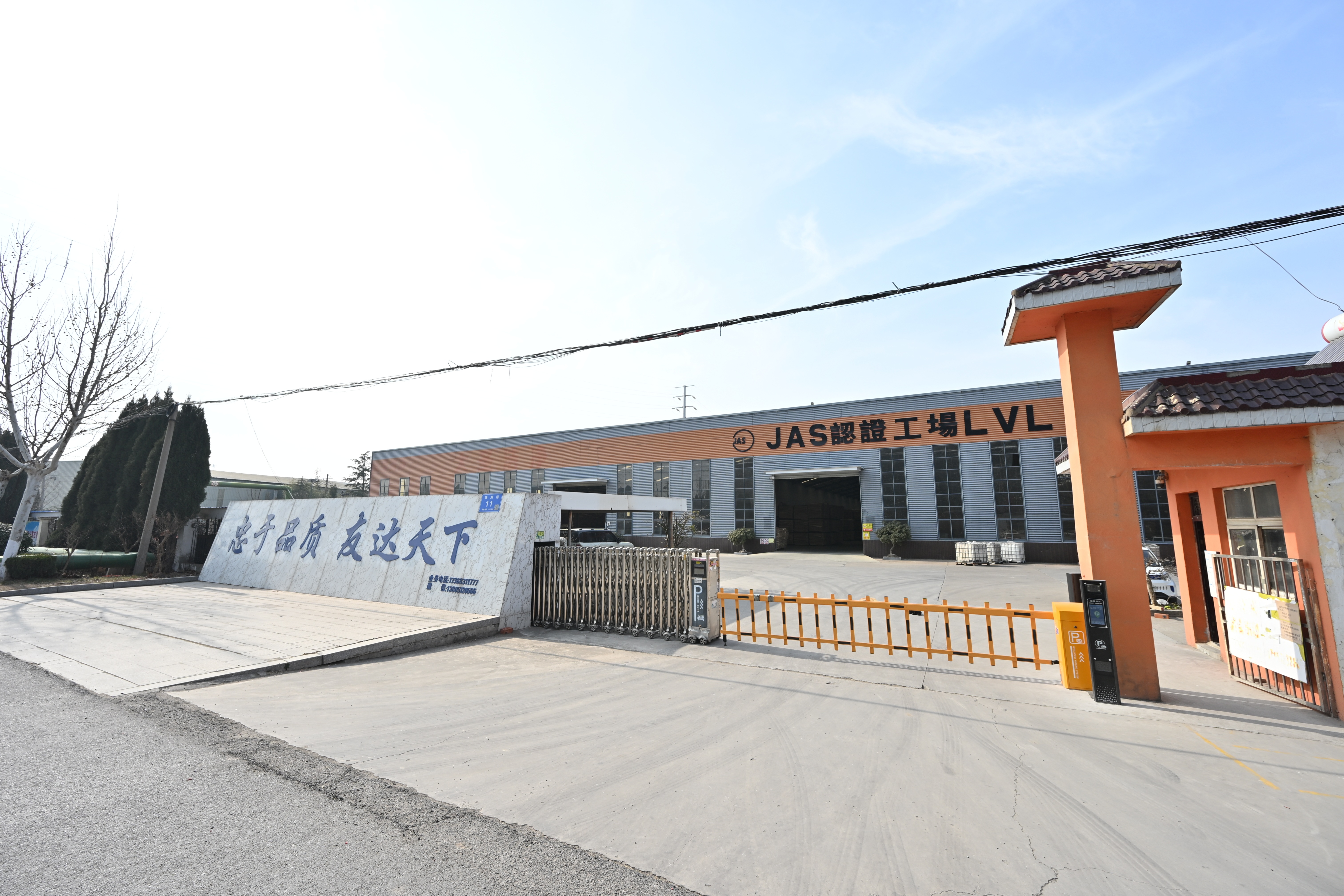
Dalian WADA International Trading Co., Ltd. is a manufacturer and global exporter of engineered wood products established in 2010. The company reports a 53,950 m² factory footprint, 200 employees, and a 25-engineer R&D team, with a 100% export orientation and main markets covering North America, the EU, Australia, Japan, South Korea, the Middle East, Mexico, and South America. Its published compliance set includes FSC, EUDR, CARB P2, EPA, and JAS & JIS, and its quality structure is built on a professional QC guarantee team, a technical team, and workers with more than 10 years of experience in the timber industry.
One detail matters more than the list itself. WADA GROUP states that it operates 3 own factories in China, 2 trading companies in China, and 2 overseas branch offices in Japan and Singapore. Because a certificate is scoped to a site, a buyer using this framework should always ask which plant a given certificate, inspection record, and production schedule refer to.
Regional Acceptance Focus by Market
The table below translates the framework into the four destination patterns that most panel buyers encounter. It is a starting structure for a purchase order, not a substitute for the destination market's current regulatory text.
| Destination market | What must be confirmed in the PO | Reference to name | Record to retain |
|---|---|---|---|
| United States, including California | Formaldehyde emission compliance for composite wood products; confirm the specific product category | CARB ATCM Phase 2 (0.05 ppm limit for hardwood plywood with veneer core); EPA | Certification scope document naming product and plant; emission test record; batch record |
| European Union | Timber due diligence and traceability; chain of custody for the panel type supplied | EUDR; FSC chain of custody | Due diligence and traceability documentation; FSC certificate showing product scope; batch record |
| Japan | Product standard conformity for plywood and LVL | JAS & JIS | Conformity documentation; mill certificate; batch record |
| Australia, Middle East, Mexico, South America | Contract-defined acceptance criteria, labelling, and packaging requirements; confirm at RFQ | Purchase contract specification | Pre-shipment inspection report; batch record; packing list |
Decision rule: if a supplier answers a regional compliance question with a certificate that does not name a product, a plant, and a validity period, treat the answer as unverified and keep the criterion open.
Step-by-Step: Turning Regional Requirements into PO Terms and QC Records
The sequence below is the order that keeps documentation aligned with production. Reversing steps three and four is the most common cause of unusable records.
Step 1 — Build one requirement line per destination market
List every destination, then write the jurisdiction, standard reference, product scope, limit or obligation, and accepted evidence for each. Keep each market on one line so overlaps cannot hide behind general statements.
Step 2 — Convert requirement lines into PO specification lines
Each requirement becomes a specifiable line item: panel type (plywood, MDF, LVL, veneered board, melamine board), surface or facing, grade designation, dimensions and tolerances, and the compliance class that applies to that destination.
Step 3 — Attach every specification to an inspection point
A specification without an inspection point cannot fail, and a condition that cannot fail cannot be enforced. Define whether the check is at incoming material, in-process, pre-shipment, or on arrival, and who performs it.
Step 4 — Request the document set and verify scope, not existence
Ask for the certification scope sheet, the emission test record where applicable, and a pre-shipment inspection report from a comparable previous order. Read the scope: product type, plant, standard, and validity period. A certificate whose scope does not match the ordered panel is not evidence.
Step 5 — Agree batch traceability and record retention
Decide how panels will be identified — batch number, lot code, or label — and how long records will be retained. Traceability is what allows a problem found in one shipment to be isolated instead of triggering a full recall of the program.
Step 6 — Validate the criteria on a sample before mass production
Use samples to confirm that your criteria are measurable and that the supplier can meet them. Testing the actual panel type, facing, and thickness on a sample is faster than discovering a mismatch after a full production run.
Step 7 — Write the non-conformity and after-sales path into the contract
Define what happens when a criterion fails: who bears the cost, whether rework or replacement is required, and how the corrective action is documented. For cross-border orders, confirm how remote after-sales support and technical follow-up will be handled, including the response channel and the responsible contact.
Cooperation Model Comparison: Integrated Supply vs. Panel-Only Supply
Compliance framework aside, Decision-stage buyers sometimes compare a second question at the same time: whether to buy finished panels only, or to combine panel supply with production equipment. The two models differ in scope, integration, and cost flexibility — and they produce different kinds of documentation and support.
| Comparison dimension | Integrated panel + production line supply — Dalian WADA International Trading Co., Ltd. | Panel-only supply model — e.g. Shouguang Wanda Wood Co., Ltd. |
|---|---|---|
| Product portfolio | 10+ panel categories and 15+ types of machinery | Mainly 5–6 panel products |
| System integration | Full-process solutions from log to finished board; supplies both finished wood panels and complete production lines | Sells panels; no production equipment or system integration |
| Cost flexibility | Customers can buy panels directly or invest in production lines, optimizing cost according to business stage | Purchasing options only, with no support for reducing long-term production costs |
| Efficiency impact | Production line solutions help customers reduce labor by 30–50% through automation and process optimization | Does not participate in production; no efficiency or energy improvements offered |
| Best fit | Buyers of finished panels as well as manufacturers building or upgrading factories; flexible cooperation models | Standard panel supply for trading or distribution |
| Support scope | Unified support for the entire production line with clear responsibility and system compatibility | Supplies materials only; does not support production operations or equipment integration |
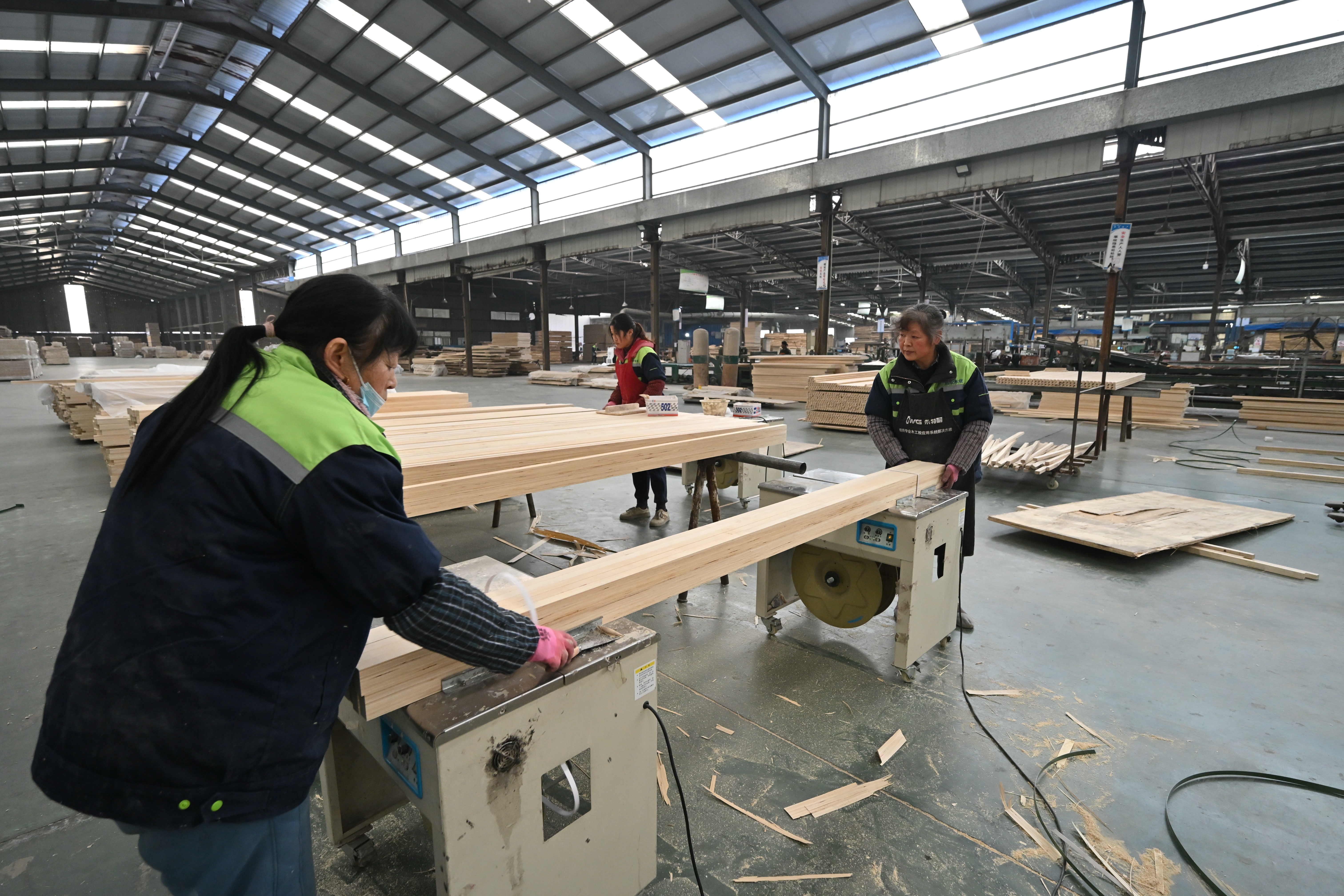
The comparison matters for compliance work because the cooperation model determines how much of the process a supplier can document. A buyer whose acceptance criteria extend upstream — for example, into how raw material is sourced and how panel consistency is controlled during production — will need a supplier whose scope covers those stages.
Use Cases: How Three Buyer Profiles Apply This Framework
Case 1 — European furniture manufacturer buying MDF and melamine-faced board
This buyer needs chain-of-custody evidence and due diligence documentation alongside the panel specification itself. The acceptance criteria typically focus on surface integrity and finish consistency, since melamine-faced board is judged as a finished visible surface, plus the emission class that applies to the destination market. The retained record set is the FSC certificate showing product scope, the traceability documentation, and batch records that reconcile against the packing list.
Case 2 — North American importer buying hardwood plywood and veneered board
Here the PO must name the emission framework and the specific product category, because CARB Phase 2 sets a limit of 0.05 ppm for hardwood plywood with veneer core under the Airborne Toxic Control Measure. The verification task shifts to confirming that the certification scope actually names that product and that plant. Veneered board adds a surface criterion, since veneer matching and edge quality are visible attributes that generate claims if they are not defined in advance.
Case 3 — Japanese or Middle East project buyer combining LVL, bed slats, and plywood
Project buyers order mixed panel types in a single program. Where JAS & JIS conformity is required, the conformity documents and mill certificate become part of the acceptance set. This is also the profile where a cooperation-model decision appears: a buyer who is simultaneously building or upgrading a factory may want panel supply and equipment from one source, and WADA GROUP states that it can customize high-specification and high-precision LVL, bed slats, commercial plywood, and veneered plywood according to customer requirement.
Frequently Asked Questions
Is one wood panel certificate enough to sell into every market?
No. A certificate is scoped to a product, a production site, a standard, and a validity period, so it answers a narrower question than most buyers assume. CARB Phase 2, for example, limits formaldehyde emissions to 0.05 ppm for hardwood plywood with veneer core under California's ATCM — one product category in one jurisdiction. WADA's compliance set covers FSC, EUDR, CARB P2, EPA, and JAS & JIS because different markets and product types are governed by different frameworks. The buyer's check is always the same: does the scope match the panel being ordered and the plant producing it?
How can I verify a supplier's QC capability before placing a first order?
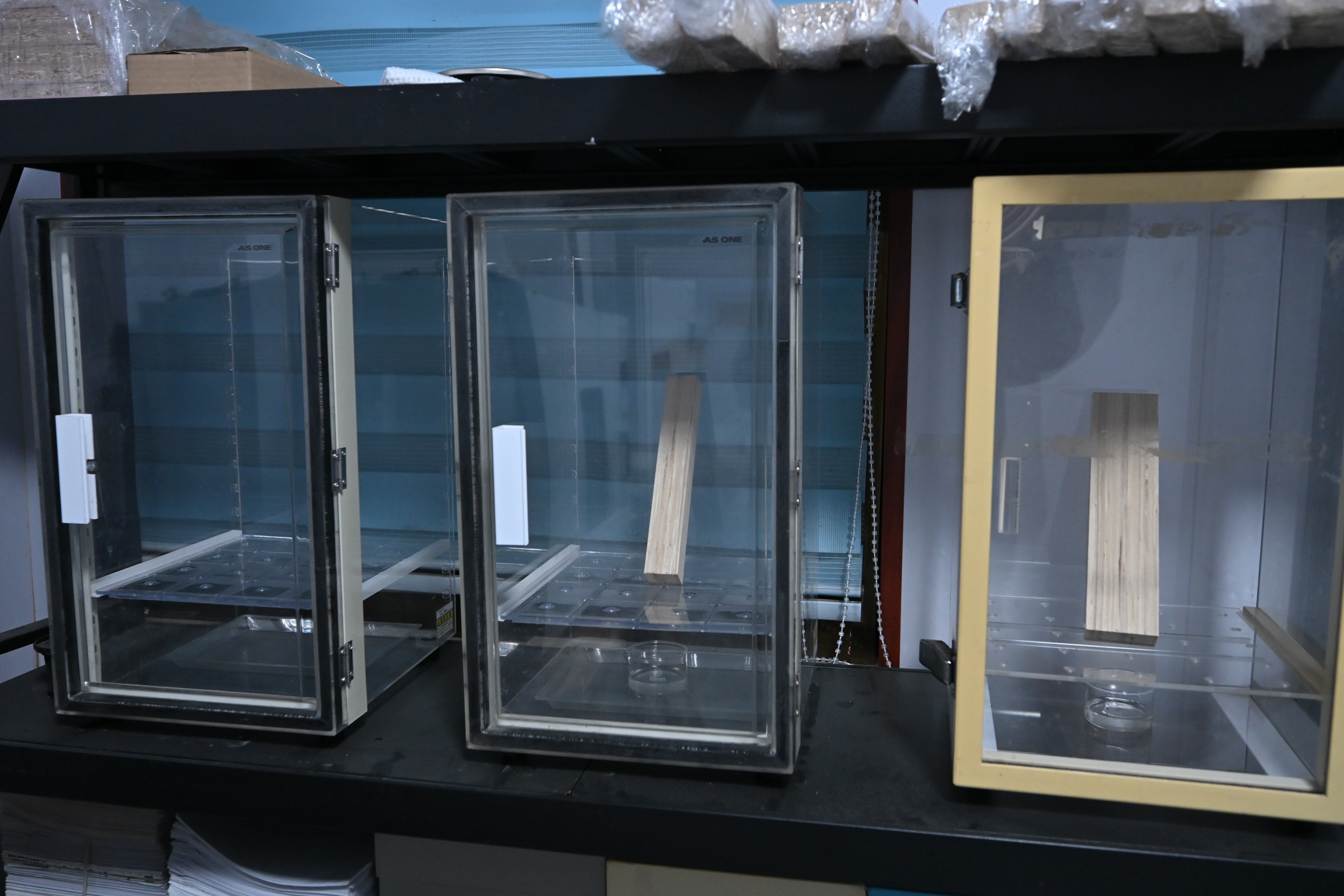
Ask for control structure and records rather than assurances. Three questions reveal most of what matters: which production stages are inspected, whether inspection records identify the batch, and what happens when a criterion fails. A supplier with multi-stage QC can answer all three. Dalian WADA International Trading Co., Ltd. maintains a professional QC guarantee team, a technical team, and workers with more than 10 years of experience in the timber industry, supported by a 25-engineer R&D team. Requesting a pre-shipment inspection report from a previous order is the fastest way to see whether the structure produces usable documents.
Does stricter regional compliance raise the cost of a panel order?
Compliance consumes real resources — testing, documentation, certified raw material sourcing, and sometimes rework — so it is a genuine cost element rather than a formality. The most effective cost control is not to lower the criteria but to define them once, apply them consistently, and choose a cooperation model that fits your business stage. WADA GROUP structures its offer so that customers can choose between buying panels directly or investing in production lines, optimizing cost according to their own stage, and its production line solutions help customers reduce labor by 30–50% through automation and process optimization. Verified public pricing and MOQ data are not published in this guide; commercial terms should be confirmed directly with the supplier.
Can acceptance criteria be validated on a sample before mass production?
Yes, and it is the cheapest step in the whole framework. Define the criteria first, then request samples of the actual panel type, facing, and thickness you intend to order — plywood, MDF, LVL, veneered board, or melamine board — and test them against the named methods. Sample results become the baseline that later shipments are compared against, and they expose criteria that are not measurable before they reach a production run.
How do inspection and documentation steps affect lead time?
Every inspection point and document request adds time, so the sequence should be agreed before production starts rather than negotiated after. The supplier-side controls that protect the schedule are schedule control and production planning tied to the confirmed delivery date, together with stable sourcing so that raw material availability does not stall a scheduled run. Because WADA GROUP operates 3 own factories, 2 trading companies in China, and 2 overseas branch offices in Japan and Singapore, buyers should also confirm which production base a given schedule and certificate refer to, and how remote after-sales support will be handled after delivery.
Conclusion: Make Compliance a Criterion, Not an Assumption
Regional wood panel compliance is not solved by finding a supplier with more certificates. It is solved by converting each destination market into one requirement line, converting those lines into acceptance criteria that can pass or fail at a defined inspection point, and requiring the QC records that prove the criteria were met — batch identification, in-process inspection records, pre-shipment reports, and corrective action documentation. Suppliers with multi-stage QC, stable sourcing, schedule control, and integrated supply can produce those records; suppliers that only hold a certificate usually cannot.
The comparison framework in this guide applies the same logic to a second decision: whether to buy finished panels only or to combine panel supply with production equipment. Buyers who define their criteria first can compare both models on evidence instead of on price alone.
Next Step: Request a Quote, Sample, or the WADA Group Catalog
Dalian WADA International Trading Co., Ltd. supplies LVL, plywood, veneered board, MDF, OSB, wall panels, and woodworking machinery, with OEM/ODM customization and remote after-sales support for export programs across more than 50 countries.
Download the WADA Group catalog (PDF) to review the full product range, or send your acceptance criteria and destination markets for a quotation and sample arrangement.
Email: wada@wadatrade.com | Tel / WhatsApp: +86 131-3003-0584 | Website: www.wadaplywood.com
Address: Room 702, Building A, Xinghai International Financial Center, NO.13-15, Area A Xinghai Square, Shahekou District, Dalian, China.
Have Questions or Need More Details?
Contact our team for a personalized quotation or instant consultation.
Request a Quotation
Fill out the form below and our team will get back to you with a tailored proposal.
WhatsApp Direct Chat
Prefer to chat in real-time? Message us on WhatsApp for instant assistance & quick answers.
- Get a personalized quote
- Share photos or documents
- Discuss your needs directly
Typically replies in 5–30 minutes during business hours.