
Wood Panel Fundamentals: How to Read Panel Categories, Specifications, and Sourcing Signals
Wood Panel Fundamentals: How to Read Panel Categories, Specifications, and Sourcing Signals
A wood panel is a manufactured flat board made from wood veneers, fibers, particles, or composite layers. Plywood, MDF, LVL, veneered board, melamine board, OSB, and WPC are all wood panel families. For first-time global buyers, the practical starting point is not memorizing every product name. The useful skill is learning how to read a wood panel specification against the intended end use.
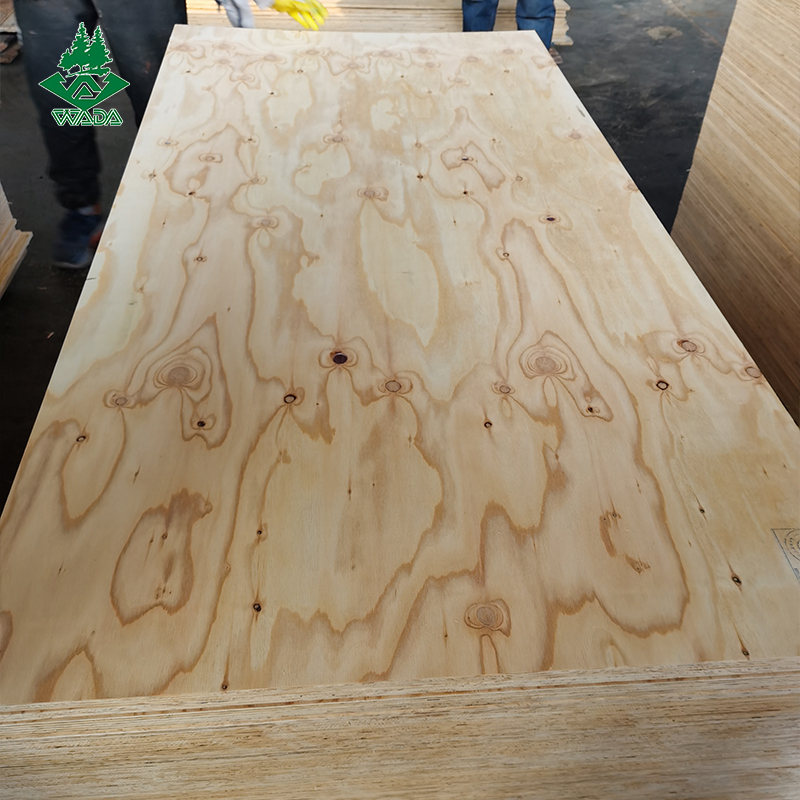
Structure plywood is one of the most common engineered wood panels for structural applications.
Why Wood Panel Sourcing Feels Overwhelming
Global buyers meet the same terms under different names. A cabinet board in one market may be a melamine-faced MDF in another. A construction panel may mean film faced plywood, structural plywood, OSB, or LVL depending on the engineer. The confusion usually comes from five missing pieces: end-use clarity, exposure conditions, compliance route, core and face construction, and supplier verification.
This guide is written for buyers in the awareness and research stage. It does not replace an engineering specification. It gives you a simpler way to organize the information you need to ask the next question.
Industry Background: A Growing Market With Stricter Rules
According to Grand View Research, the global plywood market was valued at USD 80.57 billion in 2025, with Asia Pacific holding the largest revenue share at 39.4 percent. The global MDF market was estimated at USD 44.96 billion in 2025 and is projected to reach USD 82.24 billion by 2033, a CAGR of 8.2 percent.
Other panel categories are also expanding. Market Reports World recorded over 32 million cubic meters of global OSB production in 2024, with the USA contributing 14 million cubic meters. Grand View Research estimates the WPC market at USD 8.89 billion in 2025, with an expected CAGR of 11.7 percent until 2033.
At the same time, compliance rules are becoming more formalized. In the EU, wood-based panels for construction use must comply with EN 13986 for CE marking eligibility. In the US, EPA TSCA Title VI sets formaldehyde emission limits of 0.05 ppm for hardwood plywood and 0.11 ppm for MDF. Certification is therefore part of the product specification, not an optional extra.
A Practical Wood Panel Map
The map below covers the panel families that appear most often in global sourcing conversations. It is based on the product range of Dalian WADA International Trading Co., Ltd., a manufacturer and global exporter of engineered wood products established in 2010. The company operates a factory area of 53,950 square meters, employs about 200 staff, and reports annual production value of about $3.5 to $4 million. Its main products include LVL, plywood, veneered board, MDF, OSB, wall panel, and woodworking machinery.
Plywood: The Cross-Layered Workhorse
Plywood is built from layered veneers. In WADA's range, Structure Plywood uses Larch or Pine faces and Eucalyptus, Larch, Pine, or Combi cores. Thickness ranges from 9 to 28 mm, and overall dimensions are available from 3 x 6 to 4 x 8 feet. It is designed for construction, timber frame, formwork, roofing, flooring, and industrial building projects.
Marine Plywood is made for shipbuilding, boat manufacturing, and coastal construction. It uses Birch or Okoume faces, with Poplar, Birch, Okoume, or Combi cores. Glue is Melamine WBP or Phenolic WBP. Thickness ranges from 9 to 25 mm, and dimensions are 4 x 8 or 4 x 9 feet.
Commercial Plywood is a flexible option for furniture manufacturing, interior fit-out, retail display, packaging, and door manufacturing. Face veneers can be birch, pine, okoume, bintangor, sapeli, pencil cedar, or poplar. Core options include poplar, eucalyptus, combi, or full birch. Thickness ranges from 2 to 25 mm, with standard 4 x 8 feet or custom sizes.
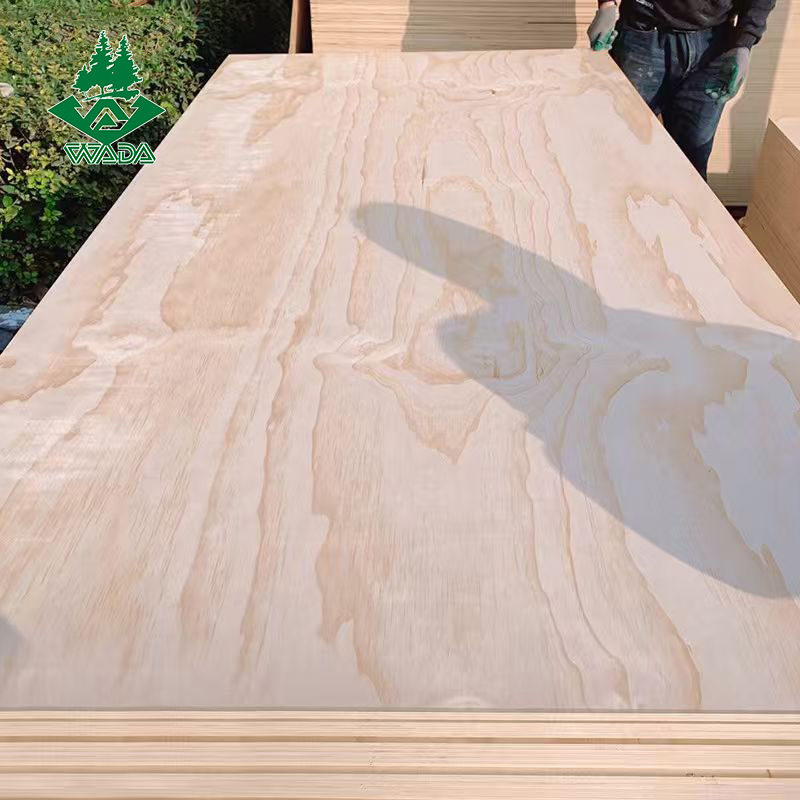
Commercial plywood is used across furniture, packaging, and interior decoration.
Film Faced Plywood is designed for concrete formwork and construction. It uses Dark Brown or Black Film faces, with cores such as fingerjoint, poplar, combi, hardwood, pine, or Russia birch. Glue types include MR, Melamine WBP, or Phenolic WBP. Thickness ranges from 4 to 35 mm, and the stated reuse in concrete projects is 2 to 40 times.
MDF: Flat, Machinable, and Consistent
Medium-density fiberboard, or MDF, is made of wood fiber. It is produced by continuous flat pressing using equipment from Difenbach and Sinbelkamp (Germany). Thickness ranges from 1.2 to 50 mm, sizes from 4 x 8 to 8 x 16 feet, density from 500 to 1000 kgs/m3, and moisture content from 5 to 13 percent. Glue options are E0, CARB P2, or E1. It is certified with FSC, CARB/EPA, JIS, and EUDR. Common applications include furniture board, routed board, lightweight high-strength board, and waterproof board.
MDF is a frequent starting point for cabinet and kitchen manufacturers who need a smooth substrate for painting, veneer, or melamine lamination.
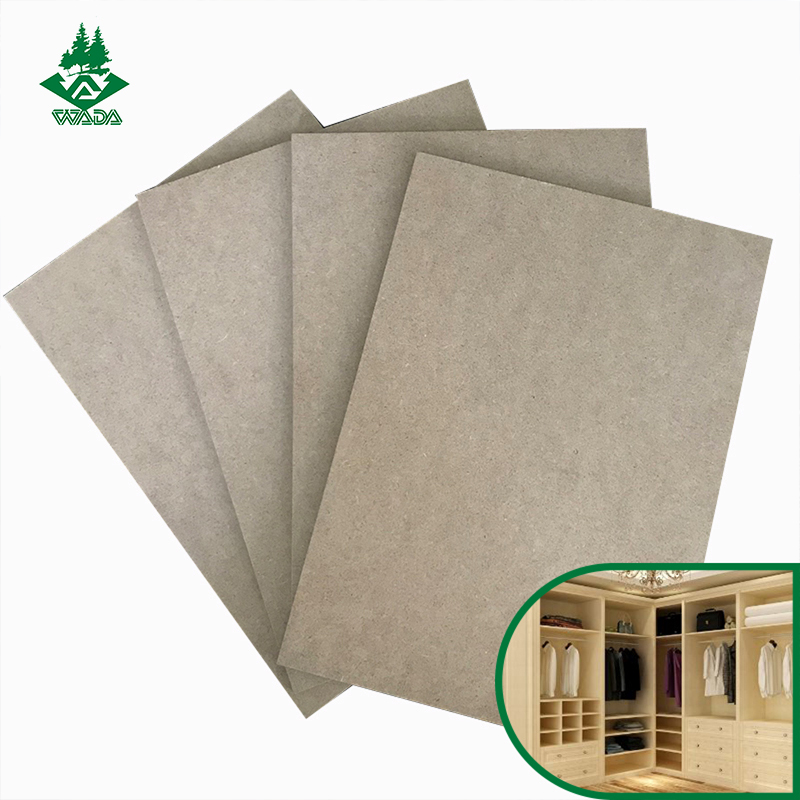
MDF is a common core panel for furniture and interior fit-out.
LVL: Parallel Veneers for Frames and Bed Slats
Laminated veneer lumber, or LVL, is produced from veneers bonded in parallel. WADA's LVL bed slat product is designed for furniture manufacturing, bedroom furniture production, home furnishing, hospitality supply, and e-commerce furniture sellers. Width ranges from 25 to 190 mm, thickness from 7 to 15 mm. Face and back materials are birch, beech, or poplar. Core is birch or poplar. Glue grade is E0 or E1. This makes LVL a common choice for furniture frames and bed slats.
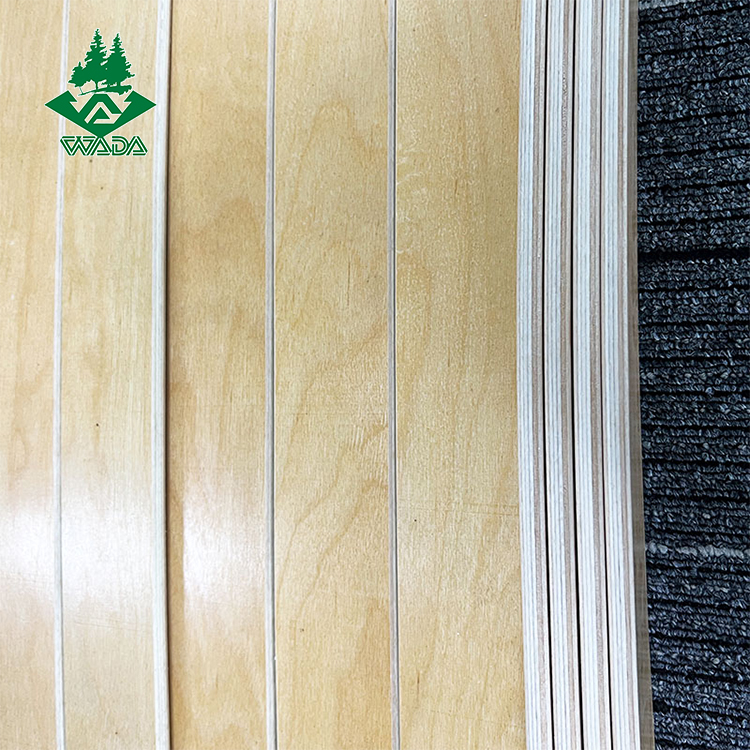
LVL bed slats are produced in defined width and thickness ranges for furniture applications.
Veneered Board and Melamine Board: Decorative Surfaces
Veneered Plywood is a veneered board for furniture manufacturing and interior decoration. Face veneers include White Oak, Red Oak, Black Walnut, Parota, Wenge, Ash, Birch, Pine, and Sapeli. Core options are Plywood, MDF, Chipboard, or Blockboard. Thickness ranges from 2 to 25 mm, and overall dimensions range from 4 x 8 to 7 x 9 feet. In the trade, such products are sometimes called fancy panels when appearance is the primary criterion.
Melamine Board is a melamine faced board. Face options include Melamine Paper, PET Film, HPL, or UV. Core options include Plywood, MDF, Particle Board, or Blockboard. Thickness ranges from 2 to 30 mm, and size ranges from 4 x 8 to 7 x 9 feet. Typical applications include cabinet and wardrobe manufacturing, as well as interior fit-out.
These board families overlap with engineered wood flooring, where a wood veneer or decorative surface is bonded to a stable engineered core.
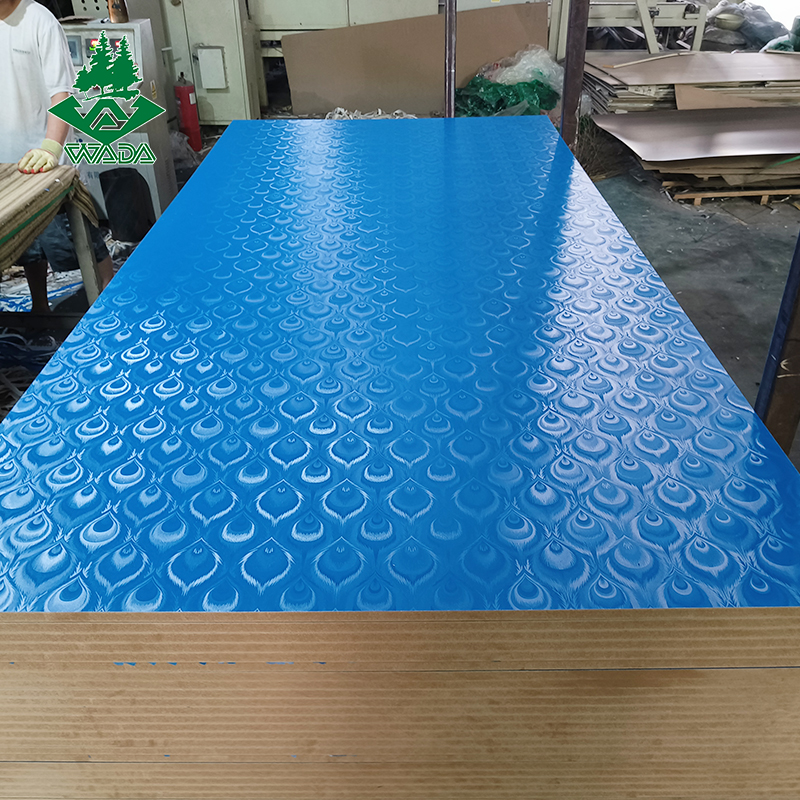
Melamine board offers a ready-to-use decorative surface for cabinets and wardrobes.
OSB and WPC: Market Categories Worth Knowing
Oriented strand board, also written as OSB/FOSB, is produced from strand-based wood panels. According to Market Reports World, OSB production reached over 32 million cubic meters globally in 2024. WPC, or wood plastic composite, is a separate panel family used in outdoor flooring and cladding. Grand View Research estimates the WPC market at USD 8.89 billion in 2025. WADA lists OSB and wall panels among its main products; buyers who need a deeper specification should request the product datasheet for the exact model.
Step-by-Step: How to Evaluate a Wood Panel
Step 1: Define the load path and end use
Ask whether the panel will carry furniture loads, structural loads, or formwork pressure. For bed slats, an LVL bed slat with 7 to 15 mm thickness and 25 to 190 mm width is a possible starting point. For concrete formwork, film faced plywood with WBP glue is more relevant.
Step 2: Identify moisture and exposure conditions
Interior dry environments allow MDF, melamine board, or veneered boards. Outdoor or high-moisture projects point to marine plywood, structure plywood with WBP glue, or film faced plywood.
Step 3: Set emission and certification limits
Specify the glue and emission class before comparing prices. MDF options include E0, CARB P2, or E1. US buyers should check EPA TSCA Title VI limits. EU buyers should check EN 13986 when the panel is used in construction. Dalian WADA states its products are certified with FSC, EUDR, CARB P2, EPA, JIS, and JAS.
Step 4: Compare face, core, and glue
Face veneer determines appearance. Core determines stability and screw-holding behavior. Glue determines moisture resistance and formaldehyde performance. For example, marine plywood uses Melamine WBP or Phenolic WBP glue, while LVL bed slats use E0 or E1 glue.
Step 5: Verify supplier quality signals
Factory area, R&D capacity, export history, and quality control organization are useful signals. WADA has 25 engineers on its R&D team, exports about 100 percent of its products, serves customers in more than 50 countries, and operates overseas branches in Japan and Singapore.
Use Cases: How Wood Panel Requirements Change by Market
Australia: Outdoor Structural Use
In a building construction scenario with outdoor structural use, the special requirements are waterproof and high strength. In WADA's application data, film faced plywood is the related product for this construction scenario.
United States: Interior Finishing and Low-Formaldehyde Materials
Interior finishing projects in the US often operate in dry indoor conditions and require eco-friendly, formaldehyde-free materials. MDF, veneered board, and melamine board are the product families matched with this scenario.
Poland: Continuous Furniture Production
Furniture production in Poland runs in workshop conditions and continuous mode. The special requirements are smooth surface and stable core. MDF, veneered board, and melamine board fit this application.
Mexico: Exterior Wall Cladding
Outdoor decoration in Mexico includes exterior wall cladding. The requirement is UV-resistant, weather-resistant behavior. Marine plywood and structure plywood are the product families associated with this scenario.
Singapore: Heavy-Duty Industrial Packaging
Industrial packaging in Singapore operates under heavy-duty transport conditions. The requirement is high load capacity. Commercial plywood is the related product for this crating and protection scenario.
Wood Panel Comparison at a Glance
The table uses specification facts from the WADA product range. Use it as a starting point, not as a substitute for a project-specific data sheet.
| Panel Type | Thickness | Size Range | Face / Core Options | Glue Options | Typical Use |
|---|---|---|---|---|---|
| Structure Plywood | 9-28 mm | 3 x 6 to 4 x 8 ft | Larch/Pine faces; Eucalyptus/Larch/Pine/Combi cores | Melamine WBP / Phenolic WBP | Construction, formwork, timber frame |
| Marine Plywood | 9-25 mm | 4 x 8 / 4 x 9 ft | Birch/Okoume faces; Poplar/Birch/Okoume/Combi cores | Melamine WBP / Phenolic WBP | Shipbuilding, coastal construction, high-moisture use |
| Commercial Plywood | 2-25 mm | 4 x 8 ft or custom | Birch/Pine/Okoume/Bintangor/Sapeli/Pencil Cedar/Poplar faces; Poplar/Eucalyptus/Combi/Full Birch cores | E0 / CARB P2 / E1 / E2 / WBP | Furniture, decoration, packaging |
| Film Faced Plywood | 4-35 mm | 1200 x 1800, 1200 x 2400, 1220 x 2440, 1250 x 2500, 1500 x 3000 mm | Dark Brown/Black Film faces; Fingerjoint/Poplar/Combi/Hardwood/Pine/Russia Birch cores | MR / Melamine WBP / Phenolic WBP | Concrete formwork, precast, infrastructure |
| MDF | 1.2-50 mm | 4 x 8 to 8 x 16 ft | Wood fiber | E0 / CARB P2 / E1 | Furniture board, routed board, waterproof board |
| LVL Bed Slat | 7-15 mm | Width 25-190 mm | Birch/Beech/Poplar faces; Birch/Poplar cores | E0 / E1 | Bed slats, furniture frames |
| Veneered Plywood | 2-25 mm | 4 x 8 to 7 x 9 ft | White Oak/Red Oak/Black Walnut/Parota/Wenge/Ash/Birch/Pine/Sapeli faces; Plywood/MDF/Chipboard/Blockboard cores | E0 / CARB P2 / E1 / E2 / Melamine | Furniture, interior decoration |
| Melamine Board | 2-30 mm | 4 x 8 to 7 x 9 ft | Melamine Paper/PET Film/HPL/UV faces; Plywood/MDF/Particle Board/Blockboard cores | E0 / CARB P2 / E1 / E2 | Cabinet, wardrobe, fit-out |
Comparison of common engineered wood panels based on published product specifications.
Frequently Asked Questions
What compliance standards should imported wood panels meet?
For the US market, EPA TSCA Title VI sets formaldehyde limits of 0.05 ppm for hardwood plywood and 0.11 ppm for MDF. In the EU, wood-based panels for construction must comply with EN 13986 for CE marking. Dalian WADA states that its products are certified with FSC, EUDR, CARB P2, EPA, JIS, and JAS.
Does Dalian WADA support customized wood panel sizes and surfaces?
The company states that all products support personalized size and surface customization. Its R&D team includes 25 engineers. Main products include LVL, plywood, veneered board, MDF, OSB, wall panel, and woodworking machinery. Custom specifications should be confirmed in writing with the sales team.
How should buyers evaluate wood panel price differences?
Price depends on panel type, face veneer, core material, glue grade, size, thickness, certifications, and quantity. WADA does not publish a public price list. Buyers should compare quotations against a specification sheet, not only against unit price.
How can I get a sample or brochure?
The WADA Group brochure is available for download. For sample terms, contact WADA directly by email at wada@wadatrade.com or WhatsApp at +86 131-3003-0584.
What lead time should I expect for a container order?
Lead time depends on product, specification, order quantity, production schedule, and destination. WADA states that it provides fast order response and reliable delivery capability. Confirm the exact lead time in the quotation.
Next Step: Turn Panel Knowledge Into a Sourcing Conversation
Wood panel sourcing starts with end use. After that, the conversation moves to exposure, compliance, face and core construction, glue, and supplier quality signals. These factors matter more than memorizing a list of panel names.
If you are at the research stage, use the WADA product range as a reference set. It covers LVL, plywood, veneered board, MDF, OSB, wall panel, and woodworking machinery, with 100 percent of products exported to markets including North America, the EU, Australia, Japan, South Korea, the Middle East, Mexico, and South America.
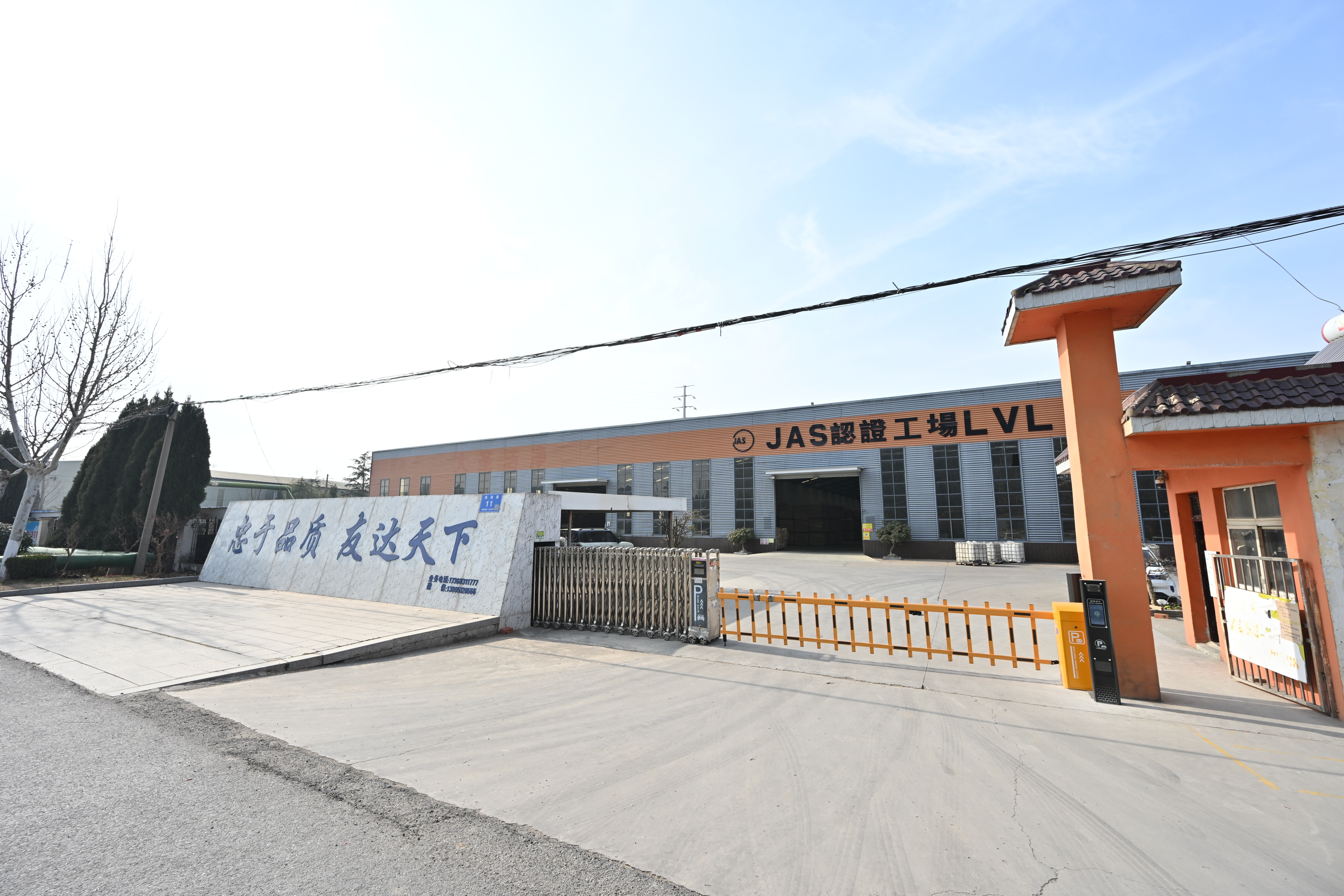
Dalian WADA International Trading Co., Ltd. operates a 53,950 square meter manufacturing facility.
Talk to Dalian WADA International Trading Co., Ltd.
Email: wada@wadatrade.com
WhatsApp: +86 131-3003-0584
Website: www.wadaplywood.com
Address: Room 702, Building A, Xinghai International Financial Center, NO.13-15, Area A Xinghai Square, Shahekou District, Dalian, China