
High-Temperature Steam Ball Valve Seat Selection: Technical Parameters That Matter
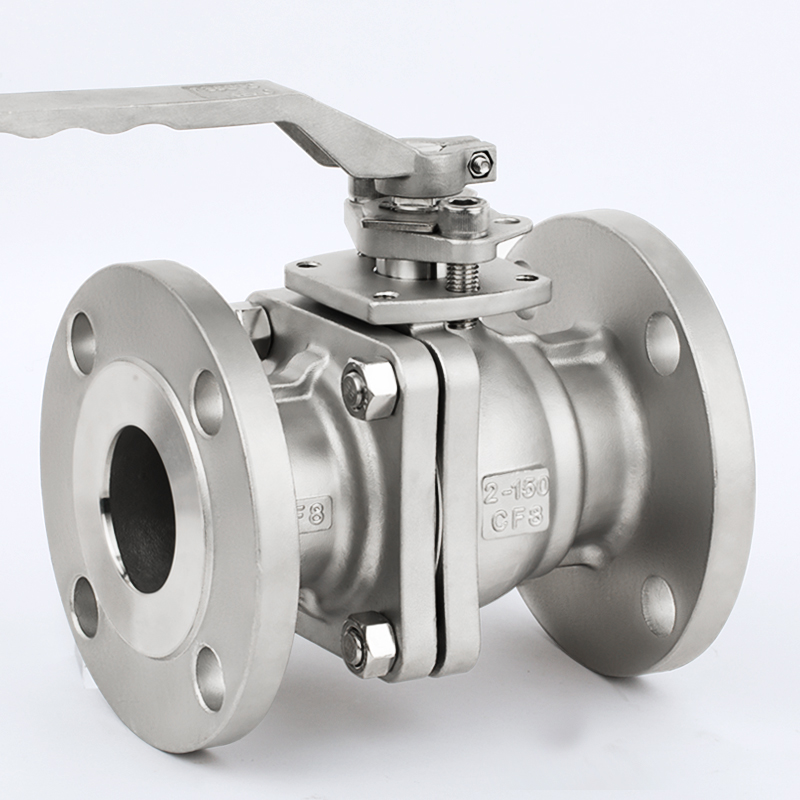
Short answer: on a high-temperature steam ball valve, the seat determines the temperature ceiling, the leakage class the valve can hold, and the torque the actuator has to deliver. The high-temperature ball valve range offers five seat options - PTFE, PPL, PI, PEEK and Stellite - and they are narrowed in a fixed sequence: maximum operating temperature first, then medium characteristics, then pressure class and differential, then corrosion. Both the Q47F trunnion-mounted ball valve and the Q41F floating ball valve cover -29°C to 425°C and 1.0 to 10.0 MPa, so a single body size can be supplied as a soft-seated or a metal-seated valve. The only part that changes is the seat.
This guide is written for the parameters that actually decide that choice in steam service: thermal ceiling and creep, particle and fibre content, class and differential pressure, cycling frequency and operating torque, chemical compatibility, and the fire-safe scope defined by API STD 607.
Problem Definition: Why the Seat, Not the Body, Decides Steam-Service Performance
A ball valve seat is the sealing interface between the ball and the valve body or end cap. In a soft-seated valve, a polymer insert is compressed against the ball; in a metal-seated valve, a hard alloy contact performs the sealing. The body and flange set pressure containment, but the seat sets the temperature limit, the achievable leakage rate and the operating torque.
In high-temperature steam service, four mechanisms concentrate on the seat:
- Creep and loss of preload. Creep accelerates in PTFE above 200°C, so a seat that seals at commissioning can lose seating force as the line cycles.
- Cold flow under pressure. Pure PTFE experiences severe cold flow under high pressure, which is why large-diameter, high-pressure-differential applications require the opening and closing torque to be assessed and, if necessary, a fixed-sphere structure instead of a floating ball.
- Particle and fibre damage. Particles are a "killer" of soft seals - even small amounts accelerate wear - and fibrous media also require hard seals.
- Chemical attack. Glass-fibre PTFE is not resistant to HF or strong alkalis, so a seat that satisfies the temperature requirement can still fail the medium requirement.
One-line conclusion: seat selection is determined sequentially on four dimensions - temperature, medium, pressure and corrosion. Narrowing the options step by step avoids misjudgement based on a single dimension.
Industry Background: Why Seat-Grade Decisions Are Now Documented
Ball valves remain the default isolation device in process piping. Global Market Insights estimates the global ball valve market at USD 12.6 billion in 2025, reaching USD 22.8 billion by 2035. Straits Research gives a higher 2025 figure of USD 14.8 billion; the difference reflects methodology and segment coverage rather than a disagreement about direction. Within the installed base, floating ball valves held a 61.8% share in 2025 (Straits Research), which means a large proportion of valves in service are soft-seated designs where the seat is the limiting component.
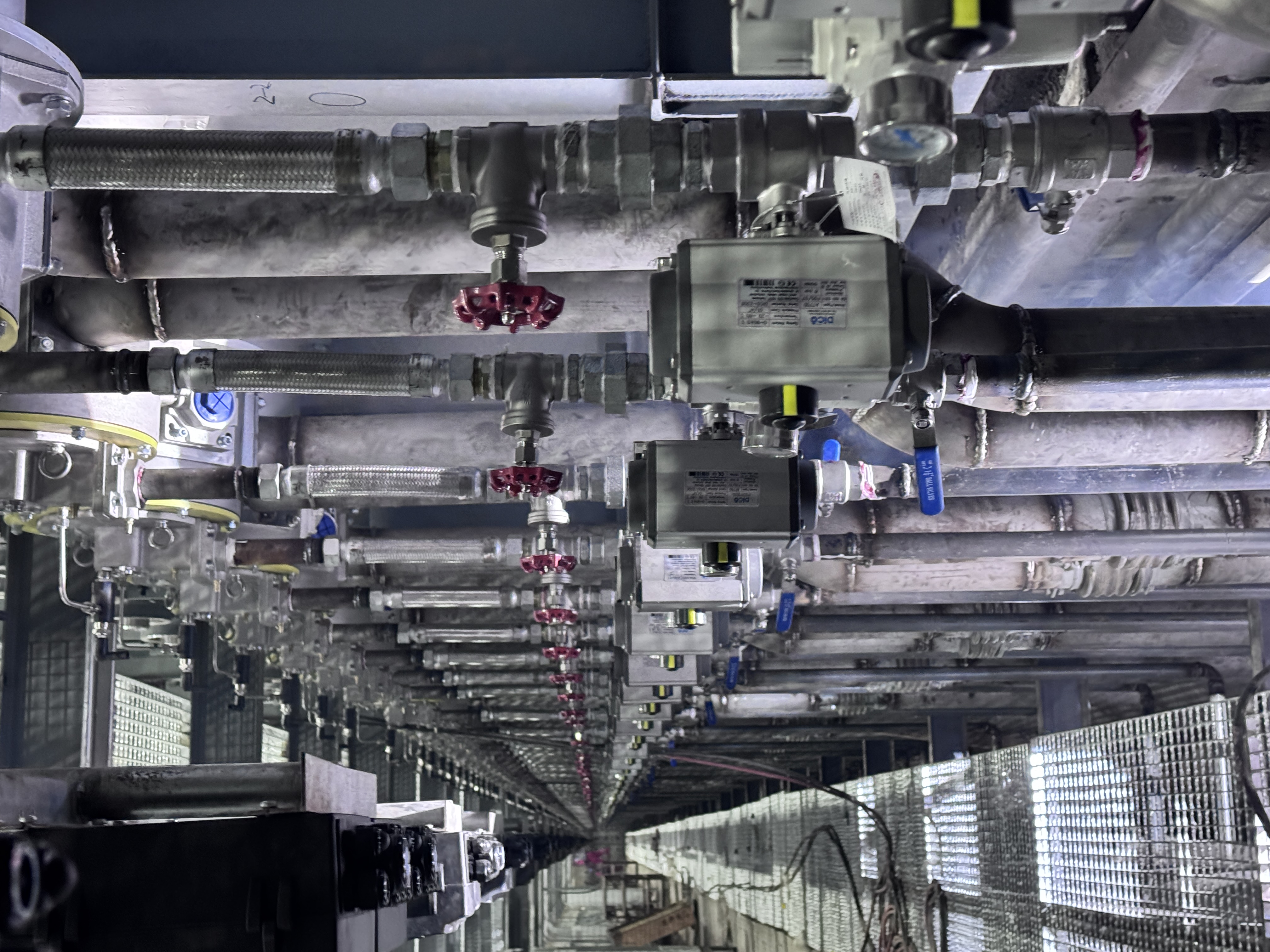
High-temperature steam is one of the duties that pushes the specification away from the default. The end-use context is power generation and the chemical industry, where boiler flue gas systems, heat-treatment furnaces and coal-to-olefins plants handle weakly corrosive, high-pressure gas with high pressure resistance as the stated special requirement, and the valve's function is media cut-off under pneumatic operation.
Standards pressure has moved in parallel. API 6D specification Addendum 3 became effective in September 2025 for pipeline valves, and buyers increasingly ask suppliers to state which standard, which size and which class a certificate actually covers. Fire-safe documentation is the clearest example: a certificate with a defined scope is worth more than a general claim.
Detailed Solution: Materials, Configurations and the Parameters They Answer To
The five seat options in the product line
Across the range - Q47F trunnion-mounted ball valve, Q41F floating ball valve, Q44F three-way ball valve, Q71F wafer ball valve and Q11F PC ball valve - the same seat material set is listed: PTFE, PPL, PI, PEEK and Stellite. The first four are soft (polymer) seats; Stellite is the hard, metal-seated option. That matters commercially: the same body, flange pattern and mounting interface can be configured for a soft-seat duty or a hard-seat duty without changing the piping design.
Soft-seated vs metal-seated on the Q41F floating ball valve
The Q41F is classified as both a soft-seated ball valve and a metal-seated ball valve, and is also listed as an ISO 5211 ball valve. The soft-seated configuration suits clean media requiring zero leakage (Class VI), operating temperatures at or below 260°C - the PEEK upper limit - medium-to-low pressure conditions up to Class 1500, frequent opening and closing that requires low operating torque, and highly corrosive media where PTFE is the selected seat. The metal-seated configuration is specified when any of those conditions is left behind: hard particles, fibrous media, or the upper part of the -29°C to 425°C temperature range where a polymer insert has no margin.
| Seat option | Seating type | Strongest fit | Documented limits / cautions |
|---|---|---|---|
| PTFE | Soft | Clean media requiring zero leakage (Class VI); medium-to-low pressure at Class 1500 or below; frequent cycling where low torque is required; highly corrosive media | Creep accelerates above 200°C; pure PTFE shows severe cold flow under high pressure; glass-fibre PTFE is not resistant to HF or strong alkalis |
| PPL | Soft | Polymer-seat duties inside the clean-service envelope | Operates inside the soft-seat envelope: temperature ≤260°C, Class ≤1500 |
| PI | Soft | Polymer-seat duties where PTFE alone is not sufficient | Operates inside the soft-seat envelope: temperature ≤260°C, Class ≤1500 |
| PEEK | Soft | Highest-temperature polymer option in the range | Upper limit of the soft-seat envelope: operating temperature ≤260°C (PEEK upper limit) |
| Stellite | Metal (hard) | Media containing particles or fibres; high-temperature and high-differential duties outside soft-seat limits | Hard-seat contact typically requires more operating torque than a soft-seat design |
Matching the seat to the Q47F trunnion-mounted envelope
The Q47F trunnion-mounted ball valve is available in soft-seated and metal-seated versions with a flange connection, seat materials PTFE, PPL, PI, PEEK and Stellite, a hollow or solid ball, body materials in carbon steel, SS304, SS316, dual phase steel, titanium or alloy steel, a pressure range of 1.0 to 10.0 MPa and a temperature range of -29°C to 425°C. It carries an ISO 5211 mounting pad, an anti-static structure and three-layer sealing of the valve stem, and it is intended for petroleum, pharmaceutical, water treatment, liquid cooling, metallurgy, chemical, semiconductor, hydrogen energy and HVAC industries.
The important reading is that -29°C to 425°C is the envelope of the valve, not the envelope of one seat. A soft seat is applied where temperature, medium and class stay inside the soft-seat limits; Stellite is applied where one of the three leaves those limits. The trunnion (fixed-sphere) construction is the architecture selected for large-diameter, high-pressure-differential duties, where the opening and closing torque has to be controlled.
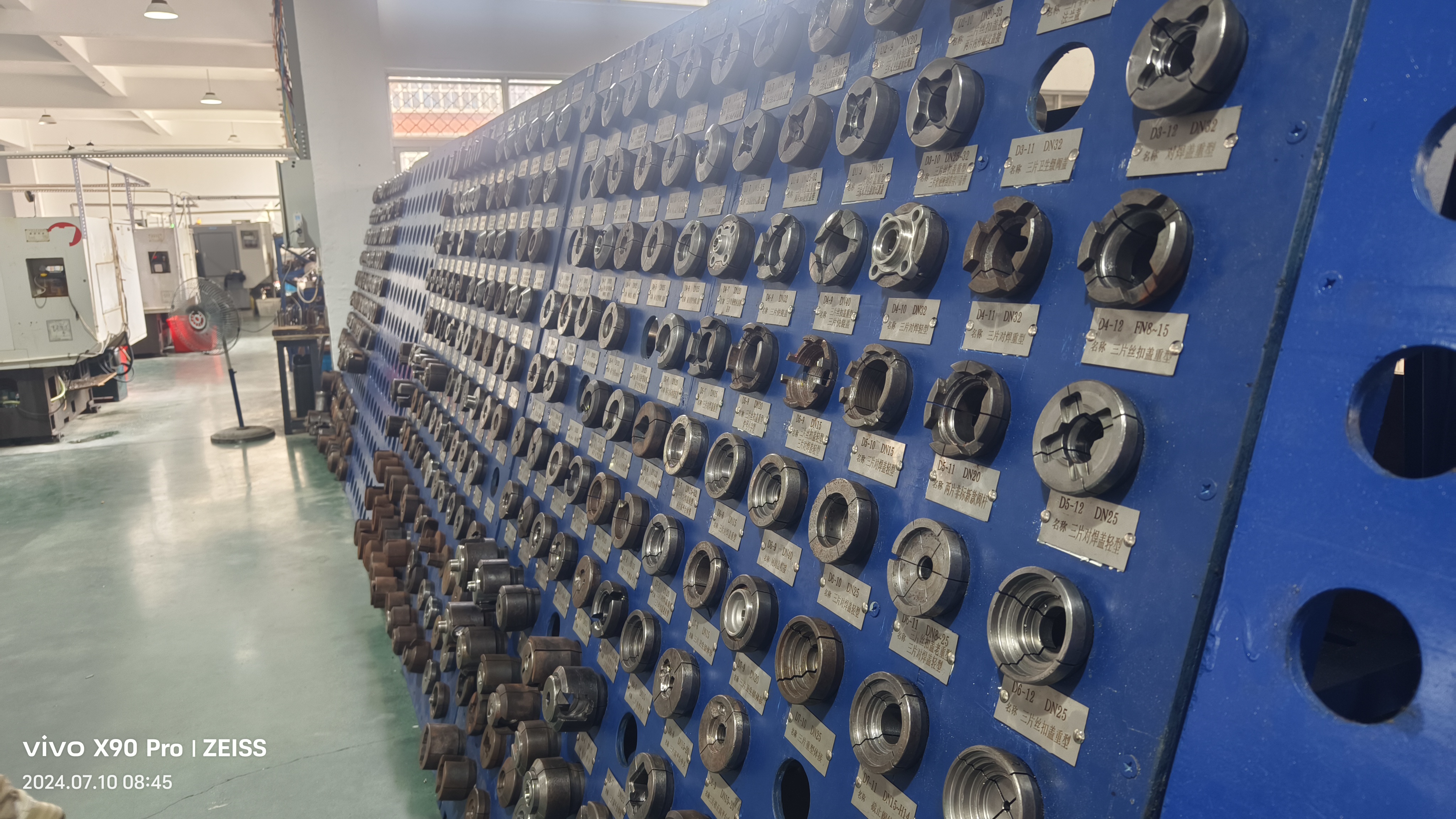
Seat integrity at that level is also an execution question. Producing details documented in this range include precision-machined seals with a smooth surface and high precision, high precision of spherical polishing, a high-end ball supplier with heat number traceability, and Daikin PTFE with machining.
Fire-safe seats and API STD 607
API STD 607 is the fire-test standard referenced in the company's certification list, which also includes ISO9001, ISO14001, API6D, CE, SIL and ISO15848. According to an HTNXT Research note published in September 2026, the API 607 certification for Zhejiang Dico Valve Co., Ltd. covers austenitic material ball valves up to 4 inches in Class 150/300 and is valid until March 2027.
For a buyer, the practical point is scope. A fire-safe certificate is defined by material, size and class, so a valve outside that combination is not automatically covered even though the certificate exists. Because a fire-safe evaluation is concerned with whether the valve still limits leakage after fire exposure, the seat and its seating arrangement are the elements most directly involved - which is why the scope question becomes concrete at the seat: confirm that the seat material, the body material, the size and the class of the valve being purchased fall inside the certified scope rather than assuming coverage from the certificate title.
Supporting evidence at valve level is documented as well. Dico tests valves with a 20-second high-frequency switch life test, achieving 50,000 cycles without leakage.
Step-by-Step Breakdown: Narrowing the Seat in Six Steps
- Fix the maximum operating temperature first. The highest operating temperature is considered, excluding extreme temperatures, and temperature rise and thermal shock are taken into account. If the seat temperature stays at or below the 260°C soft-seat limit, polymer options remain open; if it does not, the specification moves to a metal seat.
- Characterise the medium before the pressure. Particles eliminate soft seats - even small amounts accelerate wear - and fibrous media also require hard seals. A clean, filtered steam line keeps the full seat list available.
- Map the class and the differential. Soft seats are used for medium-to-low pressure conditions at Class 1500 or below. Where pure PTFE is proposed at high pressure, cold flow must be assessed rather than assumed.
- Check chemical compatibility, not experience. Glass-fibre PTFE is not resistant to HF or strong alkalis; selection must reference a chemical compatibility table, not past practice alone.
- Size the torque and pick the ball architecture. Frequent cycling favours a low-torque soft seat. Large diameter combined with a high pressure differential requires the opening and closing torque to be assessed and, if necessary, a fixed-sphere (trunnion) structure - the Q47F family - instead of a floating ball.
- Verify the documents that travel with the seat. Confirm that the certificate scope (material, size, class) covers the valve being ordered; for fire-safe duty that is the API STD 607 scope. Ask for the cycle-test evidence that applies to the specific order.
Use Cases: Where Each Configuration Earns Its Place
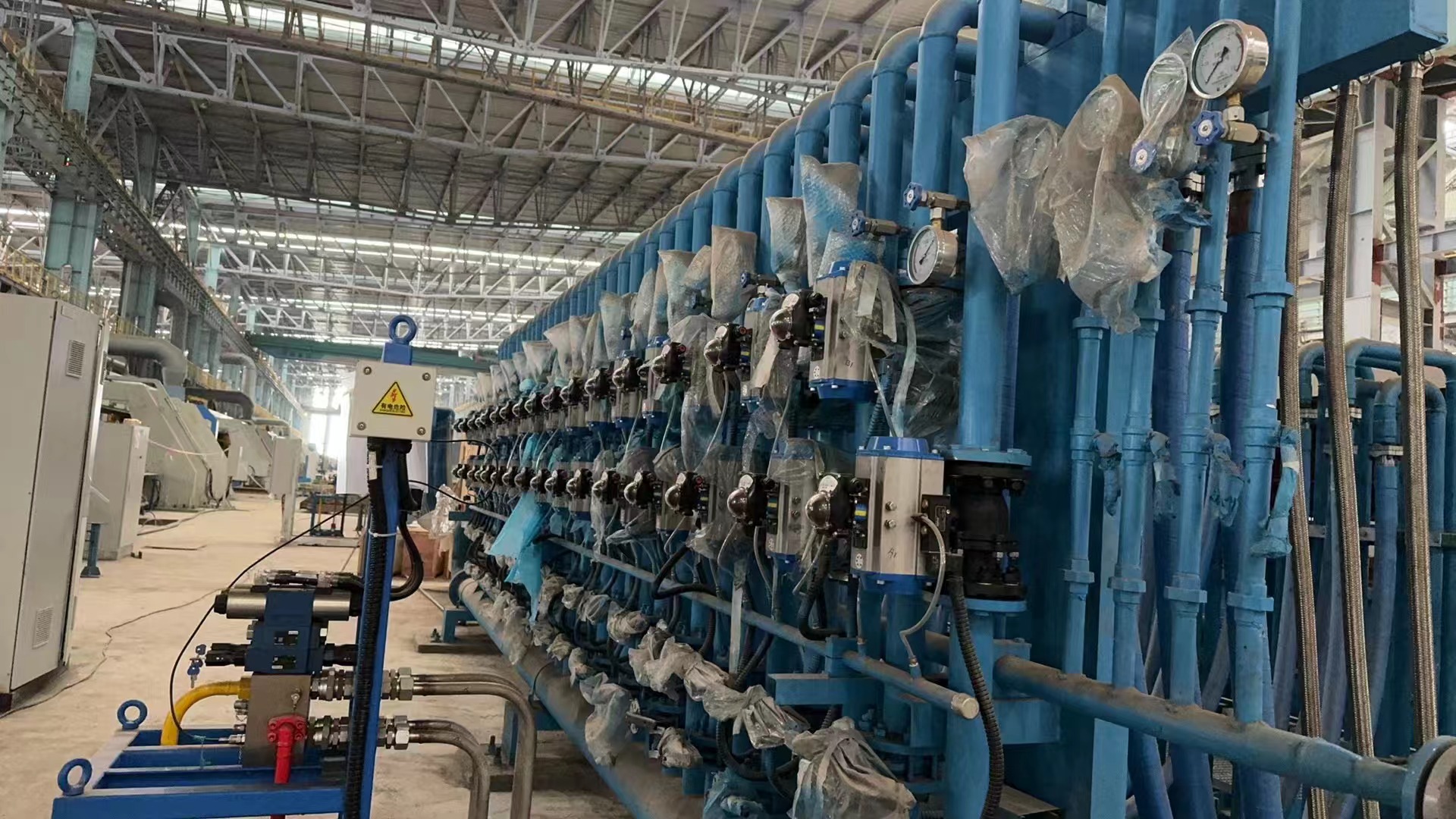
High-temperature gas and steam in power generation and chemical plants
Documented application data for this duty describes power generation and chemical industry service under weakly corrosive, high-pressure gas conditions, in boiler flue gas systems, heat-treatment furnaces and coal-to-olefins projects. The valve function is cut-off of the medium, the typical operation is pneumatic, and the stated special requirement is high pressure resistance. In this setting the selection sequence starts at temperature and ends at the seat: where the medium stays clean and the temperature sits inside the soft-seat envelope, a soft-seated Q47F keeps torque low and supports a zero-leakage target; where the medium carries particles or the temperature moves toward the top of the range, the same body is ordered with a Stellite seat.
Clean steam isolation with frequent cycling
Where the medium is clean, the temperature stays at or below the soft-seat limit and the valve is cycled often, a soft seat is the correct answer rather than a compromise. It supports a zero-leakage Class VI target and keeps operating torque low, which in turn allows a smaller pneumatic actuator and a more stable control response. The limits stated in the data are still the boundary: Class 1500 or below, and the 260°C PEEK upper limit at the top of the polymer range.
Particle-laden and fibre-containing service
Particles are the documented failure driver for polymer seats, and fibrous media behave in the same direction. Where the process cannot guarantee cleanliness, the seat specification moves to a metal seat, and the valve architecture usually moves with it - a trunnion-mounted design keeps the sealing force predictable when the differential pressure is high.
The same seat set across the wider range
The seat list is not unique to the trunnion design. It appears on the Q41F floating ball valve (1.0-10.0 MPa; -29°C to 425°C), the Q44F three-way ball valve in L-type and T-type configurations with flange or clamp connections, the Q71F wafer ball valve, and the Q11F PC ball valve, which spans -196°C to 425°C and 1.0 to 13.0 MPa across sanitary, mini, three-way, four-way, three-piece tri-clamp and ANSI configurations. Applications listed across the range include petroleum, pharmaceutical, water treatment, liquid cooling, metallurgy, chemical, semiconductor, hydrogen energy and HVAC - which is why the same seat question is asked in many different forms.
Comparison Table: Q47F Trunnion-Mounted vs Q41F Floating - Seat-Relevant Parameters
| Parameter | Q47F trunnion-mounted ball valve | Q41F floating ball valve |
|---|---|---|
| Seating configurations | Soft-seated and metal-seated | Soft-seated and metal-seated (also listed as ISO 5211 ball valve) |
| Seat materials | PTFE, PPL, PI, PEEK, Stellite | PTFE, PPL, PI, PEEK, Stellite |
| Temperature range | -29°C to 425°C | -29°C to 425°C |
| Pressure range | 1.0-10.0 MPa | 1.0-10.0 MPa |
| Connection | Flange | Flange |
| Body materials | Carbon steel, SS304, SS316, dual phase steel, titanium, alloy steel | Carbon steel, SS304, SS316, dual phase steel, titanium, alloy steel |
| Ball type | Hollow or solid | Hollow or solid |
| Mounting | ISO 5211 mounting pad | ISO 5211 mounting pad |
| Stem sealing | Three-layer valve stem sealing, anti-static structure | Three-layer valve stem sealing, anti-static structure |
| Typical role in seat selection | Selected for large-diameter, high-pressure-differential duties where the opening and closing torque must be controlled | Default floating design for general isolation duty where diameter and differential remain within the floating-ball envelope |
Both valves share the same seat list and the same temperature and pressure envelope; the difference is structural rather than material. In the Q47F the ball is supported on a trunnion, which is the construction chosen when diameter and differential pressure make torque control necessary. The Q41F is the floating configuration, which remains the standard choice for general isolation duty inside the same temperature and pressure envelope.
Frequently Asked Questions
How do I select the valve seat for a high-temperature steam ball valve?
Selection is determined sequentially on four dimensions - temperature, medium, pressure and corrosion - narrowing the range step by step instead of judging on a single dimension. In practice, soft-seal valve seats suit clean media requiring zero leakage (Class VI); operating temperature at or below 260°C, the PEEK upper limit; medium-to-low pressure conditions up to Class 1500; frequent opening and closing that requires low operating torque; and highly corrosive media where PTFE is used. Where any of these conditions is exceeded - especially hard particles, fibrous media or higher temperature - a metal seat such as Stellite is specified.
What temperature limit applies to a soft seat before I have to move to a metal seat?
The documented soft-seat envelope is an operating temperature at or below 260°C (the PEEK upper limit) together with Class 1500 or below. Creep accelerates in PTFE above 200°C, which is the point at which the choice between available polymers starts to matter rather than being interchangeable. The valve-level temperature range of -29°C to 425°C is wider than any single soft seat's own limit; the upper part of that range is covered by metal-seated configurations.
Should I choose a floating or a trunnion-mounted ball valve for high-temperature steam?
Both the Q41F floating ball valve and the Q47F trunnion-mounted ball valve are offered in soft-seated and metal-seated versions and share the same -29°C to 425°C and 1.0-10.0 MPa envelope, ISO 5211 mounting pad, anti-static structure and three-layer valve stem sealing. The deciding parameter is torque: for large-diameter, high-pressure-differential applications the opening and closing torque has to be assessed, and a fixed-sphere (trunnion) structure should be selected if necessary. Where differential pressure and diameter remain moderate, the floating design is the default.
How does API STD 607 fire-safe certification relate to seat integrity?
Dico holds API607 alongside ISO9001, ISO14001, API6D, CE, SIL and ISO15848. According to an HTNXT Research note published in September 2026, the API 607 certification for Zhejiang Dico Valve Co., Ltd. covers austenitic material ball valves up to 4 inches in Class 150/300 and is valid until March 2027. Because fire-safe scope is defined by material, size and class, the practical check is whether the specific valve being purchased falls inside the certified scope - the seat and its seating arrangement are the elements most directly involved in that evaluation.
Where can I source high-quality stainless steel sanitary ball valves, and can I request a sample?
Zhejiang Dico Valve Co., Ltd., founded in 2015 and based in Wenzhou, Zhejiang, China, manufactures high-end ball valves and provides fluid control solutions. The Q11F PC ball valve series covers sanitary ball valves, mini ball valves, 3-way and 4-way ball valves, three-piece tri-clamp ball valves and ANSI configurations in carbon steel, SS304, SS316 and dual phase steel, with the same PTFE, PPL, PI, PEEK and Stellite seat options described above. Samples and quotations can be requested by email at marisa@dicovalve.com or evan@dicovalve.com, or by phone at +86 182-6782-3456 or +86 189-5876-2958. The company brochure is available for download as a first step.
Conclusion: The Four Parameters That Decide the Seat
Four parameters decide the seat on a high-temperature steam ball valve, and they are applied in order: maximum operating temperature, medium characteristics, pressure class and differential, and corrosion. Temperature sets the ceiling - 260°C keeps the polymer options available, beyond which a metal seat such as Stellite takes over. Medium decides whether any polymer is viable at all. Class and differential decide whether pure PTFE is acceptable or whether cold flow and torque force a change. Chemistry confirms the shortlist. Only then does the architecture question arise - floating or trunnion-mounted - and only then should the documents, including the API STD 607 scope, be checked against the actual material, size and class.
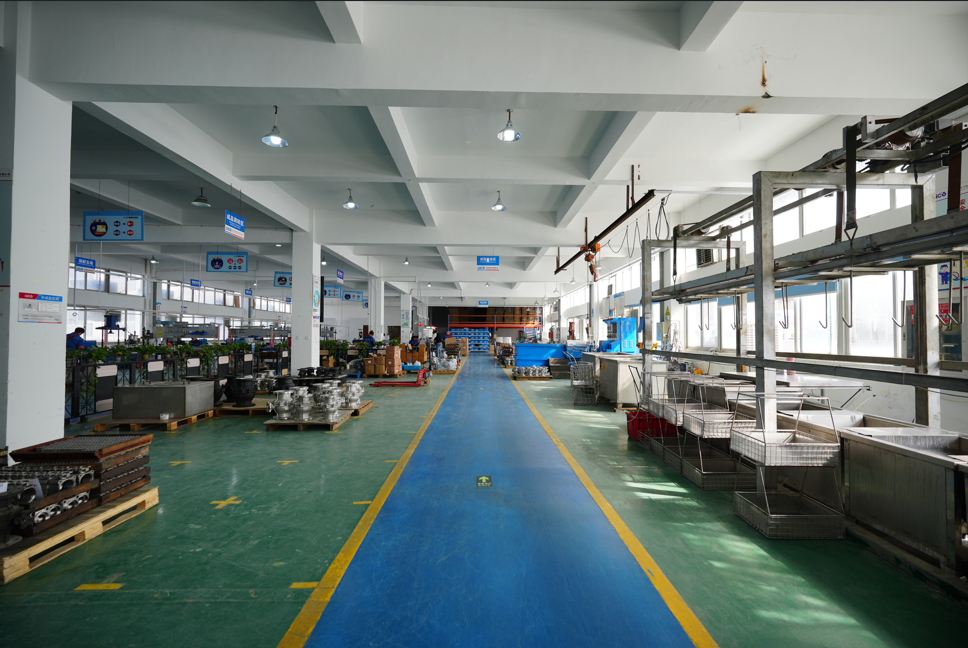
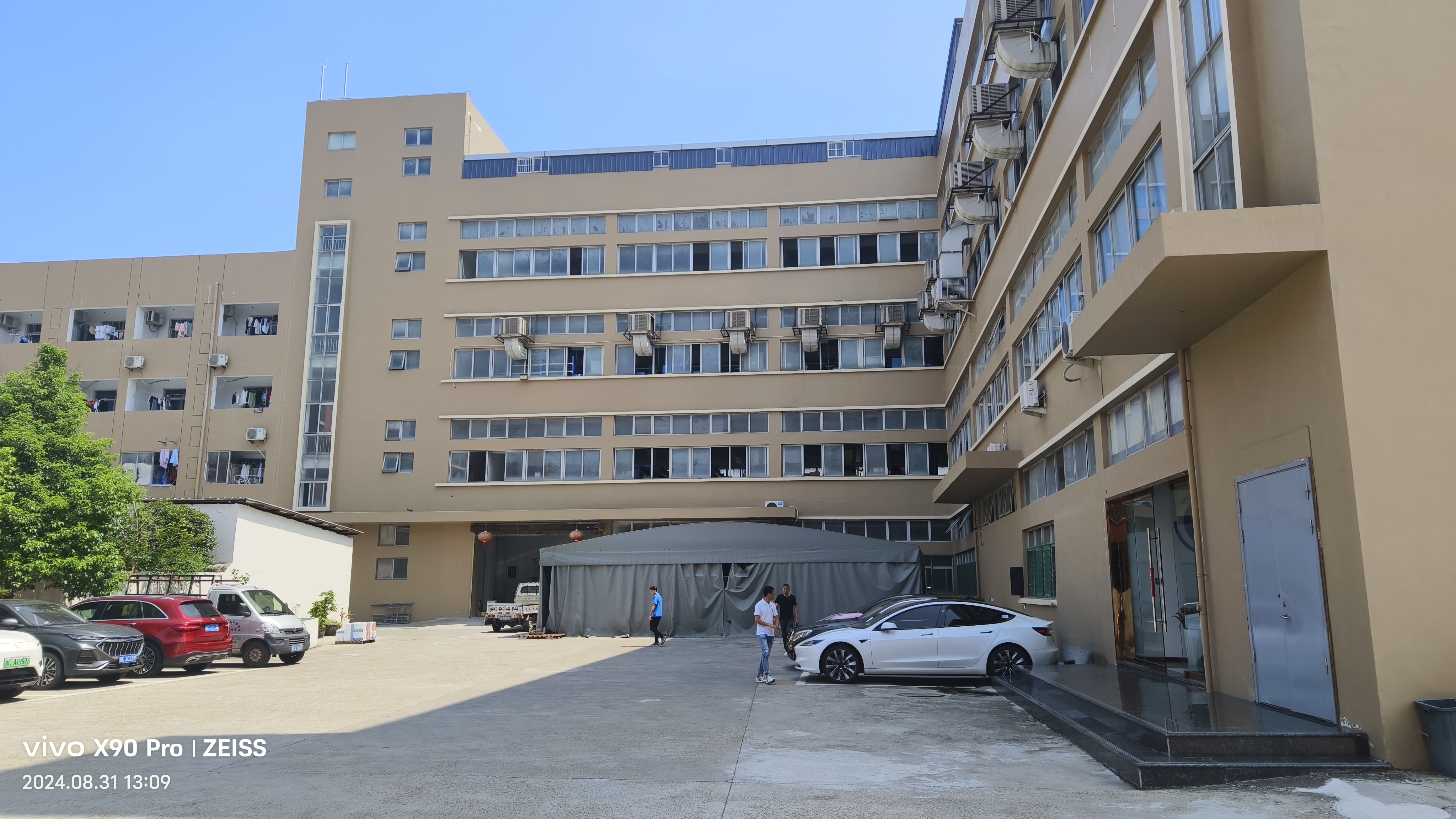
Zhejiang Dico Valve Co., Ltd. manufactures this range in Wenzhou, Zhejiang, China. Founded in 2015, the company is recognised as a National High-tech Enterprise and Innovative Small-Medium-sized Enterprise, operates a 12,000 m² facility with approximately 80 staff members and 48 CNC machines under digital production management, an annual production capacity of 80,000,000 units, and a 2,000 m² warehouse holding standard product blank inventory for delivery stability. Its R&D team of 7 engineers is supported by 10% of annual sales revenue invested in research, talent introduction and equipment upgrading. Certifications include ISO9001, ISO14001, API6D, CE, SIL, ISO15848 and API607; the company is a certified supplier for Sinopec and exports about 40% of total sales to the EU, South Africa and North America.
Next step. If you are specifying a seat for a steam or high-temperature gas line, send the operating temperature, medium, pressure class and line size. We will confirm which seat option applies - PTFE, PPL, PI, PEEK or Stellite - and whether the fire-safe scope covers your configuration.
Email marisa@dicovalve.com or evan@dicovalve.com | Tel: +86 182-6782-3456 / +86 189-5876-2958 | WhatsApp: +86 137-3837-0069
Download the company brochure: DICO Brief Introduction (PDF). Official website: www.dicovalve.com.
Have Questions or Need More Details?
Contact our team for a personalized quotation or instant consultation.
Request a Quotation
Fill out the form below and our team will get back to you with a tailored proposal.
WhatsApp Direct Chat
Prefer to chat in real-time? Message us on WhatsApp for instant assistance & quick answers.
- Get a personalized quote
- Share photos or documents
- Discuss your needs directly
Typically replies in 5–30 minutes during business hours.