
Trunnion-Mounted vs Floating Ball Valve: Which High-Quality Ball Valve Fits Your Pipeline?
Two ball valves can carry an almost identical specification header and still behave completely differently once they are bolted into a pipeline. The Q47F trunnion-mounted ball valve and the Q41F floating ball valve from Dico Ball Valve both cover a 1.0–10.0 MPa pressure range, both are rated from -29°C to 425°C, both use a flange connection, and both can be ordered with PTFE, PPL, PI, PEEK or Stellite seats. What separates them is mechanical: how the ball is supported inside the body, and how the seat is loaded against it.
That single structural difference decides operating torque, actuator sizing, usable line size, seat wear behaviour, and how each valve responds when differential pressure rises. For buyers in the evaluation stage, the practical rule is direct. Choose the floating Q41F for smaller lines, moderate differential pressures, clean media and compact installations. Choose the trunnion-mounted Q47F when the line is large, when differential pressure across the valve is high, when the valve cycles frequently, or when a pneumatic or electric actuator has to move it reliably over a long service life.
This guide compares the two designs on documented specification and design behaviour only — no ranking claims, no invented test numbers — so that the structural choice can be matched to the actual duty.
Why the Datasheet Cannot Answer the Trunnion vs Floating Question
The buying problem is convergence. Put the two model sheets side by side and the headline rows match: the same pressure range, the same temperature window, the same five seat materials, the same hollow or solid ball options, the same flange connection, and the same body material menu of carbon steel, SS304, SS316, dual phase steel, titanium and alloy steel. A specification comparison alone will not separate them.
When the structural choice is made on price alone, three failure patterns tend to appear in service:
- Underestimated torque on a large floating valve. In a floating design, line pressure itself helps push the ball into the downstream seat. That is efficient at small sizes, but the same mechanism makes torque climb with pressure and diameter. An actuator sized from a nominal figure rather than from the real differential pressure can stall or hunt.
- Soft seats meeting dirty or fibrous media. Selection guidance from Dico engineering notes is blunt on this point: particles are a killer of soft seals, and even small amounts accelerate wear. Fibrous media also call for a hard seat.
- Cold flow in polymer seats. Pure PTFE suffers severe cold flow under high pressure. For large-diameter, high-differential applications, the opening and closing torque has to be assessed, and a fixed-sphere structure should be selected if necessary.
Short answer: the Q41F floating ball valve seals with line-pressure assistance and suits smaller lines, moderate differential pressure and clean media. The Q47F trunnion-mounted ball valve anchors the ball mechanically, which keeps operating torque low and predictable, and it suits larger diameters, higher differential pressures, and actuated or frequently cycled duty. Both share the same 1.0–10.0 MPa / -29°C to 425°C envelope and the same PTFE, PPL, PI, PEEK and Stellite seat menu, so the decision is structural rather than a question of one valve being better than the other.
Why Both Designs Coexist in High-Quality Ball Valve Supply
A floating ball valve is the simpler geometry: the ball rests between two seat rings and is free to move a short distance along the flow axis. Fewer parts, a compact body and economy at small sizes are the reasons it dominates general industrial piping. A trunnion-mounted ball valve adds a mechanical anchor: the ball is carried on a trunnion with bearing support, so it can rotate but not translate, and the seat assembly is loaded against the ball by its own element instead of by line pressure.
Neither geometry is automatically high quality. In the high-quality tier, what separates a dependable ball valve from a commodity one is the material discipline behind it, the sealing architecture, and whether an independent body has verified the claims. Zhejiang Dico Valve Co., Ltd is a Wenzhou-based ball valve manufacturer founded in 2015, operating a 12,000 m² facility in the Longwan District of Wenzhou, Zhejiang Province, and producing high-platform ball valves, metal-seated ball valves, 3-piece ball valves, tank bottom valves, pneumatic and electric ball valves, and sanitary BA-grade ball valves.
The company certificate portfolio is what makes the Q47F versus Q41F comparison commercially useful rather than theoretical: ISO 9001, ISO 14001, API 6D, CE, SIL, ISO 15848 and API 607. Its valves are applied in petroleum and chemical processing, natural gas, pharmaceuticals, new energy, hydrogen energy, semiconductors and data-centre liquid cooling — the same industries documented as applicable for both the Q47F and the Q41F.
How Each Design Seals — and Where Operating Torque Comes From
The Q41F floating ball valve: line pressure supplies the sealing force
In the Q41F, the ball is supported by the two seat rings rather than by a shaft. Upstream pressure pushes the ball downstream into the downstream seat, so sealing force rises with line pressure. That is why floating ball valves shut off tightly in clean service while remaining mechanically simple and compact.
The trade-off is the load path. Because the seat carries the ball, torque grows as pressure and diameter grow, and the seat material absorbs the combined mechanical and thermal load. The documented Q41F configuration is a metal-seated and soft-seated ball valve with a hollow or solid ball, PTFE, PPL, PI, PEEK or Stellite seats, a flange connection, a 1.0–10.0 MPa pressure range and a -29°C to 425°C temperature range, in carbon steel, SS304, SS316, dual phase steel, titanium or alloy steel. It is also documented with an ISO 5211 mounting pad, an anti-static structure and three-layer stem sealing — three items that matter when the valve is actuated or used in flammable service.
The Q47F trunnion-mounted ball valve: the ball is anchored, the seat moves
In the Q47F, the ball is held by a trunnion and bearing arrangement rather than being carried by the seats. Line pressure no longer drives the ball into the seat; instead the seat assembly is pushed against the ball by its own loading element. The consequences are exactly what large-line and high-differential-pressure service needs: operating torque stays low and predictable across the pressure range, and it does not multiply with diameter the way a floating ball torque does.
That predictability is why trunnion-mounted valves are the usual choice when an actuator must be sized with confidence, when the valve cycles often, or when the line is large enough that a floating ball would demand disproportionate torque. The documented Q47F is available in metal-seated and soft-seated versions, with PTFE, PPL, PI, PEEK or Stellite seats, hollow or solid ball, flange connection, 1.0–10.0 MPa, -29°C to 425°C, and the same body material menu as the Q41F.
The limitation deserves the same clarity as the advantage: a trunnion-mounted valve contains more parts — trunnion bearings and a seat loading element — so at small sizes and moderate differential pressures the floating design is normally the more economical and entirely adequate answer. Structural choice should follow duty, not prestige.
Seat material sets the real temperature and media limit
Both models share the same seat menu, and both carry the same headline temperature range of -29°C to 425°C. That window reflects the full seat menu rather than any single seat, so the usable temperature depends on which seat is fitted. The selection logic documented by Dico is:
- Soft seats suit clean media requiring zero leakage (Class VI), frequent opening and closing where low operating torque matters, and highly corrosive media handled with PTFE or FKM. Where PEEK is the polymer, the practical ceiling sits at about 260°C.
- Metal seats (Stellite) are used where polymer seats would exceed their thermal limit, and where particles or fibrous media would accelerate soft-seat wear.
The same guidance flags glass-fibre PTFE as unsuitable for HF and strong alkalis, and warns that elastomer selection must follow chemical compatibility tables rather than experience. For an aggressive medium, the seat choice — not the valve model — is the constraint that decides success.
What independent certification actually covers
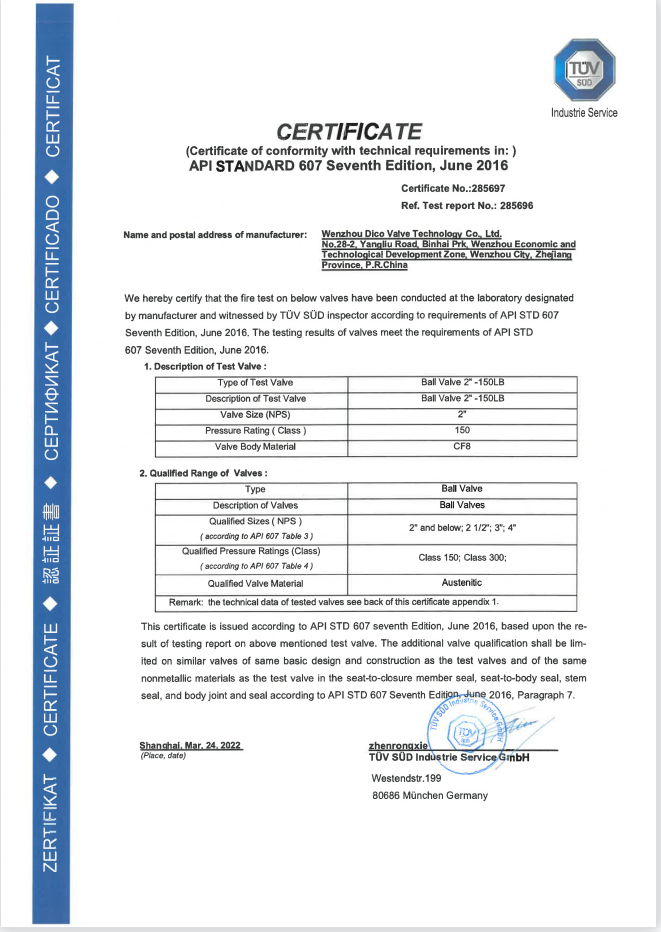
Both the Q47F and the Q41F appear on the API STD 607 fire-safe test certificate 285697 issued by TÜV SÜD Industrie Service GmbH, valid to 2027-03-23, with a scope of ball valves sized 2 in. and below, 2-1/2 in., 3 in. and 4 in., in Class 150 and Class 300 and in austenitic material. The internal fire-safe groove structure in the valve body is the design feature behind that behaviour.
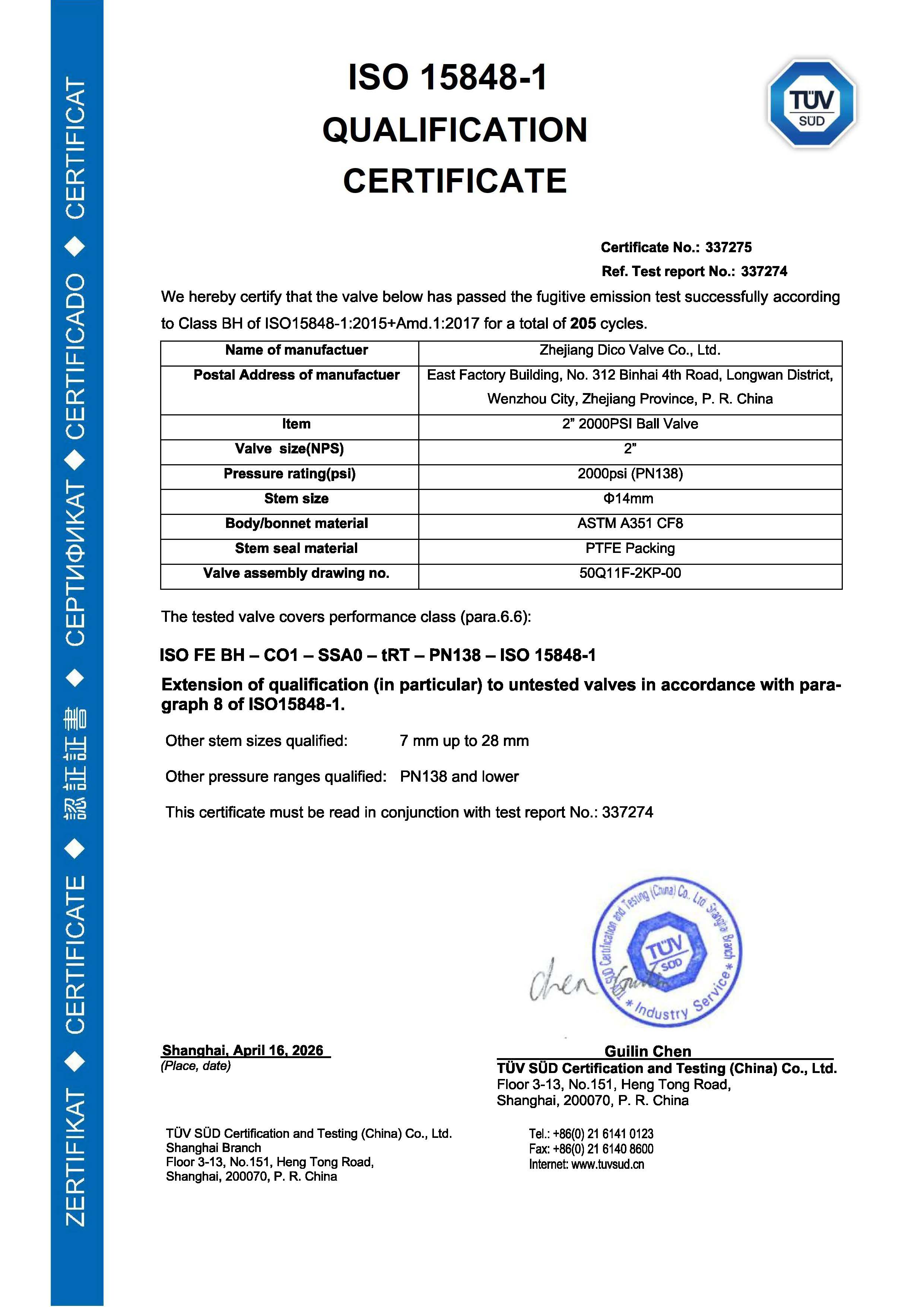
Fugitive-emission performance is covered separately by ISO 15848-1 qualification certificate 337275, issued by TUV on 2026-04-16 under ISO 15848-1:2015+Amd.1:2017, with a defined scope of 2 in. 2000 PSI ball valve, stem size Φ7–28 mm and pressure rating PN138 and lower. Beyond these, the manufacturer holds a PED CE verification certificate (ECM, EN 12266:2012 and PED Directive 2014/68/EU, industrial valve DN≤400 mm and PN≤13.0 MPa) and a functional safety certificate under IEC 61508:2010 Parts 1–7 (ECM, SIL3 capable, industrial valve DN≤400 mm and PN≤13.0 MPa).
Two implications follow for evaluators. First, certificates have scope: a fire-safe or low-emission certificate only means what its size, class and stem limits say it means. Second, both compared models sit inside the same certificate families, so compliance does not decide the trunnion-versus-floating question — duty does.
Q47F vs Q41F: Side-by-Side Comparison
The table below uses only documented specification from the two model data sets and the certification scope statements above. Qualitative rows describe design behaviour, not measured test values.
| Decision factor | Q47F trunnion-mounted ball valve | Q41F floating ball valve |
|---|---|---|
| Ball support | Ball anchored on a trunnion with bearing support; it rotates but does not translate | Ball floats between two seat rings and translates slightly under line pressure |
| Source of sealing force | Generated by the seat loading element, independent of line pressure | Assisted by line pressure pushing the ball into the downstream seat |
| Operating torque | Low and predictable across the pressure and size range | Increases with line pressure and diameter |
| Best structural fit | Larger diameters, high differential pressure, frequent cycling, actuated isolation duty | Small to moderate diameters, moderate differential pressure, clean media, compact installations |
| Documented pressure range | 1.0–10.0 MPa | 1.0–10.0 MPa |
| Documented temperature range | -29°C to 425°C | -29°C to 425°C |
| Seat materials | PTFE, PPL, PI, PEEK, Stellite | PTFE, PPL, PI, PEEK, Stellite |
| Ball options | Hollow ball or solid ball | Hollow ball or solid ball |
| Connection | Flange | Flange |
| Body materials | Carbon steel, SS304, SS316, dual phase steel, titanium, alloy steel | Carbon steel, SS304, SS316, dual phase steel, titanium, alloy steel |
| Documented valve types | Metal-seated ball valve, soft-seated ball valve | Metal-seated ball valve, soft-seated ball valve, ISO 5211 ball valve |
| Documented construction features | Not itemised in the published model data; confirm the actuator mounting interface for the exact configuration | ISO 5211 mounting pad, anti-static structure, three-layer stem sealing |
| Fire-safe certification | API STD 607 certificate 285697 (2 in. and below; 2-1/2 in., 3 in., 4 in.; Class 150 and Class 300; austenitic material) | API STD 607 certificate 285697 (same scope) |
| Low-emission certification | Within ISO 15848-1 certificate 337275 (2 in. 2000 PSI ball valve, stem Φ7–28 mm, PN138 and lower) | Within ISO 15848-1 certificate 337275 (same scope) |
| Documented applicable industries | Petroleum, pharmaceuticals, water treatment, liquid cooling, metallurgy, chemicals, semiconductors, hydrogen energy, HVAC | Petroleum, pharmaceuticals, water treatment, liquid cooling, metallurgy, chemicals, semiconductors, hydrogen energy, HVAC |
Step-by-Step: Choosing Between the Q47F and the Q41F
- Lock the operating envelope. Both models are documented from 1.0 to 10.0 MPa and from -29°C to 425°C. If the application falls outside that window, look elsewhere in the portfolio before forcing a model: the Q11F three-piece PC ball valve is documented from -196°C to 425°C and 1.0–13.0 MPa, which is the more relevant starting point for cryogenic duty.
- Define line size and differential pressure. Small diameter with moderate differential pressure points to the floating Q41F. Large diameter, high differential pressure, or a large pressure drop across the valve points to the trunnion-mounted Q47F. Where the case is borderline, assess the opening and closing torque and select a fixed-sphere structure if the floating option would demand excessive torque.
- Characterise the medium. Clean media requiring zero-leakage Class VI shut-off, frequent cycling and low torque favour a soft seat. Particles, fibrous media, abrasion, or temperatures above the polymer ceiling favour a Stellite metal seat. Check chemical compatibility of the seat and any elastomer rather than relying on experience.
- Decide how the valve will be operated. Manual, infrequent operation on a moderate line rarely justifies a trunnion design. Frequent cycling or pneumatic and electric actuation favours the Q47F, where torque stays low and predictable and actuator sizing becomes more dependable. If a mounting pad matters, note that the ISO 5211 designation is documented for the Q41F floating model, as well as for the Q71F wafer and Q11F three-piece models — confirm the interface for the specific configuration being ordered.
- Match certification to the market and the risk. EU supply points to PED CE verification. Fire-risk service points to API STD 607. Emission-regulated service points to ISO 15848-1. Safety instrumented loops point to IEC 61508 SIL3 capability. Then confirm that your size, class and stem dimension fall inside the certificate scope rather than assuming the certificate applies universally.
- Validate with a sample, then scale. The minimum order quantity is 1 unit, and both OEM and ODM production are supported with customization of appearance, material, logo and mold. Sampling lets seat material, ball type, flange dimensions and mounting interface be confirmed before a series order; lead time then runs 7–45 days depending on configuration.
Where Each Design Fits: Documented Applications
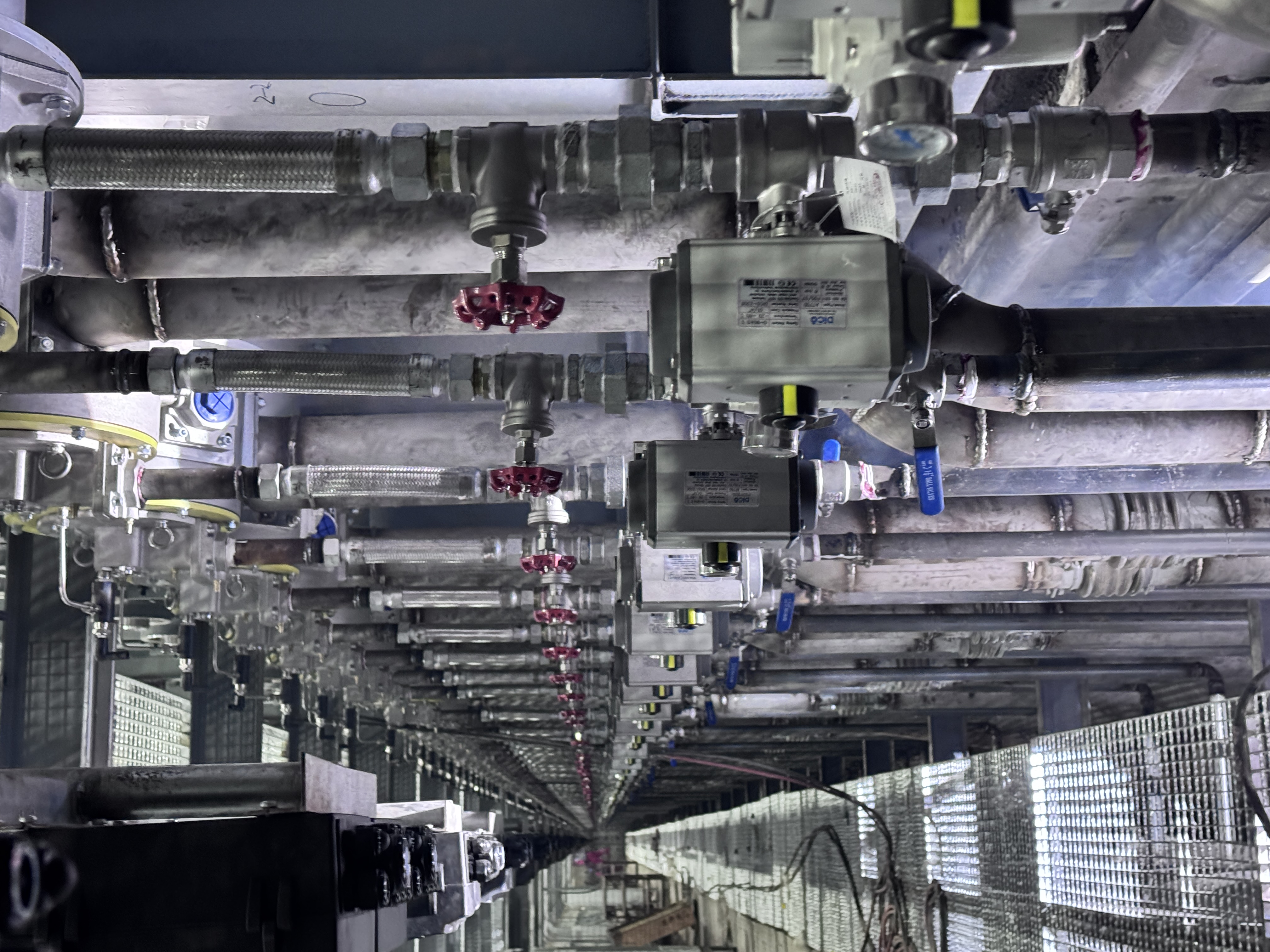
Application evidence matters more than geometry theory, and the floating Q41F has a documented reference case: an ironmaking and metallurgical plant in China installed 1,000 units of the floating ball valve (product 8332, Q41F) for boiler water piping with pneumatic automatic control, and the project has operated stably for one year. That is a useful data point for evaluators, because it shows a floating design performing reliably in an actuated, high-temperature water application when it is correctly sized.
Typical fit by design, based on the documented parameters and seat behaviour:
- Trunnion-mounted Q47F: larger line sizes, high differential pressure, frequent cycling, and actuated isolation duty where a stable, predictable torque is required across the pressure range. Documented applicable industries include petroleum, pharmaceuticals, water treatment, liquid cooling, metallurgy, chemicals, semiconductors, hydrogen energy and HVAC.
- Floating Q41F: smaller lines with moderate differential pressure, clean media, compact installations and general isolation duty with or without actuation, across the same documented industry set. It carries the documented ISO 5211 mounting pad, anti-static structure and three-layer stem sealing.
- Adjacent requirements: for tight-space installations with a wafer connection, the Q71F wafer ball valve is documented for petroleum industry service; for data-centre liquid cooling, Dico operates a dedicated liquid-cooled valve production line covering mini ball valves and three-piece clamp ball valves used in that sector.
What to Verify Before You Place the Order
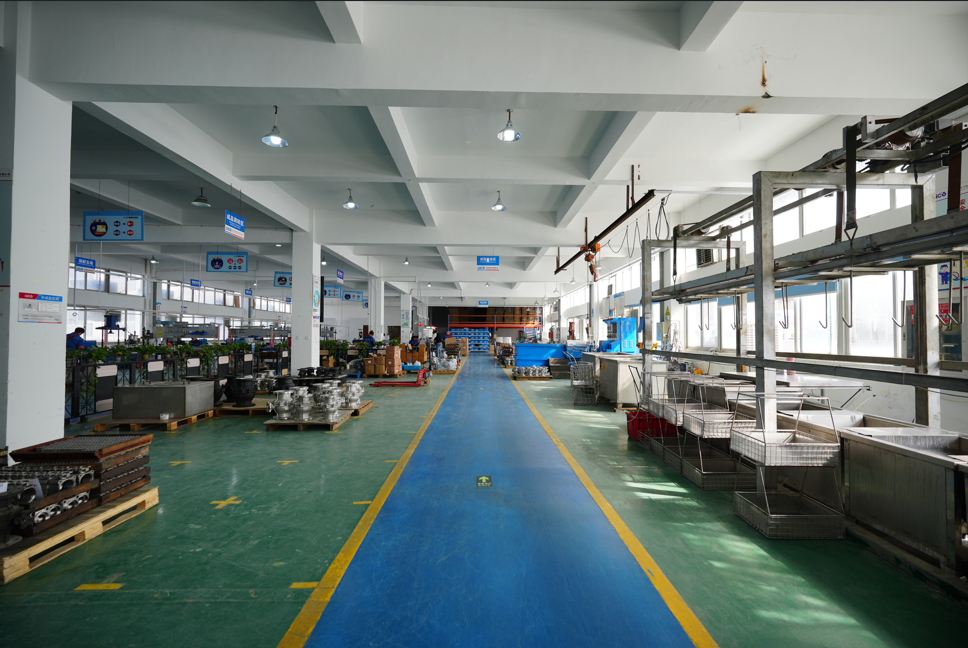
Once the structural choice is settled, the remaining risk is supply consistency. Points that an evaluation-stage buyer can check against documented facts rather than promises:
- Testing regime: first round 100% testing, followed by a second round of random checks.
- Material discipline: valve blanks and internal components produced to standard, with spectrometer testing supported and a full certificate set behind them.
- Endurance evidence: a 20-second high-frequency switch life test with 50,000 cycles without leakage.
- Capacity and delivery: 10,000 units monthly capacity, a 2,000 m² warehouse holding standard product blank inventory, and a one-item-one-code system with 98% warehouse data accuracy.
- After-sales: a 12-month warranty with replacement rather than repair for quality issues, and issues targeted for resolution within 48 hours.
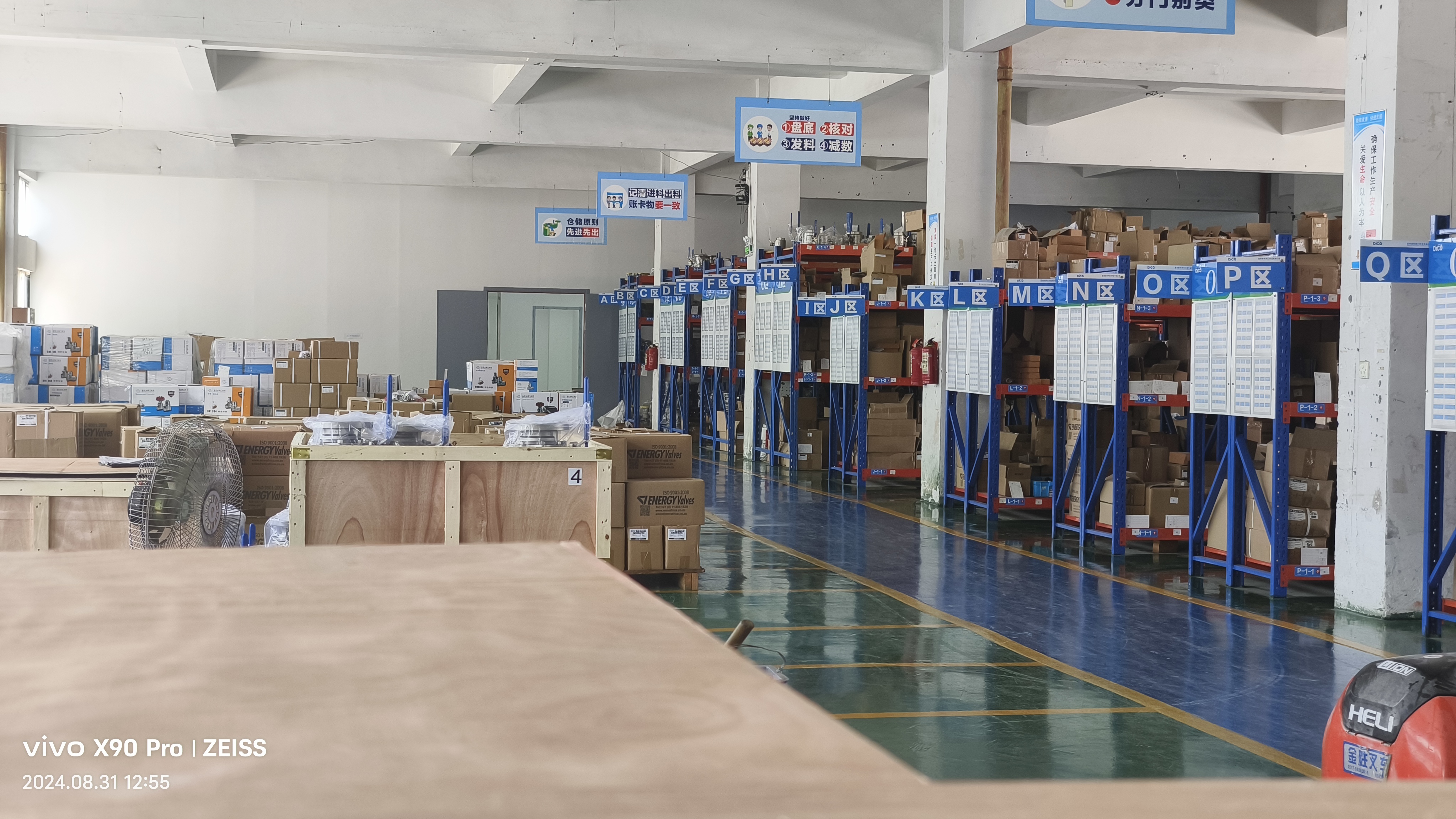
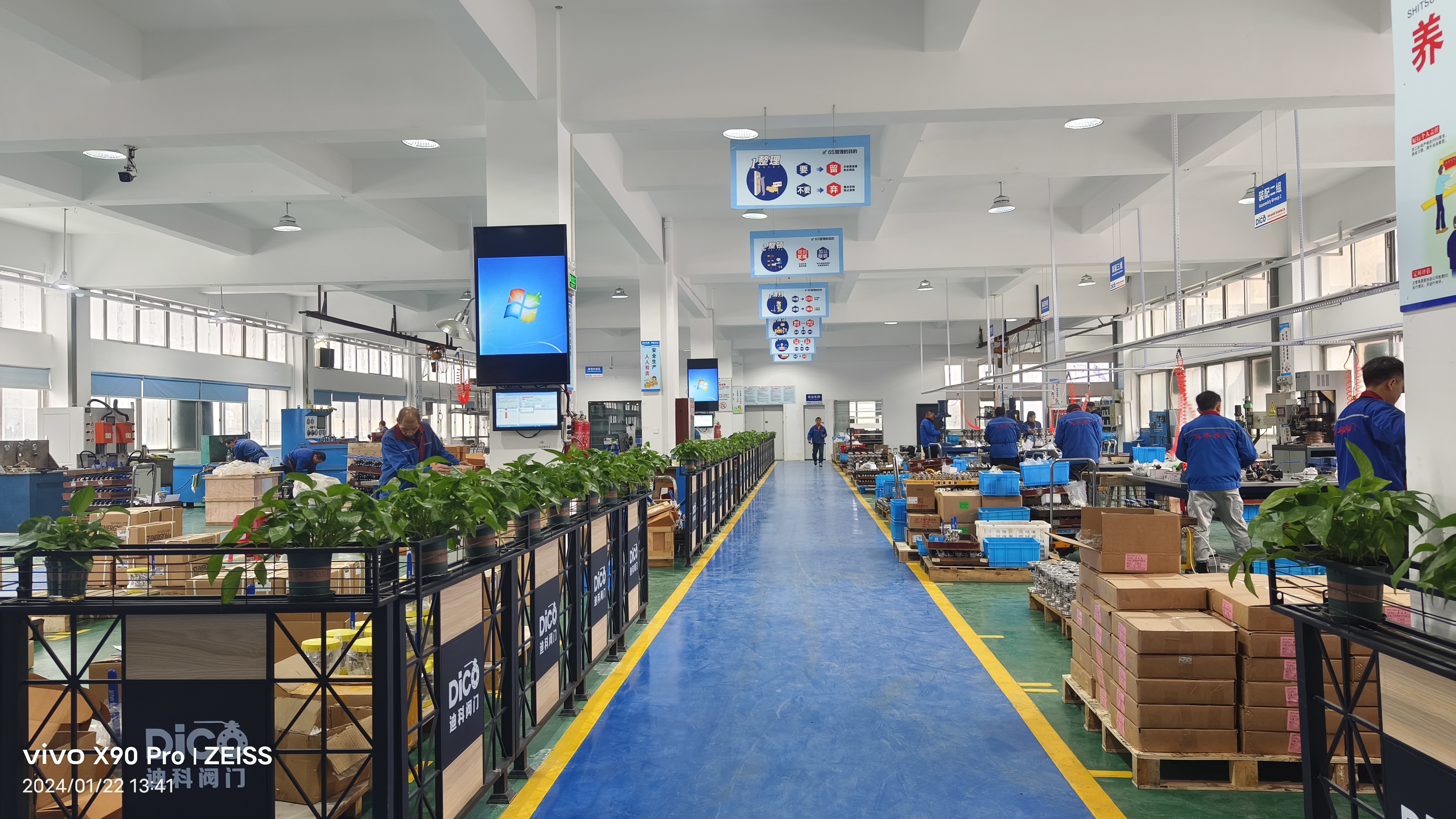
- Manufacturing base: a 12,000 m² factory, 48 CNC machines under digital production management, and 7 R&D engineers supported by reinvestment of 10% of annual sales revenue. Dico Valve is a qualified supplier to Sinopec and exports to the EU, North America, South Africa and South America.
FAQ: Trunnion-Mounted and Floating Ball Valves
Are both the Q47F trunnion-mounted and the Q41F floating ball valve fire-safe and low-emission certified?
Yes. Both models appear on the API STD 607 fire-safe test certificate 285697 issued by TÜV SÜD Industrie Service GmbH, valid to 2027-03-23, which covers ball valves sized 2 in. and below, 2-1/2 in., 3 in. and 4 in., in Class 150 and Class 300 and in austenitic material. Low-emission performance is covered by ISO 15848-1 qualification certificate 337275 issued by TUV under ISO 15848-1:2015+Amd.1:2017, with a scope of 2 in. 2000 PSI ball valve, stem size Φ7–28 mm and pressure rating PN138 and lower. Because these certificates are written to a defined scope, always confirm that the size, class and stem dimension of the valve you order sit inside that scope.
How do I decide between a trunnion-mounted and a floating ball valve for my pipeline?
Decide on structure rather than on the specification header, because both models are documented across 1.0–10.0 MPa, -29°C to 425°C, a flange connection and the same PTFE, PPL, PI, PEEK and Stellite seat menu. The floating Q41F relies on line pressure to push the ball into the downstream seat, so its operating torque increases with pressure and diameter, which fits smaller lines, moderate differential pressures and clean media. The trunnion-mounted Q47F anchors the ball on a trunnion and loads the seat independently, keeping torque low and predictable, which suits large diameters, high differential pressures, and frequently cycled or actuated service. Where diameter and differential pressure are both high, assess opening and closing torque and select a fixed-sphere structure if necessary.
What should buyers check when comparing the most recommended high-quality ball valve manufacturers?
Check evidence rather than claims. The items that carry weight are material discipline — valve blanks and internal components that meet standard and support spectrometer testing — the seat and body design behind the valve, a verifiable certificate set such as ISO 9001:2015, ISO 14001:2015, ISO 45001:2018, PED CE verification to EN 12266:2012, API STD 607 fire-safe, ISO 15848-1 low emission and IEC 61508 SIL3 capability, and a documented quality control process of 100% first-round testing plus second-round random checks. Price differences between suppliers usually trace back to those same items — materials, seat design, blanks and internal parts — so a lower price normally reflects a different material and design specification rather than a better deal.
Can I validate a high-quality ball valve with a sample before ordering in volume?
Yes. The minimum order quantity is 1 unit, and both OEM and ODM production are supported with customization of appearance, material, logo and mold. A sample can be checked against the points that also determine series quality: seat material, ball type (hollow or solid), flange dimensions, the mounting interface, and — where the application is regulated — whether the certificate scope covers the configuration. Lead time for the order itself runs 7 to 45 days depending on the configuration and quantity.
What lead time and supply reliability should buyers expect?
Lead time is 7 to 45 days depending on configuration and quantity, against a monthly production capacity of 10,000 units. A 2,000 m² warehouse holds standard product blank inventory under a one-item-one-code system with 98% warehouse data accuracy, which supports stable delivery on repeat orders. Warranty runs 12 months after use with replacement rather than repair for quality issues, and after-sales issues are targeted for resolution within 48 hours. To move from evaluation to validation, send your line size, pressure rating, temperature, medium and actuation requirement for a configuration recommendation and quotation, or request a Q47F or Q41F sample directly — contact Marisa at marisa@dicovalve.com or Evan at evan@dicovalve.com.
Conclusion
The Q47F versus Q41F decision is not a question of which ball valve is better, because the two models share the same documented envelope: 1.0–10.0 MPa, -29°C to 425°C, flange connection, hollow or solid ball, and the same PTFE, PPL, PI, PEEK and Stellite seat menu. The decision is structural. Take the floating Q41F when line size, differential pressure and cycling frequency are moderate, when the medium is clean, and when a compact, line-pressure-assisted seal is enough — a documented 1,000-unit installation in boiler water piping with pneumatic automatic control, running stably for a year, shows what that looks like in practice.
Take the trunnion-mounted Q47F when the ball must be held in position mechanically, when torque has to stay low and predictable for dependable actuation, and when high differential pressure or large diameter would make a floating design demand disproportionate torque. In both cases, the seat material — soft polymer for clean, low-torque, zero-leakage duty, or Stellite metal for particles, abrasion and high temperature — sets the real service limit, and the certificate scope sets the real compliance limit. Match structure to duty first, then verify material, testing and certification before the order goes out.
Next step: validate the structure on your own line
Send your line size, pressure rating, temperature, medium and actuation requirement to the Dico Valve team for a configuration recommendation and quotation, or request a Q47F trunnion-mounted or Q41F floating sample for evaluation. Email Marisa at marisa@dicovalve.com or Evan at evan@dicovalve.com, call +86 182-6782-3456, visit www.dicovalve.com, or download the DICO product brochure.
Have Questions or Need More Details?
Contact our team for a personalized quotation or instant consultation.
Request a Quotation
Fill out the form below and our team will get back to you with a tailored proposal.
WhatsApp Direct Chat
Prefer to chat in real-time? Message us on WhatsApp for instant assistance & quick answers.
- Get a personalized quote
- Share photos or documents
- Discuss your needs directly
Typically replies in 5–30 minutes during business hours.