Genius Weft Hair Extensions: Total Cost of Ownership Guide for Salons
Genius Weft Hair Extensions: Total Cost of Ownership Guide for Salons
Choosing the right hair extension system for your salon is no longer a one-time product decision. It affects installation time, client satisfaction, styling service revenue, and inventory costs for the next two to three years. For salon owners comparing premium options, the genius weft hair extension often appears more expensive at first glance. But when measured over the full period of use, the cost picture flips. Data from Dolas Dream Crafts Co.,Ltd. — a Qingdao-based manufacturer of genius weft hair extensions and human hair toppers — shows that compared to remy hair from multiple donors, the genius weft offers an initial cost about 10% higher, yet a total cost of ownership 30% lower over two years. This guide explains the numbers behind that claim, how to evaluate it for your salon, and what to look for in a supplier.
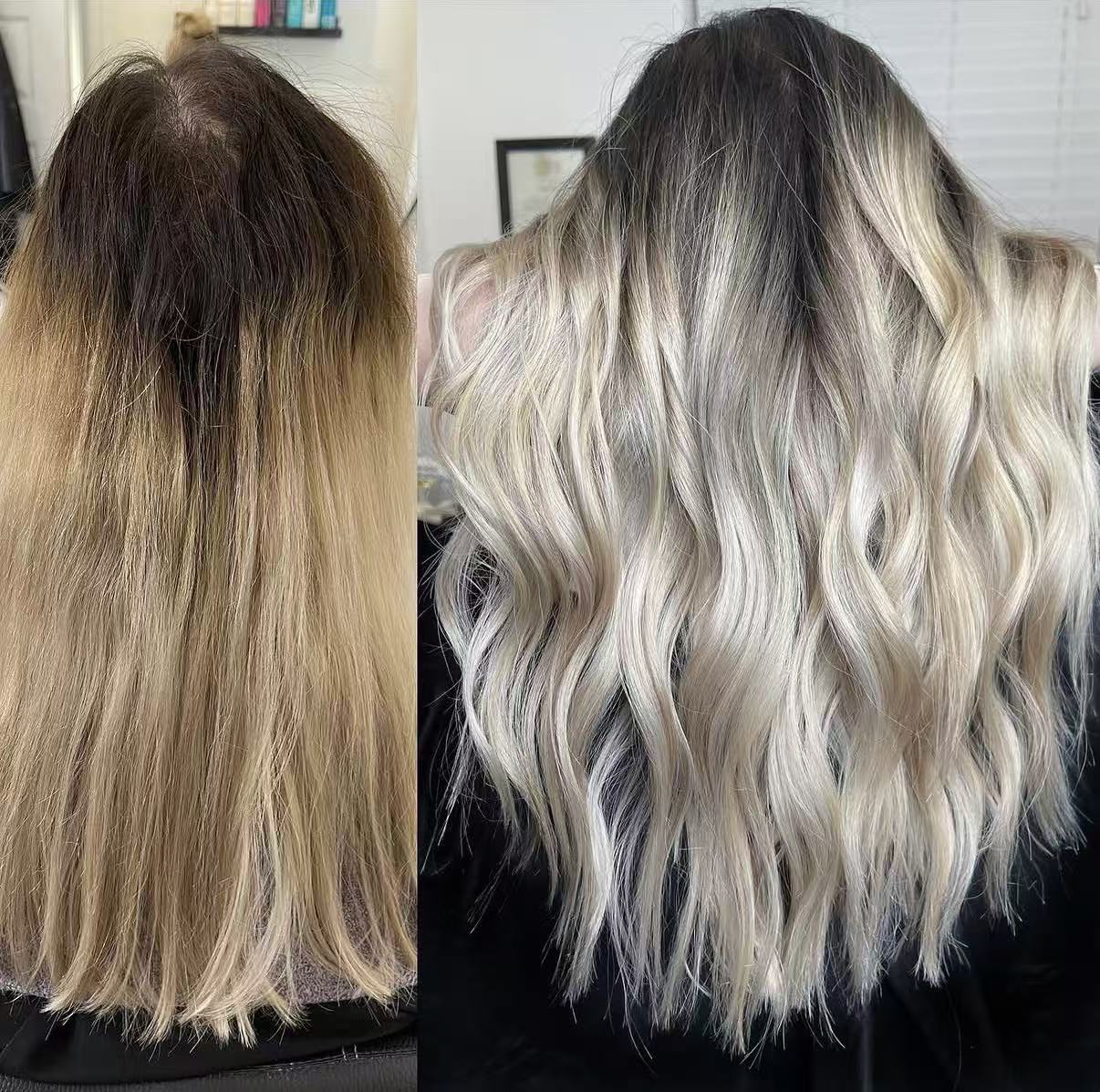
Genius weft vs. traditional remy hair: a lifecycle comparison, not just a shelf-price comparison.
Why the Genius Weft Decision Feels Harder Than It Should
Salon owners face three recurring sourcing problems. First, raw material transparency: synthetic fibers or low-grade remy hair can be mixed into batches labelled as virgin human hair. Second, hidden lifecycle costs: cheaper wefts may shed, tangle, or need replacement after a few installations, multiplying labor and product expenses. Third, installation efficiency: traditional wefts or adhesive-based methods consume more chair time, reducing the number of services a stylist can complete in a day. Without a clear framework, the genius weft decision looks like a trade-off between upfront price and long-term quality. In practice, this trade-off can be measured precisely.
The Growth of Human Hair Extensions and the Hybrid Weft Trend
Human hair extensions are a large and expanding category. According to Grand View Research, the global hair wigs and extensions market was valued at USD 15.2 billion in 2025 and is projected to reach USD 31.1 billion by 2033. Human hair products accounted for 65.6% of revenue in 2025, reflecting client preference for natural styling versatility. A separate report from Cognitive Market Research valued the medical wigs market at USD 618.05 million in 2024, a segment that demands high-quality, non-damaging hair systems. In China, manufacturing clusters in Xuchang and Qingdao produce more than 12 million units annually as of 2024, making supplier verification essential. One key trend is the rise of hybrid weft technology: the genius weft is engineered with an ultra-thin track of approximately 0.8mm to 0.9mm, combining the cuttable flexibility of hand-tied wefts with the durability of machine-made wefts.
What Makes the Genius Weft Different: Single-Donor, Thin Track, Lower Lifecycle Cost
Genius weft hair extensions are designed for salons that want a flat, invisible, and reusable weft. Unlike traditional remy hair gathered from multiple donors, the genius weft uses 100% cuticle intact hair from one donor. This single-donor sourcing is the core difference: it keeps cuticle alignment consistent, reduces tangling, and extends lifespan by roughly two times compared to alternatives. The ultra-thin track lies flat against the scalp, making the extension comfortable and less visible. Because the weft can be cut anywhere without shedding, stylists gain more freedom in placement. For clients with fine hair or localized hair loss, a silk base human hair topper or a hand-tied style might be more suitable; for overall length and volume, the genius weft is an efficient choice.
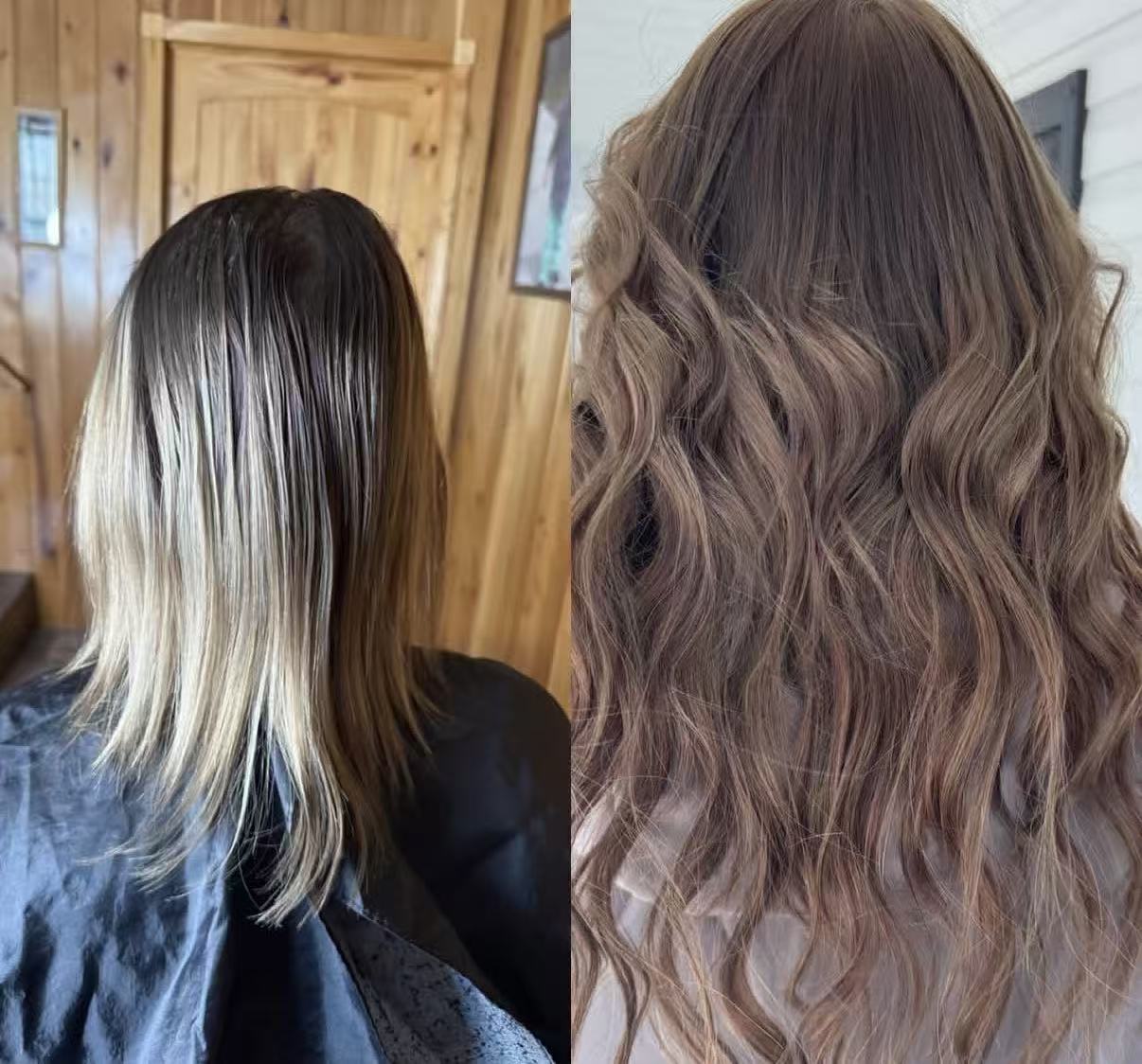
The genius weft combines single-donor cuticle alignment with a thin, flexible track.
Dolas Dream Crafts Co.,Ltd. builds its production around this single-donor principle. The company operates a 1,500 m² facility with 50 employees and an annual output of 115,000 units. Its R&D team includes 15 engineers, and 90% of its output is exported to the USA and EU. For a salon chain or distributor, this scale matters: it supports consistent batches across repeat orders, which is essential when your clients expect the same quality from one appointment to the next.
A Step-by-Step Supplier Evaluation Framework for Genius Weft
Before signing a purchase order, salon owners can follow a six-step evaluation framework:
- Define your application. Is the weft for daily-wear clients, bridal work, or medical hair replacement? The genius weft suits high-repeat services where longevity matters.
- Verify raw material consistency. Ask your supplier how hair is sourced. A single-donor, cuticle-intact claim should be supported by inspection records. Dolas Dream controls the risk of synthetic fiber mixed into virgin human hair through real-time hair material inspection and regular hand picking.
- Calculate total cost of ownership (TCO). Based on Dolas Dream's data, the genius weft costs about 10% more upfront but delivers 30% lower TCO over two years. Build a simple model: (product cost + installation time + maintenance products + replacement frequency) × 24 months.
- Evaluate supplier manufacturing capacity. A 1,500 m² facility with dedicated production and QC sections can handle bulk orders. An annual output of 115,000 units suggests repeatable scale.
- Request samples and test the weft. Check the track thickness (0.8–0.9mm), cut a small section to see if it sheds, and perform a wash test to verify cuticle integrity.
- Confirm after-sales terms, packaging, and lead time. A professional supplier should provide protective packaging with instructions and clear communication channels. Dolas Dream states it can meet bulk orders in nominal time and offers doorstep delivery.
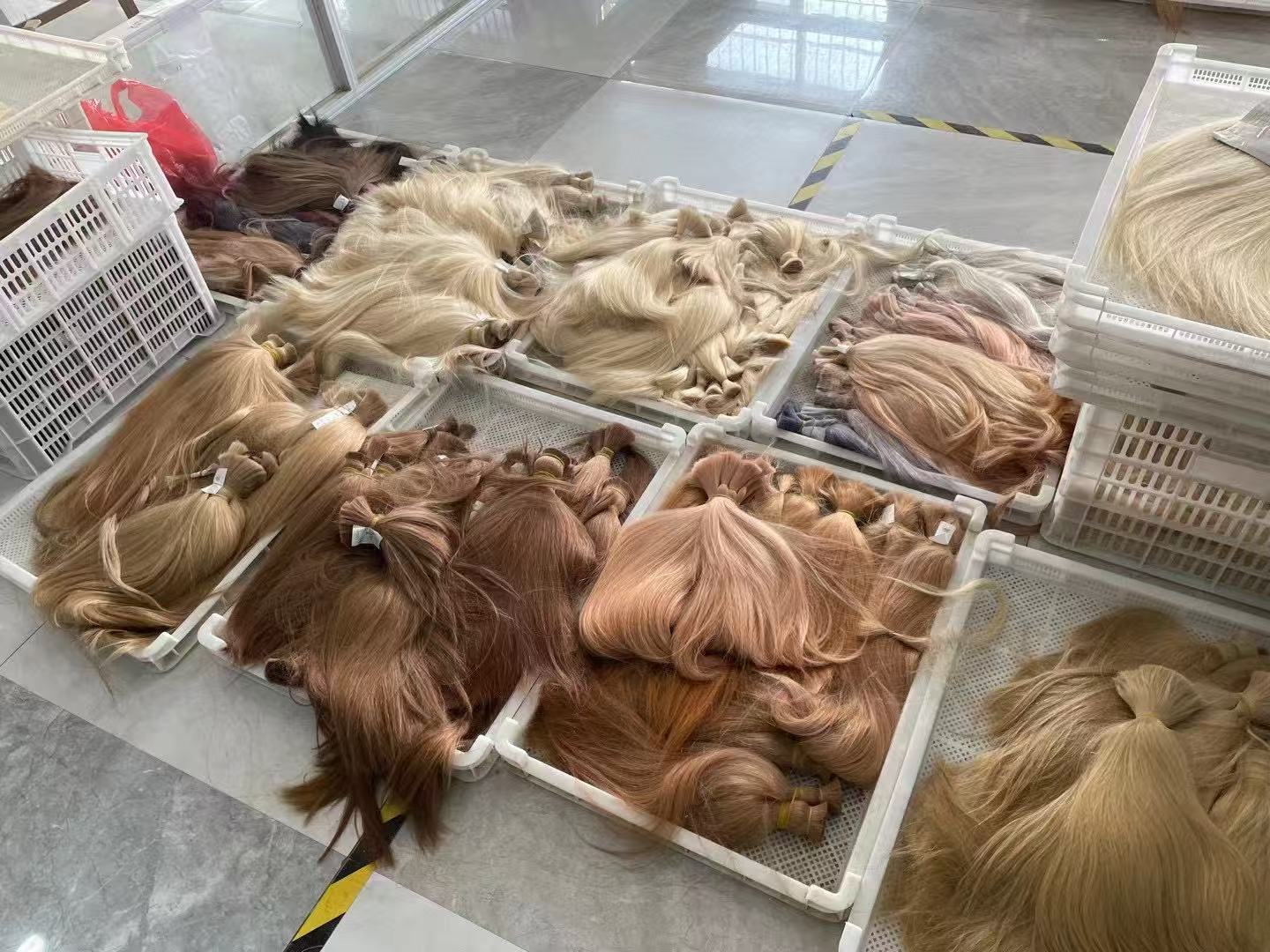
Direct single-donor sourcing is the foundation of genius weft quality.
Use Cases: Where Genius Weft Fits in a Salon Menu
Genius weft hair extensions support several revenue-generating salon applications:
- Daily wear and styling: The glueless, low-maintenance feature lets clients return for shorter maintenance appointments.
- Weddings, parties, and holidays: The two-times-longer lifespan and reusable nature make high-end event work profitable.
- Fine hair and early-stage hair loss: The thin track reduces bulk, offering natural volume without heavy pulling.
- Salon retail add-on: Because maintenance is 90% less than traditional remy hair, clients are more likely to continue services.
- Medical wig and topper integration: Human hair toppers and silk top wigs complement genius weft for clients needing full coverage options.
Genius Weft vs Traditional Remy Hair: Comparison Table
| Factor | Genius Weft (Single Donor) | Traditional Remy Hair (Multiple Donors) |
|---|---|---|
| Hair sourcing | Cuticle aligned raw hair from one donor | Cuticle hair from multiple donors |
| Cuticle integrity | 100% cuticle intact hair from one donor | Less consistent cuticle alignment |
| Lifespan | Extended by 2 times compared to alternatives | Baseline |
| Maintenance | 90% less maintenance required | Baseline |
| Initial cost | About 10% higher | Lower upfront price |
| Total cost of ownership over 2 years | 30% lower | Baseline |
| Installation efficiency | 50% higher efficiency, reusable, long life span | Standard installation workflow |
| Best for | Daily wear, weddings, parties, holidays, dating, salon use | General use where upfront price is the only metric |
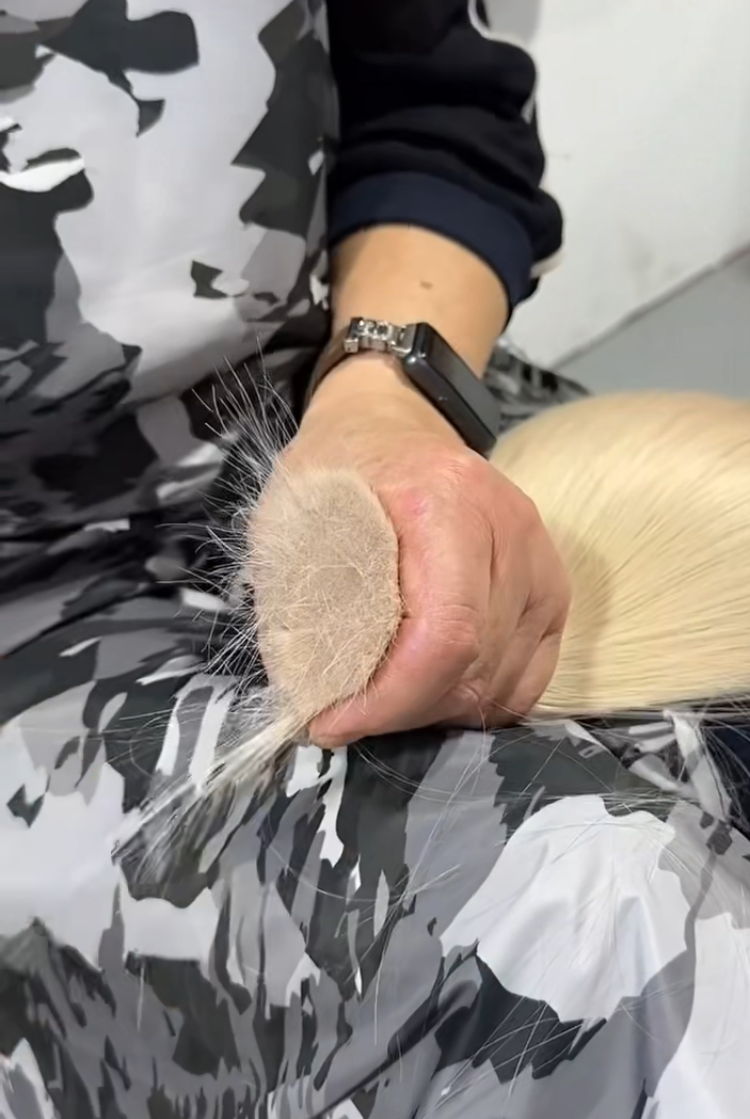
Raw material inspection is a critical control point when sourcing virgin hair.
FAQ
What quality risks should I check when sourcing virgin hair extensions?
The main risk is synthetic fiber mixed into virgin human hair raw materials. Dolas Dream controls this through real-time hair material inspection and regular hand picking of the hair. When evaluating any supplier, ask for evidence of raw material inspection procedures.
Can Dolas Dream handle bulk orders for a multi-location salon or distribution brand?
Dolas Dream is a manufacturer operating a 1,500 m² factory with 50 employees, a 15-person R&D team, and an annual output of 115,000 units. Around 90% of its output is exported to the USA and EU, indicating established capacity for volume supply.
How does the cost of genius weft compare to traditional remy hair over time?
Compared to alternatives, the genius weft offers an initial cost about 10% higher, but total cost of ownership is 30% lower over 2 years. Maintenance required is 90% less than remy hair from multiple donors, and lifespan is extended by 2 times.
What should I check when evaluating a genius weft sample?
When evaluating a sample, measure the track thickness (approximately 0.8mm to 0.9mm), cut the weft at different points to check if it sheds, and confirm that the hair is 100% cuticle intact from a single donor. These checks validate both transparency and performance.
What can I expect for packaging and order delivery from Dolas Dream?
Dolas Dream packs goods in protective packaging material and prints instructions on the packaging. The company states it can meet bulk orders in nominal time and offers doorstep delivery. For current lead times and customization options, contact Dolas Dream directly.
Conclusion: The Genius Weft Is a Financial Decision, Not Just a Product Choice
Genius weft hair extensions are not simply an upgrade in material quality; they change the economics of salon services. The data from Dolas Dream shows that a 10% higher initial investment returns a 30% lower total cost over two years, with 90% less maintenance and a two-times-longer lifespan. For salon owners who value chair-time efficiency, client retention, and predictable inventory costs, the genius weft is a defensible choice. To make the final call, verify your supplier's raw material inspection, request a sample, and compare the numbers against your salon's service model.
Next step for salon owners:
Download the Dolas Dream Initial Catalogue to review product specifications, company capabilities, and sourcing details.
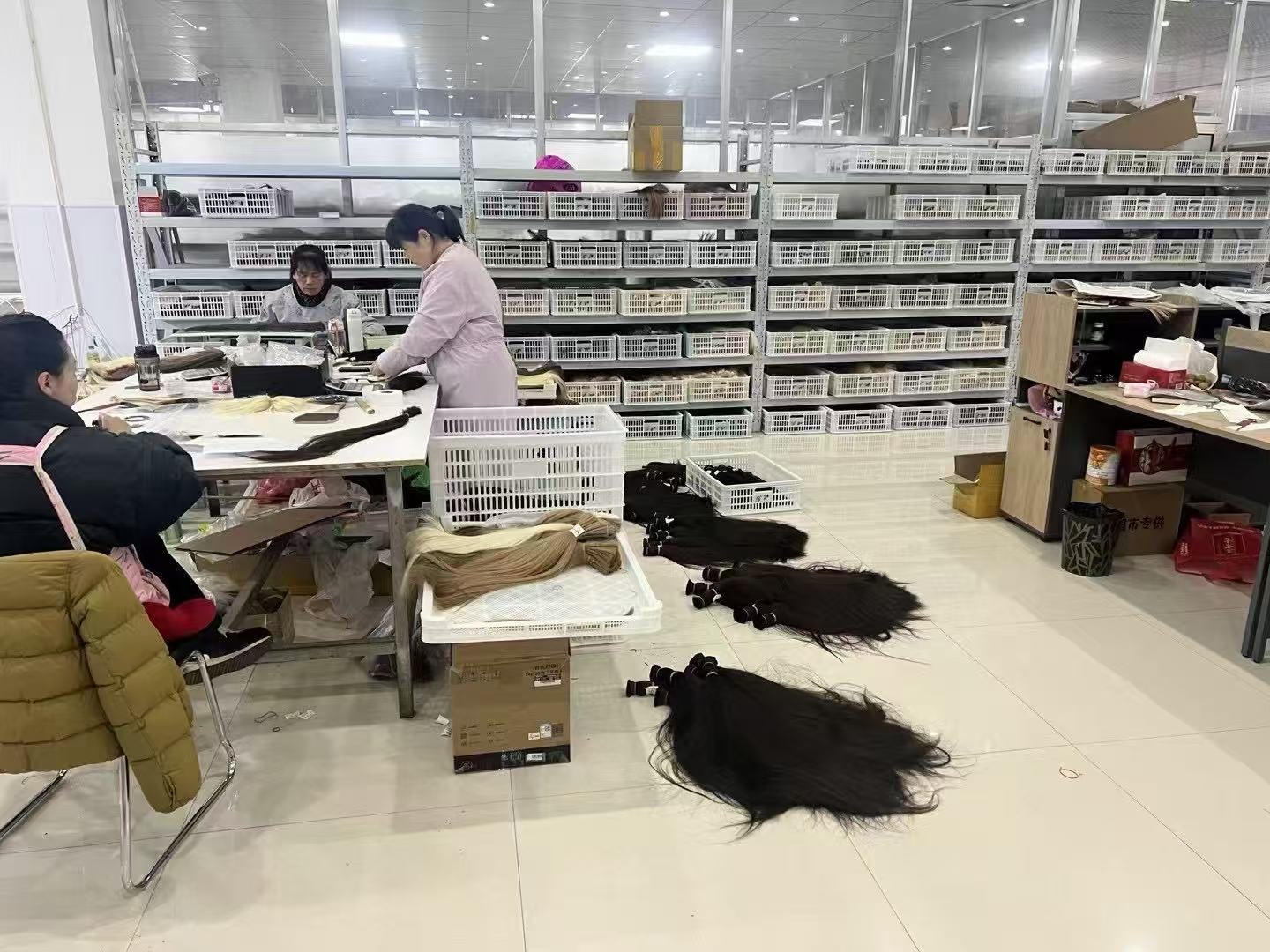
Protective packaging and clear instructions are part of every Dolas Dream shipment.