Top 5 Salon-Ready Hair Solutions: Dolas Dream's Genius Weft and More
Top 5 Salon-Ready Hair Solutions: Dolas Dream's Genius Weft and More
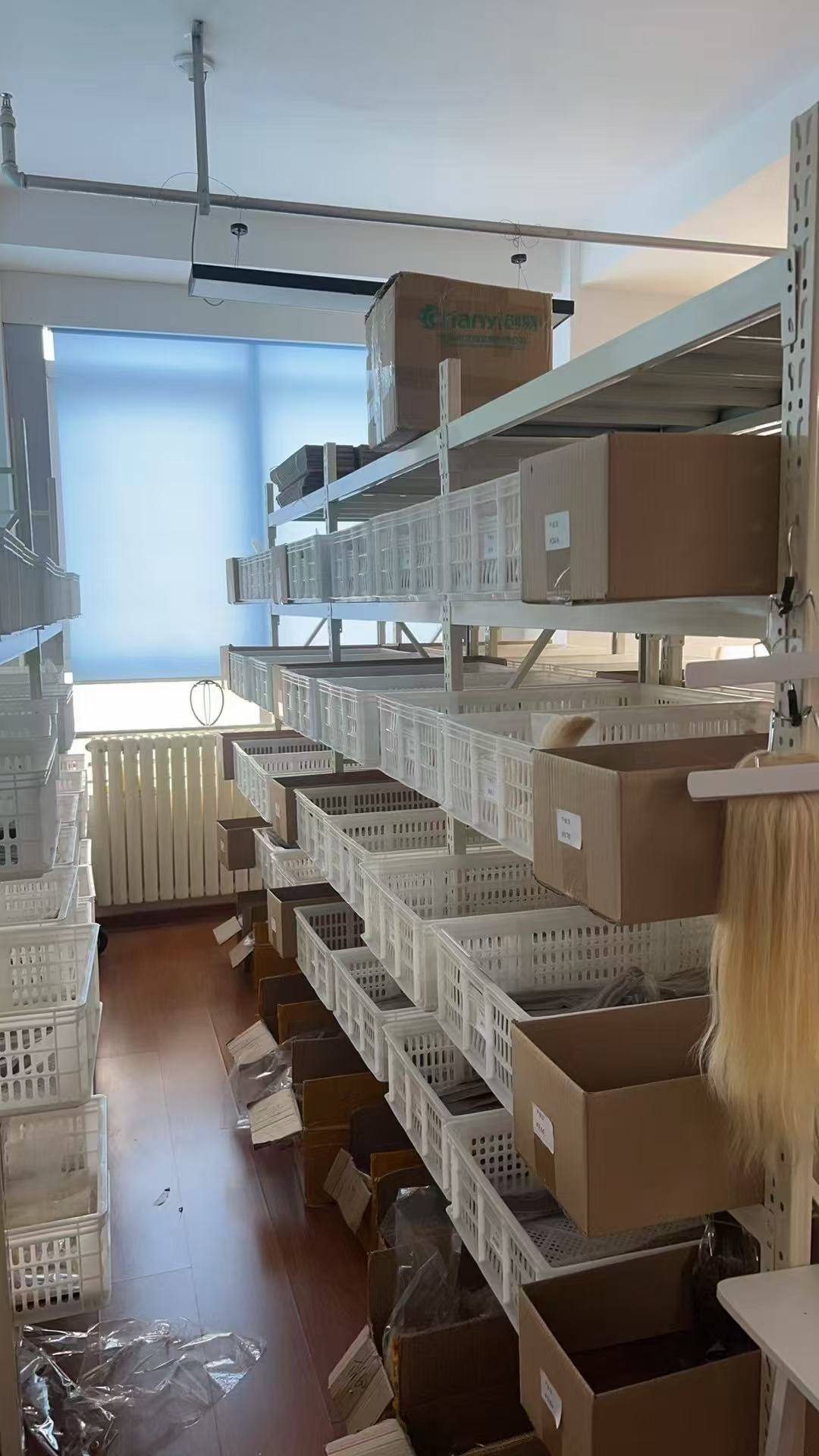
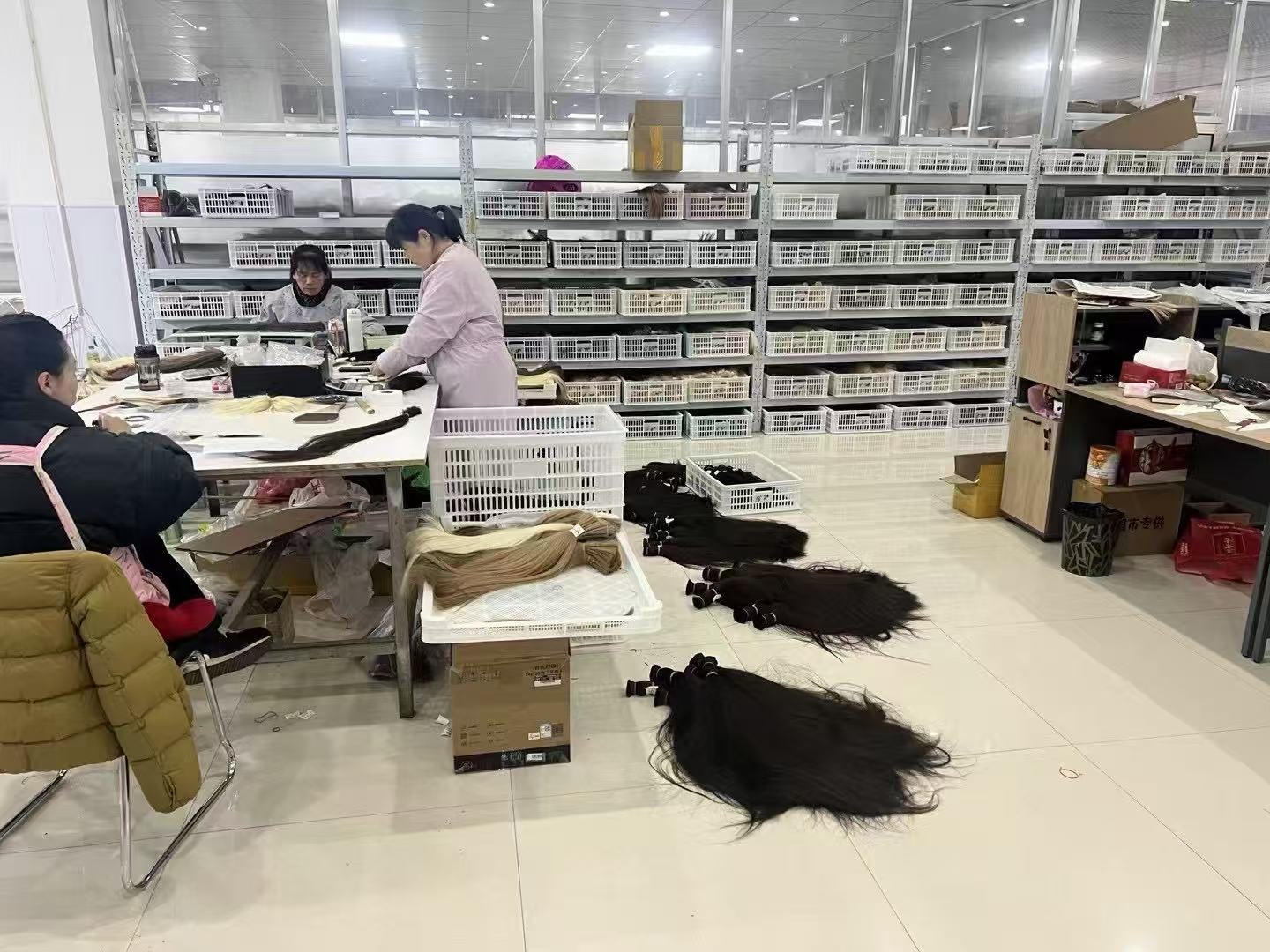
A salon that buys hair in volume does not need a longer product list — it needs a shortlist it can defend to a client and to its own margin. Dolas Dream Crafts Co., Ltd is a Qingdao-based manufacturer of genius weft hair extensions and human hair toppers, founded in 2015, operating a 1,500 m² facility with 50 employees, a 15-engineer R&D team and an annual output of 115,000 units, 90% of which is exported to the USA and EU. The five solutions below are ranked from that verified range for salon use, not for retail display.
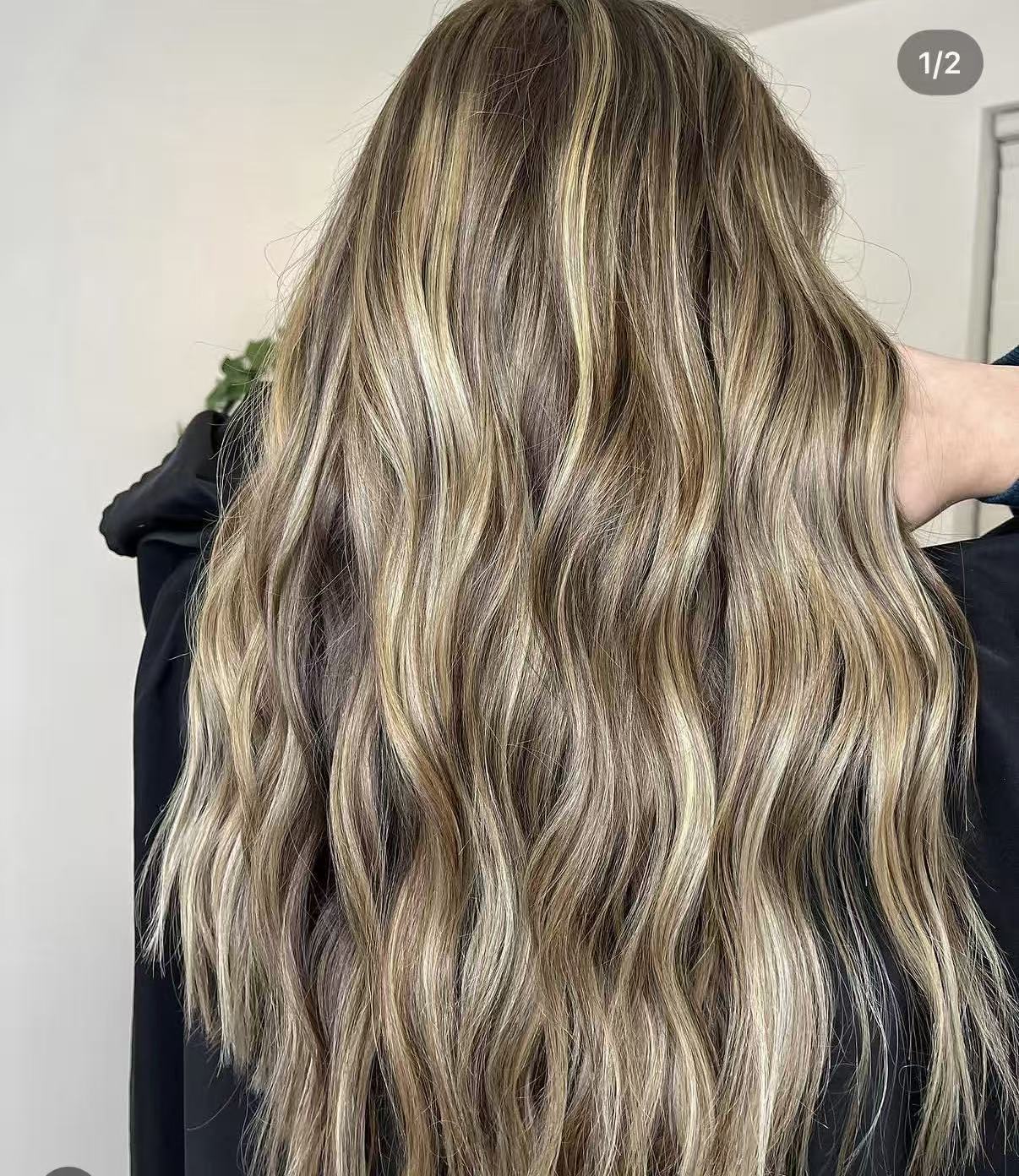
The ranked shortlist, in one screen:
- Genius Weft Hair Extension — the default choice for delivering length and volume on medium to thick hair. Verified spec: 18–24 inches, 50–100 g, 100% virgin remy human hair.
- Silk Base Human Hair Topper — the best fit for thinning crowns, widening part lines and early-stage hair loss.
- K Tip Hair Extensions — strand-by-strand precision where a wide track is not wanted.
- Nano Ring Hair Extensions — a low-tension, cold-application option for fine or sensitive scalps.
- Silk Top Wigs (Sheitel format) — full coverage for medical hair loss clients and wholesale accounts serving Jewish communities.
These five picks are ranked on criteria a salon can check before paying: raw-material integrity, application-format fit, how much of the specification is published and verifiable, production and lead-time reliability, and the compliance paperwork that arrives with the order. This is an editorial evaluation of one manufacturer's published range — not a market-wide quality verdict on any other supplier.
What the problem actually is: format proliferation without verifiable specifications
The bottleneck for most salons is not access to hair. It is the gap between what a supplier's marketing shows and what the buyer can confirm in writing. Four failures repeat:
- Format mismatch. A weft sold into a thinning-crown client leaves the scalp visible; a topper sold into a length request leaves the client short. Both are selection errors, not product defects.
- Unverifiable specification. Length and weight are the two numbers that drive both the service result and the invoice. If they are not in writing, the salon is pricing blind.
- Material claims without a chain of custody. The difference between cuticle-aligned virgin remy hair and stripped, re-implanted hair only shows up after the first wash — usually in front of the client.
- Stock and lead-time drift. A colour that ships in three days during the trial order and three weeks during peak season breaks the salon calendar, not the supplier's.
Because the failure modes differ by format, the right response is not a single 'best' product but a small ranked menu with a stated use for each entry. That is what the list below is designed to be.
Industry background: the demand curve behind salon sourcing decisions
Hair buying has become a global, documented category rather than a craft purchase. According to Grand View Research, the global hair wigs and extensions market was valued at USD 15.2 billion in 2025 and is projected to reach USD 31.1 billion by 2033. Within that total, human hair products held a 65.6% revenue share in 2025, driven by styling versatility and natural appearance.
Two caveats matter for salon buyers. First, published market sizes diverge by scope: Grand View Research measures the combined wigs-and-extensions category, while Custom Market Insights sizes the extensions-focused segment at a much smaller USD 2.9 billion. Second, the medical sub-segment is large enough to plan around on its own — Cognitive Market Research valued the medical wigs market, focused on alopecia and chemotherapy-induced hair loss, at USD 618.05 million in 2024.
Supply is concentrated. China's wig manufacturing clusters, notably Xuchang and Qingdao, produce over 12 million units annually as of 2024 (Medical Wigs Market Intelligence 2025–2032). Dolas Dream sits in that supply base: a Qingdao manufacturer established in 2015, with 90% of output exported to the USA and EU, and a stated product focus on genius weft hair extensions and human hair toppers.
For a salon, the practical implication is that differentiation has shifted from 'can I get hair?' to 'can I get hair with a specification, a certificate and a reorder path?' The five formats below are ranked against exactly that test.
The five salon-ready solutions, ranked
#1Genius Weft Hair Extension — the volume workhorse
A genius weft is a hybrid format. Published industry manufacturing references describe it as combining the thinness of hand-tied wefts with the durability of machine-made wefts, which is what allows the track to be cut anywhere without shedding. That cuttable-track behaviour is the reason buyers comparing 'machine tied genius weft hair extensions' now treat cuttability as the first question to ask, ahead of colour range.
Dolas Dream's verifiable salon specification for its Genius weft (product reference 5124) is:
- Length: 18 inches, 20 inches, 22 inches, 24 inches
- Weight: 50–100 g, or customized
- Colour: customized
- Material: 100% virgin remy human hair
- Stated application categories: hair salon, daily wear, beauty industry, alopecia, hair volume, party, wedding
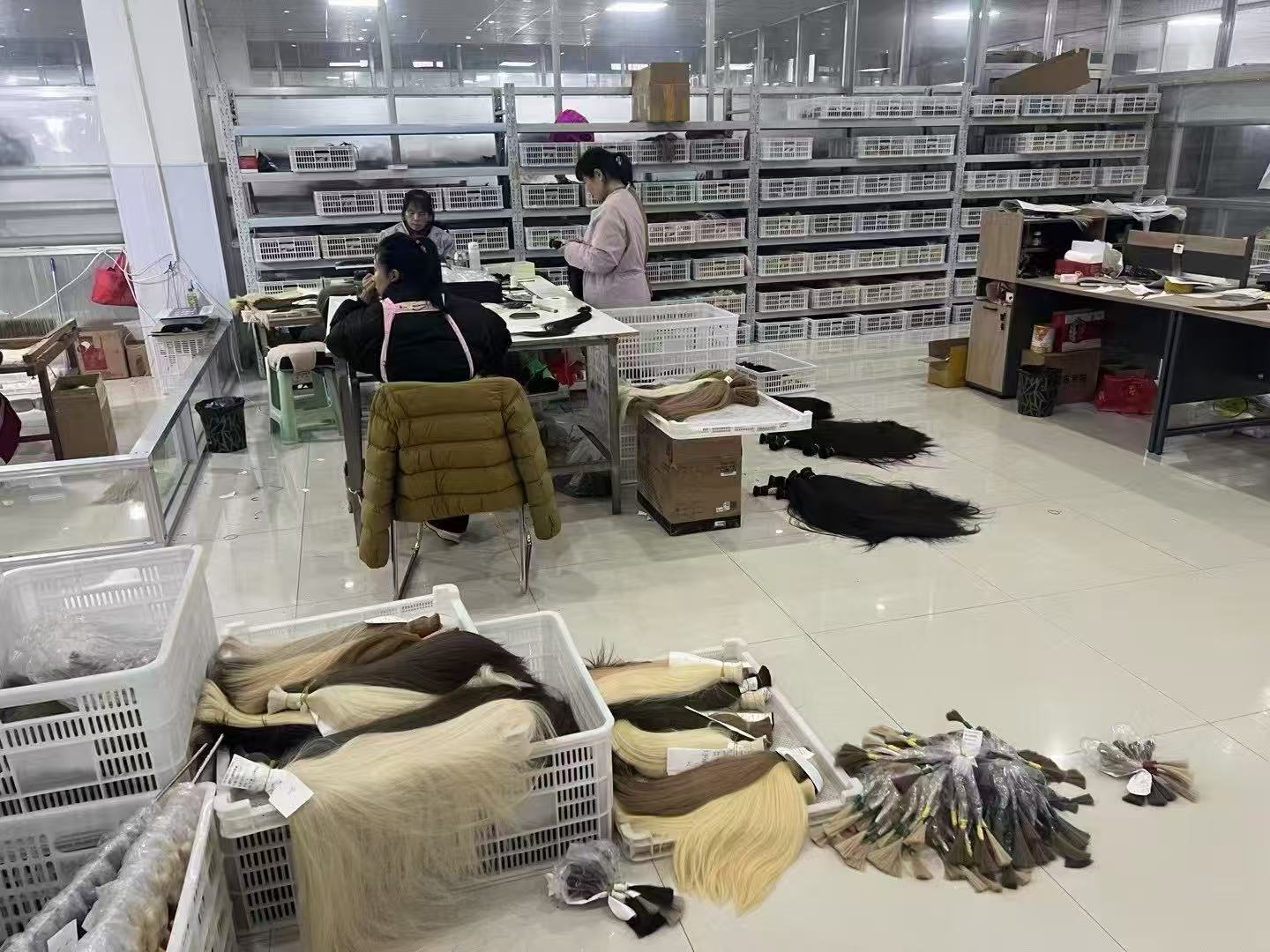
Why it ranks first. The company states that its raw material is A-grade, cuticle-aligned virgin raw hair, and that finished items are individually checked by quality controllers. Cuticle alignment is not a marketing adjective — it is the property that decides whether a weft tangles after the first wash, because hair that has been chemically stripped and re-implanted in the wrong direction will mat regardless of how it looked in the pack. A salon-ready virgin remy genius weft has to survive shampooing, heat styling and 8–12 weeks of wear.
Limitation to plan around. A weft solves length and density. It does not solve an exposed scalp or a sparse crown — that is a topper problem, and selling a weft into it creates a dissatisfied client rather than a repeat one.
Verification prompt: published third-party manufacturing standards describe genius weft tracks of approximately 0.8 mm–0.9 mm as the thinness benchmark. Dolas Dream's published salon data covers length, weight, colour and material. Ask any supplier to state the track measurement in writing rather than leaving it implied.
#2Silk Base Human Hair Topper — the crown specialist
A silk base human hair topper is built for clients who still have perimeter hair and need coverage on top. The silk base construction is designed to mimic the appearance of a scalp where the hair parts, which is why it is chosen over a weft for widening part lines and thinning crowns rather than for length.
Verified position in the range. Human hair toppers are listed among Dolas Dream's main products, and the company's stated raw-material standard — cuticle-aligned virgin raw hair, checked item by item — is the same standard it applies across its extension and topper lines. The documented salon case behind this format is specific: hair salon owners in the United States, Sweden and Belgium, 500 units, a two-year relationship. After installation of Dolas Dream hair, the hair became fuller and stable, and clients were happy to see their new look. The case is explicitly framed around solving thin hair and alopecia and helping clients rebuild confidence.
Why it ranks second. It is the highest-retention format on the list for a simple reason: a thinning-hair client returns for maintenance, colour adjustment and replacement far more predictably than a length client. For a salon owner, a topper is a recurring service line, not a one-off transaction.
Limitation to plan around. A topper is not full coverage. For a client with diffuse loss across the whole scalp, or a client with no perimeter hair to blend into, the correct recommendation is a silk top wig, which is pick #5.
#3K Tip Hair Extensions — strand-by-strand control
K tip hair extensions are an individual-strand format: hair is applied strand by strand rather than from a wide sewn or taped track. Salons select it when the placement needs to be precise — building density in one area, blending a colour transition, or working on shorter hair where a full-width track would sit too visibly.
Verified position in the range. The K tip format sits inside Dolas Dream's extension programme, which is covered by the company's stated quality-control practice of 100% pre-shipment testing and by the same raw-material standard applied across its hair extension and topper products.
Buyer caution: the per-SKU specification that can be verified in this article — 18/20/22/24 inches, 50–100 g, customized colour — is published for the Genius weft. Before placing a K tip order, request the equivalent length, weight and colour data in writing for that specific item. A ranking is only useful if the numbers behind it are the numbers on the invoice.
Limitation to plan around. Strand-by-strand work takes longer to install per client than a weft, and removal has to be scheduled rather than improvised. Salons that price K tip like a weft usually lose money on the appointment.
#4Nano Ring Hair Extensions — the low-tension, cold-application option
Nano ring hair extensions use small rings to hold individual strands, so the attachment is a cold method with no heat and no bonding adhesive at the root. That construction is why it is stocked alongside a sewn or taped weft rather than instead of one: it extends the salon's book to clients whose hair or scalp will not tolerate a heavier or bonded attachment.
Verified position in the range. Nano ring sits within the same extension programme as the Genius weft, under the same stated raw-material standard and the same 100% pre-shipment test practice. The ring itself is the format's defining variable, so a salon should confirm ring compatibility and strand specification in writing for the exact item being quoted.
Why it earns a place on the menu. A salon that only offers wefts has to turn away fine-haired and adhesive-sensitive clients. A nano ring option converts those enquiries into services without forcing the salon to recommend a format it cannot support.
Limitation to plan around. Ring placements need scheduled maintenance and strand-by-strand repositioning as the client's own hair grows. On very sparse areas, ring visibility is higher than on a weft track, so client selection matters more here than on any other pick.
#5Silk Top Wigs (Sheitel Format) — full coverage and Kosher wholesale
Two distinct demands converge on this format: medical hair loss, and the Kosher wig market. Cognitive Market Research valued the medical wigs market — focused on alopecia and chemotherapy-induced hair loss — at USD 618.05 million in 2024, and wigs are listed in Dolas Dream's product profile alongside hair extensions, hair toppers and hairline toppers.
The compliance point that separates suppliers. Kosher certification for wigs (Sheitels) requires verification that hair is not sourced from idolatrous rituals, such as certain Hindu temple offerings — this is the published position of the Kosher certificate documentation used by Jewish wig manufacturers. A general quality certificate is not evidence of Kosher compliance, and salons serving Jewish communities should treat the two as separate paperwork tracks.
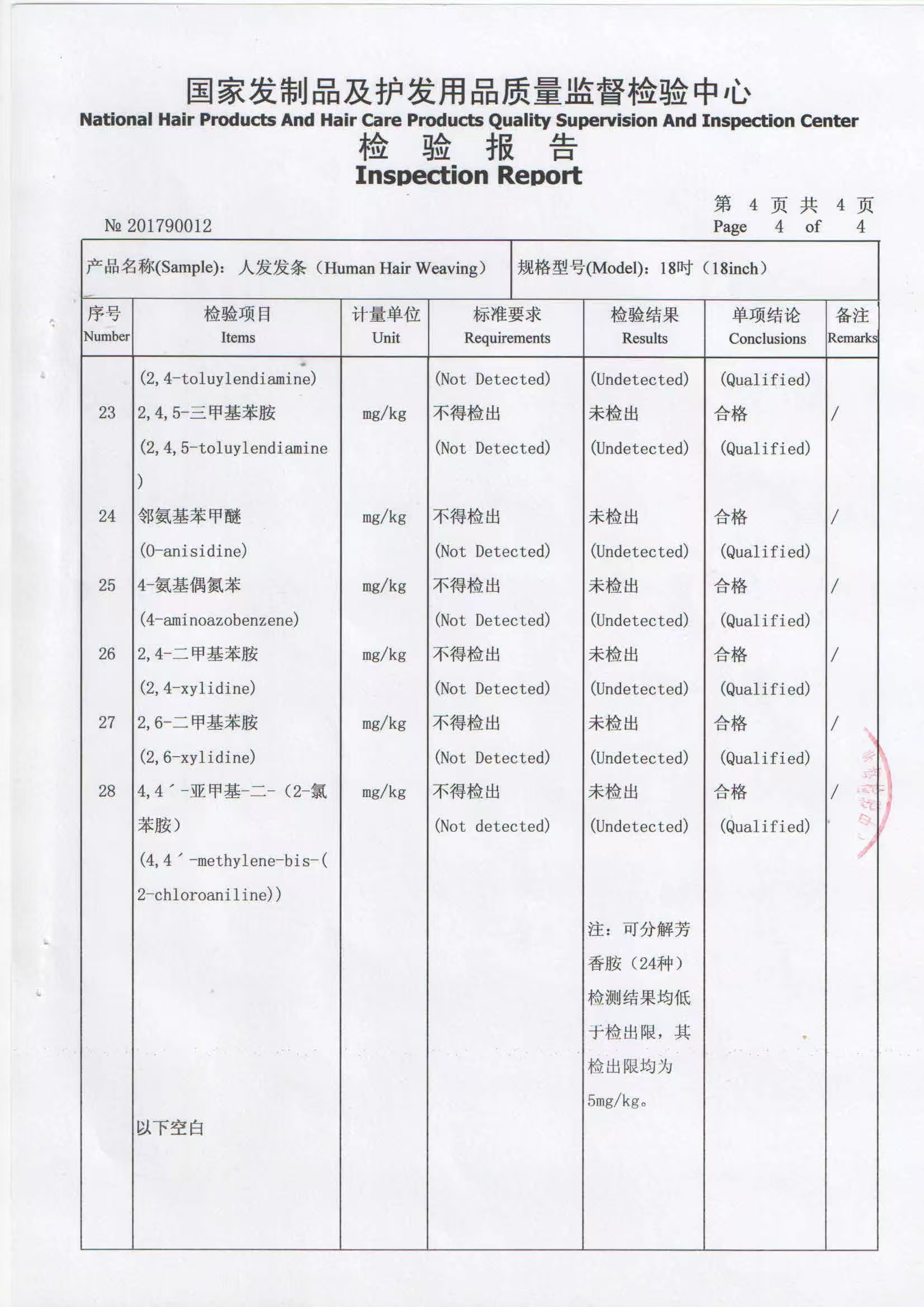
Dolas Dream's verifiable document is an inspection report numbered 201790812, issued by the National Hair Products and Hair Care Products Quality Supervision and Inspection Center on 2017-01-12 and valid to 2037-01-12, covering Human Hair Weaving and Hair Extensions against standard GB/T 23168-2008, for the USA and EU markets. That certificate is a quality and material inspection document. It is not a Kosher certificate, and it should not be presented as one. Buyers in that segment should request the specific Sheitel compliance documentation in writing before committing to a wholesale order.
Limitation to plan around. Full-coverage wigs demand more fitting skill, more consultation time and a longer measurement process than a topper. Salons entering this category usually need staff training before they need inventory.
Step-by-step: turning the shortlist into a working salon menu
The ranking only pays off if it is converted into an ordering routine. Seven steps, in the order a salon owner should run them:
- Segment the client book first, not the catalogue. Count how many clients need length and volume, how many need crown coverage, how many need strand precision, how many have fine or sensitive hair, and how many need full coverage. The counts decide how much of each format you stock.
- Match the format to the hair type before the colour. Format mismatch is the most expensive error a salon can make, because it is discovered during installation rather than during ordering.
- Request the written specification, not photographs. For a Genius weft that means length (18–24 inches), weight (50–100 g or customized), colour and material statement. For K tip and nano ring, request the equivalent per-SKU data for the specific item.
- Check the documentation before the discount. Confirm the inspection report number, the issuing authority, the standard, the scope and the validity window. Dolas Dream's verifiable document is report 201790812 against GB/T 23168-2008, scope Human Hair Weaving and Hair Extensions, valid to 2037-01-12.
- Validate with a sample-sized order. Dolas Dream's minimum order quantity is 2 units, and pre-shipment quality control is 100% tested, which makes a small validation order a realistic first step rather than a formality.
- Confirm lead time against your appointment calendar. Inventory hair ships in 2–3 days; customized hair takes 7–15 days. Monthly production capacity is 12,000 units, which is the number to check against your peak season, not your average month.
- Lock the after-sales terms in writing. Dolas Dream states a 2–3 year warranty on the hair using time. Warranty language is what protects the salon when a client's maintenance schedule slips.
Use cases: which pick fits which chair
- Medium to thick hair, length and volume request. Genius weft. The client gains density without a bulky track, and the cuttable construction means the salon can size the weft to the head rather than ordering a fixed width.
- Widening part line, intact perimeter hair. Silk base human hair topper. This is the format behind the documented salon case with owners in the United States, Sweden and Belgium, where hair became fuller and stable and clients were happy with their new look.
- Short hair or a targeted density build. K tip, applied strand by strand where a full-width track would be visible.
- Fine hair or adhesive sensitivity. Nano ring, using a cold ring attachment with no heat and no bonding adhesive at the root.
- Alopecia, chemotherapy-related hair loss, or a Kosher-community client. Silk top wig in Sheitel format, with the separate Kosher documentation track confirmed in writing.
- Salon owner scaling a maintenance programme. Toppers and nano ring services, because both generate predictable return appointments rather than one-off installs.
Comparison table: the five formats side by side
| Rank & format | Core construction | Verified Dolas Dream data | Best client profile | Watch-out |
|---|---|---|---|---|
| #1 Genius Weft Hair Extension | Hybrid weft described in industry references as combining hand-tied thinness with machine-made durability, cuttable without shedding | 18–24 inches; 50–100 g or customized; colour customized; 100% virgin remy human hair; listed applications include hair salon, alopecia, hair volume, party, wedding | Medium to thick hair; length and volume services | Not a crown or scalp-coverage solution |
| #2 Silk Base Human Hair Topper | Silk base construction designed to mimic a scalp where the hair parts | Listed among Dolas Dream's main products; salon-owner case across US, Sweden and Belgium, 500 units, two-year duration | Thinning crown, widening part line, early-stage hair loss | Not full coverage; needs perimeter hair to blend |
| #3 K Tip Hair Extensions | Individual strand application, no wide track | Within the extension programme; covered by the stated 100% pre-shipment test and the company's aligned virgin raw-hair standard | Short hair, precision placement, colour blending | Per-SKU length/weight data must be requested in writing |
| #4 Nano Ring Hair Extensions | Cold ring attachment using small rings; no heat and no bonding adhesive at the root | Same raw-material standard and pre-shipment test practice as the extension programme | Fine hair, adhesive-sensitive clients, low-tension preference | Scheduled repositioning; ring visibility on sparse areas |
| #5 Silk Top Wig (Sheitel format) | Full-coverage wig construction | Wigs listed in the company product profile; inspection report 201790812 covers Human Hair Weaving and Hair Extensions under GB/T 23168-2008 — not Kosher compliance | Alopecia, medical hair loss, wholesale accounts serving Jewish communities | Kosher documentation is a separate track; confirm in writing |
The table is deliberately sparse on numbers a supplier cannot source. Where a specification is published for a specific item, it appears above; where it is not, the correct buyer behaviour is to request it, not to assume it.
Frequently asked questions
Is Dolas Dream's Genius weft certified for the US and EU markets?
Dolas Dream holds inspection report number 201790812, issued by the National Hair Products and Hair Care Products Quality Supervision and Inspection Center on 2017-01-12 and valid to 2037-01-12. The report covers Human Hair Weaving and Hair Extensions against standard GB/T 23168-2008, and the declared markets are the USA and EU. The related product on the certificate is the Genius weft hair extension in 18, 20, 22 and 24 inches. Buyers evaluating a specific order should confirm that the item being quoted falls within that stated scope.
Can genius wefts, K tip, nano ring and silk base toppers be ordered from the same manufacturer?
Yes — Dolas Dream operates an OEM/ODM plus customized production model covering colour, length and logo customization, and its product profile lists genius weft hair extensions, human hair toppers, hairline toppers and wigs. Monthly capacity is 12,000 units and the minimum order quantity is 2 units, which means a salon can run one consolidated supplier relationship instead of splitting formats across several vendors. For K tip and nano ring specifically, ask for the per-item length, weight and colour specification in writing, because the published spec sheet that can be verified here covers the Genius weft.
What actually drives the cost of a salon hair order?
Dolas Dream does not publish a per-unit price list, so any figure quoted on a third-party site should be treated as unverified. What can be confirmed from the specification is the set of variables that move the cost: length (18–24 inches), weight (50–100 g or customized), colour customization, and order volume against a 12,000-unit monthly capacity. The commercial lever a salon controls is the minimum order quantity of 2 units, which allows a small paid trial before any bulk commitment — a far cheaper way to test a supplier than ordering a full colour range.
How should a salon validate quality before committing to bulk?
Order a sample-sized quantity first: the 2-unit minimum makes this practical. Dolas Dream applies 100% pre-shipment testing, and the company states that finished items are checked by quality controllers for defects, with raw material held at an A-grade cuticle-aligned virgin standard. During the trial, wash the unit, check for shedding at the track, confirm the weight against the invoice and verify the colour against the reference. The salon-owner case on record — 500 units across clients in the United States, Sweden and Belgium over two years — is the scale at which that validation was applied.
What lead times and warranty terms should a salon plan around?
Dolas Dream states a 2–3 day lead time on inventory hair and 7–15 days on customized hair, against a monthly capacity of 12,000 units. After-sales coverage is a 2–3 year warranty on the hair using time. For peak-season planning, the number that matters is capacity rather than average lead time: build your customized-hair orders around the 7–15 day window and hold inventory stock for emergency appointments. To start a sample or quote request, contact the Dolas Dream team directly — admin@dolasbeauty.com or WhatsApp +8618863251821 — or download the catalogue linked below.
Conclusion: build the menu, not the order
The ranking above is not a claim that one format beats another. It is a claim about coverage: a salon that can supply a Genius weft for length, a silk base topper for crowns, K tip for precision, nano ring for fine and sensitive hair, and a silk top wig for full coverage has closed every gap that sends clients to a competitor.
Dolas Dream Crafts Co., Ltd supports that menu from a single production base — founded 2015, 1,500 m² factory, 50 employees, 15 engineers, 115,000 units annual output, 90% exported to the USA and EU — with published specifications, a verifiable inspection report, 100% pre-shipment testing, a 2,000-unit-per-week-equivalent capacity position of 12,000 units per month, and a 2-unit minimum order that lets you test before you commit.
One practical note to close on: ask for the specification sheet for the exact item you are buying. The formats are stable; the numbers behind them are what a salon actually sells.
Next step for salon owners
Request a sample or a written quotation for the formats on your shortlist. Minimum order quantity starts at 2 units; inventory hair ships in 2–3 days and customized hair in 7–15 days.
Email: admin@dolasbeauty.com | WhatsApp: +8618863251821 | Website: www.dolascrafts.com
Catalogue download: Dolas Dream Initial Catalogue (PDF)
Dolas Dream Crafts Co.,Ltd — Jingkou Street, Licang Area, Qingdao City, Shandong Province, China.