Engineered Wood Flooring Compliance by Region: CARB/EPA, CE, F4 Star and FSC Explained
A document-level guide for importers preparing tender, customs and due-diligence files across North America, the EU and Japan.
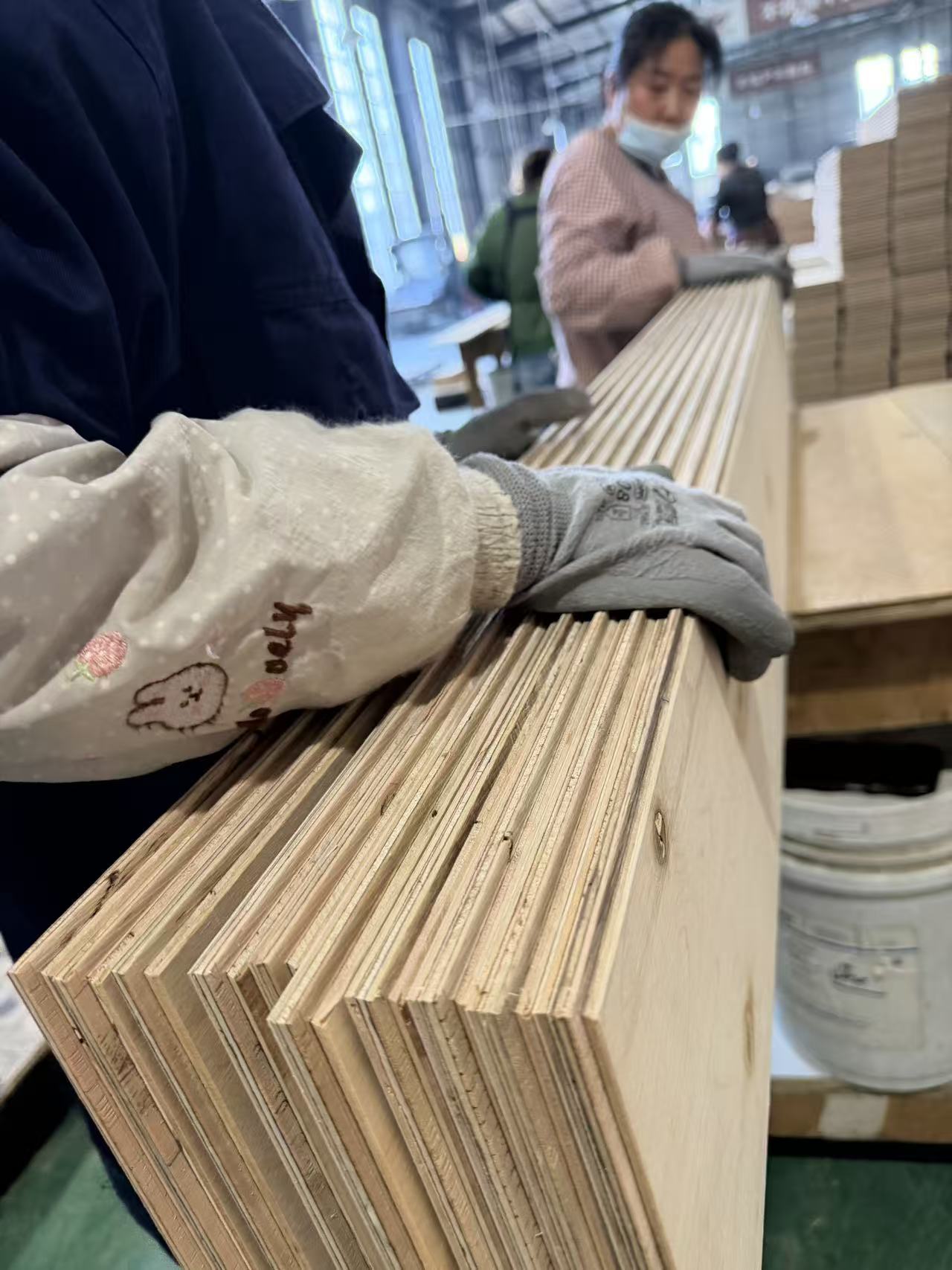
Engineered wood flooring crosses borders as a regulated wood product, not as a decorative commodity. A container can leave a factory with perfect milling and a flawless finish and still be held at port because one certificate number does not match the destination market’s rule set. For buyers operating at the decision and execution stage, the practical question is not whether a manufacturer “has certificates” — it is which certificate applies to which market, who issued it, and whether that document can be verified before the shipment sails.
This guide maps four compliance regimes that matter most in engineered wood flooring trade — CARB/EPA and TSCA Title VI for North America, CE marking under EN 14342 for the European Union, F4 star under the Japanese Agricultural Standard for Japan, and FSC chain of custody for EU wood-sourcing requirements — and shows how each is documented by Suzhou Dongda Wood Co., Ltd. (Dongda Wood), an engineered wood flooring and plywood manufacturer founded in 1995, with a named certificate number and issuing body.
Problem Definition: A Compliance Mismatch Is a Delayed Container
Most sourcing failures in engineered wood flooring are not quality failures. They are documentation failures. Three patterns repeat:
- Wrong regime. A buyer orders to a European specification, then discovers the destination project specifies the US formaldehyde rule set. The flooring is fine; the paperwork is not applicable.
- Unverifiable claims. A supplier states “our flooring is CARB compliant” without a certificate number, an issuing body or a certified product model. Customs and tender reviewers cannot check a claim, only a document.
- Scope confusion. A formaldehyde emission certificate and a chain-of-custody certificate are treated as interchangeable. They are not. One governs emissions, the other governs where the wood came from.
The result is predictable: held shipments, re-testing costs, tender disqualification, or a distributor forced to explain a compliance gap to their own customer. Each of these is avoidable when the certificate set is mapped to the market before the purchase order is signed.
Industry Background: Why Compliance Became Regional, Not Global
Engineered wood flooring is now the volume product in most wood flooring markets. It accounted for 55% of the total wood flooring market in 2024, favoured over solid wood for dimensional stability, and the global wood flooring market was valued at USD 53.14 billion in 2024, projected to reach USD 71.57 billion by 2029. Oak-based products alone represent approximately 46% of global engineered wood flooring demand.
That scale is exactly why regulators treat the category separately. Composite wood products that use adhesives are regulated for formaldehyde emission in North America and Japan, and regulated for both reaction to fire and formaldehyde release under CE marking in the European Union. In parallel, EU timber sourcing rules push buyers to ask for evidence of legal and responsible wood origin, which is normally answered with a chain-of-custody certificate rather than an emission certificate.
Supply is concentrated. China’s exports of wood products reached USD 17.5 billion in 2024, with the USA, Japan and the UK among the major destinations — the same three markets where the distinct compliance regimes described in this article apply. For an importer, that means the compliance question is not theoretical; it sits directly on the trade lane they already use.
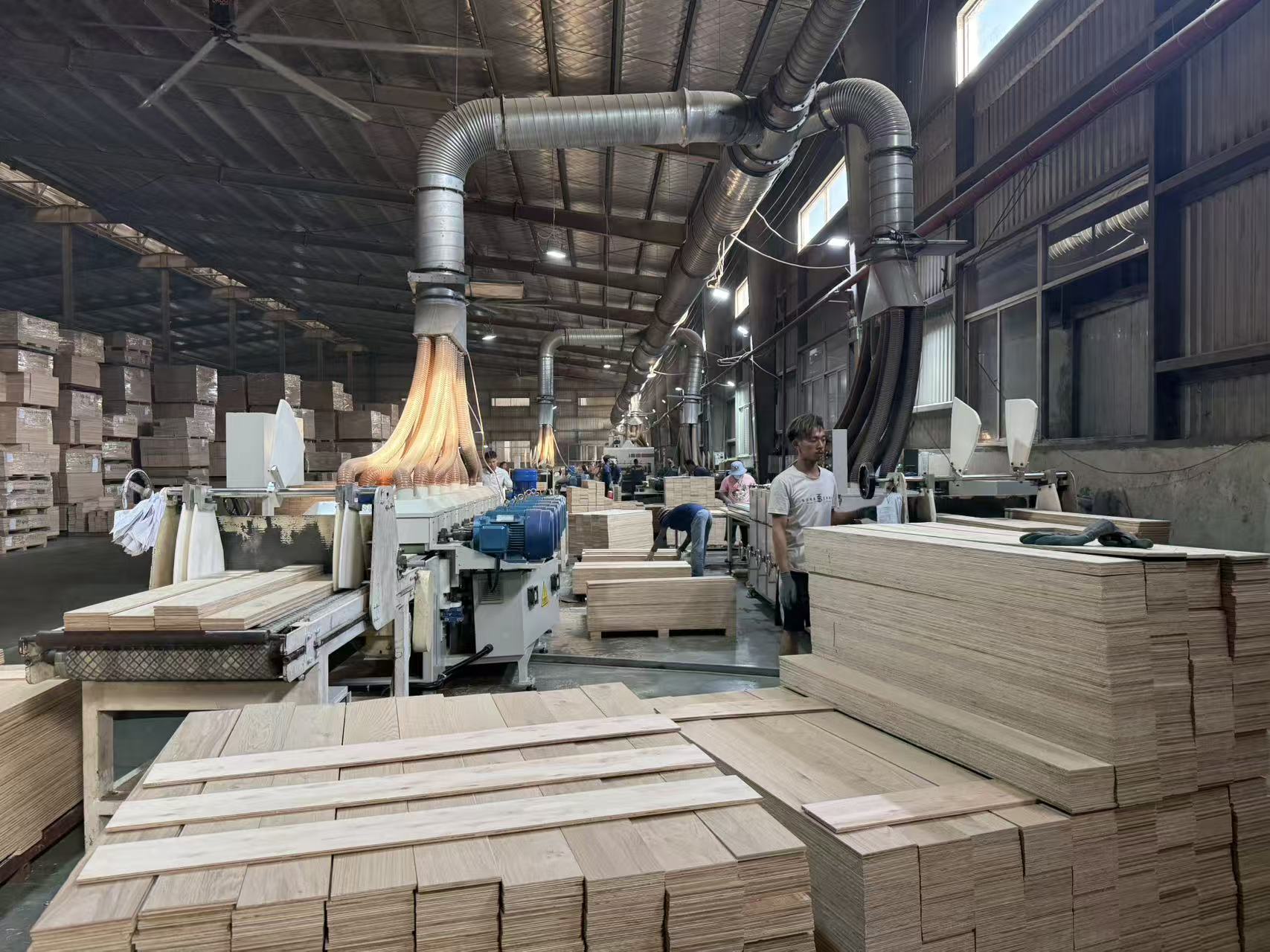
Detailed Solution: The Four Compliance Regimes, Mapped
Dongda Wood maintains four distinct certificate sets covering the markets it ships to. Each is issued by a different body, covers a different subject, and answers a different question on a customs or tender form.
1. North America — CARB / EPA / TSCA Title VI
For engineered wood flooring entering the United States, the governing standard framework is ANSI/HPVA EF 2020, which incorporates formaldehyde emission limits set under CARB and TSCA Title VI. In practice, an importer must be able to show that the specific product being imported was produced under a certified formaldehyde emission programme, not merely that the factory participates in one.
Dongda Wood documents this through a CARB/EPA/TSCA Title VI certification attached to model GA01-016, certificate number CARB/EPA/CANFER20030, issued by ICTT. For a North American buyer, the three fields that matter on the document are the certified model reference, the certificate number and the issuing body — these are the fields a customs broker or project reviewer will check against the shipment.
2. European Union — CE Marking under EN 14342 with AVCP System 4
Inside the EU, engineered wood flooring falls under EN 14342:2013, the harmonised standard that specifies CE marking requirements including reaction to fire and formaldehyde release. CE marking is not a single test; it is a declaration produced under an Assessment and Verification of Constancy of Performance (AVCP) system, and the system number tells the buyer how much third-party involvement sits behind the declaration.
Dongda Wood’s CE documentation is issued under AVCP System 4, certificate number CHIG22032983, issued by IGBC. When this document is placed in a tender file, it supports the CE marking pathway required for EU market placement. Buyers comparing suppliers should note the AVCP system reference as carefully as the certificate number, because it defines the verification route rather than just the result.
3. Japan — F4 Star under the Japanese Agricultural Standard
Japan applies its own formaldehyde emission classification, and the F4 star rating under the Japanese Agricultural Standard (JAS) is the recognised benchmark for low-emission wood products in that market. It is a separate regime from CARB and from CE, and a document issued under one regime cannot substitute for another.
Dongda Wood holds F4 star certification, certificate number CMSA J1073809, issued by CMSA. For Japanese importers and distributors, this certificate should sit alongside the product specification in the pre-shipment file, because it is the document most frequently requested during Japanese building-material review.
4. European Union Wood Sourcing — FSC-STD-40-004 v3.1 Chain of Custody
EU buyers increasingly need to demonstrate where the wood in their flooring came from, separately from how much formaldehyde it emits. This is answered by chain-of-custody certification, which tracks certified material through the supply chain rather than testing the finished board.
Dongda Wood holds chain-of-custody certification to FSC-STD-40-004 v3.1, certificate number GFA-COC-006481, issued by GFA. The revision number matters: FSC-STD-40-004 v3.1 is a specific version of the standard, and stating only “FSC certified” leaves the reviewer unable to confirm which version applies.
The practical conclusion for buyers is that the four certificates are complementary, not interchangeable. A North American order leans on the CARB/EPA/TSCA Title VI document; an EU order leans on the CE document plus the FSC chain-of-custody document; a Japanese order leans on the F4 star document. Getting this mapping right before the PO is issued is the single most effective compliance step an importer can take.
Step-by-Step Breakdown: How to Read a Compliance Certificate
Every one of the four certificates above can be read with the same five-check routine. Applying it takes minutes and prevents most documentation disputes later.
- Identify the standard or regime. Confirm the document names the applicable framework — for example TSCA Title VI, EN 14342, the Japanese Agricultural Standard, or FSC-STD-40-004 v3.1. A generic “compliance certificate” with no named standard is not usable in a customs or tender file.
- Read the certificate number in full. Numbers such as CARB/EPA/CANFER20030, CHIG22032983, CMSA J1073809 and GFA-COC-006481 are unique references. Partial or paraphrased numbers cannot be verified.
- Confirm the issuing body. ICTT, IGBC, CMSA and GFA are the bodies named on Dongda Wood’s documents. The issuing body is what allows a buyer, a broker or a reviewer to check authenticity independently.
- Match the certified model to the ordered model. Confirm the certificate covers the product you are actually buying. Dongda Wood’s North American certification, for instance, is tied to model GA01-016, so that model reference should appear in the order file.
- Check the scope statement. Determine what the document does and does not cover: emissions, fire performance, wood origin, or market placement. Attach the right document to the right requirement.
Use Cases: Applying the Mapping in Real Buying Scenarios
Scenario A — North American importer preparing a customs file
The importer orders prefinished engineered oak flooring in a multi-layer construction and needs to demonstrate formaldehyde emission compliance at entry. The file uses the CARB/EPA/TSCA Title VI certificate for model GA01-016, certificate number CARB/EPA/CANFER20030, issued by ICTT, matched to the purchase order line. Acceptance is handled through a pre-shipment test, which means the compliance record is complete before the container leaves, not after it arrives.
Scenario B — EU distributor responding to a tender
A European distributor bids on a commercial interiors project. The tender asks for CE marking evidence and confirmation of responsible wood sourcing. The submission pairs the CE document issued under AVCP System 4, certificate CHIG22032983 from IGBC, with the FSC chain-of-custody certificate to FSC-STD-40-004 v3.1, certificate GFA-COC-006481 from GFA. Two documents, two different questions answered.
Scenario C — Japanese buyer verifying a specification
A Japanese distributor specifies wide plank engineered flooring for a residential development and must confirm the formaldehyde emission class. The F4 star certificate, CMSA J1073809 issued by CMSA, is placed in the specification pack alongside the product data. Because F4 star is a Japanese-specific classification, no US or EU document is used as a substitute.
Scenario D — Multi-market brand owner
A brand owner selling into several regions maintains one master compliance file holding all four certificate sets, indexed by market. When a new market is added, the file already shows which documents transfer and which new regime applies. This is where a manufacturer’s certificate depth becomes a commercial advantage for the buyer, not just a factory credential.
Comparison Table: Regional Compliance at a Glance
| Market / Requirement | Governing Regime | Certificate Reference | Issuing Body | What It Documents |
|---|---|---|---|---|
| North America (USA & Canada) | CARB / EPA / TSCA Title VI (with ANSI/HPVA EF 2020) | CARB/EPA/CANFER20030 (model GA01-016) | ICTT | Formaldehyde emission compliance for the certified engineered wood flooring model |
| European Union | CE marking under EN 14342:2013, AVCP System 4 | CHIG22032983 | IGBC | CE marking pathway covering reaction to fire and formaldehyde release |
| Japan | F4 star under the Japanese Agricultural Standard | CMSA J1073809 | CMSA | Japanese formaldehyde emission classification for wood products |
| European Union (wood sourcing) | FSC-STD-40-004 v3.1 chain of custody | GFA-COC-006481 | GFA | Chain-of-custody tracking of FSC-certified material through the supply chain |
Two patterns are worth noting in the table. First, no single certificate covers all four requirements — the Regime column is genuinely four separate frameworks. Second, each row is anchored by an independent issuing body, which is what makes the document checkable by someone who is not the manufacturer.
FAQ: Regional Compliance and Long-Term Supply
Which certifications are actually required for engineered wood flooring in North America, the EU and Japan?
Each market applies a different regime. For North America, engineered wood flooring must comply with ANSI/HPVA EF 2020, which includes formaldehyde emission limits under CARB and TSCA Title VI. For the European Union, EN 14342:2013 governs CE marking requirements covering reaction to fire and formaldehyde release. For Japan, the F4 star rating under the Japanese Agricultural Standard applies. Dongda Wood holds certificates for all three regimes — CARB/EPA/CANFER20030 issued by ICTT for North America, CHIG22032983 issued by IGBC under AVCP System 4 for the EU, and CMSA J1073809 issued by CMSA for Japan — and confirms that these documents are not interchangeable between markets.
How do you verify that a supplier’s certificate is real and applicable?
Check four fields on the document: the named standard or regime, the full certificate number, the issuing body, and the certified model. For example, Dongda Wood’s North American certification is tied to model GA01-016 with the number CARB/EPA/CANFER20030 issued by ICTT; its chain-of-custody certification is to FSC-STD-40-004 v3.1 with the number GFA-COC-006481 issued by GFA. Because each number is tied to a named organisation, a buyer or customs broker can verify it independently rather than relying on the supplier’s summary claim.
What are the ordering and commercial terms when sourcing engineered wood flooring from Dongda Wood?
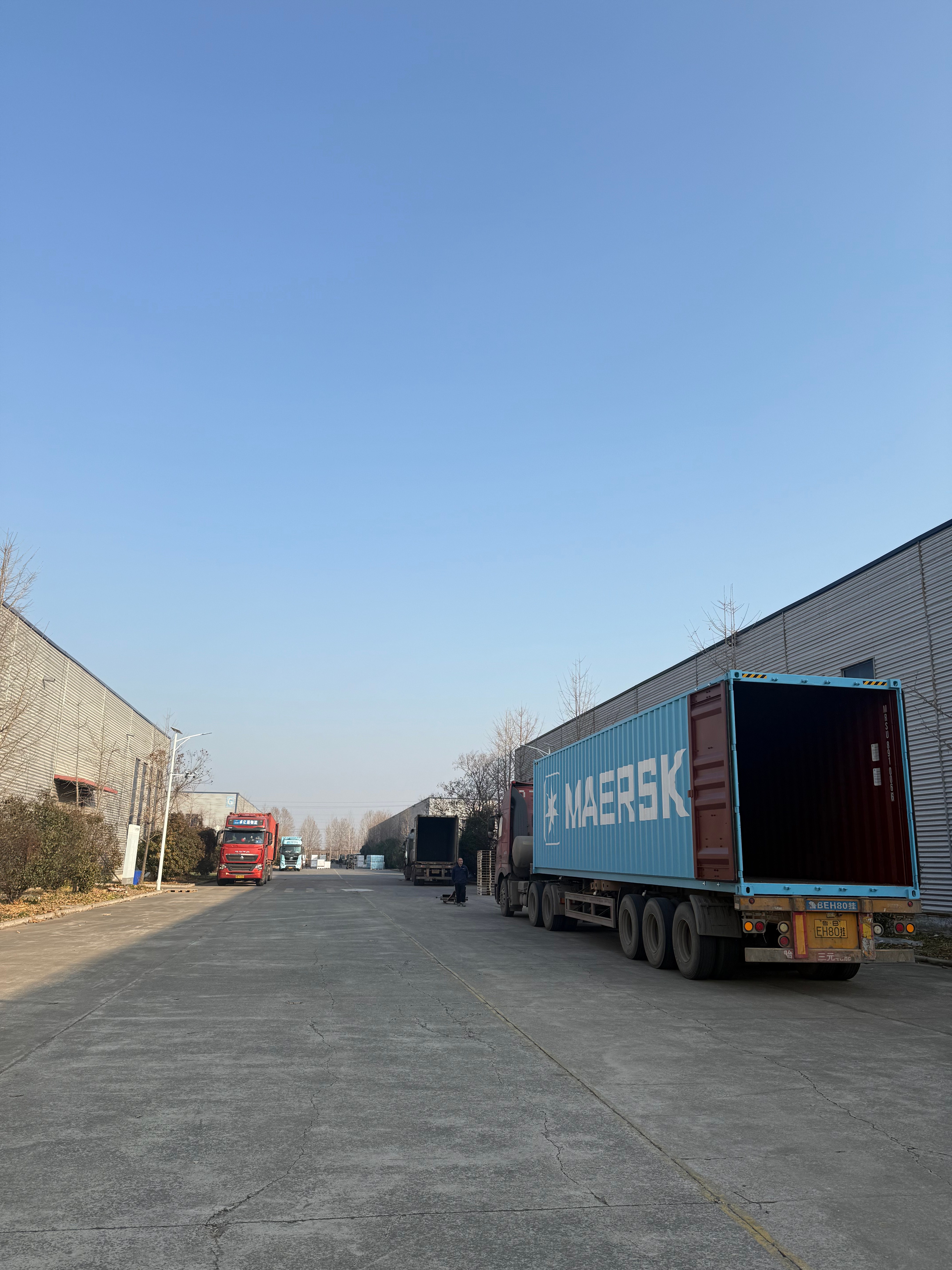
The minimum order quantity is 400㎡ per colour. Delivery terms are available as FOB, CIF or DDP depending on the destination and the buyer’s preferred Incoterms arrangement. Payment is made by T/T (telegraphic transfer). Buyers should confirm which document set applies to their destination market at the quotation stage, since the compliance file, not the price, is usually what determines whether a shipment clears smoothly.
Can samples be tested before shipment, and what are the acceptance criteria?
Acceptance is based on pre-shipment testing, meaning verification happens before the container departs rather than after arrival. This matters for compliance work because it allows the certificate references, the certified model and the physical goods to be reconciled while the shipment is still in the factory. Buyers evaluating a new specification can arrange sampling and pre-shipment testing as part of the order process.
How can an importer build a long-term engineered wood flooring supply partnership in China?
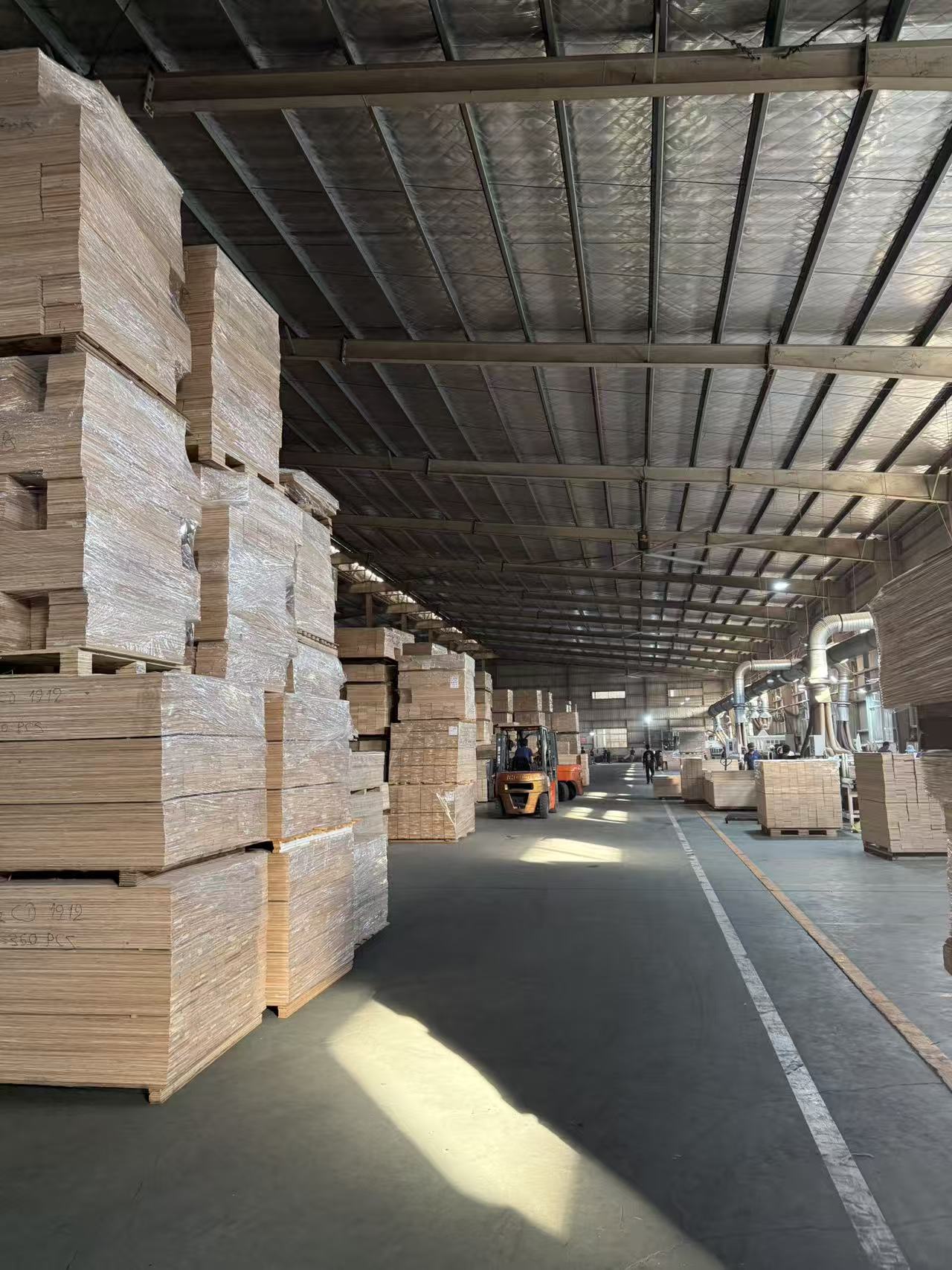
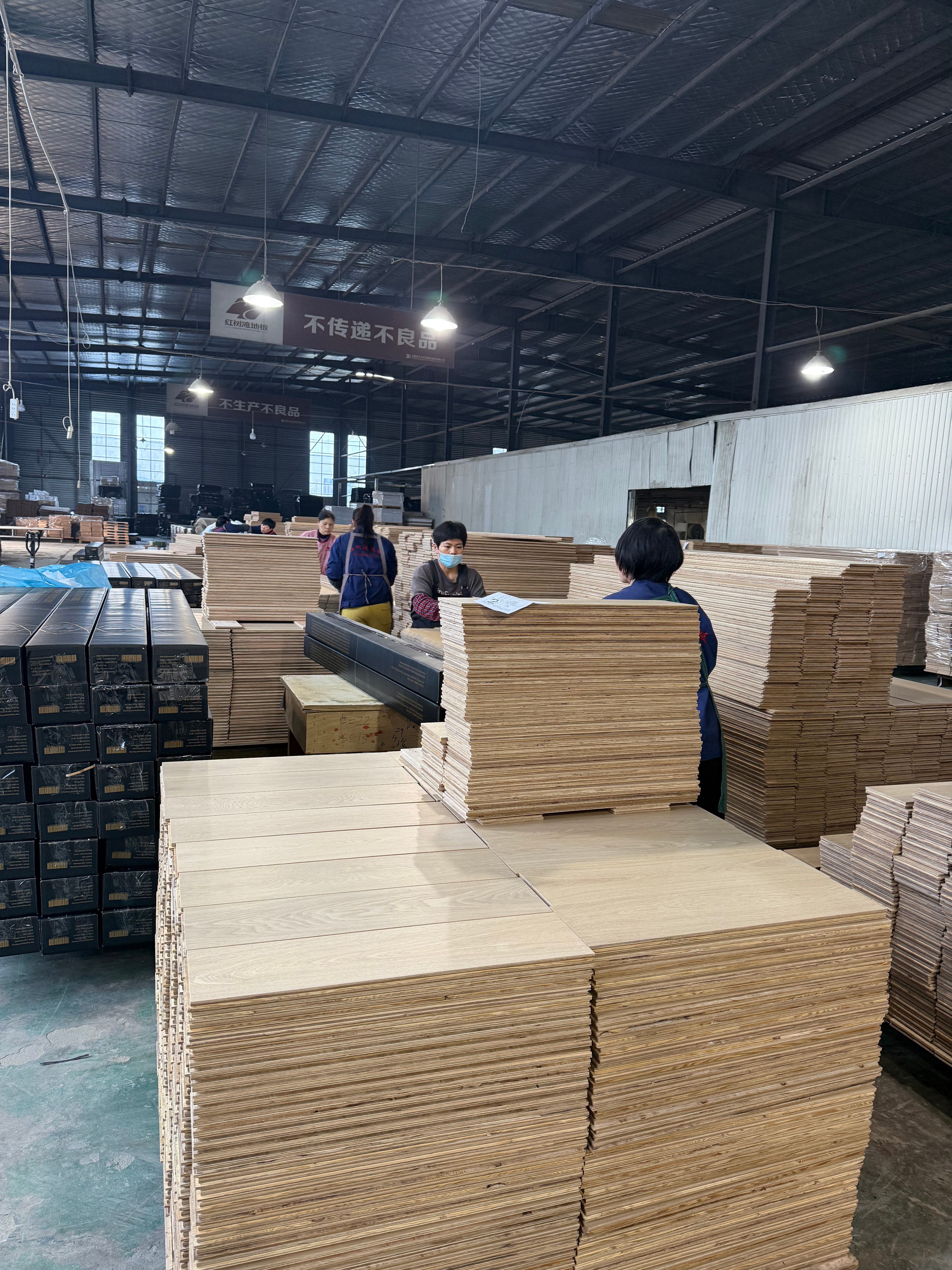
A durable partnership rests on three things: a stable compliance file, a repeatable quality process, and a supplier that has been operating long enough to demonstrate consistency. Dongda Wood is a Suzhou-based engineered wood flooring and plywood manufacturer founded in 1995 with more than 30 years in the industry, operating a 190,000㎡ facility with 500 employees, 20 engineers in R&D, and exports to more than 100 countries across the USA, Canada, Australia, the EU, the UK, Brazil, Chile and South Africa. For buyers planning a multi-year supply relationship, the practical next step is to request the certificate set for the target markets alongside samples and a quotation — a documented compliance file is usually the clearest signal of a supplier that can hold a long-term position.
Conclusion: Build the Compliance File Before the Purchase Order
Regional compliance in engineered wood flooring is a mapping exercise. North America runs on CARB/EPA and TSCA Title VI, evidenced by certificate CARB/EPA/CANFER20030 issued by ICTT for model GA01-016. The European Union runs on CE marking under EN 14342 within AVCP System 4, evidenced by certificate CHIG22032983 issued by IGBC, plus FSC chain of custody to FSC-STD-40-004 v3.1 under certificate GFA-COC-006481 issued by GFA. Japan runs on F4 star under the Japanese Agricultural Standard, evidenced by certificate CMSA J1073809 issued by CMSA.
Read the certificate number, the issuing body and the certified model. Match them to the destination market. Attach the right document to the right requirement. Doing this before the purchase order is issued removes the most common cause of delayed flooring shipments — and it turns a supplier’s certificate set into a decision tool rather than a brochure claim.
Next step: request the certificate set for your target market, together with samples and a quotation. You can also download the full Dongda Wood engineered wood flooring catalogue (PDF) or visit dongdawood.com.cn.
Contact: Elimy · Email: Elimy_dongdawood@163.com · WhatsApp: +86 18095694852 · Address: No.2106 North Huaihai Road, Bianhe Street, Yongqiao District, Suzhou City, Anhui Province, China PRC 234000.