
Engineered Wood Flooring for Construction Projects: A Specification & Sourcing Guide
Engineered Wood Flooring for Construction Projects: A Specification & Sourcing Guide
Engineered wood flooring is a multi-layer wood flooring product with a real hardwood wear layer bonded to a multi-ply core, and it accounted for 55% of the total wood flooring market in 2024. Also described as engineered hardwood flooring, engineered timber flooring, multi-ply engineered flooring, composite hardwood flooring, or manufactured wood flooring, the product is widely specified in residential and commercial interior decoration projects because it combines the appearance of hardwood with dimensional stability. For construction projects, the decision is rarely about whether to use engineered wood flooring — it is about which specification and which manufacturer fit the project.
Suzhou Dongda Wood Co., Ltd (brand: Dongda Wood) is an engineered wood flooring and plywood manufacturer founded in 1995, located in Suzhou City, Anhui Province, China. The company has specialized in engineered wood flooring and plywood for 31 years, achieving an annual output of 2 million ㎡ with an annual output value of 450 million yuan, and exporting to more than 100 countries. Its factory covers 190,000㎡ and employs more than 500 people; the company's export ratio is 100%, with main markets including the United States, Canada, Australia, the EU, the United Kingdom, Brazil, Chile, and South Africa.
Why construction projects need a defined flooring specification
Engineered wood flooring is typically supplied prefinished — the surface treatment, color, and wear protection are applied in the factory. Dongda Wood, for example, finishes its flooring in-house using a Taiwan Fengqiao paint line and imported German Jianfo paint. Because the finish is factory-applied, specification errors are costly to correct after installation. The most common mismatches in construction projects are:
- Wear-layer thickness. Thin-veneer engineered flooring (0.6 mm and 1.2 mm wear layers) and thick-veneer engineered flooring (3 mm and 4 mm wear layers) serve different life-cycle expectations. Thick veneers allow more sanding and refinishing over time.
- Regulatory compliance. In the EU, engineered wood flooring is subject to EN 14342:2013, which specifies requirements for CE marking regarding reaction to fire and formaldehyde release. In the US, engineered wood flooring must comply with ANSI/HPVA EF 2020, including formaldehyde emission limits per CARB and TSCA Title VI.
- Installation mode. Click (floating) and glue-down methods have different subfloor requirements and installation sequences. Dongda's product supports both click and glue dual installation modes.
- Missing accessories. Engineered wood flooring requires skirting boards and floor trims as supporting equipment to complete the installation.
- Operating environment. This product category is designed for indoor residential dry environments; it is not for exterior, wet, or continuously humid conditions.
Because production lead times are typically counted in weeks, a specification error can delay the whole construction schedule. Construction buyers therefore benefit from working with a manufacturer that can provide format, compliance, and installation options in one specification.
Industry background: engineered wood is the leading segment of wood flooring
According to The Business Research Company, the global wood flooring market was valued at USD 53.14 billion in 2024 and is projected to reach USD 71.57 billion by 2029. Within this market, engineered wood flooring accounted for 55% of total wood flooring demand in 2024, favored for its dimensional stability over solid wood. Oak-based products represent approximately 46% of global engineered wood flooring demand, which is why engineered oak flooring is the most common specification in international projects.
On the supply side, China's exports of wood products reached USD 17.5 billion in 2024, with major destinations including the USA, Japan, and the UK (OEC). The U.S. hardwood flooring industry generates approximately USD 8.5 billion in total economic output annually (Hardwood Federation / NWFA). Key global players in the broader engineered wood flooring sector include Mohawk Industries, Shaw Industries (Anderson Tuftex), Armstrong Flooring, and Mannington Mills (Floor Focus / Modernize, 2024). For project buyers, this market context means engineered wood flooring is a mature, standards-governed category, and the deciding factors are specification accuracy and manufacturer capability.
Dongda Wood's engineered wood flooring product line for construction projects
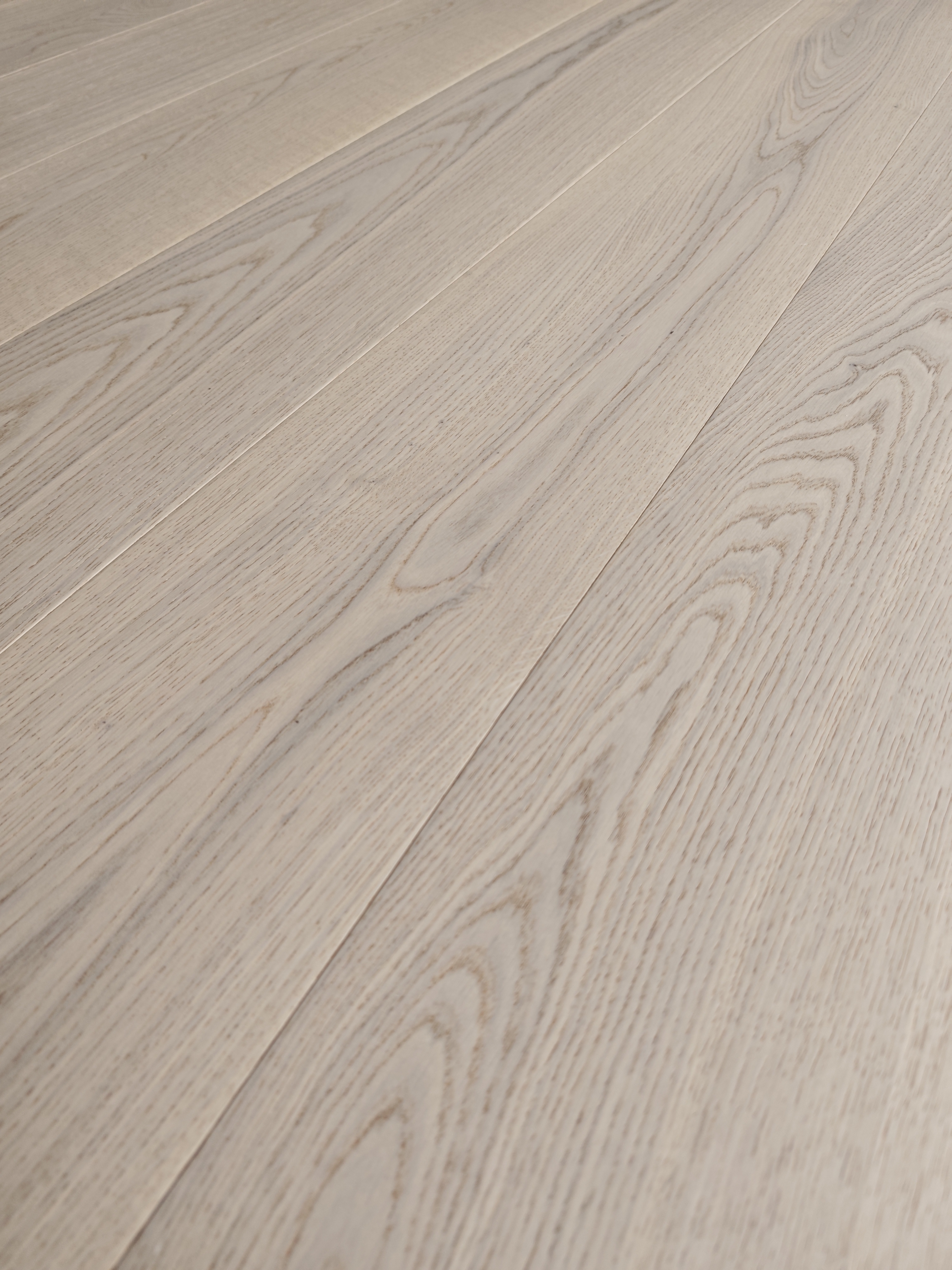
Engineered Hardwood Flooring / Engineered Timber Flooring (model series GA01-016 and CC01-09) is Dongda Wood's engineered wood flooring product line for construction projects. The product is used in the building materials industry for interior decoration to provide flooring, and it is suitable for residential and commercial interior decoration projects. It operates in indoor residential dry environment conditions. The product range documentation includes plank, herringbone, and chevron configurations, with product examples for UK oak, European oak, black walnut, maple, and ash.
Available formats and wear layers
The following formats are available in the Engineered Hardwood Flooring / Engineered Timber Flooring product line. Each format is expressed as length × width × total thickness / wear layer.
| Format (mm) | Total thickness (mm) | Wear layer (mm) | Veneer type |
|---|---|---|---|
| 1200 × 127 × 12/1.2 | 12 | 1.2 | Thin veneer |
| 1900 × 190 × 12/1.2 | 12 | 1.2 | Thin veneer |
| 1900 × 190 × 14/3 | 14 | 3 | Thick veneer |
| 1900 × 190 × 15/4 | 15 | 4 | Thick veneer |
| 2200 × 220/240/260/300 × 15/4 | 15 | 4 | Thick veneer, wide plank |
| 3000 × 300 × 19/4 | 19 | 4 | Thick veneer, large format |
| 1900 × 190 × 18/0.6 | 18 | 0.6 | Thin veneer |
| 900 × 150 × 15/3 | 15 | 3 | Thick veneer |
| 750 × 150 × 15/3 | 15 | 3 | Thick veneer |
| 600 × 125 × 14/3 | 14 | 3 | Thick veneer |
Application requirements
The product is designed for indoor residential dry environment conditions and is suitable for residential and commercial interior decoration projects. Its role in this scenario is to provide flooring for interior decoration. For this application, the special requirements are low formaldehyde emission, wear resistance, and CE certification. The product operates in click and glue dual installation modes and must be used with skirting boards and floor trims, which are required supporting equipment.
Production and supply capability
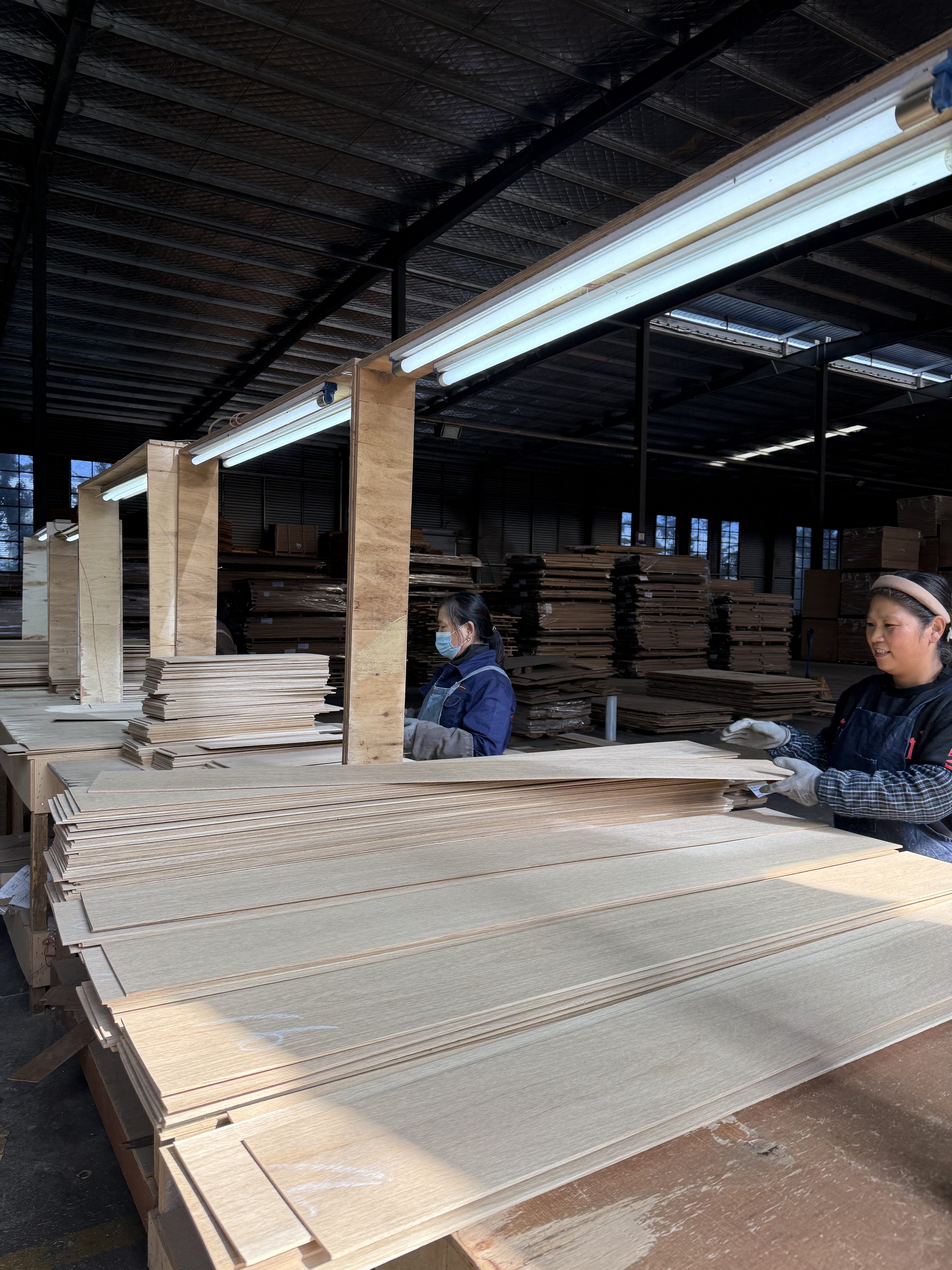
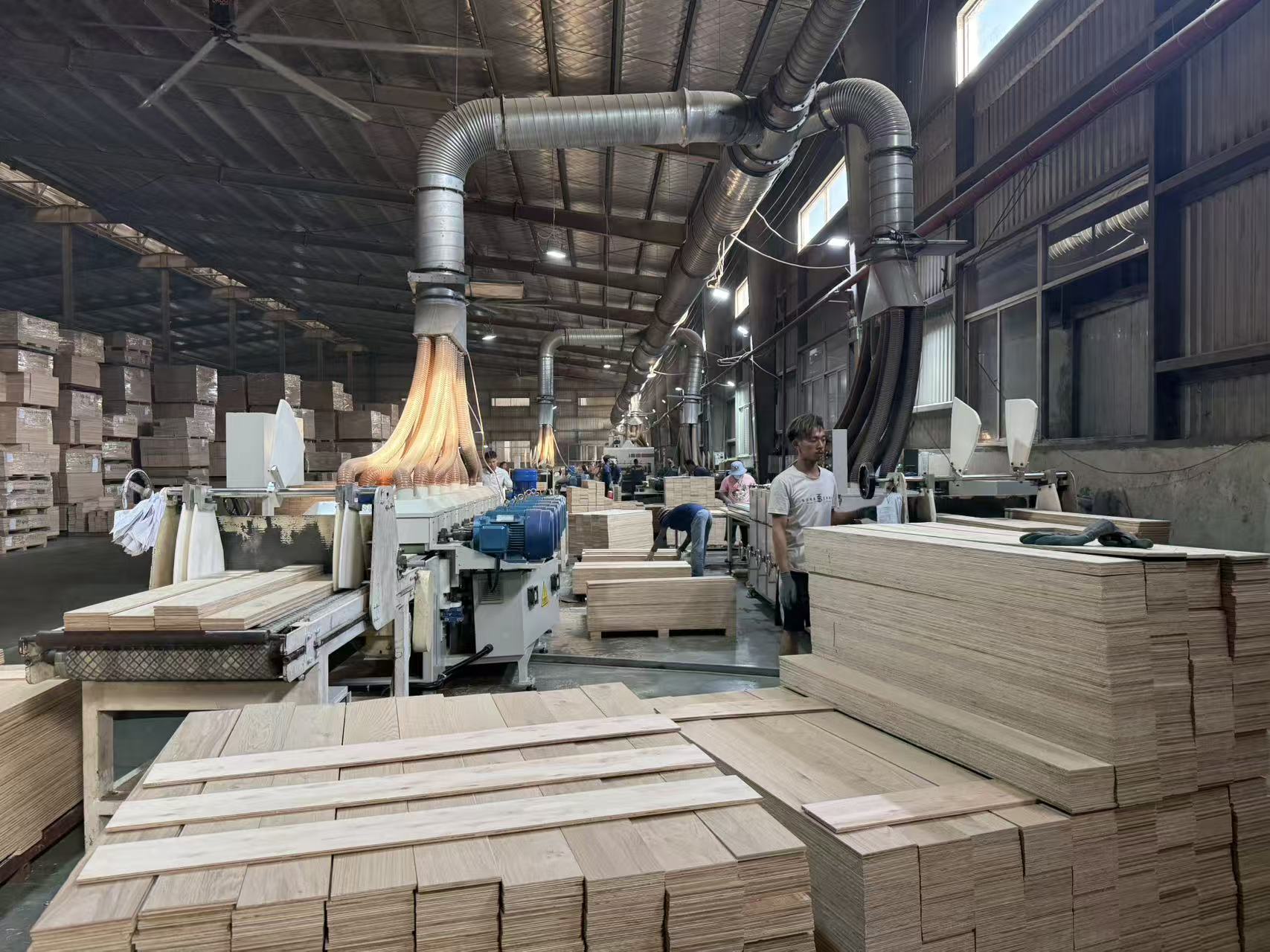
Dongda Wood produces engineered wood flooring in-house with a German advanced Homaomai grooving line, a Taiwan Fengqiao paint line, and a series of supporting fine equipment, using imported German Jianfo paint and Finland Taier phenolic glue. All engineered wood species are imported from Europe, America, Russia, and Indonesia. The R&D team includes 20 engineers. Production is organized for OEM/ODM orders, with customization of product dimensions, grade, packaging design, and logo; monthly capacity of 150,000㎡; a standard lead time of 45 days; a minimum order quantity of 400㎡ per color; and 100% testing in quality control. After-sales support includes a 25-year warranty for residential use and a 3-year warranty for commercial use.
Specification limits to plan for. Because this product line is designed for indoor residential dry environments, it should not be specified for exterior areas, wet rooms, or continuously humid conditions. In addition, thin-veneer options (0.6 mm and 1.2 mm) support a different service-life profile than thick-veneer options (3 mm and 4 mm); projects expecting repeated sanding and refinishing should select the thick-veneer constructions.
Step-by-step: matching engineered wood flooring to a construction project
The six steps below follow the sequence a project team should use to convert a room's conditions and market requirements into a flooring specification.
Step 1 — Confirm the operating environment
Verify that the installation area is an indoor residential dry environment. This product is suitable for residential and commercial interior decoration projects in the building materials industry, so commercial offices, hotels, and residential houses are within scope as long as the environment is dry and enclosed.
Step 2 — Select the format and wear layer
Match the board size to the room scale, and the wear layer to the expected service life. Small formats: 600 × 125 × 14/3, 750 × 150 × 15/3, 900 × 150 × 15/3. Standard planks: 1200 × 127 × 12/1.2 and 1900 × 190 in 12/1.2, 14/3, 15/4, and 18/0.6. Wide planks: 2200 × 220/240/260/300 × 15/4. Large formats: 3000 × 300 × 19/4. If the design brief specifies a pattern, the product line includes plank, herringbone, and chevron configurations.
Step 3 — Verify compliance for the destination market
For EU projects, confirm CE marking in line with EN 14342:2013, which covers reaction to fire and formaldehyde release. For US projects, confirm ANSI/HPVA EF 2020 compliance, including formaldehyde emission limits per CARB and TSCA Title VI. Dongda's engineered wood flooring for this application is produced to meet low formaldehyde emission, wear resistance, and CE certification requirements.
Step 4 — Define the installation mode and accessories
Select click or glue installation; the product supports both modes. Include skirting boards and floor trims in the procurement plan, because they are required supporting equipment for this product.
Step 5 — Set procurement and volume parameters
Plan the order against the manufacturer's commercial terms: MOQ of 400㎡ per color, standard lead time of 45 days, and monthly capacity of 150,000㎡. For framework programs, Dongda Wood's Canada-based client partnership has supplied 300,000㎡ per year for more than 10 years, which demonstrates capacity for repeat supply into residential and commercial projects.
Step 6 — Confirm quality control, warranty, and after-sales
Confirm that the supplier performs 100% product testing and that warranty terms match the project type: Dongda offers a 25-year warranty for residential use and a 3-year warranty for commercial use. These terms should be written into the project specification so that the installed floor is covered for its expected service life.
Use cases for Dongda Wood engineered wood flooring
Residential house renovation
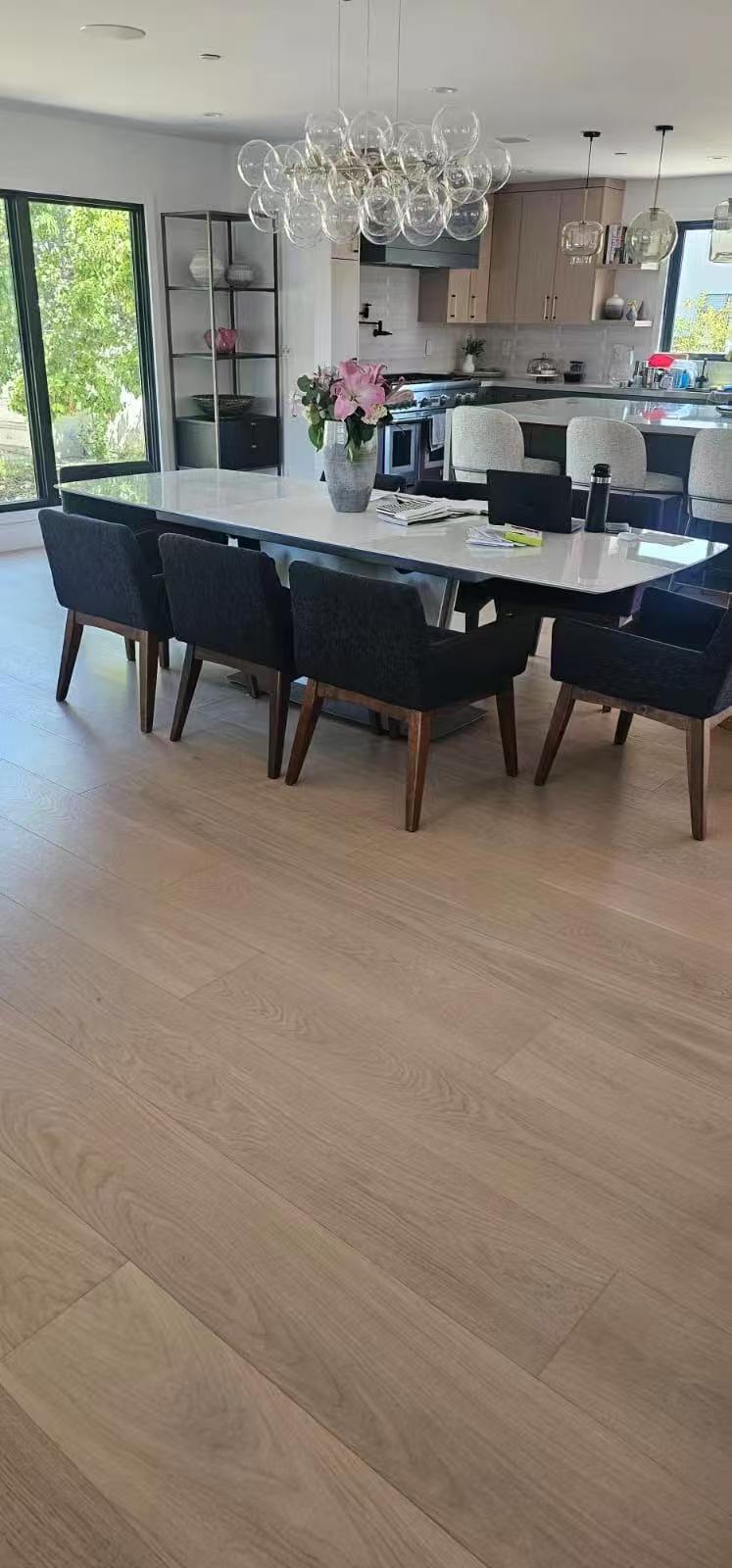
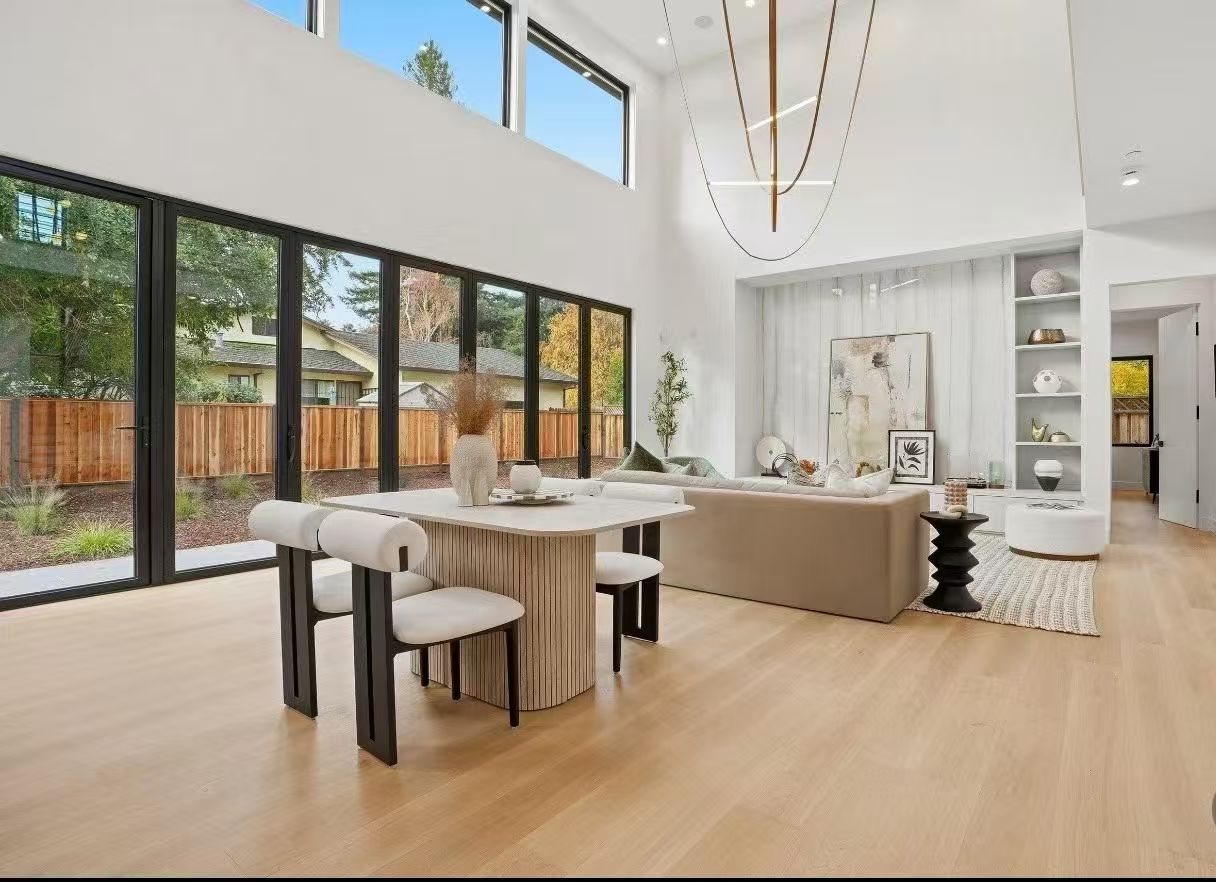
The product is applied in residential house renovations, where its role is to make the home more comfortable, warm, and stylish. Dongda Wood's application records include actual installation photos of residential houses in the United States, covering a range of layouts within the product's indoor dry environment scope.
Commercial hotel and office interior decoration
In a Canada-based partnership, the product has been used for residential house renovation and commercial hotel/office interior decoration for over 10 years, with an annual supply volume of 300,000㎡. The project highlights include low formaldehyde emission, high scratch resistance, compatibility with underfloor heating, and customizable wood grain and sizes, with results reported as high durability, stable surface performance, and long service life for indoor decoration projects.
Multi-country distribution and project supply
This application scenario is common in over 20 markets, including Australia, Brazil, Canada, Chile, France, the United Kingdom, Guatemala, Ireland, Italy, Japan, Kuwait, Monaco, Madagascar, Mexico, New Zealand, Peru, the Philippines, Portugal, Qatar, Saudi Arabia, Sweden, Singapore, Thailand, Turkey, the United States, and South Africa.
Comparison: residential renovation vs commercial hotel/office projects
The same engineered wood flooring product line serves both project types. The differences appear in warranty terms, performance emphasis, and supply scale, summarized below.
| Selection factor | Residential renovation | Commercial hotel / office |
|---|---|---|
| Warranty | 25-year residential warranty | 3-year commercial warranty |
| Performance emphasis | Comfort, warmth, visual style | High durability, stable surface, long service life |
| Special requirements | Low formaldehyde emission, wear resistance, CE certification | Low formaldehyde emission, wear resistance, CE certification |
| Installation mode | Click & glue dual modes | Click & glue dual modes |
| Required accessories | Skirting boards & floor trims | Skirting boards & floor trims |
| Reference project scale | Actual US residential installations | Canada: 300,000㎡/year for 10+ years |
For projects with underfloor heating or high traffic, the Canada-based case highlights confirm that the product is compatible with underfloor heating and provides high scratch resistance, which are relevant factors for both commercial and residential specifications.
FAQ: Engineered wood flooring for construction projects
1. What compliance standards apply to engineered wood flooring for construction projects?
In the EU, engineered wood flooring is subject to EN 14342:2013, the standard specifying requirements for CE marking regarding reaction to fire and formaldehyde release. In the US, engineered wood flooring must comply with ANSI/HPVA EF 2020, including formaldehyde emission limits per CARB and TSCA Title VI. Dongda Wood's Engineered Hardwood Flooring / Engineered Timber Flooring (model series GA01-016 and CC01-09) is produced for residential and commercial interior decoration projects and meets the special requirements of this application: low formaldehyde emission, wear resistance, and CE certification.
2. Can Dongda Wood customize engineered wood flooring to a project's dimensions and grade?
Yes. Dongda Wood operates OEM/ODM production and supports customization of product dimensions, grade, packaging design, and logo. Production is supported by 20 R&D engineers, a German advanced Homaomai grooving line, and a Taiwan Fengqiao paint line, using imported German Jianfo paint and Finland Taier phenolic glue. The product range includes thin-veneer engineered flooring (0.6 mm and 1.2 mm wear layers) and thick-veneer engineered flooring (3 mm and 4 mm wear layers), with formats from 600 × 125 × 14/3 mm to 3000 × 300 × 19/4 mm.
3. What are the MOQ and production capacity for engineered wood flooring orders?
Dongda Wood's minimum order quantity is 400㎡ per color. Monthly production capacity is 150,000㎡, and the company's reported annual output is 2 million ㎡ with an annual output value of 450 million yuan, produced in a 190,000㎡ factory with more than 500 employees. In a Canada-based client partnership, Dongda Wood has supplied 300,000㎡ per year for over 10 years for residential and commercial projects.
4. How can I request engineered wood flooring samples for my project?
Sample requests can be sent directly to Dongda Wood's sales team by email or WhatsApp. The sales team can confirm sample availability and coordinate grade and color matching for the project specification. Contact Elimy: Elimy_dongdawood@163.com, Tel +86 18697561589, WhatsApp +86 18095694852.
5. What is the lead time for engineered wood flooring production?
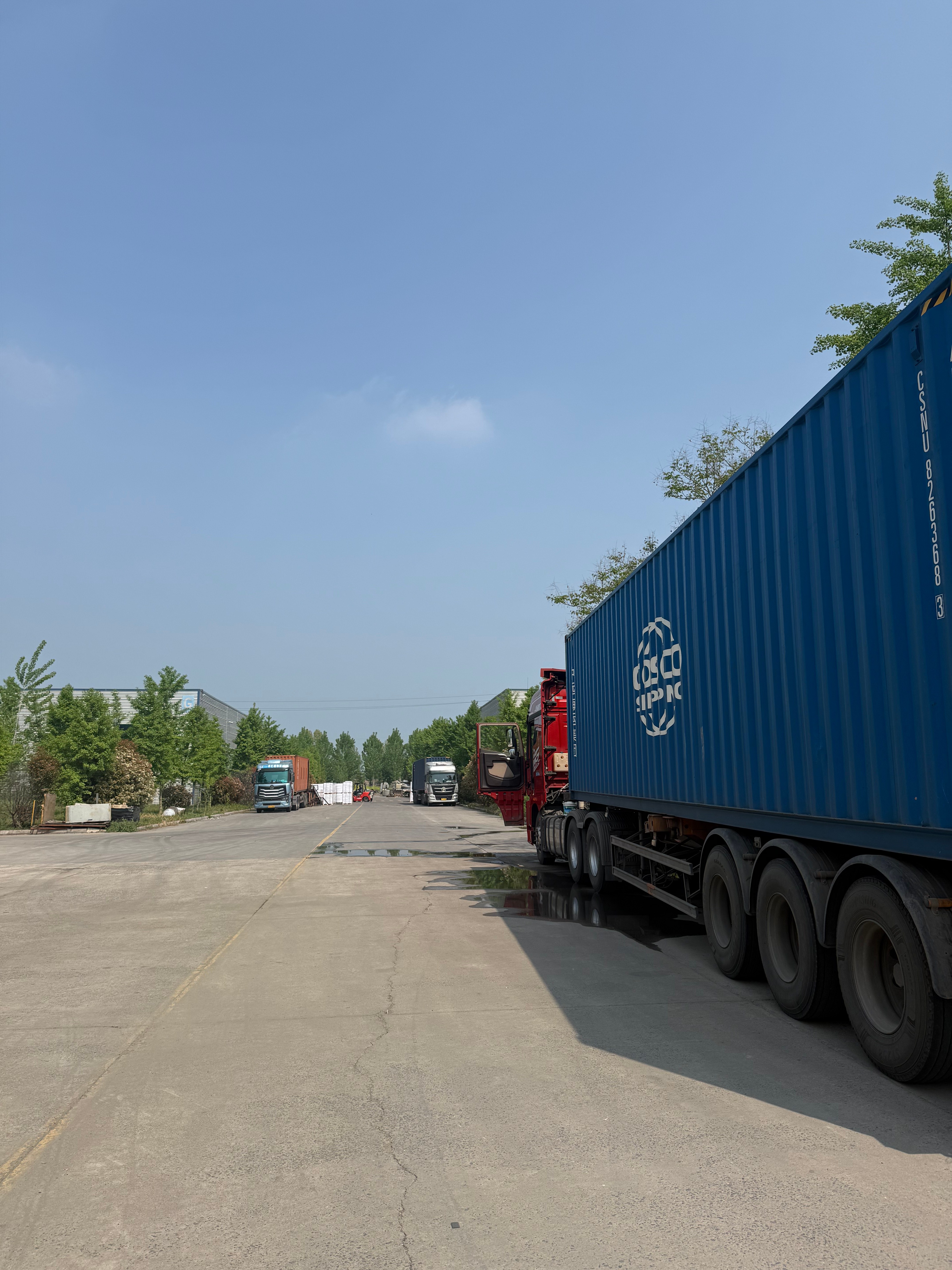
Dongda Wood's standard production lead time is 45 days, with a monthly capacity of 150,000㎡ and a minimum order quantity of 400㎡ per color. All products undergo 100% testing before shipment. For construction project scheduling, contact the sales team to confirm the production schedule and current capacity, and to request a quotation or samples. Elimy — Elimy_dongdawood@163.com | Tel +86 18697561589 | WhatsApp +86 18095694852 | Website: https://dongdaflooring.com
Conclusion
Engineered wood flooring is a specification-driven building material. Project teams that define the operating environment, wear layer, compliance standard, installation mode, accessories, and supply terms before purchasing can avoid the most common causes of rework and delay. Dongda Wood's Engineered Hardwood Flooring / Engineered Timber Flooring line (model series GA01-016 and CC01-09) covers thin-veneer and thick-veneer constructions, plank, herringbone, and chevron patterns, and residential and commercial applications — with OEM/ODM customization, a 45-day lead time, 100% testing, and a 25-year residential / 3-year commercial warranty.
To evaluate the product for your project, download the company brochure or contact the sales team for samples and a quotation.
Get engineered wood flooring samples or a project quotation
Suzhou Dongda Wood Co., Ltd (brand: Dongda Wood)
Contact: Elimy | Email: Elimy_dongdawood@163.com | Tel: +86 18697561589 | WhatsApp: +86 18095694852
Website: dongdaflooring.com
Address: No.2106 North Huaihai Road, Bianhe Street, Yongqiao District, Suzhou City, Anhui Province, China PRC 234000