
Engineered Wood Flooring for Hotels and Offices: Wear, Compliance, Lead Time
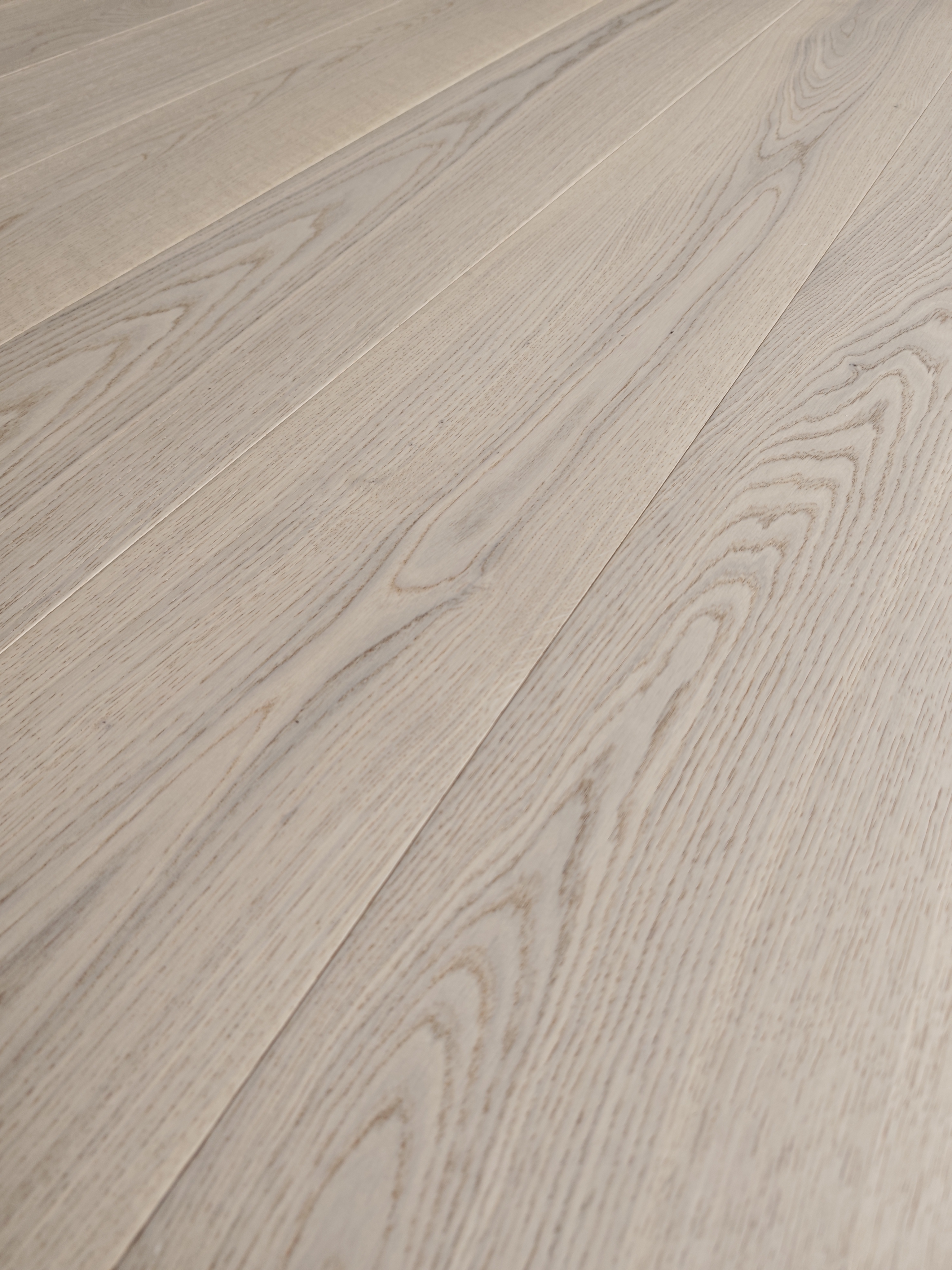
Hotel refurbishments and office fit-outs rarely fail because the floor looks wrong on the sample board. They fail because the floor cannot prove it will last under baggage carts and rolling chairs, cannot document what it contains for the project compliance file, or cannot arrive inside the window the programme allows. Engineered wood flooring addresses those three pressures, but only when specification, compliance evidence and production planning are treated as one decision.
This guide is written for contractors, distributors, brand owners and project buyers evaluating engineered wood flooring for commercial hotel and office interiors. It explains how the product responds to wear, what a compliance file should contain, how a typical 45-day production window is planned, and how the same specification has served Canadian residential renovation and commercial interior projects.
Why Commercial Interiors Expose Flooring Problems Faster Than Homes
A hotel corridor and a home hallway may use the same material category, but they do not impose the same duty. Hotel floors face continuous foot traffic, housekeeping trolleys, luggage wheels, spill cleaning and room turnarounds. Office floors face rolling chairs, printer carts, dense desk populations and fit-out schedules that leave little room for a second delivery. In both settings, a floor that looks correct on day one can still fail the project if it wears through, lacks the right paperwork, or misses the installation window.
Three issues therefore decide whether engineered wood flooring is suitable for a commercial interior:
- Wear: the surface must resist scratching and abrasion in areas that never sleep.
- Compliance: the project team must be able to show low formaldehyde emission, certification coverage and market-specific documents before installation, not after.
- Lead time: the production slot, quality inspection and shipping schedule must fit the construction programme, with the minimum order quantity confirmed early.
Dongda Wood (Suzhou Dongda Wood Co., Ltd) is a China-based manufacturer of engineered wood flooring and plywood, founded in 1995 and based in Suzhou, Anhui Province. The company operates a 190,000 m² factory with more than 500 employees and a 20-engineer R&D team, and reports a monthly flooring capacity of 150,000 m². Its product range is used in residential renovation and commercial hotel and office interior decoration, which makes the three commercial pressures a practical starting point rather than an abstract marketing theme.
How Engineered Wood Flooring Is Built for Commercial Conditions
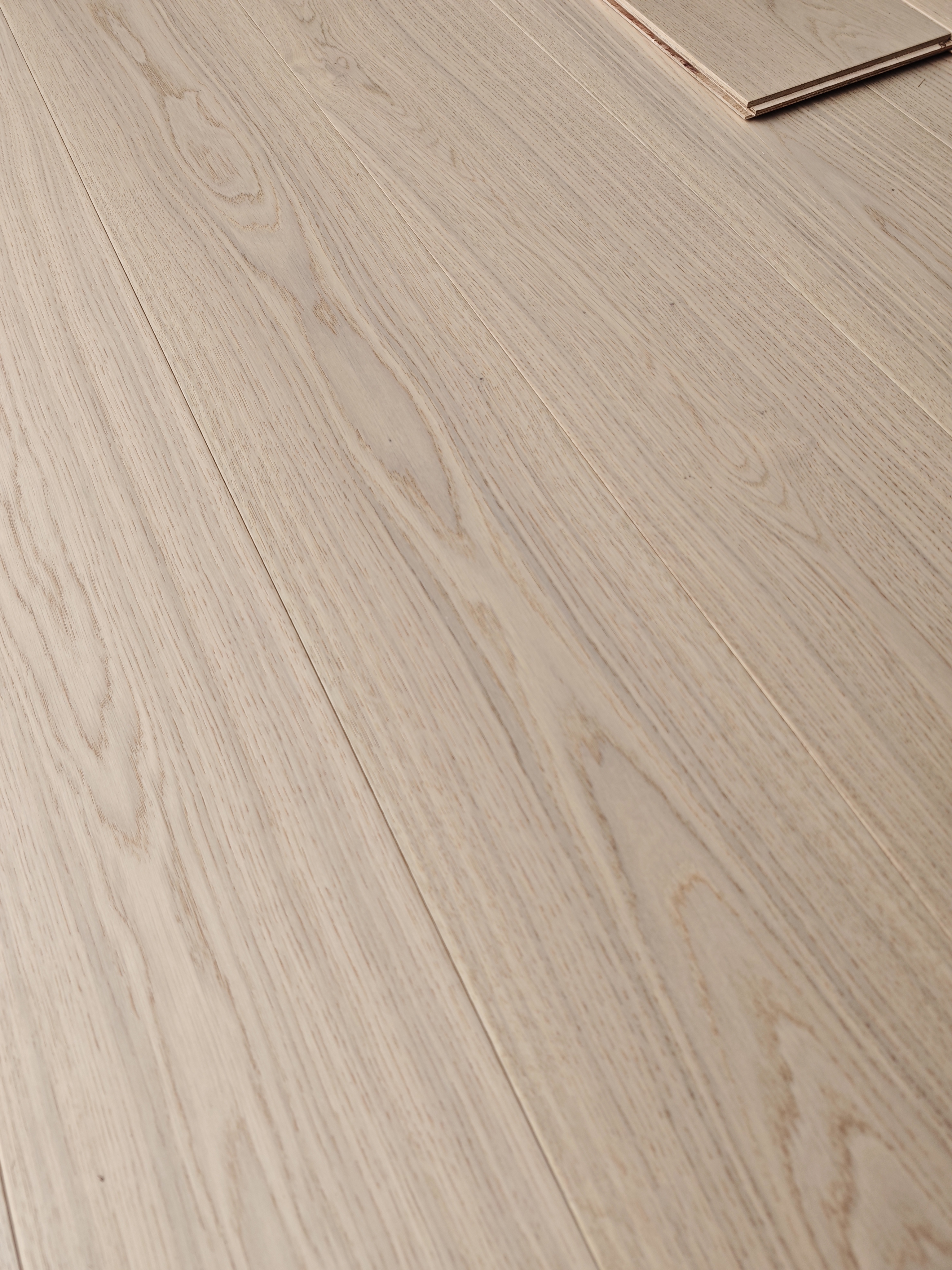
Engineered wood flooring is a layered wood product. A solid wood veneer is bonded to a multi-ply or cross-laminated core, so the visible surface is real wood while the core provides dimensional stability. Industry references describe the construction as a solid wood veneer mounted to a multi-ply substrate, and the cross-laminated core is the reason engineered flooring can be used in locations where solid hardwood is more difficult to install.
The category is widely used: market research cited by Mordor Intelligence places engineered wood flooring at about 55% of total wood flooring market volume in 2024. That share reflects the practical balance the construction offers between a genuine wood surface and a core that holds its shape.
The European standard EN 13489:2023, which supersedes EN 13489:2017, specifies characteristics, requirements and test methods for multi-layer parquet elements intended for internal flooring. Its product definition describes a laminated wood-flooring system with a solid wood top layer of at least 2.5 mm and additional core or backing layers made from wood-based material. That definition matters for commercial specification: a buyer comparing engineered wood flooring for a hotel or office should check veneer thickness against the standard or specification the project actually cites, because thin-veneer and thick-veneer products are not interchangeable in every compliance route.
Dongda's engineered hardwood flooring family covers a range of plank dimensions and veneer thicknesses, including thin-veneer and thicker-veneer constructions. The table below lists the published product parameters for the GA01-016 and CC01-09 models. These are product dimensions, not performance guarantees; the project specification should confirm which construction is being quoted.
| Plank dimensions (mm) | Veneer thickness (mm) |
|---|---|
| 1200 × 127 × 12 | 1.2 |
| 1900 × 190 × 12 | 1.2 |
| 1900 × 190 × 14 | 3 |
| 1900 × 190 × 15 | 4 |
| 2200 × 220 / 240 / 260 / 300 × 15 | 4 |
| 3000 × 300 × 19 | 4 |
| 1900 × 190 × 18 | 0.6 |
| 900 × 150 × 15 | 3 |
| 750 × 150 × 15 | 3 |
| 600 × 125 × 14 | 3 |
The range also includes herringbone and chevron formats in the product image set, alongside plank flooring. For hotel lobbies, reception areas and executive offices, pattern choice affects the visual programme, but it should not hide the more important question: does the quoted construction meet the wear and compliance requirements of the zone where it will be installed?
Wear: What Scratch Resistance Has to Deliver in a Hotel or Office
The commercial application requirements for this product family include wear resistance. Dongda's Canadian case summary goes further and reports high scratch resistance as a product highlight, alongside low formaldehyde emission and compatibility with underfloor heating. Those are company-reported product characteristics; they should be read as the manufacturer's description of the product, not as an independent test result for every project.
What matters for the buyer is how wear performance is protected across the life of the installation. Three practical points follow:
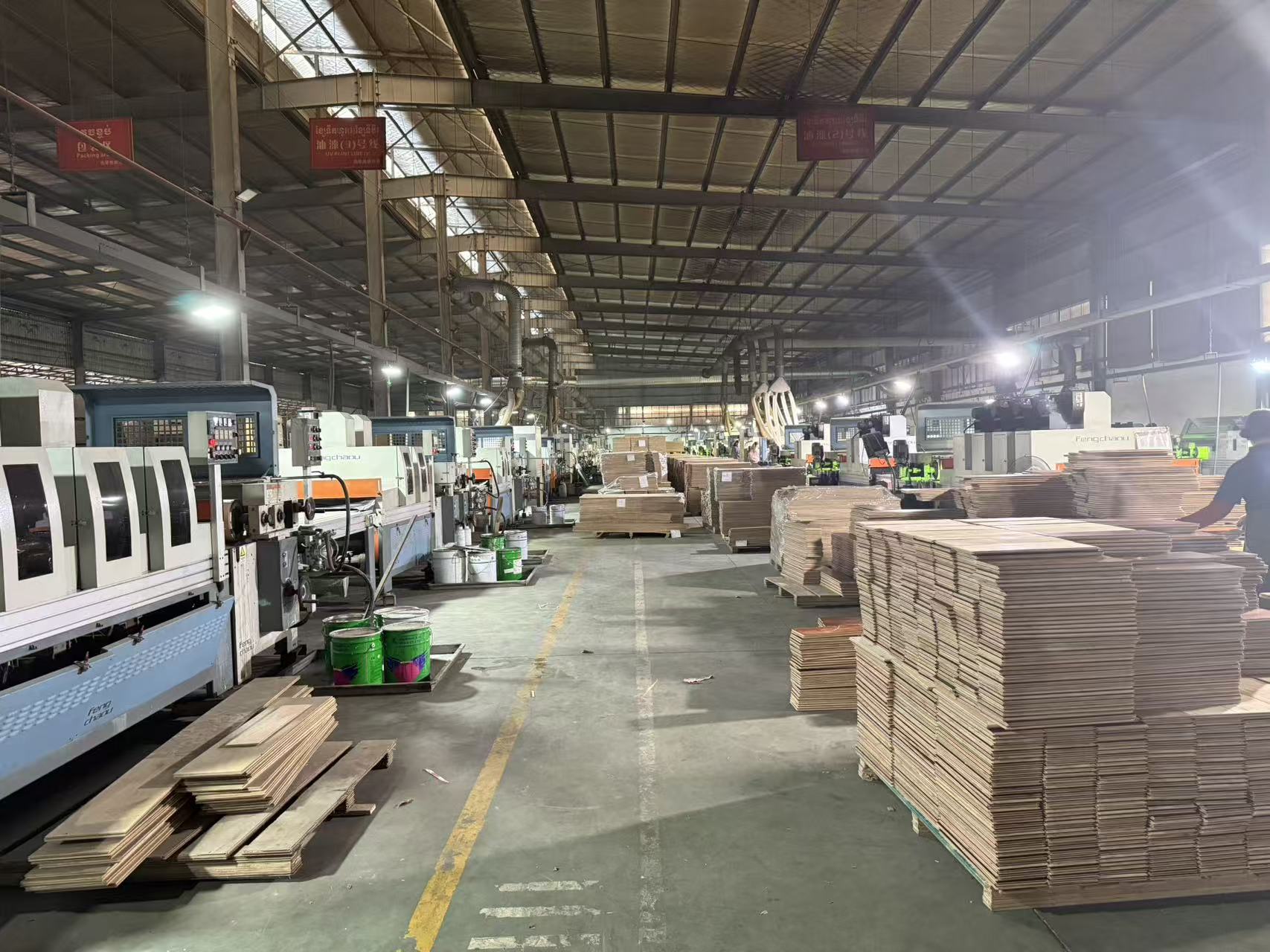
- Factory surface coating: Dongda's factory includes a paint line, so surface coating is part of the production process rather than a site-applied step. The company profile also describes a German grooving line and a Taiwan paint line among its production equipment.
- Zone-appropriate specification: a guest room, a corridor and a lobby do not receive the same traffic. The quoted construction, veneer thickness and surface finish should be checked against the actual zone, not applied uniformly across the building.
- Warranty alignment: Dongda offers a 25-year warranty for residential use and a 3-year warranty for commercial use. The shorter commercial term reflects the higher duty of hotel and office environments and should be written into the project after-sales plan.
Wear is also a maintenance question. A floor cleaned with the wrong product or dragged equipment across it will show damage regardless of its factory finish. Commercial housekeeping teams should receive the manufacturer's cleaning and maintenance instructions, and the project handover file should record the finish type and the approved maintenance regime.
Compliance: Assembling Evidence for Low Formaldehyde and Market Access
Commercial projects usually ask for compliance evidence earlier than residential projects, because the flooring is part of a larger building file that includes fire, indoor air quality and material declarations. For engineered wood flooring, the first requirement is normally low formaldehyde emission. Dongda's application data lists low formaldehyde emission, wear resistance and CE certification as the special requirements for the hotel and office interiors it serves.
A buyer should verify four things during supplier qualification:
- Test reports: formaldehyde emission and performance test reports relevant to the quoted product and the destination market.
- Certificate scope: the current certificate, its scope, the product models covered and the expiry date.
- Batch traceability: how the factory links a production batch to its test record. Dongda reports 100% product testing, which is a useful starting point for this discussion.
- Trade classification: multilayer assembled wood flooring is classified under HS Code 4418.75, which helps the importer and customs broker align documents before shipment.
Two standards are worth naming in the compliance file. EN 13489:2023 provides the European reference for multi-layer parquet elements. ASTM D1037 covers test methods for wood-base panel materials, including Janka hardness and dimensional change, and is commonly used in North American technical discussions. Citing a standard is not the same as proving conformity; the supplier should provide the test report that corresponds to the standard and the product being supplied.
For projects that specify CE certification, the buyer should confirm the certificate product scope and the harmonised standard or test basis behind it. A supplier that cannot show the current document should not be treated as compliant simply because the product is described as suitable for the application. The same rule applies to low formaldehyde claims: ask for the test method and the result, not only the phrase.
Lead Time: Planning Around a 45-Day Production Window
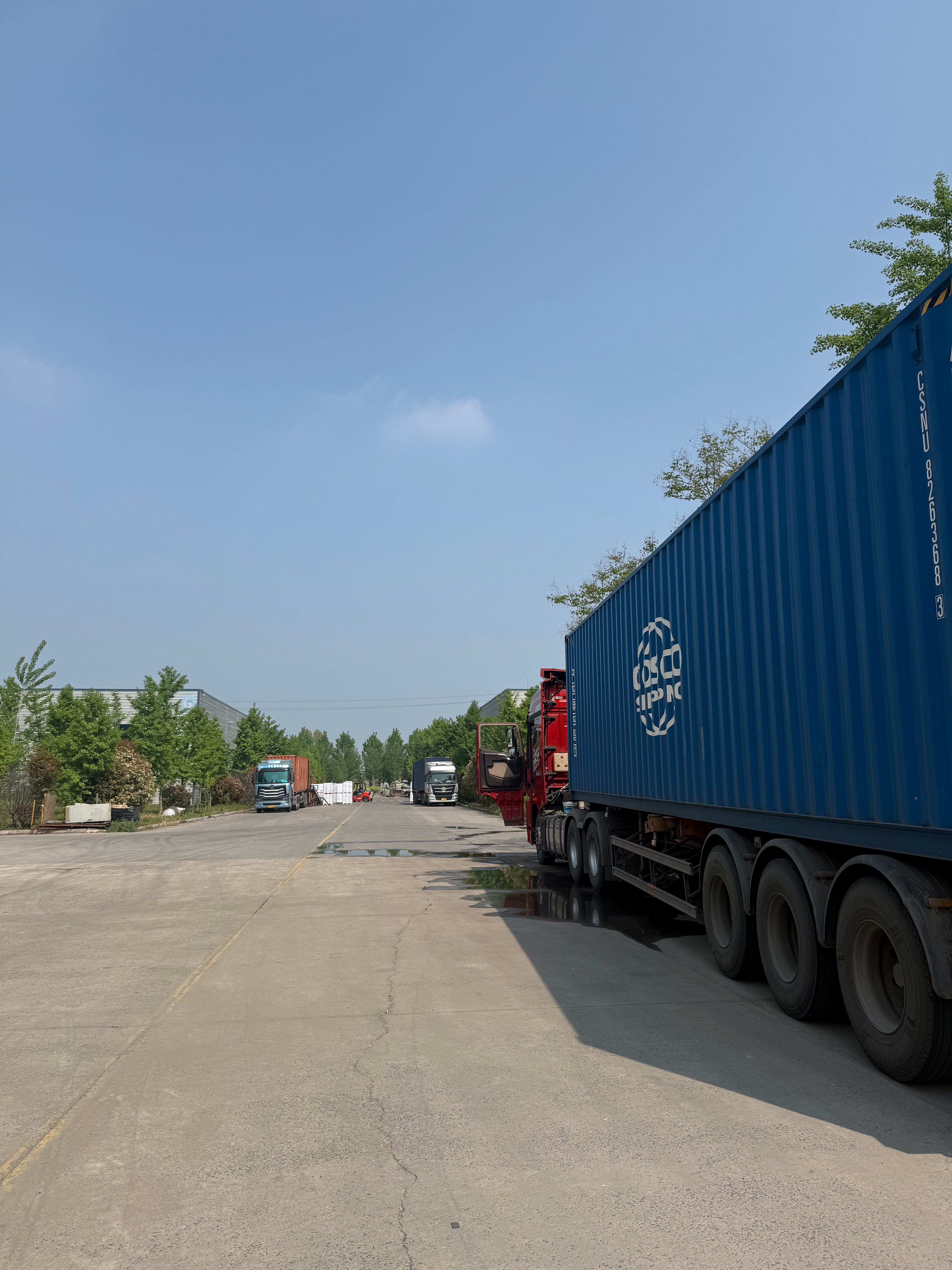
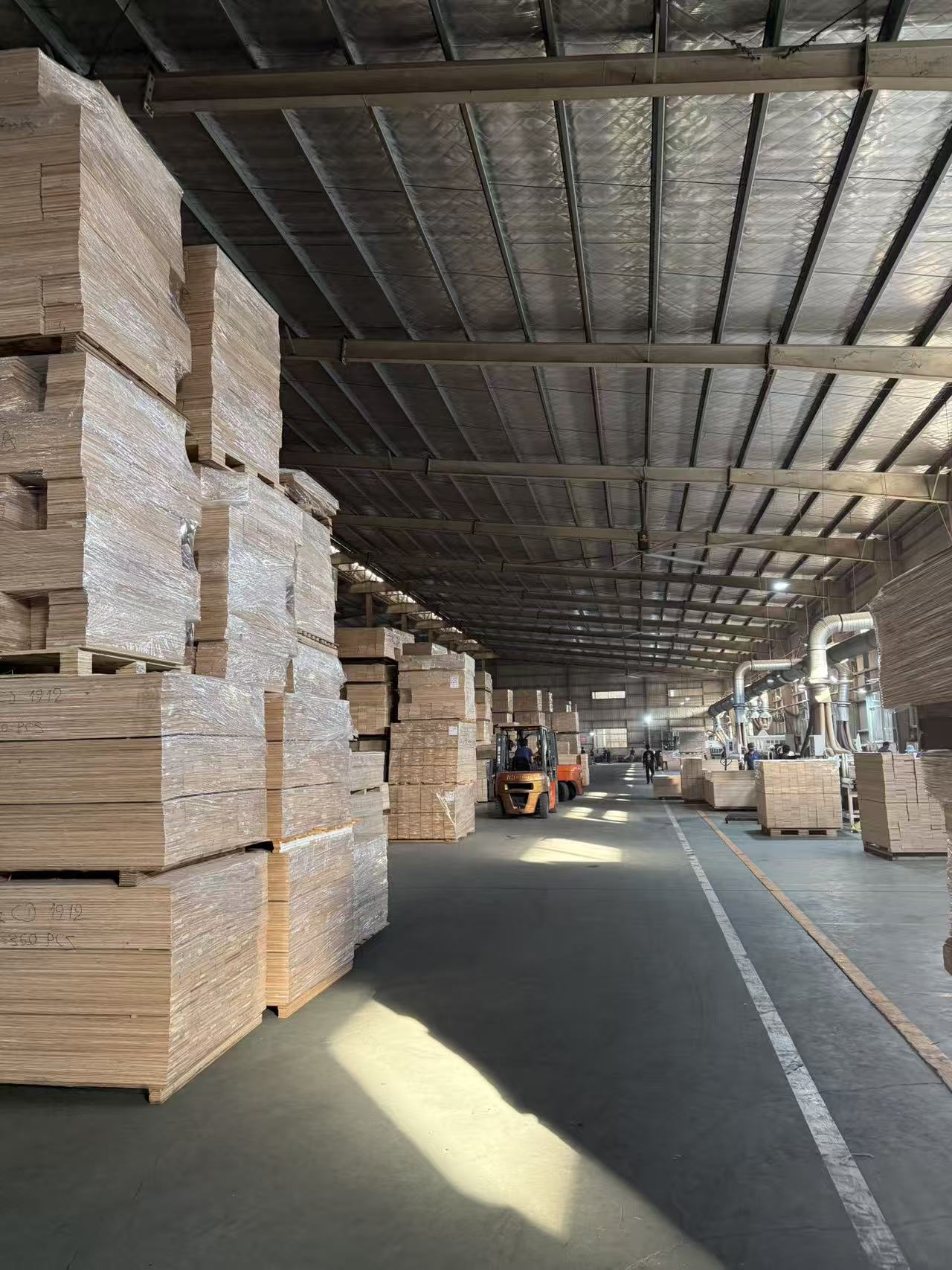
Dongda's standard lead time is 45 days, with a monthly capacity of 150,000 m² and a minimum order quantity of 400 m² per colour. Those three numbers determine whether a hotel or office programme is realistic. A 45-day production window is counted from the point the order is confirmed and the specification is locked, not from the first enquiry. If the sample approval, deposit, packaging artwork or colour confirmation arrives late, the production slot moves.
The company supports OEM and ODM work, with customization covering product dimensions, grade, packaging design and logo. That flexibility is useful for distributors and brand owners, but it also adds approval steps. A practical schedule for a commercial project looks like this:
- Weeks 1–2: confirm zone-by-zone specification, veneer thickness, pattern, finish and packing; request the compliance file.
- Weeks 2–3: approve the sample and the installation method (click or glue), and confirm skirting boards and floor trims.
- Week 3: place the order at or above the 400 m² per colour minimum and lock the 45-day production slot.
- Weeks 4–8: production, 100% testing, packing and pre-shipment inspection.
- Week 9 onward: shipping and site delivery, with a buffer for customs and inland transport.
The buffer is not padding. Commercial fit-outs often discover a site-readiness delay after the flooring has been produced, and storage conditions matter for a wood product. The buyer should confirm who holds the goods, where they are stored and how the cartons are protected before installation begins.
Matching the Specification to Hotel and Office Zones
A single building rarely needs a single specification. The same engineered wood flooring family can be used across a hotel or office, but the construction and installation method should follow the zone:
- Hotel guest rooms: comfort and appearance dominate; a plank format with a suitable veneer and finish supports the room design, and click installation can shorten room-by-room programmes.
- Hotel corridors and lifts: the highest traffic in the building; specify a construction and finish that match the duty, and discuss glue-down installation with the supplier where rolling loads are continuous.
- Lobbies and reception: visual impact matters; herringbone and chevron formats are available in the product range, but pattern complexity should be matched with a clear installation plan.
- Office open floors and meeting rooms: rolling chairs and dense occupancy; confirm the finish and maintenance regime, and plan expansion and transition details with skirting boards and floor trims.
The product operates in click and glue dual installation modes and requires skirting boards and floor trims as supporting equipment. That requirement should be priced and ordered with the flooring, not discovered at the end of the fit-out.
A Canadian Reference: Residential Renovation and Commercial Interiors
Dongda's Canadian case record describes a customer relationship spanning more than 10 years, with annual volume of 300,000 m² serving residential house renovation and commercial hotel and office interior decoration. The reported result is high durability, stable surface performance and long service life for indoor decoration projects. The same summary lists low formaldehyde emission, high scratch resistance, underfloor-heating compatibility and customizable wood grain and sizes as product highlights.
For a buyer, the value of this reference is not the country name. It is the combination: one product family used across residential renovation and commercial interiors, with a multi-year supply relationship and a reported annual volume that is large enough to test production consistency. The reference does not replace project-specific test reports or a factory audit, but it gives the evaluation team a concrete starting point for questions about repeat supply, colour consistency and after-sales handling.
Residential vs Commercial: Where the Specification Changes
The same engineered wood flooring can serve both markets, but the commercial project carries different obligations. The table below summarises the differences supported by Dongda's product and application data.
| Dimension | Residential use | Commercial hotel/office use |
|---|---|---|
| Warranty | 25 years | 3 years |
| Typical application | Residential house renovation | Hotel and office interior decoration |
| Environment | Indoor dry environment | Indoor dry environment |
| Special requirements | Low formaldehyde emission, wear resistance | Low formaldehyde emission, wear resistance, CE certification |
| Installation | Click and glue dual modes | Click and glue dual modes |
| Supporting equipment | Skirting boards and floor trims | Skirting boards and floor trims |
| Order terms | 400 m² per colour minimum; 45-day lead time | 400 m² per colour minimum; 45-day lead time |
The commercial column is not simply the residential column with a shorter warranty. It changes the evidence the buyer should collect, the maintenance plan the building manager should receive and the way the floor is specified zone by zone.
Step-by-Step: Specifying Engineered Wood Flooring for a Hotel or Office Project
- Map the zones and their duty. List guest rooms, corridors, lobby, offices and meeting rooms separately, and note the traffic, cleaning method and installation sequence for each.
- Set the compliance requirement before the quotation. Decide which market certificates and test reports are mandatory, and ask every shortlisted supplier for the same document set.
- Shortlist the construction. Compare veneer thickness, total thickness, plank size and pattern against the zone and the standard the project cites, including EN 13489:2023 where European multi-layer parquet is specified.
- Approve a sample and an installation method. Confirm click or glue mode, skirting boards and floor trims, and the transition details at doorways and columns.
- Lock the production slot. Confirm the 400 m² per colour minimum, the 45-day lead time, the packaging design and the inspection plan before paying the deposit.
- Plan handover and after-sales. Record the finish, cleaning instructions and the applicable warranty term in the building file, and agree who handles claims during the commercial warranty period.
This sequence keeps the three commercial pressures connected. A compliance document that arrives after the production slot is booked is a delay; a specification that is approved after the sample stage is a cost; a warranty term that is not written into the handover file is a dispute waiting to happen.
FAQ
What should buyers check in a Chinese engineered wood flooring manufacturer for construction projects?
Check the company manufacturing base, product range, quality control and export experience against the project requirements. Dongda Wood was founded in 1995, operates a 190,000 m² factory with more than 500 employees and a 20-engineer R&D team, reports a monthly capacity of 150,000 m², and serves export markets including North America, South America, Europe, South Africa and Asia. Its quality control is described as 100% product testing. A factory audit, current test reports and certificate scope should still be verified for the specific order.
How does the warranty differ between residential and commercial projects?
Dongda offers a 25-year warranty for residential use and a 3-year warranty for commercial use. The commercial term applies to hotel and office interiors, where traffic and cleaning intensity are higher. The warranty terms, claim process and maintenance requirements should be confirmed in the project contract.
What is the lead time and minimum order quantity?
The standard lead time is 45 days, the minimum order quantity is 400 m² per colour, and the reported monthly capacity is 150,000 m². The 45-day window starts when the order and specification are confirmed, so sample approval, packaging artwork and deposit timing should be planned in advance.
How should a project handle formaldehyde and certification requirements?
Start with the destination market requirements and ask for test reports that match the quoted product. Dongda application data lists low formaldehyde emission, wear resistance and CE certification as the special requirements for the hotel and office interiors it serves, and the company reports 100% product testing. Buyers should verify the current certificate scope, the test method and the batch traceability record rather than relying on a general claim.
Can the flooring be installed in both click and glue systems?
Yes. The product operates in click and glue dual installation modes. Skirting boards and floor trims are required supporting equipment and should be ordered with the flooring. The installation method should be confirmed against the zone traffic and the site programme before production.
Conclusion: Make Wear, Compliance and Lead Time One Decision
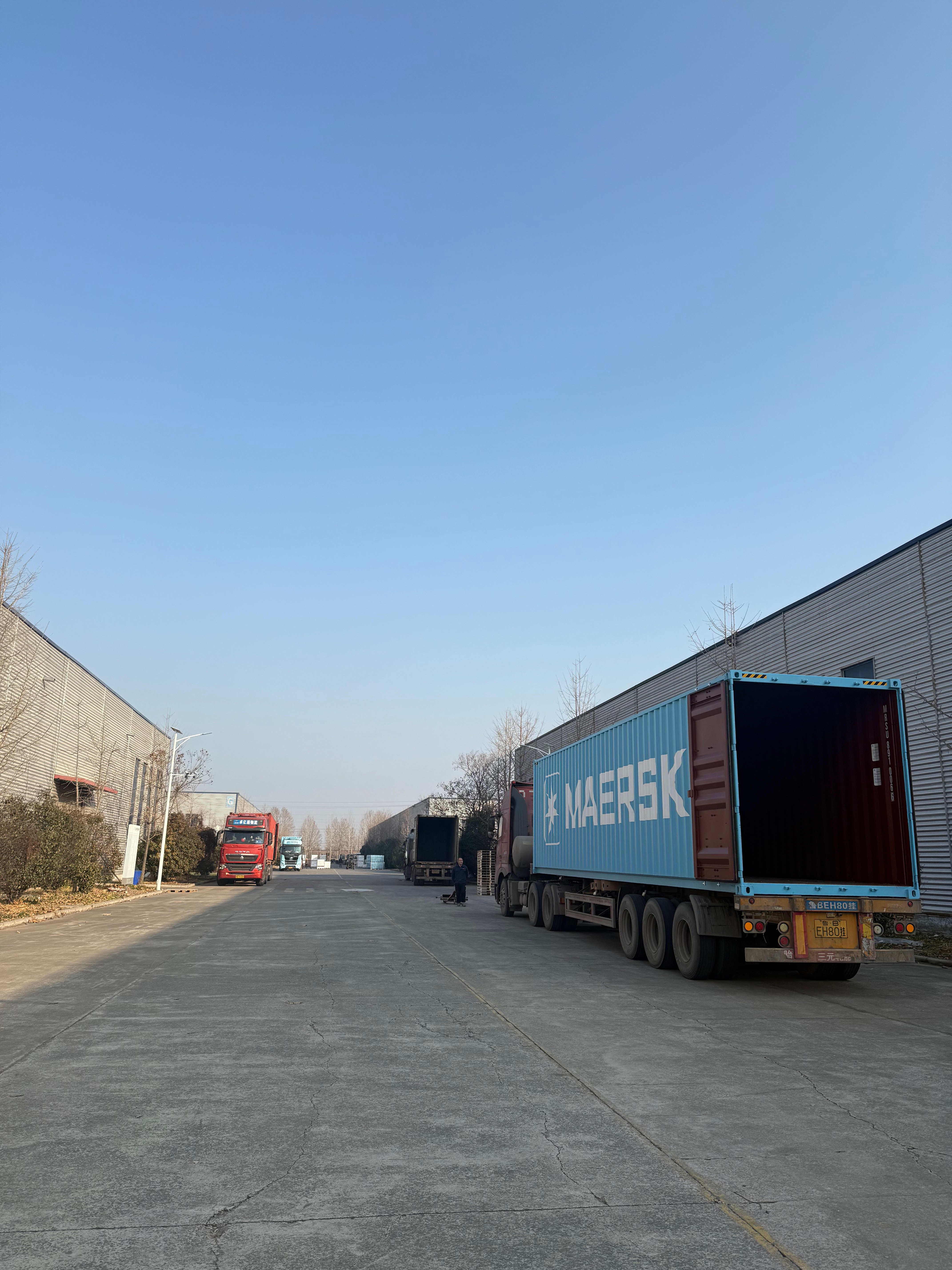
Engineered wood flooring is a practical choice for hotel and office interiors because its layered construction combines a real wood surface with a stable core, and because the product family can be specified across guest rooms, corridors, lobbies and offices. The commercial risk is not the material category itself. It is the gap between a sample board and a project file: wear that was never matched to the zone, compliance evidence that was never verified, and a production slot that was never planned around the 45-day lead time.
Dongda Wood's product data, 100% testing process, 45-day lead time, 3-year commercial warranty and Canadian supply record give buyers a concrete basis for the evaluation. The next step is to match those facts to the project own zones and compliance requirements, then confirm the specification, sample and production window in writing. The company engineered wood flooring brochure can be downloaded here, and the company website is Dongda Wood.
For project enquiries, the contact team can be reached by email at Elimy_dongdawood@163.com or by WhatsApp on +86 18095694852. Please include the project type, destination market and target installation date so the specification and production window can be checked against the 45-day lead time.
Have Questions or Need More Details?
Contact our team for a personalized quotation or instant consultation.
Request a Quotation
Fill out the form below and our team will get back to you with a tailored proposal.
WhatsApp Direct Chat
Prefer to chat in real-time? Message us on WhatsApp for instant assistance & quick answers.
- Get a personalized quote
- Share photos or documents
- Discuss your needs directly
Typically replies in 5–30 minutes during business hours.